
A comprehensive 2027 safety guide to the Ecuadorian Coast
Updated 2027 travel safety advice, crime statistics, and regional security for coastal Ecuador
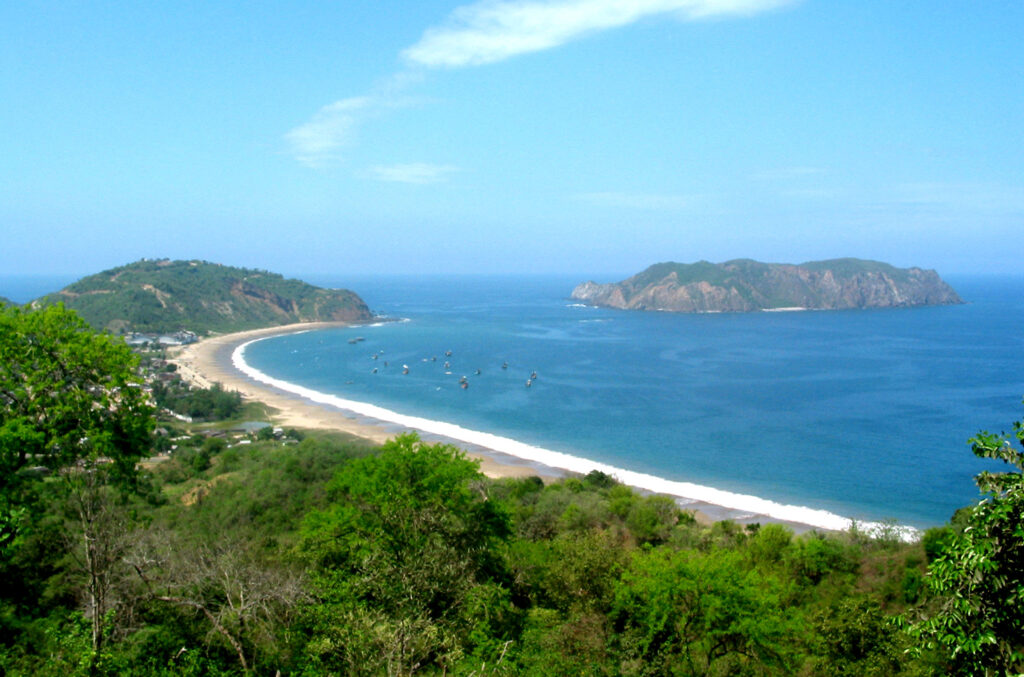
Understand the 2027 security landscape on Ecuador’s Pacific coast

BEN FINCH
Following on from our 2026 guide to coastal Ecuador, navigating this spectacular stretch of Pacific coastline requires clear eyes and updated information. Ecuador continues to present a stark regional divide. While the Andean highlands—including historical hubs like Cuenca and Quito—maintain low crime rates relative to major Western cities, the coastal lowlands remain heavily impacted by transnational drug transit dynamics.
In 2027, official travel advisories from the Foreign, Commonwealth & Development Office (FCDO), the US State Department, and Global Affairs Canada maintain strict advisories across coastal jurisdictions. Approximately 88% of homicides nationwide remain concentrated within six coastal provinces: Guayas, Manabí, Esmeraldas, El Oro, Los Ríos, and Santa Elena.
For cyclists, route planners, and independent travellers, understanding these figures is not about inducing panic; it is about making intelligent, data-led choices. Coastal routes remain navigable for those who respect local curfews, stay updated on government states of emergency, and adhere to strict daylight transit rules.
Key protocols for navigating the Ecuadorian coast

Understanding the ground realities of coastal Ecuador is essential for a smooth overland expedition. These fundamental safety rules will keep your wheels turning and your kit secure from Esmeraldas to El Oro.
- Border bypass: Steer well clear of the northern border zone in Esmeraldas, routing through established inland border crossings like Rumichaca in Carchi province instead
- Daylight discipline: Conclude all road riding and bus transits by 15:30 to ensure you reach vetted accommodation well before dusk, when highway theft risks spike significantly
- Urban transfers: Treat Guayaquil strictly as a transit node—use pre-arranged hotel transport or verified ride-hailing apps between transport terminals and secure districts
- Coastal corridors: Stick to recognised tourist areas in Manta, Puerto López, Montañita, and Olón, keeping gear locked indoors and avoiding unlit beaches after dark
- Two-phone protocol: Carry a secondary, lower-value smartphone on your handlebars for GPS navigation while keeping your primary phone tucked safely in a hidden internal pocket
- Transit vigilance: Keep your daypack firmly on your lap with straps secured while riding intercity buses, avoiding overhead bins or under-bus luggage holds for high-value gear
The Ecuadorian Coast.
Where you’ll find the very best food
Regional security breakdown / Where to exercise maximum caution
Esmeraldas and the northern border zone
Esmeraldas province remains the most sensitive coastal jurisdiction. Due to its proximity to the Colombian border and dense river network, criminal networks control key transit channels through mangrove ecosystems and rural areas.
International foreign offices advise against all travel within 20 kilometres of the Colombian border and against non-essential travel to Esmeraldas city. For cycle tourists and overland travellers, bypassing Esmeraldas province altogether in 2027 remains the safest option.
If you are travelling south from Colombia, use established inland border crossings such as Rumichaca at Tulcán in Carchi province rather than coastal routes.
Manabí and Santa Elena / Coastal hubs and surf towns
Manabí and Santa Elena host Ecuador’s primary beach towns, including Manta, Puerto López, Montañita, and Olón. Unlike Esmeraldas, these areas remain functional for tourism and welcome international visitors annually.
However, crime patterns in 2027 require heightened personal security:
- Puerto López and Manta: These ports experience periodic security operations due to maritime trafficking routes. Stick to main tourist corridors, avoid port areas after dark, and arrange transport through reputable lodgings
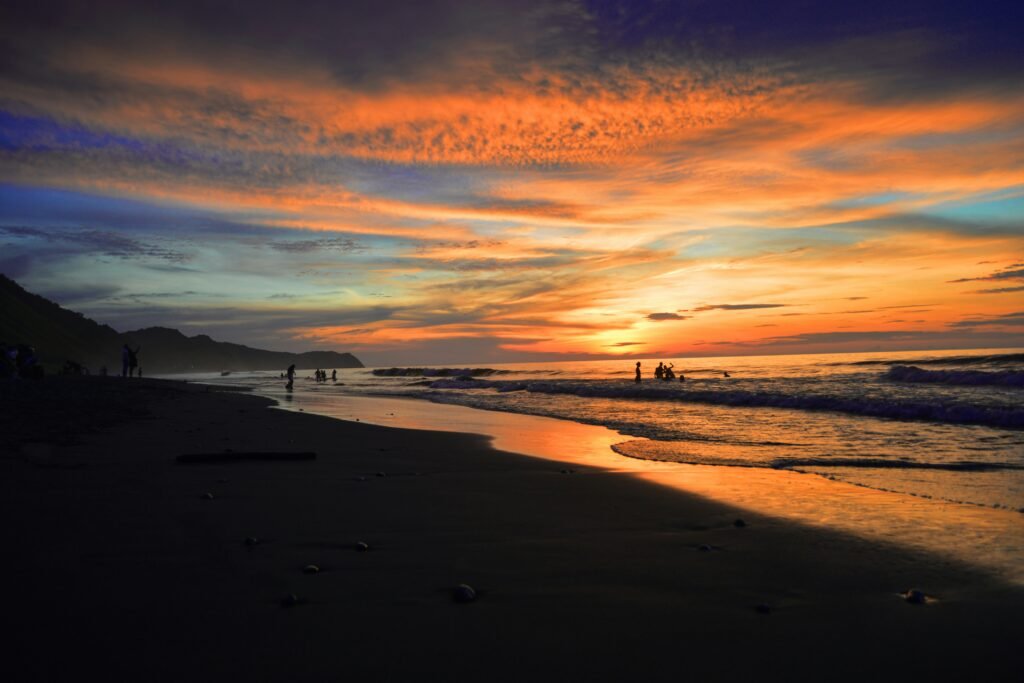
- Montañita and Olón: While popular among surfers and backpackers, opportunistic theft and petty crime are frequent. Keep gear locked inside accommodation, and avoid beaches after sunset, as ambient lighting is poor and isolated stretches present robbery risks
Guayas and Guayaquil / The urban gateway
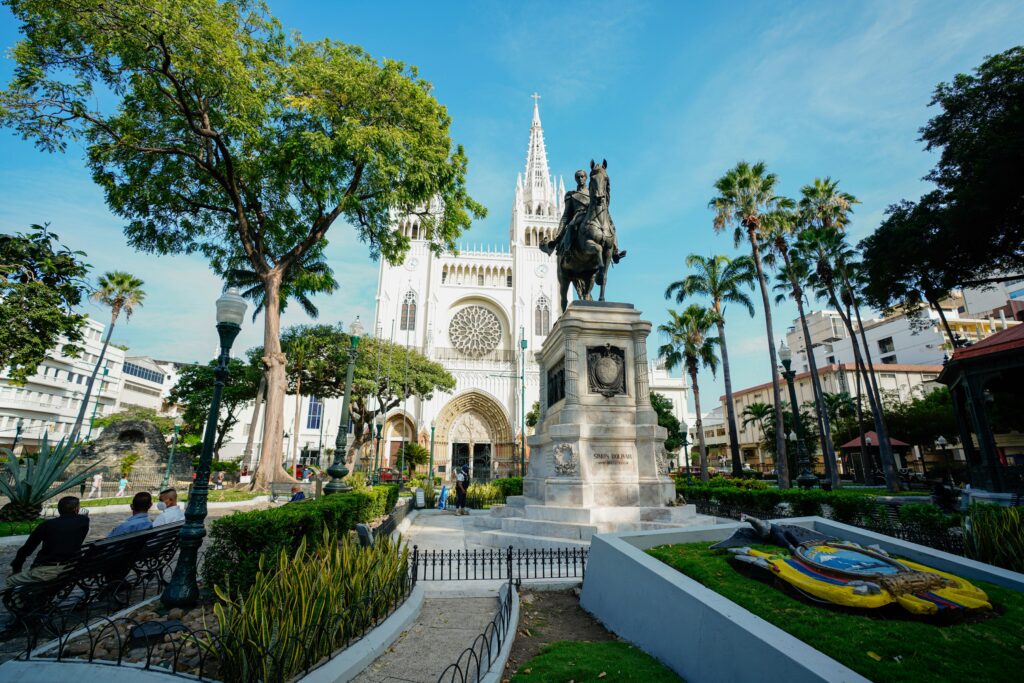
Guayaquil serves as Ecuador’s primary port and main transportation hub for flights to the Galápagos Islands. While areas such as Samborondón, Puerto Santa Ana, and Malecón 2000 remain heavily policed and relatively secure, outer districts—including Nueva Prosperina and Pascuales—face severe security challenges.
If your 2027 itinerary involves Guayaquil:
- Transit directly between the airport or bus terminal and established tourist zones using pre-arranged transport
- Avoid hailing taxis on the street; rely on verified ride-hailing apps or hotel-arranged drivers
- If you are transferring to the Galápagos or an Andean bus, schedule your transit during daylight hours
El Oro and Los Ríos / High-risk transit corridors
The agricultural lowlands of Los Ríos and El Oro serve as main highways connecting the coast to the southern Andes. Cities such as Babahoyo, Quevedo, and Machala have recorded high violent crime rates tied to extortion and transit routes.
Avoid overnight stays in these hub towns, and restrict road travel through these corridors strictly to daylight hours.
The Galápagos.
Ecuador’s Enchanted Isles
Personal safety dynamics / Advice for solo, female, and minority travellers
Safety conditions along the Ecuadorian Coast vary depending on individual travel profiles. Preparing for these specific dynamics ensures a smoother journey.
Solo travellers
Solo travel along the coast requires disciplined risk management. Without a travel partner to watch equipment or monitor surroundings, opportunistic theft becomes a primary vulnerability.
- Maintain routine communication with contacts back home, sharing planned daily bike routes or bus connections
- Avoid arriving in new towns after dark. Aim to reach accommodation by 15:00 to account for potential road delays
Female travellers
Women travelling along the coast frequently encounter unwanted verbal attention, locally referred to as machismo. While usually non-confrontational, it can be mentally tiring.
- Street presence: Moving with clear purpose, wearing sunglasses, and ignoring unsolicited comments are effective ways to deter interaction
- Accommodation: Choose hotels or guesthouses with 24-hour reception and secure door locks. Avoid couch-surfing or unverified home-stays in coastal towns
- Nighttime safety: Even in pairs or small groups, avoid walking along unlit beaches or quiet backstreets at night
Minority and LGBTQ+ travellers
Ecuador legally recognises LGBTQ+ rights, but social attitudes along the coastal provinces remain traditional compared to hubs like Quito, Guayaquil or Cuenca.
- Public displays of affection may attract unwanted attention in rural coastal villages. Discreet behaviour is advisable outside major tourist centres, such as Olón and Montañita
- Afro-Ecuadorian culture is deeply rooted along the coast, particularly in Esmeraldas and northern Manabí. However, racial dynamics and economic tensions can occasionally manifest as unsolicited scrutiny in remote areas
The Ecuadorian Sierra.
Get lost in the hills
Is the Ecuadorian coast safe for North American travellers?
Joint maritime interdictions and community sentiment
A distinct safety consideration for North American travellers along the Manabí coast involves local reactions to international maritime security operations. Documentation by international rights organisations, including Human Rights Watch, has drawn attention to joint counternarcotics interdictions off coastal Ecuador. These actions have directly impacted small-scale fishing operations, leaving several local crews missing or detained during offshore operations.
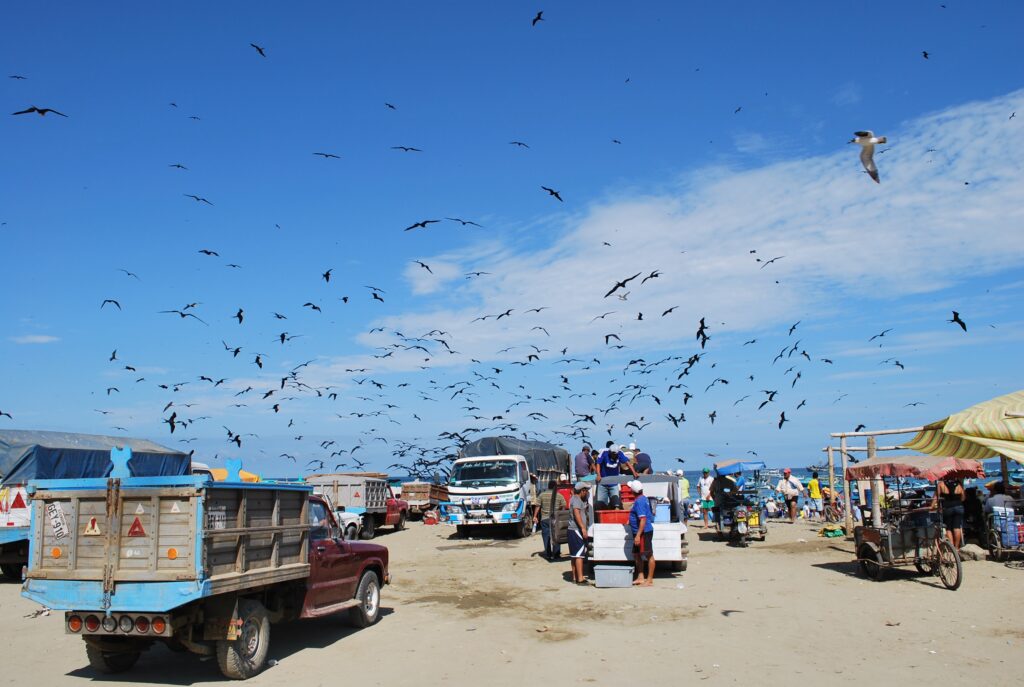
In working port towns such as Puerto López, Jaramijó, and San Mateo, fishing is not merely an industry—it is the social and economic fabric of everyday life. Incidents resulting in lost vessels or missing fishermen cause deep grief and community frustration. When foreign military forces are associated with these events, local discussions regarding international security policy can carry significant tension.
Distinction between state policy and independent travellers
For citizens of the United States and Canada (we know you’re not involved, Canadians, but we also know you need to take care in case of confusion), understanding this dynamic is essential for smooth travel along the coast:
- Separation of foreign policy and individual visitors: Local residents in Puerto López consistently distinguish between foreign state actions and independent travellers. You will not face personal hostility simply because of your nationality
- Heightened sensitivity in working port spaces: Friction is confined almost entirely to active fishing zones, docklands, and local maritime discussions. Displaying military-style apparel, engaging in political debates, or photographing working boats without clear permission can create avoidable discomfort
- Low-profile presence: Keeping a modest, respectful posture ensures that community members view you as an appreciative guest rather than a representative of foreign government actions
Key daily precautions for North American travellers in 2027
When visiting Puerto López and neighbouring coastal settlements, incorporating these practical habits ensures a welcoming and trouble-free stay:
- Maintain a low visual profile: Leave clothing featuring national flags, military patterns, or high-visibility brand logos in your bag. Store expensive camera bodies, drones, and handheld GPS units in concealed packs when moving through fish markets or port areas
- Respect active fishing zones: The shoreline in Puerto López functions simultaneously as a tourist beach and a working landing site for artisanal fishing boats. Observe the morning haul from a courteous distance, ask before taking photographs of boat crews, and keep interactions warm and polite
- Avoid drone photography over port infrastructure: Operating uncrewed aerial vehicles around fishing harbours or military patrol craft can raise suspicion among local authorities and residents alike. Keep drone flights restricted to uninhabited natural coastal stretches
- Steer clear of international political discussions: If local conversation turns to maritime security or international relations, listen respectfully without offering unsolicited commentary or political debates
Cycling and adventure travel protocols on two wheels
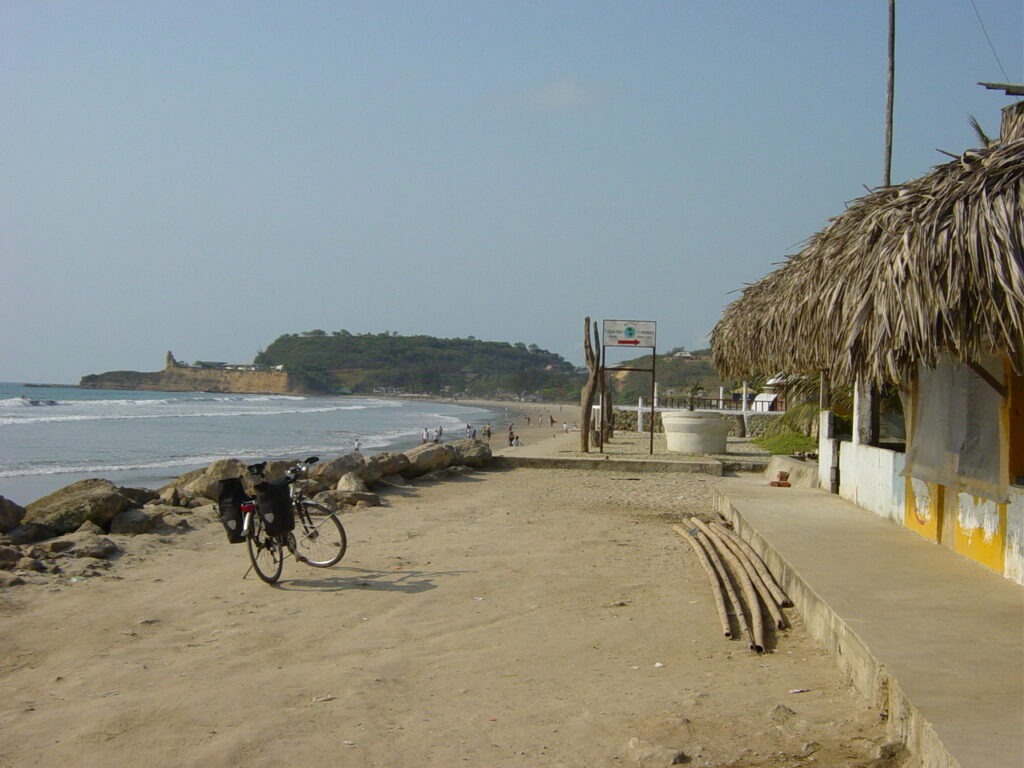
Riding Ecuador’s coastal roads demands rigorous route preparation. Security for cyclists involves managing both traffic hazards and equipment risks. We don’t recommend you try this.
Traffic and road conditions
Coastal highways feature narrow shoulders, heavy truck traffic, and occasional road damage from seasonal rains between December and May.
- Visibility: Always ride with active daytime running lights, high-visibility clothing, and a bar-end or helmet mirror
- Driver behaviour: Heavy vehicles and intercity buses frequently overtake aggressively. Yield the right of way whenever road space narrows
Gear security and robbery prevention
High-end touring bicycles, bikepacking bags, and visible electronics mark riders as targets for theft.
- The two-phone rule: Carry a secondary, lower-value smartphone for handlebar navigation or public use. Keep your primary smartphone tucked safely in a concealed internal pocket
- Avoid dusk riding: Most highway theft incidents involving adventure travellers occur between 17:00 and 19:00. Cease riding by 15:30 to ensure you are off the road well before dusk
- Safe stops: If you suspect you are being followed or observed, pull into populated fuel stations or family-run tiendas rather than stopping in isolated rural spots
Street smarts and practical logistics for 2027

To maintain peace of mind while exploring coastal Ecuador, incorporate these standard operating procedures into your daily routine:
- ATM vigilance: Only withdraw cash from ATMs situated inside bank branches or enclosed shopping centres during daytime business hours. Never use street-facing automated machines
- Cash management: Ecuador uses the US dollar. Keep small denominations ($1, $5, and $10 notes) accessible in a loose pocket for small purchases, while stashing larger sums in an under-clothing money belt or concealed pouch
- Transit security: On intercity buses, keep your daypack on your lap with your arm looping through the strap. Never place valuables in overhead luggage racks or stored bags in the hold
- Emergency contact numbers: Save key numbers before departure:
- National Emergency Line: 911
- Tourist Police Support: Save local regional contacts provided by your embassy upon arrival
The Ecuadorian Amazon.
The most biodiverse place in the world
Ride smart along South America’s Pacific rim
Read this far?
Coastal Ecuador presents an extraordinary landscape where the dry tropical forests of Manabí meet the surf swells of the Pacific, but its security landscape demands constant respect and adaptable planning.
Approaching the region with rigid expectations or ignoring local safety advisories can quickly turn a memorable expedition into an unnecessary gamble. Success along these highways lies in blending thorough preparation with calm, decisive execution on the ground.
Independent travel along the coast is not about avoiding the journey altogether; it is about choosing your routes with intention. By prioritising daylight movement, maintaining tight control over your gear, and relying on trusted local intelligence when passing through agricultural lowlands like Los Ríos and El Oro, you preserve the autonomy that makes overland travel so rewarding.
As conditions evolve across the 2027 season, remaining adaptable stays at the heart of the Wheely Tyred philosophy. Keep your setup light, monitor regional advisories, respect local curfews, and let the natural rhythm of the coastline dictate your pace. With the right security habits firmly established, Ecuador’s Pacific edge remains an unforgettable corridor for those who ride with eyes wide open.
Affiliate Disclaimer: Some of the links on Wheely Tyred are affiliate links. If you click through and make a booking or purchase, we may earn a small commission at no extra cost to you. We only recommend gear, tours, stays, and services we genuinely use, trust, and stand behind — our editorial independence always comes first. These commissions help keep our independent cycling guides and travel stories free to read. You can also buy me a coffee here — thanks for supporting the ride!
Frequently asked questions about safety on the Ecuadorian coast
No, but adhere strictly to daylight movement and avoid night riding if you really want to do it. The coastal highway passing through Manabí and Santa Elena—connecting hubs like Puerto López, Montañita, and Olón—remains functional for cycle touring, but you must finish your daily riding by 15:30 and store equipment securely overnight inside your accommodation.
Ecuador uses the US dollar. Withdraw cash only from ATMs situated inside bank branches during daytime business hours. Carry loose $1, $5, and $10 notes in an easily accessible pocket for daily meals and small purchases, while keeping larger sums concealed in an under-clothing money belt or security pouch.
Yes, but take specific precautions. Book daytime departures with established bus lines, keep your daypack containing your electronics and passport directly on your lap, and avoid putting high-value luggage in the overhead racks or under-bus storage holds.
Foreign government advisories continue to recommend avoiding all travel within 20 kilometres of the Colombian border and non-essential travel to Esmeraldas city. Overlanders entering Ecuador from Colombia should bypass Esmeraldas by crossing at the inland Rumichaca checkpoint in Carchi province.
Solo travellers should maintain a strict 15:00 arrival deadline at accommodation to avoid searching for rooms after dark. Female travellers encountering unwanted verbal comments should maintain a confident pace, wear sunglasses, and ignore unsolicited remarks. Always book stays with 24-hour reception and avoid walking on unlit beaches alone at night.
Implement the two-phone rule: mount a cheap, secondary smartphone to your handlebars for GPS navigation, and keep your main phone stored in a concealed internal pocket. If you need to stop for mechanical adjustments or water, pull into populated fuel stations or family-run tiendas rather than isolated roadside spots.
Ecuador.
Pure wonder on the equator.


