Navigate Ecuador’s wild Pacific shore / The ultimate guide to coastal boat tours & river cruises
Top-rated Ecuador coast boat tours, marine reserve excursions, and estuary cruises
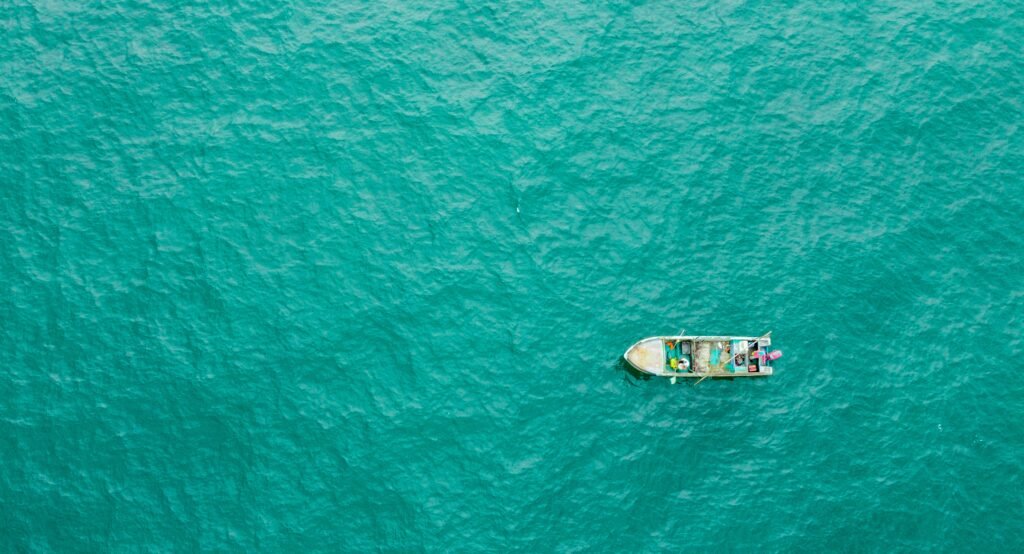
Experience the raw beauty, marine wildlife, and maritime heritage of La Costa
BEN FINCH
The Pacific coastline of mainland Ecuador (La Costa) is a realm defined by dramatic sea cliffs, sheltering bay coves, vast estuarine mangroves, and nutrient-rich equatorial currents. While overland routes like the Ruta del Spondylus offer glimpses of the shore, the true magic of Ecuadorian coastal life—from breaching humpback whales to resident dolphin pods and colonies of blue-footed boobies—remains completely inaccessible from dry land.
At Wheely Tyred, our slow-travel philosophy celebrates maritime navigation that honours local coastal communities and fragile marine ecosystems. We actively bypass crowded party boats and generic cattle-class ferries in favour of small-craft expeditions led by veteran local skippers and marine naturalists.
Whether you are setting sail from the sheltered fishing harbour of Puerto López towards offshore islands, gliding silently through the red mangroves of the Gulf of Guayaquil, or tracing colonial maritime history along the wide Río Guayas, exploring Ecuador from the water yields an unmatched perspective on South America’s Pacific edge.
Below is our handpicked selection of the six absolute best bookable boat tours and water excursions across the Ecuadorian coast.
Coastal waters & island sanctuaries
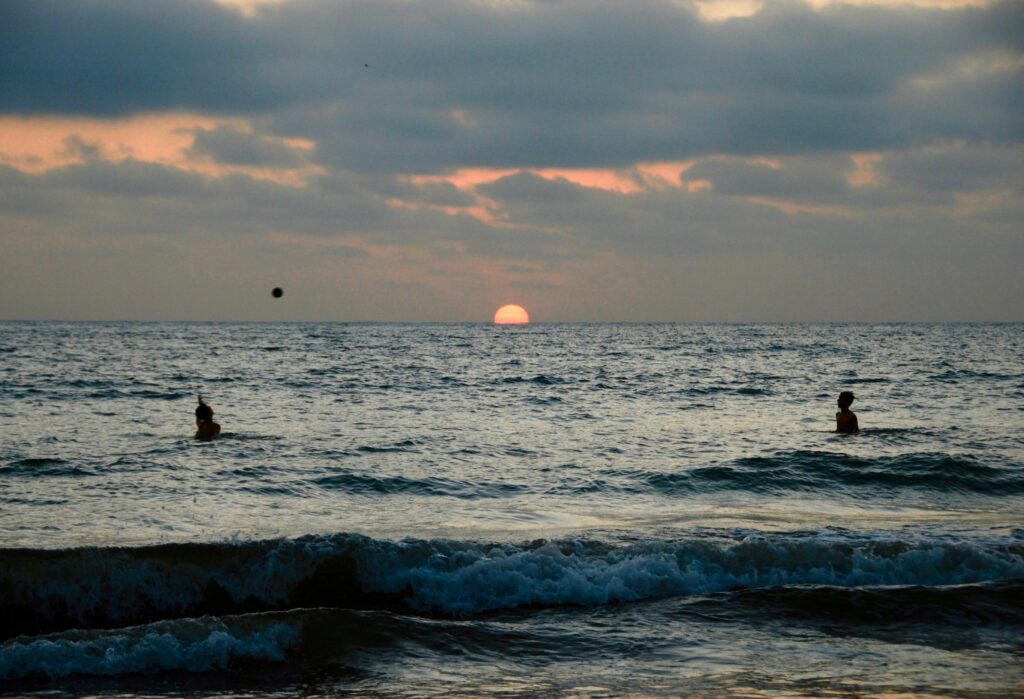
Navigating mainland Ecuador’s Pacific littoral and offshore islets unveils wild marine sanctuaries and ancestral fishing channels completely inaccessible from the highway. Here is a summary of the key destinations, marine encounters, and practical tips from our coastal water guide.
- Isla de la Plata: Known as the continental Mini Galápagos, offering autonomous travellers a chance to observe blue-footed boobies, red-footed boobies, and frigatebirds without the expensive offshore flight.
- Seasonal Whale Safaris: Antarctic humpback whales migrate to the warm equatorial bays around Puerto López between June and October to mate, nurse, and breach near the shore
- Estuarine Dolphin Spotting: The tranquil, red mangrove channels of Puerto del Morro provide a calm-water sanctuary for observing resident pods of coastal bottlenose dolphins (bufeos)
- Reef & Volcanic Islets: The protected waters surrounding Isla Salango and Pinzón Island boast exceptional marine clarity, hosting sea lions, green sea turtles, stingrays, and harmless white-tip reef sharks
- Continental Wetland Canals: Reserva Ecológica Manglares Churute safeguards vast mangrove labyrinths where motorised canoes slip past roosting waterbirds and howler monkey troops
- Seamanship & Ocean Swells: Pacific crossings across the Humboldt Current can be lively; packing a heavy-duty dry bag and non-drowsy seasickness remedies is essential for a smooth voyage
The Ecuadorian Coast.
Where you’ll find the very best food
1. Sail to Ecuador’s offshore sanctuary / Isla de la Plata expedition
Rating & reviews
(11+ verified reviews on GetYourGuide)
Why this specific tour stands out
Located roughly 40 kilometres off the coast of Machalilla National Park, Isla de la Plata is fondly dubbed the Mini Galápagos due to its remarkably similar endemic seabird populations and marine life. Operating out of Puerto López harbour, this full-day small-boat expedition crosses open Pacific waters under the guidance of licensed naturalist guides and research biologists.
The tour vessel is engineered specifically for offshore ocean conditions, featuring dual high-powered outboard engines, sheltered bench seating, and onboard safety gear. Between June and October, the ocean transit transforms into a world-class whale-watching safari, as Antarctic humpback whales arrive in these warm equatorial waters to mate and nurse their calves.
Key highlights
- Humpback Whale Encounters: High probability of spotting breaching humpback whales during their annual migration (June–October), complete with hydrophone listening sessions
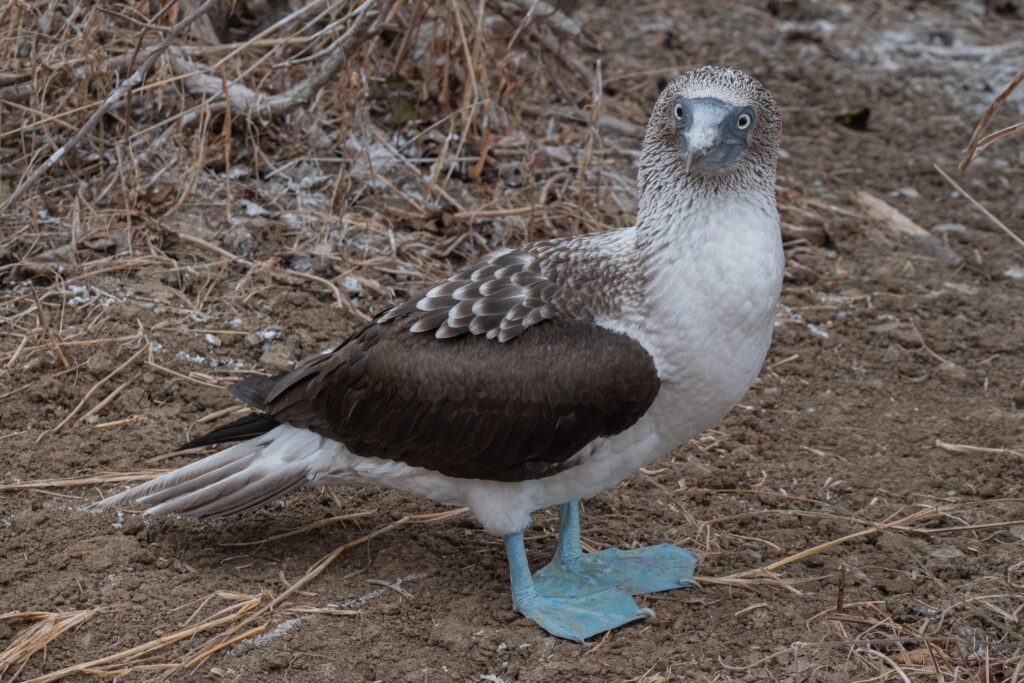
- Galápagos Seabird Colonies: Guided hiking trails on the island to observe blue-footed boobies (Sula nebouxii), red-footed boobies, masked boobies, and magnificent frigatebirds nesting at close range
- Marine Reserve Snorkelling: Crystal-clear reef snorkelling at Drake’s Bay alongside Pacific green sea turtles, giant manta rays, and vibrant schools of tropical fish
- Full Catering Included: Box lunch with fresh local fruit, cold sandwiches, traditional banana cake, and ample fresh water onboard
Ideal for
Wildlife enthusiasts, birdwatchers, marine photographers, and autonomous travellers seeking a continental alternative to the Galápagos Islands.
Local insight
The open ocean crossing across the Humboldt Current to Isla de la Plata can be lively. Bring non-drowsy seasickness medication to take 45 minutes before leaving Puerto López pier, and stow camera gear in a heavy-duty dry bag to protect against ocean spray during the 75-minute offshore transit.
2. Navigate protected estuaries / Bottlenose dolphins of Puerto El Morro
Rating & reviews
(5+ verified reviews on Viator)
Why this specific tour stands out
Puerto del Morro, nestled along the northern curve of the Golfo de Guayaquil, is a tranquil fishing community surrounded by extensive, ancient mangrove forests. This tour utilises traditional, low-impact covered motor launches operated by local artisanal fishermen who possess generations of intimate knowledge regarding the estuary’s tidal rhythms.
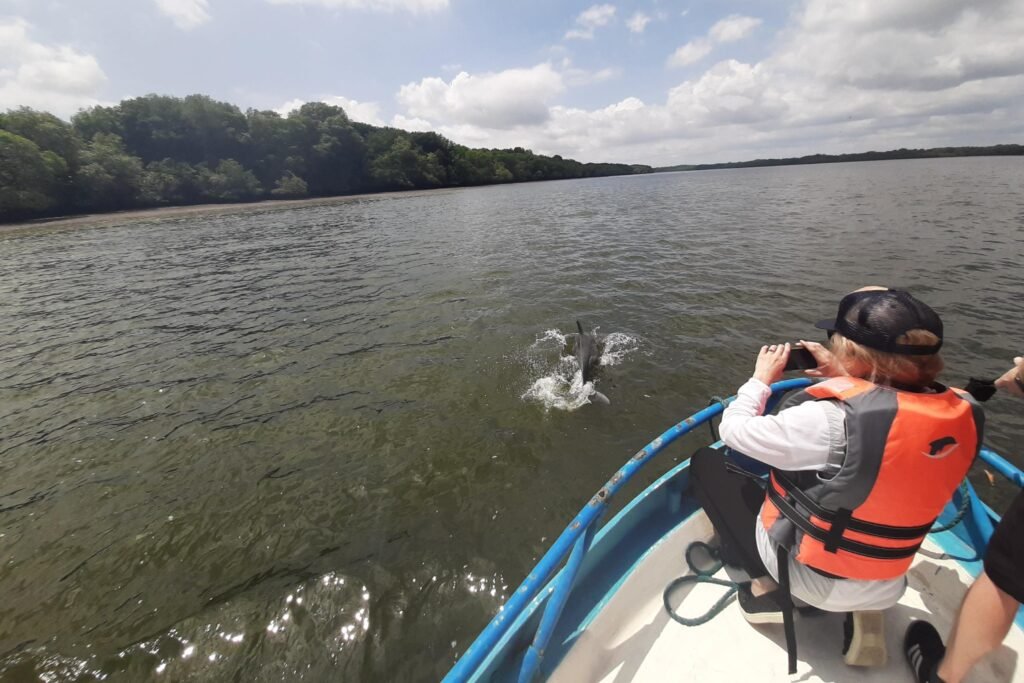
Rather than chasing wildlife, the skippers cut engines near key tidal passages, allowing travellers to observe a resident pod of coastal bottlenose dolphins (bufeos) foraging in their natural estuarine habitat.
Key highlights
- Estuarine Bottlenose Dolphins: Close-up encounters with resident dolphin pods swimming alongside the boat in calm mangrove channels
- Isla de los Pájaros Exploration: Navigation past a massive protected bird sanctuary island housing one of South America’s largest colonies of frigatebirds, white ibis, and brown pelicans
- Mangrove Tunnel Navigation: Silent drifting under dense canopy arches of red, black, and white mangroves while learning about artisanal crab harvesting (cangrejeros)
- Fresh Seafood Gastronomy: Includes an authentic coastal lunch featuring fresh Pacific fish or shrimp with green plantains (patacones) at a local waterfront restaurant
Ideal for
Ecotourists, families, wildlife observers, and travellers who prefer tranquil, flat-water navigation over rolling ocean swells.
Local insight
Mangrove estuaries are rich in marine insect life during early morning high tides. Wear lightweight, breathable long-sleeved clothing and bring eco-friendly bug repellent. Binoculars are essential for bird identification across the wide channel reaches.
The Galápagos.
Ecuador’s Enchanted Isles
3. Reef snorkelling & coastal cliffs / Isla Salango Marine Reserve
Rating & reviews
(4+ verified reviews on Viator)
Why this specific tour stands out
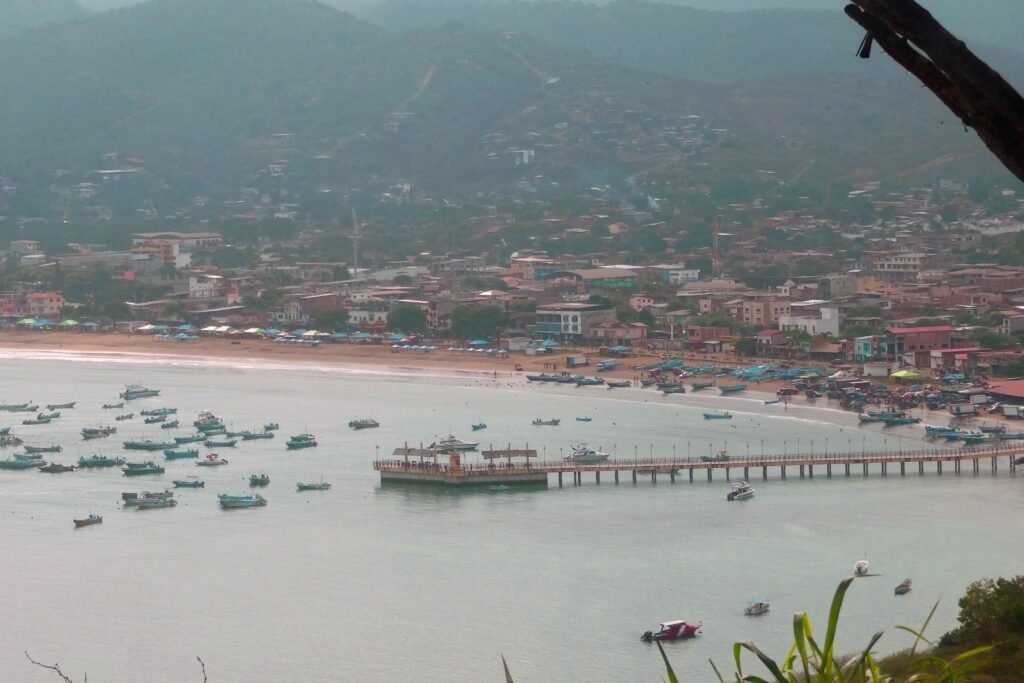
Isla Salango sits just one kilometre offshore from the historic fishing hamlet of Salango, within the protected marine waters of Machalilla National Park. Unlike longer offshore journeys, this boat tour offers rapid access to a secluded islet surrounded by volcanic rock formations and living coral reefs.
The small-group vessel provides sheltered shade and direct ladder access for swimmers, while an expert local guide highlights the island’s unique geological formation and marine bird nesting sites.
Key highlights
- Protected Reef Snorkelling: Dive into calm, shallow waters around the islet to spot sea turtles, parrotfish, stingrays, and sea urchins
- Seabird Nesting Cliffs: Slow coastal cruising past sheer rock faces inhabited by blue-footed boobies, pelicans, and Peruvian boobies
- El Rocío Viewpoint: Panoramic coastal overlook within Machalilla National Park offering sweeping views across the Pacific horizon
- Cultural Village Stop: Visit Salango’s ancestral museum to learn about 5,000 years of indigenous maritime trade and navigation culture
Ideal for
Snorkelers, coastal geography enthusiasts, and travellers seeking high-value wildlife immersion without a lengthy ocean voyage.
Local insight
The waters surrounding Isla Salango are sheltered by the mainland, making conditions exceptionally calm for entry-level snorkelers. However, water temperatures drop slightly between July and November; wearing a 2mm rash guard or shorty wetsuit ensures maximum comfort during longer water sessions.
4. Inshore wildlife encounters / Sea lions & whales from Puerto López
Rating & reviews
(3+ verified reviews on Viator)
Why this specific tour stands out
For travellers seeking a condensed, high-impact marine wildlife excursion without committing to a full seven-hour offshore transit, this three-hour guided excursion out of Puerto López is an ideal choice. Designed around the rich nearshore waters of Machalilla National Park, the vessel navigates scenic coastal corridors where Pacific sea lions (lobos marinos) haul out, blue-footed boobies, and pelicans congregate along volcanic rock shelves.
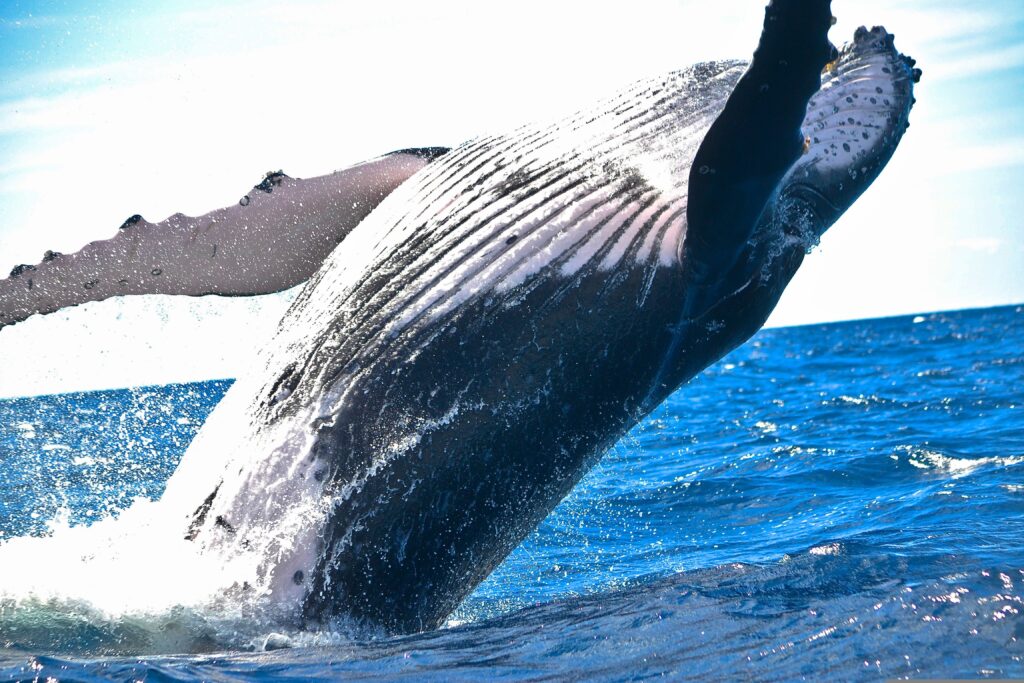
During the seasonal migration window (June through October), the captain aligns the route to include guaranteed humpback whale watching in the sheltered bay, followed by a quiet anchor stop off Isla Salango for reef snorkelling.
Key highlights
- Guaranteed Seasonal Whale Watching: High-success marine searching for mother humpbacks and calves breaching in the bay during migration months
- Sea Lion & Seabird Observations: Close coastal navigation along rocky coves to view resident sea lion colonies and nesting blue-footed boobies
- Isla Salango Snorkelling Stop: Guided surface snorkelling over coral beds filled with green sea turtles, sea stars, and colourful reef fish
- Onboard Refreshments: Includes fresh seasonal tropical fruits, cold beverages, and full snorkelling gear provided by the local crew
Ideal for
Families, time-conscious travellers, sea mammal enthusiasts, and those looking for an intimate marine safari close to the mainland shore.
Local insight
Because this excursion lasts three hours, it fits effortlessly into an autonomous itinerary. Book an afternoon departure to enjoy golden-hour light illuminating the coastal cliffs of Machalilla as you return to Puerto López harbour.
The Ecuadorian Sierra.
Get lost in the hills
5. Galápagos offshore expedition / Marine life & mangrove walks at Pinzón Island
Rating & reviews
(154+ verified reviews on Viator)
Why this specific tour stands out
Departing from Puerto Ayora on Santa Cruz Island, this premier Galápagos day excursion takes travellers across the archipelago’s turquoise waters to the uninhabited sanctuary of Pinzón Island. Limited strictly to a maximum of 10 to 12 participants, the small-group structure guarantees personal interaction with certified naturalist guides.
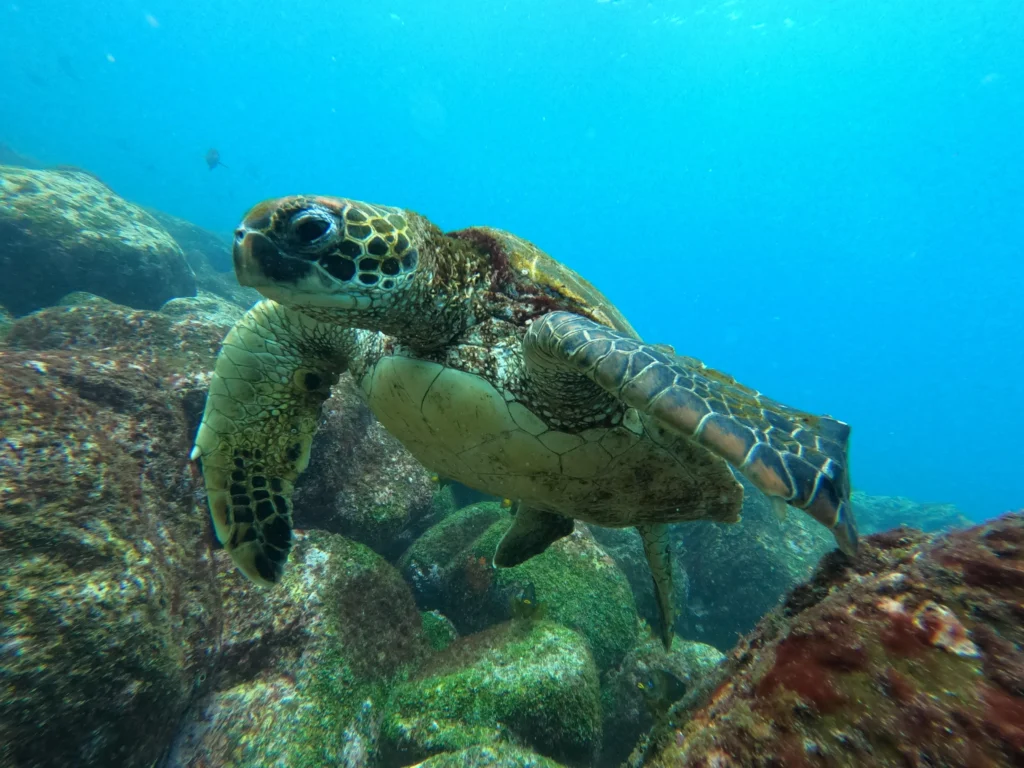
Pinzón is world-renowned for its exceptional underwater clarity and sea life density, offering surface swimming alongside white-tip reef sharks, playful sea lion pups, marine iguanas, and Pacific green sea turtles. The voyage also includes a coastal land disembarkation at La Fé or Las Palmitas Bay for a guided walk through ancient mangrove stands and candelabra cactus forests.
Key highlights
- Unmatched Underwater Snorkelling: Swim alongside friendly sea lions, marine iguanas, eagle rays, and harmless white-tip reef sharks in crystal-clear island bays
- La Fé Mangrove Discovery Walk: Disembark for a shore walk to observe Darwin’s finches, mockingbirds, lava herons, and marine iguanas resting on lava rocks
- Artisanal Fishing Demonstration: Learn traditional sustainable line-fishing techniques from the Ecuadorian crew during water transits
- Fresh Onboard Dining: Enjoy a freshly prepared lunch (featuring local fish, chicken, or ceviche, with vegetarian/vegan options available) plus complimentary wetsuits, towel service, and gear
Ideal for
Avid snorkelers, adventure-seeking wildlife enthusiasts, small-group travellers, and anyone desiring an immersive Galápagos marine day trip.
Local insight
Currents around Pinzón Island can vary depending on tidal shifts. The local guides provide detailed safety briefings and body flotation devices if needed. Always take advantage of the included wetsuits, as the Cromwell Current brings cooler, nutrient-rich water that keeps marine life active.
6. Glide through continental wetlands / Reserva Ecológica Manglares Churute
Rating & reviews
(12+ verified reviews on Viator)
Why this specific tour stands out
The Reserva Ecológica Manglares Churute safeguards over 35,000 hectares of red mangrove estuaries and tropical dry forest—one of the last grand continental mangrove strongholds on South America’s Pacific coast.
This specialised eco-tour navigates silent, winding estuarine channels aboard motorised long canoes designed to minimise wake and acoustic disruption to resident fauna. Accompanied by a ranger-certified naturalist, travellers probe deep into protected wetland zones far beyond standard tourist routes.
Key highlights
- Deep Estuary Boat Navigation: Traverse vast saltwater mangrove labyrinths to observe roosting aquatic bird species
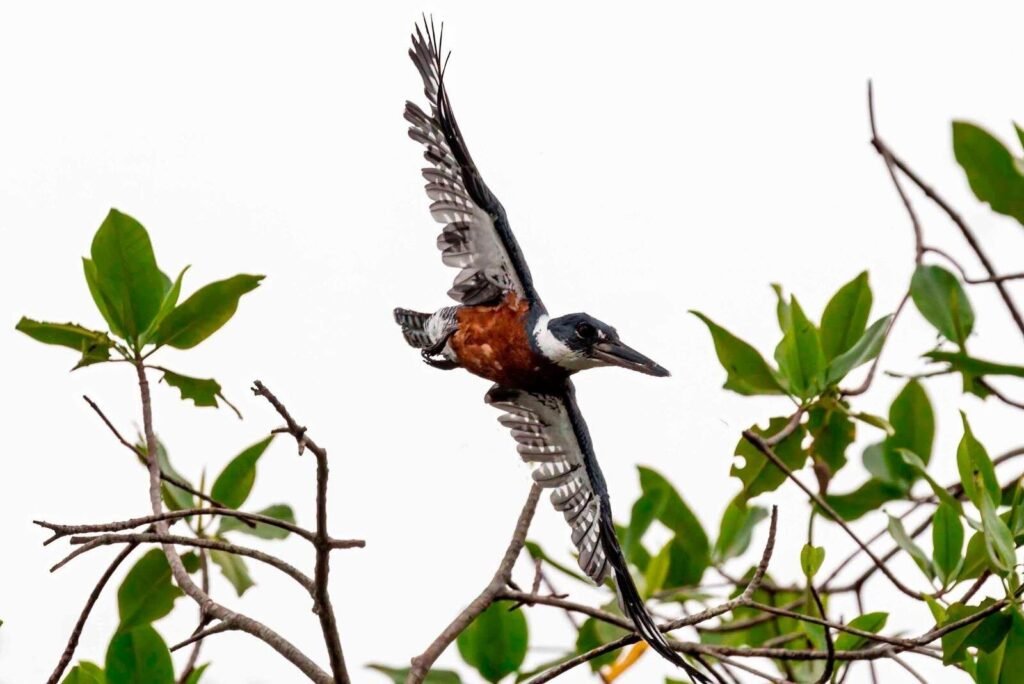
- Exceptional Birdwatching: Spot herons, egrets, pink spoonbills, osprey, and rare migratory waterbirds
- Howler Monkey Trail Hike: Combine river navigation with a short, guided forest walk to spot mantled howler monkeys in the canopy
- Heritage Cacao Integration: Visit an authentic coastal hacienda following the boat trip to discover Ecuador’s world-famous fine-aroma cacao production
Ideal for
Eco-conscious travellers, birders, nature photographers, and advocates of quiet, sustainable wetland exploration.
Local insight
Churute is a dynamic tidal system. Estuary water levels change significantly throughout the day; booking an early morning departure ensures your canoe can navigate deeper into narrow mangrove channels where wildlife concentrates at low tide.
The Ecuadorian Amazon.
The most biodiverse place in the world
Our practical boat tour & water safety guide
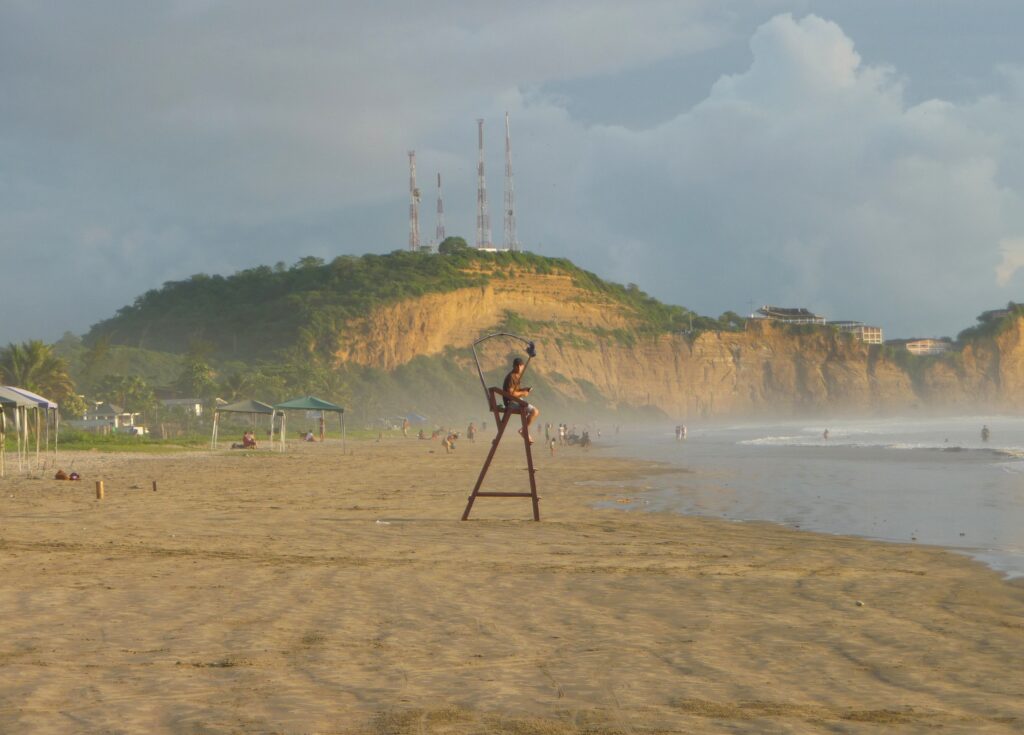
Navigating Ecuador’s coastal Pacific waters and estuarine river systems requires proper preparation to ensure a safe, comfortable, and eco-conscious adventure. Follow our practical maritime tips before heading down the dock:
Layering for maritime microclimates & wind chill
While mainland Ecuador may feel warm on shore, wind chill on open Pacific boat transits (especially en route to Isla de la Plata) can drop temperatures drastically. Pack a lightweight, windproof splash jacket, breathable layers, and a secure sun hat with a chin strap to handle open-ocean gusts.
Marine conservation & wildlife protocols
Ecuador’s marine sanctuaries are strictly protected. Maintain respectful distances from nesting seabirds, sea turtles, and marine mammals. Never touch coral reefs, and ensure all sunscreens used are mineral-based and reef-safe (zinc oxide or titanium dioxide) to prevent chemical damage to marine life.
Managing ocean swells & motion sickness
The Humboldt and Equatorial currents converge along La Costa, creating rolling ocean swells beyond sheltered bays. If you are susceptible to motion sickness, take non-drowsy medication 45–60 minutes before boarding, sit mid-ship near water level where motion is minimal, and keep your horizon gaze steady.
Non-slip footwear & equipment protection
Boat decks in tropical salt environments become slippery quickly. Wear non-marking deck shoes, sturdy strap sandals, or wet booties with non-slip rubber grips. Electronics, passports, and dry clothes should always be sealed inside a heavy-duty roll-top dry bag during ocean crossings.
Maritime crew tipping etiquette
Local skippers, deckhands, and naturalist guides work tirelessly to ensure guest safety and wildlife sightings. Tipping in cash (US dollars, Ecuador’s official currency) is warmly appreciated. A customary tip is $5–$10 USD per person for day tours, handed directly to the captain or crew tip jar at disembarkation.
Cast off along Ecuador’s Pacific Rim
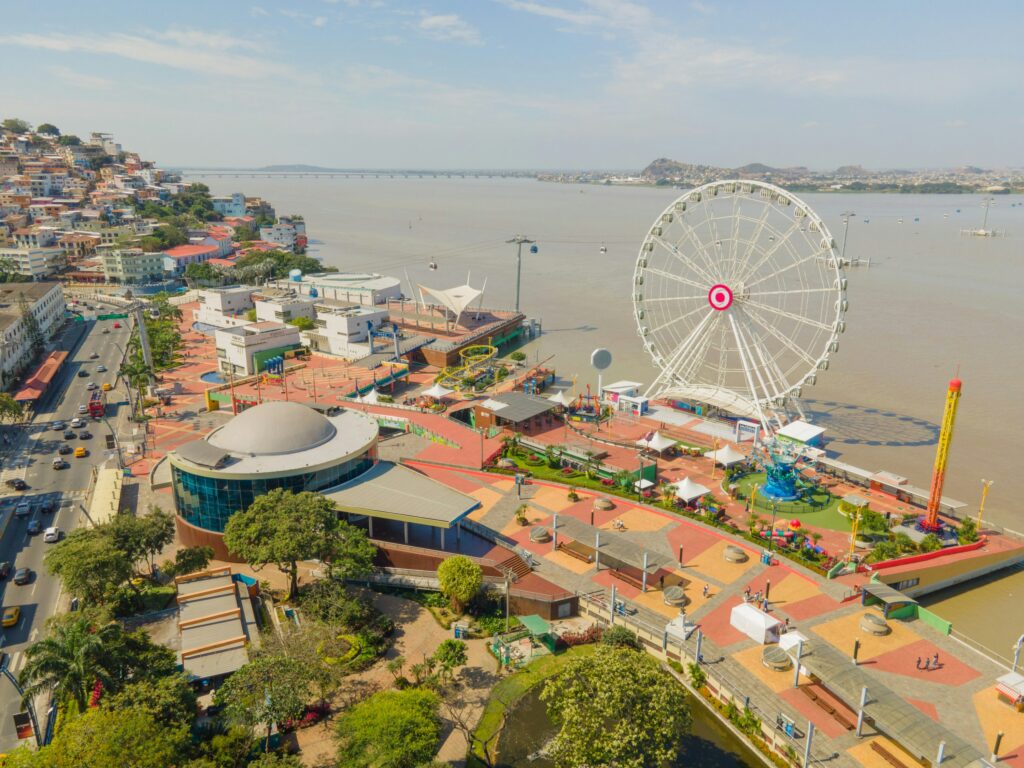
Stepping off the dry tarmac of the Ruta del Spondylus and onto the water changes your relationship with the Ecuadorian coastline. Beyond the surf towns and dusty transit hubs lies a living maritime realm shaped by ancestral fishing traditions, complex tidal ecosystems, and powerful oceanic currents. Exploring these waters aboard small craft provides a rare front-row seat to marine life and coastal landscapes that remain entirely hidden from dry land.
Choosing local, small-group boat excursions actively supports skipper families, indigenous naturalists, and artisanal fishing communities who act as the primary stewards of these fragile habitats. Whether you are watching a humpback whale breach off Machalilla National Park or drifting through the silent mangrove corridors of Churute, these water-based journeys champion low-impact, slow travel at its finest.
For the autonomous traveller relying on Ecuador’s buses and coastal connections, incorporating a morning or full-day water trip creates a rewarding rhythm to your journey. Equipped with flexible plans, respect for local marine protocols, and an eye on the ocean horizon, stepping aboard reveals a wild, pristine side to South America’s Pacific coast that will stay with you long after you return to shore.
Affiliate Disclaimer: Some of the links on Wheely Tyred are affiliate links. If you click through and make a booking or purchase, we may earn a small commission at no extra cost to you. We only recommend gear, tours, stays, and services we genuinely use, trust, and stand behind — our editorial independence always comes first. These commissions help keep our independent cycling guides and travel stories free to read. Thanks for supporting the ride!
Frequently asked questions about the best boat tours along the Ecuadorian coast
The humpback whale migration season along Ecuador’s coast runs from June to October. During these months, Antarctic humpbacks travel thousands of kilometres north to breed and raise their calves in the warm equatorial waters surrounding Machalilla National Park and Puerto López. July and August typically offer the highest density of sightings.
During the peak whale-watching months (July and August) and high Galápagos travel seasons, small-boat capacity fills up quickly due to strict daily visitor caps enforced by national park authorities. Booking one to two weeks in advance is strongly advised. During shoulder months, booking two to three days prior locally or online is usually sufficient.
Offshore transits to open-ocean destinations like Isla de la Plata or Pinzón Island cross waters influenced by the Humboldt Current, which can produce rolling ocean swells. Conversely, intracoastal mangrove tours (such as Puerto del Morro or Manglares Churute) take place on completely flat, sheltered water where seasickness is practically non-existent. If you are prone to motion discomfort, take non-drowsy medication 45 minutes before embarking on open-sea routes.
Pack lightweight, breathable long-sleeved clothing, a windproof splash jacket for open-water transits, non-marking rubber-soled deck shoes or strap sandals, a chin-strap sun hat, and reef-safe sunscreen. A heavy-duty roll-top dry bag is essential for keeping cameras, passports, and electronics protected from ocean spray or wet beach landings.
Yes. All certified tour operators provide life jackets (chalecos salvavidas) onboard, which are mandatory during ocean transits. Excursions focused on estuary dolphin spotting, birdwatching, or river navigation require no swimming whatsoever. For snorkeling stops at Isla Salango or Pinzón Island, non-swimmers can be provided with flotation belts and close guide supervision in calm bay waters.
Ecuador’s long-distance inter-provincial bus network is frequent, affordable, and straightforward to navigate. Direct buses run regularly from Guayaquil’s main terminal (Terminal Terrestre) to Puerto López (a journey of roughly 3.5 to 4 hours). To reach Puerto del Morro, take a regional bus from Guayaquil to General Villamil Playas, where local microbuses or taxis complete the short 20-minute connection to the harbour pier.
Ecuador.
Pure wonder on the equator.