The best humpback whale-watching boat tours in Puerto López, Ecuador
Top-rated small-group boat cruises and marine expeditions in Machalilla National Park
Trade crowded decks for intimate ocean voyages along Ecuador’s Pacific Coast
BEN FINCH
Every year between June and October, the sleepy fishing town of Puerto López on Ecuador’s central Manabí coast transforms into one of the Southern Hemisphere’s most vital marine sanctuaries.
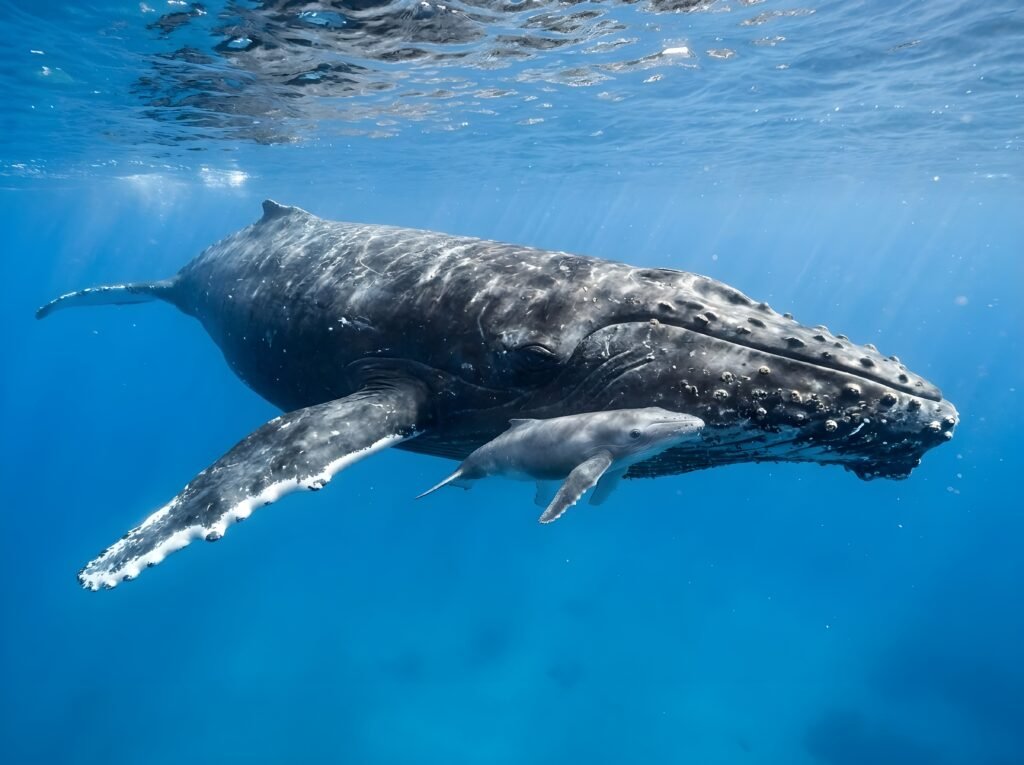
Tens of thousands of humpback whales (Megaptera novaeangliae) complete an arduous 7,000-kilometre migration from the sub-Antarctic feeding grounds to the warm, sheltered equatorial waters of Parque Nacional Machalilla.
Here, in the nutrient-rich currents of the Pacific Ocean, these majestic cetaceans breach, court, nurse their newborns, and put on one of nature’s most astonishing displays.
At Wheely Tyred, our philosophy is rooted in slow, intentional exploration. We believe that experiencing the ocean requires deep respect for marine habitats, local fishing heritage, and coastal ecology.
Watching humpback whales should never feel like a chaotic cattle-class spectacle. We actively avoid overcrowded party boats, loud diesel-choked vessels, and unlicensed operators who crowd marine life.
Instead, we advocate for small-group sailing trips, certified naturalist-led boat tours, and marine biologist research sails that prioritise vessel safety, quiet navigation, and strict compliance with national park buffer distances.
Stepping off the mainland and onto a small vessel off Puerto López reveals a perspective of Ecuador’s Pacific littoral that land travel simply cannot deliver. From the towering sea cliffs of the Manabí coastline to the pristine coral reefs surrounding Isla Salango and the seabird colonies of Isla de la Plata, exploring from the water brings you face-to-face with wild nature.
Below, we have curated three exceptional, fully verified, bookable boat tours operating out of Puerto López that represent the absolute gold standard in eco-conscious whale watching and marine exploration.
Pacific cetaceans and coastal currents
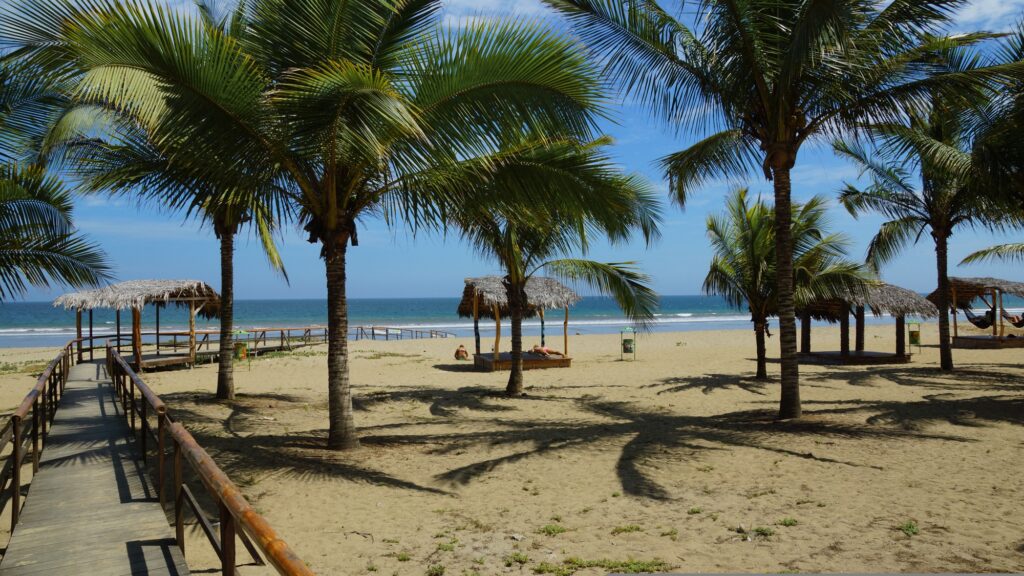
Exploring Parque Nacional Machalilla from the sea offers an intimate perspective on Ecuador’s rich marine heritage. Here are the essential highlights and practical insights for planning your ocean voyage off Puerto López.
- Peak Migration Window: Tens of thousands of humpback whales arrive in the warm equatorial waters off Puerto López between June and October to breed and nurse their calves
- Isla Salango Coastal Snorkelling: Half-day departures combine open-bay whale tracking with swimming in calm coves alongside green sea turtles and sea lions (lobos marinos)
- Isla de la Plata Ocean Crossing: The 40-kilometre voyage to this offshore sanctuary delivers pelagic cetacean sightings alongside guided hikes through blue-footed booby colonies
- Dawn Marine Science: Early 6:30 AM research sails offer quiet water conditions, photo-identification tracking of humpback flukes, and biologist-led interpretation
- Eco-Conscious Buffer Limits: Certified operators strictly maintain safety margins of 100 metres from adult whales and 200 metres from mother-calf pairs to prevent wildlife disturbance
- Coastal Culinary Heritage: Scientific early departures conclude on the mainland with an authentic Ecuadorean breakfast of lime-cured fish ceviche served with traditional Manabí peanut sauce
- Seafaring Preparation: Humboldt Current swells and open-deck wind shear require non-slip footwear, motion sickness remedies, and lightweight windproof layering
Puerto López.
Home to the humpback whale
Coastal marine encounters / Humpbacks, sea lions, and Isla Salango
Rating & reviews
(3+ verified reviews on Viator)
Why this tour stands out
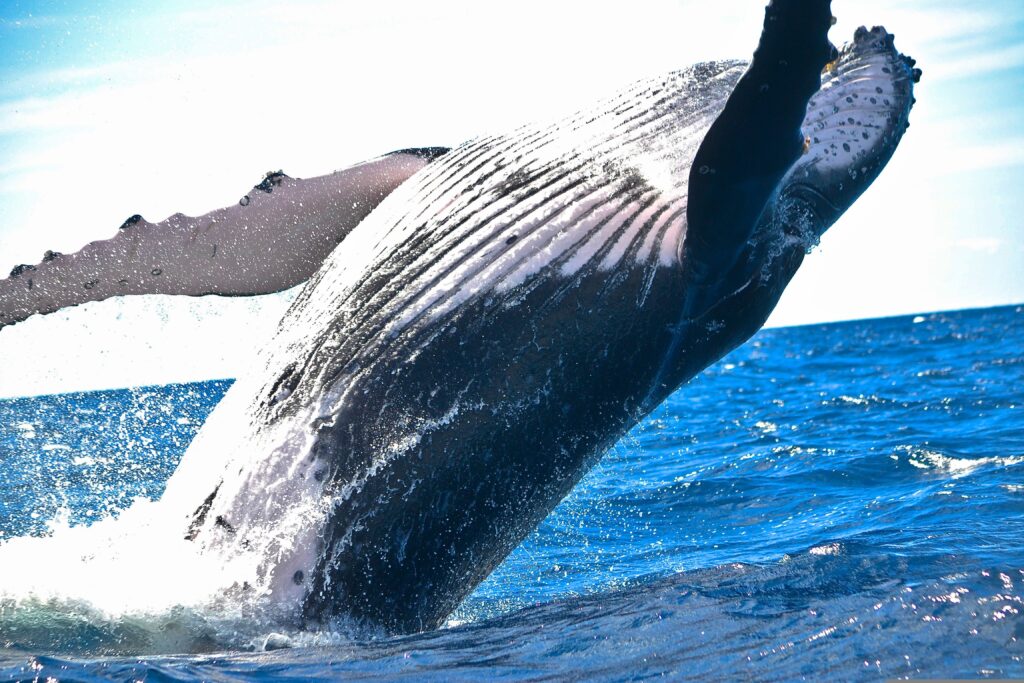
For travellers seeking a focused, high-impact maritime journey without committing an entire day to open-ocean transit, this three-hour eco-tour strikes the ideal balance. Operating out of the main muelle (pier) in Puerto López with Palo Santo Travel, the tour utilizes specialized motor launches equipped with dual outboard engines, complete safety gear, and certified naturalist guides.
The vessel capacity is kept modest to guarantee that every passenger enjoys unobstructed, 360-degree views of the water without fighting for deck space. What sets this departure apart is its twin focus: spending dedicated time tracking active humpback whale pods in the open bay of Machalilla National Park before heading into the calm, emerald waters of Isla Salango.
The tour operator maintains such high confidence in their spotters and captain network that they offer a guaranteed whale sighting policy.
Key highlights
- Guaranteed Cetacean Sightings: 2.5 to 3 hours of expert-guided navigation through primary humpback whale courting grounds within Parque Nacional Machalilla
- Isla Salango Snorkelling: Guided underwater exploration in the sheltered, turquoise bay of Isla Salango, home to green sea turtles, sea lions (lobos marinos), and schools of colourful tropical fish
- Wildlife Spotting: High probability of viewing blue-footed boobies, magnificent frigatebirds, and pelicans perched along the rocky islet sea cliffs
- Onboard Refreshments: Includes fresh tropical fruit snacks, soft drinks, and cold drinking water served on board
- Flexible Daily Timing: Daily morning (11:15 AM) and late-afternoon (2:30 PM) departures allow you to tailor your ocean voyage around coastal tide patterns
Ideal for
Couples, families, active holidaymakers, and photography enthusiasts who want an intimate, half-day marine safari combining cetacean watching with rewarding reef snorkelling.
Local insight
If your schedule permits, book the 2:30 PM afternoon departure. As the vessel navigates back toward Puerto López around 5:30 PM, the low equatorial sun casts a warm golden light across the Pacific. This golden hour provides striking contrast for photographing water mist expelled from whale blowholes against the dark sea cliffs of Manabí.
The Ecuadorian Coast.
Where you’ll find the very best food
The offshore expedition / Humpbacks and wildlife at Isla de la Plata
Rating & reviews
(3+ verified reviews on Viator)
Why this tour stands out
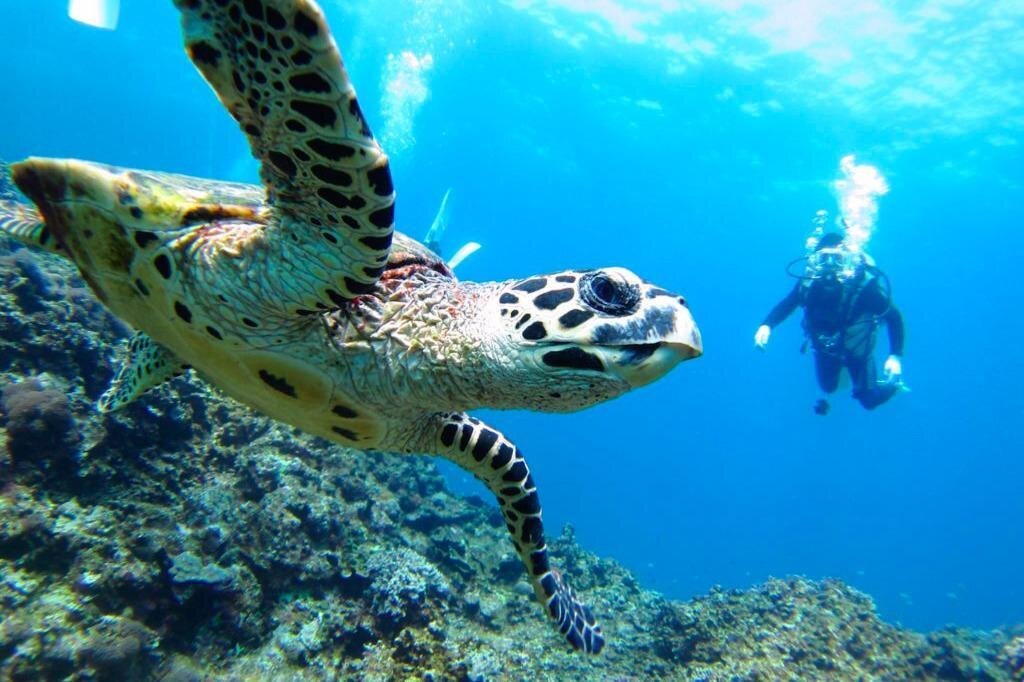
Often referred to as The Poor Man’s Galápagos, Isla de la Plata sits approximately 40 kilometres off the coast of Puerto López. This full-day 7-to-8-hour ocean cruise is the ultimate maritime pilgrimage for naturalists. During the migratory window from June to October, the deep-water crossing across the Pacific Ocean serves as a premier whale-watching corridor.
The tour uses robust, deep-hulled speedboats engineered to cut through open ocean swells safely while maintaining strict group limits (capped at a maximum of 16 travellers).
Accompanied by bilingual naturalist guides, passengers enjoy dual whale-watching opportunities on both the outbound and inbound sea legs, sandwiched around a guided terrestrial hike across the island’s arid scrubland trails.
Key highlights
- Extended Oceanic Transit: Over three hours of open Pacific Ocean navigation with frequent sightings of breaching adult humpbacks, mother-calf pairs, and pelagic seabirds
- Isla de la Plata Hiking: Guided walking trails across the island to observe dense nesting colonies of blue-footed boobies, red-footed boobies, and frigatebirds at close range
- Coral Reef Snorkelling: Anchoring in the crystal-clear, sheltered bays of the island to snorkel alongside massive Pacific green sea turtles, manta rays, and tropical fish
- Full Logistics Handled: Includes all national park admission procedures, professional marine guides, high-quality snorkelling equipment, and a fresh box lunch
Ideal for
Avid birdwatchers, hikers, wildlife photographers, and autonomous travellers who want a comprehensive, full-day ocean expedition exploring both pelagic marine life and isolated island habitats.
Local insight
The 40-kilometre open-water crossing can experience significant sea spray and rolling swells driven by the Southern Humboldt Current. We strongly recommend securing a seat towards the stern (rear third) of the vessel, where pitch and roll forces are dampened. Always pack a breathable, waterproof windbreaker to stay dry and warm during high-speed transits.
The Galápagos.
Ecuador’s Enchanted Isles
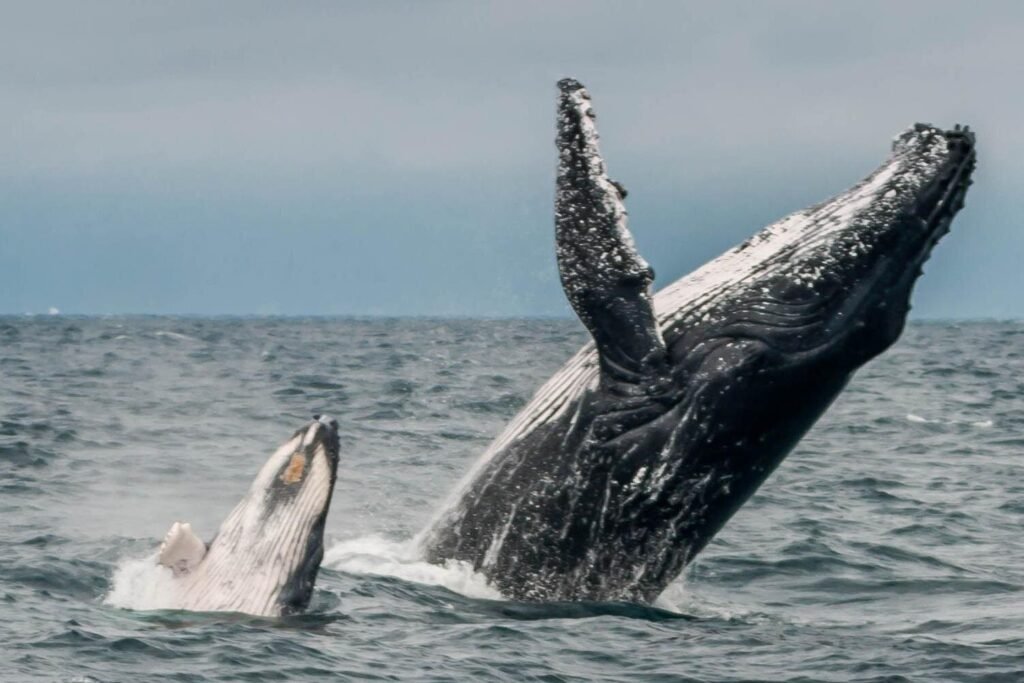
Dawn ocean science / Observing mothers and calves with cetacean researchers
Rating & reviews
(1+ verified reviews on Viator)
Why this tour stands out
This specialised two-hour morning expedition is a world away from commercial sightseeing cruises. Operating exclusively during the peak calving months of August and September, this micro-group sail (limited to just 10 to 12 participants) departs at 6:30 AM. It is led directly by cetacean marine biologists who actively monitor mother-calf pairs in the quiet coastal bays of Machalilla National Park.
At dawn, before daytime coastal winds pick up, the Pacific surface is glass-smooth. This creates optimal acoustic and visual conditions for observing delicate maternal interactions—such as mothers teaching their newborn calves to surface, blow, dive, and execute initial fluke slaps.
Participants actively assist researchers by helping capture tail fluke photographs, which act like human fingerprints to identify individual cetacean mothers in the regional marine database. To top off the scientific sail, guests return to shore for an authentic coastal breakfast of fresh Manabí fish ceviche prepared with traditional local peanut sauce.
Key highlights
- Exclusive 6:30 AM Departure: Capitalises on peaceful early-morning sea conditions and zero watercraft congestion within national park waters
- Led by Cetacean Biologists: Scientific interpretation of whale behaviour, communication signals, and nursery dynamics provided by active researchers
- Participatory Conservation: Learn how marine scientists catalogue humpback flukes and directly contribute to local cetacean tracking projects
- Ultra-Intimate Group Capacity: Capped at 10–12 participants, ensuring a quiet vessel atmosphere that minimises stress on nursing mothers and calves
- Authentic Local Culinary Finish: Concludes back on shore with a traditional Ecuadorian coastal dish of fresh fish ceviche infused with lime and artisanal peanut sauce
Ideal for
Eco-conscious travellers, wildlife conservation advocates, photographers seeking calm water reflections, and early risers who want an educational ocean sail free from crowds.
Local insight
Early morning sea surfaces off Puerto López often experience zero wind shear, creating mirror-like water conditions. Bring a polarising filter for your camera lens to cut surface glare completely, allowing you to capture crisp photographs of whale calves swimming just below the surface alongside their mothers.
The Ecuadorian Sierra.
Get lost in the hills
Our practical Puerto López whale watching & water safety guide
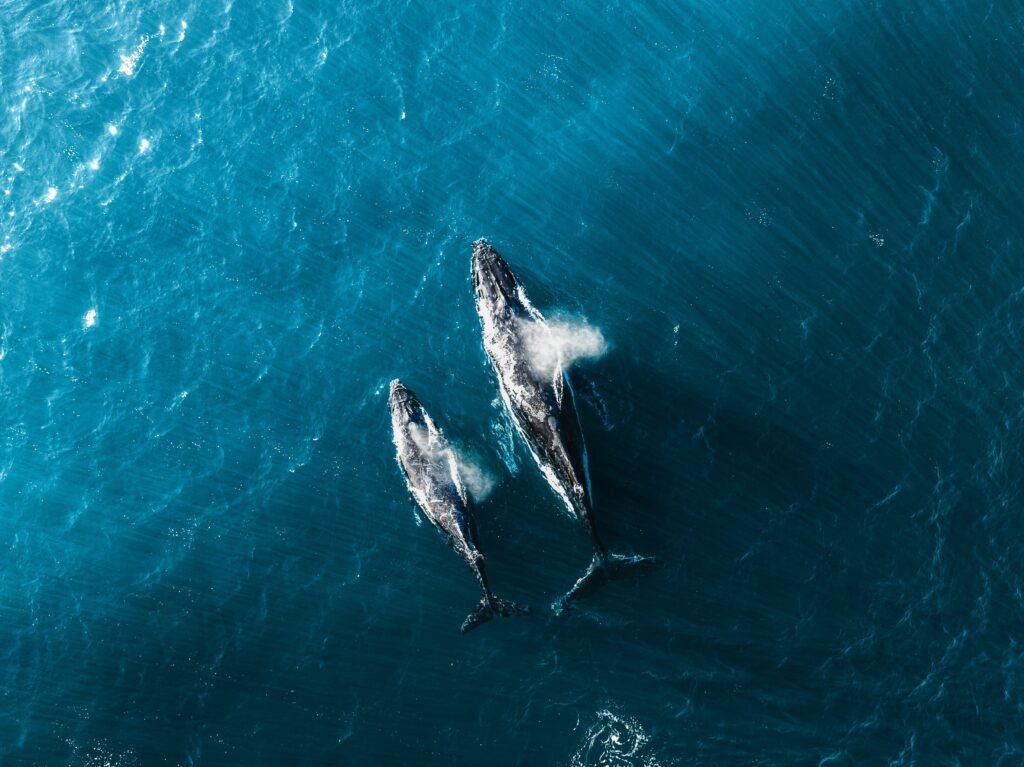
Navigating the open waters of the Pacific Ocean along Ecuador’s Manabí coast requires preparation. To ensure your time on the water is safe, comfortable, and ecologically responsible, keep these five essential maritime guidelines in mind:
Layer against equatorial wind chill
While Puerto López enjoys warm coastal temperatures onshore, wind shear across an open motor launch travelling at 15 to 20 knots drops temperatures significantly. Pack a breathable, windproof jacket, lightweight quick-dry trousers, and a UV-protective long-sleeve rash vest.
Respect wildlife buffer regulations
Parque Nacional Machalilla enforces strict marine conservation laws. Responsible captains must maintain a minimum distance of 100 metres from adult whales and 200 metres from mother-calf pairs, shifting engines into neutral whenever cetaceans surface nearby. Never encourage a skipper to chase or crowd wildlife.
Proactive seasickness management
The Humboldt Current creates long oceanic swells across the outer bay. If you are prone to motion sickness, take preventive medication (such as hyoscine hydrobromide or dimenhydrinate) 30 to 60 minutes before boarding at the muelle. Avoid heavy, greasy meals prior to departure, stay on deck in the fresh air, and keep your gaze fixed on the stable horizon.
Deck footwear safety
Wet boat decks, boarding ladders, and tender transfers demand secure footing. Wear non-marking, non-slip water shoes or rubber-soled deck shoes with good grip. Avoid thongs, flip-flops, or bare feet, which offer zero traction on wet surfaces and increase the risk of stubbed toes or slips.
Support local marine crews
Ecuadorean skippers, deckhands, and bilingual naturalist guides work tirelessly to ensure passenger safety and locate wildlife. Tipping is a customary way to show appreciation for their maritime expertise. Budget around $5 to $10 USD per person for the crew, handed directly to the team upon returning to the pier.
The Ecuadorian Amazon.
The most biodiverse place in the world
Chart your ocean voyage along the Manabí coast
Read this far?
Standing on the deck of a small vessel as a 30-tonne humpback whale breaks the surface of the Pacific is a humbling reminder of the sheer power of the natural world. In Puerto López, where the Pacific Ocean currents meet the dry tropical forests of Parque Nacional Machalilla, the ocean is not merely a backdrop for tourism—it is a living, breathing sanctuary that demands our quietest reverence and deepest care.
By choosing small-group, eco-conscious boat tours over mass commercial operations, independent travellers play a direct role in preserving these delicate marine ecosystems. Whether you choose to assist cetacean researchers at dawn, explore the seabird colonies of Isla de la Plata, or float above the reefs of Isla Salango, travelling with small-capacity vessels ensures that your presence leaves a minimal footprint while supporting local seafaring families.
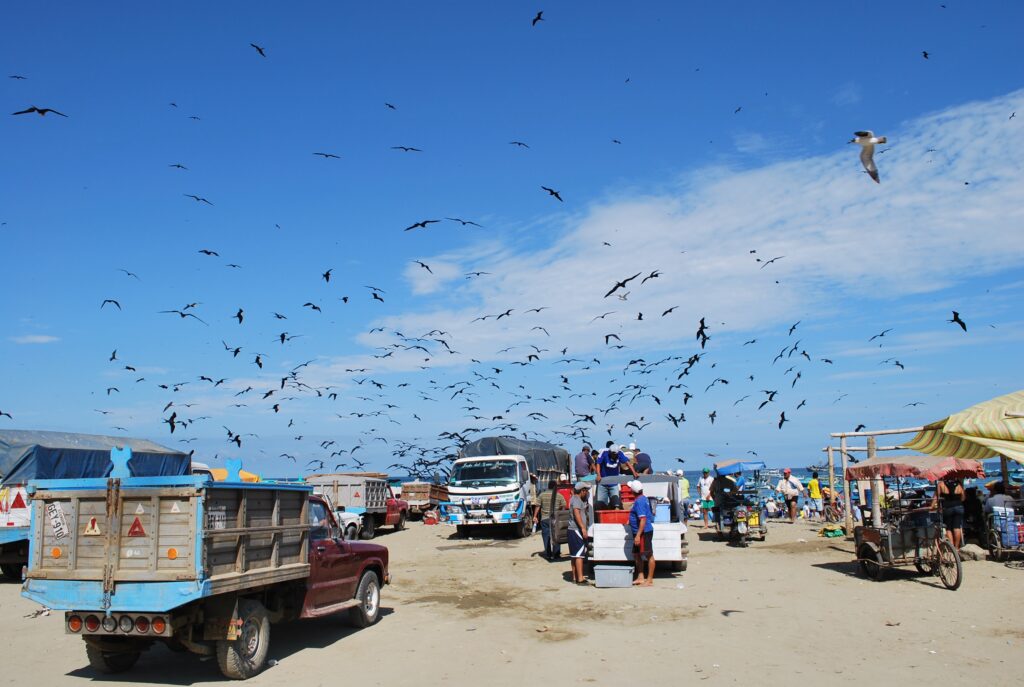
As you plan your journey along Ecuador’s coastal highway, set aside ample time to slow your pace to the rhythm of the tides. Spend your early mornings down at the fishing muelle watching the wooden boats unload their daily catch, spend your afternoons out in the bay following mist sprays on the horizon, and end your days sampling fresh coastal ceviche as the sun sinks into the Pacific.
The waters off Puerto López offer one of South America’s most magnificent wildlife spectacles. Equipped with local knowledge, respect for maritime safety, and an adventurous spirit, your voyage across these equatorial waters will remain one of the absolute highlights of your travels along the Ecuadorean coast.
Affiliate Disclaimer: Some of the links on Wheely Tyred are affiliate links. If you click through and make a booking or purchase, we may earn a small commission at no extra cost to you. We only recommend gear, tours, stays, and services we genuinely use, trust, and stand behind — our editorial independence always comes first. These commissions help keep our independent cycling guides and travel stories free to read. You can also buy me a coffee here — thanks for supporting the ride!
Frequently asked questions about Puerto López whale watching
The humpback whale migration season runs from June to October each year. Peak sightings, including active courting displays and acrobatic breaches, typically occur in July and August. If you are particularly keen to spot mother-calf pairs resting in the shallow coastal bays, August and September offer the highest probability.
From Guayaquil, direct intercity buses run regularly from the main bus terminal (Terminal Terrestre) to Puerto López, taking roughly three and a half to four hours. If you are travelling from Quito, you can take an overland night bus (approx. 9–10 hours) or fly into Manta Airport (MEC) and catch a local coastal bus or taxi south along the Ruta del Spondylus for roughly 90 minutes.
If you have limited time or prefer calm, short boat rides, the half-day Isla Salango tour is ideal; it offers excellent whale watching in the bay combined with sheltered reef snorkelling. If you want an adventurous full-day ocean expedition with extensive seabird watching (including blue-footed boobies) and deep-sea transit, choose Isla de la Plata.
The Pacific Ocean off Manabí is subject to long rolling swells created by the Humboldt Current. To minimise motion sickness, take an over-the-counter seasickness tablet 30 to 60 minutes before departing from the pier, stay on the open deck where fresh air circulates, keep your gaze on the fixed horizon, and choose a seat towards the stern (rear) of the vessel.
Pack lightweight, quick-drying clothing, a breathable windproof jacket to guard against ocean breeze, reef-safe sunscreen, a wide-brimmed hat with a chin strap, and a dry bag for electronics. Wear sturdy, non-slip footwear or deck shoes to navigate wet boat ladders and slippery decks safely.
Early morning research tours often treat travellers to a traditional Ecuadorian coastal breakfast featuring fresh fish ceviche de pescado. In the Manabí region, ceviche is distinctively prepared with citrus juices, red onions, fresh coriander, and a dollop of artisanal peanut paste (maní), providing a rich, savoury depth unique to coastal Ecuador.
Ecuador.
Pure wonder on the equator.