San Cristóbal safety guide: Essential Galápagos travel advice
San Cristóbal safety guide for solo travellers, active adventurers, and marine safety
Navigate Puerto Baquerizo Moreno with complete peace of mind
BEN FINCH
San Cristóbal serves as the administrative heart of the Galápagos archipelago, offering an extraordinary blend of endemic wildlife, world-class surf breaks, and quiet island charm.
While mainland Ecuador has faced escalating security challenges and political instability, the Galápagos archipelago maintains a distinct, highly protected environment.
International travel advisories—including the UK Foreign, Commonwealth & Development Office (FCDO) and the Australian Smartraveller service—consistently distinguish the Galápagos Islands from the mainland, rating the archipelago under standard or baseline safety precautions.
However, navigating San Cristóbal safely requires an understanding of its unique environment, local maritime regulations, and transit routes. Staying informed ensures that your journey through Puerto Baquerizo Moreno and into the highlands remains seamless and secure.
Essential safety takeaways for adventurers
Get ready to experience San Cristóbal on your own terms with these essential insights for independent travellers and cyclists.
- Mainland vs Island Security: International advisories place the Galápagos under baseline safety precautions, offering a stark contrast to mainland security challenges
- Petty Crime Realities: Safeguard cameras, phones, and gear on popular stretches like Playa Mann to deter opportunistic theft
- Solo Travel Confidence: Puerto Baquerizo Moreno provides a welcoming, low-harassment environment for solo explorers and minority visitors day and night
- Marine Environmental Risks: Respect powerful equatorial rip currents, rogue swells, and the mandatory two-metre buffer from wild fauna
- Highland Cycling Preparation: Tackle steep tarmac and variable gravel gradients towards El Progreso with robust brakes, low gears, and proper sun protection
- Essential Health Precautions: Always rely on purified or boiled water, and ensure your travel insurance explicitly covers remote medical evacuation
San Cristóbal.
Laid-back in the Galápagos
Crime rates and security in San Cristóbal
Violent crime in San Cristóbal is exceptionally rare. The strict entry requirements for visitors—including the mandatory Transit Control Card (TCC) and biosecurity screenings at Quito and Guayaquil airports—create a natural buffer that keeps organised crime away from the islands.
The primary security concerns on San Cristóbal are opportunistic theft and petty crime. Items left unattended on public beaches, such as Playa Mann, La Lobería, or Punta Carola, can attract casual theft. Bags, cameras, and mobile phones left on bicycle handlebars or unlocked kayaks are the most common targets.
Key crime prevention guidelines
- Beach Security: Never leave valuables unguarded on beaches while swimming or surfing. Use a waterproof dry pouch for essential documents or take turns guarding gear with a travel partner
- Cash and ATMs: Carry only the cash required for the day. While major establishments in Puerto Baquerizo Moreno accept credit cards, smaller operators and taxis require cash (US dollars). Use ATMs located inside established bank branches during daylight hours
- Accommodation: Ensure ground-floor windows and balcony doors are locked when leaving your hotel or guesthouse, particularly in out-of-town stays near the highlands
Safety for solo travellers, women, and minorities
San Cristóbal is widely regarded as one of the safest destinations in South America for solo travellers. The tight-knit community in Puerto Baquerizo Moreno ensures a visible public presence day and night, making solo exploration stress-free.
Solo female travellers
Solo female travellers generally report a safe and welcoming atmosphere across San Cristóbal. Street harassment is minimal compared to major South American mainland hubs.
- Night-time Navigation: Walking along the main seafront promenade (Malecón Charles Darwin) after dark is safe and common. However, poorly lit side streets leading away from the town centre toward the outskirts should be avoided late at night when walking alone
- Social Settings: Exercise standard precautions in bars and late-night venues. Never leave drinks unattended, and decline open beverages offered by strangers
LGBTQ+ and minority travellers
Ecuadorian law protects against discrimination based on sexual orientation and ethnicity. In San Cristóbal, the local economy relies entirely on international tourism, fostering an accommodating and respectful atmosphere for diverse visitors. Open displays of affection may attract curious looks in traditional rural highland communities, but hostility is extremely uncommon.
The Galápagos.
Ecuador’s Enchanted Isles
Marine conditions, currents, and wildlife safety
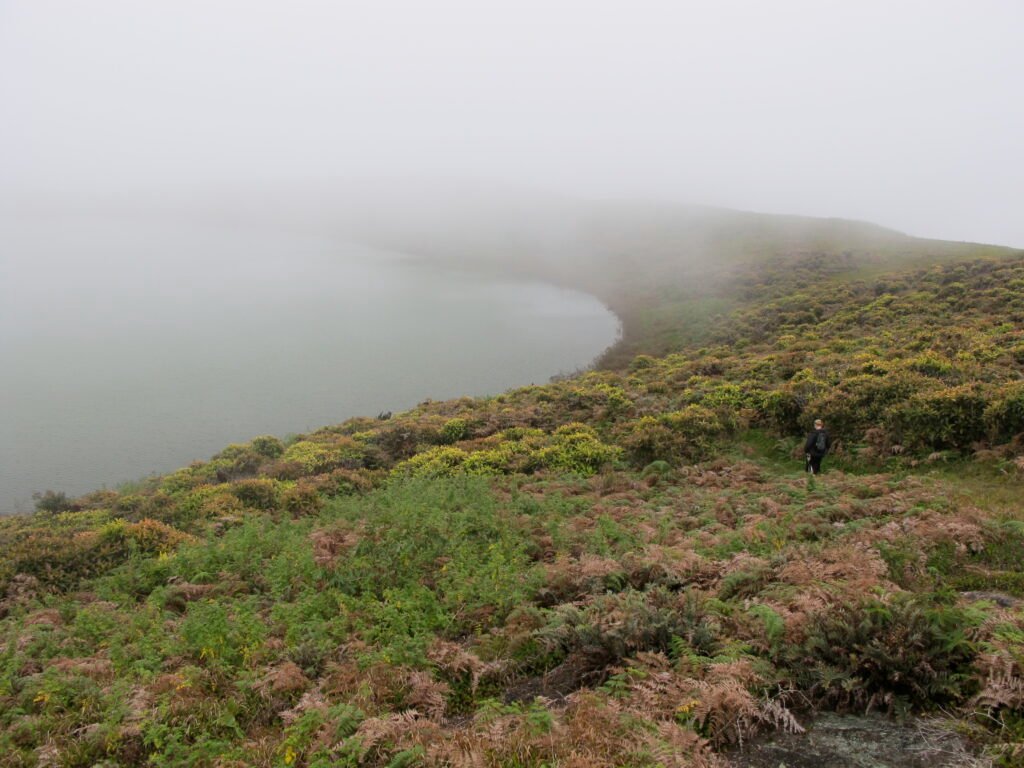
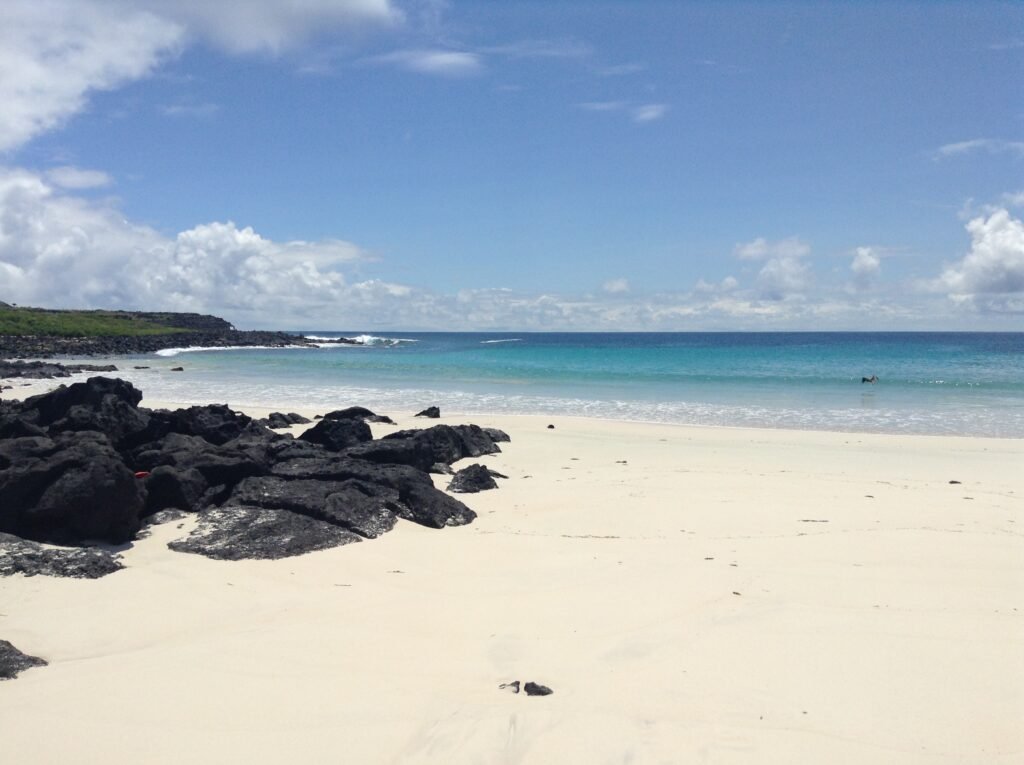
The most significant safety hazards on San Cristóbal are environmental rather than human. The island is surrounded by strong equatorial currents, unpredictable swells, and wild fauna.
Ocean safety and swimming
- Rip Currents: Beaches such as La Lobería and Puerto Chino feature powerful breaks and undertows. Always observe posted flags, ask local surf shops about daily swell conditions, and avoid swimming alone in unmonitored bays
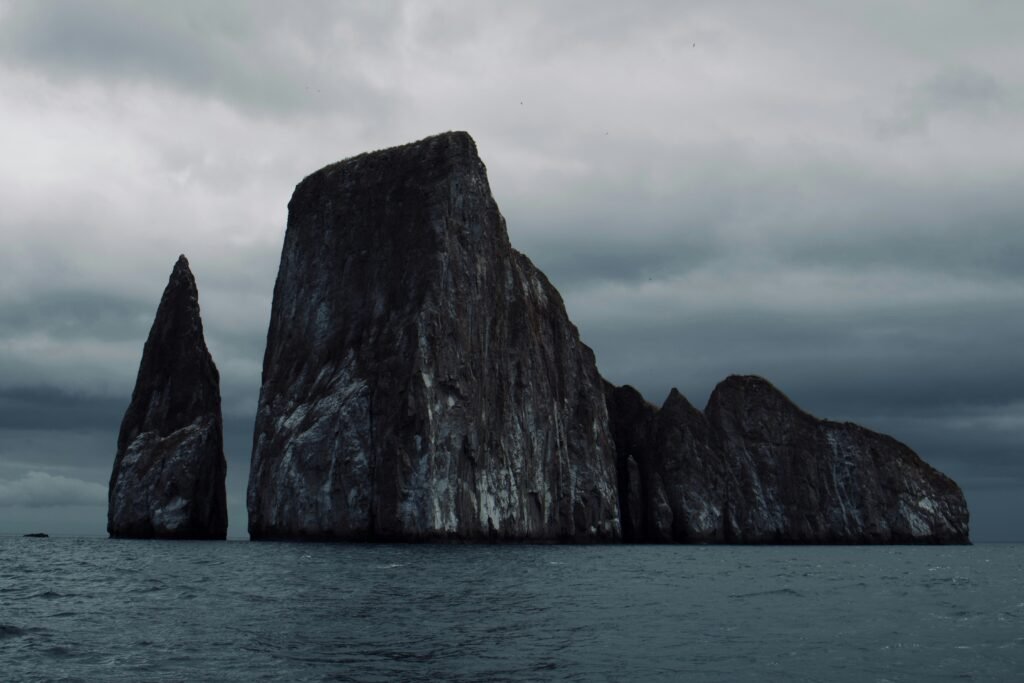
- Boating and Inter-Island Ferries: Open-ocean boat transfers between San Cristóbal and Santa Cruz cross rough waters across the Santa Fe Channel. Passengers prone to seasickness should prepare accordingly. Ensure tour operators provide properly fitted life jackets before departing on day trips to places like Kicker Rock (León Dormido)
Wildlife interactions
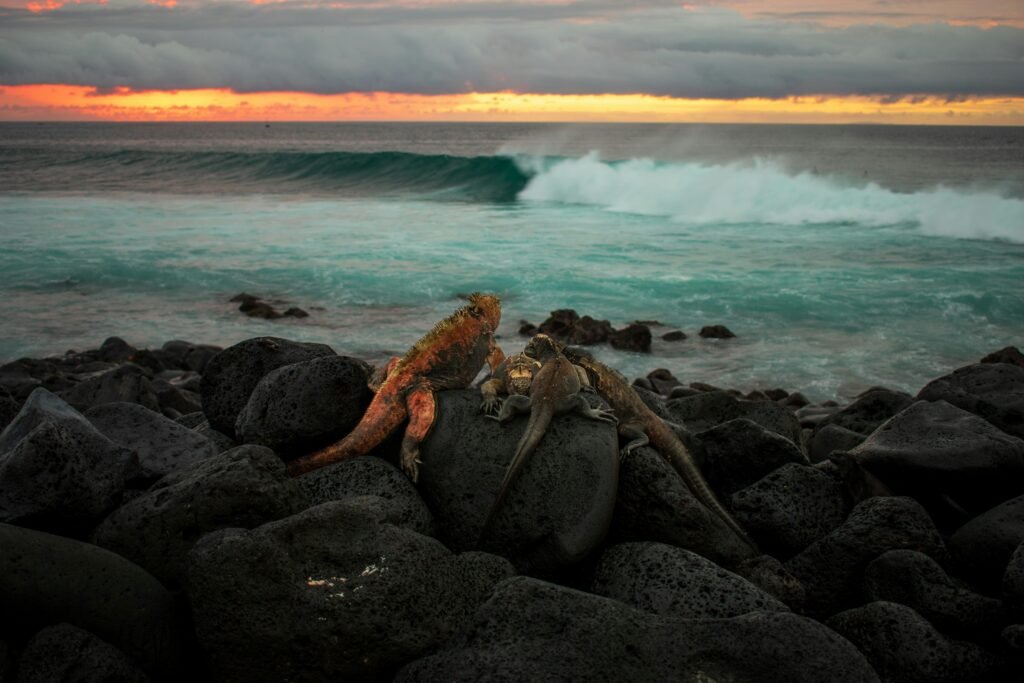
Galápagos National Park regulations mandate a strict two-metre distance from all wildlife, including sea lions, marine iguanas, and giant tortoises.
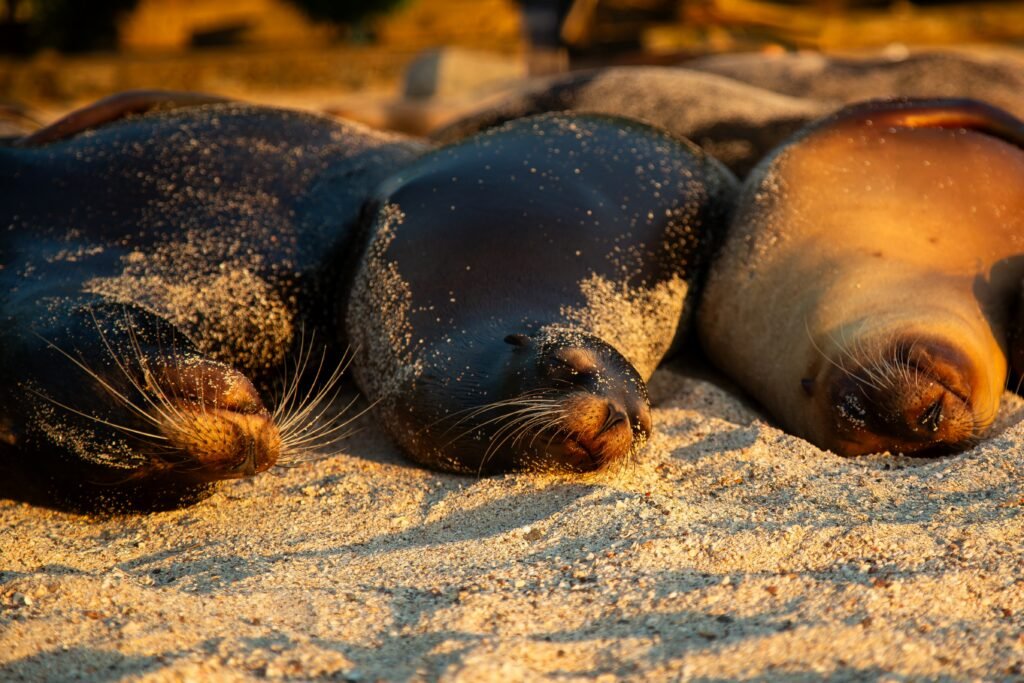
- Sea Lions: Male sea lions (bulls) defending their harems on beaches can be aggressive. Give them ample space, especially near nursing pups or during breeding seasons
- Marine Hazards: When snorkelling at Kicker Rock or Tijeretas, be mindful of surge near rocks and follow your certified park guide’s instructions at all times
The Ecuadorian Sierra.
Get lost in the hills
Transit, cycling, and highland travel safety
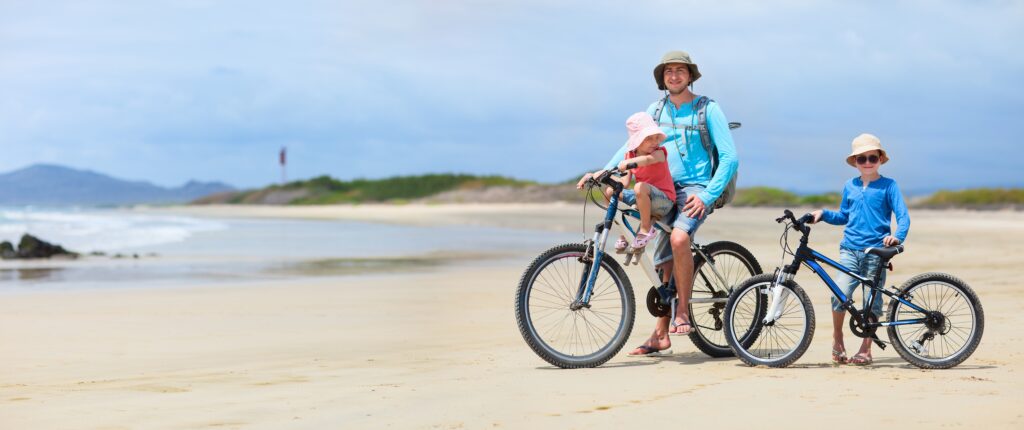
Getting around San Cristóbal on foot, by taxi, or on two wheels is straightforward, provided you follow local norms.
Active travel and cycling safety
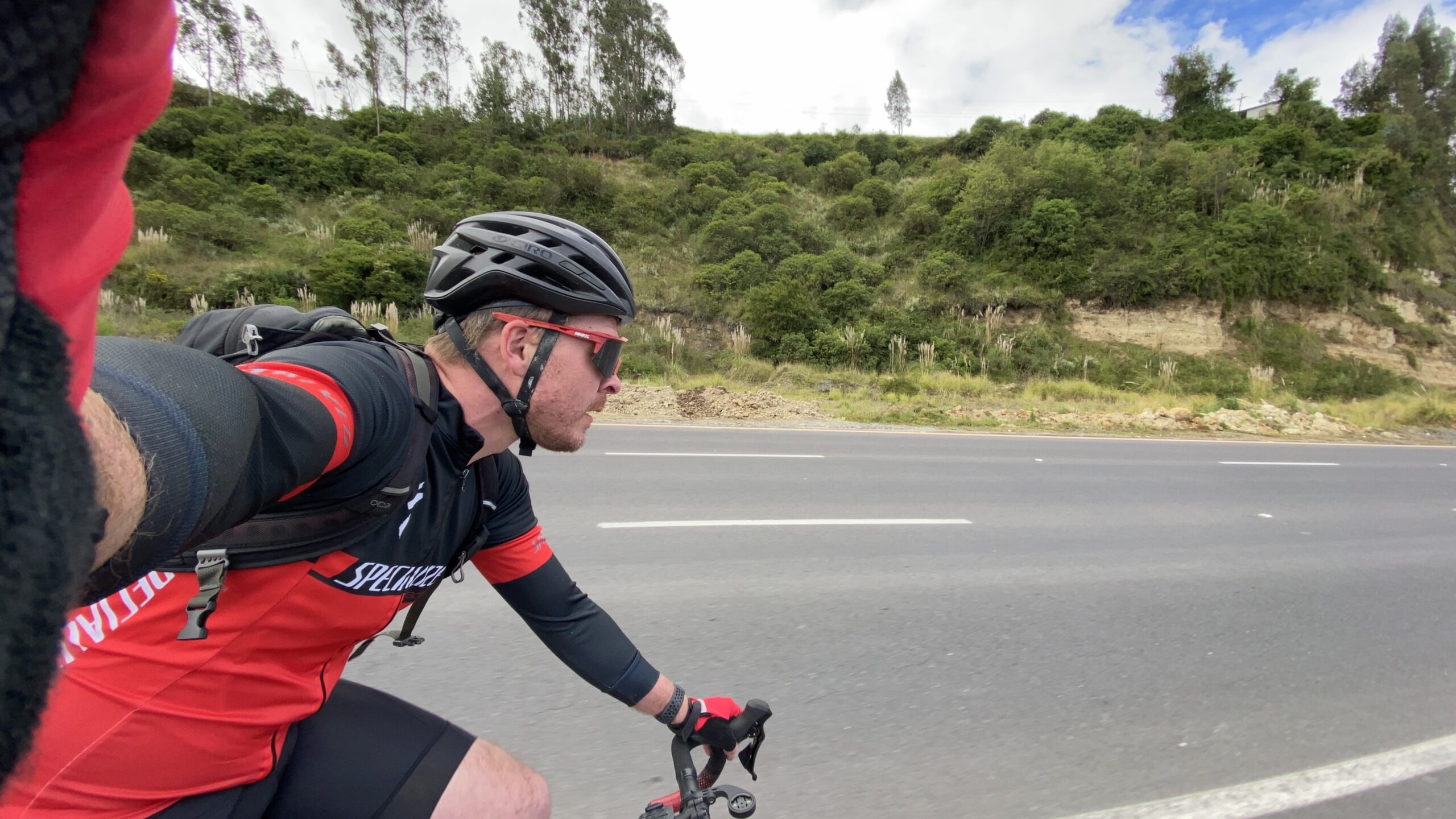
Renting a bicycle is one of the finest ways to explore the interior of San Cristóbal, including the route up to El Progreso and the highland lagoon of El Junco.
- Road Conditions: Main roads are paved but feature steep gradients, sharp curves, and narrow shoulders. Rural highland roads may suffer from loose gravel, unexpected potholes, or heavy fog (garúa) during the cool season
- Traffic Culture: Drivers in the Galápagos are generally accustomed to slow speeds, but taxis and pickup trucks can pass closely on climbs. Ensure your bike has working brakes and front/rear lights if returning after sunset
- Sun Protection: The equatorial sun is intense, even on overcast days. Always pack high-SPF sunblock, a wide-brimmed cap, and plenty of water for inland rides
Mainland transit considerations
While San Cristóbal itself is secure, your journey to the islands likely passes through Quito or Guayaquil. Exercise heightened vigilance during mainland transits. Keep luggage locked, use registered airport transport, and avoid leaving secure transit zones if you have an overnight layover in Guayaquil.
The Ecuadorian Amazon.
The most biodiverse place in the world
Health, emergency contacts, and preparedness
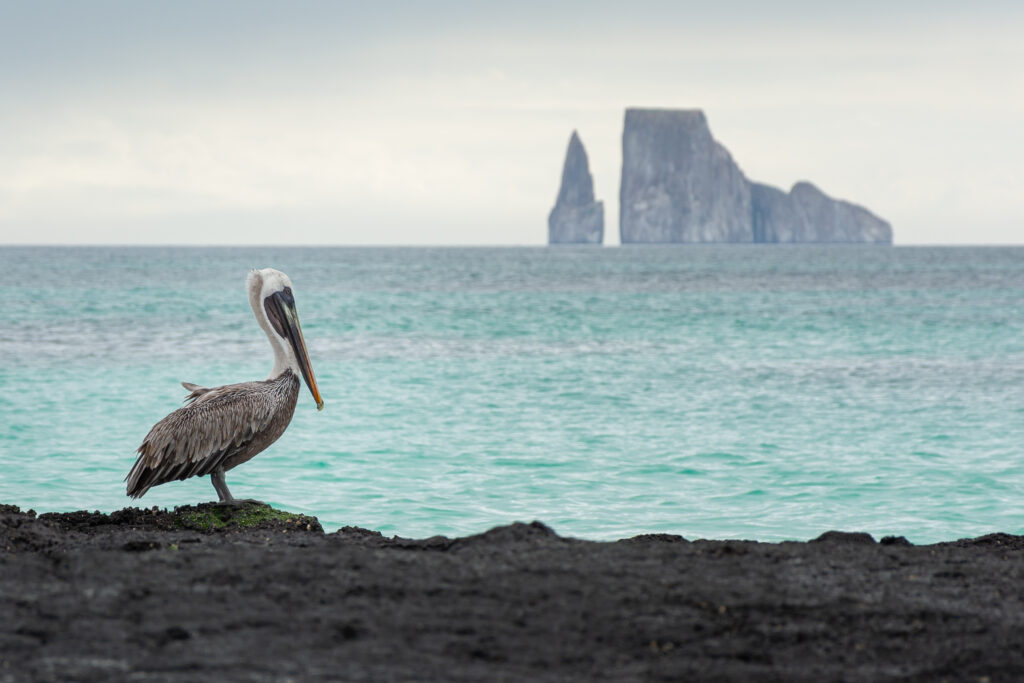
Medical infrastructure on San Cristóbal is equipped for basic care and common travel ailments, but severe medical emergencies require evacuation to mainland Ecuador.
Health and water safety
- Tap Water: Tap water in San Cristóbal is not safe to drink. Always drink filtered, boiled, or purified water to prevent gastrointestinal illness
- Medical Facilities: The Hospital Oskar Jandl in Puerto Baquerizo Moreno offers primary emergency services and basic care. Ensure your travel insurance explicitly covers medical evacuation, scuba diving accidents, and high-altitude or marine rescue
Emergency numbers in San Cristóbal
- General Emergency & Police: 911
- Medical Assistance: 911 (Ask for Hospital Oskar Jandl)
The Ecuadorian Coast.
Where you’ll find the very best food
Final thoughts on San Cristóbal safety
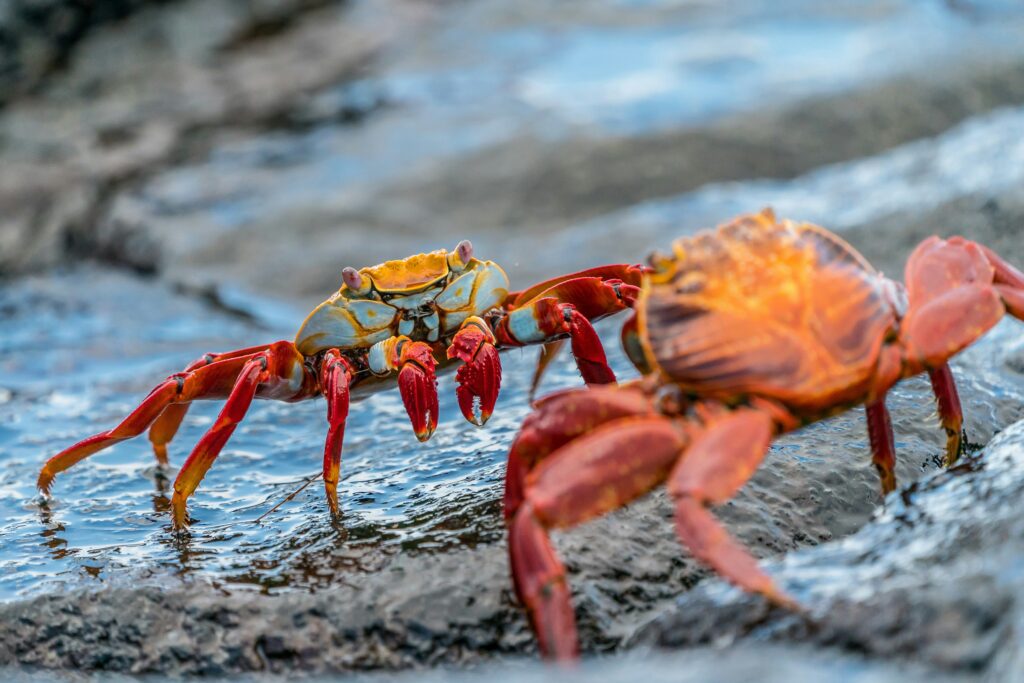
Navigating San Cristóbal independently reveals an island community where wildlife rules the coastal fringes and local rhythms dictate daily life. By respecting the raw power of the Pacific swells and maintaining sensible vigilance against petty theft, you unlock a side of the Galápagos that package tours rarely touch. Whether you are locking up your bike after a morning climb to El Junco or settling in for a quiet evening along the Malecón, preparation remains your best companion.
Embracing the slow travel ethos here means trading rigid schedules for genuine local immersion. Take the time to chat with small guesthouse owners, learn the habits of the local sea lion colonies, and approach every trail with quiet curiosity. The archipelago rewards those who move with intention, mindfulness, and a healthy respect for nature’s boundaries.
Equipped with the right knowledge and a dependable setup, your journey through San Cristóbal will be as secure as it is unforgettable. Keep your tyres pumped, your route planned, and your eyes open to the extraordinary landscapes unfolding around you. The ride is yours to define.
Affiliate Disclaimer: Some of the links on Wheely Tyred are affiliate links. If you click through and make a booking or purchase, we may earn a small commission at no extra cost to you. We only recommend gear, tours, stays, and services we genuinely use, trust, and stand behind — our editorial independence always comes first. These commissions help keep our independent cycling guides and travel stories free to read. Thanks for supporting the ride!
Frequently asked questions about San Cristóbal safety and travel
Yes, cycling through the interior towards El Progreso and El Junco is generally safe, provided you manage steep climbs, narrow road shoulders, and occasional low visibility from coastal mists. Ensure your bike has reliable gearing and functional lights for changing weather conditions.
No, tap water on the island is not potable for visitors. Always stick to filtered, boiled, or properly treated bottled water to avoid gastrointestinal issues during your stay.
Walking along the main waterfront promenade, Malecón Charles Darwin, is safe and well-lit after dark. However, solo travellers should avoid poorly lit, unpaved side streets leading away from the town centre during late hours.
Maintain a legal and respectful distance of at least two metres from all wildlife, including sea lions and marine iguanas. Territorial bulls and nursing mothers can react aggressively if startled or approached too closely.
During peak travel seasons, booking inter-island speedboats and highland taxis in advance ensures secure transit. If you are prone to seasickness when crossing the Santa Fe Channel between San Cristóbal and Santa Cruz, prepare appropriate medication before departure.
Ecuador.
Pure wonder on the equator.