
Is Ingapirca safe? A complete travel safety guide to the Cañari ruins
Ingapirca Ecuador travel safety guide / Crime rates, solo female travel tips, road conditions, and altitude advice
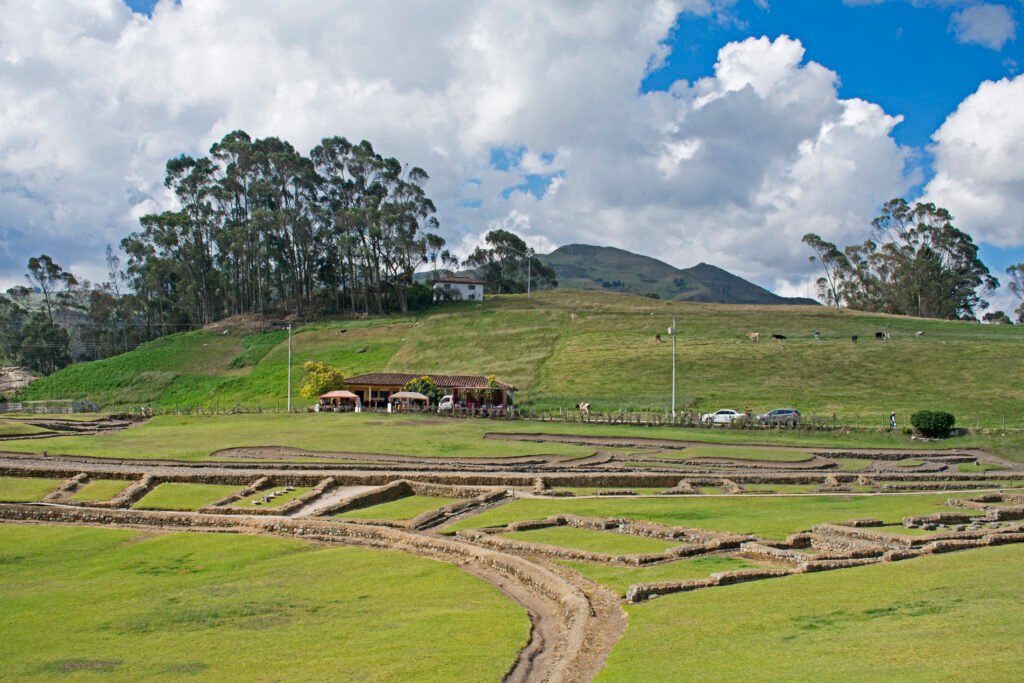
Navigate high-altitude history, Andean roads, and rural tranquillities with confidence

BEN FINCH
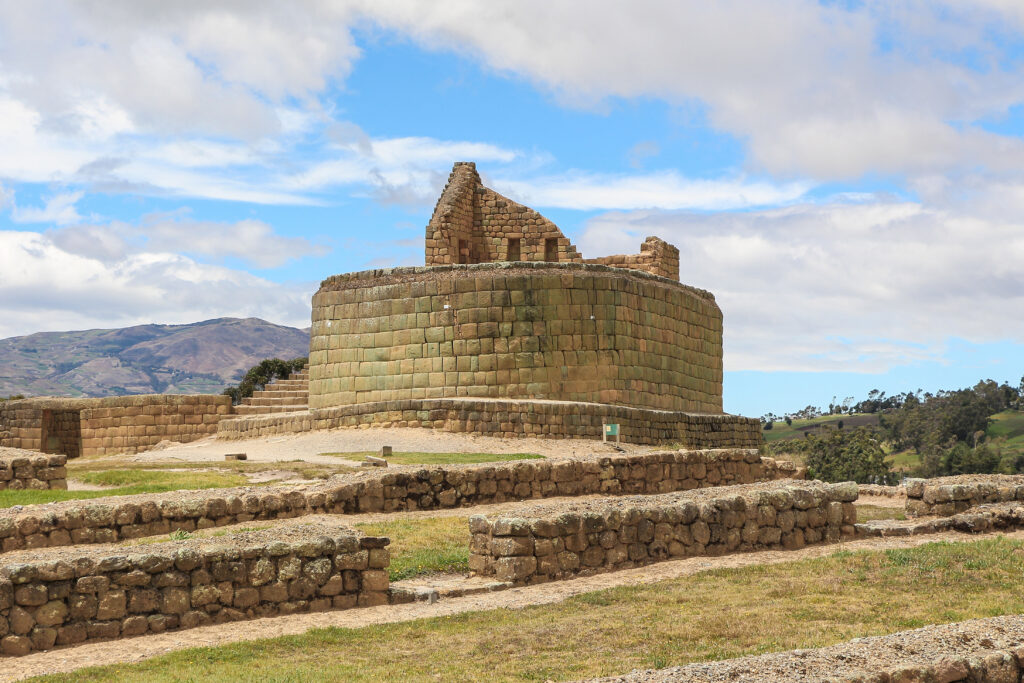
Visiting the archaeological site of Ingapirca in the Cañar province of southern Ecuador offers a rare look into the country’s pre-Columbian past. Sitting at 3,160 metres above sea level in the high Andes, this impressive complex combines Cañari and Incan stone masonry, dominated by the elliptical Templo del Sol.
For travellers, route planners, and cyclists exploring the southern Ecuadorian highlands, assessing safety is a necessary step in trip preparation. While national headlines often focus on security challenges in coastal urban centres, the rural Andean highlands present a very different environment.
This guide breaks down everything you need to know about safety in Ingapirca, from local crime trends and transit security to solo travel advice, road conditions, and environmental factors.
Essential insights for the Andean trail
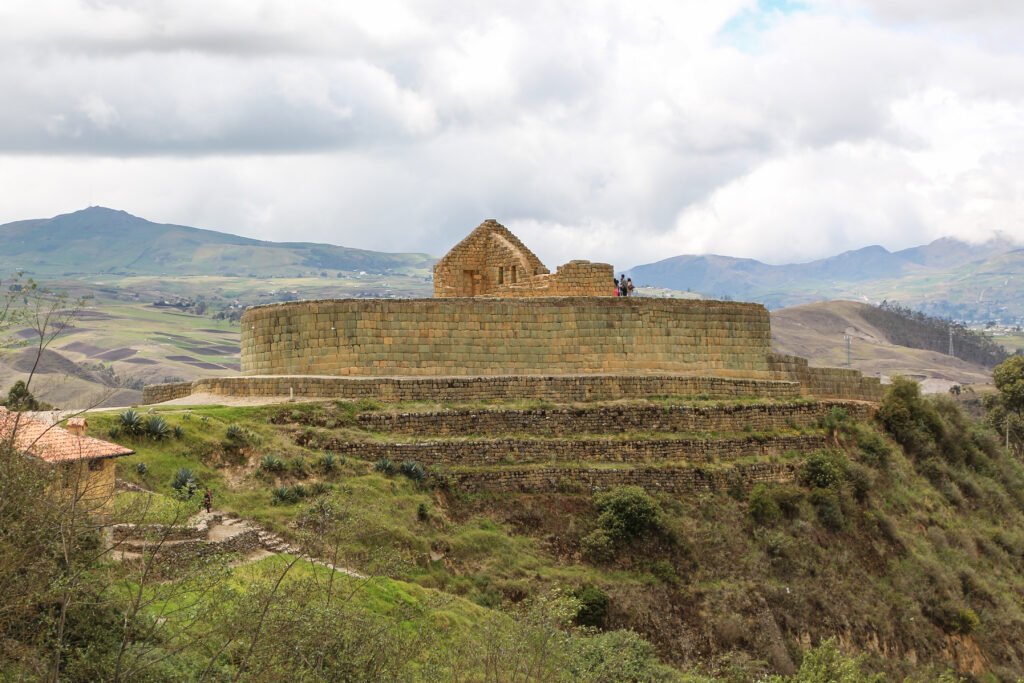
Planning a journey to Ingapirca requires balancing historical curiosity with practical high-altitude preparation. Here are the core takeaways to keep your journey smooth, secure, and rewarding.
- Peaceful Highlands: Violent crime in Ingapirca and the surrounding rural Cañar province is extremely low, making the archaeological site itself very secure for travellers
- Transit Vigilance: The highest risk of petty theft occurs during transport; keep backpacks on your lap and avoid storing valuables in overhead racks on public buses
- Elevation Respect: Situated at 3,160 metres, acclimatisation in Cuenca prior to visiting is vital to prevent altitude sickness (soroche)
- Solo and Female Travel: Direct bus connections make solo visits manageable, while avoiding late-afternoon return travel ensures a safer, seamless return journey
- Road Dynamics: Mountain drives feature hairpin turns, unpredictable fog, and aggressive overtaking; cyclists must prepare for steep elevation gains and narrow shoulders
- Unpredictable Microclimates: Weather in the páramo can shift from high UV exposure to freezing rain rapidly, demanding versatile waterproof layers
- Cash Economy: ATMs are non-existent around the ruins, making small-denomination US dollar notes essential for entry fees, local taxis, and meals
Ingapirca.
Where Cañari history meets the grandeur of the Inca
Understanding safety in Ingapirca and Cañar

The overall security environment in the parish of Ingapirca and the broader Cañar province is notably calmer than in major cities such as Guayaquil or northern border zones. The local economy relies heavily on agriculture, livestock, and eco-tourism surrounding the ruins. As a result, violent crime directed at tourists within Ingapirca itself is extremely rare.
The primary security dynamic in this region is the stark difference between rural Andean villages and major transport hubs. While the archaeological park and the adjacent village are peaceful, reaching the site requires passing through intercity transit corridors like Terminal Terrestre in Cuenca or the towns of Cañar and El Tambo. On these transit routes, opportunistic petty crime remains the main concern for visitors.
Travelling through Ecuador requires an awareness of the national context, including occasional state-of-emergency declarations or local transport strikes. However, highland tourist destinations in the southern Andes generally remain accessible and secure when planned with up-to-date regional information.
Crime rates and realities / What visitors need to know
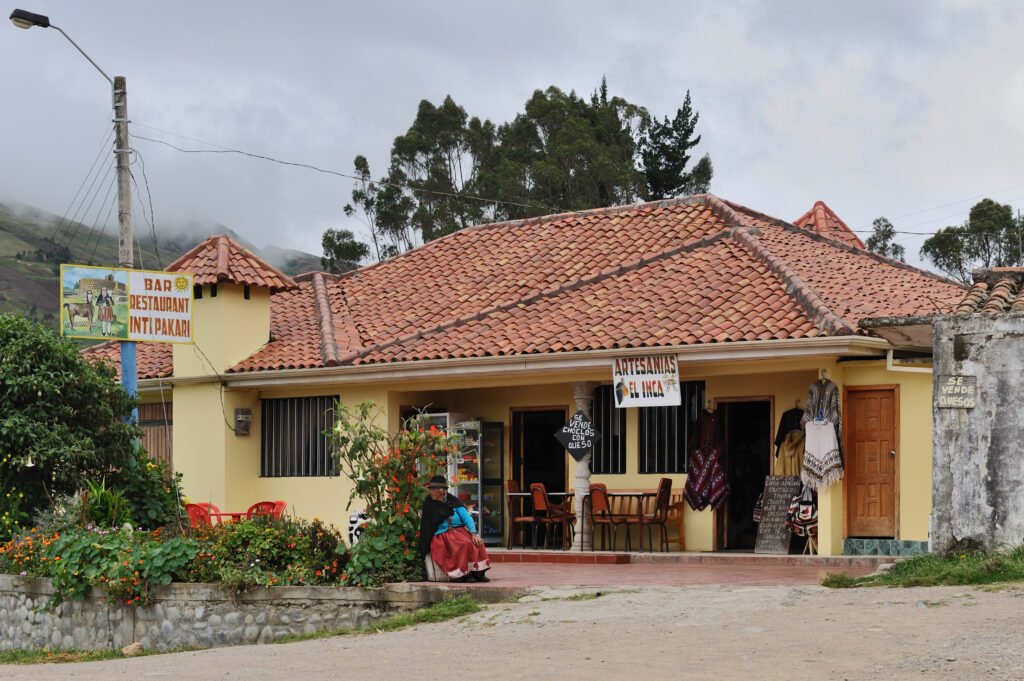
Understanding crime in and around Ingapirca involves distinguishing between violent crime and opportunistic theft.
Violent crime
Violent crime against foreign visitors in the immediate vicinity of the archaeological complex is practically non-existent. The site is monitored by official park staff and local authorities, creating a secure space for families, tour groups, and independent explorers.
Petty theft and distraction scams
Petty theft is the most common issue facing travellers in transit. Pickpocketing, bag-snatching, and distraction scams occur mostly in crowded bus stations in Cuenca, inside intercity buses, or at roadside stops along the Pan-American Highway. Typical methods include:
- Overhead Luggage Theft: Items placed in overhead racks on public buses can be taken by passengers sitting behind you or exiting at intermediate stops
- Distraction Techniques: Someone dropping coins, spilling liquid, or asking for directions while an accomplice attempts to take a daypack
- Station Misdirection: Unofficial individuals posing as station staff to direct travellers toward unverified transport
To protect your possessions, always keep your daypack on your lap during bus rides and keep cash, credit cards, and passports secured in an internal money belt or zipped pocket.
The Ecuadorian Sierra.
Get lost in the hills
Safety advice for solo travellers, female adventurers, and minorities
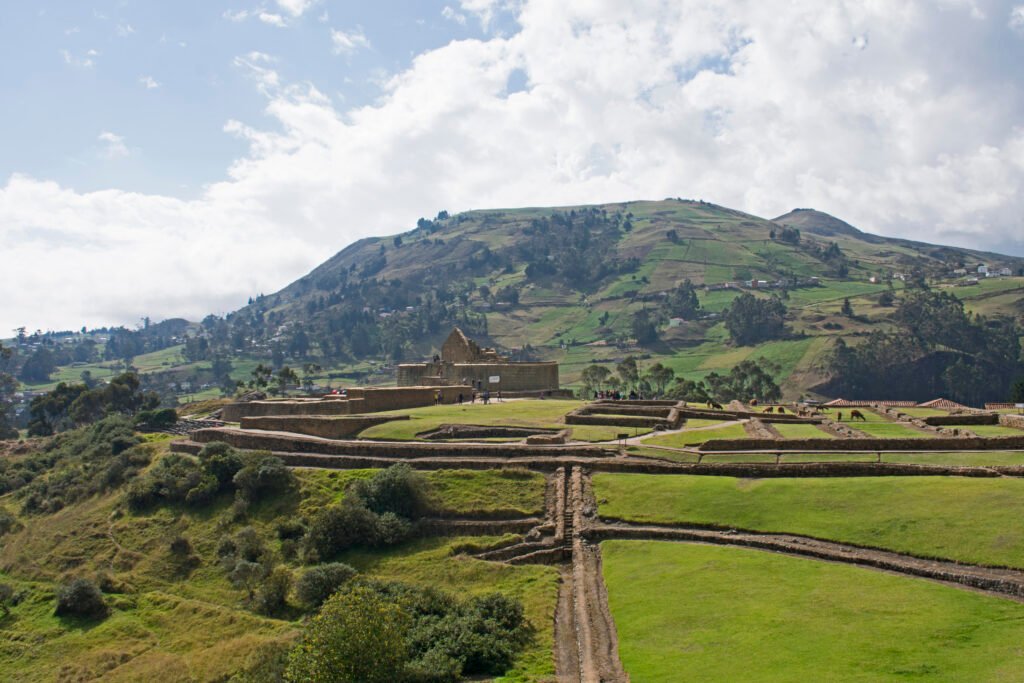
Ingapirca is a welcoming destination for diverse travellers, but specific considerations can help ensure a smooth journey.
Solo travellers
Solo travellers will find navigating to Ingapirca straightforward, particularly when using direct public buses from Cuenca or organised excursions.
The primary risk for solo visitors is isolation when walking alone along unpaved rural tracks late in the afternoon. Disorientation is easy, and the weather turns on a sixpence. Sticking to marked paths around the archaeological complex and ensuring your return transport is arranged before 14:00 will minimise potential difficulties.
Solo female travellers
Ecuador is generally safe for female travellers, though traditional gender norms mean catcalling or unwanted verbal attention can occur in town centres and transport hubs. To navigate the region comfortably:
- Choose Seats Mindfully: On intercity buses, sit near other women, families, or toward the front of the vehicle near the driver
- Avoid Night-Time Transit: Avoid arriving at rural bus stops or roadside intersections after dark
- Use Licensed Taxis: When taking a taxi in Cuenca or Cañar, use officially registered taxis with orange licence plates or established ride-hailing applications
- Set Clear Boundaries: A firm, polite disinterest is usually sufficient to handle unwanted conversations
Minority travellers and cultural respect
The population of Cañar is predominantly Indigenous Cañari and mestizo. Visitors of all racial and ethnic backgrounds are welcomed politely.
The local culture is socially conservative and deeply tied to agrarian traditions. Showing respect for local customs, asking permission before photographing residents, and dressing modestly will foster positive interactions.
For LGBTQ+ travellers, public displays of affection are rare in rural highland communities, so discretion is recommended to avoid unnecessary attention.
The Ecuadorian Amazon.
The most biodiverse place in the world
Road safety, transit, and cycling options
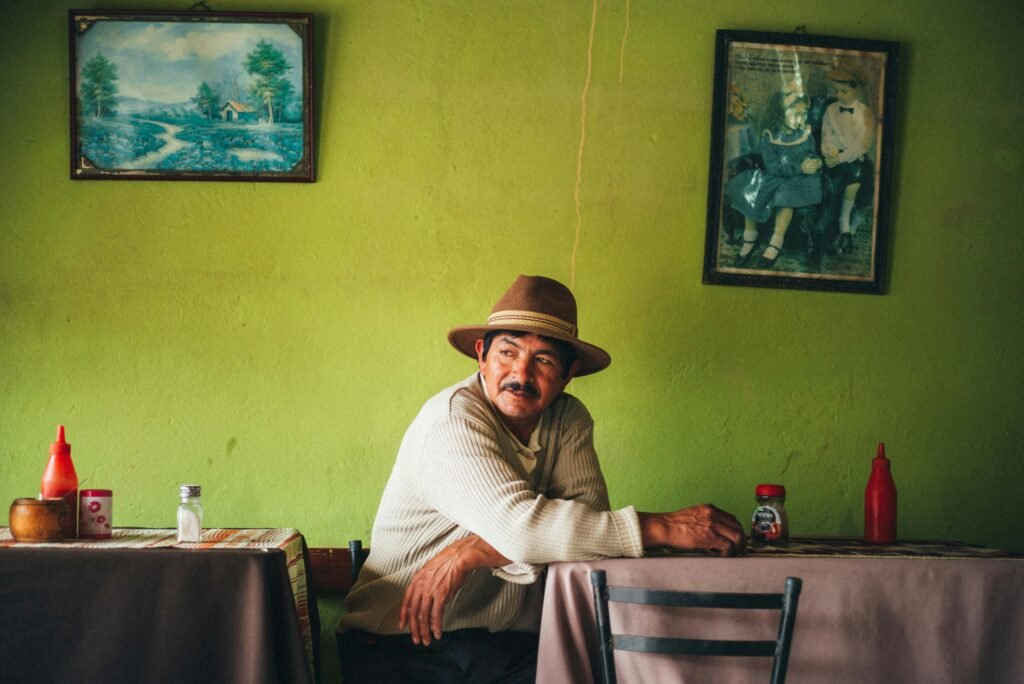
For those riding or driving through the southern Andes, road and transport conditions require careful planning.
Public transport and taxi security
Direct buses run daily from the Terminal Terrestre in Cuenca to the entrance of Ingapirca, taking approximately 2.5 to 3 hours each way. Alternatively, buses heading toward Cañar or El Tambo drop passengers at the main highway turn-off, where local taxis or secondary buses complete the remaining 15 kilometres to the ruins.
- Always check the driver’s departure time for the return trip, as afternoon buses back to Cuenca are limited
- Ensure secondary taxis hired in El Tambo or Cañar are licensed vehicles
Driving and highway conditions
Driving to Ingapirca via the Pan-American Highway offers flexibility, but high-altitude driving presents distinct challenges:
- Road Hazards: Mountain roads feature sharp hairpin turns, steep gradients, and frequent fog or heavy rain that can significantly reduce visibility
- Landslides: During the rainy season, small rockfalls and mudslides can block secondary roads leading to the ruins
- Local Driving Behaviour: Overtaking on narrow bends is common among local drivers. Maintain a safe following distance and avoid driving after dark when unlit vehicles or stray livestock may be on the road
Cycling safety and route planning
Riding to Ingapirca by bicycle is a rewarding challenge that demands respect for the terrain:
- Traffic Factors: The section along the main highway features heavy commercial traffic, including lorries and long-distance buses. Narrow road shoulders require high vigilance
- Elevation Profile: The climb involves sustained elevation gain, reaching over 3,100 metres. Pacing and hydration are vital to avoid exhaustion
- Equipment Essentials: Front and rear lights, a well-fitted helmet, and dependable wet-weather gear are essential. Mountain weather shifts rapidly, and descending in cold rain can cause rapid temperature drops
The Galápagos.
Ecuador’s Enchanted Isles
Health and environment / Altitude, weather, and páramo conditions
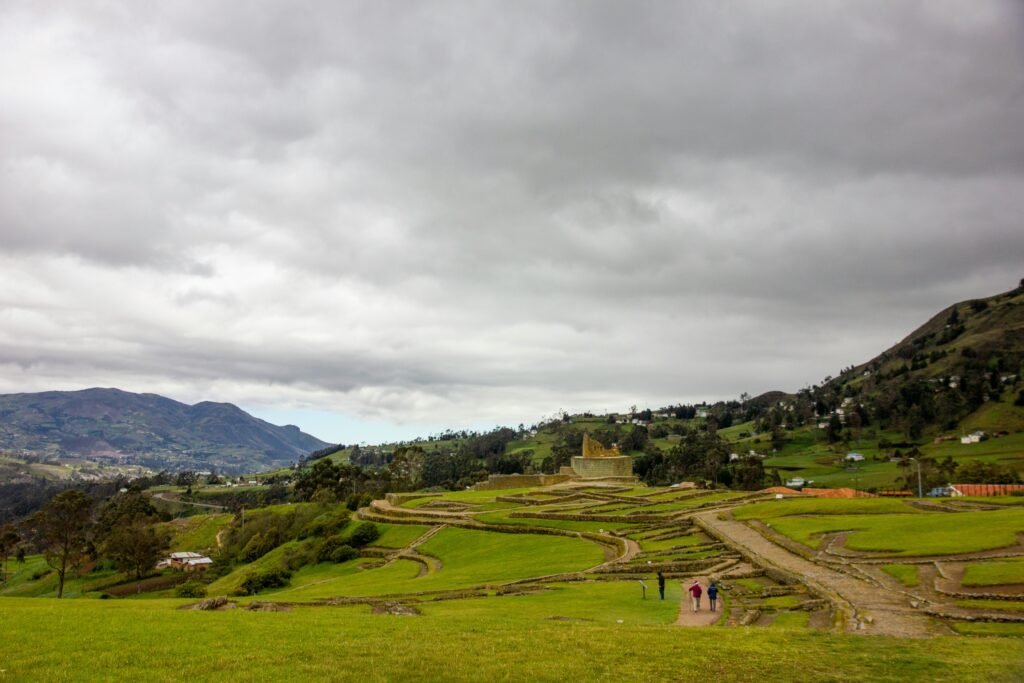
Environmental risks are often more significant for visitors to Ingapirca than security concerns.
Altitude sickness (soroche)
Sitting at 3,160 metres, Ingapirca’s elevation can affect travellers who have recently arrived from sea level. Altitude sickness symptoms include headaches, nausea, dizziness, and shortness of breath.
- Acclimatise First: Spend at least 24 to 48 hours in Cuenca (2,560 metres) before visiting Ingapirca to allow your body to adapt
- Hydrate and Eat Lightly: Drink plenty of water, avoid heavy meals or alcohol before travel, and consider traditional coca tea if available
Páramo microclimates
The high-altitude páramo weather in Cañar is unpredictable. Strong equatorial sun can turn into icy rain and gusty winds within twenty minutes.
- Dress in Layers: Wear moisture-wicking base layers, an insulating mid-layer, and a windproof, waterproof outer shell
- Sun Protection: Due to the altitude and thin atmosphere, UV exposure is intense even on overcast days. Apply high-factor sun cream and wear sunglasses and a wide-brimmed hat
The Ecuadorian Coast.
Where you’ll find the very best food
Essential practical safety checklist for visitors
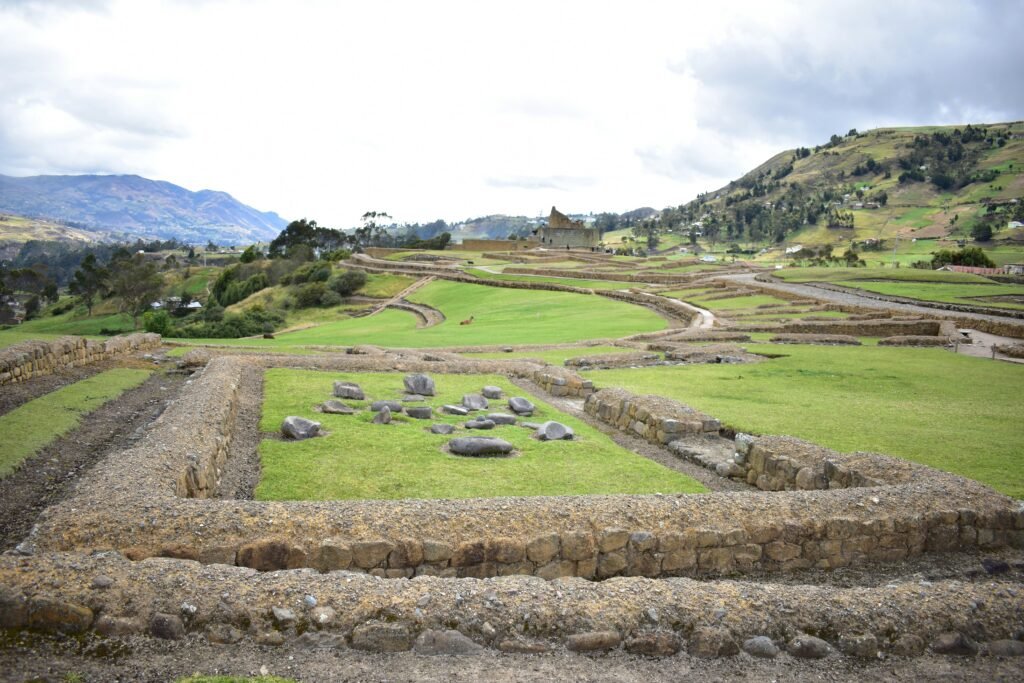
Before setting out on your trip to Ingapirca, review this practical preparation list:
- Secure Your Documents: Carry a physical colour photocopy of your passport entry page and leave the original locked in your hotel safe in Cuenca
- Pack Cash in Small Denominations: ATMs are scarce around the ruins, and small vendor stalls in Ingapirca rarely accept cards or give change for $20 notes. Carry $1, $5, and $10 notes for entrance fees and food
- Download Offline Maps: Mobile signal can be intermittent along the mountain pass between El Tambo and Ingapirca
- Monitor Regional Updates: Check local news for weather warnings, road closures, or transport disruptions before departing
- Establish Emergency Contacts: Keep the national emergency number (911) saved on your phone alongside contact details for your accommodation
Cuenca.
The Athens of Ecuador
Safe passage to Ecuador’s sacred Incan citadel
Read this far?
Exploring Ingapirca offers far more than a simple photo opportunity at the Temple of the Sun. It provides an authentic encounter with the layered histories of the Cañari and Incan civilisations, set against the dramatic backdrop of the southern Ecuadorian Andes. By taking straightforward safety measures during your journey, you clear the way for a rich, uninterrupted travel experience.
Whether you choose to navigate the steep switchbacks on a loaded touring bike, ride the early morning local bus from Cuenca, or rent a vehicle to explore the wider Cañar province, staying mindful of high-altitude weather and transit logistics pays off. The warmth of the local rural communities paired with the quiet solitude of the ruins makes every bit of preparation worthwhile.
As with any journey through highland South America, flexibility is your greatest asset. Respecting local cultural norms, pacing your physical effort against the thin mountain air, and keeping your possessions secure during transit will ensure your focus remains where it belongs: on the magnificent stone masonry and panoramic mountain views.
Pack your layers, secure your cash in small notes, set off early, and enjoy one of Ecuador’s most remarkable archaeological treasures with absolute peace of mind.
Affiliate Disclaimer: Some of the links on Wheely Tyred are affiliate links. If you click through and make a booking or purchase, we may earn a small commission at no extra cost to you. We only recommend gear, tours, stays, and services we genuinely use, trust, and stand behind — our editorial independence always comes first. These commissions help keep our independent cycling guides and travel stories free to read. You can also buy me a coffee here — thanks for supporting the ride!
Frequently asked questions about safety at Ingapirca
Direct buses run daily from Cuenca’s Terminal Terrestre straight to the entrance of the archaeological site, taking around 2.5 to 3 hours. Alternatively, take any bus heading toward Cañar or El Tambo, alight at the main turn-off, and hire a local licensed taxi for the final 15-kilometre stretch.
At 3,160 metres above sea level, altitude sickness (soroche) can affect visitors coming directly from lower elevations. Spending 24 to 48 hours acclimatising in Cuenca (2,560 metres), staying hydrated, and avoiding heavy meals before your trip helps mitigate symptoms.
Card payment facilities are limited or non-existent at rural stalls and small eateries surrounding the ruins. Always bring sufficient cash in small US dollar notes ($1, $5, and $10) as local vendors rarely have change for larger notes.
Weather in the páramo changes rapidly. Pack moisture-wicking base layers, a fleece or insulated jacket, and a reliable waterproof outer shell. High-factor sun cream, a wide-brimmed hat, and sunglasses are also essential due to intense equatorial UV levels.
Cycling to the site is rewarding but demanding. Road shoulders along the Pan-American Highway are narrow, with heavy bus and lorry traffic. Functional lights, a helmet, and strong climbing legs are necessary for the sustained elevation gain.
Return buses directly from the ruins are infrequent, often departing in the early afternoon around 13:30 or 14:00. Always confirm the exact departure time with your bus driver upon arrival, or plan to take a taxi back to El Tambo to catch an intercity bus.
Ecuador.
Pure wonder on the equator.


