
The ultimate guide to the best time to visit Cuenca, Ecuador
Cuenca weather by month and season for travellers
Chasing eternal spring in the heart of the Andes
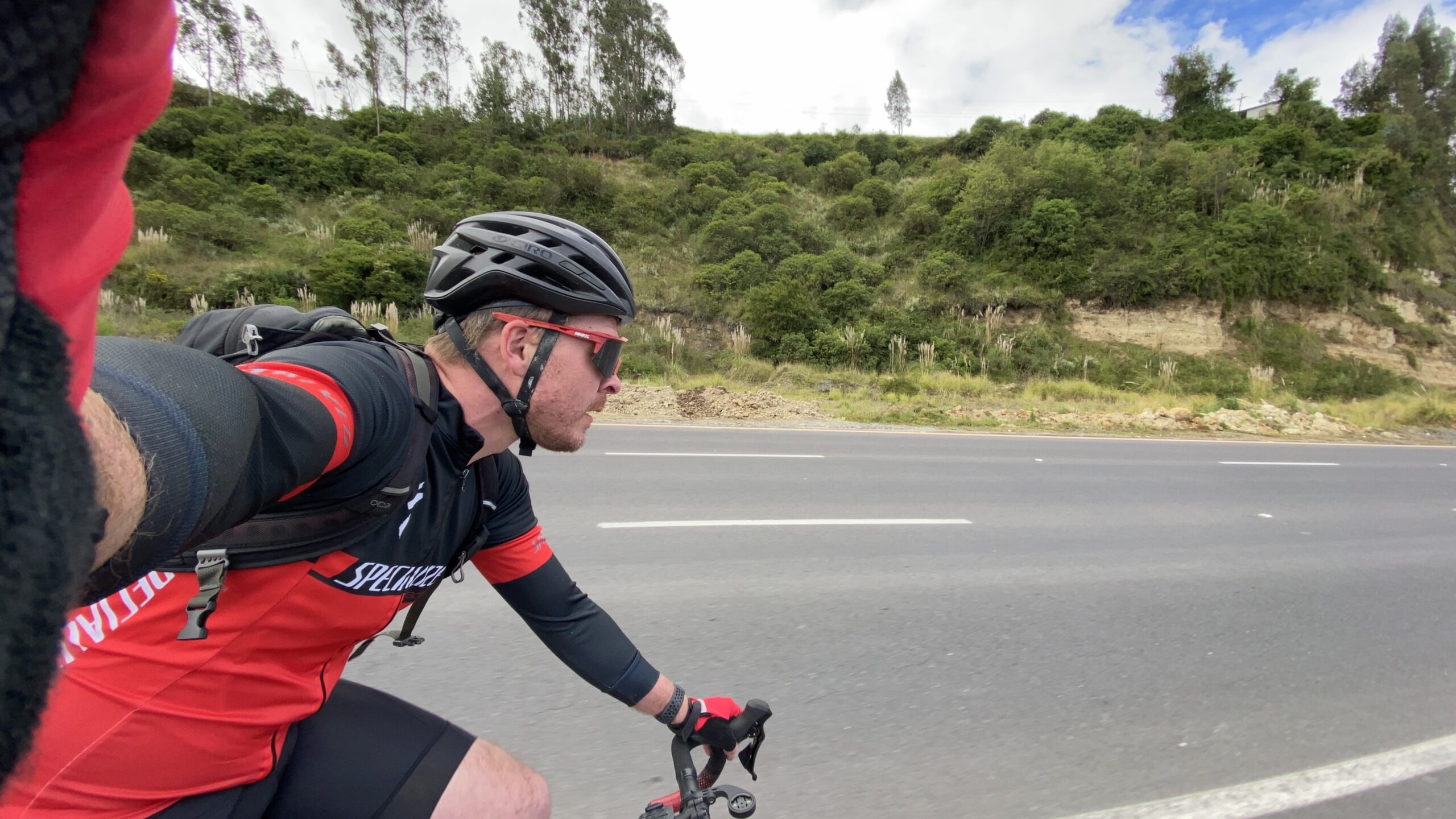
BEN FINCH
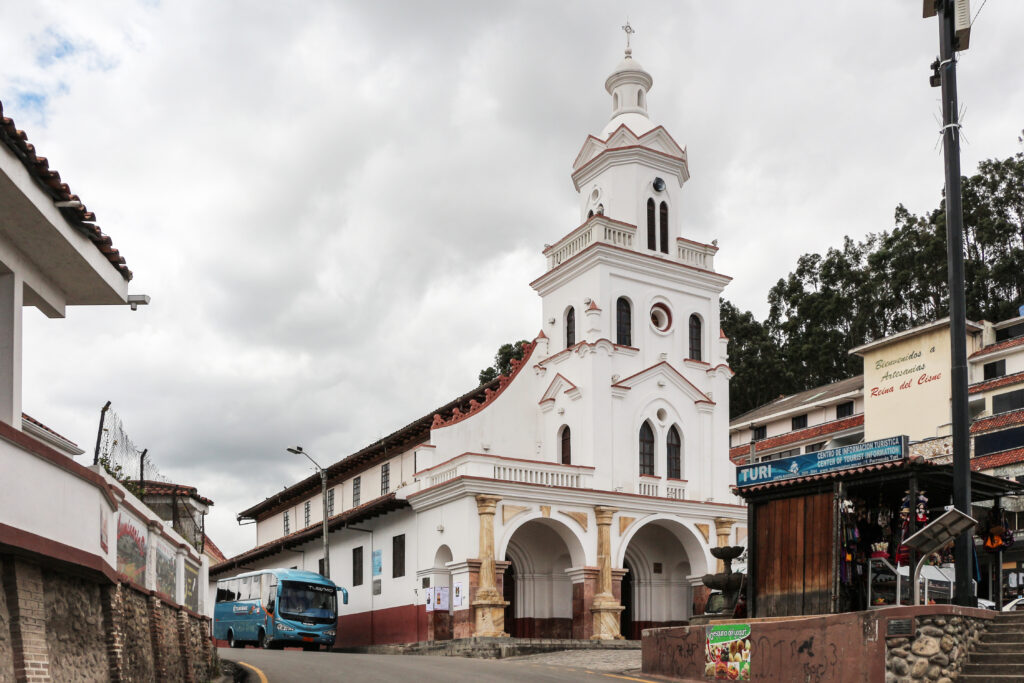
Cuenca, Ecuador, is a city that effortlessly captures the hearts of all who wander its historic cobblestone streets. Nestled high in the Andean mountains at an elevation of over 2,500 metres, this UNESCO World Heritage site boasts stunning colonial architecture, a vibrant arts scene, and a wonderfully relaxed pace of life. But before you start packing your bags, you might be wondering when exactly you should book your flights. At Wheely Tyred, we know that understanding a destination’s climate is the foundation of any great travel itinerary.
Because Cuenca sits so close to the equator, it does not experience the traditional four seasons of summer, autumn, winter, and spring. Instead, it offers a climate that many describe as an eternal spring. However, this does not mean the weather is identical every single day of the year. To help you plan the perfect getaway, we have put together this comprehensive guide to Cuenca’s unique climate, breaking down exactly what you can expect from each season and month.
Cuenca weather at a glance / What you need to know
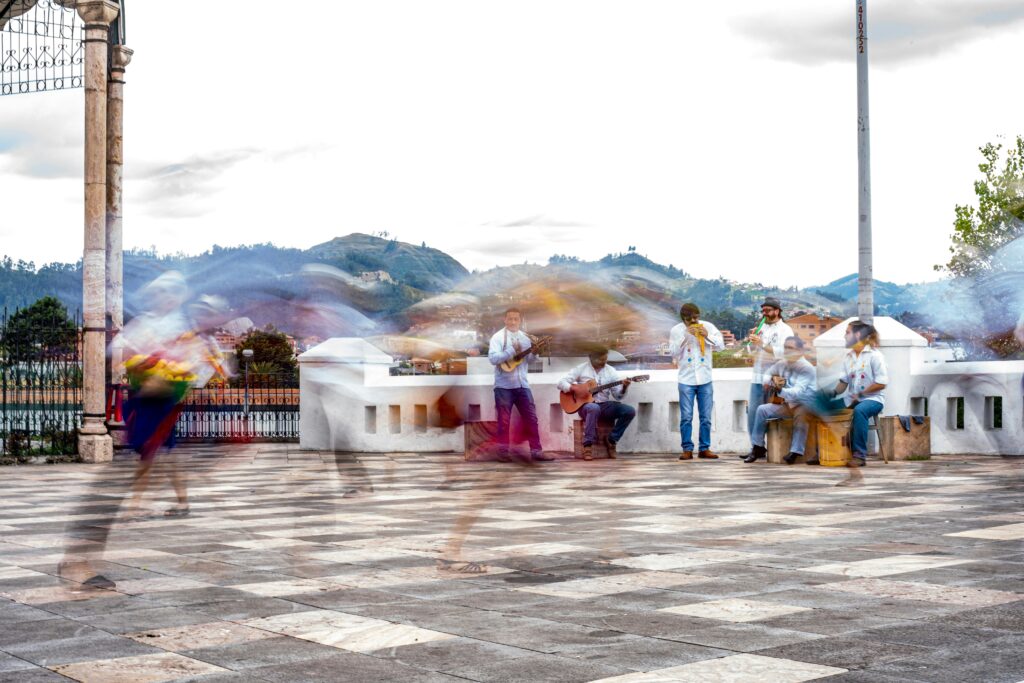
For travellers looking to grasp the essentials quickly, we have distilled our comprehensive weather guide into a bite-sized summary. Here is a rapid breakdown of exactly what you need to know before packing your bags for the Andes.
- High-Altitude Climate: Situated at 2,560 metres in the Andes, Cuenca enjoys a cool, comfortable climate year-round, which is vastly different from Ecuador’s humid coasts or sweltering rainforests
- Two Primary Seasons: Forget the traditional four seasons. Here, you will navigate a wet season (January to May) and a dry season (June to December)
- Predictable Daily Rhythms: Regardless of the month, mornings are typically bright and sun-drenched, while the afternoons frequently bring rolling mountain clouds and short, sharp showers
- The Golden Rule of Packing: Adaptability is everything. You will want a breathable base layer for the midday sun, a warm jumper for the brisk evenings, and a reliable waterproof jacket for those sudden afternoon downpours
- The Optimal Visiting Window: While Cuenca is a spectacular year-round destination, November stands out as the absolute best time to visit, combining dry, pleasant weather with vibrant, city-wide cultural celebrations
Cuenca.
The Athens of Ecuador
Understanding Cuenca’s unique climate
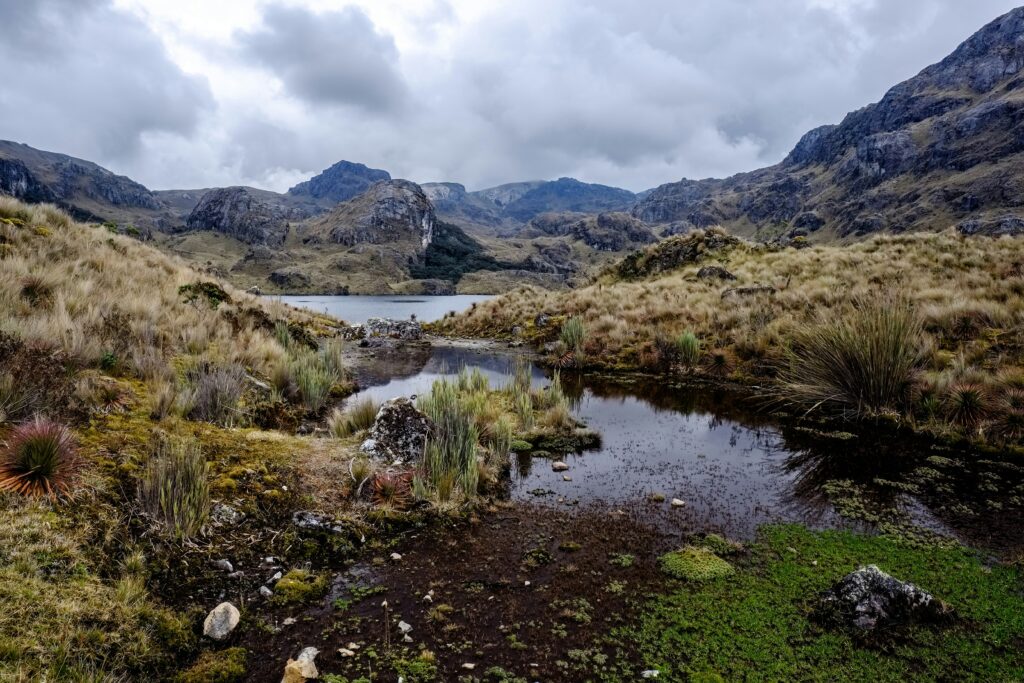
Before delving into the specific months, it is essential to understand the geographical factors at play. Cuenca is located in a high-altitude valley in the southern Ecuadorian Andes. This elevation brings cool, crisp mountain air, providing a stark contrast to the sweltering humidity found on the Ecuadorian coast or deep within the Amazon rainforest. Because the city is just south of the equator, daylight hours remain incredibly consistent throughout the year, with the sun rising around six in the morning and setting around six in the evening.
Instead of four distinct seasons, Cuenca operates on a two-season cycle consisting of the wet season and the dry season. Regardless of the time of year you choose to visit, you should always be prepared for shifting conditions within a single day. Mornings often dawn bright and beautifully sunny, while afternoons can bring swift, rolling clouds and sudden rain showers, particularly in the surrounding mountain passes. Packing lightweight, breathable layers and a reliable waterproof jacket is the absolute golden rule for visiting the Andes.
Cuenca’s wet season / January to May
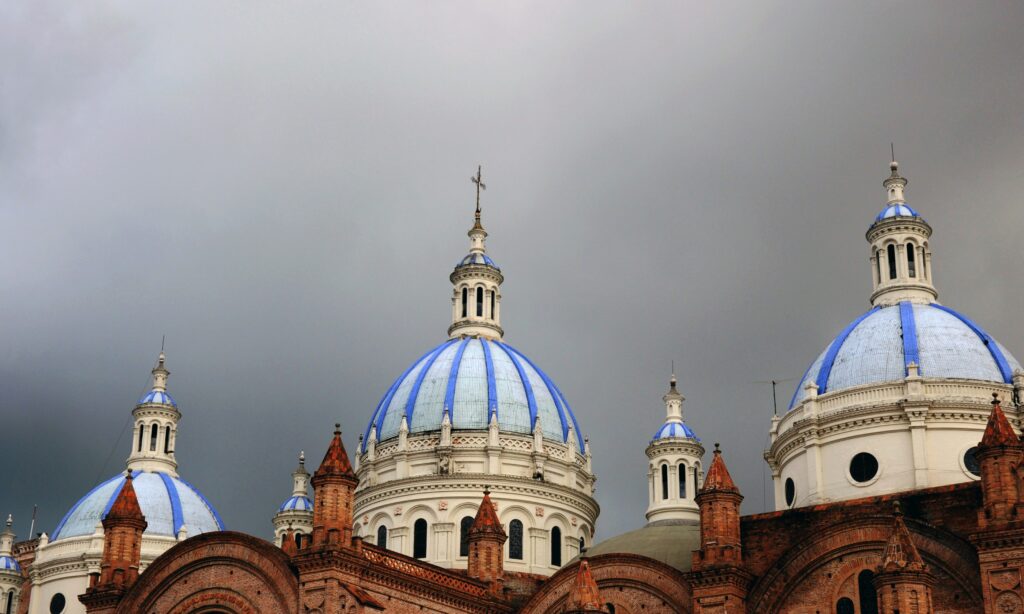
The wet season in Cuenca generally spans from January through to the end of May. For many travellers, the term wet season might sound intimidating, but in the Andean highlands, it rarely means constant torrential rain. Instead, you can expect a very predictable daily rhythm.
You will usually wake up to crisp, sun-drenched mornings, which are perfect for exploring the city on foot or taking a bike ride along the river. By the early afternoon, cloud cover begins to build up over the mountains, culminating in a heavy but brief shower before the skies clear again by the evening.
January and February mark the transition into these rainier months. The surrounding landscape begins to transform, turning lush and incredibly green, which makes this a brilliant time for landscape photography. February also brings Carnival, one of the most vibrant and chaotic celebrations in Ecuador. If you visit during Carnival, expect to be caught in friendly water fights and foam parties on the streets, so a waterproof jacket is essential anyway!
March, April, and May are traditionally the wettest months of the year in Cuenca. March often sees the highest volume of rainfall, while April brings the magnificent cultural celebrations of Semana Santa, also known as Holy Week. Despite the rain, the daytime temperatures remain remarkably comfortable, hovering around 17 to 20 degrees Celsius.
When the afternoon showers do arrive, it provides the perfect excuse to duck into one of Cuenca’s many excellent cafes for a cup of locally sourced hot chocolate. You can also use this time to explore the incredible Museo Pumapungo or the sprawling indoor markets without feeling guilty about missing the sunshine.
During the wet season, the Tomebamba River, which separates the historic colonial centre from the modern parts of the city, runs high and fast, creating a dramatic and beautiful natural border. If you are planning day trips to the nearby Cajas National Park during these months, early starts are vital to ensure you complete your hiking before the afternoon mists and heavy rains roll in.
The Ecuadorian Sierra.
Get lost in the hills
Cuenca’s dry season / June to December
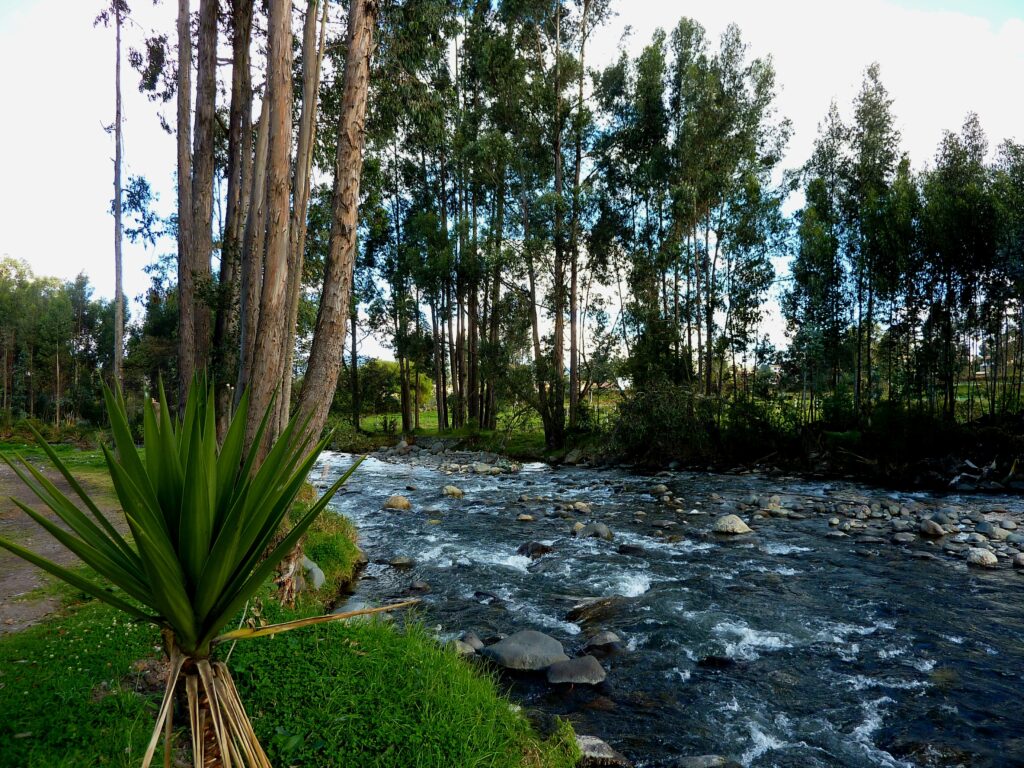
As June arrives, the climatic pendulum swings toward the dry season, which lasts all the way until December. This period is characterised by much lower rainfall and significantly clearer skies, though it brings its own set of weather quirks that savvy travellers should note.
June, July, and August are the driest months of the year, but they are also the coolest. During July and August in particular, the winds pick up considerably. While daytime temperatures still sit pleasantly in the mid-teens, the wind chill can make it feel noticeably brisk, especially when you are wandering through shaded colonial streets that do not catch the direct sun.
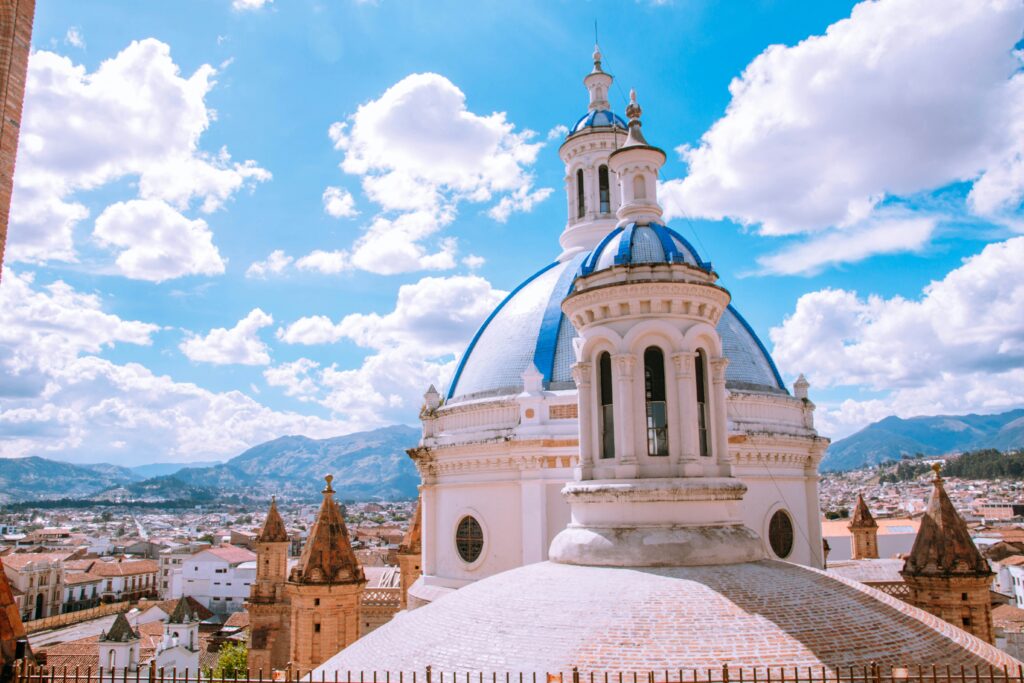
Nighttime temperatures during these months can occasionally dip down to 7 or 8 degrees Celsius. However, the trade-off for the chillier air is the incredibly clear, brilliant blue Andean skies. The lack of cloud cover makes this an exceptional time for stargazing and for taking uninterrupted, panoramic photos of the city’s iconic blue-domed New Cathedral.
September and October see a gentle warming trend as the strong winds of July and August finally begin to die down. The skies remain predominantly clear, and the surrounding valleys retain a stark, dramatic beauty. This is arguably one of the most comfortable times to visit if you want to avoid both the heavy rains of April and the brisk winds of August.
November is widely considered by locals and frequent visitors to be the absolute best month to visit Cuenca. Not only is the weather hitting a perfect sweet spot of warm, dry days and cool, comfortable nights, but the city also comes completely alive for the Independence of Cuenca on the third of November. The week leading up to this date is filled with massive street fairs, vast artisan markets, live music, and colourful parades.
December follows closely behind in charm, offering excellent weather that culminates in the spectacular Pase del Niño Viajero. This is a massive Christmas Eve parade that fills the historic centre with elaborate floats, traditional dancers, and joyous music.
Navigating future climate trends
As a forward-thinking travel resource, Wheely Tyred also monitors how global environmental shifts are impacting our favourite destinations. Climate change is subtly altering the Andean weather systems.
In Cuenca, meteorological models predict a gradual warming trend over the coming decades, alongside changes in precipitation intensity. While the dry seasons may become slightly more pronounced, the wet seasons are expected to see more intense, concentrated rainfall events.
For the modern traveller, this simply reinforces the need for flexibility. Packing high-quality, adaptable gear and leaving room in your itinerary for sudden weather changes is more important than ever. Being prepared ensures that an unexpected afternoon downpour becomes a wonderful opportunity to discover a hidden gem of a restaurant, rather than a disruption to your grand plans.
Quito.
Explore the Middle of the World
Planning your trip to Cuenca
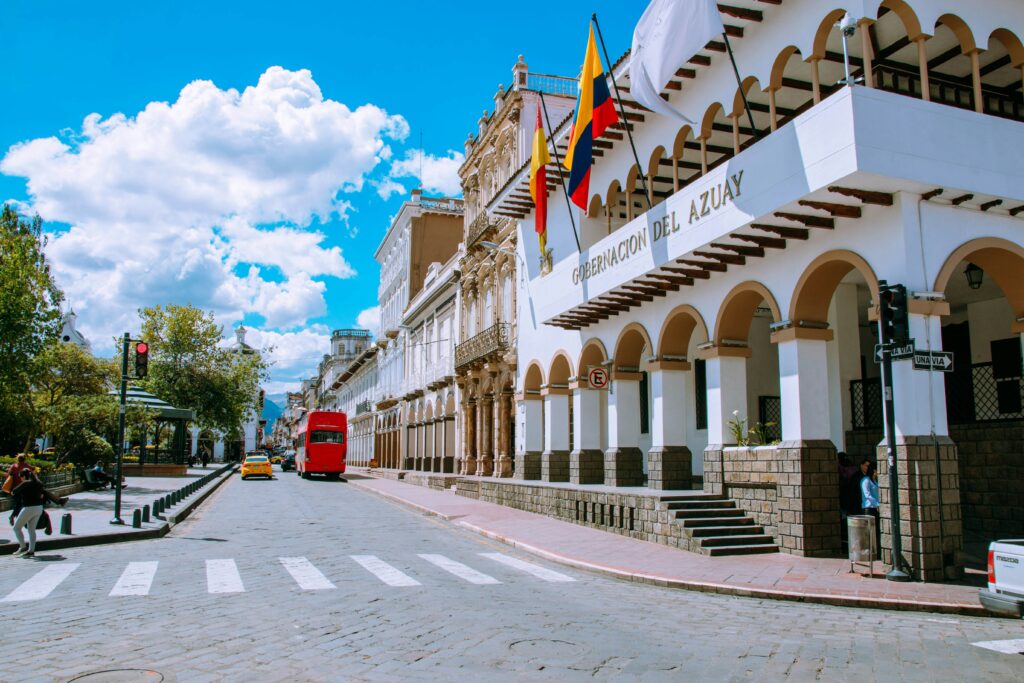
Whether you are hoping to hike the rugged, otherworldly trails of Cajas National Park beneath clear July skies or looking to immerse yourself in the lush, green valleys of a misty April morning, Cuenca offers a magical experience year-round.
Deciding when to visit ultimately depends on what kind of adventure you are seeking and which cultural events you wish to experience.
At Wheely Tyred, we are passionate about helping you craft the perfect journey. Our detailed destination guides and expertly curated route plans are designed to help you navigate the world with complete confidence, ensuring you arrive at the right place at exactly the right time. Let us help you turn your Ecuadorian travel dreams into a reality.
Frequently asked questions about the best time to visit Cuenca
March and April are traditionally the wettest months in Cuenca. However, the rain rarely sets in for the entire day. Rainfall usually occurs in heavy, concentrated bursts in the mid-to-late afternoon, leaving your mornings perfectly clear for sightseeing or taking a ride along the river.
You do not need heavy snow gear, but you absolutely need warm layers. The temperature drops noticeably when the sun goes down, particularly during the drier, windier months of July and August. A good quality fleece, a windbreaker, and a waterproof shell are essential additions to your suitcase.
The dry season, running from June to December, offers the most reliable conditions for outdoor pursuits, especially if you plan to tackle the rugged trails of Cajas National Park. November is a particular favourite due to the mild temperatures and clear skies. Whenever you visit, always start your routes early in the morning to beat the afternoon weather shifts.
Like many high-altitude Andean regions, Cuenca is experiencing subtle shifts in its climate patterns. Current trends point to a gradual warming, alongside more intense, concentrated bursts of rainfall during the wet season. For modern travellers, this simply highlights the importance of packing adaptable clothing and keeping a flexible itinerary.
Absolutely. Because the city sits so close to the equator, the temperature variations between the months are surprisingly minor. Whether you prefer the lush, vibrant green landscapes of the wet season or the crisp, brilliant blue skies of the dry season, Cuenca’s eternal spring is always waiting to be explored.
Ecuador.
Pure wonder on the equator.