Discover the Ecuadorian Sierra / Top sights in the Avenue of the Volcanoes
The ultimate guide to the best attractions in the Ecuadorian Andes
High altitudes, ancient markets, and unforgettable adventures
BEN FINCH
The Ecuadorian Sierra is a landscape of staggering contrasts and towering peaks. Known as the Avenue of the Volcanoes, this high-altitude region splits the country down the middle, creating a breathtaking corridor of snow-capped mountains, deep crater lakes, and centuries-old colonial cities. For the independent traveller who values freedom, setting your own schedule, and immersing yourself in a destination without the constraints of a rigid tour group, the Andes offer an unmatched sense of discovery.
When people compile the best things to do in Ecuador, the Sierra consistently dominates the conversation. It is a place where you can linger in bustling indigenous markets or stand quietly at the edge of a dormant volcano. If you are travelling self-guided, you have the luxury of taking your time. There is no need to rush back to a waiting bus or follow a guide through a crowded plaza. You are entirely in control of your journey.
Here are the most iconic, highly recommended attractions in the Ecuadorian Sierra that simply cannot be missed.
The untamed heart of the Avenue of the Volcanoes
Ditch the rigid tour schedules and embrace the raw, unfiltered beauty of the Andes on your own terms. From colonial plazas to high-altitude craters, these are the indispensable stops for the self-guided explorer.
- Quito’s Historic Centre: A dizzying, 2,850-metre-high architectural marvel boasting the volcanic stone facade of La Compañía de Jesús and sweeping vistas from the towering Basílica del Voto Nacional
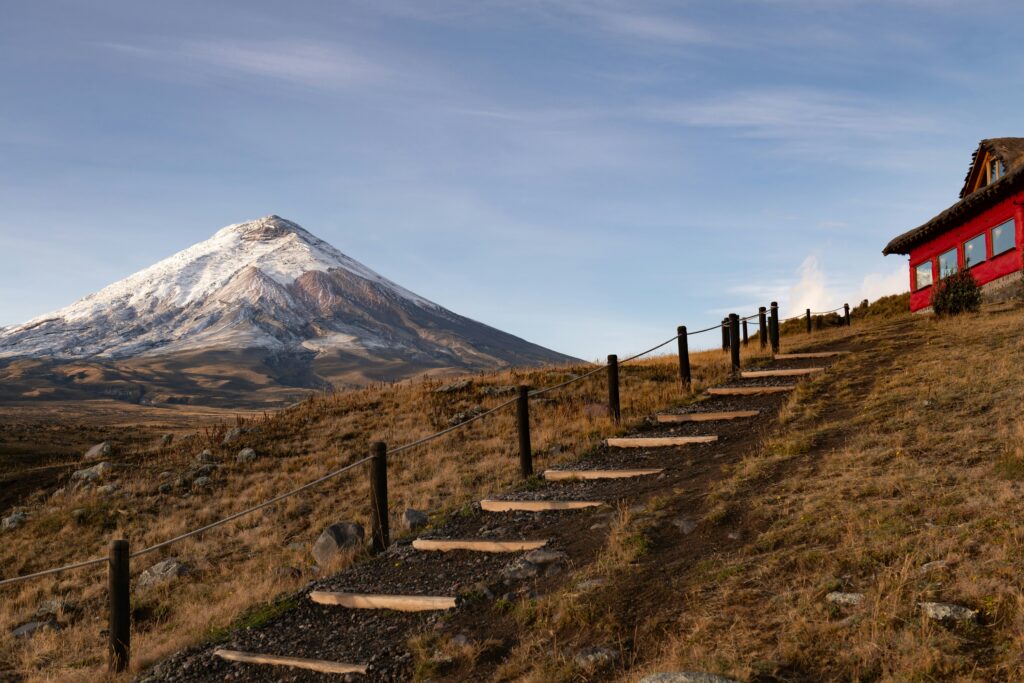
- Cotopaxi National Park: The undisputed crown jewel of the region, featuring a 5,897-metre active, snow-capped volcano and rugged trails around the reflective waters of the Limpiopungo Lagoon
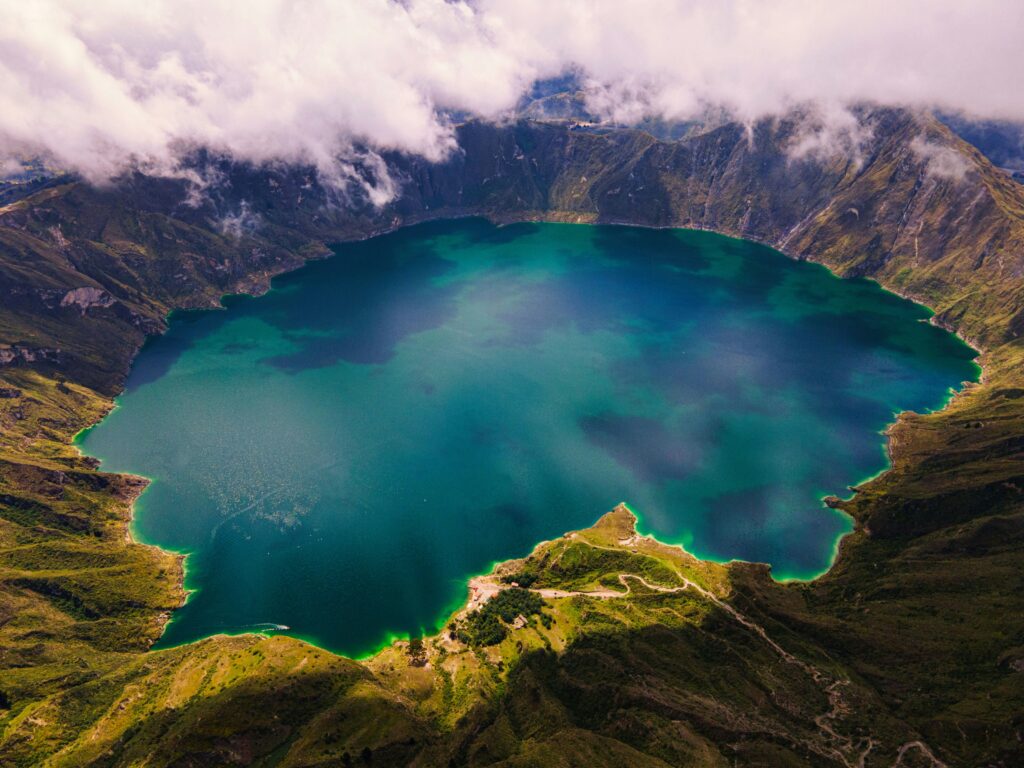
- Quilotoa Crater Lake: A dramatic, emerald-and-turquoise caldera formed by a massive eruption, offering challenging hikes and profound silence entirely away from the crowds
- Otavalo Market: A sensory explosion at the Plaza de Ponchos, perfect for independent travellers looking to engage with local artisans and secure traditional Andean textiles and alpaca jumpers
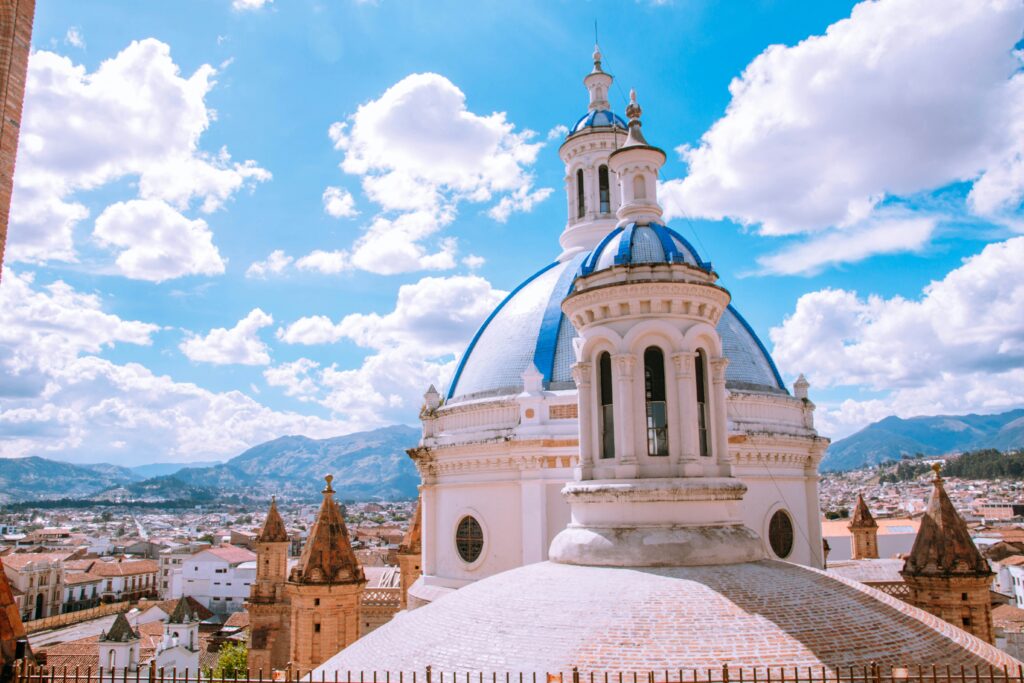
- Cuenca’s Colonial Charm: A relaxed, refined southern city defined by its supreme walkability, sky-blue cathedral domes, and an artistic riverside atmosphere
- Baños de Agua Santa: The gateway to the Amazon and the adventure capital of the country, famous for the thundering Pailón del Diablo waterfall and soothing thermal springs
- Two-Wheeled Escapes: Unmissable cycling routes on the periphery of the major hubs, including the scenic Chaquiñán railway trail near Quito and the peaceful Tarqui Valley outside Cuenca
Quito.
Explore the Middle of the World
The Historic Centre of Quito
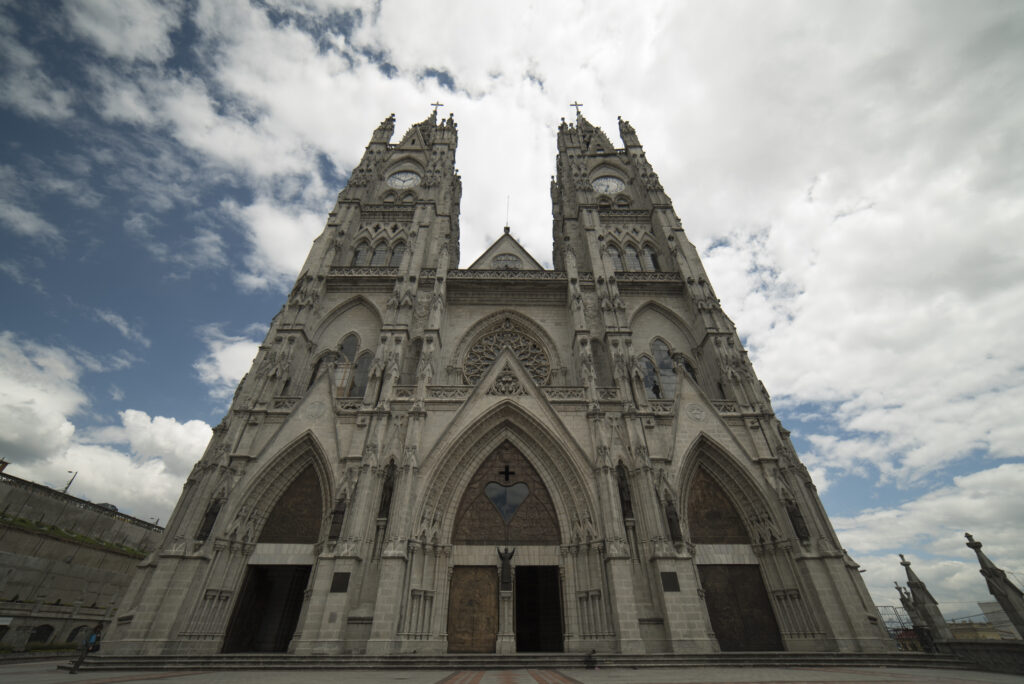
Nestled high in an Andean valley at 2,850 metres above sea level, Quito boasts one of the best-preserved, least-altered historic centres in the Americas. It was one of the first locations to be declared a World Heritage Site by UNESCO. Guidebooks frequently highlight Quito as the premier starting point for any Ecuadorian adventure.
Wandering through the cobblestone streets of the Old Town is like stepping back in time. The architectural marvels are endless, from the intricate volcanic stone facade of La Compañía de Jesús, adorned with brilliant gold leaf inside, to the towering Basílica del Voto Nacional. For an unforgettable experience, climb the steep ladders of the Basílica to reach the viewing platforms. You will be rewarded with sweeping panoramic views of the city sprawling across the valley, framed by the majestic Pichincha volcano.
Exploring this area independently allows you to stop for a leisurely coffee in Plaza Grande, people-watch, and absorb the vibrant daily life of the locals without someone tapping a watch to hurry you along.
Cotopaxi National Park
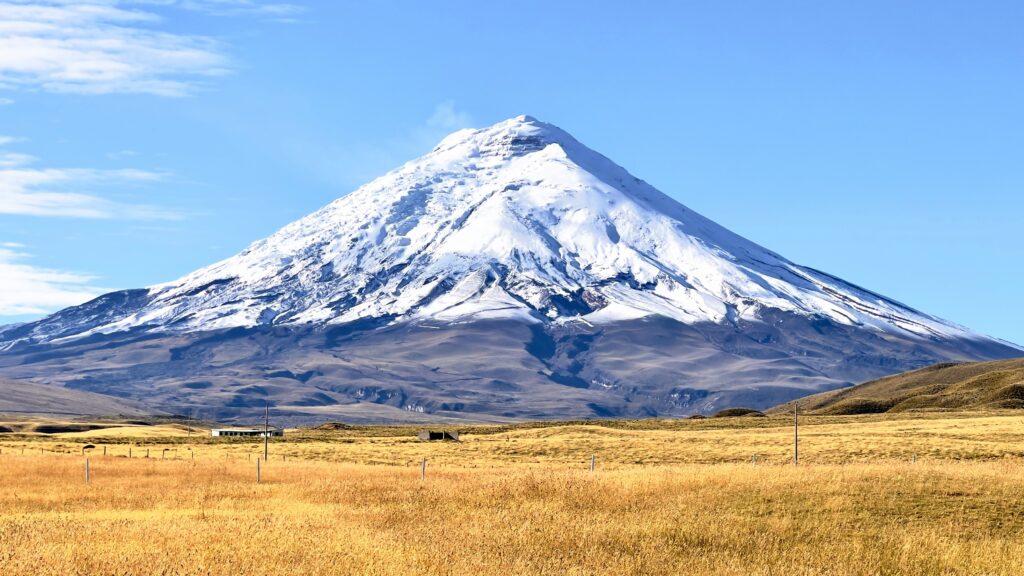
A short journey south of Quito brings you to the crown jewel of the Avenue of the Volcanoes: Cotopaxi National Park. The perfectly symmetrical, snow-capped cone of the Cotopaxi volcano reaches an astonishing 5,897 metres into the sky. It is one of the highest active volcanoes in the world and an absolute must-see for anyone traversing the region.
Travel guides universally rank Cotopaxi as a top-tier natural attraction. The park surrounding the volcano is a haven for high-altitude wildlife, including Andean condors, wild horses, and Andean foxes. You can take your time exploring the trails around the Limpiopungo Lagoon, which reflects the massive volcano on clear days.
Because you are setting your own pace, you can pause to appreciate the stark beauty of the páramo landscape or push yourself to hike up to the José F. Ribas Refuge at 4,864 metres. The thin air and dramatic vistas make for an exhilarating experience that feels deeply personal and untamed.
The Ecuadorian Sierra.
Get lost in the hills
The Quilotoa Crater Lake
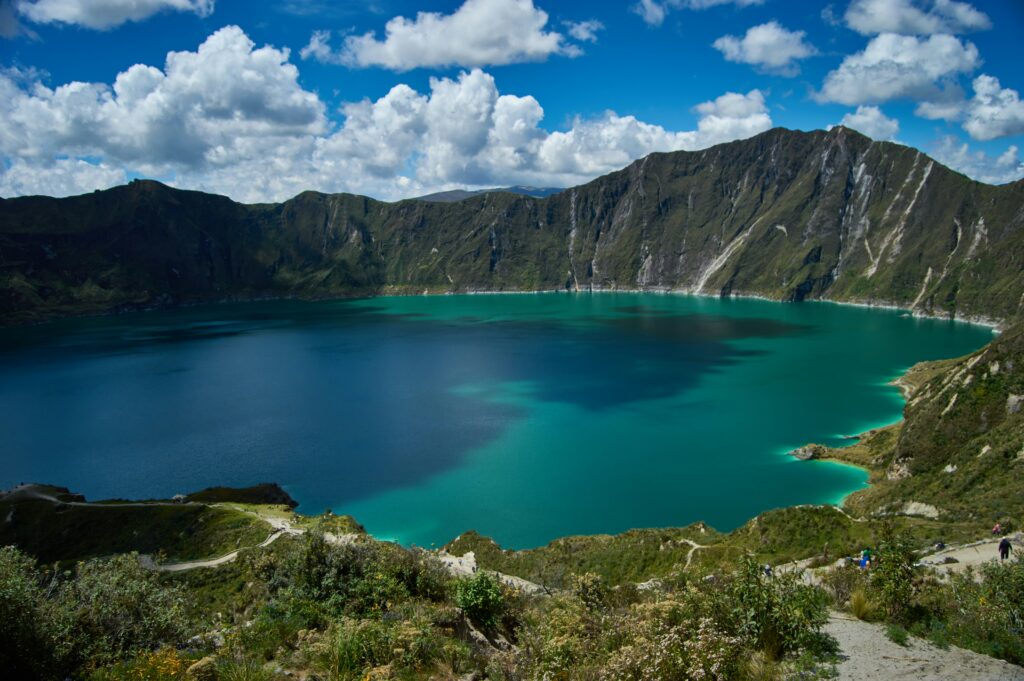
Further along the Andean corridor lies the Quilotoa Loop, a rugged region famous for its spectacular crater lake. Formed by a massive volcanic eruption centuries ago, the Quilotoa caldera is now filled with water that shifts between mesmerising shades of emerald green and turquoise, depending on the sunlight and cloud cover.
Top travel sources consistently recommend Quilotoa for its sheer visual impact. You can hike the rim of the crater, which takes several hours and offers continuously shifting perspectives of the lake below and the surrounding jagged peaks.
Alternatively, you can hike down to the water’s edge. The steep ascent back up is challenging, but travelling on your own terms means you can take as many breaks as you need, soaking in the profound silence and dramatic beauty of the Andes without feeling rushed to catch a departing van.
Otavalo Market
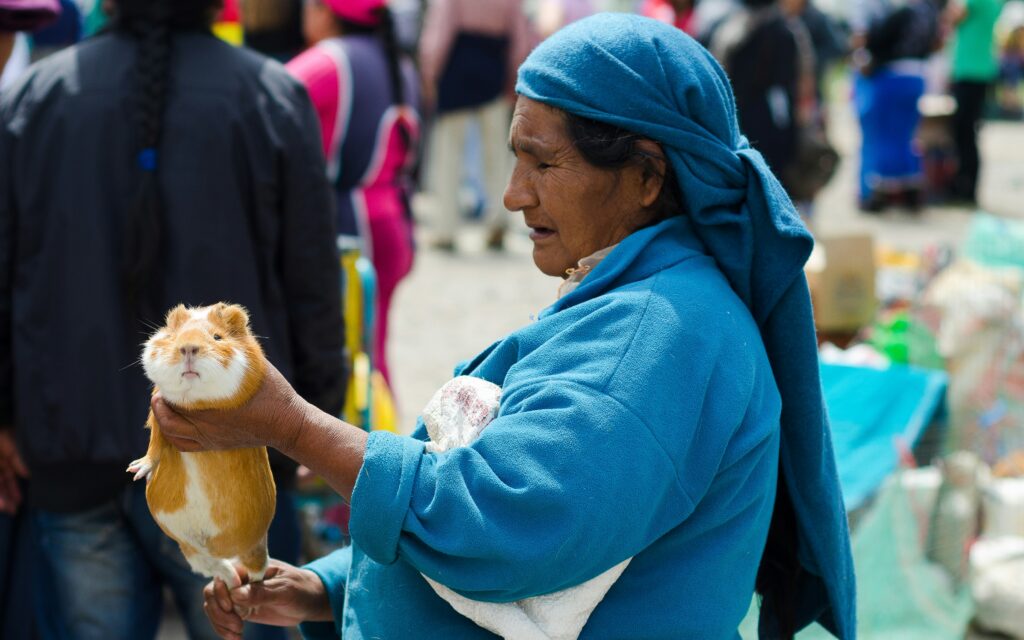
North of Quito, the town of Otavalo hosts one of the largest and most famous indigenous markets in South America. The Plaza de Ponchos is the vibrant heart of this commercial hub, where local artisans and weavers gather to sell their wares.
When searching for cultural experiences in Ecuador, Otavalo is always at the top of the list. The market is a sensory explosion of colours and textures. Here, you will find beautifully woven textiles, warm alpaca jumpers, intricate jewellery, and handcrafted musical instruments. Arriving independently allows you to wander the labyrinth of stalls freely, chat with the vendors, and learn about the traditional weaving techniques passed down through generations.
You can spend an entire morning getting lost in the lively atmosphere, sampling local street food, and finding unique keepsakes to remember your journey.
Cuenca.
The Athens of Ecuador
The Historic Centre of Cuenca
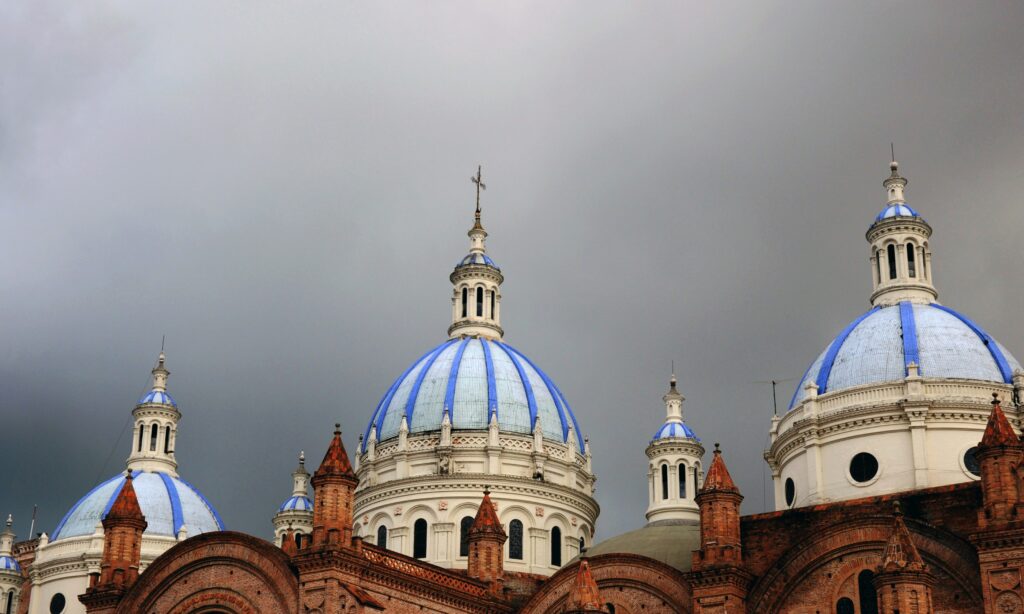
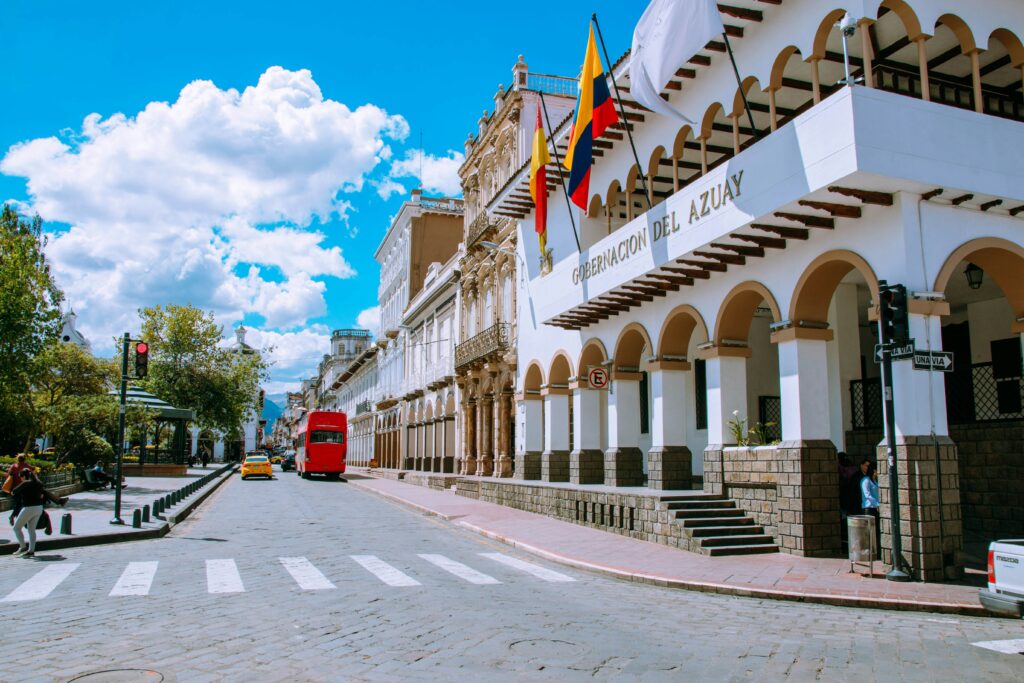
In the southern Sierra, the city of Cuenca offers a more relaxed, refined atmosphere compared to the bustling capital. Also a UNESCO World Heritage Site, Cuenca is renowned for its stunning colonial architecture, flower-filled plazas, and the four rivers that flow through the city.
The undisputed centrepiece of Cuenca is the Catedral de la Inmaculada Concepción, easily identifiable by its three massive sky-blue domes. Guidebooks frequently praise Cuenca for its walkability and charm. Strolling along the riverbanks, exploring the Panamá hat factories, and lingering in the many art galleries and cafes make for a perfect few days.
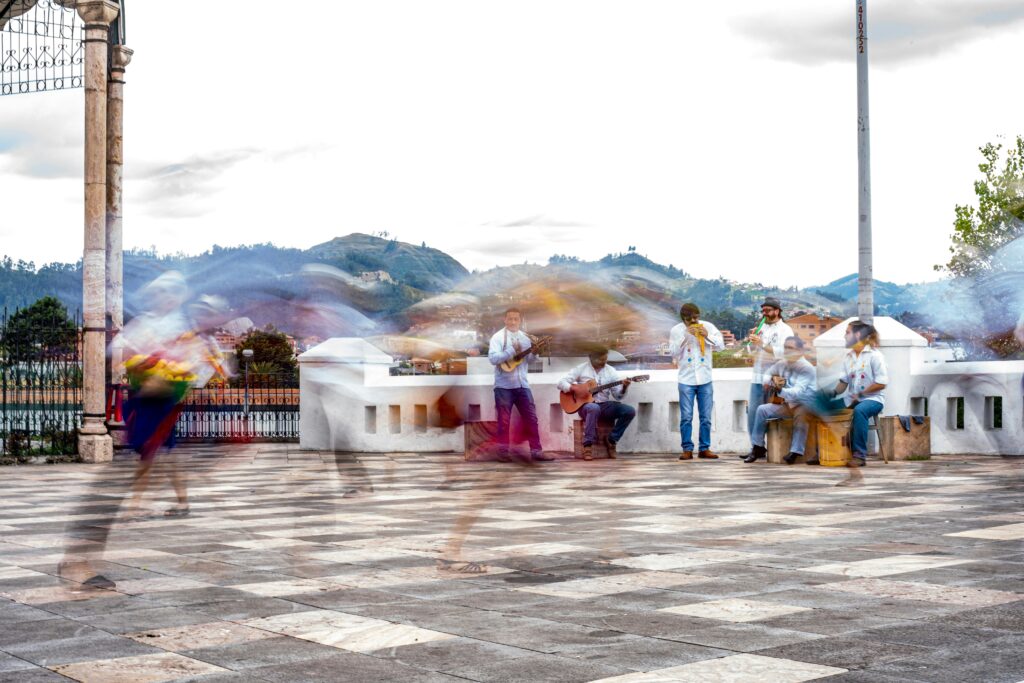
Without a strict itinerary, you can truly absorb the artistic, intellectual vibe of this beautiful Andean city on your own schedule.
Baños de Agua Santa
Sitting on the edge of the Andes, where the mountains begin to drop down into the Amazon basin, Baños de Agua Santa is the adventure capital of Ecuador. While it serves as a transitional zone, it is firmly rooted in the Andean experience, sitting in the shadow of the highly active Tungurahua volcano.
Baños is famous for its thermal springs and dramatic waterfalls, most notably the Pailón del Diablo, or Devil’s Cauldron. The sheer force of the water crashing through the gorge is awe-inspiring. Another iconic sight is the Swing at the End of the World, where you can swing out over a steep valley with the volcano looming in the background.
Because you dictate your own schedule, you can visit these popular spots early in the morning or late in the afternoon to avoid the crowds, ensuring a peaceful and personal connection with the powerful natural surroundings.
The Ecuadorian Amazon.
The most biodiverse place in the world
Exploring the Andes on two wheels
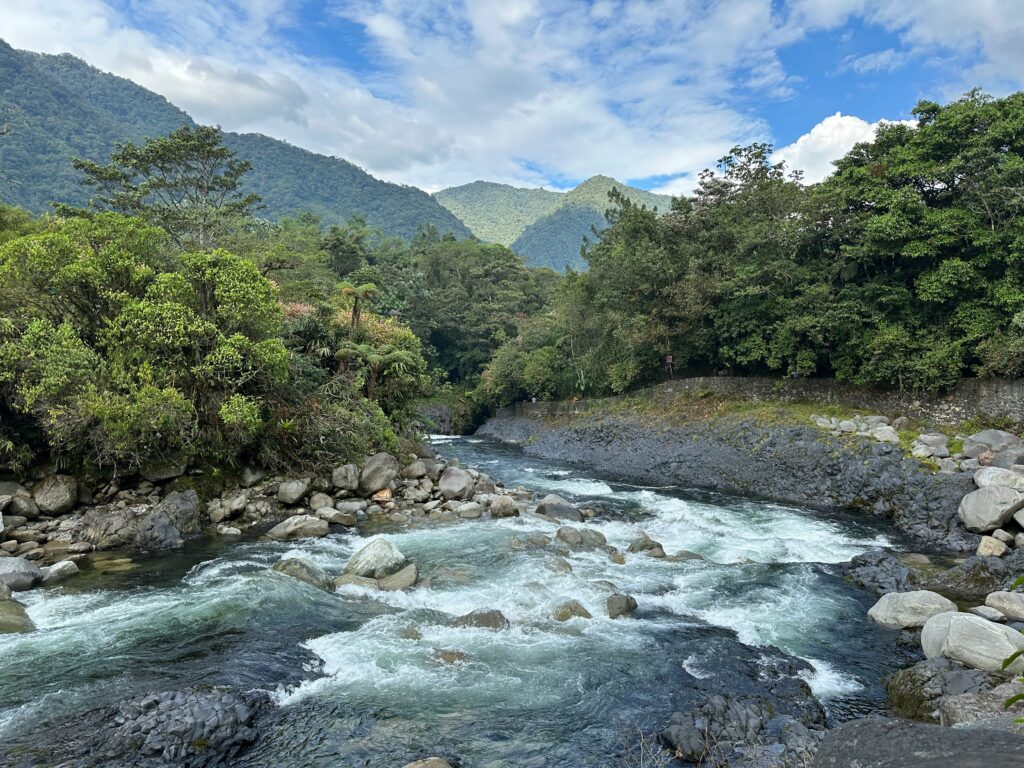
While these top attractions form the backbone of an incredible Ecuadorian adventure, the true magic for cyclists lies in how you connect them and what you discover on the periphery.
Travelling by bike gives you the ultimate freedom to explore the spaces between the famous landmarks. If you are basing yourself in Quito and want to spend a day in the saddle, there are fantastic cycling destinations within 20 kilometres of the city.
The Chaquiñán trail is a superb, repurposed railway route winding through the Cumbayá and Tumbaco valleys, offering a gentle ride with spectacular scenery just outside the capital. You can also cycle out to the Mitad del Mundo monument to stand on the equator, a fascinating local day trip that is easily accessed by bike.
For those based near Cuenca, a ride out to the nearby Tarqui Valley provides an unparalleled sense of freedom. Taking to the roads and trails on a bicycle ensures that every mile is an attraction in itself, transforming a simple holiday into a deeply rewarding journey.
Affiliate Disclaimer: Some of the links on Wheely Tyred are affiliate links. If you click through and make a booking or purchase, we may earn a small commission at no extra cost to you. We only recommend gear, tours, stays, and services we genuinely use, trust, and stand behind — our editorial independence always comes first. These commissions help keep our independent cycling guides and travel stories free to read. Thanks for supporting the ride!
Frequently asked questions about the top sights in the Ecuadorian Sierra
Absolutely. Sitting at an altitude of 2,850 metres, it acts as the premier starting point for independent adventures, offering easy access to both the historic centre and nearby cycling routes like the Chaquiñán trail.
Not at all. The beauty of travelling self-guided is that you can tackle the hike up to the José F. Ribas Refuge—sitting at a breathless 4,864 metres—at your own pace, taking the time you need to breathe and appreciate the stark páramo landscape.
The water in the caldera shifts between mesmerising shades of emerald green and turquoise depending on the interplay between the sunlight and the shifting cloud cover above the Andes.
As one of South America’s largest indigenous markets, the Plaza de Ponchos is a hub of local craftsmanship. You will find beautifully woven textiles, warm alpaca garments, intricate jewellery, and handcrafted musical instruments.
Located in the southern Sierra, Cuenca offers a noticeably more relaxed and refined atmosphere compared to the bustling capital. It is highly walkable, bisected by four rivers, and famous for its artisan Panamá hat factories and prominent art galleries.
Yes. If you are based in Quito, the Chaquiñán trail offers a superb, repurposed railway route through the Cumbayá and Tumbaco valleys. For those in Cuenca, a ride out to the nearby Tarqui Valley provides an excellent, scenic day in the saddle.
Ecuador.
Pure wonder on the equator.