48 hours in Guayaquil / Navigating Ecuador’s Pacific port
The ultimate 48-hour itinerary for exploring Guayaquil
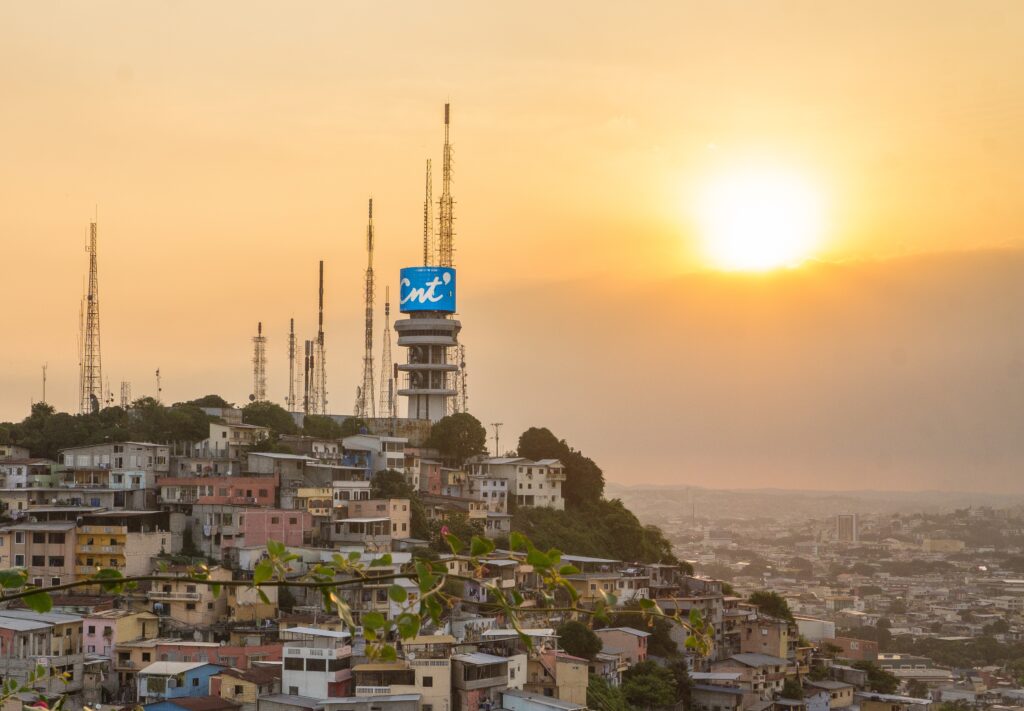
Embrace the tropical heat, historic hills, and vibrant riverfront
BEN FINCH
It is important to address the reality on the ground: at this time, Wheely Tyred does not recommend travelling to Guayaquil unless it is absolutely essential.
While the city’s culture and history are compelling, the current safety climate presents risks that shouldn’t be overlooked by the independent traveller.
For those whose travel is necessary, we have compiled a detailed Guayaquil Safety Guide: Everything You Need to Know Before You Go to ensure you are as informed and secure as possible during your stay.
Most travellers treat Guayaquil as a mere stepping stone, a brief transit hub on the way to the Galápagos Islands or the Andean heights of Cuenca and Quito. However, ignoring Ecuador’s largest and most pulsating city means missing out on the raw, unfiltered energy of the Pacific coast. Guayaquil is a city of immense contrasts. It is loud, unapologetically humid, and built on commerce, yet it holds pockets of extraordinary ecological preservation, revitalised riverfronts, and bohemian neighbourhoods waiting to be explored by those who prefer to travel independently.
For the active traveller, Guayaquil offers a unique urban topography. You will find yourself swapping the saddle for steep colonial steps, navigating sprawling promenades along the murky Guayas River, and pedalling through dense mangrove wetlands right on the edge of a bustling metropolis. You do not need a tour guide to decode this city; you just need comfortable shoes, a healthy appetite for seafood, and a willingness to embrace the tropical rhythm of the coast.
Guayaquil.
The Pearl of the Pacific
The untamed heart of Guayaquil
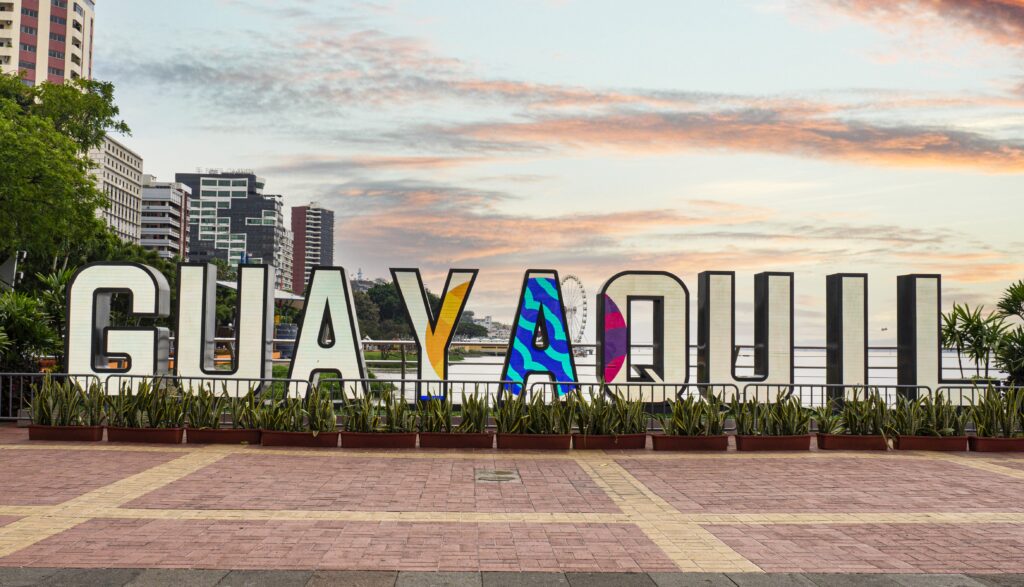
Skip the transit lounge mentality and discover Ecuador’s vibrant coastal pulse. Here are the essential stops for the independent traveller navigating this equatorial port.
- Cerro Santa Ana: Climb the 444 numbered steps past local homes and cafes for a sweeping 360-degree view of the city and its converging rivers
- Ecuadorian ceviche: Trade lime-cured fish for a deep, soupy coastal broth served with toasted corn and crunchy plantain chips
- Malecón 2000: Walk this 2.5-kilometre pedestrianised riverfront, a masterclass in urban regeneration and accessible public space
- Isla Santay: Swap the concrete jungle for a car-free wetland, pedalling raised wooden boardwalks through dense mangrove canopies
- Crab houses of Urdesa: Grab a wooden mallet for a loud, messy, and communal meal at a traditional neighbourhood cangrejal
- Plaza Guayarte: End your evening wandering past massive street art murals and snacking on local street food beside the estuary inlet
The Ecuadorian Coast.
Where you’ll find the very best food
Day 1 / Colonial echoes, riverfront regeneration, and coastal flavours
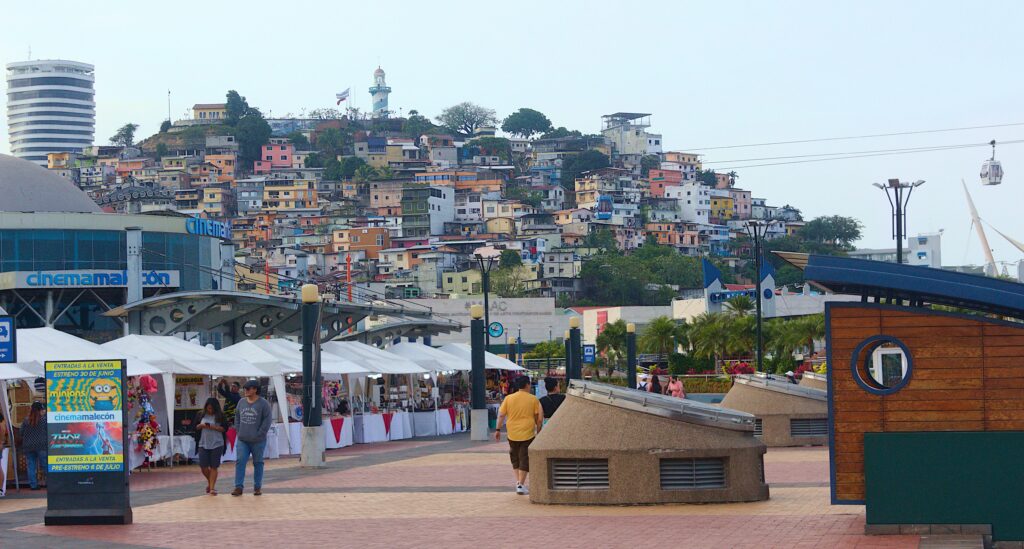
Your first day is dedicated to the historical heart and the impressive urban renewal projects that have redefined Guayaquil over the last two decades. The downtown area is best navigated on foot, allowing you to appreciate the sheer scale of the river that gave birth to the city.
Morning / Conquering the steps of Cerro Santa Ana
Begin your day before the midday heat fully sets in by heading to Las Peñas, the birthplace of Guayaquil. This historic neighbourhood sits at the base of Cerro Santa Ana and is characterised by its brightly painted wooden houses and narrow, cobbled lanes. Unlike the modern grid of the central business district, Las Peñas feels entirely detached from the modern era, retaining the architectural style of the 19th century.
From Las Peñas, begin the ascent of Cerro Santa Ana. There are 444 numbered steps leading to the summit, winding through a steep, vibrant residential barrio. As you climb, you will pass small cafes, local art galleries, and families going about their daily routines. Taking your time here is essential, not just for your heart rate in the humidity, but to absorb the lively, communal atmosphere of the hillside. Once you reach the top, you are rewarded with a sweeping, 360-degree view of the sprawling city, the meeting point of the Daule and Babahoyo rivers, and a small, picturesque lighthouse that stands as a beacon over the port.
Lunch / The quintessential Guayaquil ceviche
Descend the hill and head into the commercial centre to find a local seafood spot. You cannot spend time on the Ecuadorian coast without experiencing a traditional coastal ceviche. Unlike the sharp, lime-cured Peruvian iteration, Ecuadorian ceviche is soupy, deeply flavourful, and often features tomatoes and bitter oranges. It is served with toasted corn, popcorn, and crunchy plantain chips known as chifles, which you toss into the bowl to add texture. Look for a busy, unassuming local restaurant in the downtown grid where office workers and market vendors sit shoulder-to-shoulder.
The Galápagos.
Ecuador’s Enchanted Isles
Afternoon / Walking the length of Malecón 2000
With your energy restored, walk a block east to the Malecón 2000. This 2.5-kilometre pedestrianised promenade is one of the most successful urban regeneration projects in South America, transforming a once-derelict riverfront into the pride of the city. For the independent traveller, it is a masterclass in accessible public space.
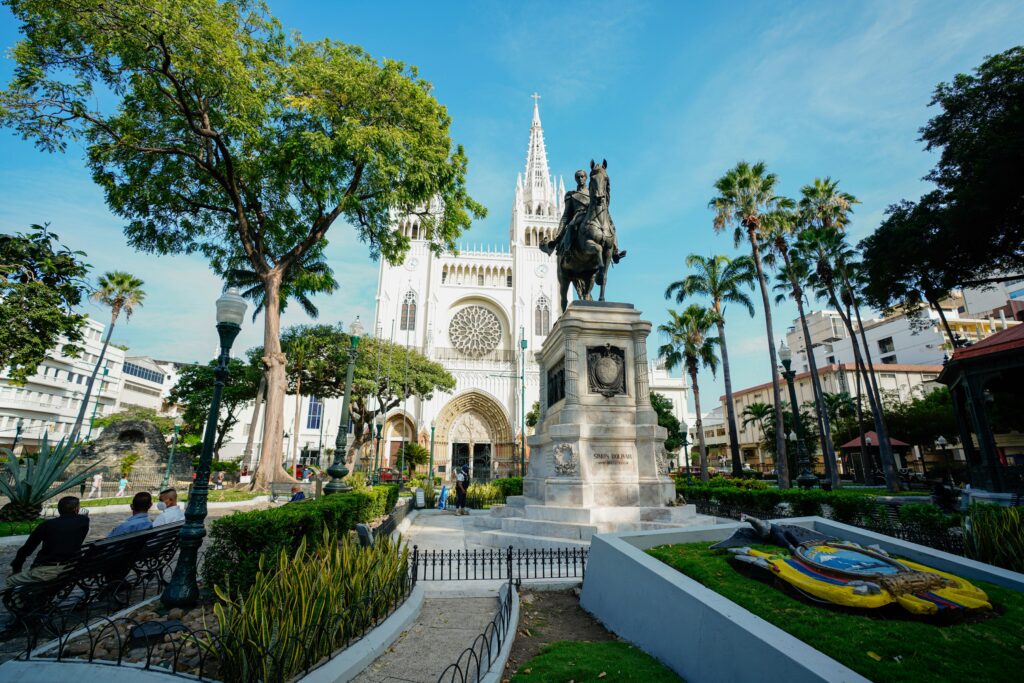
Walking south from Las Peñas, you will transition through different zones. You will pass through shaded botanical gardens filled with native flora, past historical monuments commemorating the meeting of independence leaders Simón Bolívar and José de San Martín, and alongside modern architectural installations. The sheer volume of people walking, talking, and enjoying the river breeze provides a perfect window into local life. Keep an eye out for the historic clock tower and the imposing architecture of the Palacio Municipal just across the road.
Dinner / River breezes at Puerto Santa Ana
As evening falls and the tropical heat finally breaks, retrace your steps slightly north to Puerto Santa Ana. Situated just past Las Peñas, this modern, upscale development borders the river and is entirely pedestrianised. While it contrasts sharply with the historical grit of the morning climb, it offers an excellent array of dining options with outdoor seating. Find a table near the water, order a traditional coastal dish like encocado—a rich fish or prawn stew cooked in coconut milk—and watch the illuminated boats drift down the Guayas River.
The Ecuadorian Sierra.
Get lost in the hills
Day 2 / Mangrove cycling, urban art, and local crab houses
Your second day breaks away from the historical centre, leaning into Wheely Tyred’s ethos of active travel. Today is about finding the ecological heart of the city and exploring the neighbourhoods where locals actually live, eat, and socialise.
Morning / Pedalling through the mangroves of Isla Santay
This is the absolute highlight for any active traveller visiting Guayaquil. Isla Santay is a massive, protected wetland island sitting directly in the Guayas River, providing a crucial green lung for the city. It is entirely car-free and accessible via a pedestrian and cyclist bridge stretching from the southern end of the city centre.
Rent a bicycle at the entrance of the bridge and pedal the 800-metre span across the water. Once on the island, the concrete of the city vanishes, replaced by a dense canopy of mangroves and the sound of tropical birdlife. The cycling infrastructure here consists of raised wooden boardwalks that wind through the swamp forest, keeping you above the mud and high tides. The route takes you to a small eco-village populated by a few dozen families who manage the island, and a crocodile sanctuary where you can see the massive reptiles basking in the sun. The flat, shaded two-wheeled journey offers an astonishingly peaceful contrast to the chaotic traffic of the mainland.
Lunch / Getting messy at an Urdesa cangrejal
Return your bicycle and take a taxi or the Metrovia bus to Urdesa, a sprawling, leafy neighbourhood that serves as the gastronomic heart of the city. You are here for one specific reason: the cangrejal. Crab houses are a fundamental part of Guayaquil culture.
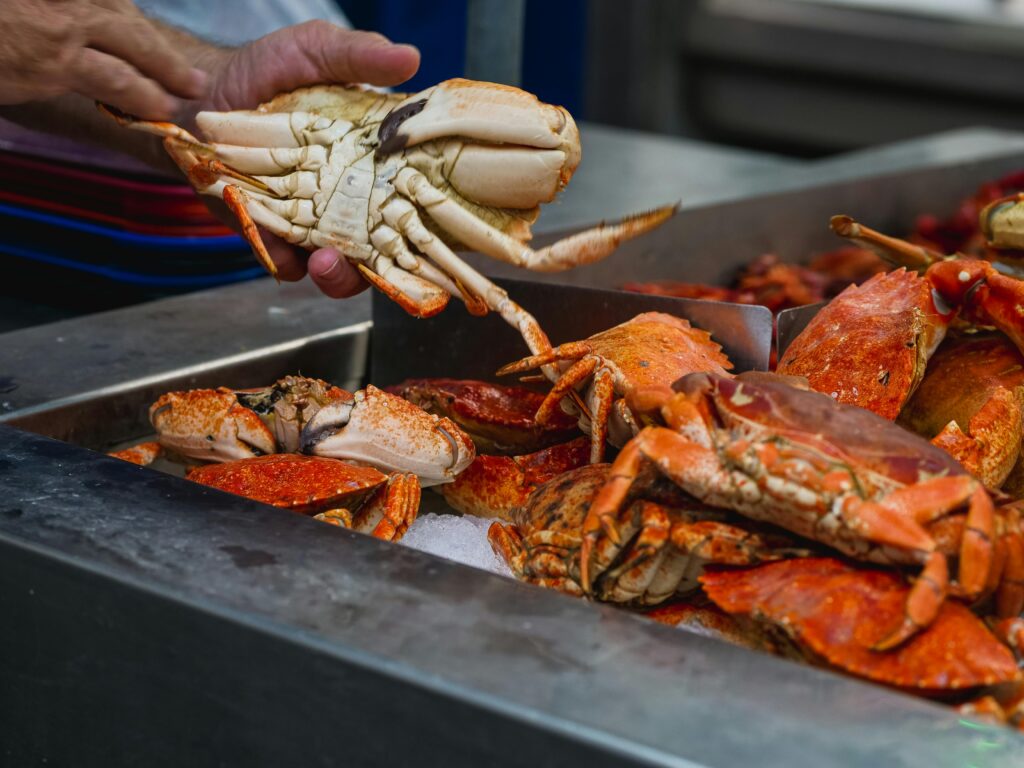
Eating red mangrove crabs is not a delicate process; it is a loud, messy, and highly communal affair. You will be given a wooden mallet and a wooden board. The crabs arrive boiled in a rich broth of garlic, cumin, and beer, piled high in the centre of the table. Crack the claws, extract the meat, and wash it down with a cold local pilsner. It is an immersive, tactile lunch experience that forces you to slow down and eat at the true pace of the coast.
The Ecuadorian Amazon.
The most biodiverse place in the world
Afternoon / Exploring the leafy avenues of Urdesa
Spend your afternoon walking off lunch in the Urdesa neighbourhood. Built in the mid-20th century, Urdesa is characterised by its distinctive zigzagging streets, many of which are named after native trees. It lacks the monumental architecture of the city centre, replacing it with a bohemian, lived-in charm.
This is the perfect area to seek out Ecuador’s burgeoning speciality coffee scene. While Ecuador exports some of the best coffee beans in the world, historically, the best roasts were sent abroad. Today, a new wave of independent cafes in Urdesa are roasting high-altitude Andean beans right in the city. Find a quiet cafe, grab an espresso, and plan your onward journey.
Dinner / Street food and murals at Plaza Guayarte
For your final evening, walk to the edge of Urdesa to find Plaza Guayarte. This open-air, urban regeneration space bridges the Estero Salado—an estuary inlet—connecting the Urdesa and Kennedy neighbourhoods. Constructed largely from repurposed shipping containers, it is completely covered in massive, vibrant murals painted by local and international street artists.
Guayarte is fiercely independent in spirit. It operates as an elevated street food market where you can wander between vendors, picking up empanadas, artisanal sausages, or plantain-based snacks, eating as you walk along the estuary. It is a lively, informal way to end your 48 hours, surrounded by the city’s youth, art, and the ever-present tropical evening air.
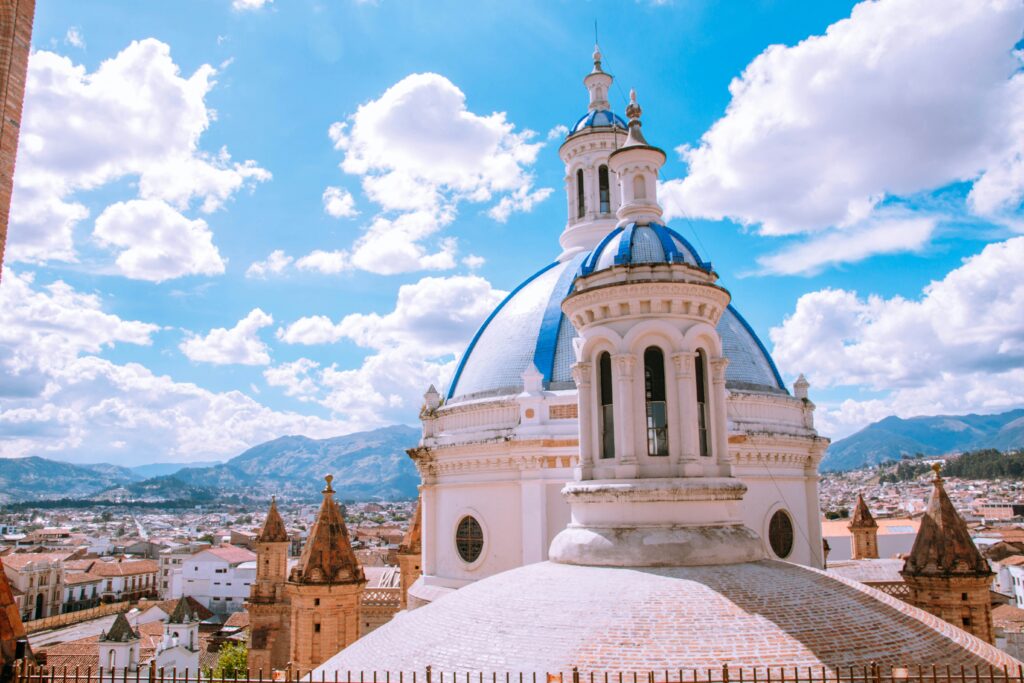
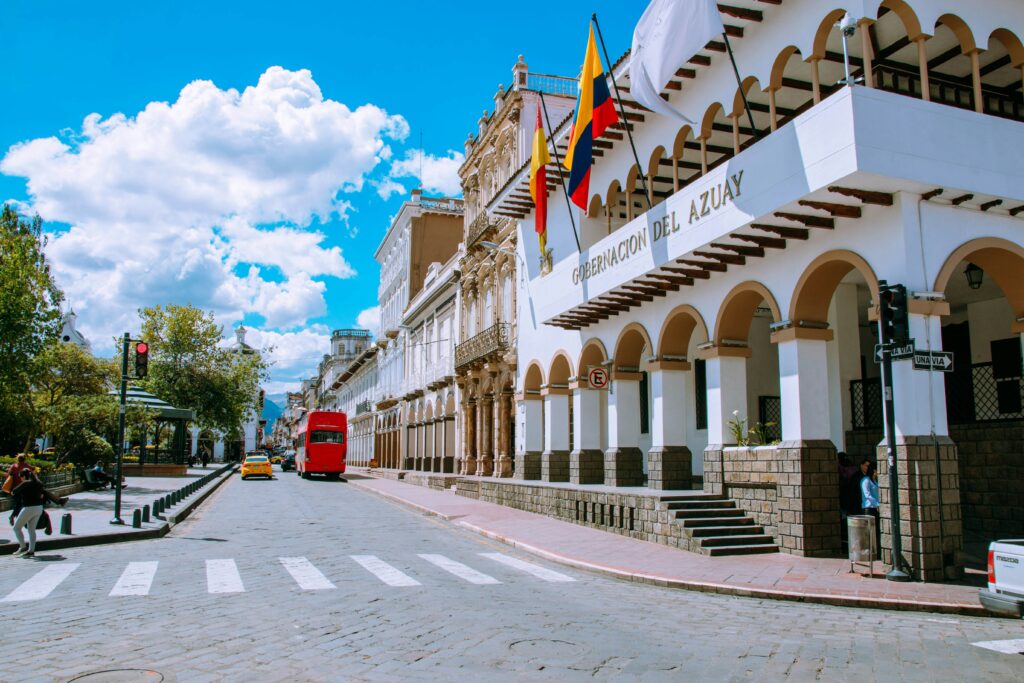
Cuenca.
The Athens of Ecuador
Practicalities for the independent traveller
Navigating Guayaquil requires a bit of street smarts. While areas like the Malecón 2000, Puerto Santa Ana, and the tourist paths of Las Peñas are heavily guarded and very safe to walk during the day and early evening, Guayaquil is a major port city with complex security dynamics. It is always best to use registered taxis or ride-hailing applications rather than hailing cabs from the street, especially after dark. Avoid walking aimlessly between neighbourhoods at night.
The climate is intensely tropical. Expect high humidity and heat year-round, with intense downpours common between January and April. Pack lightweight, breathable clothing, and always carry water, whether you are scaling Cerro Santa Ana or cycling the wooden paths of Isla Santay. By keeping your wits about you and embracing the local pace, Guayaquil reveals itself not as a transit hub, but as a rich, deeply rewarding destination in its own right.
Affiliate Disclaimer: Some of the links on Wheely Tyred are affiliate links. If you click through and make a booking or purchase, we may earn a small commission at no extra cost to you. We only recommend gear, tours, stays, and services we genuinely use, trust, and stand behind — our editorial independence always comes first. These commissions help keep our independent cycling guides and travel stories free to read. Thanks for supporting the ride!
Frequently asked questions about visiting Guayaquil
No. Stick to registered taxis or ride-hailing apps, particularly at night, and avoid walking between neighbourhoods after dark. Areas like the Malecón 2000 and Puerto Santa Ana are heavily guarded and very safe during the day and early evening.
The island is car-free and connected to the southern end of the city centre by a pedestrian and cyclist bridge. You can easily rent a bicycle at the entrance before crossing the 800-metre span over the Guayas River.
The downtown grid, Malecón, and Las Peñas are highly walkable. For longer distances, such as reaching the restaurants in Urdesa, use the Metrovia bus system or a verified ride-hailing app.
The climate is intensely tropical year-round. Expect high humidity and heat, but be aware that intense downpours are common between January and April.
It is soupy and deeply flavourful, often made with tomatoes and bitter oranges, rather than being sharply cured in lime. It is traditionally served with toasted corn, popcorn, and plantain chips known as chifles.
Head to the leafy Urdesa neighbourhood, where a new wave of independent cafes is roasting high-altitude Andean beans right in the city.
Ecuador.
Pure wonder on the equator.