The Pearl of the Pacific / A culinary deep dive into Guayaquil
The ultimate guide to the best places to eat and drink in Guayaquil, Ecuador
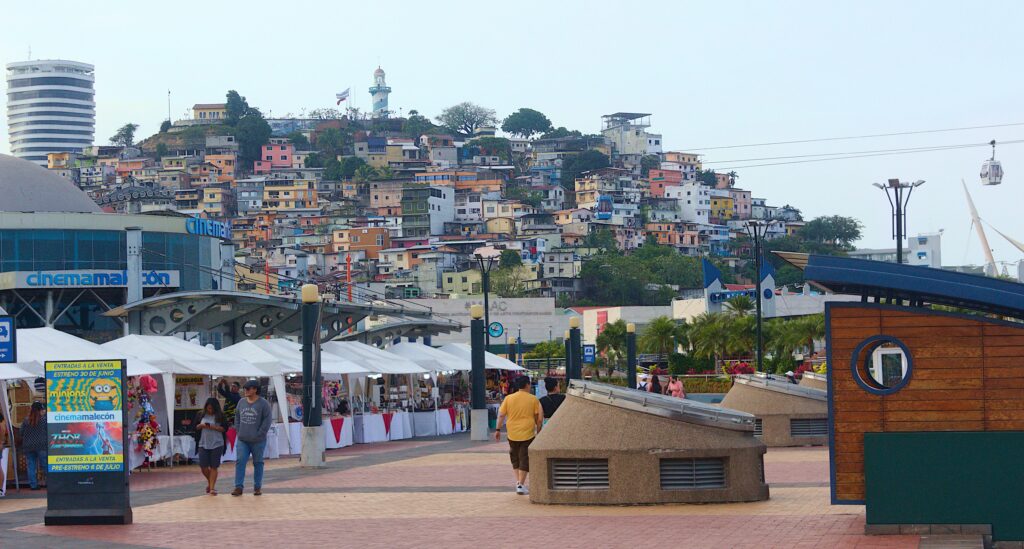
Where the river meets the plate
BEN FINCH
It is important to address the reality on the ground: at this time, Wheely Tyred does not recommend travelling to Guayaquil unless it is absolutely essential.
While the city’s culture and history are compelling, the current safety climate presents risks that shouldn’t be overlooked by the independent traveller.
For those whose travel is necessary, we have compiled a detailed Guayaquil Safety Guide: Everything You Need to Know Before You Go to ensure you are as informed and secure as possible during your stay.
Guayaquil is often unfairly characterised as a mere stopover on the way to the Galápagos Islands. However, for those travelling independently—those who prefer the rhythm of their own feet, a bicycle, or a local bus over a tour group’s rigid schedule—Guayaquil reveals itself as the true gastronomic heartbeat of Ecuador. This is a city defined by the heat of the tropical sun and the bounty of the Guayas River. To understand Guayaquil, one must understand its food: a bold, salt-tinged, and deeply traditional cuisine that refuses to be overshadowed by the capital.
Wheely Tyred has scoured the city to find the establishments that define the local identity. These are not the tourist traps of the Malecón 2000. These are the kitchens where history is preserved, where the ingredients are sourced from the mangroves, and where the Guayaquileño spirit is served on every plate.
The humid heart of the Pearl
Forget the sterile transit hubs and the sanitised riverfront. Guayaquil is a city of grit and grace, best explored through the steam of a morning fish soup and the quiet corners of its historic districts.
- Restored Grandeur: Casa Julián offers a sanctuary in a 19th-century cocoa magnate’s home, where traditional mangrove ingredients like black clams are elevated to high-end refinement
- The Morning Ritual: El Pez Volador is a legendary hueca where you stand on the pavement to devour encebollado, the city’s definitive tuna and yuca hangover cure
- Coastal Traditions: Marrecife remains the city’s seafood standard-bearer, eschewing modern fusion in favour of perfecting the classic stews and ceviches that define the region
- Heritage on a Plate: Located in the Urdesa district, Lo Nuestro serves slow-cooked abuela recipes like seco de chivo, celebrating the agricultural roots of the surrounding provinces
- Modern Craft: La Central Deli Shop provides an artisanal hub for the discerning traveller, focusing on sourdough, local pork, and the world-class single-origin cacao
- A Liquid Odyssey: Odisea Brewing represents the pinnacle of the local craft scene, serving house-made beers in a vibrant atmosphere that values quality over the noise of the main tourist strips
- Authentic Transit: To truly see the city, bypass the tour buses and navigate like a resident using the Metrovía system or by exploring the historic cobbles of Las Peñas on foot
Guayaquil.
The Pearl of the Pacific
1. Casa Julián / A symphony of coastal refinement
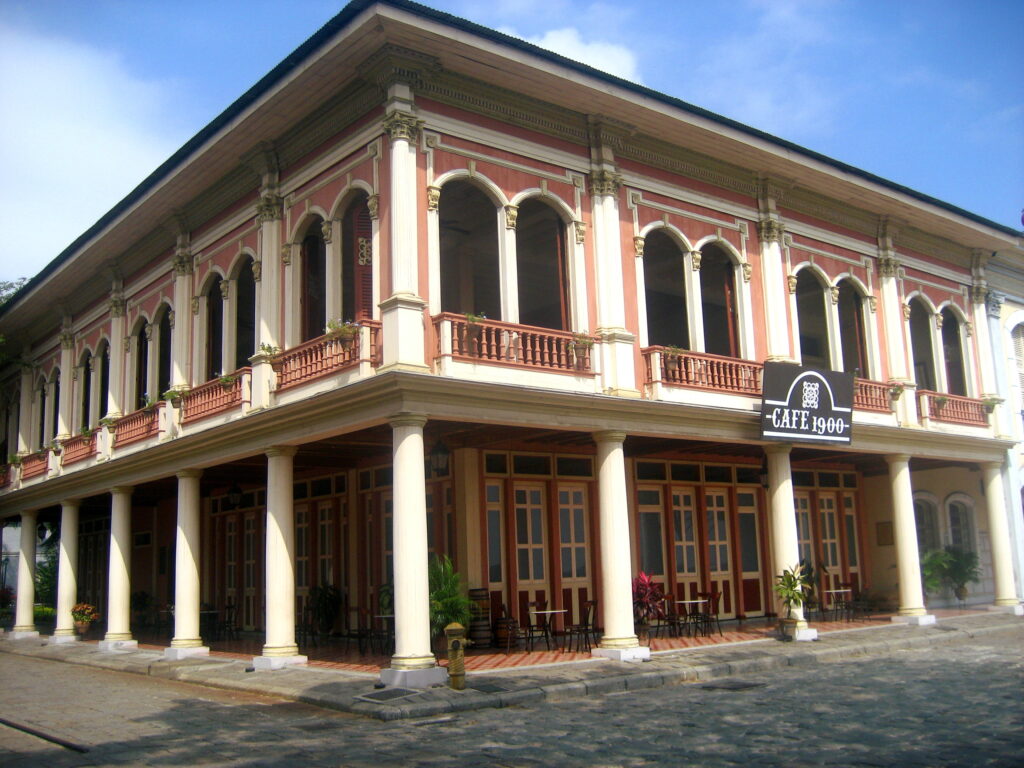
Located within the serene confines of the Parque Histórico, Casa Julián is housed in a meticulously restored 19th-century cocoa magnate’s home. For the independent traveller seeking to understand the intersection of Ecuador’s history and its modern culinary evolution, this is an essential destination.
Casa Julián does not just serve food; it narrates the story of the coastal region. The kitchen focuses on cocina de autor, taking traditional ingredients like cacao, plantains, and fresh seafood and elevating them to fine-dining standards. The setting, overlooking the river, provides a tranquil escape from the city’s frantic energy.
What to order: The avocado and shrimp ceviche is a masterclass in balance, but the real standout is the arroz con concha (black clam rice). The black clams are sourced from the local mangroves and provide an earthy, briny depth that is quintessentially Guayaquileño.
2. El Pez Volador / The soul of encebollado
No visit to Guayaquil is complete without honouring the ritual of encebollado. This tuna-based soup, laden with yuca, pickled onions, and a potent spice blend, is the city’s undisputed national dish—and its favourite hangover cure. While many spots claim the title of best, El Pez Volador holds a cultural weight that few can match.
Founded by Angélica Cujilán, this humble establishment gained international fame when it was featured by the late Anthony Bourdain. Despite the fame, it remains a hueca—a local hole-in-the-wall—that caters to locals from all walks of life. It is crowded, loud, and unpretentious. For the traveller who wants to gain deep knowledge of a location, standing on the sidewalk with a bowl of encebollado is a rite of passage.
What to order: The classic encebollado. Don’t forget to add a squeeze of lime and accompany it with chifles (plantain chips) or bread, as is the local custom.
The Ecuadorian Coast.
Where you’ll find the very best food
3. Marrecife / The standard-bearer of seafood
If you are looking for where the city’s residents celebrate milestones or host important business lunches, you will find them at Marrecife. This restaurant is a bastion of Guayaquil’s seafood tradition, known for its consistency and the absolute freshness of its catch.
Marrecife manages to be both sophisticated and welcoming, offering a broad menu that covers the entire spectrum of coastal Ecuadorian cooking. It avoids the flashiness of newer fusion restaurants, instead perfecting the classics. For the traveller arriving by train or bus, it offers a cool, professional environment to regroup and enjoy some of the best ceviches in the southern hemisphere.
What to order: The ceviche mixto is spectacular, but for something uniquely local, try the cazuela de mariscos. Served in a clay pot, this peanut-based seafood stew is rich, savoury, and deeply satisfying.
4. Lo Nuestro / A journey into culinary heritage
Located in the Urdesa neighbourhood—a district known for its diverse food scene—Lo Nuestro feels like stepping into a traditional Guayaquileño home. The decor is a tribute to the city’s past, and the menu is a curated collection of abuela’s best recipes.
Wheely Tyred recommends Lo Nuestro for travellers who want to explore beyond seafood. Guayaquil’s cuisine is also heavily influenced by the surrounding agricultural provinces, meaning land-based dishes are just as vital to the local diet. The service here is attentive without being stifling, embodying the vibe that independent travellers appreciate.
What to order: Seco de chivo (braised goat stew). This dish is cooked with fermented fruit juice (chicha) or beer, resulting in a tender, tangy, and aromatic meat that falls off the bone. It is served with yellow rice and sweet fried plantains.
The Galápagos.
Ecuador’s Enchanted Isles
5. La Central Deli Shop / The modern artisanal hub
For the independent traveller who might be craving a slightly more contemporary vibe without sacrificing local integrity, La Central Deli Shop is a revelation. Located in a beautifully designed space, this spot focuses on high-quality local ingredients, sourdough breads, and exceptional coffee.
It functions as part deli, part bistro, and part community hub. It is the perfect place to sit with a map and plan your next route through the city. La Central represents the new generation of Guayaquil’s food scene—one that is globally minded but fiercely proud of Ecuadorian produce.
What to order: Their artisanal sandwiches are excellent, particularly those featuring local pork. However, do not leave without trying their chocolate desserts, which utilise some of the finest single-origin Ecuadorian cacao.
6. Odisea Brewing: Navigating the craft frontier
As the tropical humidity of Guayaquil settles in the late afternoon, the search for a cold glass becomes less of a luxury and more of a necessity. While the city’s main thoroughfares are saturated with mass-produced lagers, Odisea Brewing offers a sophisticated departure for the independent traveller. Located within striking distance of the Parque Histórico, this establishment serves as a premier anchor for the city’s burgeoning artisanal movement.
Odisea is less a standard bar and more a dedicated workshop for flavour. The atmosphere is vibrant and intentional, attracting a local crowd that values the complexity of a well-engineered brew over the high-volume noise of the riverside tourist strips. It is an ideal spot to decompress after a day of navigating the city’s transit systems, offering a communal space where the conversation is as curated as the tap list. For those who travel to gain a deep knowledge of a place, a stool at Odisea provides a window into the modern, creative pulse of Guayaquil.
What to order: Request a flight to sample their rotating house-brewed ales. Look specifically for their seasonal pours that incorporate local Ecuadorian ingredients, providing a crisp, distinctively coastal profile that perfectly cuts through the equatorial heat.
The Ecuadorian Sierra.
Get lost in the hills
Travelling independently in Guayaquil
Read this far?
Guayaquil rewards the curious. While the city is large, the culinary heart is accessible if you are willing to step away from the standardised tourist zones.
Eat well, travel slow, and let the flavours of the Pearl of the Pacific guide your journey.
Affiliate Disclaimer: Some of the links on Wheely Tyred are affiliate links. If you click through and make a booking or purchase, we may earn a small commission at no extra cost to you. We only recommend gear, tours, stays, and services we genuinely use, trust, and stand behind — our editorial independence always comes first. These commissions help keep our independent cycling guides and travel stories free to read. You can also buy me a coffee here — thanks for supporting the ride!
The Ecuadorian Amazon.
The most biodiverse place in the world
Frequently asked questions about the best places to eat in Guayaquil
It is a potent, spiced tuna soup made with yuca and topped with a generous portion of pickled onions. In Guayaquil, it is traditionally eaten for breakfast or lunch and is widely regarded as the ultimate cure for a late night. For the full experience, add a squeeze of lime and a handful of plantain chips.
While the Malecón is a pleasant place for a stroll, the eateries there tend to cater to a captive tourist audience and often lack the depth of flavour found elsewhere. To eat well, you must head into the neighbourhoods where the locals live and work, such as Urdesa or the areas surrounding the Parque Histórico.
Absolutely. It provides a necessary historical context to your journey. Housed in a relocated 19th-century building, it allows you to experience the Cocoa Era architecture while tasting a sophisticated evolution of coastal ingredients that you won’t find in humbler stalls.
Ecuador produces some of the finest cacao in the world. In Guayaquil, this manifests in everything from traditional hot chocolate to high-end artisanal bars found in spots like La Central Deli Shop. It is a fundamental part of the city’s economic history and culinary pride.
Odisea Brewing is the premier choice for craft beer enthusiasts. Located near the Parque Histórico, it offers a range of house-brewed ales that incorporate local influences. It is a fantastic spot for an independent traveller to decompress and experience Guayaquil’s modern, artisanal side.
Ecuador.
Pure wonder on the equator.