The taste of the port / A guide to authentic food and drink in Guayaquil
Discover the best traditional food, local restaurants, and craft drinks in Guayaquil, Ecuador
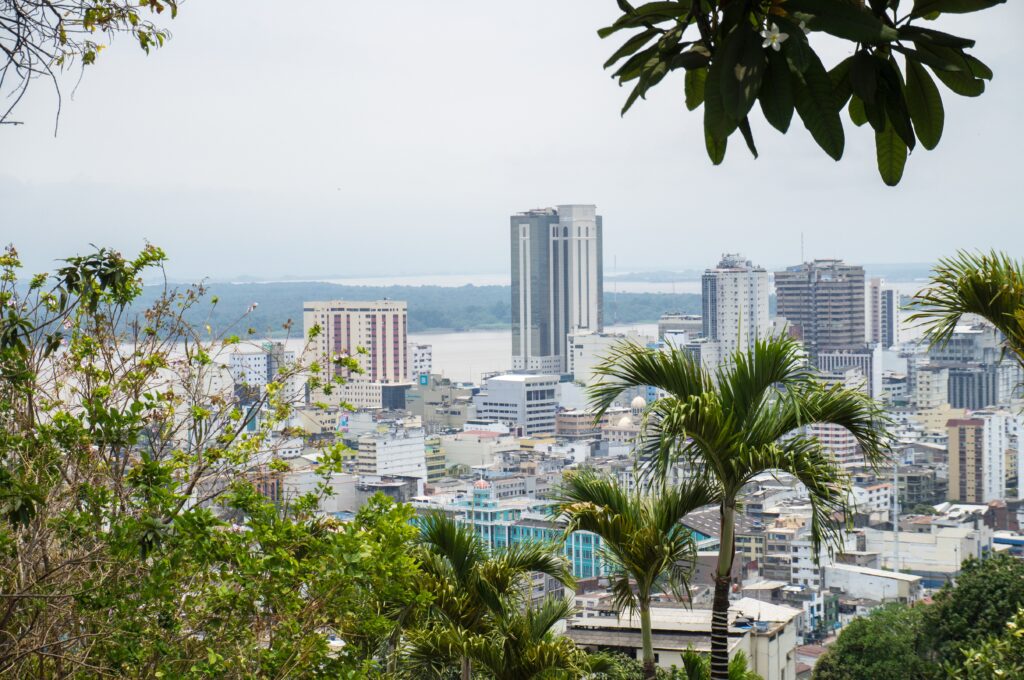
Savour the coastal soul of Ecuador’s largest port city
BEN FINCH
It is important to address the reality on the ground: at this time, Wheely Tyred does not recommend travelling to Guayaquil unless it is absolutely essential.
While the city’s culture and history are compelling, the current safety climate presents risks that shouldn’t be overlooked by the independent traveller.
For those whose travel is necessary, we have compiled a detailed Guayaquil Safety Guide: Everything You Need to Know Before You Go to ensure you are as informed and secure as possible during your stay.
Guayaquil is a city of intense heat, dense humidity, and a relentless port energy that hits you the moment you step off a cross-country bus or pedal into the city centre. It is not a place that caters to the manicured expectations of packaged tours. Instead, Ecuador’s largest coastal metropolis demands that you adapt to its rhythm. For the independent traveller, this means slowing down, seeking out the shade, and engaging with a culinary landscape shaped by the Guayas River, the Pacific Ocean, and centuries of maritime trade.
Eating in Guayaquil is an immersive experience. The food here is unpretentious and deeply tied to the geography of the surrounding coastal plains and muddy mangroves. At Wheely Tyred, we believe the best way to understand a destination is through its local kitchens. From communal crab feasts to the undisputed heavyweight champion of Ecuadorian breakfasts, here is your guide to the authentic flavours of Guayaquil and the establishments that prepare them best.
The untamed flavour of Guayaquil
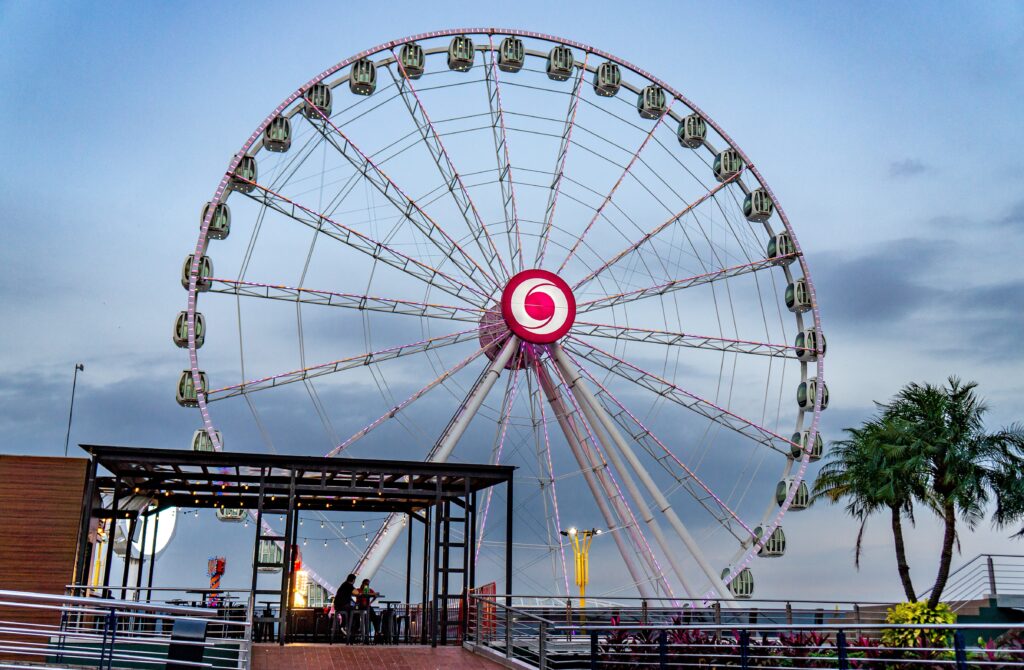
The culinary soul of Ecuador’s largest port city is loud, unpretentious, and deeply tied to its coastal geography. Dive into these essential touchstones that define the true Guayaquileño experience for the independent traveller.
- The ultimate morning cure: Encebollado is a robust albacore tuna stew best experienced at Picantería La Culata, where you can soak up the morning port energy alongside locals
- Historic coastal dining: For a classic take on local seafood, Marisquería El Lechón has set the standard for over four decades with its complex mixed seafood broths
- Communal crab feasts: Embrace the mess at Red Crab, cracking open locally harvested mangrove crabs boiled in an intense broth of beer and garlic
- Essential cycling fuel: The bolón de verde at La Canoa provides dense, slow-burning energy via roasted plantains and crispy pork belly, perfect before a long ride out of the urban sprawl
- Slow-cooked comfort: Lo Nuestro elevates the traditional seco de pollo, balancing rich braised chicken with the sharp, authentic acidity of local naranjilla fruit
- Biodiverse mixology: Juliana brings the Amazon and the Andes to the coast, utilising rare indigenous ingredients for world-class, critically acclaimed cocktails
Guayaquil.
The Pearl of the Pacific
Encebollado / The soul of the coast
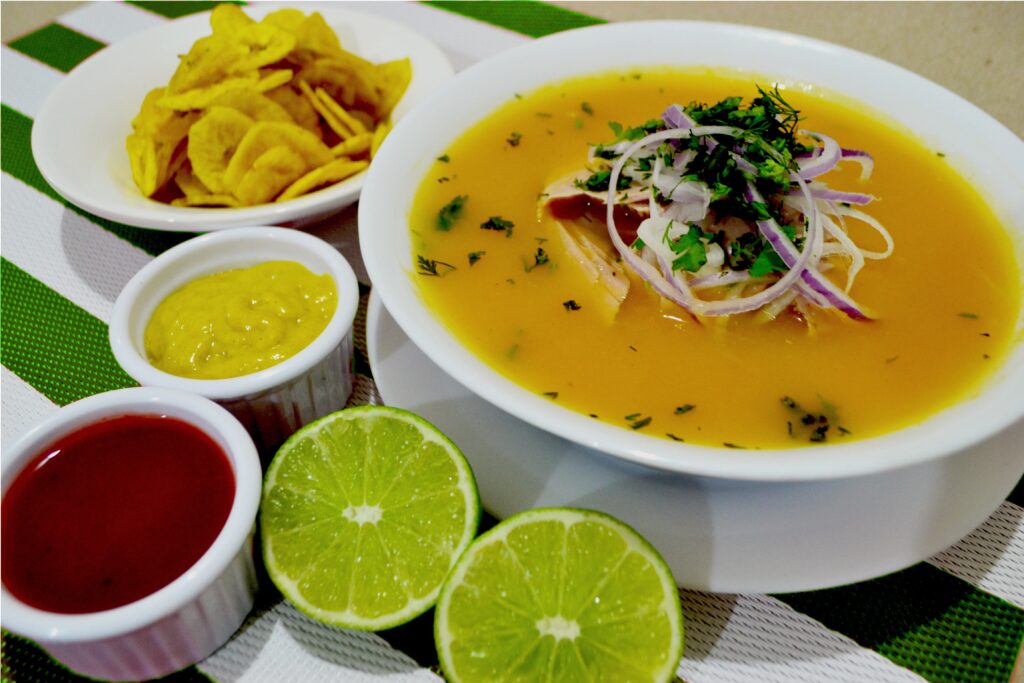
If Guayaquil has a culinary religion, encebollado is its primary sacrament. This robust fish stew is traditionally consumed in the morning and is universally acknowledged across Ecuador as the ultimate cure for a hangover or a long night of travel. The base of the dish is a deeply savoury broth flavoured with cumin, coriander, and locally grown cassava root, known as yuca. Thick cuts of fresh albacore tuna are submerged in the soup, which is then crowned with a mountain of pickled red onions. Locals will invariably top their bowl with a squeeze of lime and handfuls of crispy plantain chips, or chifles, which add essential texture to the rich liquid.
To experience encebollado in its purest form, make your way to Picantería La Culata. Located in the centre of the city on Córdova and Mendiburu, this humble, unpretentious spot is a local institution. Earning stellar reviews for its commitment to freshness and generous portions, La Culata offers an atmosphere that is loud, lively, and unapologetically Guayaquileño. You will find yourself sitting alongside port workers, business people, and families, all united over steaming bowls of seafood.
For an alternative that carries genuine historical weight, seek out Marisquería El Lechón. This establishment has served as a benchmark for traditional seafood in Guayaquil for over four decades. Their encebollado commands deep respect from the local gastronomic community. They offer the classic albacore version, as well as elaborate mixed seafood variations that feature shrimp, octopus, and squid, making it a mandatory stop for anyone serious about understanding coastal Ecuadorian cuisine.
The Ecuadorian Coast.
Where you’ll find the very best food
Cangrejo criollo / A communal ritual
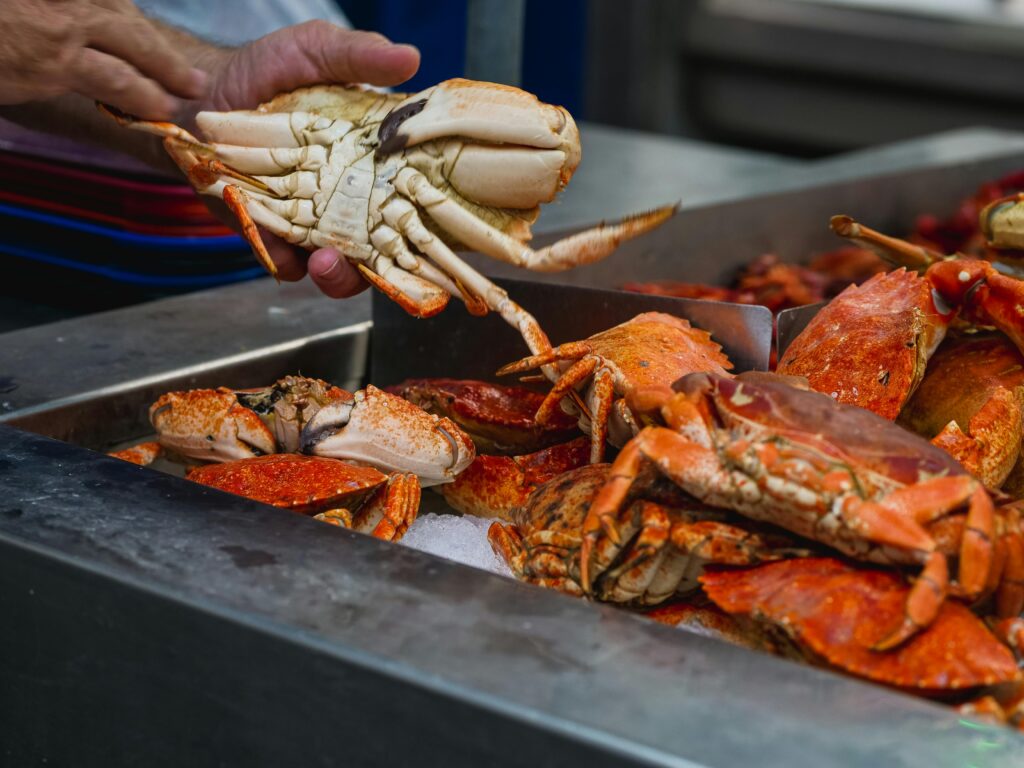
Eating cangrejo criollo, or local red mangrove crab, is not simply a meal; it is a prolonged social event. These crabs are harvested from the dense, muddy mangrove forests of the Gulf of Guayaquil and are celebrated for their sweet, tender meat. Preparing them is an art form. The crabs are boiled alive in a fiercely seasoned broth of beer, garlic, cumin, coriander, and oregano. Eating them requires a wooden mallet, a bib, and a willingness to get your hands thoroughly dirty.
For the independent traveller looking to partake in this messy, joyful ritual, Red Crab is a standout choice. With exceptional ratings and frequent mentions in international culinary press, it balances high-quality sourcing with the chaotic fun of a traditional crab house. The tables are covered in paper, the mallets are heavy, and the crabs are piled high on communal platters. While cracking the shells takes time and effort, the reward is a uniquely local flavour profile that connects directly to the coastal ecosystem just a few miles south of the city. Pair your platter with an ice-cold local lager to cut through the richness of the garlic and spices.
The Galápagos.
Ecuador’s Enchanted Isles
Bolón de verde / The heavyweight breakfast
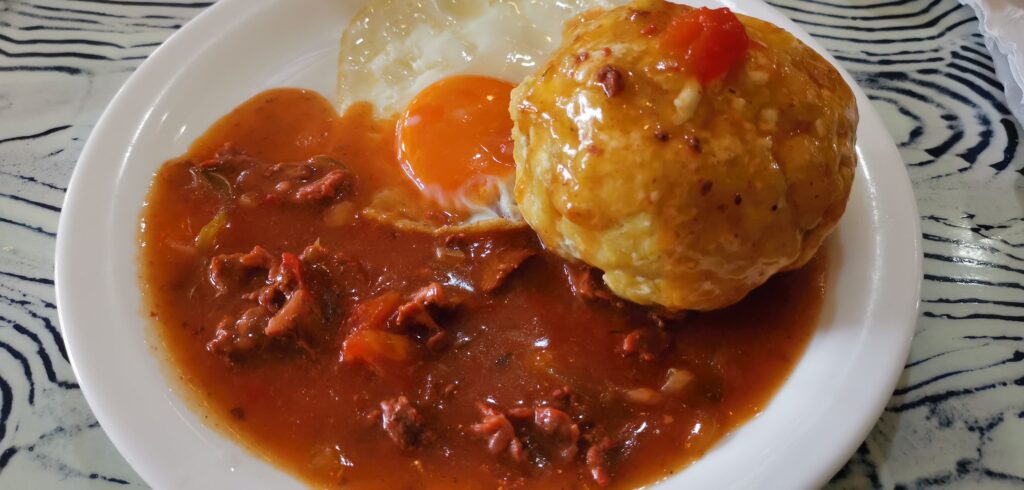
The plantain is the undisputed backbone of Ecuadorian coastal cuisine, and its most beloved iteration is the bolón de verde. To make this substantial dish, green plantains are roasted or boiled, then mashed into a thick, starchy dough. The dough is forcefully kneaded with generous amounts of salt, cheese, and crispy pork belly, locally known as chicharrón. It is then formed into a ball roughly the size of a cricket ball and fried until a golden, crispy crust forms on the outside.
It is a dense, calorically rich food originally designed to sustain agricultural workers through long days in the fields. Today, it is the breakfast of choice for anyone needing serious fuel before exploring the city or embarking on a long cycling route out of the urban sprawl.
You can find a bolón on almost every street corner, but for a truly memorable experience, visit La Canoa. Situated inside the historically significant Hotel Continental, this 24-hour restaurant has been an anchor of Guayaquil’s culinary scene for generations. Despite its hotel location, La Canoa avoids the sterile atmosphere of corporate dining. It is a bustling, locally revered cafeteria where politicians, musicians, and travellers converge. Their bolón de verde is masterful, achieving the perfect ratio of crispy exterior to soft, savoury interior. Order it alongside a strong black coffee and a fried egg for the complete experience.
Seco de pollo / Slow-cooked tradition
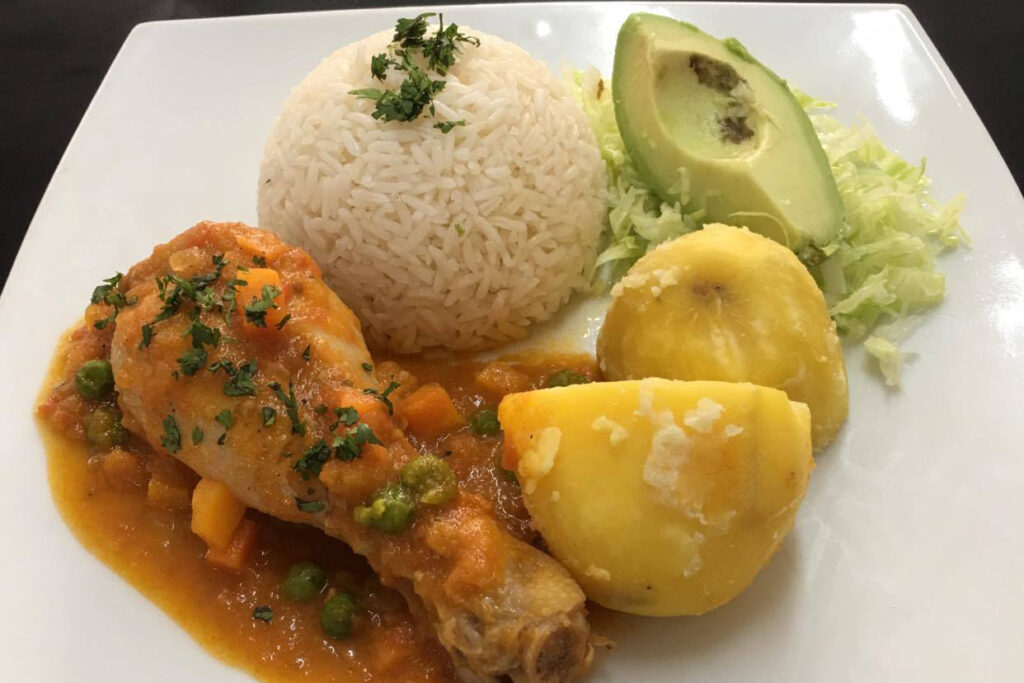
While seafood dominates the immediate coastline, the interior plains surrounding Guayaquil produce some of Ecuador’s finest slow-cooked stews, known as secos. The word translates to dry, which is highly ironic considering the dish is fundamentally a rich, wet stew. The name likely derives from the tradition of serving the stew alongside dry, fluffy yellow rice.
A traditional seco de pollo involves braising chicken in a complex sauce made from beer, coriander, garlic, and the tart, citrusy juice of the naranjilla fruit. The slow cooking process breaks down the meat until it falls off the bone, while the naranjilla provides a sharp acidity that balances the heavy, earthy flavours of the braising liquid.
For an exceptional execution of this dish, secure a table at Lo Nuestro. This restaurant is fiercely dedicated to preserving and elevating traditional Ecuadorian recipes. With overwhelmingly positive reviews from both local patrons and visiting food critics, Lo Nuestro offers a refined but deeply authentic dining room. Their seco is complex, deeply flavoured, and served with perfectly sweet fried ripe plantains that act as a necessary counterpoint to the savoury stew.
The Ecuadorian Sierra.
Get lost in the hills
The bar / Drinking the Amazon and the Andes on the coast
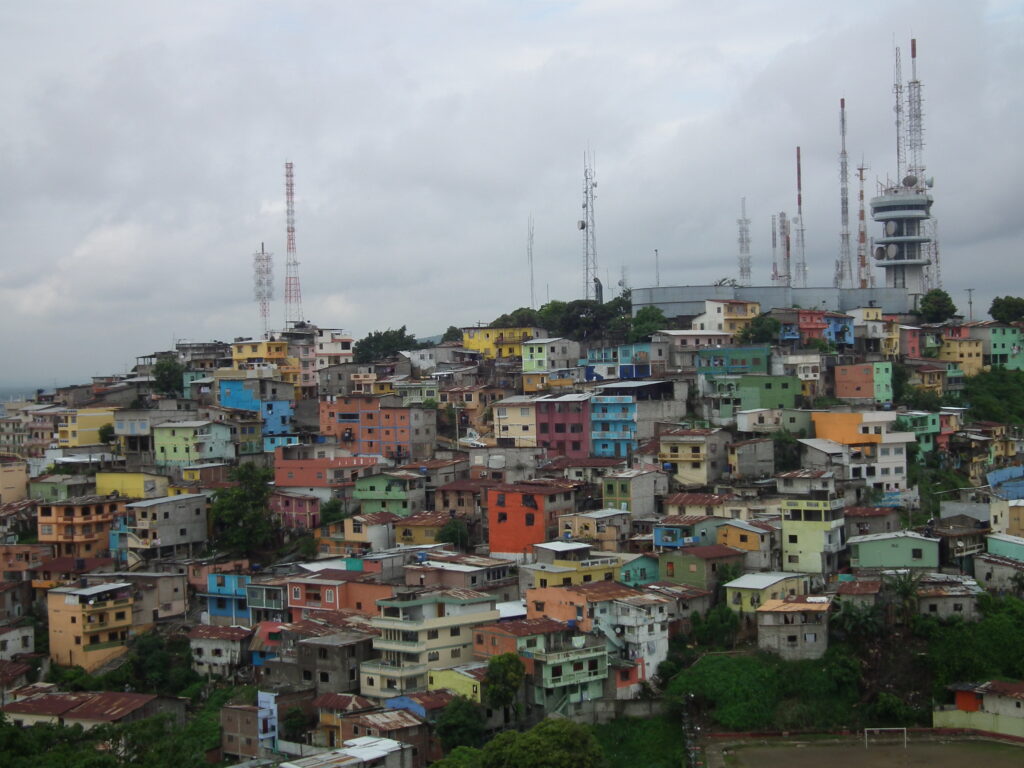
Guayaquil’s nightlife is historically centred around the bohemian neighbourhood of Las Peñas, where narrow, cobbled streets wind up the Santa Ana hill. However, the city’s modern beverage scene has evolved significantly, pushing boundaries and embracing indigenous ingredients from across Ecuador’s diverse ecosystems.
As a rule, we recommend focusing on local food, but there is one bar in Guayaquil that is entirely unmissable for the culturally curious traveller: Juliana. Recently recognised as one of the top 50 bars worldwide, this rooftop establishment offers sweeping views of the city skyline and the Guayas River. What makes Juliana essential, however, is its cocktail menu.
The bar functions as a liquid library of Ecuadorian biodiversity. The mixologists utilise ingredients rarely seen outside of remote Andean or Amazonian communities. You will find cocktails incorporating motilón, a wild Andean berry, or infused with the earthy complexity of chontacuro. For a striking introduction to their craft, order a drink featuring pipí de mono, a fiercely spicy local chilli pepper that adds a complex, lingering heat to their expertly balanced sours. Juliana proves that a profound respect for local heritage can seamlessly merge with modern, world-class execution.
Tasting Guayaquil on its own terms
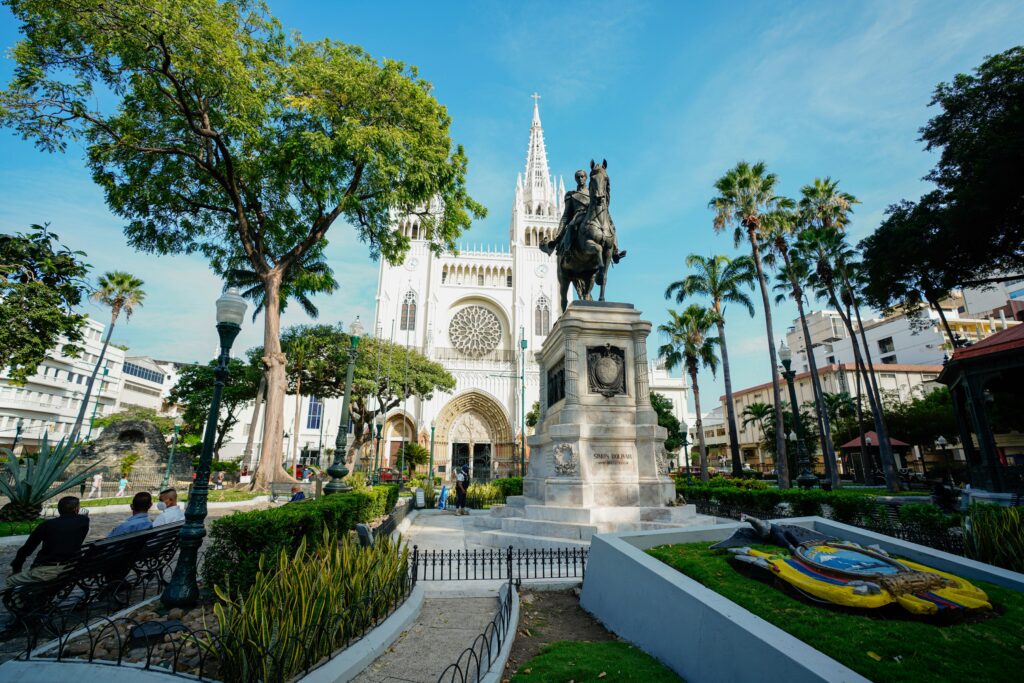
Guayaquil will not hold your hand. It is a hot, loud, and uncompromising city. But for the traveller willing to step away from the sanitised tourist corridors, it offers a culinary depth that rivals any capital in South America. Whether you are cracking mangrove crabs at a paper-covered table or drinking Amazonian ingredients on a sophisticated rooftop, the food of Guayaquil tells the story of a city intimately connected to its land, its river, and its people. Eat deeply, travel slowly, and let the port reveal itself to you.
Affiliate Disclaimer: Some of the links on Wheely Tyred are affiliate links. If you click through and make a booking or purchase, we may earn a small commission at no extra cost to you. We only recommend gear, tours, stays, and services we genuinely use, trust, and stand behind — our editorial independence always comes first. These commissions help keep our independent cycling guides and travel stories free to read. Thanks for supporting the ride!
The Ecuadorian Amazon.
The most biodiverse place in the world
Frequently asked questions about food & drink in Guayaquil
Traditionally, locals consume this hearty fish stew in the morning. It is widely considered the ultimate breakfast and hangover remedy, offering intense, savoury sustenance for the day ahead.
Prepare to get your hands thoroughly dirty. These mangrove crabs are served whole alongside wooden mallets and bibs, making the meal a slow, communal, and highly tactile experience.
Absolutely. Originally created to sustain agricultural workers, this dense ball of plantain and pork belly provides significant, slow-release energy, making it an ideal, heavy breakfast before embarking on a long route.
Despite translating to dry, a seco is actually a rich, slow-cooked stew. The name refers to the traditional method of serving the heavily braised meat alongside a large mound of dry, fluffy yellow rice.
Yes, the beverage scene has evolved far beyond basic local lagers. Establishments like Juliana integrate indigenous Ecuadorian ingredients—such as wild Andean berries and Amazonian chillies—into sophisticated, progressive drinks.
Ecuador.
Pure wonder on the equator.