24 hours in Guayaquil / An independent itinerary
A complete 1-day travel guide to Guayaquil, Ecuador, including top attractions, local food, and walking routes
Discover the sultry, beating heart of Ecuador’s largest port
BEN FINCH
It is important to address the reality on the ground: at this time, Wheely Tyred does not recommend travelling to Guayaquil unless it is absolutely essential.
While the city’s culture and history are compelling, the current safety climate presents risks that shouldn’t be overlooked by the independent traveller.
For those whose travel is necessary, we have compiled a detailed Guayaquil Safety Guide: Everything You Need to Know Before You Go to ensure you are as informed and secure as possible during your stay.
Many travellers treat Guayaquil purely as a transit hub, an airport to pass through on the way to the Galápagos or a bus terminal to endure before escaping to coastal towns like Montañita and Puerto López. But those who skip Ecuador’s largest city miss out on a remarkably complex, humid, and energetic port that rewards the slow and independent explorer. Built along the wide, muddy banks of the Guayas River, this city offers a stark contrast to the high-altitude chill of the Andes. It is loud, it is proud, and it is best experienced on foot or by bicycle, moving at your own pace away from the restrictive schedules of guided tours.
If you have just 24 hours in Guayaquil before your onward journey, you need an itinerary that cuts through the noise. This route focuses on authentic local flavours, historical neighbourhoods, and the infrastructure that allows you to see the city as the locals do.
Guayaquil.
The Pearl of the Pacific
The untamed port of Guayaquil
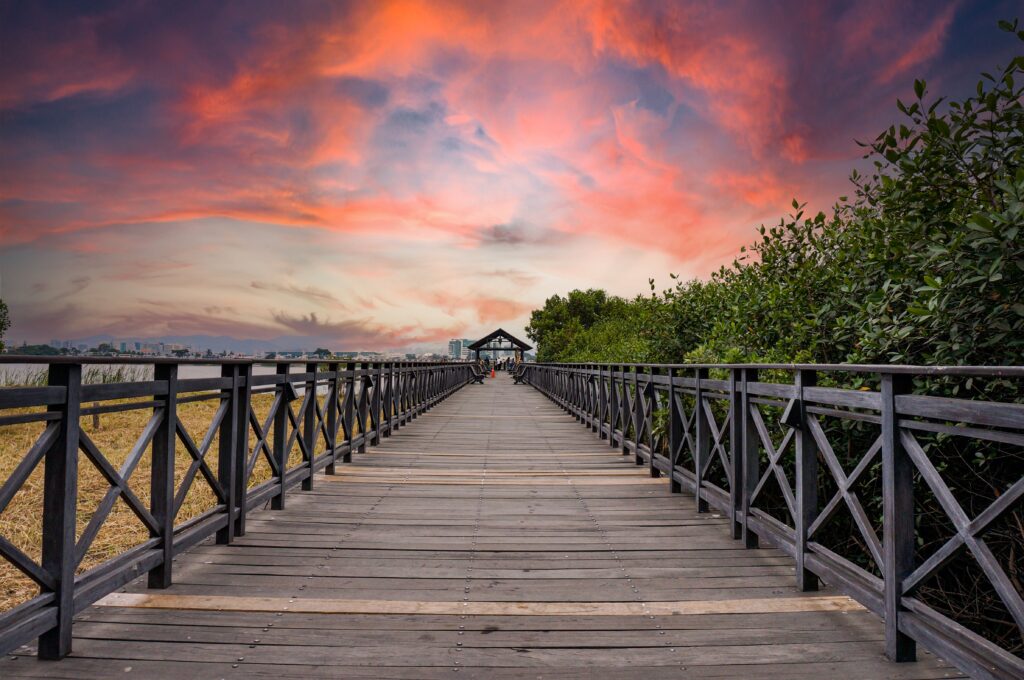
Ditch the restrictive tour schedules and embrace the humid, complex energy of Ecuador’s largest port city. We’ll highlight a grounded, independent route that cuts through the noise to find authentic local culture.
- Mercado Central breakfasts: Fuel your day with steaming bowls of encebollado, a rich tuna and cassava broth born right here on the coast
- Parque Seminario iguanas: Rest alongside dozens of free-roaming, prehistoric-looking green iguanas right in the centre of the city
- Cycling the Malecón 2000: Glide past historical monuments and botanical gardens on a dedicated riverside cycle path completely separated from road traffic
- Aerial commutes: Ride the Aerovía cable car high above the Guayas River for uninterrupted, inexpensive skyline views on a standard transit fare
- Las Peñas architecture: Wander through the oldest neighbourhood in the city, defined by its brightly painted, historical wooden homes and narrow cobbled pathways
- Climbing Cerro Santa Ana: Ascend 444 steps to the colonial lighthouse, stopping at family-run cafes along the route for an iced coffee or local beer
- Urdesa crab culture: End the evening cracking garlic-spiced crabs with a wooden mallet in a loud, joyful, and messy local dining experience
The Ecuadorian Coast.
Where you’ll find the very best food
Morning / A seafood breakfast and urban iguanas
To understand a port city, you must start with its food. Forget the sterile hotel breakfast buffets and walk towards the Mercado Central, a sprawling indoor market located right in the centre of the city. The air here is thick with the scent of fresh coriander, tropical fruits, and the daily catch from the Pacific.
Seek out a stall serving encebollado. This rich, complex tuna and cassava soup is the undisputed national dish of Ecuador, but it was born right here on the coast. Locals eat it early in the morning. It arrives steaming hot, topped with pickled red onions and accompanied by a side of chifles, which are thinly sliced, deep-fried plantains. You crush the plantains into the broth to add texture. It is a hearty, deeply authentic meal that provides exactly the fuel you need for a full day of urban exploration.
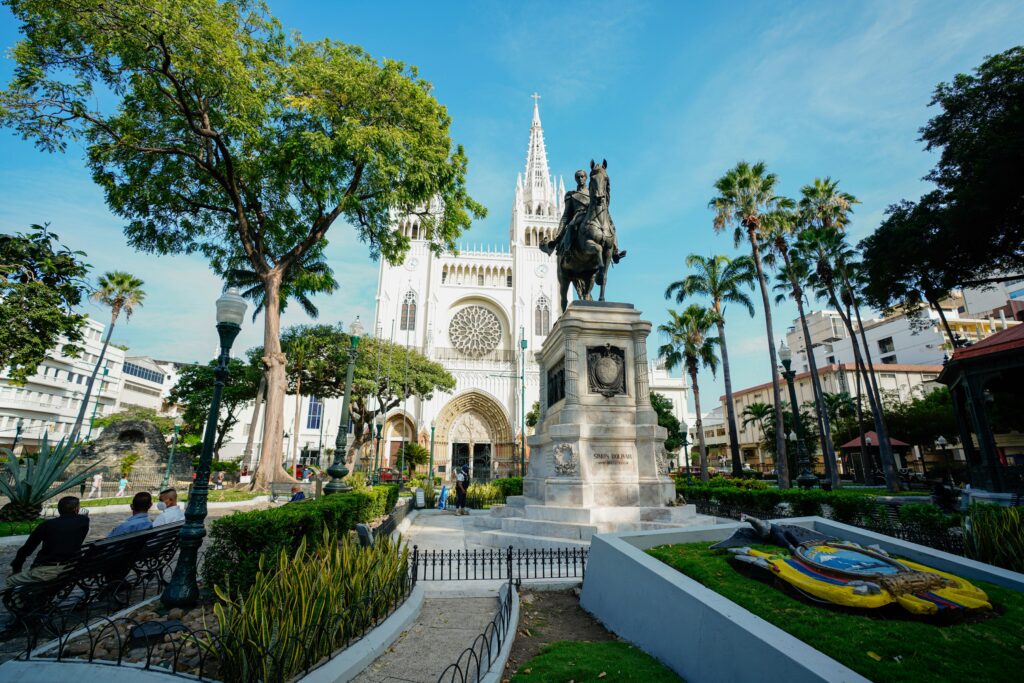
Once you have finished breakfast, take a short walk to Parque Seminario. At first glance, it looks like a standard colonial plaza, complete with a wrought-iron gazebo and an imposing cathedral on its western edge. However, a closer look reveals dozens of green iguanas draped across the branches of the trees, resting on the manicured lawns, and sunning themselves on the park benches. These prehistoric-looking reptiles roam freely and are entirely accustomed to human presence. Spending half an hour here, watching the iguanas interact while the city traffic hums in the background, is a uniquely Guayaquileño experience that costs nothing and requires no guide.
The Galápagos.
Ecuador’s Enchanted Isles
Midday / The riverfront and a cable car commute
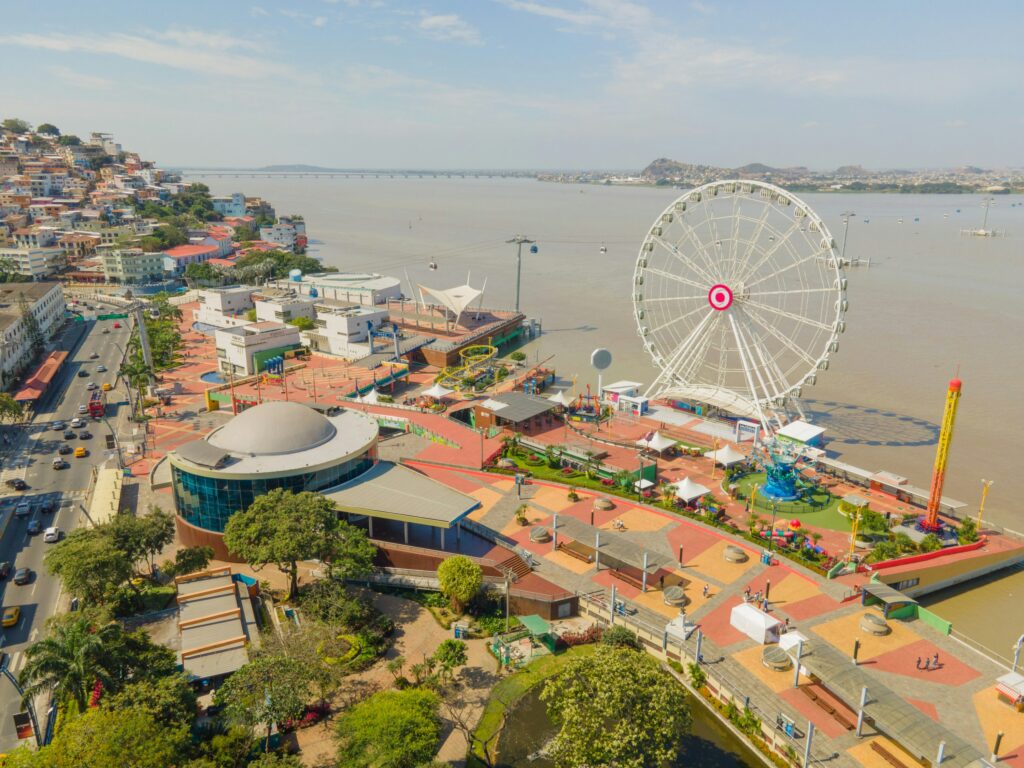
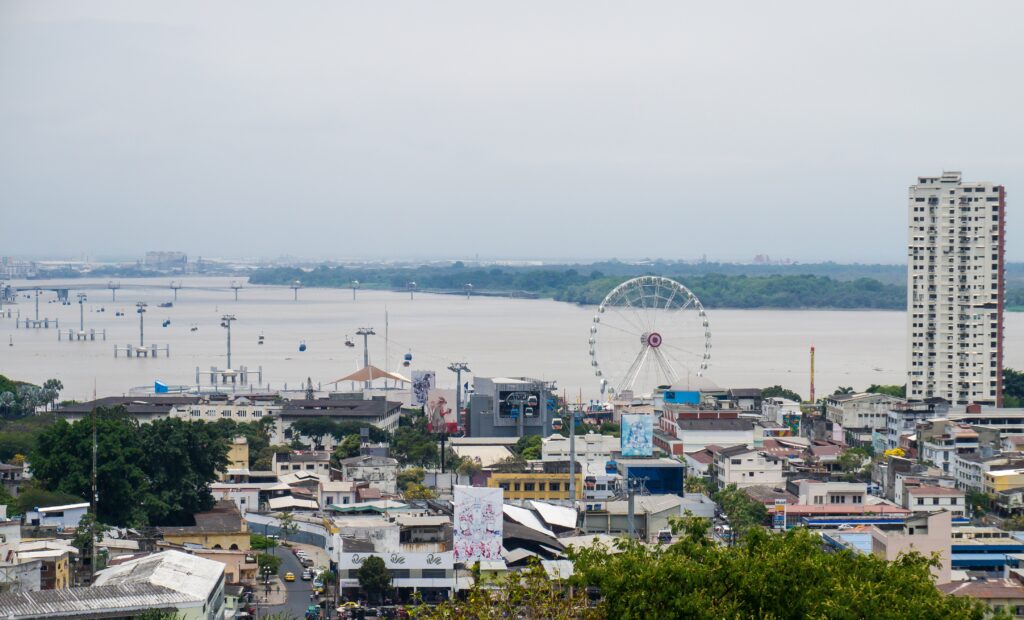
From the park, head a few blocks east until you hit the Guayas River. Here you will find the Malecón 2000, a massive urban regeneration project that transformed a neglected waterfront into a two-and-a-half-kilometre pedestrianised promenade. For the independent traveller, this is a masterclass in urban planning. The pathway is wide, safe, and entirely separated from road traffic.
If you are a cycling enthusiast, this is the perfect place to hire a bicycle. There are designated cycle lanes that allow you to glide past botanical gardens, historical monuments, and modern art installations without having to negotiate with local drivers. The breeze off the river provides a natural cooling system against the equatorial heat.
At the northern end of the Malecón, near the centre of the promenade, you will find the Aerovía station. While this cable car was built as a public transit solution to connect Guayaquil with the neighbouring canton of Durán, it inadvertently became one of the best independent travel attractions in the city. Tap in with a standard transit fare, and you are immediately lifted high above the Guayas River. The journey gives you a spectacular, uninterrupted aerial view of the city skyline, the expansive brown water of the river, and the surrounding mangroves. You can ride it across to Durán, stay on, and ride it right back. It is a brilliant way to gain perspective on the sheer scale of the city without paying for a private tour.
The Ecuadorian Sierra.
Get lost in the hills
Afternoon / Colonial steps and pirate history
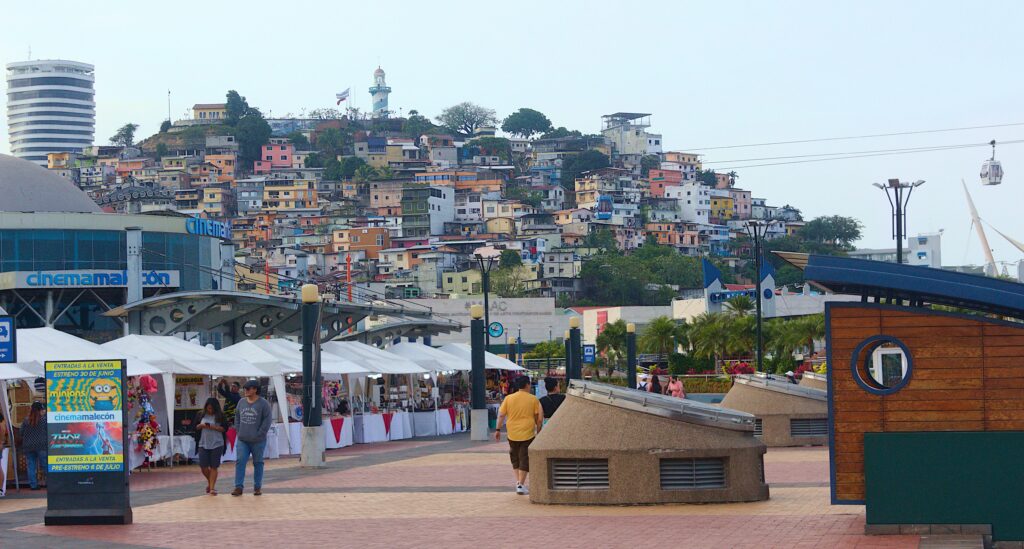
Disembarking from the Aerovía or finishing your cycle ride at the northern tip of the Malecón brings you to the foot of Las Peñas. This is the oldest neighbourhood in Guayaquil, and unlike the rest of the city centre, which has suffered from multiple fires over the centuries, Las Peñas retains its historical wooden architecture. The houses here are painted in vibrant shades of blue, yellow, and red, leaning slightly over narrow, cobbled pathways.
The main physical challenge of the day begins here: the ascent of Cerro Santa Ana. There are 444 numbered steps leading to the top of the hill. Because you are travelling independently, you can take this climb exactly as you please. Every few dozen steps, you will find small, family-run cafes and artisan shops operating out of the front rooms of historic homes. Stop halfway up for an iced coffee or a Pilsener beer, taking the time to look back over the terracotta roofs towards the river.
Historically, this hill was the city’s primary defence against pirate attacks. When you finally reach step 444, you are rewarded with a brilliant blue and white lighthouse and a small chapel. Climb the spiral staircase inside the lighthouse for a 360-degree panoramic view of Guayaquil. You can see the sprawling port facilities to the south, the modern high-rises to the west, and the serpentine river wrapping around it all. It is a highly satisfying vantage point that feels earned after the steep climb in the humid afternoon air.
The Ecuadorian Amazon.
The most biodiverse place in the world
Evening / Cracking crabs in Urdesa
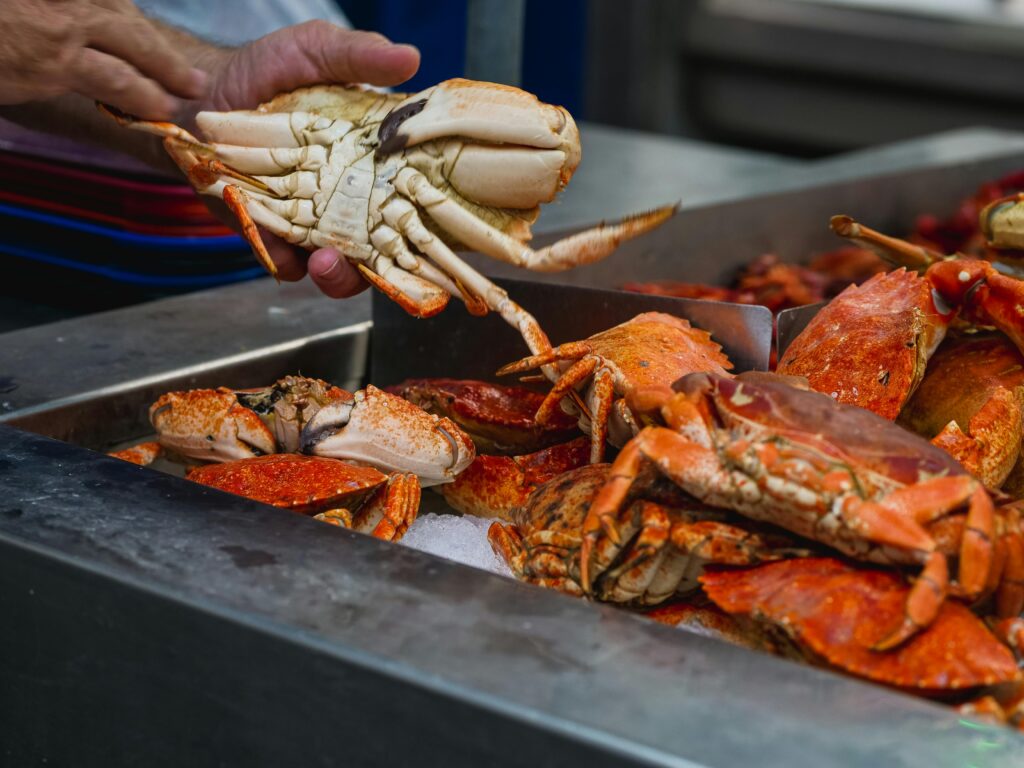
As the sun sets, the suffocating heat of the day breaks, and Guayaquil transitions into its evening rhythm. For your final meal, avoid the international restaurants in the commercial district and take a taxi or bus to Urdesa. This neighbourhood is characterised by wide, tree-lined avenues and has a more relaxed, bohemian atmosphere. It is also the epicentre of the Guayaquil crab culture.
Eating crab, or taking part in a cangrejada, is not just a meal; it is a prolonged social event. Find a bustling local restaurant on Víctor Emilio Estrada, the main avenue in Urdesa. The setup is remarkably unpretentious. Your table will be covered in thick paper, and you will be handed a wooden mallet and a wooden board. The crabs are boiled in a deeply flavourful broth of garlic, cumin, coriander, and local beer, then piled high in the centre of the table.
There is no elegant way to eat this, and that is precisely the appeal. You use the mallet to smash the claws, picking out the sweet, spiced meat with your hands. It is a loud, messy, and entirely joyful dining experience. The restaurant will be filled with the percussive sound of wooden mallets hitting wooden boards, soundtracked by local music and loud conversation. Paired with a cold domestic beer, it is the perfect antidote to the sterile, heavily curated dining experiences often pushed onto tourists.
Walking back to your accommodation or catching a cab after a few hours of cracking crabs, you will likely find that your perception of Guayaquil has shifted. It is not just a layover city. It is a place of intense flavours, brilliant urban waterfronts, and neighbourhoods that demand to be explored at walking pace. By navigating it independently, you get to experience the authentic friction and beauty of the real Ecuador.
Affiliate Disclaimer: Some of the links on Wheely Tyred are affiliate links. If you click through and make a booking or purchase, we may earn a small commission at no extra cost to you. We only recommend gear, tours, stays, and services we genuinely use, trust, and stand behind — our editorial independence always comes first. These commissions help keep our independent cycling guides and travel stories free to read. Thanks for supporting the ride!
Frequently asked questions about visiting Guayaquil
Yes. The Malecón 2000 features a wide, dedicated cycle lane that is entirely separated from motor traffic. It is heavily pedestrianised and provides a highly secure, scenic route for urban riding.
It is the undisputed national dish of Ecuador, originating on the coast. It is a hearty, complex soup made with fresh tuna and cassava, topped with pickled red onions. Locals typically eat it for breakfast, crushing deep-fried plantain chips into the broth for added texture.
Because the Aerovía was built as a public transit solution connecting Guayaquil to the neighbouring canton of Durán, you only pay a standard local transit fare. It functions as a brilliant, low-cost alternative to expensive private aerial tours.
Not at all. These green iguanas are completely accustomed to human presence and roam freely across the lawns and benches. While they are docile, they are still wild animals and should simply be observed respectfully without touching.
The ascent consists of 444 numbered steps. While the climb is steep and the coastal heat can be taxing, the route is designed to be taken slowly. The path is lined with small cafes, bars, and artisan shops, allowing you to stop, hydrate, and take in the views at your own pace.
Expect a loud, unpretentious, and deeply social event. You will sit at paper-covered tables and use a wooden mallet to smash open crabs that have been boiled in a spiced beer and garlic broth. You eat the sweet meat with your hands, making it a joyfully messy experience.
Ecuador.
Pure wonder on the equator.