Finding the best coffee in Guayaquil / A local guide to the Pearl of the Pacific
Where to find speciality beans and authentic cafés in Guayaquil
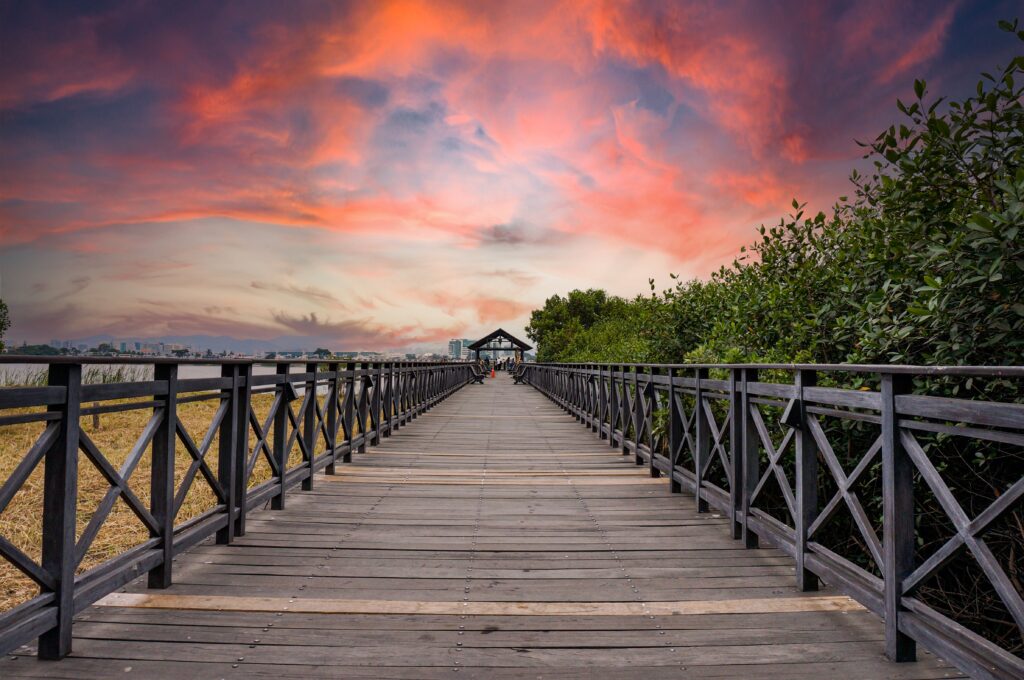
Sips and soul in Ecuador’s gritty, vibrant port
BEN FINCH
It is important to address the reality on the ground: at this time, Wheely Tyred does not recommend travelling to Guayaquil unless it is absolutely essential.
While the city’s culture and history are compelling, the current safety climate presents risks that shouldn’t be overlooked by the independent traveller.
For those whose travel is necessary, we have compiled a detailed Guayaquil Safety Guide: Everything You Need to Know Before You Go to ensure you are as informed and secure as possible during your stay.
Guayaquil is often a transit point, a humid gateway to the Galápagos or the surf breaks of the Ruta del Spondylus. But for those who slow down, the city reveals a complex character. It is a place of tropical heat, river breezes, and a burgeoning coffee scene that finally matches the quality of the beans Ecuador exports to the rest of the world. While the national chains offer convenience, the true heart of Guayaquil’s coffee culture is found in the independent spots where baristas treat their craft with the same reverence as a winemaker.
For the independent traveller—the one who prefers a train station to a tour bus and a local corner to a hotel lobby—the search for the best coffee in Guayaquil is an exercise in discovery. It involves navigating the breezy malecón, exploring the upscale streets of Samborondón, and finding hidden gems tucked away from the main thoroughfares. This is not just about caffeine; it is about finding space to plan the next leg of your journey in a city that is always on the move.
The tropical pulse of the Guayas
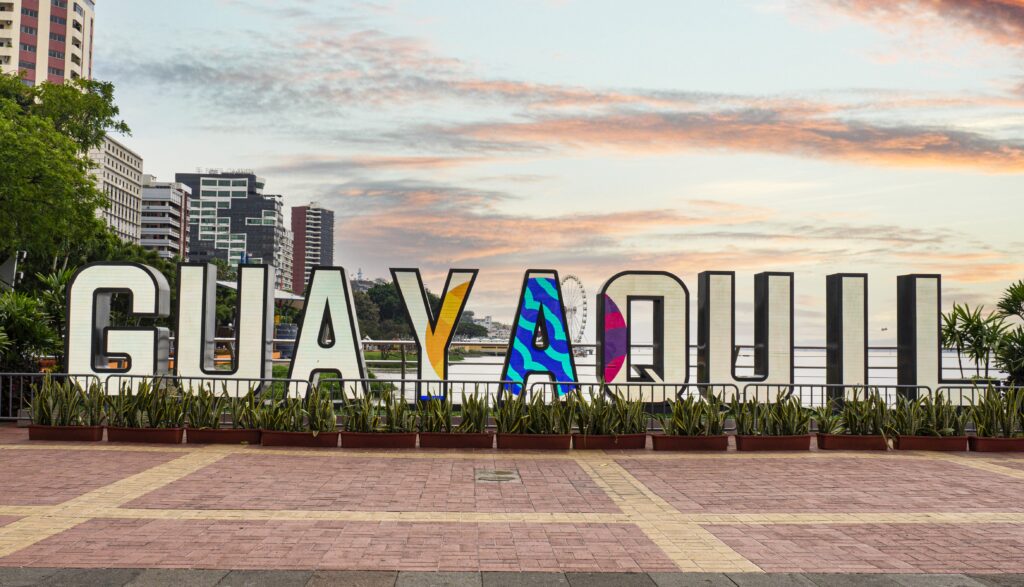
Guayaquil is a city that rewards the patient observer, offering a blend of gritty port-side energy and refined, high-altitude coffee culture.
- Ruá — Café de Especialidad Curado: An internationally ranked micro-roastery in Urdesa focusing on the pure nuances of carefully selected, light-roasted Ecuadorian micro-lots
- Sailor Coffee: The pinnacle of third-wave coffee in the city, featuring expert baristas and a sophisticated, minimalist atmosphere
- Fika Coffee House: A tranquil, welcoming refuge in Samborondón that embraces the Swedish break philosophy, ideal for slow afternoons and refreshing iced coffees
- Masamadre: A specialist in fermentation and light roasts, offering a refined brunch experience for the discerning palate
- El Café de Tere: A legendary local institution where coffee is served alongside traditional plantain-based breakfast staples
- La Molienda: An organic market in Urdesa providing a tranquil space to sample fair-trade, small-batch Ecuadorian beans
Guayaquil.
The Pearl of the Pacific
1. Ruá — Café de Especialidad Curado
For the traveller seeking the absolute pinnacle of third-wave precision in the Guayas province, Ruá is an unmissable destination. This exceptional micro-roastery has earned international acclaim, securing a prominent spot on the continent’s definitive rankings of speciality coffee shops. Located in the Urdesa district, it operates with a meticulous, curated approach that treats coffee roasting as a fine art form.
The interior is a minimalist sanctuary, offering a quiet, focused escape from the heavy coastal humidity outside. Ruá specialises in carefully sourced Ecuadorian micro-lots, roasted to highlight the subtle, delicate nuances of the bean rather than masking them with dark roasts. The pour-over options here are masterfully prepared, and the baristas frequently host public cuppings and tastings. It is an ideal space for the independent explorer who wants to slow down, converse with deeply knowledgeable locals, and taste the pure, unadulterated terroir of high-altitude Arabica.
2. Sailor Coffee
With locations in both Samborondón and near the airport, Sailor Coffee has built a reputation for bringing a minimalist, third-wave aesthetic to Guayas province. Despite the trendy decor, the soul of the place is rooted in sustainability and a deep connection to Ecuadorian producers.
The baristas here are exceptionally well-trained, and the menu reflects a serious commitment to coffee education. You can choose from various brewing methods—Aeropress, V60, or Chemex—and the beans are consistently fresh and expertly roasted. For those who need more than a drink, the all-day breakfast menu is excellent, featuring international staples with local ingredients. It is a hub for the city’s creative community, offering a glimpse into the modern, cosmopolitan side of Guayaquil.
The Ecuadorian Coast.
Where you’ll find the very best food
3. Fika Coffee House
Tucked into the bustling fabric of Samborondón, Fika Coffee House takes its name and inspiration from the sacred Swedish custom of a mandatory daily coffee break. This café caters perfectly to the slow traveller, intentionally designed to encourage patrons to linger, rest, and disconnect from the frenetic pace of the outer city.
Fika is highly praised for its peaceful, laptop-friendly atmosphere, featuring accessible power points and comfortable seating arrangements. While their hot lattes and manual infusions are exceptional, their speciality cold brews and iced infusions are particularly celebrated—offering an essential, refreshing antidote to Guayaquil’s tropical climate. The aesthetic is dreamy and relaxed, making it a brilliant afternoon hideaway to write or plan subsequent travel legs while enjoying a house-baked pastry.
4. Masamadre
Masamadre is more than a bakery; it is a laboratory for artisanal fermentation and high-quality roasting. Situated in the Samborondón area, it draws a loyal crowd of locals who come for the sourdough and stay for the signature coffee. The ambience is defined by the aroma of fresh bread and the focused hiss of the steam wand.
The coffee at Masamadre often leans towards a lighter roast, highlighting the fruity and floral notes characteristic of certain Ecuadorian regions. It is a sophisticated experience that caters to those who have a discerning palate. The outdoor seating provides a pleasant environment to enjoy a long brunch while observing the pace of life in one of Guayaquil’s most affluent sectors. Their croque-madame is a standout, and the pairing with a well-pulled flat white is hard to beat.
The Galápagos.
Ecuador’s Enchanted Isles
5. El Café de Tere
To understand coffee in Guayaquil, one must experience it the way locals have for generations. El Café de Tere is an institution. While it lacks the minimalist trappings of speciality roasters, it offers something arguably more important: a window into the city’s culinary soul.
The tradition here is to pair your coffee with a bolón de verde (a fried green plantain ball stuffed with cheese or pork) or tigrillo. The coffee is straightforward and unpretentious, served in a bustling, high-energy environment. This is not the place for a quiet afternoon of work; it is the place to fuel up for a day of exploring. It is loud, it is busy, and it is authentically Guayaquil. For the independent traveller, a morning at Tere is a rite of passage.
6. La Molienda Organic Market
Tucked away in the Urdesa neighbourhood, La Molienda is an organic market and café that serves as an oasis for health-conscious travellers. It is one of the few places in the city where you can find a curated selection of organic beans from small-scale Ecuadorian farmers.
The coffee experience here is quiet and focused. Because it is also a market, the shelves are stocked with local cacao, kombucha, and vegan treats, making it a great spot to pick up supplies for your onward journey. The staff are passionate about organic production and are usually happy to share insights into the local food movement. It is a hidden gem that rewards those who venture away from the typical tourist trails.
The Ecuadorian Sierra.
Get lost in the hills
Discover Guayaquil’s best coffee
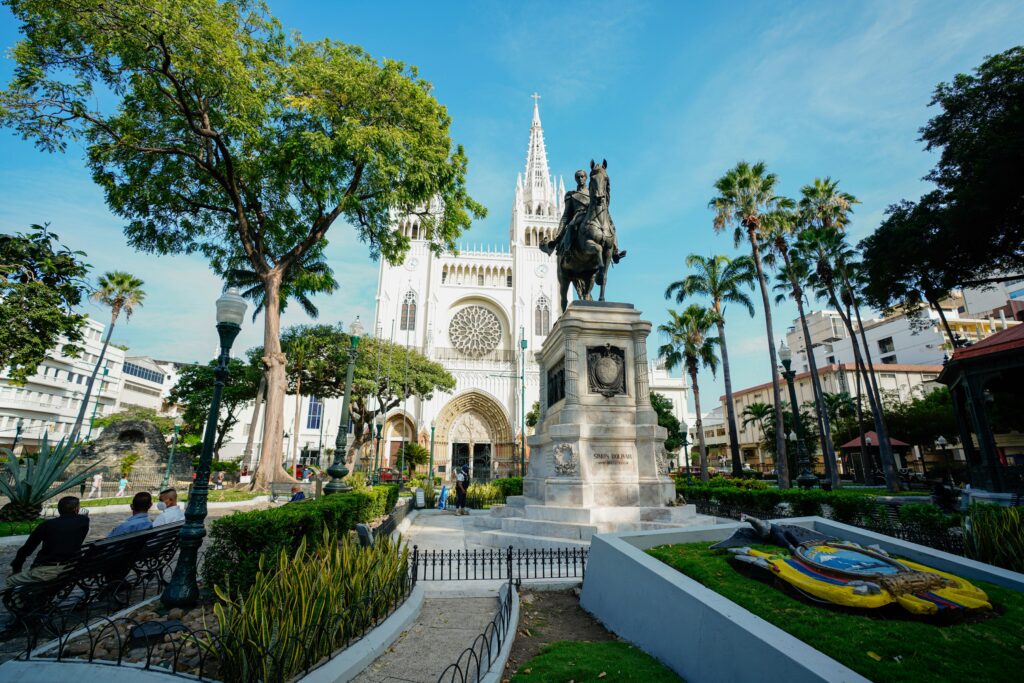
Guayaquil is a city that demands your presence. It does not offer the immediate, easy charm of Quito’s old town or the laid-back rhythm of the coast, but its coffee scene is a testament to the city’s resilience and ambition. By moving away from the standardised experience of the airport lounge or the hotel lobby, you discover a community of roasters and baristas who are reclaiming Ecuador’s agricultural heritage one cup at a time.
For the independent explorer, these cafés are more than just places to refuel. They are the tactical hubs of the city. Whether you are leaning against a wooden counter in the Panamá district or cooling off in the modern interiors of Samborondón, you are engaging with the Pearl of the Pacific on its own terms. To sit with a coffee in Guayaquil is to finally understand the city’s pulse—industrious, steaming, and unexpectedly sophisticated.
Affiliate Disclaimer: Some of the links on Wheely Tyred are affiliate links. If you click through and make a booking or purchase, we may earn a small commission at no extra cost to you. We only recommend gear, tours, stays, and services we genuinely use, trust, and stand behind — our editorial independence always comes first. These commissions help keep our independent cycling guides and travel stories free to read. Thanks for supporting the ride!
The Ecuadorian Amazon.
The most biodiverse place in the world
Frequently asked questions about the best coffee in Guayaquil
For the independent traveller, the Metrovía bus system is efficient and covers most major areas, though it can be crowded during peak hours. For reaching Samborondón or Urdesa, licensed taxis or rideshare apps are generally preferred for safety and convenience. The city is also increasingly walkable in the centre and along the Malecón 2000.
The main tourist areas, such as the Malecón and the Panamá district, are generally safe during daylight hours. However, Guayaquil requires a high level of urban awareness. It is best to avoid walking with expensive equipment visible and to stick to well-trafficked streets.
A bolón de verde is a traditional coastal Ecuadorian dish made of mashed green plantains, typically filled with cheese (queso) or pork cracklings (chicharrón). It is the quintessential Guayaquil breakfast, providing a heavy, savoury base that complements the bitterness of a strong local coffee.
Yes, speciality spots like Ruá, Sailor Coffee, and La Molienda all sell packaged whole or ground beans. Look closely at the labels indicating the specific regional origin (such as Loja, Zaruma, or Imbabura) and the processing method. Buying directly from these dedicated spaces ensures you are obtaining fresh roasts rather than old stock from commercial supermarkets.
Most speciality cafés open around 8:00 or 9:00 am and stay open until 8:00 pm. However, traditional spots like El Café de Tere open much earlier (often by 7:00 am) to cater to the breakfast crowd and may close by mid-afternoon.
In highly specialised shops such as Ruá and Sailor Coffee, you will frequently find English-speaking baristas and staff. In more traditional, high-traffic spots like El Café de Tere, a basic grasp of Spanish is incredibly helpful, though the staff are traditionally patient and accommodating with international travellers.
Ecuador.
Pure wonder on the equator.