The ultimate guide to the best time to visit Guayaquil
Discover the ideal months for your Ecuadorian adventure with our comprehensive weather and climate breakdown
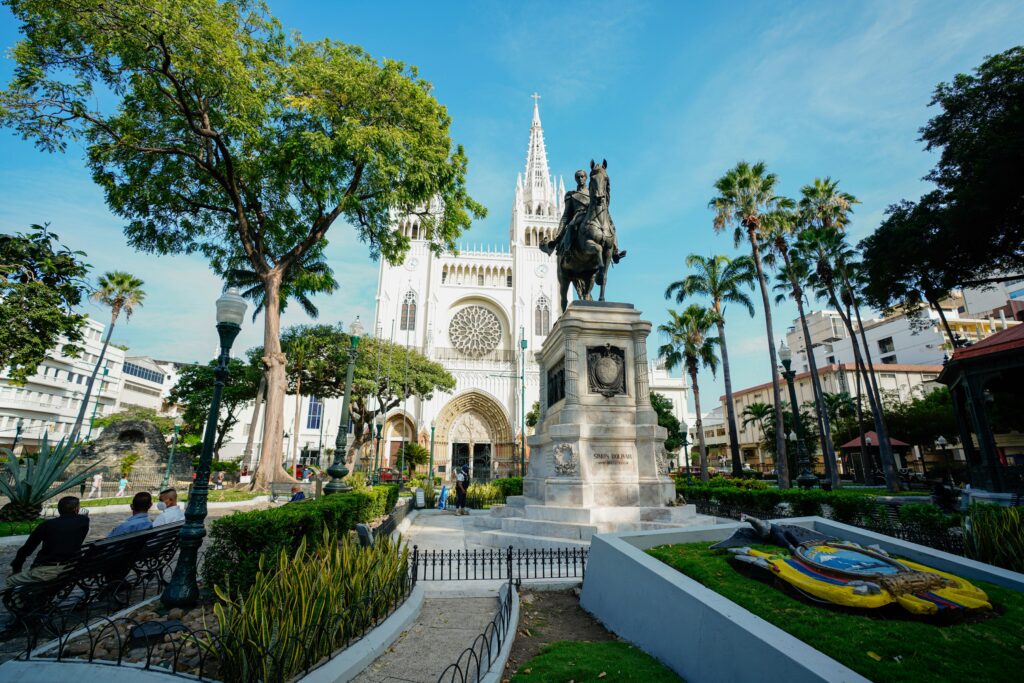
Beat the heat and dodge the downpours with expert timing
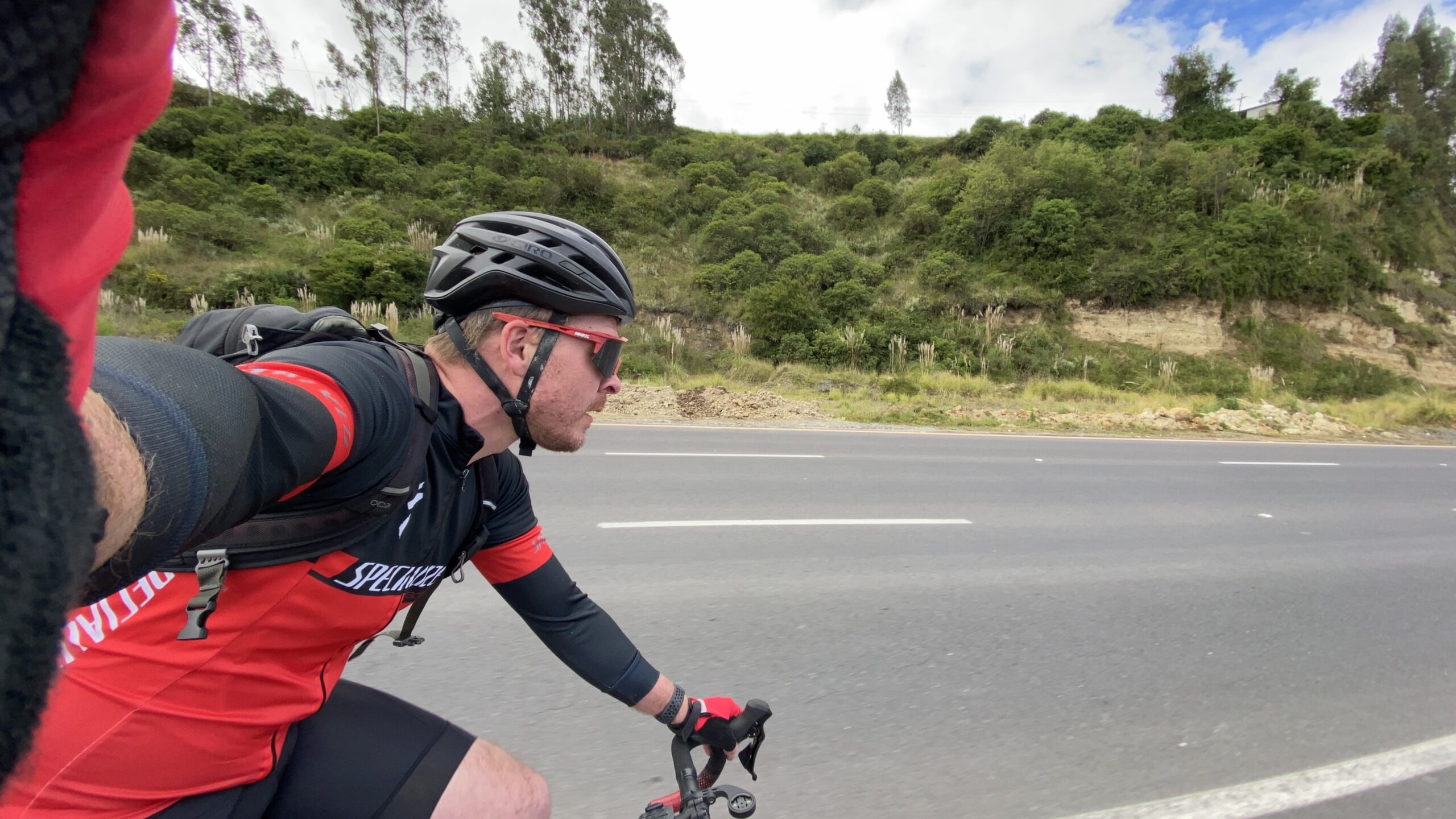
BEN FINCH
It is important to address the reality on the ground: at this time, Wheely Tyred does not recommend travelling to Guayaquil unless it is absolutely essential.
While the city’s culture and history are compelling, the current safety climate presents risks that shouldn’t be overlooked by the independent traveller.
For those whose travel is necessary, we have compiled a detailed Guayaquil Safety Guide: Everything You Need to Know Before You Go to ensure you are as informed and secure as possible during your stay.
Planning a trip to South America requires a keen understanding of tropical weather systems, and the bustling port city of Guayaquil is no exception. As the gateway to the Galapagos Islands and the commercial heart of Ecuador, Guayaquil offers a vibrant mix of historical neighbourhoods, a stunning riverfront promenade, and incredible local cuisine. However, arriving in the wrong month could mean spending your holiday sheltering from torrential rain or battling extreme humidity.
At Wheely Tyred, we know that the foundation of any great journey is preparation. Whether you are mapping out a leisurely cycle route along the Malecón 2000 or simply looking to explore the colourful steps of Cerro Santa Ana on foot, timing your visit perfectly is essential. This comprehensive guide will walk you through the seasonal shifts, the month-by-month climate expectations, and the ongoing environmental changes shaping this dynamic coastal city.
The hum of the Guayas
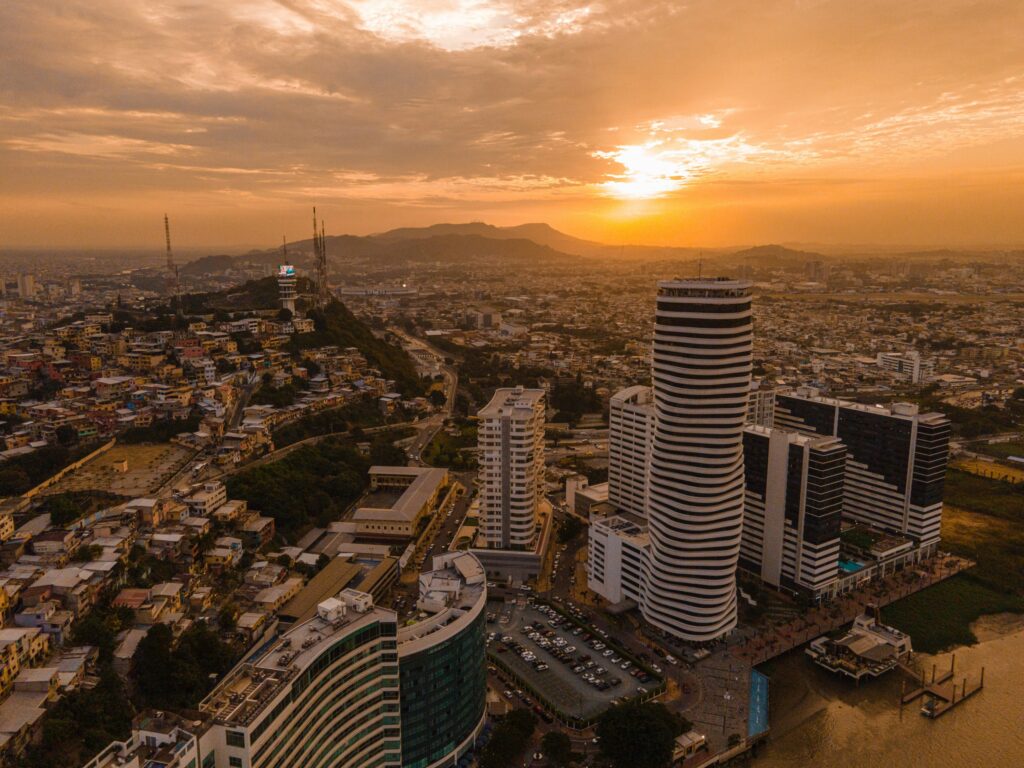
Navigating Guayaquil requires more than just a map; it demands an understanding of the tropical pulse that dictates the pace of coastal life. From the hazy, temperate dry season to the verdant, storm-swept wet months, timing is everything in this equatorial hub.
- Dry Season Comfort: Between June and November, the cooling Humboldt Current makes the city far more manageable for those exploring on foot or by bike, providing a reprieve from the intense tropical heat
- The Garua Phenomenon: Expect a persistent, atmospheric haze known as garua during the dry months; while it obscures the sun, it acts as a natural sunshade for long days of urban exploration
- Wet Season Vibrancy: From January to May, the surrounding landscapes burst into brilliant emerald green, and the mornings often feature the crispest, most brilliant blue skies of the year
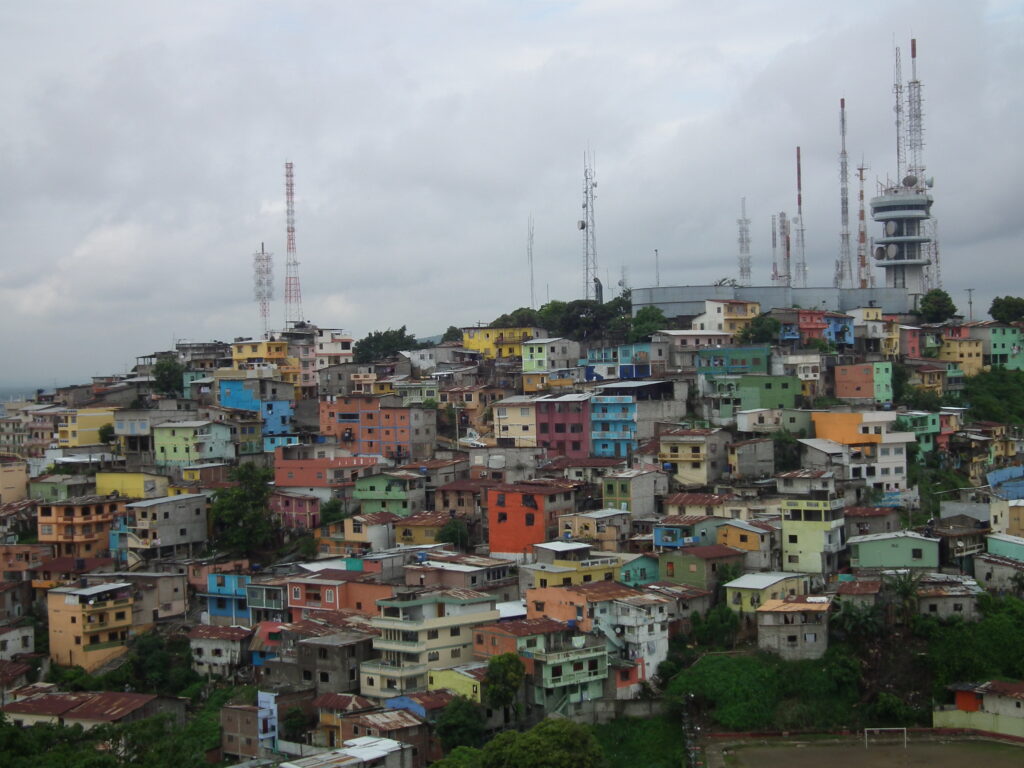
- Strategic Mornings: For independent travellers, the secret to the wet season is an early start; tackle the 444 steps of Cerro Santa Ana at dawn to beat both the humidity and the inevitable afternoon downpours
- Climate Resilience: As a river-delta city, Guayaquil is increasingly prone to localised flooding during extreme El Niño events, making a flexible itinerary a modern necessity for the sensible traveller
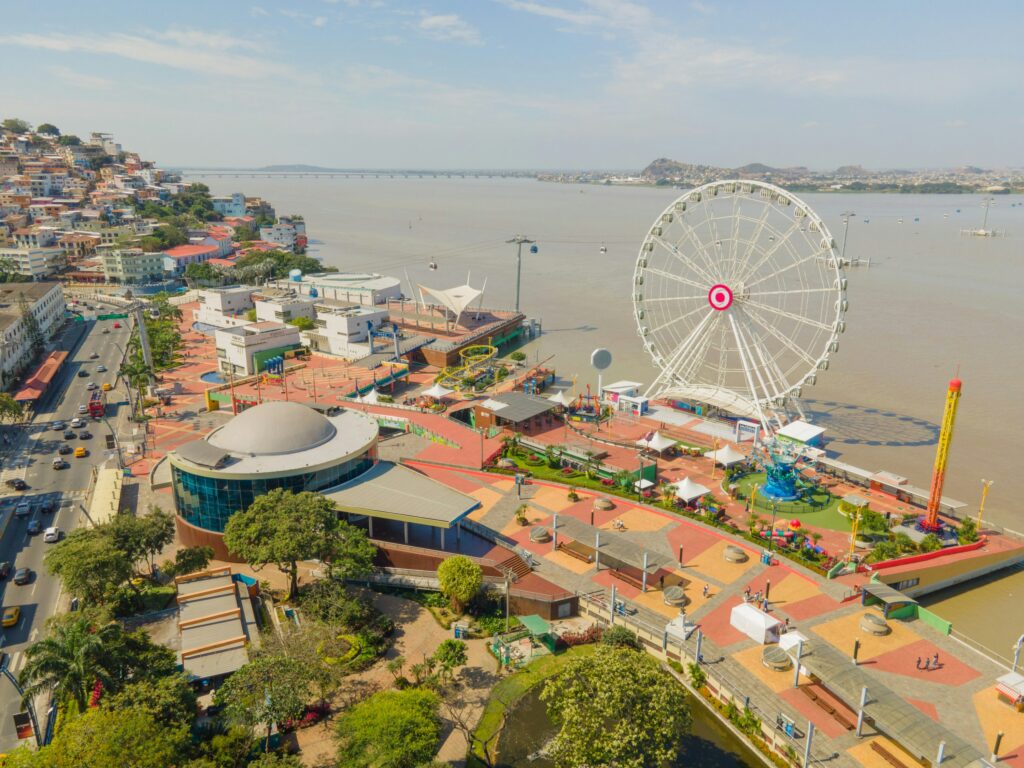
- Authentic Gateway: Often dismissed as a mere stopover for the Galapagos, the city’s riverfront Malecon 2000 and the iguanas of Parque Seminario offer a grounded look at Ecuadorian coastal culture
Guayaquil.
The Pearl of the Pacific
Understanding Guayaquil’s tropical climate
Situated close to the equator, Guayaquil does not experience the traditional four seasons of spring, summer, autumn, and winter. Instead, the climate is dictated by ocean currents and rainfall, dividing the year into two highly distinct periods: the wet season and the dry season. The temperature remains relatively consistent throughout the year, usually hovering between a balmy 28°C and a hot 32°C during the day. The true deciding factors for travellers are the humidity levels, the cloud cover, and the volume of rainfall.
The dry season / June to November
For the vast majority of travellers, the dry season is widely considered the best time to visit Guayaquil. Lasting from June through to November, this period is heavily influenced by the cold Humboldt Current sweeping up from the Antarctic.
The cooling effect of the ocean significantly reduces humidity, making daytime exploration far more comfortable. You can wander through the Parque Historico or enjoy the vibrant outdoor cafes without the immediate need for air conditioning. Rainfall during these months is incredibly rare, meaning you can leave your heavy waterproofs behind.
However, there is a distinct visual quirk to the Guayaquil dry season. The clash of the cool ocean air with the warm land mass creates a phenomenon known locally as garua. This results in almost permanent overcast, hazy grey skies. While the temperatures are perfect for sightseeing, those hoping for brilliant blue skies and bright sunshine might find the persistent cloud cover surprising. Despite the grey canopy, the lack of rain and lower humidity make this the optimal window for uninterrupted travel.
The Ecuadorian Coast.
Where you’ll find the very best food
The wet season / December to May
As December transitions into January, the warm El Niño current pushes the colder waters away, heralding the arrival of the wet season. This period, running until May, sees a dramatic shift in the atmosphere. The city becomes hot, sticky, and highly humid.
Rainfall is frequent and often intense. February and March are the wettest months, when massive tropical downpours are a daily occurrence, usually building up in the late afternoon before unleashing heavy rain. These downpours can occasionally lead to localised flooding, which might disrupt travel plans or planned routes.
Yet, the wet season is not without its merits. The heavy rains wash away the haze, and ironically, this is the time of year when Guayaquil sees the most direct sunshine. The mornings are often gloriously bright and clear, with the skies only clouding over as the afternoon storms brew. The surrounding landscapes also burst into vibrant shades of green, making the countryside outside the city incredibly beautiful. If you choose to travel during the wet season, the secret is to start your days early, scheduling your outdoor activities for the morning and planning indoor museum visits or extended lunches for the rainy afternoons.
A month-by-month breakdown
To help you pinpoint the exact right time for your itinerary, here is a detailed look at what to expect from Guayaquil across the calendar year.
January
The transition into the wet season begins. Temperatures start to climb, and humidity levels become noticeable. You will experience a mix of bright, sunny mornings followed by increasingly frequent afternoon showers. It is a time of transition, requiring both sunglasses and an umbrella.
The Galápagos.
Ecuador’s Enchanted Isles
February
This is the peak of the wet season. Heat and humidity are at their highest, and torrential downpours are a daily guarantee. While the rain is heavy, it often passes quickly, leaving behind stifling humidity. Travel during this month requires a flexible schedule and a high tolerance for tropical heat.
March
Much like February, March brings heavy rainfall and high temperatures. However, the mornings often feature spectacular, clear blue skies. It is essential to carry light, breathable clothing and be prepared to take shelter in the afternoons.
April
The wet season is still in full swing, but the frequency of the rain begins to taper off slightly towards the end of the month. The city remains very hot, making early morning excursions the most comfortable option for exploring the local sights.
May
A transitional month where the rains begin to retreat significantly. The humidity starts to drop, and the stifling heat eases off. The skies will slowly begin to take on the hazy appearance characteristic of the approaching dry season. This is a great shoulder month for travel.
June
The dry season officially arrives. Rainfall drops to almost zero, and the humidity becomes much more manageable. The garua sets in, bringing overcast skies, but the cooler temperatures make long days of walking or cycling incredibly pleasant.
The Ecuadorian Sierra.
Get lost in the hills
July
One of the coolest months of the year, though still warm by European standards. The skies remain grey, but the utter lack of rain means your travel plans will not be interrupted by the weather. It is an excellent time for urban exploration.
August
Statistically, the driest month of the year in Guayaquil is August. The weather is stable, cool, and comfortable. While the sun might remain hidden behind the haze, the conditions are perfect for active holidays and long days spent outdoors.
September
The comfortable, dry conditions continue. The city is bustling, and the weather is reliably dry. It remains an ideal time to visit, offering great conditions for exploring the wider Guayas province without the fear of getting soaked.
October
The dry season holds strong. Temperatures begin a very slow, barely noticeable climb, but the humidity remains low. It is another fantastic month for uninterrupted travel, ensuring you get the most out of your itinerary.
November
The final month of the true dry season. The overcast skies might start to break occasionally, offering glimpses of the sun, but the rain largely stays away. It is your last chance to enjoy the cooler, less humid conditions before the tropical heat returns.
December
A month of change. The weather begins to heat up rapidly, and the humidity returns to the air. While the first half of the month is usually dry, the latter half can see the return of the tropical showers.
The Ecuadorian Amazon.
The most biodiverse place in the world
Navigating changing climate trends
When planning a trip to a coastal equatorial city, it is important to factor in the realities of our changing climate. Guayaquil is currently facing significant environmental shifts that are altering its historical weather patterns. The increasing frequency and severity of El Niño events mean that the wet seasons are becoming more unpredictable, with heavier rainfall increasing the risk of urban flooding. Additionally, average yearly temperatures are on the rise, meaning the heat of the wet season is becoming more intense.
At Wheely Tyred, we believe in smart, informed travel. Understanding these long-term trends is vital for making safe and enjoyable travel choices. By tracking changing weather patterns, you can better anticipate the conditions on the ground and pack accordingly.
Quito.
Explore the Middle of the World
Planning your journey to Guayaquil
Read this far?
Choosing the best time to visit Guayaquil ultimately comes down to your personal preferences. If you prioritise comfortable temperatures and dry days for endless exploring, aim for the June to November window, embracing the hazy skies as a fair trade-off. If you prefer bright sunshine and lush greenery and do not mind dodging afternoon storms, the wet season might hold a unique appeal.
Whatever time of year you decide to travel, thorough preparation is the key to a successful trip. Leveraging modern travel tools and intelligent route-planning recommendations ensures you are always one step ahead of the weather. By doing your research and timing your visit to suit your travel style, your Ecuadorian adventure is guaranteed to be unforgettable.
Affiliate Disclaimer: Some of the links on Wheely Tyred are affiliate links. If you click through and make a booking or purchase, we may earn a small commission at no extra cost to you. We only recommend gear, tours, stays, and services we genuinely use, trust, and stand behind — our editorial independence always comes first. These commissions help keep our independent cycling guides and travel stories free to read. You can also buy me a coffee here — thanks for supporting the ride!
Cuenca.
The Athens of Ecuador
Frequently asked questions about the best time to visit Guayaquil
The most pleasant window is between July and September. During these months, the humidity is at its lowest and rainfall is practically non-existent. While you won’t see much blue sky due to the seasonal haze, the cooler air is far more forgiving for those navigating the city’s hills and promenades.
Avoid heavy, non-breathable waterproofs. In the 30°C heat, a traditional raincoat will feel like a sauna. Instead, opt for a sturdy travel umbrella and lightweight, quick-drying fabrics that allow for airflow.
Not at all, but the pace changes. Locals typically use the heavy late-afternoon rains as a cue to head indoors. It is the perfect time to find a café in Las Peñas or explore the city’s indoor museums until the clouds clear, which they often do by evening.
Yes, though the city is best navigated by bike along the flat, scenic stretches of the Malecon 2000 or within the greenery of the Parque Histórico. For those heading further afield, the dry season is essential to avoid the slick roads and unpredictable flooding of the wetter months. The drivers are very dangerous.
Counter-intuitively, no. The garua is a low-hanging mist characteristic of the dry season. While it looks like it might drizzle at any moment, it rarely results in actual rainfall. It is simply an atmospheric quirk of the cold ocean currents meeting the warm land.
The main impact for travellers is the increased intensity of the wet season. El Niño years are becoming more frequent and severe, leading to heavier rainfall that can occasionally disrupt local transport and infrastructure. Checking long-range forecasts for El Niño activity is becoming a standard part of the prepared traveller’s toolkit.
Ecuador.
Pure wonder on the equator.