Exploring Cotopaxi safely / The ultimate guide to high-altitude adventure in Ecuador
Cotopaxi, Ecuador, travel safety tips, cycling routes, and adventure guide for solo travellers and group tours
Climb through the clouds and master the Andean highlands
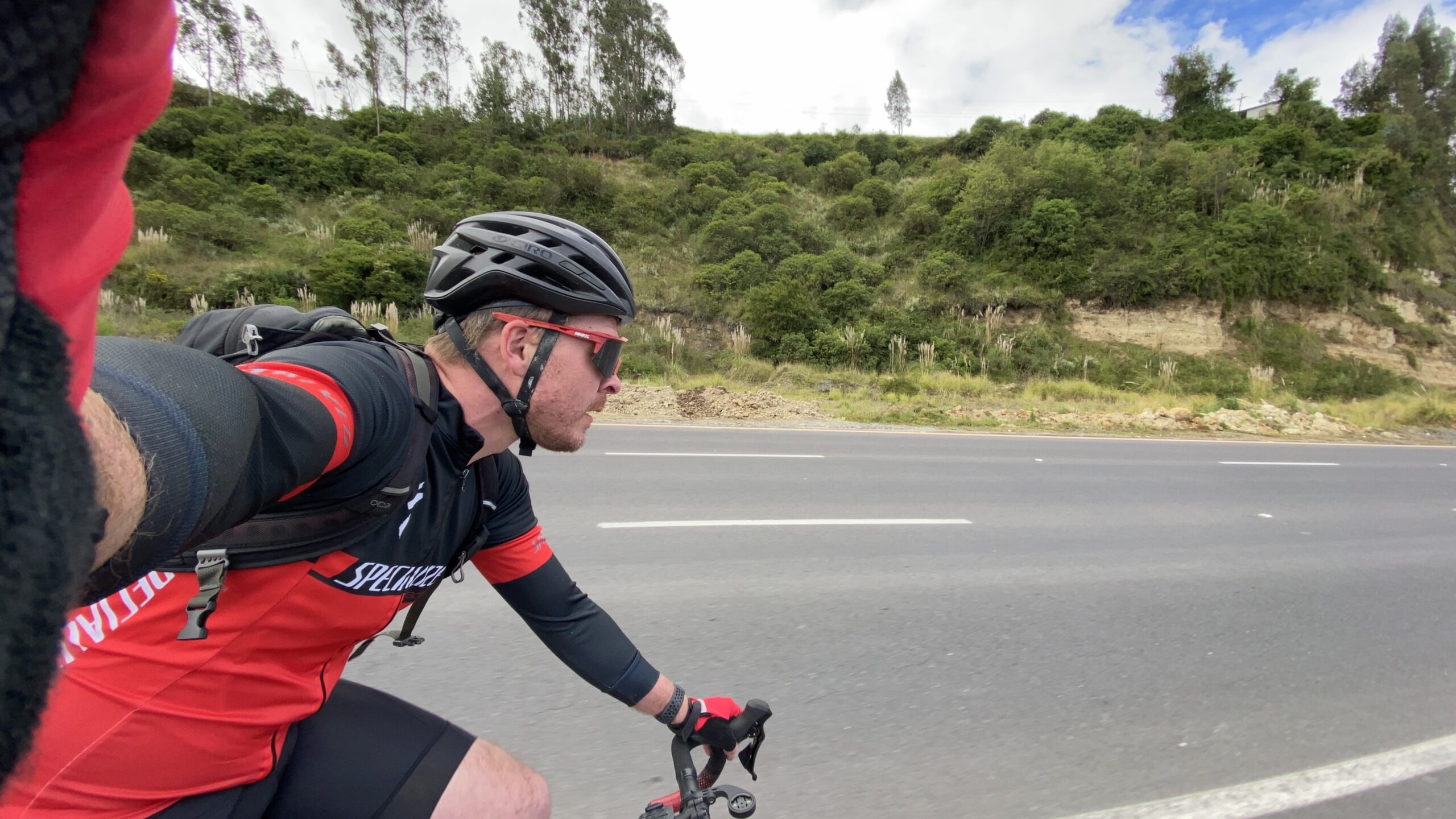
BEN FINCH
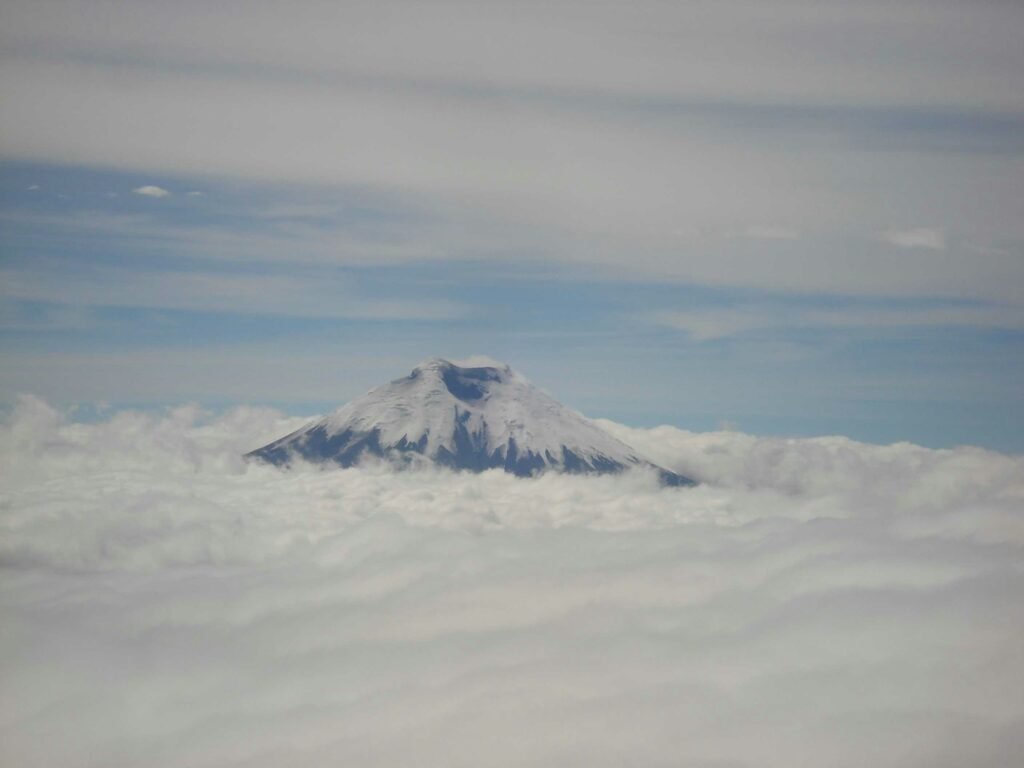
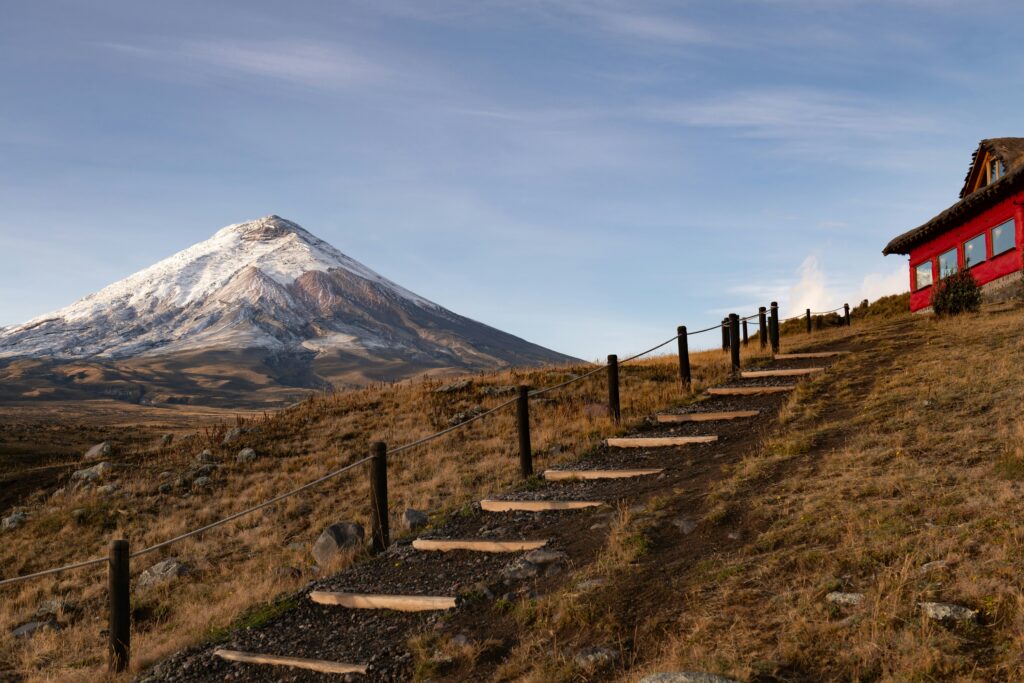
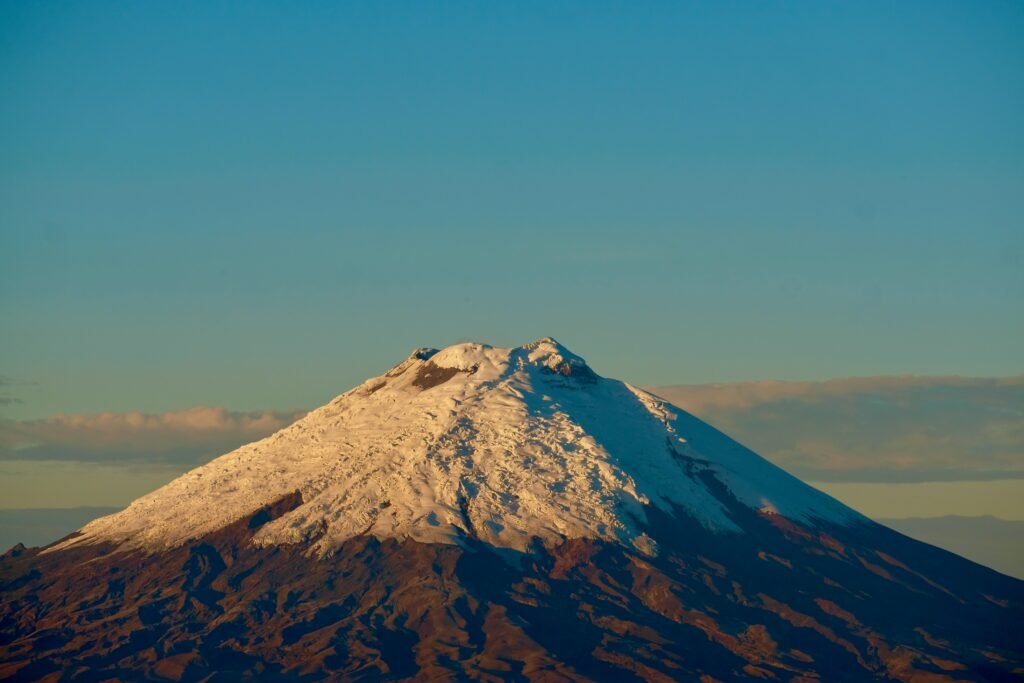
The snow-capped symmetry of Cotopaxi is one of the most defining images of the Ecuadorian Andes. Rising majestically above the rolling northern highlands, this dramatic stratovolcano draws trekkers, mountaineers, and cyclists from across the globe. The surrounding national park offers a spectacular playground of expansive plains, rugged volcanic tracks, and unique high-altitude ecosystems. Yet, embarking on an adventure in this breathtaking environment requires a profound respect for the natural elements and a thorough understanding of the local safety landscape.
At Wheely Tyred, our mission is to ensure that every journey you take is defined by meticulous preparation and a commitment to personal security. Whether you are a beginner looking to experience the vast beauty of the Andean páramo or an expert cyclist planning a challenging self-supported route across the volcanic scree, understanding the safety dynamics of Cotopaxi is the most critical component of your itinerary. This comprehensive guide details everything you need to know to navigate the region securely, responsibly, and with absolute peace of mind.
Stay safe on the wind-swept páramo of the High Andes
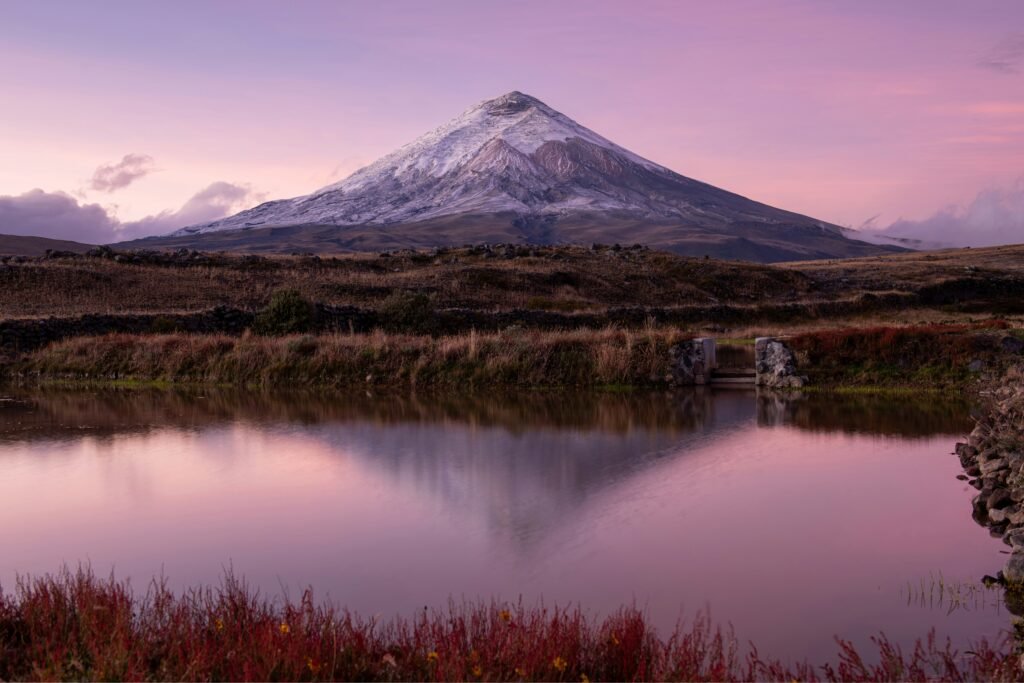
Navigating the dramatic volcanic landscapes of Cotopaxi requires a sharp eye for shifting weather and a deep respect for the altitude. Here is what every independent adventurer needs to know before exploring this high-altitude playground on two wheels or on foot.
- Altitude management: Spending three to four days acclimatising in Quito or Cuenca is essential to prevent severe mountain sickness before tackling the high park trails.
- Volcanic vigilance: Checking real-time alerts from the tracking institutes ensures you remain well clear of restricted zones during periods of heightened seismic activity.
- Terrain and handling: Riding the volcanic ash and loose gravel tracks demands excellent technical control and a highly conservative approach to steep descents.
- Weather resilience: Packing versatile thermal and waterproof layers protects against sudden, freezing temperature drops and violent mountain winds.
- Ground security protocol: Limiting travel transit strictly to daylight hours and keeping valuables locked out of sight minimises the risk of opportunistic theft.
- Self-reliant navigation: Downloading offline maps and carrying satellite communication is vital, as mobile network coverage disappears entirely within the valleys
Cotopaxi.
The iconic volcano
Understanding the Andean terrain / Altitude and acclimatisation
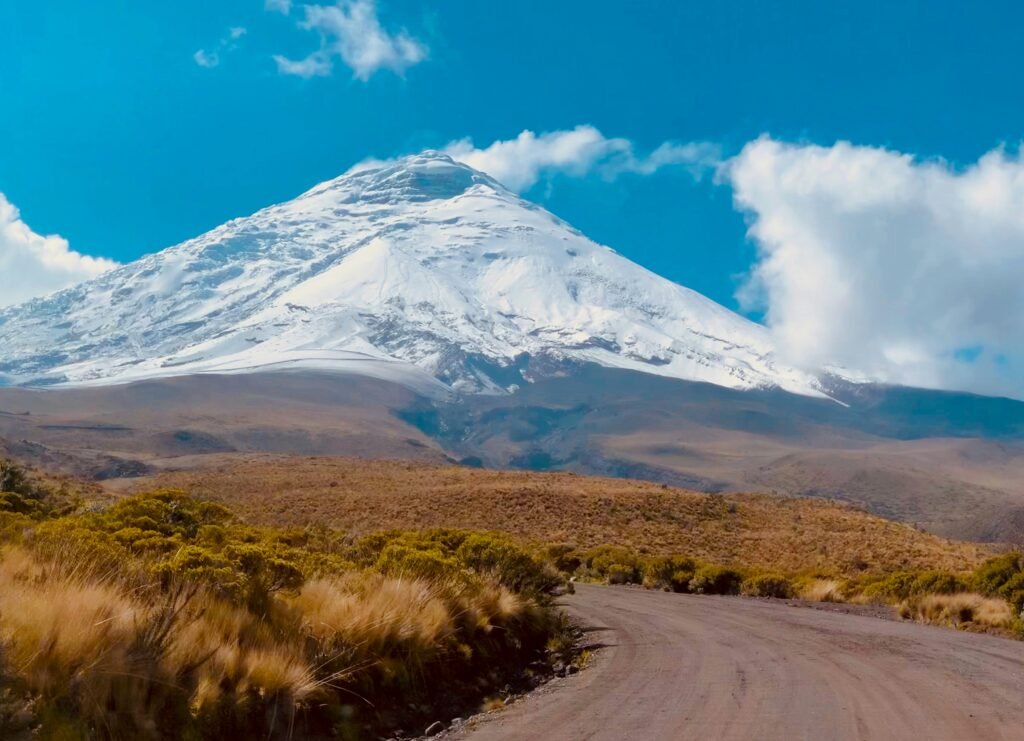
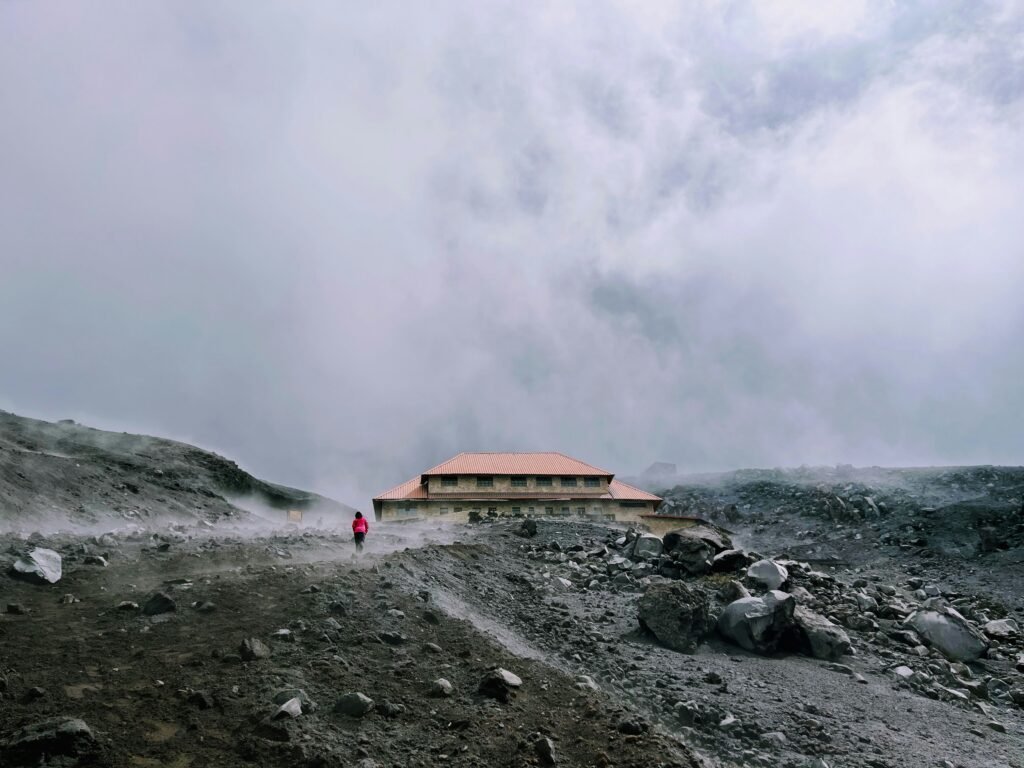
The most immediate safety hazard facing visitors to Cotopaxi National Park is not the terrain or the wildlife, but the extreme elevation. The park entrance sits at approximately 3,200 metres above sea level, while the popular Limpiopungo lagoon rests at around 3,800 metres. For those aiming higher, the José Rivas Refuge sits at a demanding 4,860 metres. At these heights, the atmospheric pressure is significantly lower, meaning there is less oxygen available with every breath.
Acute mountain sickness, known throughout the Andean region as soroche, is a very real physical challenge that can affect anyone, regardless of physical fitness or cycling experience. Symptoms typically include throbbing headaches, dizziness, fatigue, nausea, and shortness of breath. To prevent altitude sickness from disrupting your journey, a strict acclimatisation strategy is essential.
We highly recommend spending at least three to four days at a moderate high altitude, such as in the historic centres of Quito or Cuenca, before attempting any strenuous physical activity within the park. During your first few days in the highlands, keep physical exertion to a minimum. Hydration is paramount; the mountain air is exceptionally dry, so you must drink double your usual intake of water. Avoid alcohol and heavy, high-fat meals, as digestion slows down at high altitudes. Most importantly, listen to your body. If you or anyone in your travelling group exhibits signs of severe altitude sickness, the only effective remedy is immediate descent to a lower elevation.
Navigating the active giant / Volcanic monitoring and safety protocols
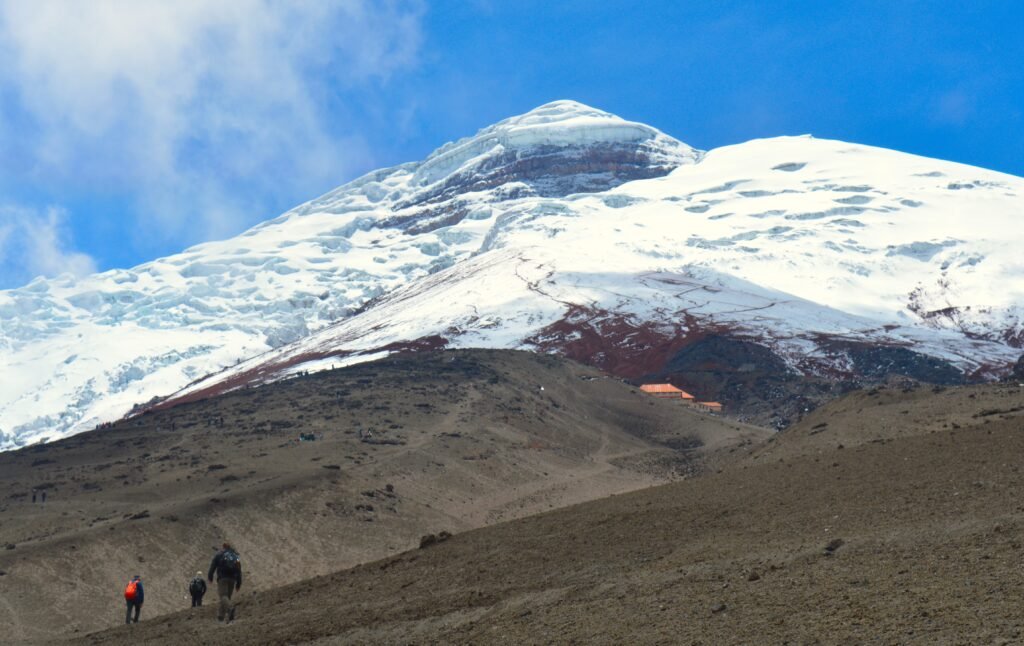
Cotopaxi is not merely a mountain; it is one of the highest active volcanoes on Earth. It has a long history of significant eruptions, and its seismic activity is constantly tracked by the Instituto Geofísico de la Escuela Politécnica Nacional in Quito. Because the volcano remains active, safety protocols within the national park are subject to change based on real-time data.
Before you set out for the park, it is vital to check the official volcanic alert levels provided by the local authorities. The security status of the park operates on a colour-coded system. A green alert indicates normal, baseline activity, while yellow suggests an increased state of internal activity with potential ash emissions, often resulting in the closure of the upper climbing routes and the refuge.
When entering the park, take note of the clearly signposted evacuation routes and safety assembly points. These have been meticulously mapped out to protect visitors from potential hazards such as lahars, which are fast-moving mudflows caused by melting glacier ice. Always adhere strictly to the boundaries established by the park rangers. If a section of the park is closed, do not attempt to bypass the checkpoints. The rangers possess expert local knowledge and operate with your safety as their absolute priority.
The Ecuadorian Sierra.
Get lost in the hills
Personal security and the local climate / Staying safe on the ground
Ecuador has experienced a shifting security environment over recent years, with national authorities implementing states of emergency to manage internal security challenges. While the coastal provinces face more complex security concerns, the rural Andean highlands and national parks remain generally peaceful and welcoming to international tourists. However, maintaining a high degree of caution is a fundamental rule of travel.
Be aware that specific cantons within the wider Cotopaxi province, particularly low-lying areas like La Maná on the western slopes, may occasionally be subject to localised security curfews. Always plan your travel transit during daylight hours and avoid driving or cycling along rural highways after dark.
Petty crime, such as pickpocketing and opportunistic theft, can occur in busy gathering areas. This includes the park entrance gates, public transport hubs in Latacunga, and the car parks near the main trailheads. To protect your belongings, avoid displaying signs of affluence. Leave expensive jewellery and high-end watches at home. When leaving your vehicle to hike or ride, ensure that all luggage, passports, and electronics are locked securely in the boot and completely out of sight. Use registered, official transport providers or reputable tour companies when arranging your transit to and from the park boundaries.
Solo adventurers, women, and minority travellers
Exploring the majestic landscapes of the Andes as a solo traveller is a deeply rewarding experience, though it requires an enhanced level of self-reliance and situational awareness. For solo women travellers, it is worth noting that while hospitality is a cornerstone of Ecuadorian culture, traditional gender roles remain prevalent in rural communities. Verbal harassment or unwanted attention can occasionally occur in public spaces or on crowded regional buses.
To optimise personal safety, solo female adventurers should consider joining group excursions or hiring a certified local guide when venturing into more isolated parts of the national park. Staying in well-reviewed eco-lodges or haciendas near the park borders provides an excellent opportunity to connect with fellow travellers and access reliable, localised safety advice.
Minority travellers will find that residents in the Cotopaxi region are generally polite and accustomed to international tourism. The communities surrounding the park are often indigenous, with deep cultural connections to the land. Respecting local customs, asking for permission before taking photographs of residents, and dressing modestly when visiting small mountain villages will foster positive interactions and ensure a harmonious journey. For all solo adventurers, keeping friends or family updated on your daily itinerary is a simple yet highly effective safety measure, particularly given the remote nature of the terrain.
The Galápagos.
Ecuador’s Enchanted Isles
Crucial tips for cycling Cotopaxi National Park
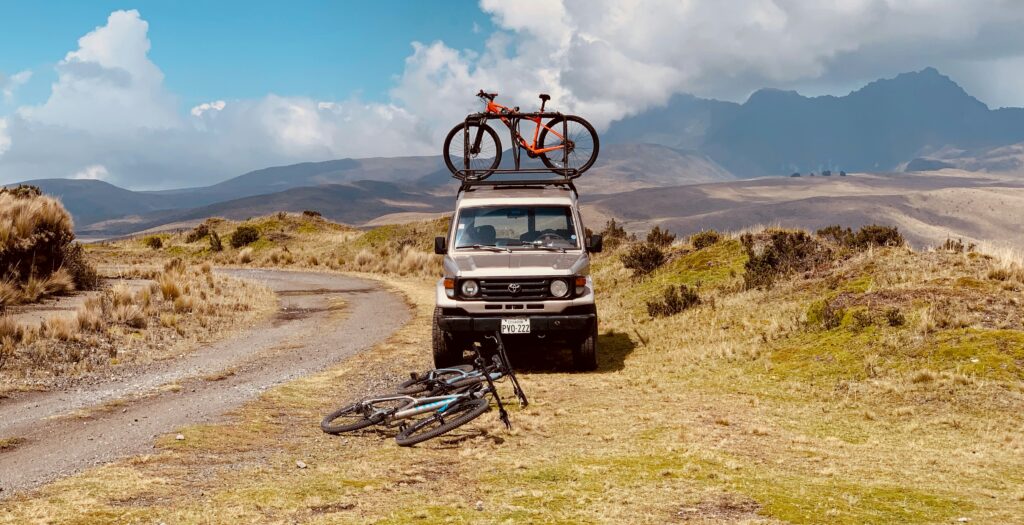
For the cycling community, Cotopaxi National Park offers an unparalleled gravel riding experience. The stark beauty of the high-altitude plains contrasted against the dark volcanic soil creates an unforgettable backdrop. However, riding a bicycle at 4,000 metres requires careful technical and physical preparation.
The weather in the high Andes, or the páramo, is famously erratic. Clear blue skies can deteriorate into a freezing downpour, dense fog, or violent winds within a matter of minutes. Hypothermia is a genuine risk if you are caught unprepared. Cyclists must pack versatile layers, including high-quality windproof and waterproof jackets, thermal long-sleeved base layers, full-finger gloves, and a warm beanie to wear under the helmet.
The road surfaces inside the park consist primarily of dirt, loose gravel, and fields of volcanic ash. These conditions demand excellent bike handling skills and constant vigilance. The loose topography can significantly reduce your braking efficiency, particularly on steep descents from the higher parking lots down to the plains. Maintain a conservative, controlled speed and look ahead for deep sand patches that can cause your front wheel to wash out.
Furthermore, wildlife and livestock roam freely throughout the park. Keep a safe distance from wild horses, cattle, and the native Andean foxes that sometimes approach travellers looking for food. Feeding the wildlife disrupts their natural behaviour and poses safety risks. Because mobile network coverage is highly inconsistent or entirely absent in the deep valleys of the park, downloading offline navigation maps and carrying a dedicated satellite communication device is strongly recommended for self-supported riders.
The Ecuadorian Amazon.
The most biodiverse place in the world
Essential gear and logistics for a secure journey
A seamless, safe adventure in Cotopaxi is built upon the foundation of pristine gear and meticulous logistics. Before arriving at the park, ensure your bicycle has undergone a comprehensive mechanical check. The abrasive volcanic dust can quickly degrade drivetrains and brake pads, so starting your journey with fresh components and robust, wide tyres with excellent tread is vital.
Pack a complete repair kit containing multiple spare inner tubes, a patch kit, a high-pressure pump, tyre levers, and a versatile multi-tool with a chain breaker. Given the remote nature of the park trails, a mechanical failure can result in a long, cold walk back to the entrance if you are unequipped to handle basic repairs on the fly.
The high altitude also increases your exposure to ultraviolet radiation. The sun is exceptionally intense near the equator, even on cloudy, overcast days. Protect your skin by applying a high-factor, biodegradable sunscreen, using protective lip balm, and wearing wrap-around sunglasses with UV protection to shield your eyes from both the sun and airborne volcanic dust.
Finally, ensure you carry a substantial supply of high-energy snacks and clean, bottled water. There are no convenience stores deep within the park boundaries, and staying well-nourished and hydrated is crucial for maintaining your concentration and physical stamina. Before setting off from your home country, verify that your travel insurance policy explicitly covers adventure sports, cycling, and high-altitude trekking above 3,000 metres, including comprehensive emergency medical evacuation.
By prioritising preparation, respecting the unique rules of the high Andes, and keeping safety at the absolute forefront of your plans, your journey to Cotopaxi will be an exhilarating and entirely secure achievement that you will look back on with pride.
Affiliate Disclaimer: Some of the links on Wheely Tyred are affiliate links. If you click through and make a booking or purchase, we may earn a small commission at no extra cost to you. We only recommend gear, tours, stays, and services we genuinely use, trust, and stand behind — our editorial independence always comes first. These commissions help keep our independent cycling guides and travel stories free to read. Thanks for supporting the ride!
The Ecuadorian Coast.
Where you’ll find the very best food
Frequently asked questions about staying safe on Cotopaxi
You can take a regional bus from the terminal in Quito heading south towards Latacunga. Ask the driver to drop you at the park entrance along the Pan-American Highway. From the checkpoint, you can arrange transport with local drivers or pre-booked certified guides to take you into the heart of the park.
A yellow alert signifies increased internal activity and potential ash emissions. When this occurs, park authorities typically close the upper climbing routes and the José Rivas Refuge for safety. Travellers are restricted to the lower plains, such as the trails around Limpiopungo lagoon, and must strictly follow designated evacuation paths.
It is safe provided you are fully self-reliant. There are no convenience stores or bicycle repair shops within the park boundaries. You must carry a complete mechanical repair kit with spare tubes and tools, a satellite communication device, and enough food and water to sustain yourself through extreme weather shifts.
Wild horses, llamas, and Andean foxes roam freely across the plains. Independent travellers should maintain a safe distance and never attempt to feed or approach them. Feeding wild animals disrupts their natural foraging habits and can lead to aggressive behaviour.
The equatorial sun is exceptionally intense at high altitudes, even on overcast days. Independent travellers must wear high-factor biodegradable sunscreen, UV-blocking wrap-around sunglasses to protect against glare and airborne ash, and protective lip balm to prevent severe windburn from the dry mountain air.
The communities surrounding Cotopaxi are predominantly indigenous with a deep connection to their ancestral land. Independent travellers should dress modestly when passing through mountain villages, speak basic Spanish out of courtesy, and invariably ask for explicit permission before taking photographs of local residents or their property.
Ecuador.
Pure wonder on the equator.