Ultimate Cotopaxi multi-day tours / 6 unforgettable Ecuadorian overland expeditions
Best multi-day Cotopaxi itineraries, mountain treks, and highland expeditions
Slow overland travel, volcanic trails, and authentic Ecuadorian culture
BEN FINCH
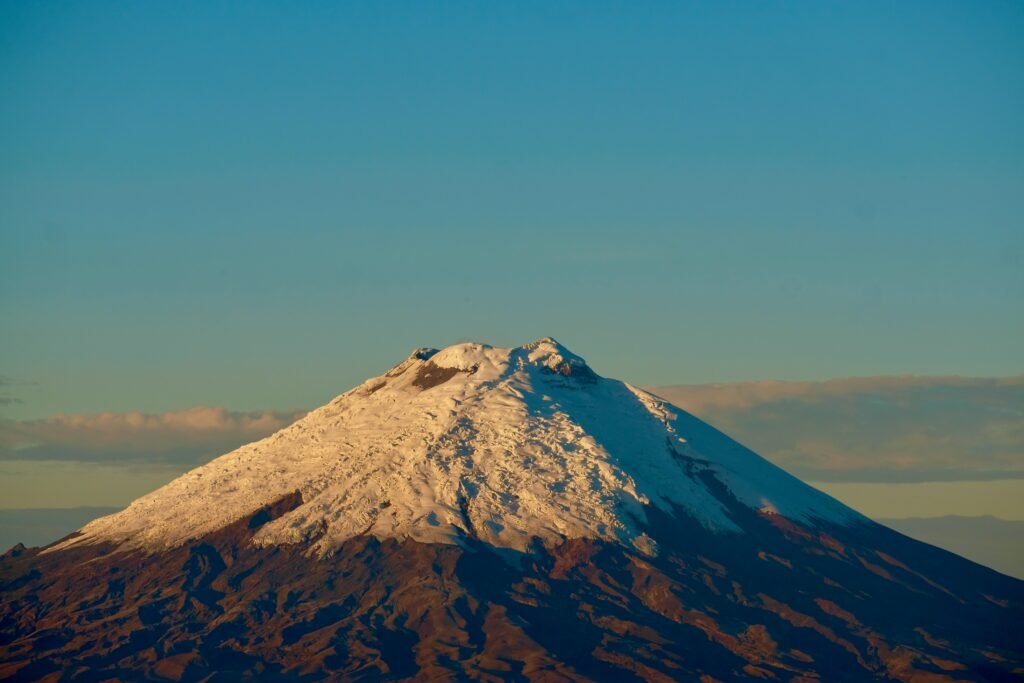
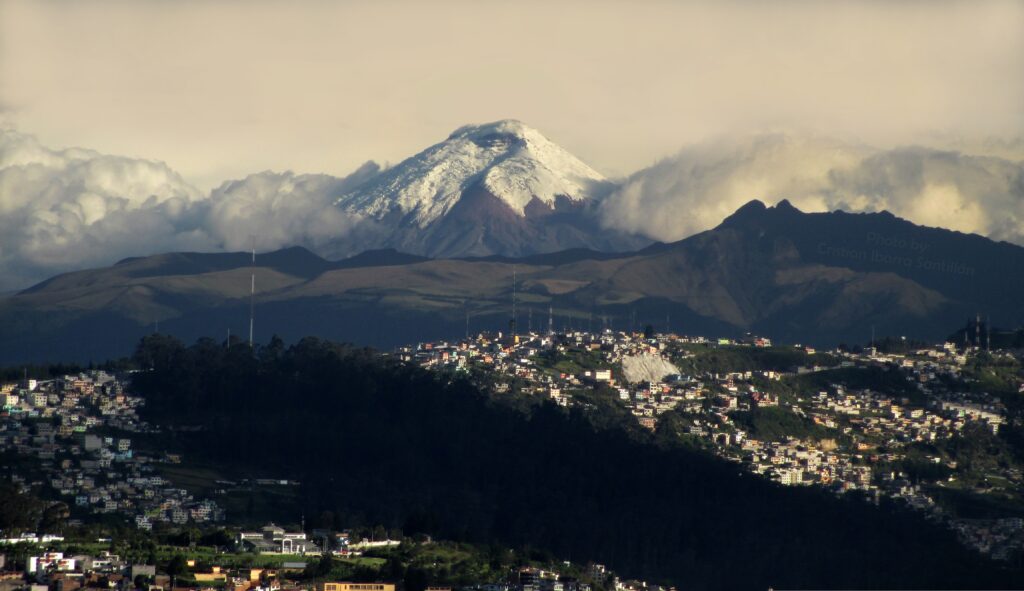
Few landscapes on Earth command such immediate reverence as the high-altitude páramo of Cotopaxi National Park (Parque Nacional Cotopaxi). Dominated by the symmetrical, glacier-capped cone of Volcán Cotopaxi—which reaches a staggering summit elevation of 5,897 metres above sea level—this region forms the fiery heart of Ecuador’s famed Avenue of the Volcanoes (Avenida de los Volcanes).
Across these windswept alpine grasslands, wild horses roam past ancient Inca ruins, icy meltwater feeds cobalt-blue lagoons, and traditional Andean chagras (highland cowboys) maintain a way of life deeply entwined with the terrain.
At Wheely Tyred, our philosophy on overland travel is straightforward: rushing through a destination on a whistle-stop day trip deprives you of genuine connection and cultural immersion. Attempting to compress Cotopaxi into a single, hurried 12-hour excursion from Quito often results in altitude fatigue, missed trailheads, and superficial interactions.
Booking a structured multi-day expedition completely transforms the highland experience. Traversing these high-altitude passes over two to eight days resolves complex mountain transit logistics, allows crucial acclimatisation time for high-altitude trekking, supports local family-run haciendas and indigenous communities, and unveils remote valleys that standard tour buses simply cannot reach.
Below, we have curated six exceptional, bookable multi-day tours across Cotopaxi and the surrounding Ecuadorian highlands.
Highlights from the volcanic heart of Ecuador
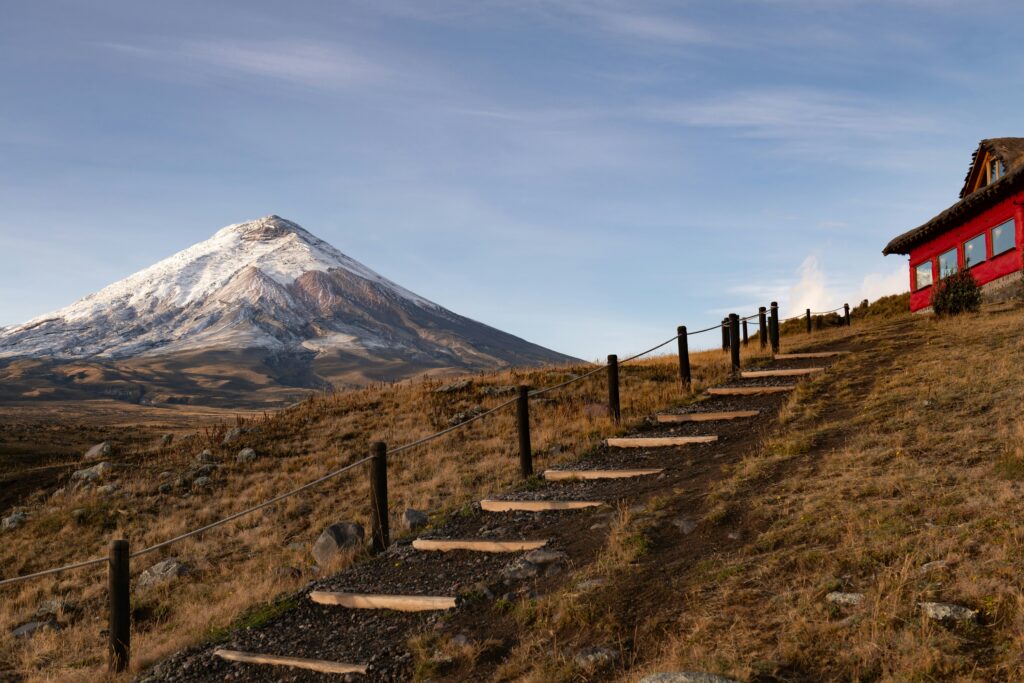
Traversing Ecuador’s towering Avenue of the Volcanoes reveals a dramatic world of glacial summits, windswept grasslands, and rich indigenous heritage. Here are the core takeaways, key locations, and essential advice for taking on a multi-day Cotopaxi expedition.
- Volcán Cotopaxi (5,897m): A near-perfect, snow-capped stratovolcano dominating the páramo, offering technical high-altitude glacier ascents for fit, acclimatised mountaineers
- Refugio José Rivas: The essential high-camp mountain hut at 4,864 metres above sea level, providing shelter, hot meals, and a launching pad for midnight summit pushes
- Limpiopungo Lagoon: A tranquil, high-altitude wetland surrounded by volcanic plains, ideal for spotting native Andean lapwings, caracaras, and wild horses
- Quilotoa Crater Lake: A breathtaking 3-kilometre-wide volcanic caldera filled with emerald-green, mineral-rich water, surrounded by rugged rim hiking trails and traditional Kichwa villages
- The Avenue of the Volcanoes: An iconic high-altitude corridor connecting Quito to Cuenca, weaving past dramatic peaks like Corazón, Pasochoa, and Chimborazo
- Highland Chagras: Traditional Ecuadorian cowboys whose deep knowledge of the páramo and horseback customs keep centuries-old mountain heritage alive
- Acclimatisation & Preparation: The crucial practice of spending two to three days at mid-altitude (such as Quito) before attempting active multi-day treks or high-altitude climbing above 4,000 metres
Cotopaxi.
The iconic volcano
1. Conquer the snow-capped stratovolcano
Rating & reviews
(New activity on GetYourGuide)
Why this tour stands out
For active mountaineers and fit trekkers, standing on the rim of Cotopaxi’s active crater is an unmatched bucket-list achievement. This intensive two-day expedition provides full technical equipment and pair-based accompaniment from certified ASEGUIM (Asociación Ecuatoriana de Guías de Montaña) mountain guides.
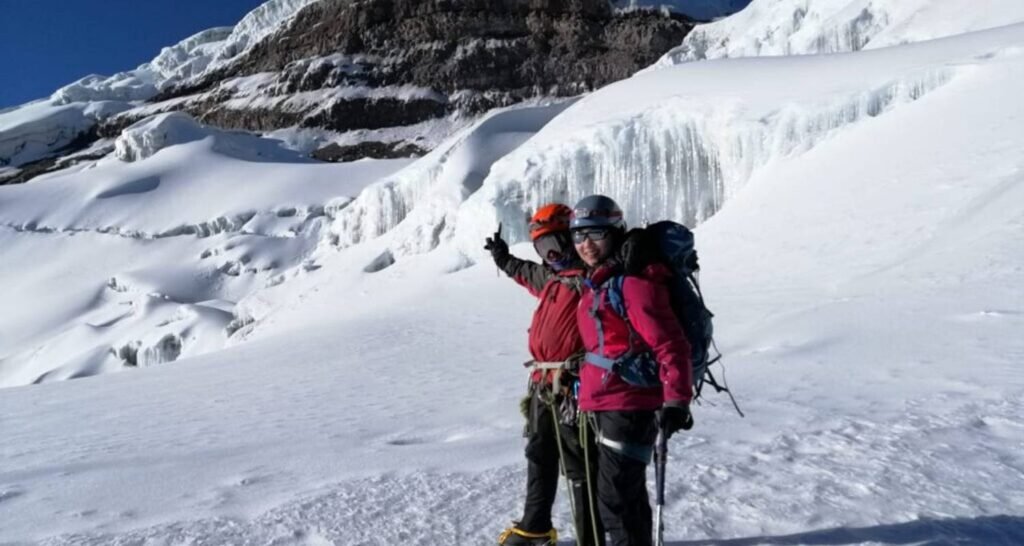
Day 1 begins with a scenic drive from Quito into Cotopaxi National Park, ascending to the high parking lot at 4,600 metres. From here, you complete an acclimatisation hike up to the Refugio José Rivas (4,864m), where you undergo a practical ice-axe and crampon safety briefing on the lower glacier. Following an early dinner and rest at the refuge, the alpine push commences around midnight under a blanket of high-altitude stars.
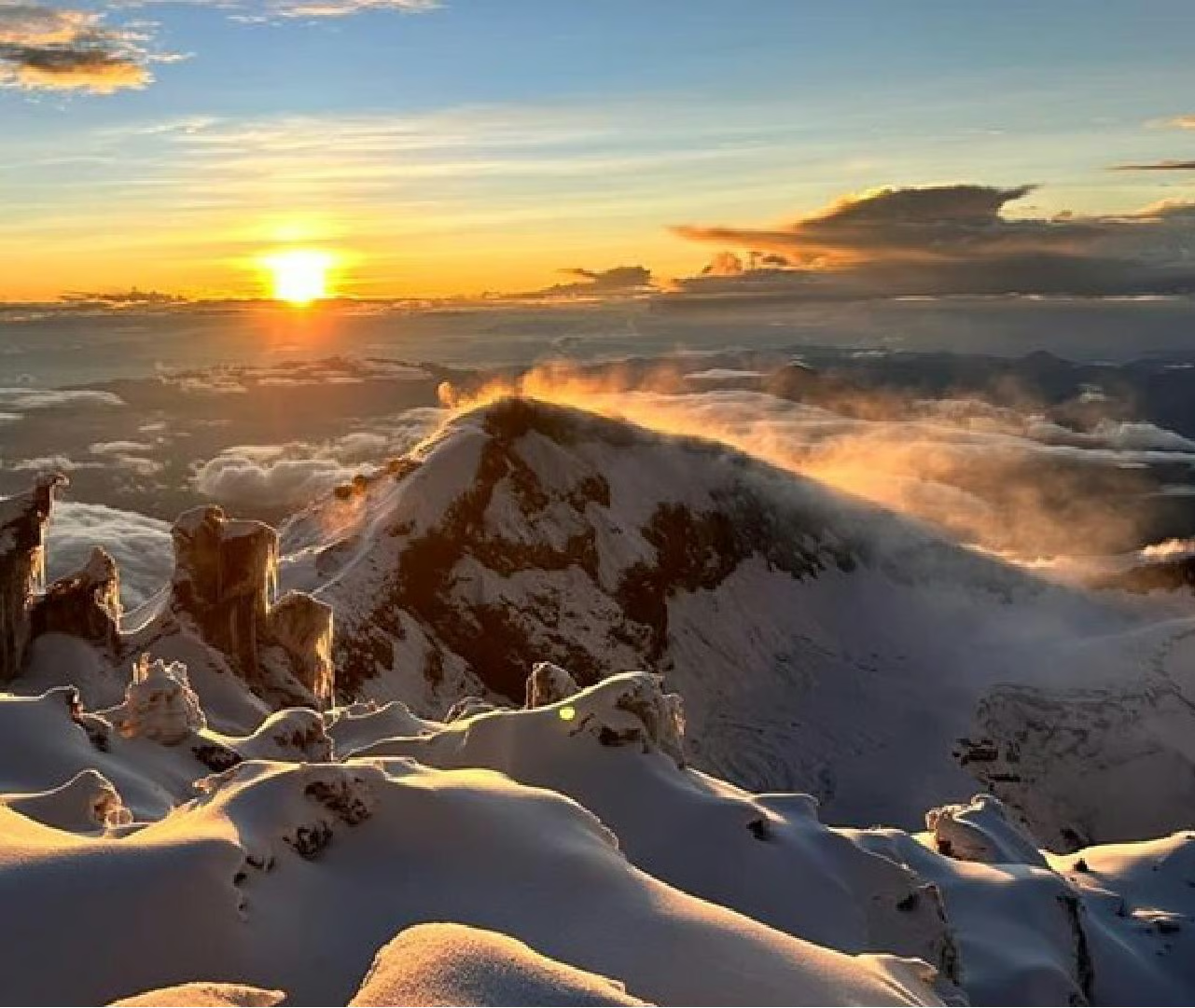
Climbing through icy snowfields and negotiating glacial crevasses, you reach the summit rim just as dawn illuminates the volcanic peaks of Antisana, Cayambe, and Chimborazo above a sea of clouds.
Key highlights
- Full mountaineering safety gear provided (crampons, ice axe, harness, mountaineering boots, helmet)
- Midnight glacial ascent led by certified local ASEGUIM mountain guides (1 guide per 2 climbers)
- Overnight stay and hearty carb-focused meals at Refugio José Rivas high-camp refuge
- Breathtaking sunrise views over the active volcanic crater and the northern Andean ridge
Ideal for
Physical fit, highly motivated trekkers and novice mountaineers seeking an accessible, non-technical introduction to high-altitude glacier climbing above 5,000 metres.
Local expedition insight
Altitude is your greatest variable on this route. Do not attempt this summit climb immediately upon arriving in Ecuador. Spend at least three days prior in Quito (2,850m) or trekking nearby lower peaks such as Rucu Pichincha (4,696m) to ensure proper red blood cell production and minimise the risk of acute mountain sickness (soroche).
The Ecuadorian Sierra.
Get lost in the hills
2. Traverse high peaks to the Amazon Basin
Rating & reviews
(15+ verified reviews on Viator)
Why this tour stands out
Ecuador is renowned for its remarkable ecological diversity compressed into manageable geographical distances. This carefully orchestrated three-day overland expedition demonstrates that contrast perfectly, sweeping travellers from the icy flanks of Cotopaxi down through the cloud-forested waterfalls of Baños de Agua Santa and into the upper Amazonian jungle of Tena.
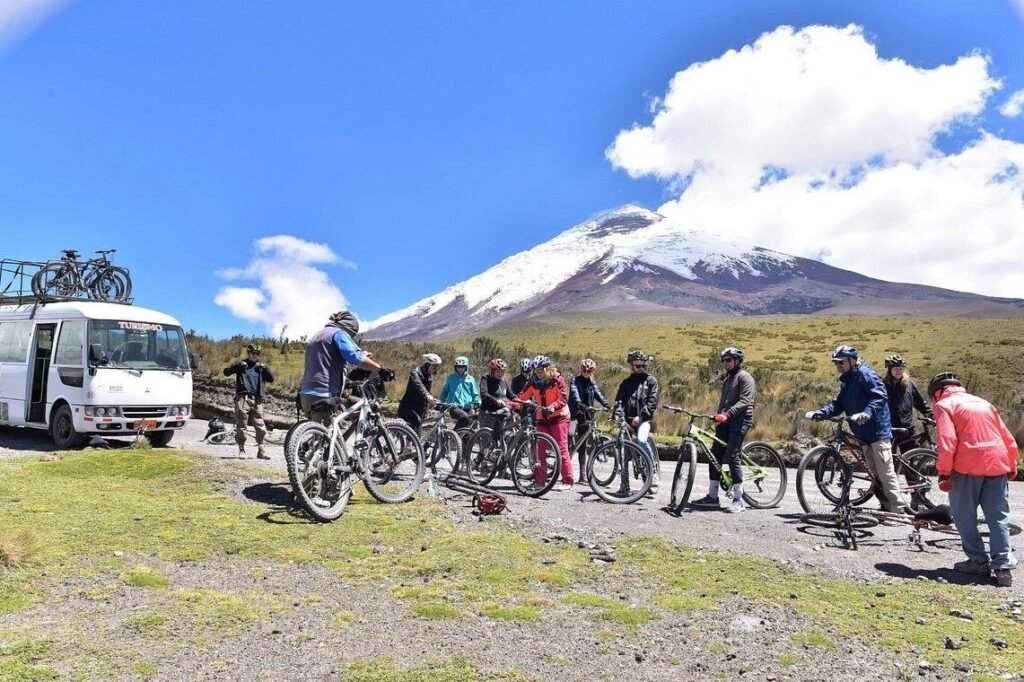
Instead of returning to Quito each evening, this itinerary operates as a seamless point-to-point journey. Day 1 focuses on Cotopaxi National Park, combining a hike to Limpiopungo Lagoon (Laguna de Limpiopungo) with an exhilarating mountain bike descent down the volcanic switchbacks. Day 2 follows the spectacular Waterfall Route (Ruta de las Cascadas) in Baños, featuring the roaring Pailón del Diablo (Devil’s Cauldron) waterfall.
By Day 3, you are navigating jungle tributaries by motorised dugout canoe, searching for wildlife and learning traditional ethnobotanical uses of rainforest plants alongside indigenous Kichwa guides.
Key highlights
- Downhill mountain biking along Cotopaxi’s volcanic gravel slopes with support vehicle backup
- High-altitude birdwatching around Limpiopungo Lagoon, home to the rare Andean lapwing and caracara
- Exploration of the dramatic Pailón del Diablo waterfall gorge in Baños de Agua Santa
- Motorised canoe journey and jungle flora hike in the upper Amazon basin around Tena
- Two nights in handpicked regional accommodation, including an authentic Amazonian jungle lodge
Ideal for
Adventure travellers and nature enthusiasts who want to experience Ecuador’s two most iconic biomes—the High Andes and the Amazon Rainforest—without managing multi-bus transfers.
Local expedition insight
Packing efficiently is critical for this itinerary due to extreme climate shifts. You will experience near-freezing temperatures and piercing winds at Cotopaxi in the morning, followed by 28°C heat and intense tropical humidity in Tena the following day. Use breathable, technical layers rather than bulky, heavy coats.
The Galápagos.
Ecuador’s Enchanted Isles
3. The definitive highland highway expedition
Rating & reviews
(2+ verified reviews on GetYourGuide)
Why this tour stands out
Navigating south from Quito down to the UNESCO World Heritage city of Cuenca is a classic South American overland pilgrimage. However, piecing together local public buses with heavy luggage across remote volcanic valleys can be exhausting. This four-day expedition solves that logistical puzzle elegantly, connecting Ecuador’s grandest natural landmarks into a continuous, small-group road trip.
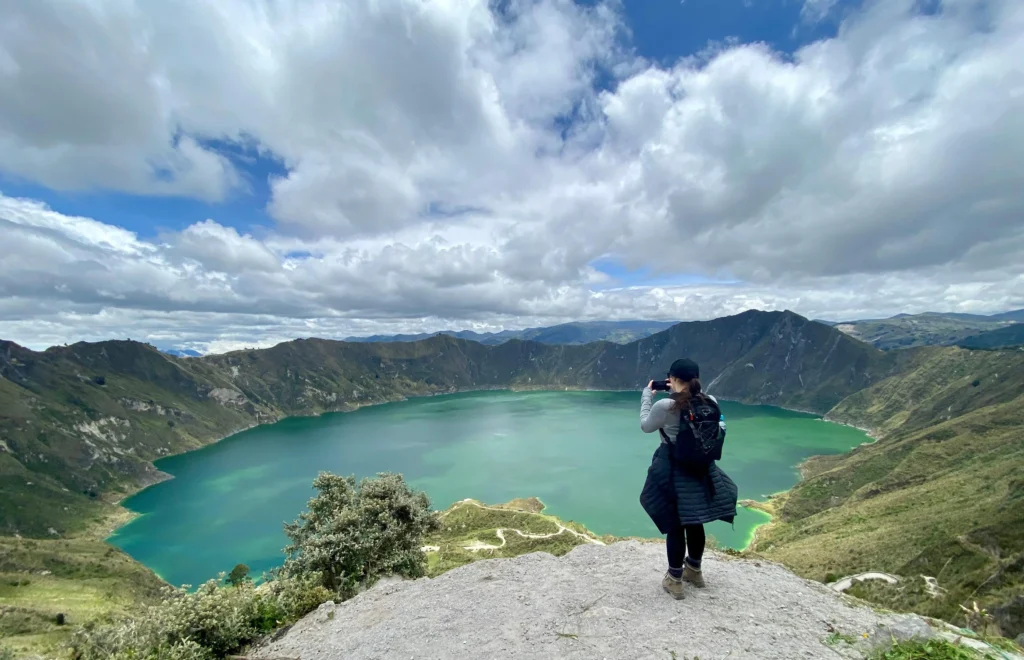
Beginning in Quito, the route explores Cotopaxi’s northern plains before veering west into the rugged Western Cordillera to witness the emerald-green crater lake of Quilotoa (Laguna Quilotoa). After descending into the subtropical valley of Baños for thermal relaxation, the journey ascends the high reserve of Volcán Chimborazo (6,263m)—the closest point on Earth to the sun due to the equatorial bulge—where wild vicuñas graze along the gravel barrens.
The tour concludes with a comfortable drop-off directly in historic Cuenca, allowing you to continue your southward travels seamlessly.
Key highlights
- Comprehensive, one-way overland transit from Quito to Cuenca covering four major provinces
- Guided descent into the 3-kilometre-wide volcanic caldera of Quilotoa Crater Lake
- Wildlife tracking in the Chimborazo Faunal Production Reserve to spot native vicuñas
- Visits to traditional indigenous artisan markets in the Latacunga and Pujilí districts
- Three nights of comfortable, boutique hotel accommodation along the volcanic corridor
Ideal for
Independent overland travellers, couples, and small groups heading south toward Southern Ecuador or Peru who want a high-value, curated road trip through the country’s scenic spine.
Local expedition insight
The trail climbing back out of Quilotoa crater lake is deceptively steep and dusty, rising roughly 400 vertical metres at high altitude (3,900m). If you suffer from joint pain or breathing difficulty, local Kichwa community members offer mule rides up the canyon path for a modest fee ($10–$15 USD), which directly supports village livelihoods.
4. High Andean crater lakes & glacial vistas
Rating & reviews
(38+ verified reviews on Viator)
Why this tour stands out
If you have limited time in northern Ecuador but still want to escape the noise of Quito and sleep under alpine skies, this compressed two-day highlight circuit is ideal. By focusing exclusively on the two most geological marvels of the northern highlands—Cotopaxi stratovolcano and Quilotoa caldera—this trip maintains an unhurried, enjoyable pace.
Day 1 is spent inside Cotopaxi National Park, taking in the interpretative displays at the Mariscal Sucre Centre, hiking up to the glacier line, and spotting wild horses around the high plains. You then travel across the scenic rural countryside of Tigua—famous for its vibrant folk-art oil paintings on sheepskin—to sleep near the rim of Quilotoa crater.
Day 2 is dedicated to trekking the crater rim, kayaking on the mineral-rich crater lake, and visiting an indigenous wood-carving workshop before returning to Quito in the evening.
Key highlights
- Trekking inside Cotopaxi National Park with an optional downhill mountain bike extension
- Cultural stop in Tigua village to meet local artists painting traditional Andean scenes
- Overnight stay in a charming, heated mountain lodge near the Quilotoa rim
- Morning hike along the jagged rim of Quilotoa with sweeping views of the Western Andes
Ideal for
Weekend travellers, solo adventurers, and families seeking a manageable, highly scenic multi-day mountain escape without strenuous mountaineering requirements.
Local expedition insight
Bring small-denomination US dollar banknotes ($1, $5, and $10 bills). While Ecuador uses the US dollar as its official currency, vendors in rural mountain villages like Tigua and Shalalá rarely have change for $20 or $50 notes when selling handmade art, snacks, or coffee.
The Ecuadorian Amazon.
The most biodiverse place in the world
5. The great volcanic ridge trek
Rating & reviews
(165+ verified reviews on TourRadar)
Why this tour stands out
For dedicated walkers, nothing compares to crossing a landscape under your own power. This immersive five-day foot expedition traces historic trails, ancient Inca corridors, and cattle tracks across private hacienda estates and national park lands along the volcanic ridge.
The itinerary uses a progressive acclimatisation structure. Days 1 and 2 feature warm-up treks through the lush cloud forests of Pasochoa Volcano Reserve and the craggy ridgelines of Corazón Volcano (4,788m). Days 3 through 5 take you deep into the heart of Cotopaxi National Park, traversing the remote eastern valleys where wild cattle roam and condors soar overhead.
Each evening, you pull off your boots at historic highland haciendas, where crackling fireplaces, warm regional hospitality, and hearty home-cooked meals await.
Key highlights
- Progressive 5-day trekking itinerary engineered for optimal natural altitude acclimatisation
- Access to private trail networks across historic, centuries-old Andean haciendas
- Guided birdwatching opportunities to spot the rare Andean Condor and Hummingbird species
- Evenings spent in characterful, fire-lit mountain inns with full-board regional meals
- Vehicle support throughout to transport luggage between daily trailheads
Ideal for
Avid hikers, rambling clubs, and outdoor enthusiasts who want a genuine multi-day foot trek through high alpine scenery without sacrificing night-time comfort.
Local expedition insight
Invest in a pair of high-top, waterproof leather or Gore-Tex trekking boots alongside sturdy gaiters. The high Andean páramo ecosystem operates like a giant natural sponge, holding millions of gallons of water in its soil. Standard low-cut trail runners will quickly soak through when traversing wet tussock grass.
6. Active highland overland expedition
Rating & reviews
(1+ verified reviews on TourRadar)
Why this tour stands out
If sitting in a tour van for hours sounds unappealing, this dynamic eight-day multi-sport journey provides the ultimate active exploration of Central Ecuador. Designed to showcase the highlands from every angle, this small-group expedition blends gravel cycling, horseback riding, crater trekking, and white-water rafting into one comprehensive journey.
You begin by riding native horses across the volcanic ash plains of Cotopaxi under the guidance of local chagras, experiencing the park’s expansive wilderness just as local herdsmen have for generations.
Next, you tackle high-altitude dirt tracks on quality front-suspension mountain bikes, descend into the Quilotoa crater, hike sections of the legendary Quilotoa Loop trail, and finish with a thrill-seeking white-water rafting trip down the Pastaza River near Baños.
Key highlights
- Authentic horseback expedition through Cotopaxi’s volcanic plains alongside native chagras
- Guided gravel cycling along scenic backroads traversing mountain villages and pine forests
- Multi-day exploration of the famous Quilotoa Loop trekking trails
- Class III/IV white-water rafting on the Pastaza River in the subtropical Baños canyon
- Seamless logistics with all specialised sports equipment, permits, and transfers included
Ideal for
Active travellers, thrill-seekers, gravel cyclists, and energetic small groups looking for an action-packed, multi-sport holiday across Ecuador’s most dramatic landscapes.
Local expedition insight
Equatorial solar radiation at 4,000 metres altitude is extremely intense, even on overcast or cold days. UV levels can cause severe sunburn within 20 minutes. Always apply broad-spectrum zinc-based sunscreen, wear a wide-brimmed hat or neck gaiter, and protect your eyes with Category 3 or 4 polarised sunglasses.
The Ecuadorian Coast.
Where you’ll find the very best food
Our practical Cotopaxi multi-day expedition planning guide
Planning an overland trek or multi-day trip across Cotopaxi and the Ecuadorian Andes requires thoughtful preparation. Below are our essential local tips to ensure your multi-day journey is safe, comfortable, and environmentally respectful.
Packing & acclimatisation checklist
- 48-72 hrs acclimatisation in Quito
- Layered clothing (+20°C to -5°C)
- Waterproof hiking boots & gaiters
- Small USD cash denominations
- Broad-spectrum zinc sunscreen
- High-altitude travel insurance
1. High-altitude acclimatisation strategy
Cotopaxi National Park sits between 3,500 and 4,864 metres above sea level (with the summit at 5,897m). High altitude reduces oxygen availability dramatically. We strongly advise spending at least 48 to 72 hours at a mid-altitude base like Quito (2,850m) or Cuenca (2,560m) before embarking on active multi-day treks in the park. Hydrate constantly with water or herbal coca tea, avoid heavy meals and alcohol on your first two evenings, and listen closely to your body.
2. Protecting the fragile páramo ecosystem
The high Andean páramo grasslands act as crucial giant water catchments for the cities and valleys below. The delicate mosses, cushion plants, and frailejones take decades to recover if trampled or damaged. When trekking or cycling, stay strictly on designated trails. Ensure your tour provider adheres to strict Leave No Trace principles, pack out all personal waste, and never light open campfires within park boundaries.
3. Mastering the art of equatorial layering
Weather in the High Andes is notoriously unpredictable. A brilliant sunny morning can swiftly turn into freezing drizzle, sleet, or high winds by mid-afternoon. Follow a strict three-layer system:
- Base Layer: Moisture-wicking synthetic or Merino wool thermal underwear
- Insulation Layer: A lightweight fleece jacket or compact down coat
- Outer Shell: A breathable, fully waterproof, and windproof jacket (Gore-Tex or equivalent)
4. Supporting local communities & guiding cooperatives
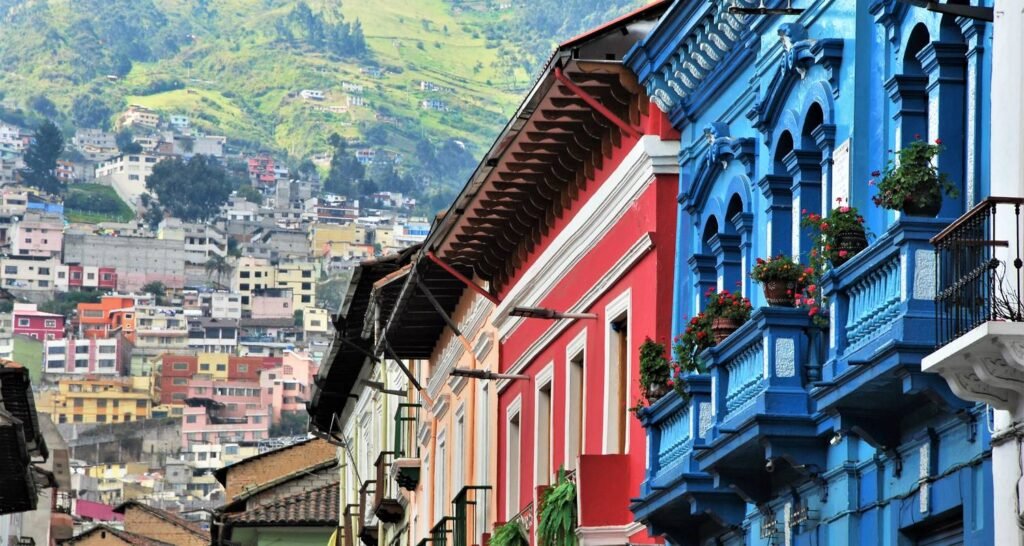
Slow travel should directly benefit the host communities you pass through. When visiting villages around Quilotoa, Tigua, and Cotopaxi, buy crafts directly from indigenous artisans, hire local mules and drivers, and tip your mountain guides and drivers fairly. Standard tipping guidelines in Ecuador are roughly $10–$15 USD per day for lead mountain/cultural guides and $5–$8 USD per day for drivers.
5. Single supplements & high-altitude insurance
If travelling solo, check whether your chosen multi-day tour offers room-share matching to avoid single supplement fees, or opt to pay the supplement for private quarters in rural haciendas. Additionally, double-check your travel insurance policy details: standard travel policies frequently exclude coverage for trekking above 3,000 metres or technical mountaineering above 5,000 metres. Ensure you acquire an insurance rider covering high-altitude trekking and emergency helicopter evacuation.
Trade whistle-stop tours for overland trails
Read this far?
Rushing through Cotopaxi on a crowded single-day bus trip from Quito misses the true essence of the Ecuadorian Andes. The high páramo is an environment that demands patience and respect; its shifting weather, quiet trails, and welcoming mountain communities only reveal themselves when you slow your pace to match the landscape.
Taking on a well-planned multi-day expedition allows your body to adapt naturally to the thin air while taking the friction out of high-altitude logistics. Whether you are buckling crampons at midnight to tackle the icy slopes of the summit, cycling down gravel switchbacks, or sharing a fire-lit room in a centuries-old hacienda, multi-day travel connects you with the heartbeat of the Andes in a way day trips simply cannot mirror.
Ecuador’s volcanic backbone remains one of South America’s most rewarding destinations for independent, curious adventurers. Choose a multi-day route that fits your pace, pack plenty of warm layers, and step onto the high trails with an open mind.
Affiliate Disclaimer: Some of the links on Wheely Tyred are affiliate links. If you click through and make a booking or purchase, we may earn a small commission at no extra cost to you. We only recommend gear, tours, stays, and services we genuinely use, trust, and stand behind — our editorial independence always comes first. These commissions help keep our independent cycling guides and travel stories free to read. You can also buy me a coffee here — thanks for supporting the ride!
Frequently asked questions about the best Cotopaxi multi-day tours
A two-day tour is the absolute minimum required to experience Cotopaxi National Park and sleep under alpine skies without feeling rushed. However, if you wish to combine Cotopaxi with neighbouring highlights like the Quilotoa Crater, Baños de Agua Santa, or Volcán Chimborazo, a 3- to 5-day overland itinerary provides a far more comfortable, well-paced adventure.
Fitness requirements vary significantly depending on your chosen itinerary. Standard overland sightseeing and light trekking tours around Limpiopungo Lagoon or Quilotoa rim require moderate walking fitness. However, multi-sport cycling trips and summit climbing expeditions demand high physical endurance, strong cardiovascular health, and prior experience walking on steep, uneven terrain at extreme altitudes.
Soroche is caused by reduced atmospheric pressure and lower oxygen levels at high elevations. Symptoms include headaches, nausea, dizziness, and fatigue. The best prevention is progressive acclimatisation: spend 48–72 hours in Quito (2,850m) prior to your tour, drink plenty of water or traditional coca tea, avoid alcohol, and climb slowly (despacio). If severe symptoms persist, descending to a lower altitude immediately is the only effective remedy.
Weather in the equatorial Andes shifts rapidly. Pack using a flexible three-layer system: a synthetic thermal base layer, an insulating fleece or down jacket, and a fully waterproof, windproof outer shell (Gore-Tex or similar). Sturdy, broken-in waterproof hiking boots, gaiters, Category 3 or 4 UV-blocking sunglasses, broad-spectrum zinc sunscreen, a warm beanie, and gloves are mandatory for high-altitude trekking.
Yes, reputable operators providing 2-day Cotopaxi summit climbing tours supply essential technical gear, including plastic or double-leather mountaineering boots, crampons, ice axes, climbing harnesses, helmets, and outer protective clothing. Always confirm sizing and gear inspection with your guiding company during the pre-climb briefing in Quito.
Ecuador uses the United States dollar ($ USD). While major hotels and tour operators accept international credit cards, cash is essential once you enter rural mountain areas like Tigua, Shalalá, or Cotopaxi National Park. Carry small-denomination banknotes ($1, $5, and $10 bills), as local vendors, mule drivers, and family-run cafés rarely have change for $20 or $50 notes.
Ecuador.
Pure wonder on the equator.