Exploring Cotopaxi National Park / The ultimate guide for independent travellers
Cotopaxi National Park independent day trips and self-guided travel
Ditch the tour bus and discover the raw majesty of the Andean páramo
BEN FINCH
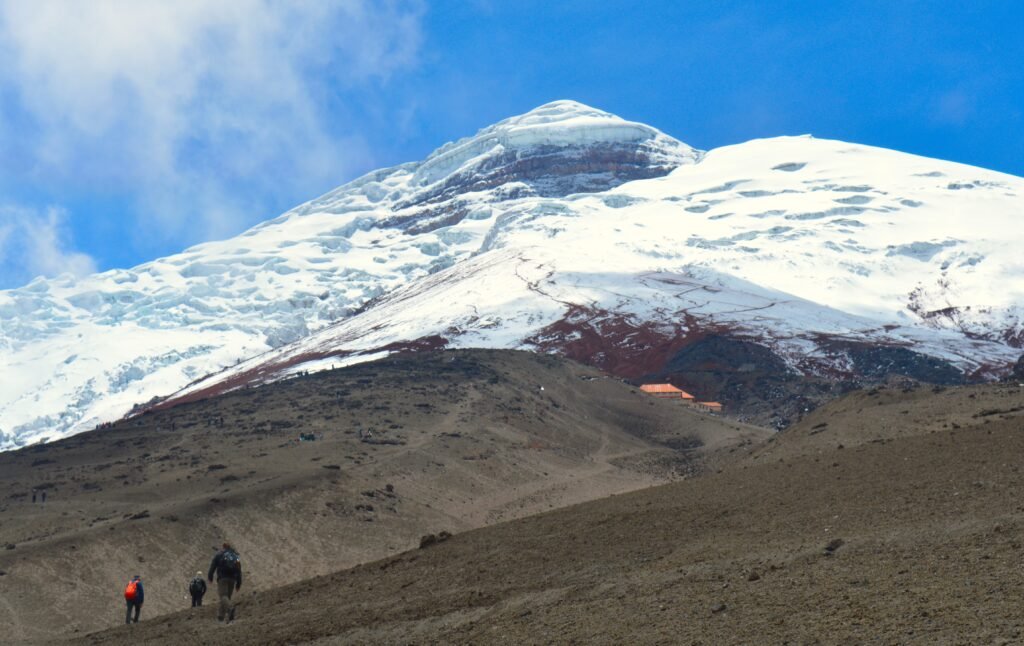
There is a distinct moment on the high plains of the Ecuadorian Andes when the rumble of a standard tour bus engine becomes entirely unbearable. It usually happens just as the mist clears to reveal the colossal, ice-capped symmetrical cone of Volcán Cotopaxi towering at 5,897 metres above sea level. Inside those buses, travellers are trapped behind glass, tethered to rigid schedules and forced to follow a guide holding a brightly coloured umbrella. They are hurried from the car park to a viewpoint, given fifteen minutes to take a photograph, and then ushered back into their seats before they have even had a chance to breathe in the crisp mountain air.
At Wheely Tyred, we believe that some landscapes are simply too grand to be viewed through a tinted window or experienced on someone else’s timeline. The vast, windswept páramo of Cotopaxi National Park demands a deeper, more visceral connection. It is a place that should be experienced at your own pace, where your lungs adjust to the thin air, your boots crunch over raw volcanic ash, and your schedule is dictated entirely by your own curiosity.
Choosing a self-guided adventure through this protected ecosystem gives you total sovereignty over your journey. You choose when to pause to watch wild horses gallop across the tundra, when to challenge yourself on an alpine incline, and when to sit quietly by a glacial lagoon. This is your definitive local guide to navigating Cotopaxi independently, ensuring you gain a profound understanding of this dramatic landscape on your own terms.
The windswept páramo of the living giant
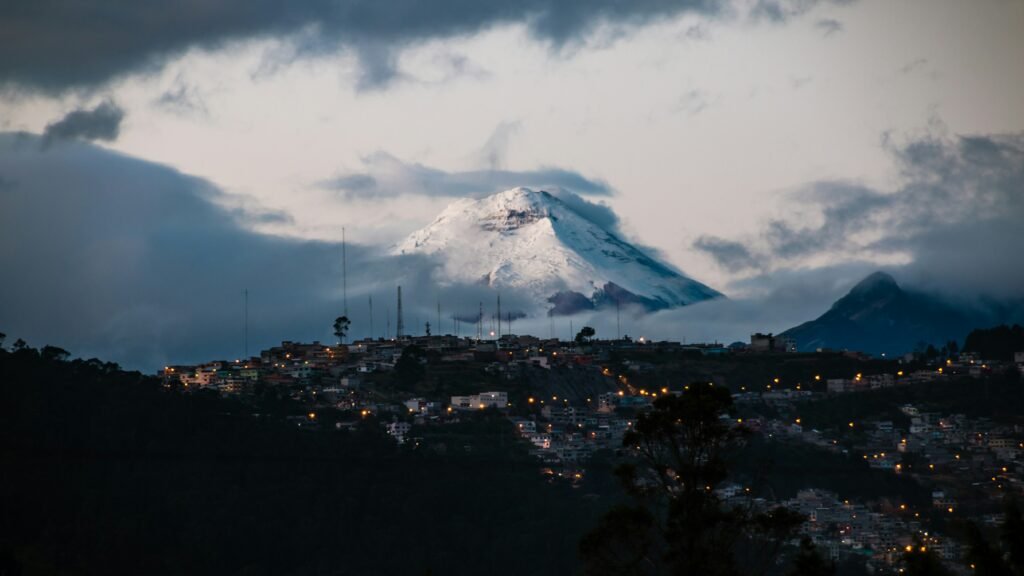
Exploring Cotopaxi independently reveals an ancient alpine world far beyond the reach of standard tourist itineraries. It requires careful physical preparation, a deep respect for the high-altitude elements, and a desire to see the Andes on your own terms.
- The High Páramo: A vast, protected alpine tundra ecosystem sitting above 3,500 metres, where the weather can shift from intense equatorial sunshine to sudden hailstorms within minutes
- Laguna de Limpiopungo: A serene glacial lake nestled between peaks, providing a vital sanctuary for native waterfowl, nesting Andean gulls, and the magnificent Andean condor
- The North Gate Approach: A less congested route accessed through the traditional cowboy town of Machachi, offering a scenic journey through rural agricultural valleys
- Acclimatisation Protocol: The essential practice of spending three to four days adapting to the elevation in Quito before attempting to explore trails that scale past 4,000 metres
- José Rivas Refuge: A formidable hiking destination at 4,800 metres that requires navigating deep, shifting volcanic scree to earn panoramic views of the northern valley
- Historic Haciendas: Traditional working estates turned eco-lodges, such as Tambopaxi or El Porvenir, which offer authentic high-altitude hospitality, local food, and wood-burning stoves
Cotopaxi.
The iconic volcano
The geography and climate of the high páramo
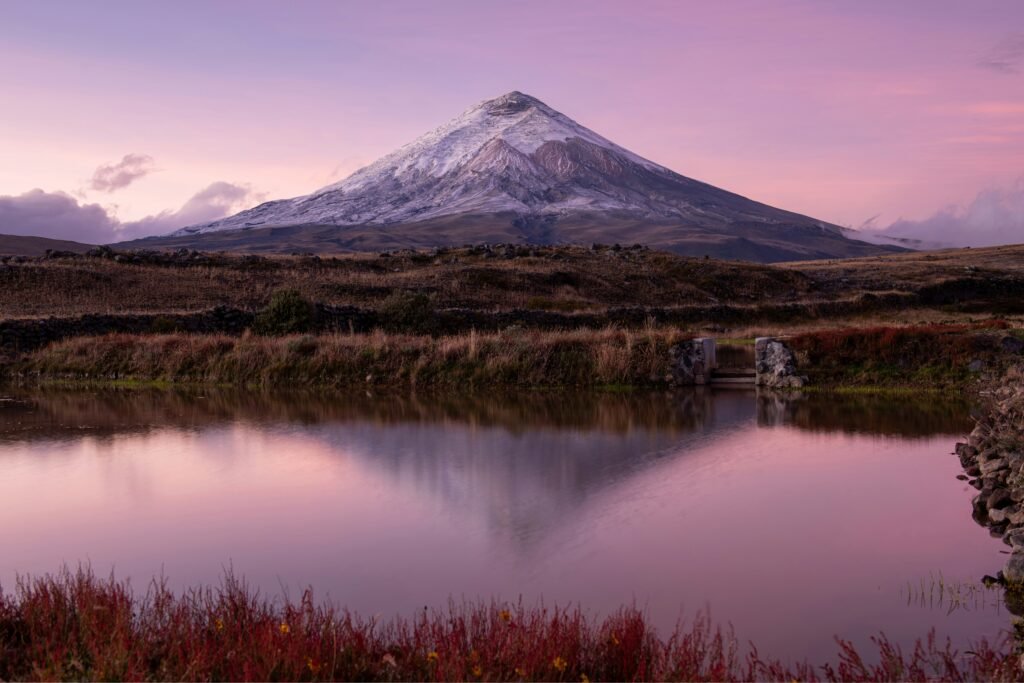
To successfully explore Cotopaxi National Park, you must first respect the extraordinary environment of the Ecuadorian highlands. Situated just an hour and a half south of the capital city of Quito along the famed Avenue of the Volcanoes, the park encompasses over 33,000 hectares of protected terrain. The landscape is dominated by alpine tundra and páramo grassland, a unique ecosystem that thrives in cold, humid, high-altitude conditions.
Altitude is the defining characteristic of any journey here. The valley floor sits at roughly 3,500 metres above sea level, while the primary walking tracks and viewpoints regularly ascend past 4,000 metres. At this height, the air contains significantly less oxygen than at sea level. This means that proper preparation and acclimatisation are non-negotiable. Spending at least three to four days adjusting to the elevation in Quito or the surrounding valleys before attempting to hike in the park will make a massive difference to your comfort and enjoyment.
The weather in this part of Ecuador is famously mercurial. You can easily experience bright, intense equatorial sunshine one minute, followed by a sudden hailstorm, dense cloud cover, or a piercingly cold wind the next. The dry season, which runs from July to October, generally offers the clearest skies and the most reliable exploration conditions. However, a properly prepared independent traveller carries a versatile layering system at all times. A high-quality waterproof jacket, thermal gloves, a warm fleece layer, and sturdy footwear to protect against wind and volcanic grit are essential items for your day pack.
The Ecuadorian Sierra.
Get lost in the hills
Logistics / Reaching the park without a tour group
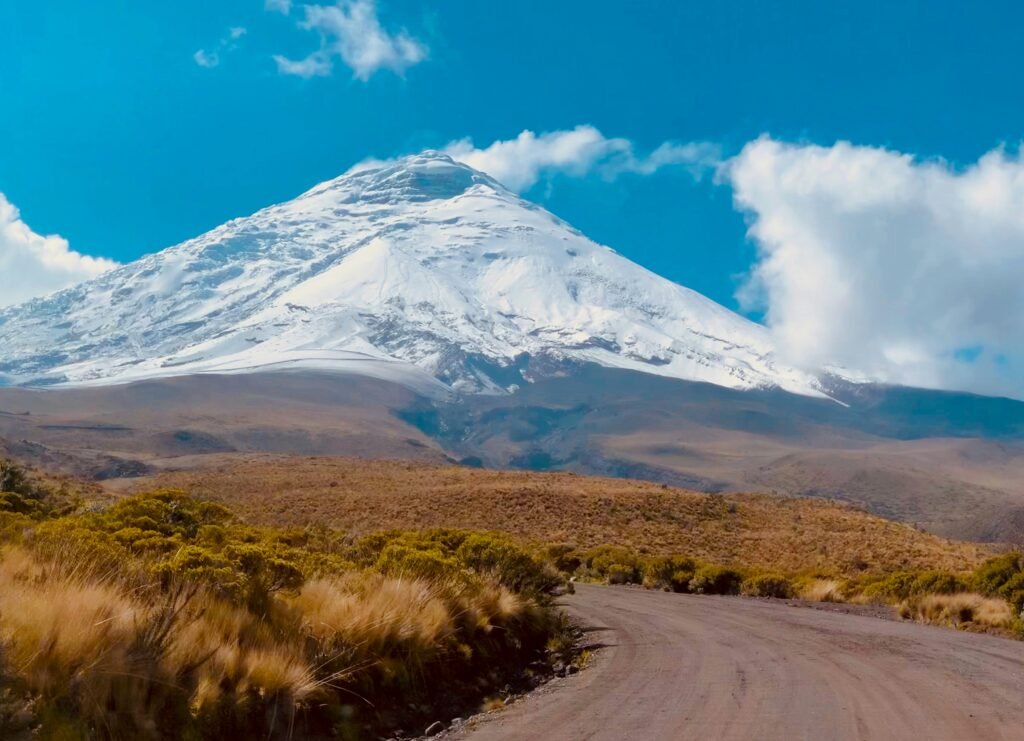
Most travellers assume that the only way to visit Cotopaxi is by booking a seat on a commercial group excursion from Quito. Fortunately, breaking away from the crowd is entirely feasible and far more rewarding. Navigating the logistics yourself allows you to arrive before the massive tour buses clutter the landscape, giving you the park virtually to yourself during the golden early morning hours.
The most flexible option for independent travellers is to hire a four-wheel-drive vehicle from Quito. Having your own high-clearance transport gives you the freedom to explore the secondary dirt roads that commercial tours completely ignore. Alternatively, you can take a local bus from Quito’s Quitumbe terminal heading south towards Latacunga or Baños. Inform the driver that you wish to disembark at the entry turn-off for the national park along the Pan-American Highway.
From the highway drop-off point, independent travellers can hire a local truck driver, known as a camioneta, to transport them into the park for the day. These local drivers possess an intimate knowledge of the roads and can drop you at your chosen trailhead, arranging a specific time to collect you later in the afternoon. This approach keeps your money within the local community and ensures you are not insulated from the real atmosphere of the region.
When planning your route, consider entering via the North Gate, accessible through the town of Machachi. This entrance provides a less congested, more scenic approach compared to the heavily trafficked south entrance. The road winds through beautiful agricultural valleys and traditional highland villages, offering a glimpse into rural Ecuadorian life long before you reach the park boundaries.
The Galápagos.
Ecuador’s Enchanted Isles
Crucial sights to explore on your own timeline
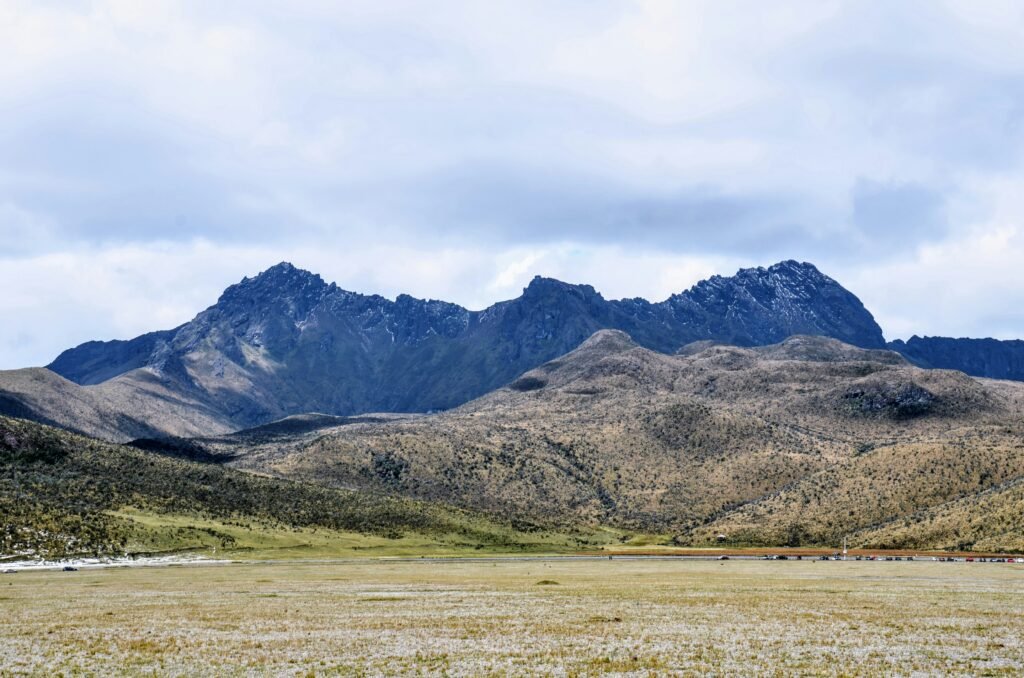
Navigating the park independently allows you to curate an itinerary focused on authentic natural wonders rather than gift shops. The flat plains surrounding the base of the volcano are peppered with massive volcanic boulders, stark evidence of historical eruptions. These geological formations create a surreal, lunar-like backdrop that is uniquely suited to slow, contemplative exploration.
One of the most accessible and rewarding locations within the park boundaries is Laguna de Limpiopungo. This seasonal glacial lake sits in the shadow of both Cotopaxi and the craggy, inactive Rumiñahui Volcano. A smooth walking track encircles the area, providing an exceptional flat trail where you can observe native waterfowl. Keep a sharp eye out for nesting Andean gulls, tiny high-altitude hummingbirds, and the magnificent Andean condor soaring on thermals far above the peaks. On a clear day, the mirror-like surface of the lagoon reflects the massive snowfields of the volcano, offering a spectacular visual reward for your efforts.
While tour groups usually rush past the lake to get to the main car park, independent travellers can take the time to complete the full walking loop around the lagoon. This allows you to escape the noise of arriving vehicles and truly appreciate the silence of the páramo, broken only by the wind through the high ichu grass.
For those looking to push their physical boundaries, the track leading up toward the primary parking lot at 4,500 metres is a formidable test of endurance. From this point, the iconic hike up to the José Rivas Refuge begins. This route exposes you to the raw power of the mountain, changing from hard-packed dirt to deep, shifting volcanic scree that requires patience and a steady rhythm. While standard tourists often struggle in a single, rushed line, an independent adventurer can modulate their pace, taking frequent rests to look back at the vast northern valley stretching out below. Arriving at the refuge at 4,800 metres on your own steam provides an unmatched sense of personal accomplishment.
The Ecuadorian Amazon.
The most biodiverse place in the world
High-altitude hospitality / Where to stay
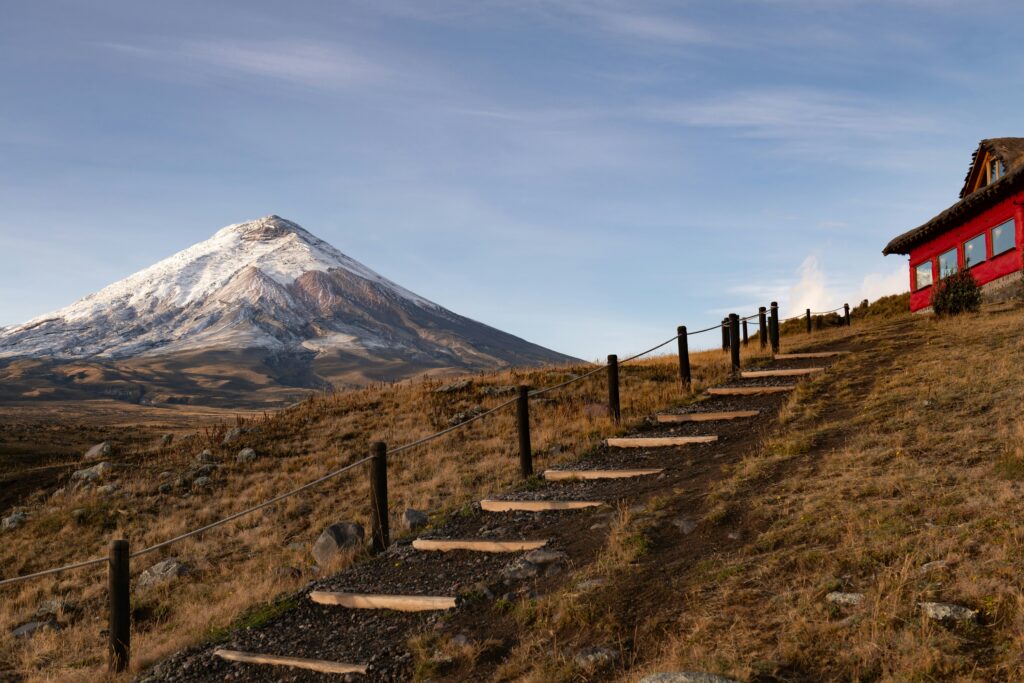
To truly experience the spirit of the region, avoid the generic hotels of the major cities and base yourself directly within or alongside the national park. The area is famous for its historic haciendas, traditional farming estates that have been converted into beautiful lodges welcoming independent adventurers.
Hacienda El Porvenir and Hacienda Los Mortinos are exceptional options that cater perfectly to travellers who appreciate active exploration and local heritage. These properties offer secure spaces, hearty local meals packed with the nutrients needed for long days in the mountain air, and wood-burning stoves to warm yourself after a chilly afternoon descent. For a closer look at the wilderness, Tambopaxi Lodge stands as an eco-lodge located directly inside the park boundaries. Waking up here on a clear morning allows you to look out of your window and check the snow conditions on the cone of Cotopaxi before you even lace up your boots.
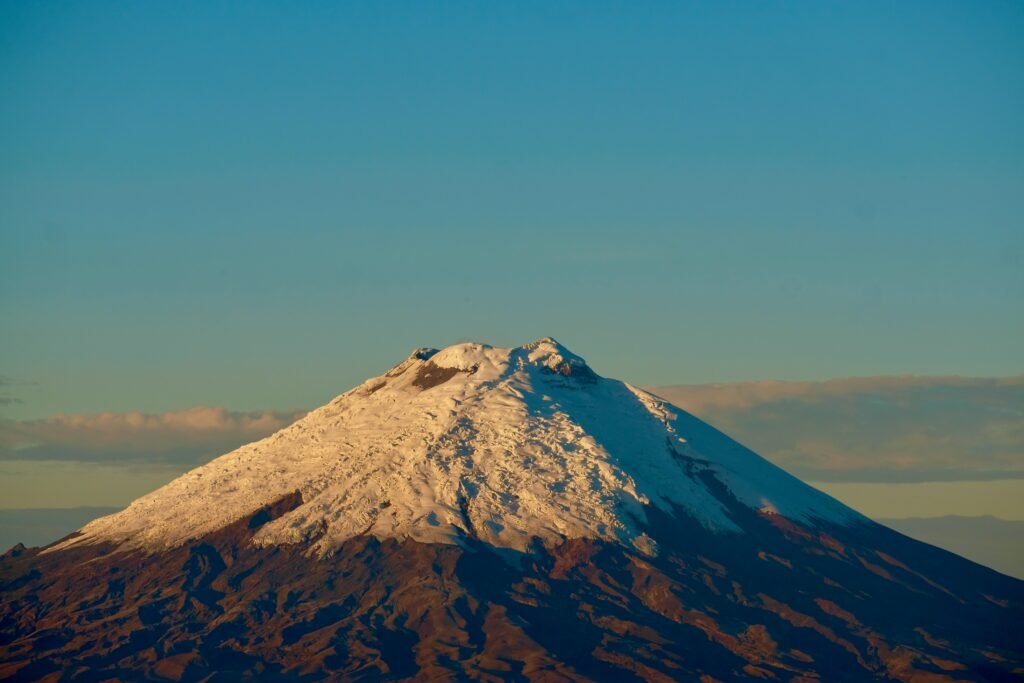
Staying locally also means you can experience the park during the late afternoon, long after the day-trippers have returned to Quito. The shifting light as the sun sets behind the western ridges turns the snow fields of Cotopaxi into shades of pink and gold, an experience completely missed by those bound to a corporate itinerary.
The Ecuadorian Coast.
Where you’ll find the very best food
Discover Cotopaxi on your own terms
Travelling independently does not mean travelling unprepared. When you choose to explore Cotopaxi with a self-guided mindset, you eliminate the middleman, the crowded buses, and the rigid timelines. You gain the freedom to listen to the wind across the páramo, choose your own paths, and experience the landscape exactly as it should be experienced. Pack your gear, set your own pace, and discover the raw majesty of Ecuador on your own terms.
Affiliate Disclaimer: Some of the links on Wheely Tyred are affiliate links. If you click through and make a booking or purchase, we may earn a small commission at no extra cost to you. We only recommend gear, tours, stays, and services we genuinely use, trust, and stand behind — our editorial independence always comes first. These commissions help keep our independent cycling guides and travel stories free to read. Thanks for supporting the ride!
Frequently asked questions about independent travel to Cotopaxi
Independent travellers can board a local bus from Quito’s Quitumbe terminal heading south towards Latacunga or Baños. Inform the driver you wish to disembark at the park entrance turn-off along the Pan-American Highway, where you can negotiate a day rate with a local truck driver, known as a camioneta, to take you into the park. Alternatively, renting a four-wheel-drive vehicle from Quito provides maximum independence.
Entering via the North Gate through the town of Machachi is highly recommended. It experiences significantly less traffic than the southern entrance and allows you to enjoy a far more scenic drive through traditional highland villages before entering the park boundaries.
The dry season runs from July to October, offering the highest probability of clear skies and stable exploring conditions. However, due to the high-altitude environment, the weather remains highly unpredictable, meaning you must prepare for sudden atmospheric shifts regardless of the month.
You must pack a versatile layering system due to the volatile climate. Essential items include a high-quality waterproof jacket, a warm fleece, thermal gloves, sturdy walking boots, and wrap-around sunglasses to protect your eyes from the intense equatorial sun and airborne volcanic grit.
Yes. Tambopaxi Lodge is the only eco-lodge situated directly inside the national park boundaries, allowing you to watch the sunrise over the snowfields before the day-trippers arrive. There are also several beautifully converted historic farming estates, known as haciendas, located just outside the park gates.
Ecuador.
Pure wonder on the equator.