Exploring the uncharted edges of the Ecuadorian Coast
Best hidden gems and undiscovered places to visit on the Ecuadorian Coast
Coastal whispers and salt-sprayed secrets
BEN FINCH
There is a specific kind of magic that exists on the western edge of South America, where the arid scrubland of the Pacific coast suddenly erupts into lush tropical forest. For the independent traveller, the Ecuadorian Coast—often referred to by locals as La Costa—is far more than just a collection of surf breaks and seafood shacks. It is a land defined by the Ruta del Spondylus, a sun-drenched corridor that traces the history of ancient civilisations and the raw beauty of the natural world.
At Wheely Tyred, we believe the best way to experience this region is to step away from the neon lights of the major resorts. The true soul of the coast is found in the quiet moments: the sound of howler monkeys in a misty canopy, the sight of a lone fisherman launching a balsa wood raft, or the discovery of a thousand-year-old ceramic fragment on a secluded beach. For those who travel by bike, train, or bus, the following hidden gems offer a deeper connection to this vibrant landscape.
The soul of the Spondylus Route
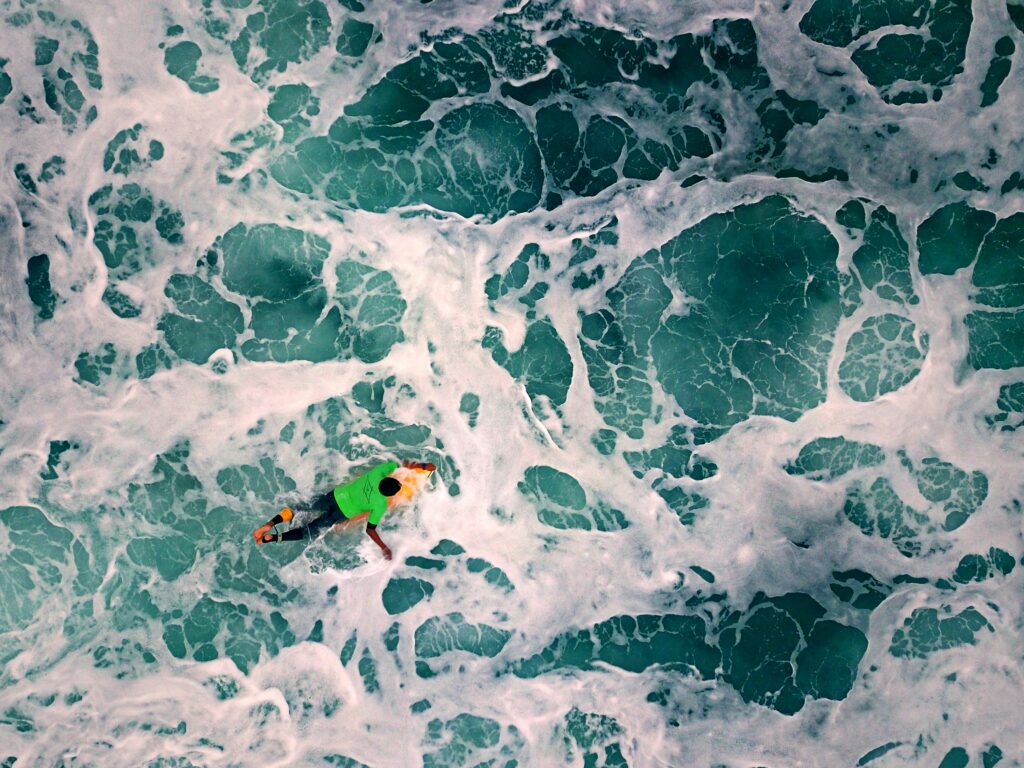
Beyond the neon pulse of the major resorts lies a coastline of quiet mangroves and ancient whispers. This is where the Pacific meets the primary forest, offering a slower, more intentional rhythm for those who choose to move under their own steam.
- Pacoche Wildlife Refuge: A cooling, misty microclimate that provides a vital sanctuary for howler monkeys, standing in stark contrast to the surrounding arid plains
- Chirije’s Ancient Echoes: A remote archaeological site and eco-lodge accessible only via the beach at low tide, once a thriving pre-Columbian maritime hub
- Ayampe Estuary: A serene haven for birdwatchers and those seeking solitude, where the river meets the sea amidst a backdrop of rugged rock formations
- Muisne’s Island Solitude: A car-free island reached by boat, where tricycle taxis and wooden canoes replace the clatter of engines amongst the mangroves
- Valdivia’s Ceramic Legacy: A quiet village honouring one of the oldest settled cultures in the Americas, famous for its 3500 BC Venus figurines
- San Lorenzo Cliffs: A dramatic coastal vantage point offering panoramic views from a lonely lighthouse and protection for nesting sea turtles on the sands below
- The Coastal Saddle: A variety of cycling terrain, ranging from the gentle 12-kilometre ride to Los Frailes to the challenging climbs of the Chongón-Colonche range
The Ecuadorian Coast.
Where you’ll find the very best food
1. The humid microclimate of Pacoche Wildlife Refuge
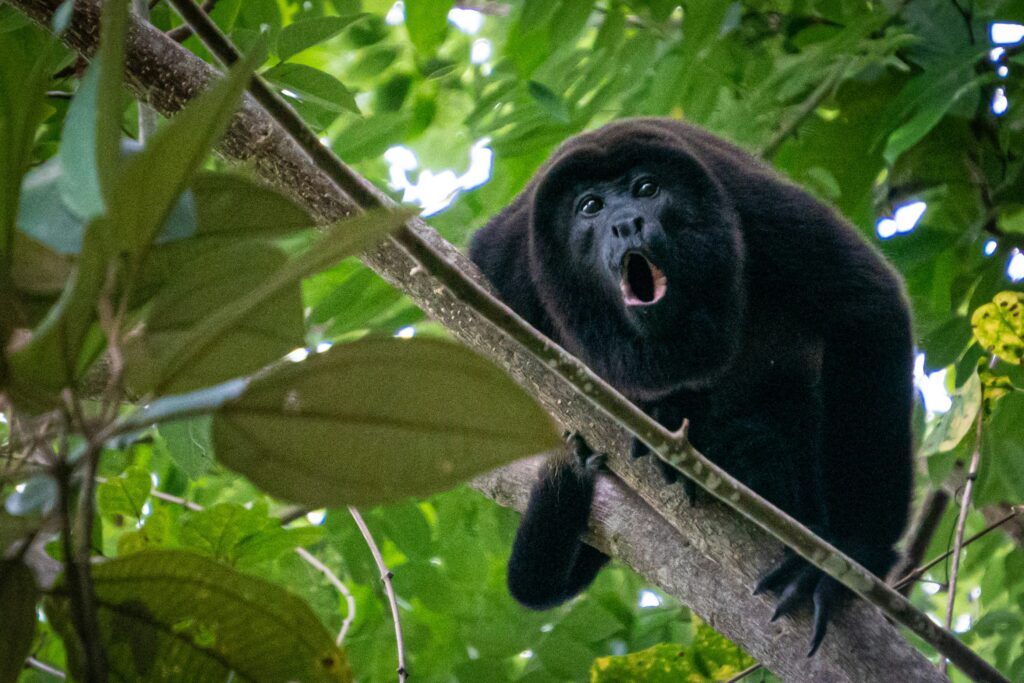
Located just twenty minutes from the bustling port of Manta, the Pacoche Wildlife Refuge feels like another world entirely. While the surrounding area is often dry and dusty, Pacoche possesses a unique microclimate that keeps its hills swathed in mist. This coastal humid forest is a vital sanctuary for the mantled howler monkey.
Walking through the shaded trails of Pacoche, the air temperature drops significantly, replaced by the earthy scent of damp ferns and towering bamboo. It is one of the few places on earth where you can find yourself surrounded by tropical greenery just kilometres away from the crashing waves of the Pacific. It is a must-see for anyone wanting to understand the ecological diversity of the coast without the crowds of the more famous inland jungles.
2. The archaeological mystery of Chirije
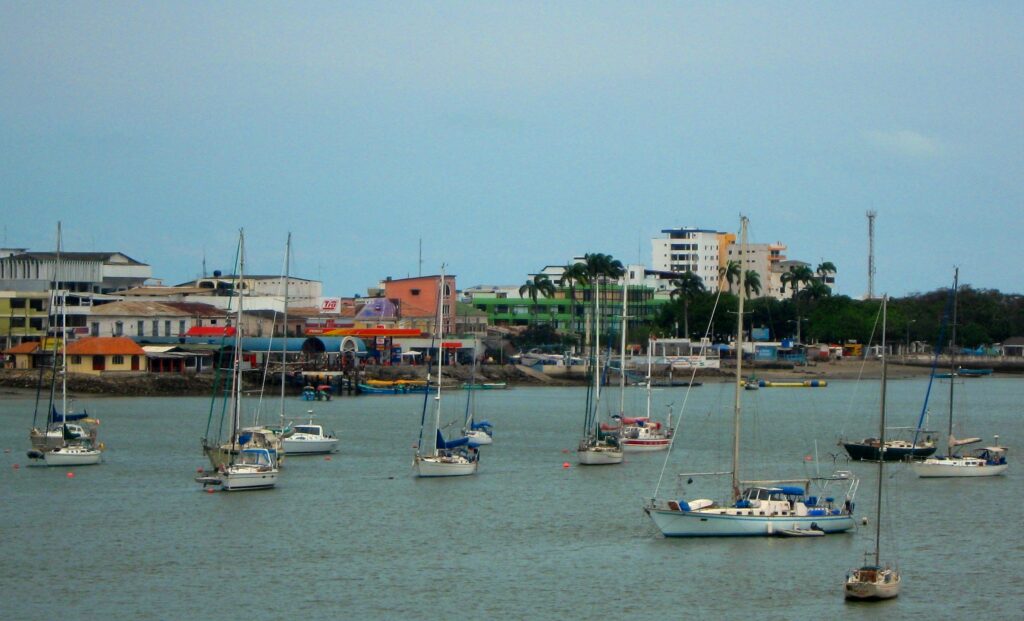
Travel north toward Bahía de Caráquez and you may hear whispers of Chirije. This is not a typical tourist stop; it is an active archaeological site and eco-lodge that sits on the grounds of an ancient seaport used by the Bahía and Jama-Coaque cultures. Accessing Chirije often depends on the tides, as the road runs along the beach itself.
The site is steeped in a quiet, prehistoric energy. Visitors can wander through hills that still hold the secrets of pre-Columbian maritime traders who once sailed as far as Mexico to trade Spondylus shells. The lodge itself is built with sustainable materials, offering a silent retreat where the only soundtrack is the rhythm of the tide. It represents the perfect intersection of history and environmental mindfulness that Wheely Tyred values.
The Galápagos.
Ecuador’s Enchanted Isles
3. The birdwatcher’s paradise in Ayampe
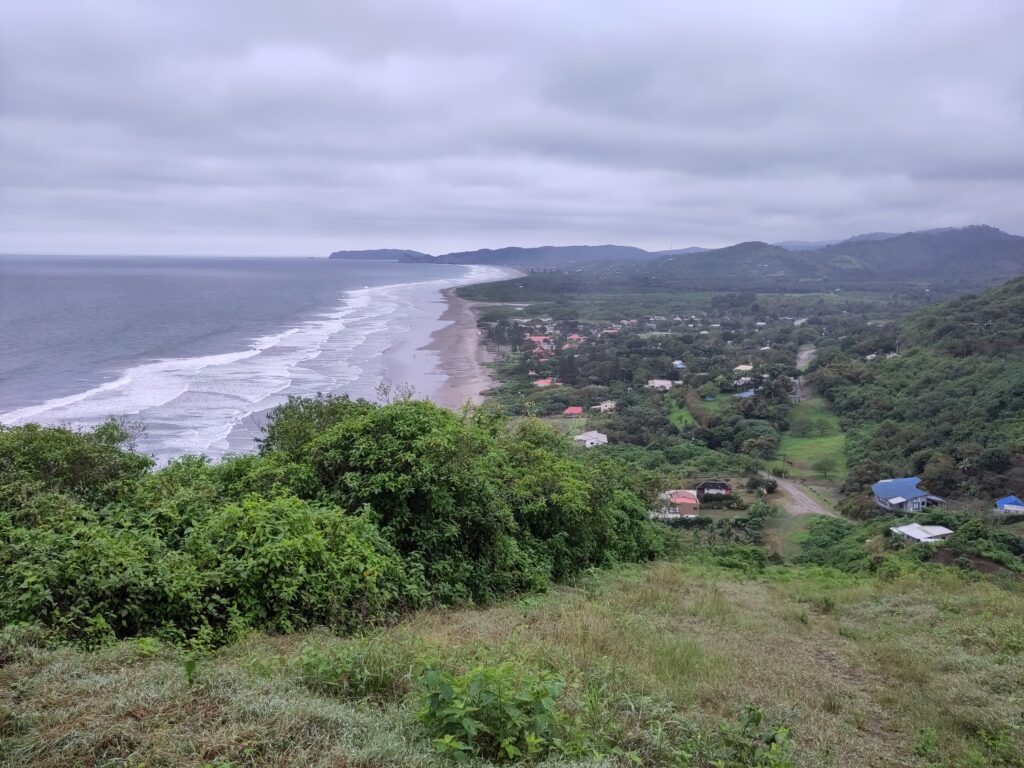
While the nearby town of Montañita draws the party crowds, Ayampe remains the coast’s best-kept secret for those who prefer binocular lenses to beer bottles. Situated at the mouth of the Río Ayampe, this tiny village serves as the border between the provinces of Manabí and Santa Elena.
The estuary where the river meets the sea creates a rich habitat for dozens of bird species, including the rare Esmeraldas Woodstar hummingbird. The beach here is vast and rugged, framed by the iconic Los Ahorcados rock formations offshore. It is a place where time slows down, allowing the independent traveller to appreciate the subtle shifts in light and the intricate patterns of the local flora.
4. The island solitude of Muisne
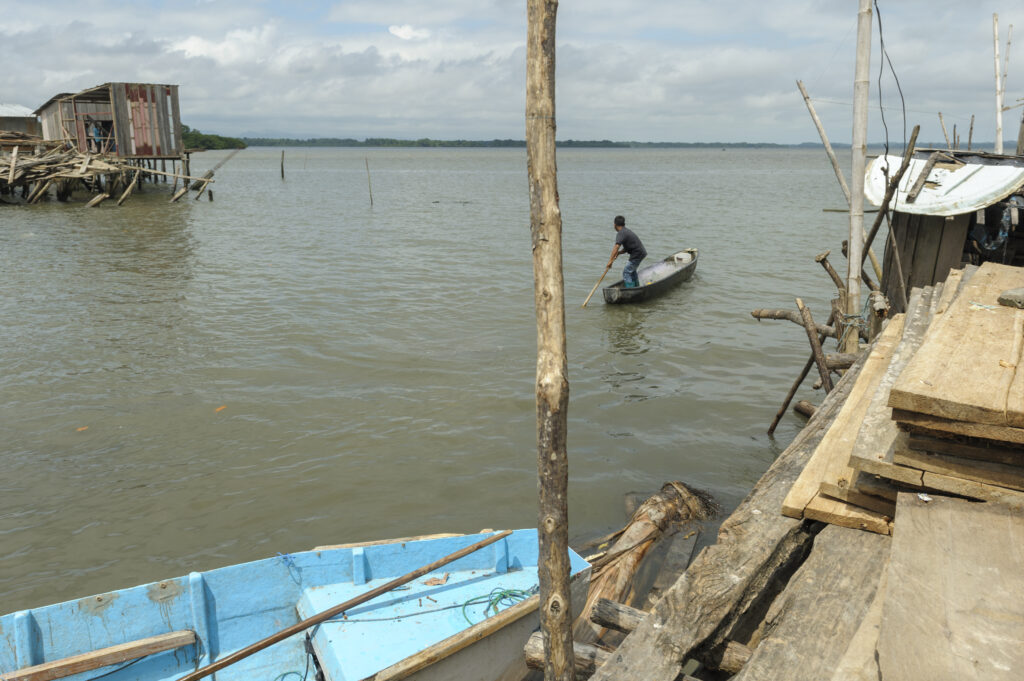
In the northern province of Esmeraldas lies the island of Muisne, a place that feels delightfully disconnected from the modern world. To reach the town, you must leave your motorised transport behind and take a small boat across the estuary. Muisne is largely car-free, with tricycle taxis serving as the primary mode of transport.
The island is surrounded by dense mangrove forests that play a crucial role in the local ecosystem. Taking a wooden canoe through these tangled waterways reveals a hidden world of herons, crabs, and quiet fishing communities. For those seeking a raw, unpolished experience of coastal life, Muisne offers a glimpse into a rhythm of existence that hasn’t changed for decades.
The Ecuadorian Sierra.
Get lost in the hills
5. The ancient legacy of Valdivia
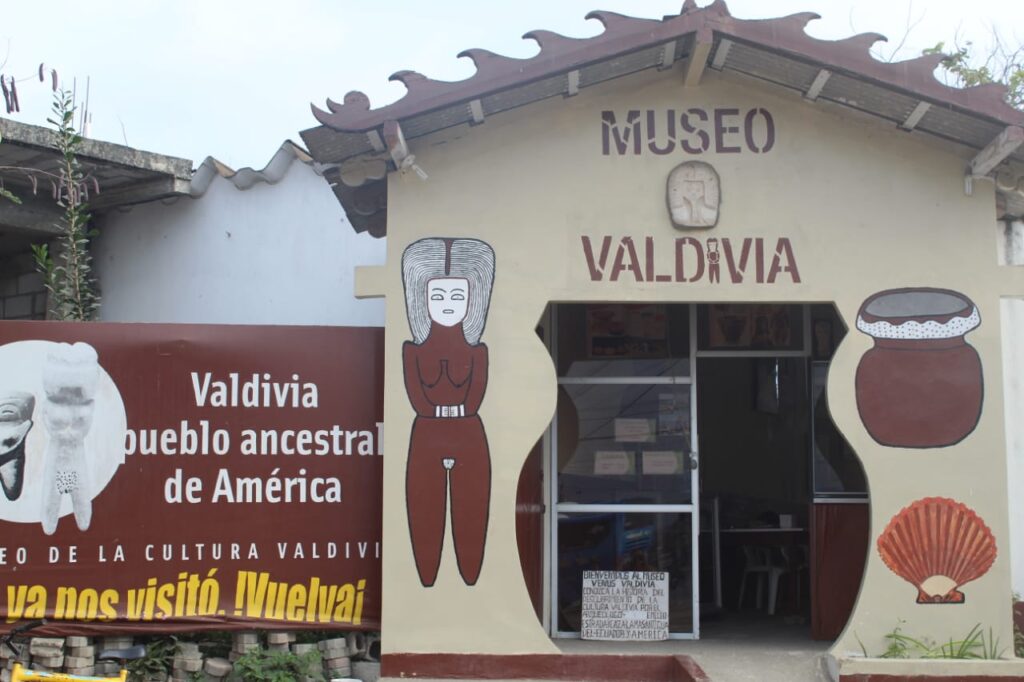
Many travellers fly past the village of Valdivia on their way to the beaches of Santa Elena, but to do so is to miss one of the most significant historical sites in the Americas. The Valdivia culture, dating back to 3500 BC, is one of the oldest settled cultures recorded in the region.
The local community museum is a modest but fascinating repository of the famous Venus of Valdivia figurines—highly stylised ceramic pieces that depict the female form. Visiting this site provides a necessary context for the entire coast. It reminds us that long before the arrival of the Spanish, these shores were home to sophisticated artisans and navigators who understood the sea better than anyone.
6. The cliffs and nesting grounds of San Lorenzo
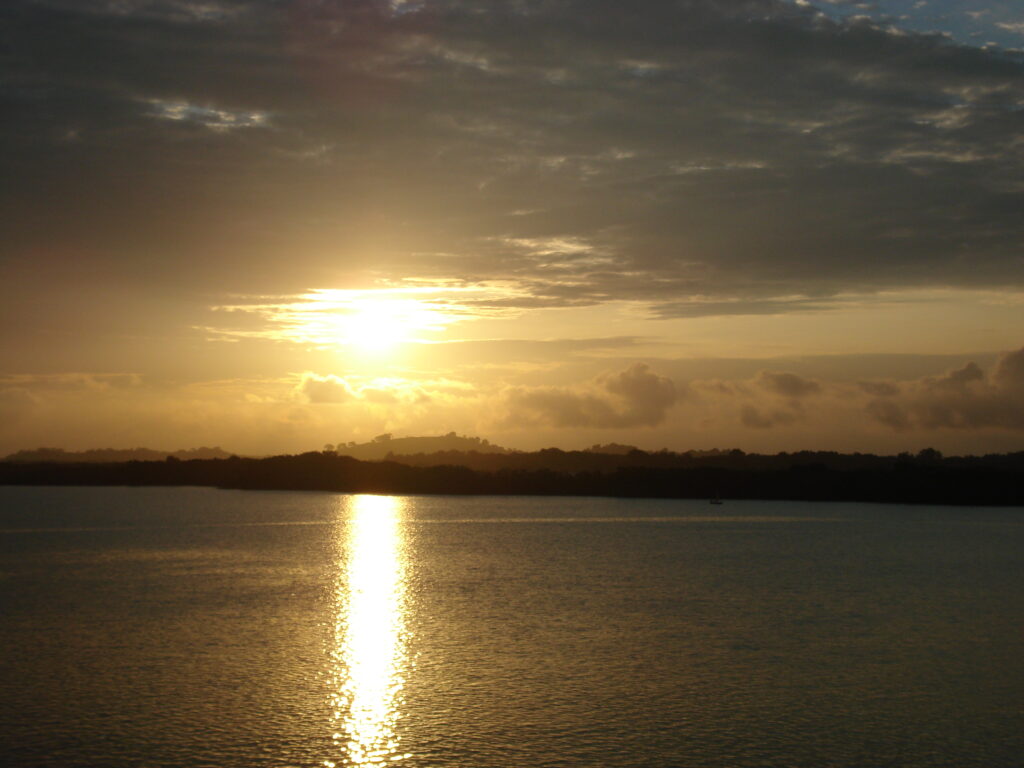
Not to be confused with the northern border town, the San Lorenzo located near Manta is home to a spectacular lighthouse perched atop jagged sea cliffs. A long wooden staircase leads down from the heights to a secluded beach that serves as a vital nesting ground for sea turtles.
The view from the top of the cliffs is arguably the best on the entire coastline, offering a panoramic sweep of the Pacific that feels truly endless. It is a place of dramatic beauty and solitude, where the wind whips off the ocean and the scale of the landscape humbles every visitor. It is the ideal spot for a traveller to pause, reflect, and appreciate the sheer power of the coast.
The Ecuadorian Amazon.
The most biodiverse place in the world
Exploring Ecuador’s coast by bike

For those who prefer the perspective from two wheels, the Ecuadorian coast offers some of the most rewarding terrain in South America.
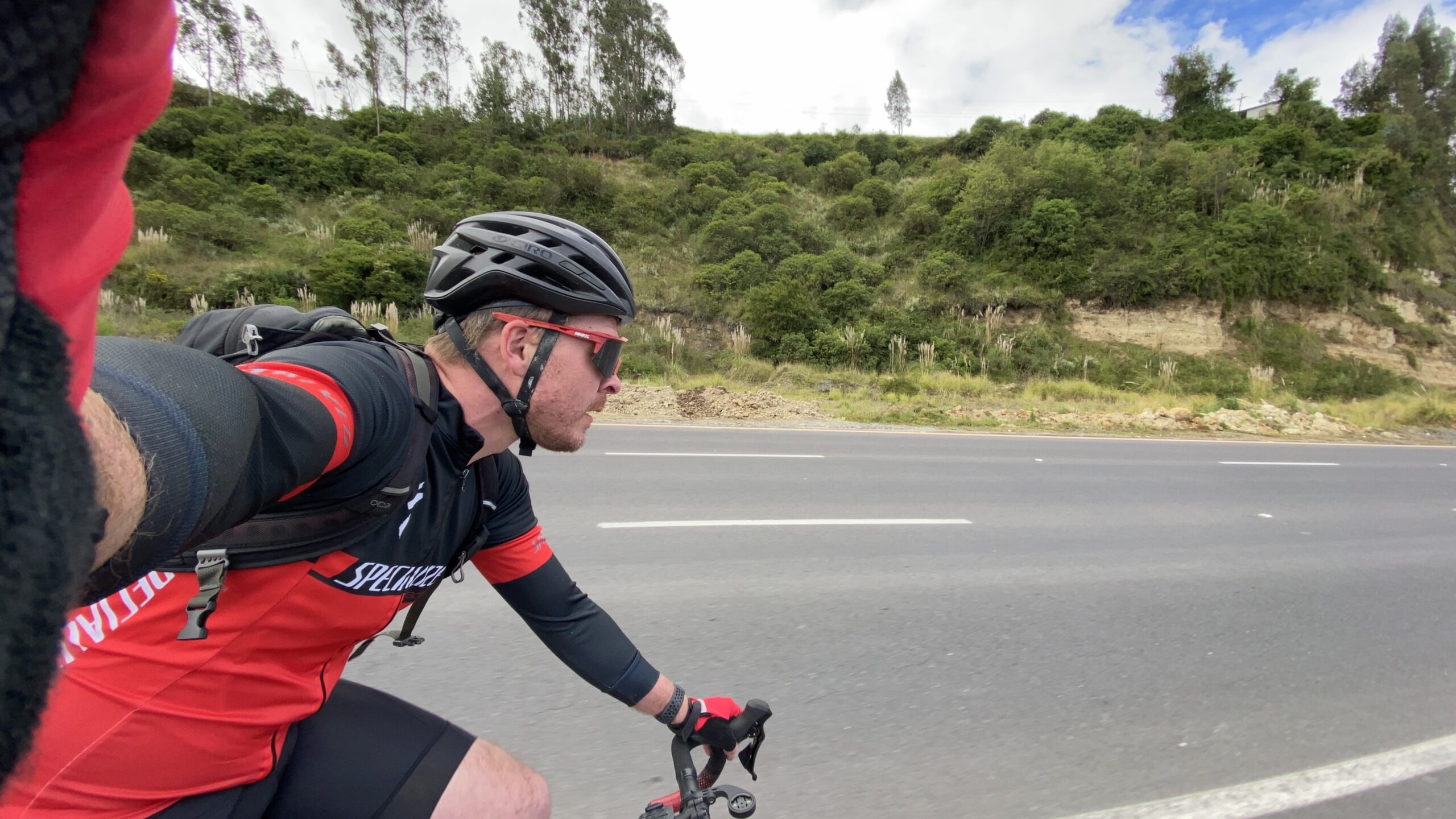
If you find yourself based in Puerto López, a short twelve-kilometre cycle south will lead you to the entrance of Los Frailes, a stunning crescent of white sand hidden within the Machalilla National Park. This route is manageable for most fitness levels and provides a wonderful sense of arrival as the dry forest opens up to the turquoise sea.
For a more ambitious day trip, consider the stretch of road between Olón and Ayampe. This twenty-kilometre journey takes you over the dramatic Cordillera de Chongón-Colonche, providing challenging climbs and exhilarating descents with constant views of the crashing surf below.
Beyond the immediate coastal path, inland day trips to the cloud forests of Dos Mangas offer a chance to swap the salt air for the cool humidity of the hills, all within a comfortable riding distance. Whether you are navigating the Spondylus Route by bus or bike, these hidden corners of Ecuador promise a journey that is as deep as it is wide.
Frequently asked questions about the hidden gems on the Ecuadorian Coast
Independence is key here. To reach Muisne, you’ll need to leave your primary transport at the estuary and hop on a small local boat. Chirije is even more specific; because the access road is the beach itself, arrivals must be timed perfectly with the falling tide. For the independent traveller, a local bus will get you to the nearest towns, but a bicycle offers the most flexibility for these off-the-map transitions.
Absolutely. The coast offers a mix of intensities. The ride from Puerto López to Los Frailes is a relatively flat, 12-kilometre trip perfect for a casual afternoon. However, if you head between Olón and Ayampe, be prepared for some significant climbs over the coastal hills. The reward, of course, is the exhilarating descent with the Pacific spread out before you.
The Venus of Valdivia pieces are more than just pottery; they represent one of the earliest expressions of art and culture in the Western Hemisphere, dating back over 5,000 years. Visiting the community museum in Valdivia allows you to see the craftsmanship of a maritime people who were navigating these waters long before modern history began.
Pacoche Wildlife Refuge is your best bet for mammals, specifically howler monkeys, which are easily heard—and often seen—from the forest trails. For birdlife, the Ayampe estuary is a quiet spot where you can spot rare hummingbirds and herons at your own pace without the pressure of a tour guide’s schedule.
Expect a refreshing change of pace. Without cars, the island relies on fletes (tricycle taxis) and boats. It is unpolished and authentic, meaning you won’t find luxury infrastructure, but you will find a raw version of coastal life where the primary sounds are the wind in the palms and the water against the mangroves.
If the salt air becomes too much, a short trip inland to Dos Mangas is highly recommended. It’s within easy cycling or bus distance from the coast and transitions quickly into a lush cloud forest environment, offering a completely different ecological perspective within just a few kilometres.
Ecuador.
Pure wonder on the equator.