
Is Montañita safe in 2027? Ecuador travel security guide
Montañita, Ecuador, 2027 travel safety analysis, crime rates, solo traveller advice, and Ruta Spondylus updates

A clear-headed look at coastal security and smart travel strategies along the Pacific

BEN FINCH
When we published our 2026 Montañita travel security guide, Ecuador was navigating a complex national security environment under extended states of emergency. As we move through 2027, understanding the exact conditions on the ground in this legendary surf hub remains crucial for anyone planning a coastal itinerary.
Montañita has long held a dual identity: by day, a relaxed surfing town filled with international backpackers and ocean enthusiasts; by night, a bustling party destination with open-air bars and vibrant street life. However, because Montañita sits in Santa Elena province along the Pacific coast, it operates within a broader regional context that requires informed awareness and preparation.
At Wheely Tyred, our approach to travel security focuses on realistic, actionable assessment. We do not engage in sensationalism, nor do we ignore genuine risks. Whether arriving on two wheels along the Ruta Spondylus, taking a bus from Guayaquil, or planning a multi-week surf retreat, here is everything needed to navigate Montañita safely in 2027.
Montañita travel security essentials
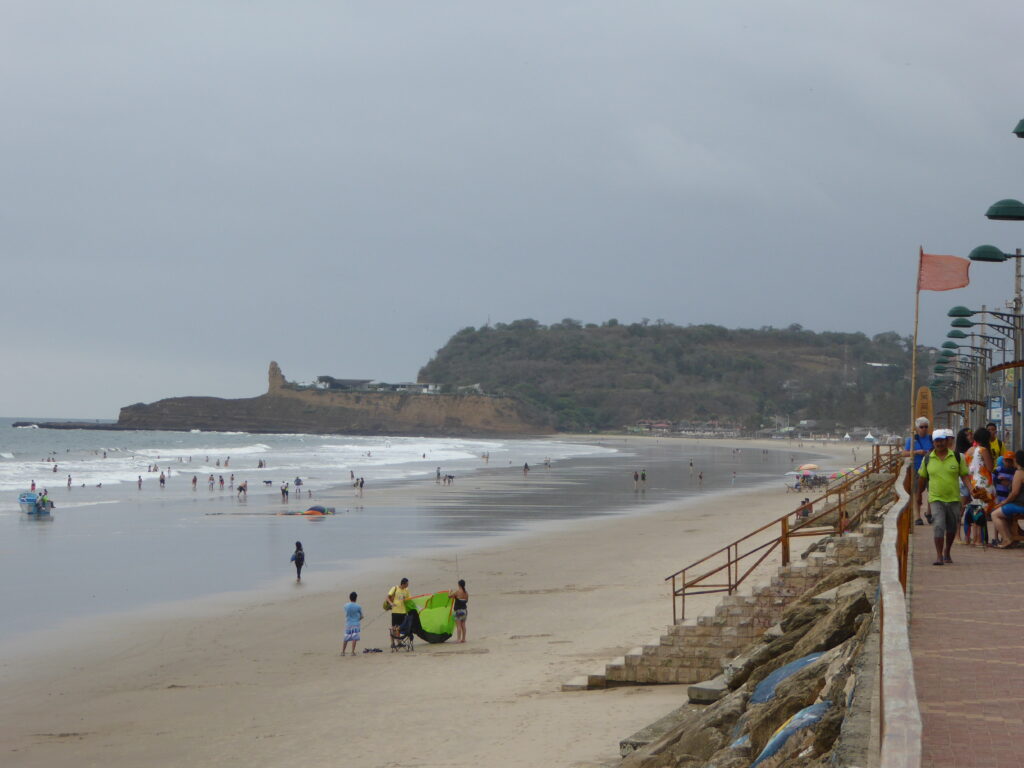
A quick-reference distillation of security realities, regional transit protocols, and key safety takeaways for visiting Ecuador’s surf capital in 2027.
- Coastal Security Baseline: Santa Elena province maintains an elevated police and military presence along major highways, though violent incidents remain concentrated outside primary tourist sectors
- Petty Theft Dynamics: Unattended belongings on the beach during surf sessions and unsecured daypacks in crowded party venues account for the vast majority of visitor incidents
- Transit Vigilance: Direct CLP buses from Guayaquil offer safe transport; keep high-value daypacks on your lap rather than in overhead storage or luggage holds
- Substance Safety Protocols: Scopolamine and drink-spiking risks persist in nightlife corridors—never accept untracked drinks or leave beverages unattended
- Ruta Spondylus Navigation: High-visibility gear, daytime riding schedules, and heavy-duty locks inside gated premises are mandatory for cycling or touring on Highway E15
- Document Management: Carry a laminated paper copy or digital photo of your passport and entry stamp; leave original physical documents in locked hotel storage
Montañita.
Surfer’s paradise
Understanding Montañita’s security landscape in 2027
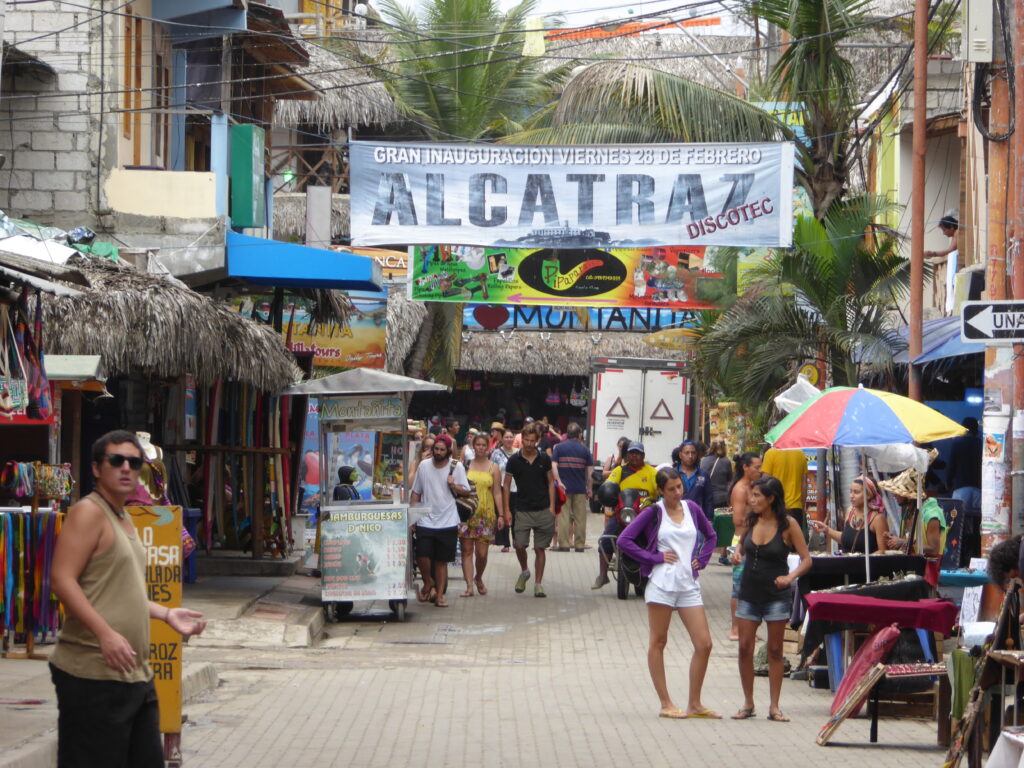
To evaluate safety in Montañita today, one must understand the regional security divide across Ecuador.
Over the past few years, national security statistics have consistently highlighted that the majority of violent crime in Ecuador remains concentrated in coastal provinces due to drug trafficking routes and territorial disputes between organised groups. Santa Elena province, where Montañita is located, has seen periodic security interventions and increased military and police patrols alongside neighbouring coastal areas.
However, the nature of security in Montañita itself differs significantly from major urban coastal hubs like Guayaquil or Durán. In Montañita, violent organised crime rarely targets foreign tourists directly. The primary security footprint visible to visitors consists of increased police checkpoints along the main highway (E15), occasional late-night patrol presence in the town centre, and strict document checks at inter-province transit points.
Compared to the conditions detailed in our 2026 guide, 2027 has brought a stabilised baseline of security measures. Local business owners and surf schools work closely with municipal authorities to maintain a safe perimeter within the core tourist sector.
That said, petty crime, opportunistic theft, and night-time security issues remain the most frequent challenges encountered by travellers.
Essential safety dynamics for solo travellers, women and minorities
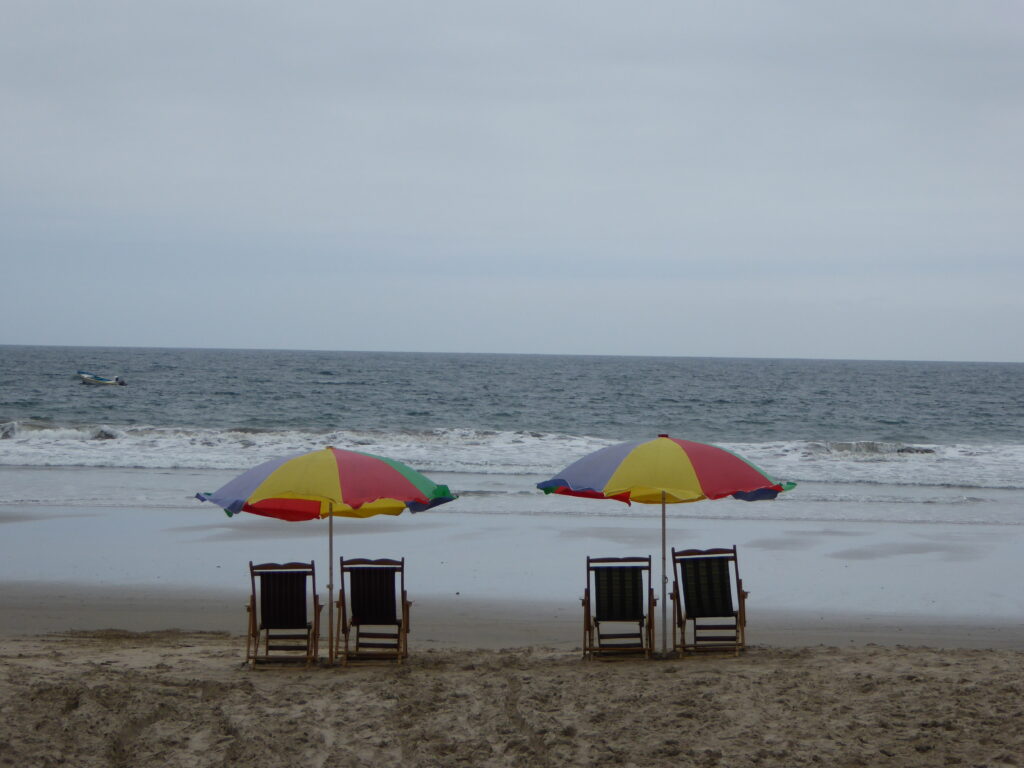
Safety conditions in tourist towns are never uniform; individual identity, travel setup, and personal routines influence daily risk levels.
Solo travellers
Solo travellers are generally well-received in Montañita due to the town’s long-established backpacker culture. High-density hostel areas like the central strip and the quieter end toward La Punta offer social environments where meeting fellow travellers is straightforward.
The primary vulnerability for solo visitors is isolation late at night, particularly along dark beach stretches or quiet access dirt roads outside the main grid.
Female travellers
Solo female travellers face specific considerations in Montañita. While daytime surfing and town exploration are generally relaxed, unwanted verbal attention or street harassment can occur, particularly around nightlife corridors and beach bars.
- Drink safety: Never leave food or drinks unattended in bars or clubs. Cases of substance spiking (often involving scopolamine or sedatives) have been recorded in major nightlife zones across coastal Ecuador
- Night movement: Avoid walking along the beach alone after sunset. Moving between venues in groups or using trusted local transport is strongly advised
- Accommodation security: Choose hostels or hotels with 24-hour reception, well-lit entryways, and secure locker facilities
LGBTQ+ and minority travellers
Montañita is widely considered one of the most open-minded and bohemian coastal destinations in Ecuador. Its international surfing community and eclectic nightlife foster a generally welcoming atmosphere for LGBTQ+ visitors and racial minorities compared to more conservative rural inland communities.
Public displays of affection are common in nightlife venues, though maintaining situational awareness in quieter, less populated areas remains recommended.
The Ecuadorian Coast.
Where you’ll find the very best food
Common crimes in Montañita and how to avoid them
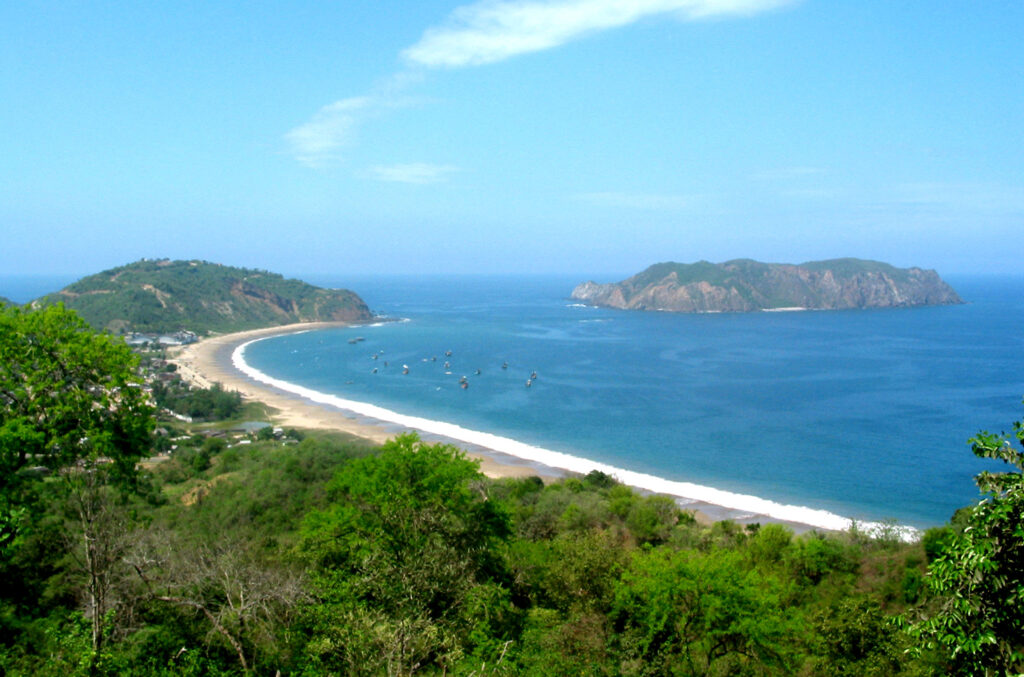
Understanding the precise nature of local crime allows travellers to mitigate risk effectively without unnecessary anxiety.
| Crime type | Primary risk area | Prevention strategy |
| Pickpocketing & theft | Nightlife strip, beach, buses | Keep valuables in front pockets/lockers |
| Unattended bag theft | Surf beach, open-air cafes | Use waterproof pouches; never leave bags unattended while in the water |
| Drink spiking | Late-night bars and clubs | Watch drinks prepared; stay in groups |
| Express kidnapping | Unlicensed roadside taxis / informal cabs | Use hotel-booked or verified transport |
Petty theft and opportunistic crime
Petty theft remains the most frequent issue in Montañita. Items left unattended on the beach while surfing or swimming are prime targets. If heading into the water alone, leave electronics and extra cash secured at your accommodation, or use a locked beach locker at a local surf shop.
Nightlife and alcohol-related incidents
Montañita’s nightlife is famous, but alcohol consumption and late hours significantly impair situational awareness. The combination of dimly lit alleyways, crowded dance floors, and beach parties creates conditions where phone snatching and pickpocketing flourish. Carry only small amounts of cash (in lower denominations like five and 10 dollar bills) and leave original passports locked away.
Scopolamine and substance risks
As noted across Ecuador travel advisories, scopolamine (a substance used to incapacitate victims for robbery) remains an acknowledged concern in major party hubs. Never accept drinks, cigarettes, or food from new acquaintances or strangers on the street. If feeling suddenly disoriented or unwell, immediately alert trusted companions or venue management.
The Galápagos.
Ecuador’s Enchanted Isles
Transit and route safety / Getting to and around Montañita
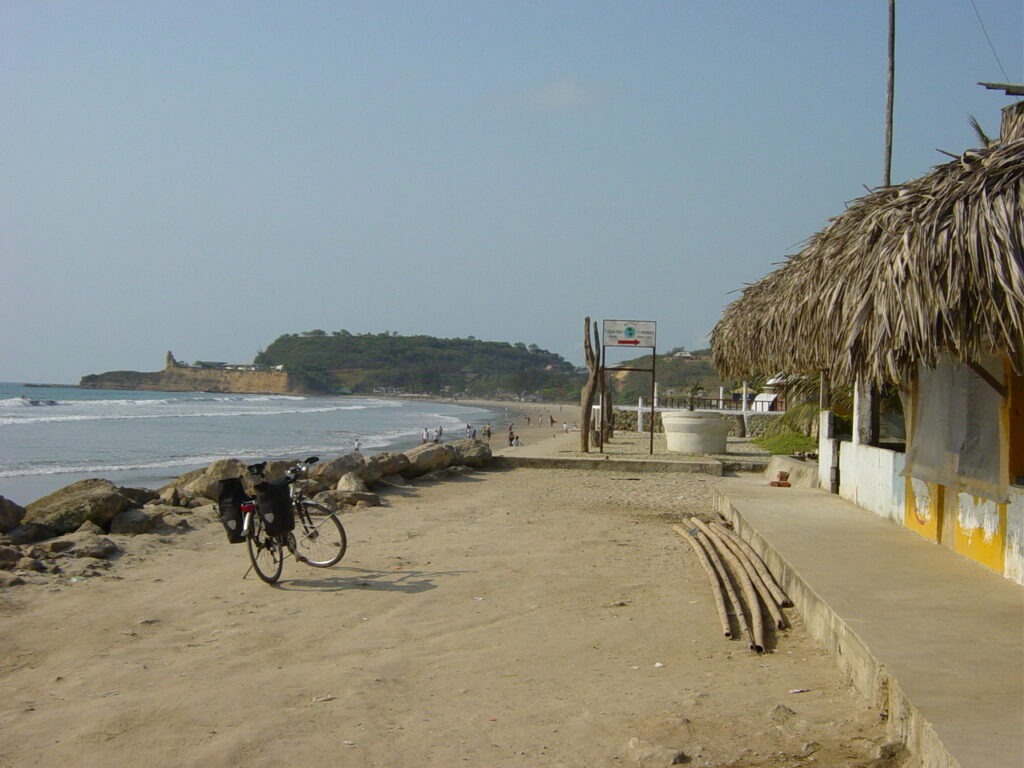
Transport safety is often the most critical component of an Ecuadorian journey. For cyclists, bikepackers, and road travellers using the Ruta Spondylus (Highway E15), clear navigation plans are vital.
Arriving from Guayaquil
The standard route to Montañita runs from Guayaquil via Santa Elena and Manglaralto.
- Official Bus Lines: Direct CLP (Cooperativa Libertad Peninsular) buses run from Guayaquil’s main terminal directly to Montañita. These are economical and generally reliable. Keep daypacks containing passports and electronics on your lap, never in overhead bins or on the floor
- Private Transfers: Pre-arranged transfers through verified providers offer enhanced security, particularly if arriving at Guayaquil airport (GYE) late in the evening. Avoid taking unlicensed street taxis outside terminal buildings
Cycling and road safety on the Ruta Spondylus
The coastal Highway E15 offers scenic views, but road conditions and driving behaviours demand constant vigilance. Our advice is to stay in the mountains if you are travelling by bike.
- Traffic Hazards: Speed bumps (vigilantes), narrow shoulders, and unpredictable passing manoeuvres by inter-provincial buses present everyday hazards for cyclists. Rear lights are essential
- Daylight Riding: Plan cycling stages to finish well before dark. Rural coastal stretches between Olón, Montañita, and Puerto López feature limited lighting and sparse emergency services at night
- Bike Security: Always secure bicycles with heavy-duty locks inside gated accommodation premises. Never lock bikes along open beach promenades overnight
The Ecuadorian Sierra.
Get lost in the hills
Practical security protocols for every visitor
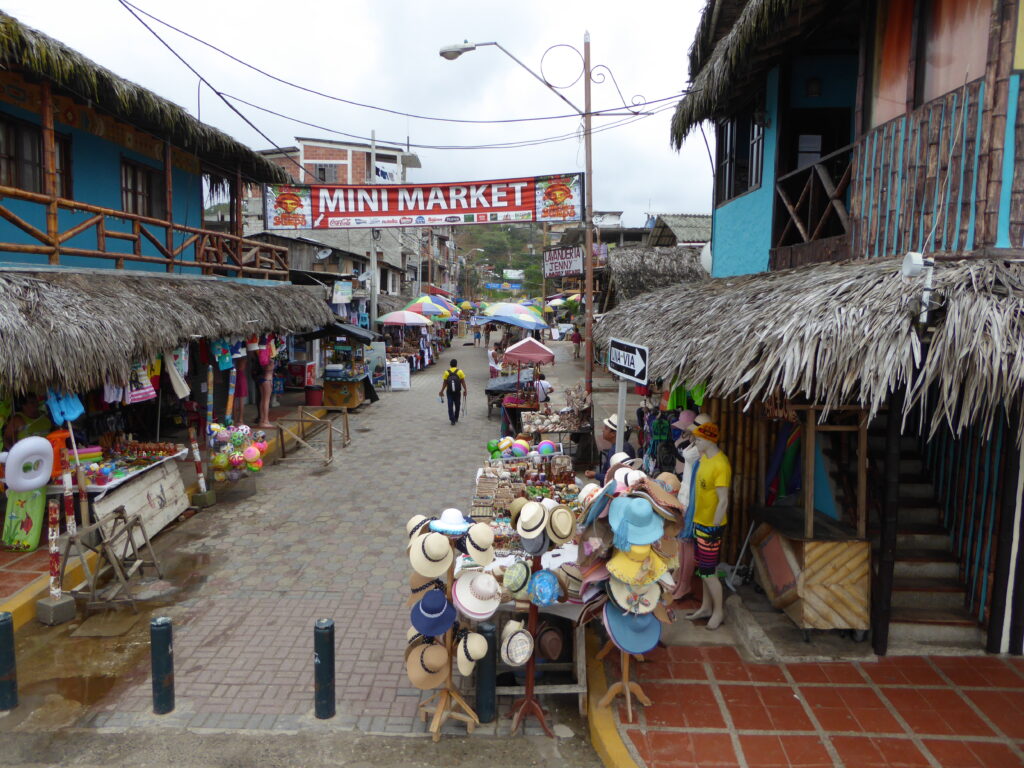
Implementing basic security protocols ensures a smooth and stress-free stay in Montañita.
Cash and currency handling
Ecuador uses the US dollar, which simplifies financial transactions. However, high-denomination bills (50- and 100-dollar notes) are rarely accepted in small coastal towns like Montañita.
- ATM Safety: Use ATMs located inside established bank branches or secure commercial centres whenever possible. Avoid standalone street-facing machines after dark
- Daily Allowance: Carry 20 to 30 dollars in small bills for daily meals, fruit stands, and surf rentals. Keep primary credit cards and backup cash locked in your room
Identification and documentation
Ecuadorian law requires foreigners to carry valid identification. However, carrying an original passport on the beach or to a bar risks loss or theft.
- Smart Protocol: Carry a clear paper photocopy or digital photo of your passport photo page and entry stamp on your phone. Leave original documents secured in your room locker
Health and coastal hazards
Security extends beyond crime to natural and health considerations.
- Ocean Currents: Rip tides along Montañita’s main beach break can be powerful. Pay close attention to local flag systems on the beach and avoid swimming under the influence of alcohol
- Medical Facilities: Montañita has basic medical clinics and pharmacies. For serious medical concerns, the nearest major hospital facilities are located in Santa Elena and Guayaquil. Ensure comprehensive travel health insurance covers medical evacuation if cycling remote sections of the coast
Emergency contact protocol
Keep these essential numbers saved offline in your mobile device:
- National Emergency Line: 911
- Local Police Station (Policía Nacional): Accessible in town centre
- Tourist Information & Local Assistance: Consult hostel/hotel desk for immediate community updates
The Ecuadorian Amazon.
The most biodiverse place in the world
Stay sharp along the Pacific coast
Read this far?
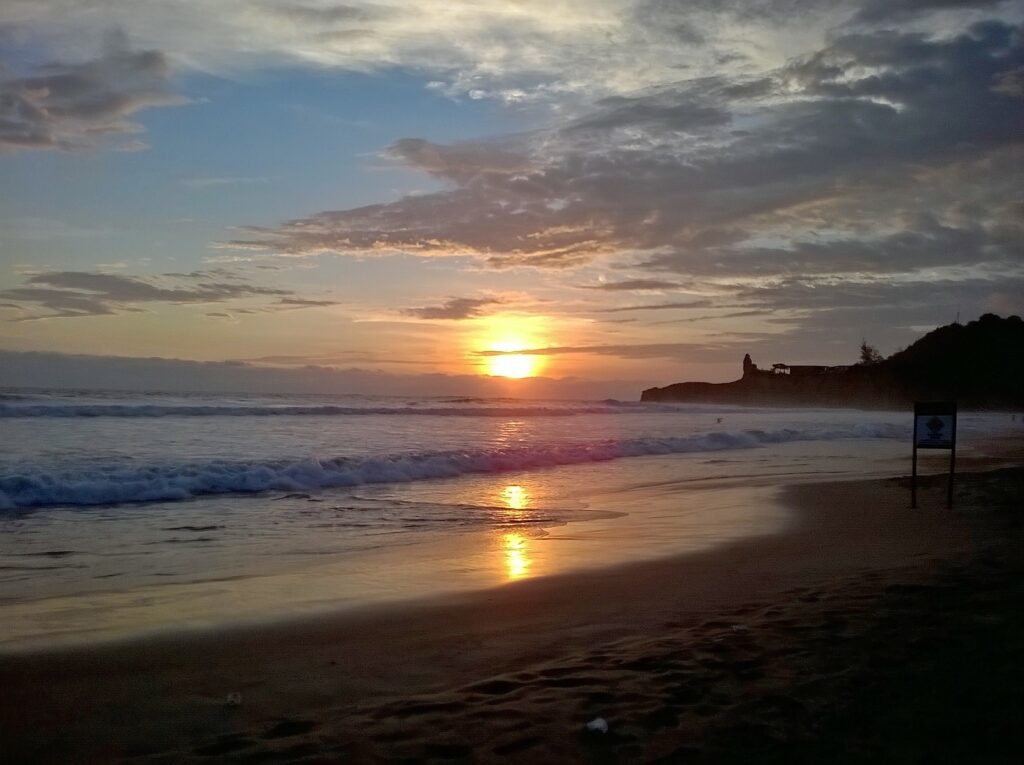
Navigating Montañita in 2027 does not require living in fear, but it does demand respect for the broader security environment of coastal Ecuador. The town’s bohemian charm, world-class waves, and legendary ocean sunsets remain as captivating as ever, yet they exist alongside real economic and regional pressures.
By maintaining clear situational awareness during late-night outings, safeguarding your valuables at the beach, and choosing verified transport options, you preserve the autonomy and freedom that make coastal travel so rewarding.
Every trip along the Ruta Spondylus teaches us that preparation is the key to spontaneous, uninhibited exploration. When you take basic security measures off your mind by establishing solid daily routines—locking up gear, riding strictly during daylight, and keeping small bills handy—you free up your focus for what truly matters: the swell, the road, and the people you meet along the way.
Stay sharp, travel thoughtfully, and respect the local dynamics of every community you pass through.
Affiliate Disclaimer: Some of the links on Wheely Tyred are affiliate links. If you click through and make a booking or purchase, we may earn a small commission at no extra cost to you. We only recommend gear, tours, stays, and services we genuinely use, trust, and stand behind — our editorial independence always comes first. These commissions help keep our independent cycling guides and travel stories free to read. You can also buy me a coffee here — thanks for supporting the ride!
Frequently asked questions about Montañita safety in 2027
Yes, taking the direct CLP (Cooperativa Libertad Peninsular) bus from the main Guayaquil bus terminal (Terminal Terrestre) remains a reliable and standard option. To ensure safety, purchase tickets directly at official terminal counters, avoid informal roadside pickups, and keep your valuable daypack containing your passport, cash, and electronics on your lap throughout the journey rather than in overhead racks or under-bus storage.
Montañita is widely visited by solo female travellers due to its dense social atmosphere and established backpacker infrastructure. However, specific precautions are necessary: avoid walking along dark beach areas alone after nightfall, stay vigilant in crowded nightlife spots regarding drink safety, and choose accommodation options featuring 24-hour security and secure lockers.
Never leave phones, wallets, or passports unattended on the sand, even for a short swim or surf session. If travelling alone, leave all valuables secured in locked storage at your hostel or hotel, or rent a day locker at one of the established surf shops along the beach promenade.
Cycling the Ruta Spondylus (Highway E15) is feasible, but requires careful planning. Highway shoulders can be narrow, and inter-provincial bus traffic moves quickly. Plan riding legs strictly during daylight hours, use bright high-visibility gear with rear LED lights, and always store bicycles inside secure, locked hotel premises overnight.
Montañita operates predominantly on a cash economy. Small eateries, surf rentals, and local markets rarely accept credit cards. Carry small US dollar denominations ($1, $5, $10, and $20 bills), as local vendors often struggle to make change for $50 or $100 notes. Use ATMs located inside secure bank branches during daytime hours to withdraw cash safely.
Ecuador.
Pure wonder on the equator.


