An independent traveller’s guide to Olón / The peaceful heart of Ecuador’s coast
Local tips for first-time visitors to Olón, Ecuador, including where to stay, transport advice, and slow travel highlights
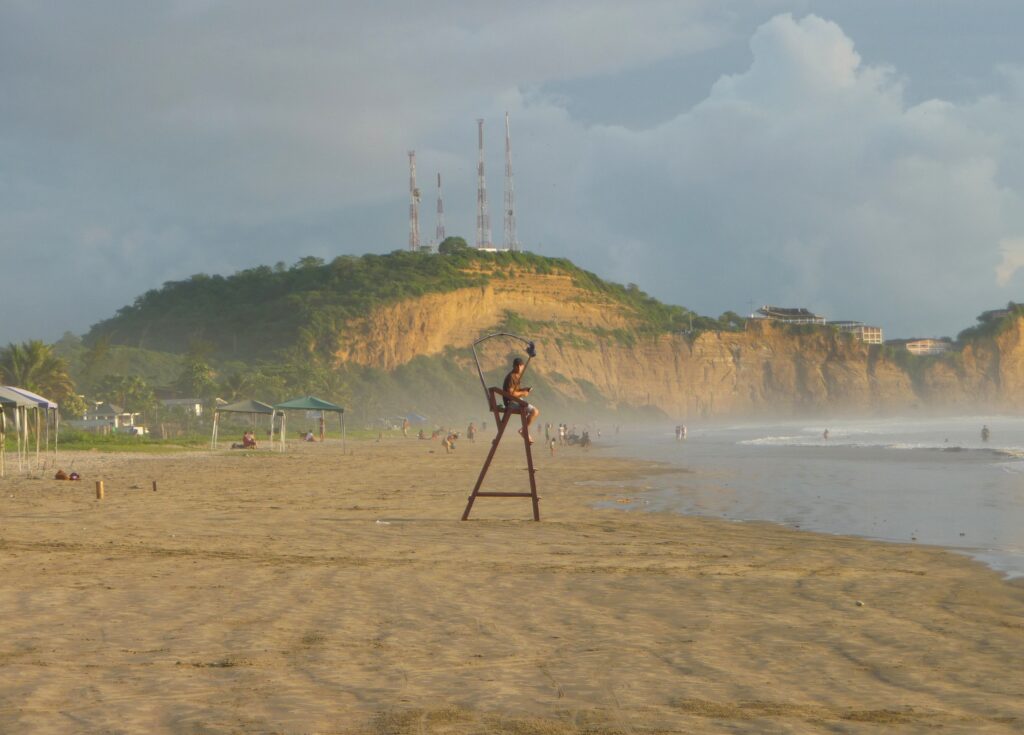
Trade tourist tracks for wide-open sands and low-tide walks
BEN FINCH
For those who view travel as a series of moments to be uncovered rather than a checklist to be cleared, the Ecuadorian coastline presents a fascinating study in contrasts. Along the Ruta del Spondylus, the coastal highway that snakes alongside the Pacific Ocean, many destinations demand your energy. Olón, however, asks only for your time.
This wide, sandy crescent has quietly become a sanctuary for autonomous travellers, digital nomads, and families seeking an authentic slice of coastal life. Free from the rigid schedules of commercial tour groups and the frantic noise of holiday resorts, Olón invites visitors to establish their own rhythms.
Whether you arrive by regional bus, local colectivo, or your own two wheels, navigating this tranquil pueblo successfully requires a bit of insider knowledge. This guide ensures your first visit feels less like a tourist excursion and more like a seamless integration into the local community.
The serene crescent of the Spondylus
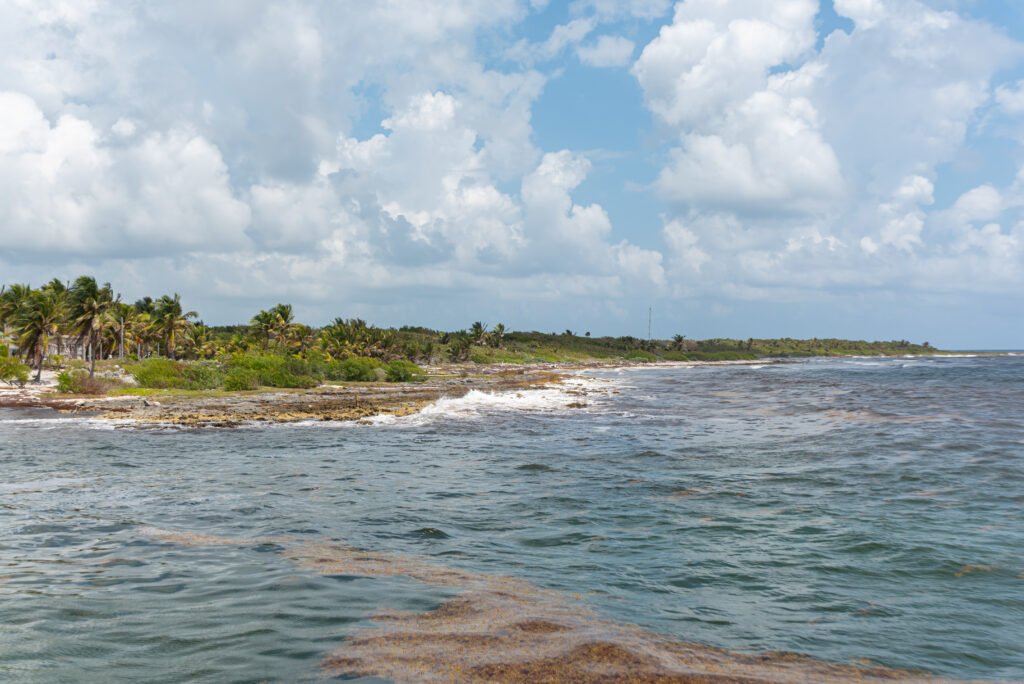
A sanctuary of wide-open sands and slow rhythms on the Ecuadorian coast, Olón offers a restorative retreat for autonomous travellers. This structured summary condenses the essential geographical truths, logistical realities, and local customs needed to integrate seamlessly into this tranquil coastal village.
- The tidal highway: El Point, a dramatic rocky headland, physically separates Olón from the high-energy nightlife of neighbouring Montañita, becoming a passable highway of hard, wet sand only during low tide
- The garúa season: From June to September, a cool sea mist blankets the coastline, lowering temperatures to a comfortable 20°C and clearing out the crowds, making it an ideal time for long walks and cloud forest exploration
- Small-change economy: The United States dollar is the official currency, but cash is the absolute ruler of daily life; breaking twenty-dollar notes is notoriously difficult, making a steady supply of coins and small bills mandatory
- Autonomous transit links: Direct regional buses connect Guayaquil to the village within four hours, whilst open-air local mototaxis and regional buses allow for effortless, affordable hops along the highway
- Neighbourhood distinctiveness: Accommodation choices dictate the daily rhythm, ranging from the culturally immersive Pueblo Interior near the local market to the deeply peaceful, tree-shaded lanes of Oloncito
- The midday hush: Local shops and family-run kitchens routinely pause operations between 1:00 pm and 3:00 pm, a traditional coastal practice that rewards travellers who adapt to the local pace
The Ecuadorian Coast.
Where you’ll find the very best food
Understanding the geography of stillness

First-time visitors frequently confuse Olón with its famous neighbour, Montañita, located just three kilometres to the south. While they share the same stretch of coastline, they occupy completely different cultural universes. Montañita is a neon-lit, high-energy hub famous for nightlife and surf tourism. Olón is its peaceful antithesis.
The two towns are physically separated by a dramatic rocky headland known as El Point. At high tide, this cliffside acts as a natural barrier, keeping the distinct energies of each town completely contained. At low tide, however, the wet sand hardens into a wide highway, allowing you to walk between the two worlds in about forty minutes. Understanding this relationship is key to planning your days. You can easily stroll into the noise for an afternoon surf lesson or an evening meal, then retreat across the sand to the absolute quiet of Olón as the tide recedes.
The grey blanket / Mastering the microclimates
One of the most significant surprises for first-timers arriving on the Ecuadorian coast is the weather. Many travellers pack exclusively for tropical sunshine, expecting blue skies every day of the year. The reality of the local climate is far more nuanced and dictates the entire atmosphere of your stay.
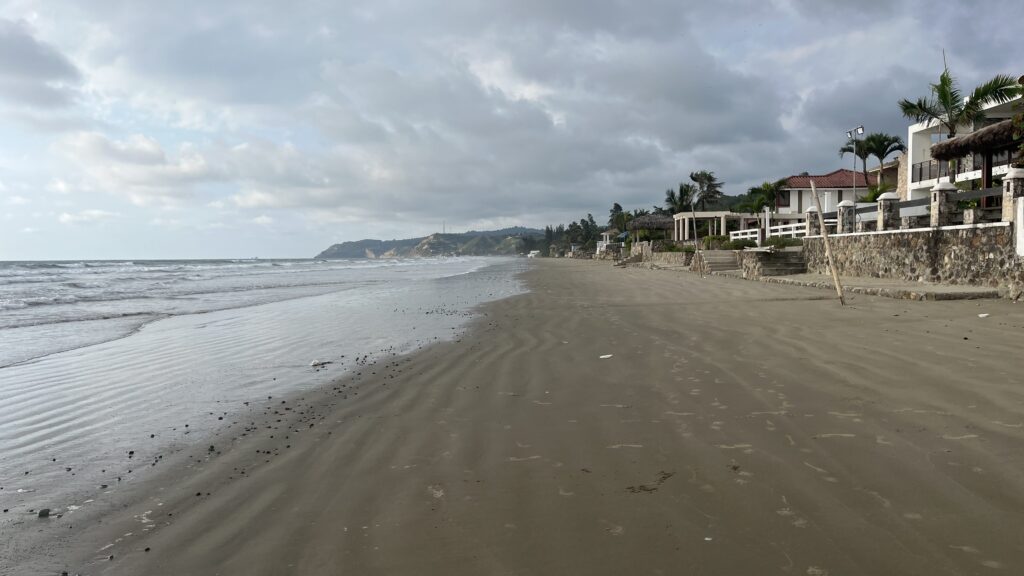
The coastal region experiences two primary seasons: the sunny season and the garúa season. From December to April, the sky is generally bright, the air is hot and humid, and the ocean is warm. This is the classic beach experience. However, from June to September, the coast is dominated by the garúa, a dense, low-hanging sea mist that blankets the region in a soft, grey light.
During these months, you may not see the sun for weeks at a time. The temperature drops to a comfortable but cool 20 degrees Celsius, and a light, damp moisture hangs in the air. For the independent traveller, the garúa season is actually a magical time to visit. The crowds disappear, the beach feels infinite, and the cooler air is perfect for long walks or exploring the nearby cloud forests of the Chongón-Colonche mountain range.
The trick is simply to pack correctly. A lightweight windbreaker, a long-sleeved shirt for the evenings, and a willingness to embrace the atmospheric beauty of a misty coastline are essential.
The Galápagos.
Ecuador’s Enchanted Isles
Navigating the local economy / The cash conundrum

Ecuador uses the United States dollar as its official currency, a fact that makes life simple on the surface but presents immediate hurdles on the ground. Independent travellers must understand that in Olón, cash is the absolute ruler of daily life. Credit cards are rarely accepted outside of upscale boutique hotels or a tiny handful of expat-focused establishments.
More importantly, small denominations are non-negotiable. If you attempt to pay for a two-dollar plate of fresh fruit or a local bus fare with a twenty-dollar bill, you will likely face an apologetic shake of the head. Fifty- and one-hundred-dollar bills are practically unusable in the village.
Before you leave major transit hubs like Guayaquil or Manta, break your money down into one-, five-, and ten-dollar bills. Keep an abundant supply of dollar coins, which are highly favoured by local shopkeepers. Olón does possess ATMs, but they are notoriously unreliable. They frequently run out of cash during long holiday weekends or lose connection during coastal storms. Never let your personal cash reserve drop to zero before seeking out a machine; always have a backup stash tucked away in your pack.
Arriving on your own terms / Transport dynamics

Reaching Olón without a private tour vehicle is remarkably straightforward, provided you understand the local bus infrastructure. If you are arriving from Guayaquil, the primary gateway is the Terminal Terrestre. From here, the Cooperativa Libertad Peninsular (CLP) runs direct buses to Olón several times a day. The journey takes roughly three to four hours, climbing through dry tropical forests before hitting the coast.
For those who prefer a more flexible schedule, you can take any bus heading to Santa Elena or La Libertad. From these larger regional hubs, you can easily catch a local bus or a communal taxi heading north along the Ruta del Spondylus toward Olón.
Once you are in the village, mechanical transport becomes largely unnecessary. The grid system of the town is compact, flat, and highly walkable. For travelling between neighbouring beaches, look out for the green-and-white local buses or the open-air mototaxis that buzz along the highway. They cost mere pocket change and operate on a wave-down system. Simply stand by the roadside, raise your hand, and step into the local flow of traffic.
The Ecuadorian Sierra.
Get lost in the hills
Where to base yourself / Choosing your neighbourhood

Olón is small, but its distinct pockets cater to different styles of independent travel. When deciding where to drop your bags, consider how you want your mornings to feel.
The Pueblo Interior
Staying a few blocks back from the ocean puts you in the residential heart of the village. Here, the mornings are soundtracked by the calls of mobile fruit vendors selling fresh pineapples from the backs of trucks and the chatter of locals heading to the central market. It offers the highest level of cultural immersion and the best value for budget-conscious travellers. The only minor drawback is the proximity to the main highway, where regional buses accelerate through town; light sleepers should look for accommodation at least two blocks east or west of the tarmac.
The Beachfront / Malecón
The western edge of the town meets the sand along a modest, unpaved roadway. Lodgings here offer immediate access to the surf and the sound of breaking waves at night. It is generally peaceful, though weekends can bring local families who park near the sand to enjoy music and food stalls.
Oloncito
Located at the northern end of the village, across a small riverbed, this quieter residential zone features a higher concentration of holiday homes and expat rentals. It is incredibly tranquil and shaded by mature trees, making it a favourite spot for those planning a slower, multi-week stay.
Culinary authenticity / Eating like a resident
To truly understand Olón, you must bypass the western-style cafes offering standard international fare and seek out the traditional kitchens. The culinary heart of the village resides in its small, family-run comedores.
Look for signs advertising the almuerzo, the traditional fixed-price lunch. For a handful of coins, an almuerzo delivers a deeply satisfying, three-course experience: a hearty soup (often containing fresh fish, green plantains, or lentils), a main plate of rice served with beans and a protein, and a glass of fresh fruit juice. The menu changes daily based on what was caught that morning or what is fresh at the market.
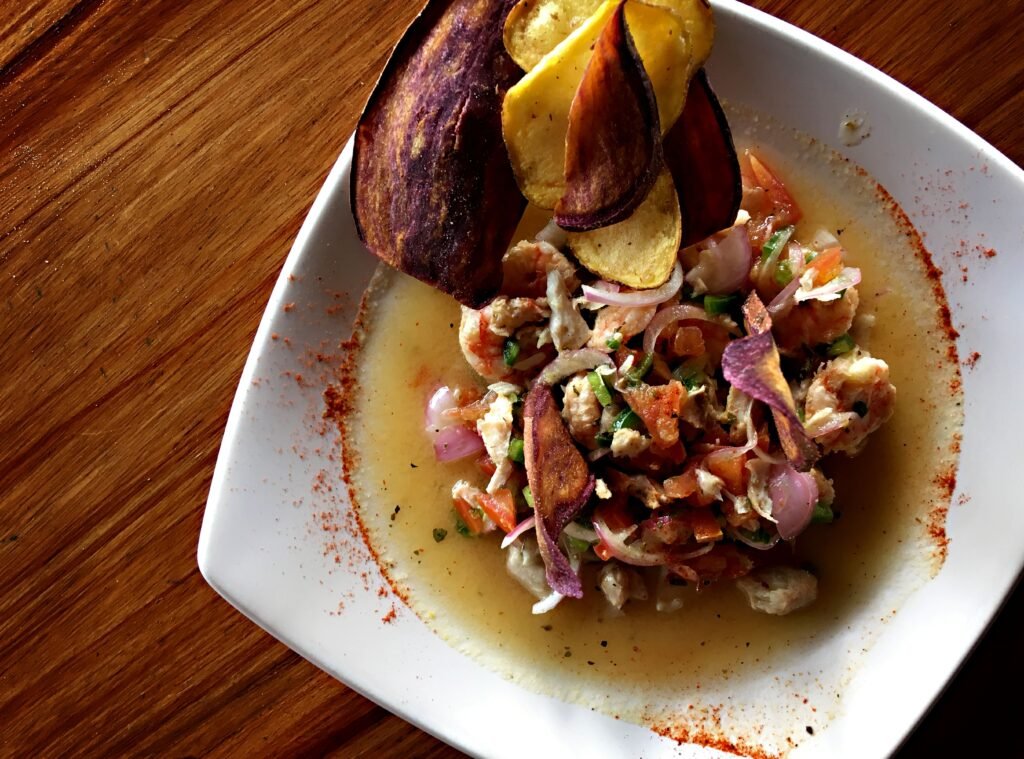
Seafood lovers should head to the permanent collection of food cabañas lining the beachfront. Here, local cooks prepare ceviche to order. Unlike the lime-cured versions found in Peru, Ecuadorian coastal ceviche features fresh seafood swimming in a light, savoury broth made from lime, orange juices, and delicate local oils, served alongside crisp plantain chips known as chifles. It is a dish designed to be eaten slowly, with your feet in the sand, watching the horizon.
The Ecuadorian Amazon.
The most biodiverse place in the world
First-timer pitfalls to avoid
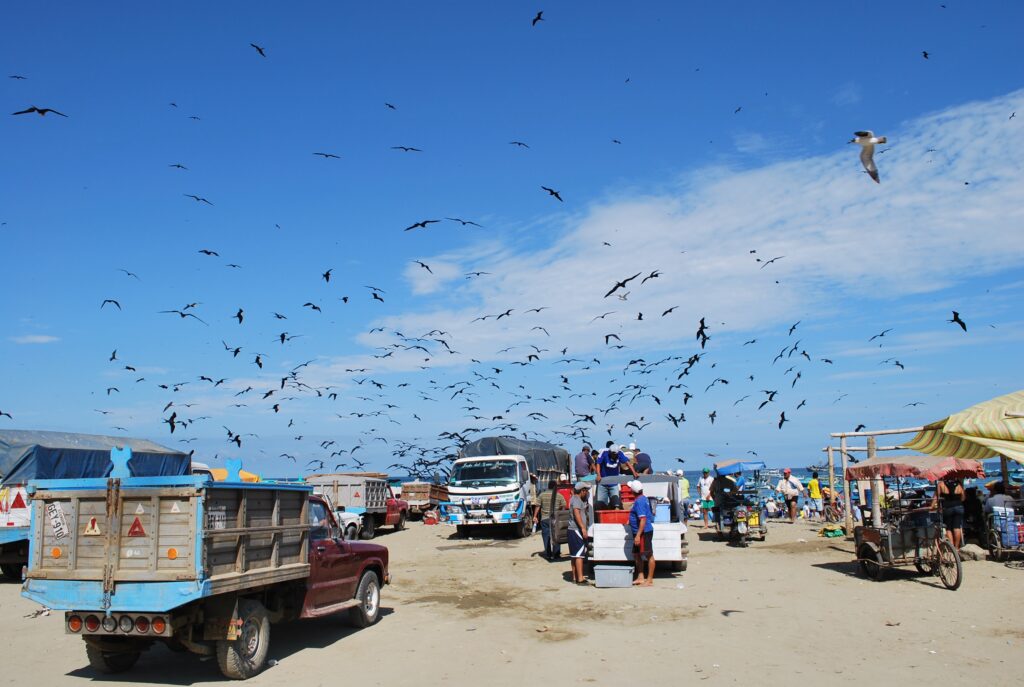
To ensure your transition into Olón is graceful, keep these frequently overlooked cultural and practical details in mind:
- The Midday Hush: Olón respects the traditional rhythm of the coast. Between 1:00 pm and 3:00 pm, the village slows down significantly. Independent shops may close their doors, and restaurant kitchens may pause as families sit down to eat their own main meals. Do not fight this rhythm; use these hours to read in a hammock or rest out of the midday heat
- Water Mindfulness: The municipal tap water is not potable for international visitors. Use filtered water even when brushing your teeth, and ensure the ice in your drinks is made from purified water (virtually all established businesses in town do this automatically, but it never hurts to ask gently)
- Respecting the Community: Olón is incredibly welcoming, but it remains a traditional coastal village. While swimwear is standard on the sand, it is customary to cover up when walking through the streets of the pueblo or entering a local tienda. Throwing a light shirt or sarong on shows respect for the residents who make this paradise possible
By stepping away from structured tours and embracing the independent path, you allow Olón to reveal its true character. It is a destination that rewards patience, values simplicity, and reminds us that sometimes the best travel itinerary is the one you write as you go.
Frequently asked questions about visiting Olón
Independent travellers can board a direct bus operated by Cooperativa Libertad Peninsular (CLP) from the main Terminal Terrestre in Guayaquil. The journey takes approximately three to four hours, climbing through dry tropical landscapes before reaching the coast. Alternatively, you can take any regional bus heading to Santa Elena or La Libertad and change to a northbound local bus running along the Ruta del Spondylus.
An almuerzo is a traditional, fixed-price set lunch that represents the heart of local culinary life. Found in the small, family-run comedores within the Pueblo Interior, this affordable meal typically consists of a hearty soup featuring fresh fish or lentils, a main plate of rice, beans, and a protein, finished with a glass of fresh fruit juice.
Cash is absolutely essential in Olón, as credit cards are rarely accepted outside a tiny number of upscale boutique hotels. While the village does have automated teller machines, they are notoriously unreliable and frequently run out of funds during coastal storms or busy holiday weekends. Travellers should always maintain a physical reserve of small bills.
Unlike the lime-cured versions common in Peru, Ecuadorian coastal ceviche is distinctively soupy. Fresh seafood is served swimming in a delicate, savoury broth composed of citrus juices, lime, orange, and local oils. It is traditionally served cold alongside chifles, which are thinly sliced, crisp plantain chips.
The municipal tap water in the village is not potable for international visitors. It is essential to use filtered or bottled water for drinking and brushing teeth. While established local restaurants and beachfront cabañas use purified water for ice automatically, asking gently before ordering drinks is always a wise precaution.
Olón is a welcoming but traditionally conservative coastal village. While standard swimwear is perfectly acceptable on the open beach, local custom requires visitors to cover up by putting on a shirt, shorts, or a sarong when leaving the sand to walk through the streets of the pueblo or enter local businesses.
Ecuador.
Pure wonder on the equator.