Salt, smoke, and peanut paste / Navigating the authentic culinary traditions of the Ecuadorian Coast
A comprehensive guide to the best traditional coastal food, local dishes, and independent restaurants to try on Ecuador’s coast
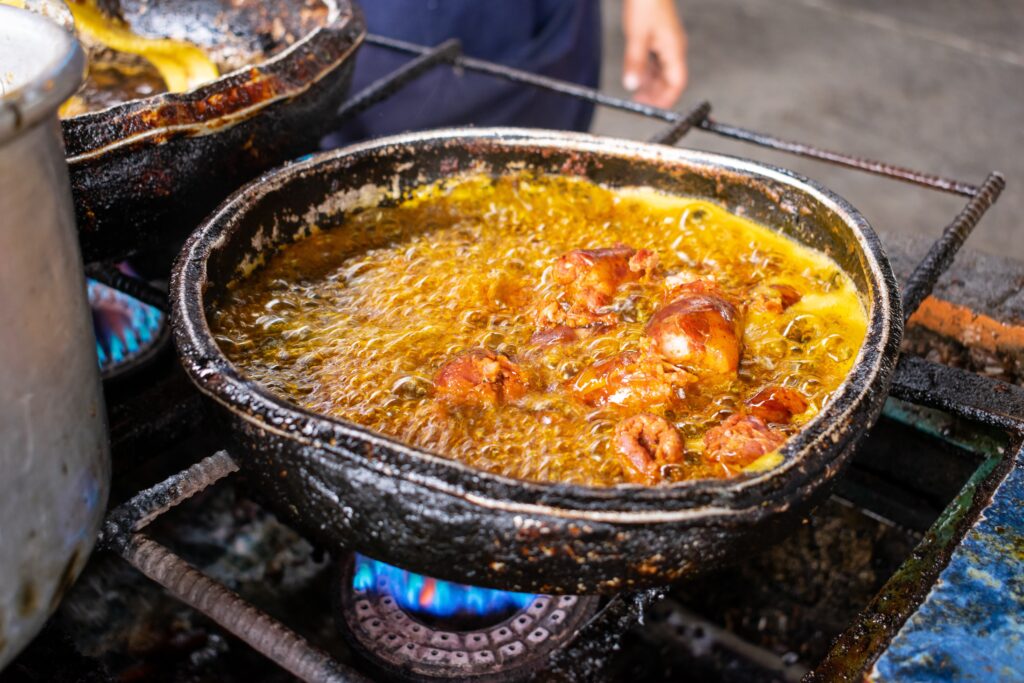
The true soul of the Pacific coast is found in roadside cauldrons and clay pots
BEN FINCH
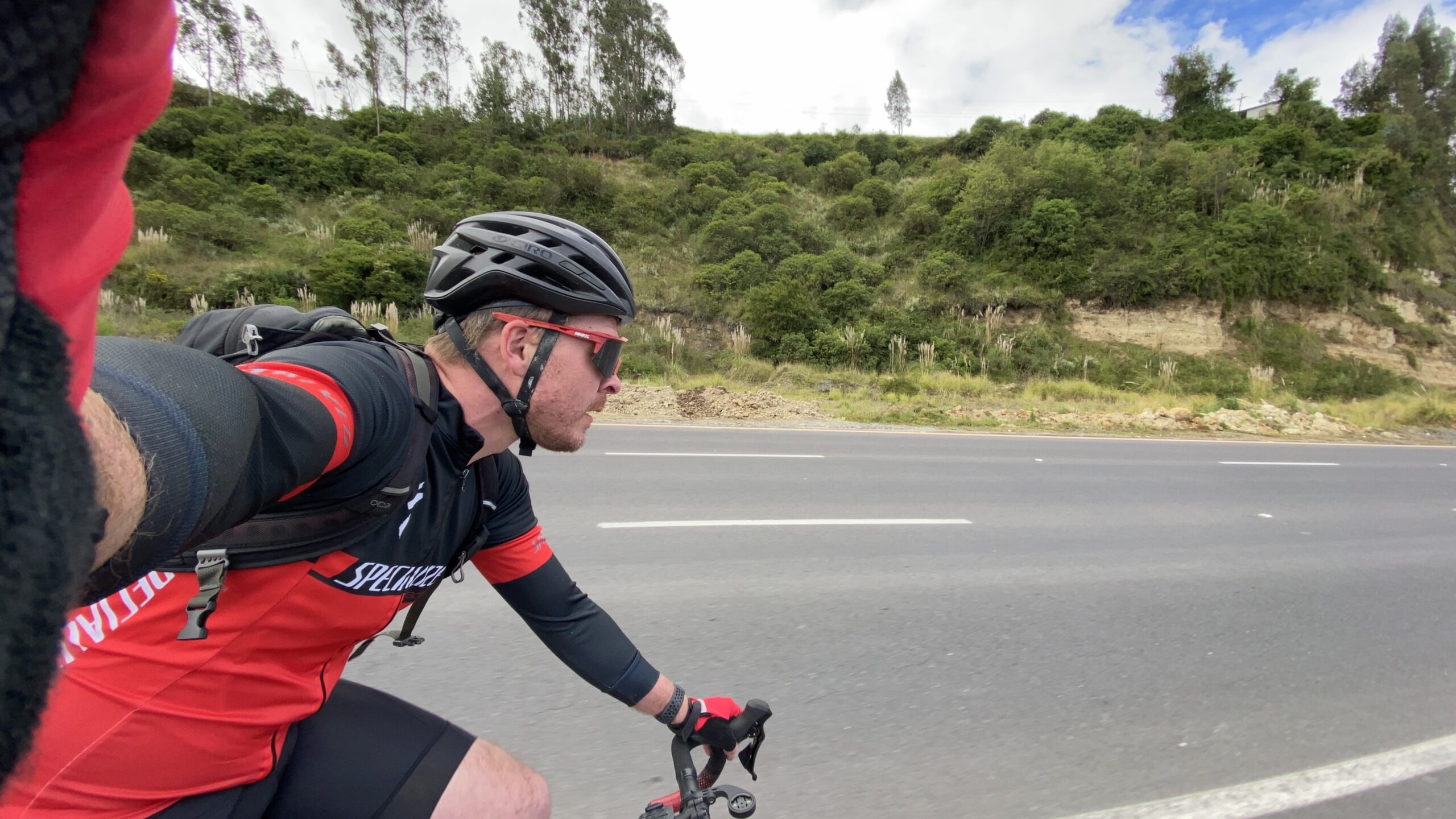
Travelling along the Ecuadorian Coast under your own steam introduces you to a rhythm that cannot be replicated from the window of a high-speed tour bus. Whether you are arriving in a coastal village by local transport, watching the topography shift from the saddle of a bicycle, or simply exploring the urban sprawl on foot, the air changes long before you reach the ocean. The heavy, mountain crispness of the Andes gives way to a dense, humid warmth scented with salt, charcoal smoke, and the unmistakable, rich aroma of roasting peanuts.
Coastal Ecuadorian cuisine is a brilliant anomaly on the South American continent. While neighbouring regions often rely on potato-centric or purely citrus-cured culinary frameworks, this coastline has spent centuries perfecting a marriage of two fundamental ingredients: verde (green plantain) and maní (a deeply savoury, rich peanut paste). Together with an abundant supply of fresh Pacific seafood, these elements form a culinary identity that is complex, deeply historical, and perfectly suited for the independent traveller who wants to understand a place through its food.
To eat well here is to eat slowly, following the coastal highways through the provinces of Guayas and Manabí, stopping where the locals gather. This guide explores the essential dishes that define the region and the standout, independent culinary institutions keeping these traditions alive.
The sun-drenched hearth of the Pacific coast
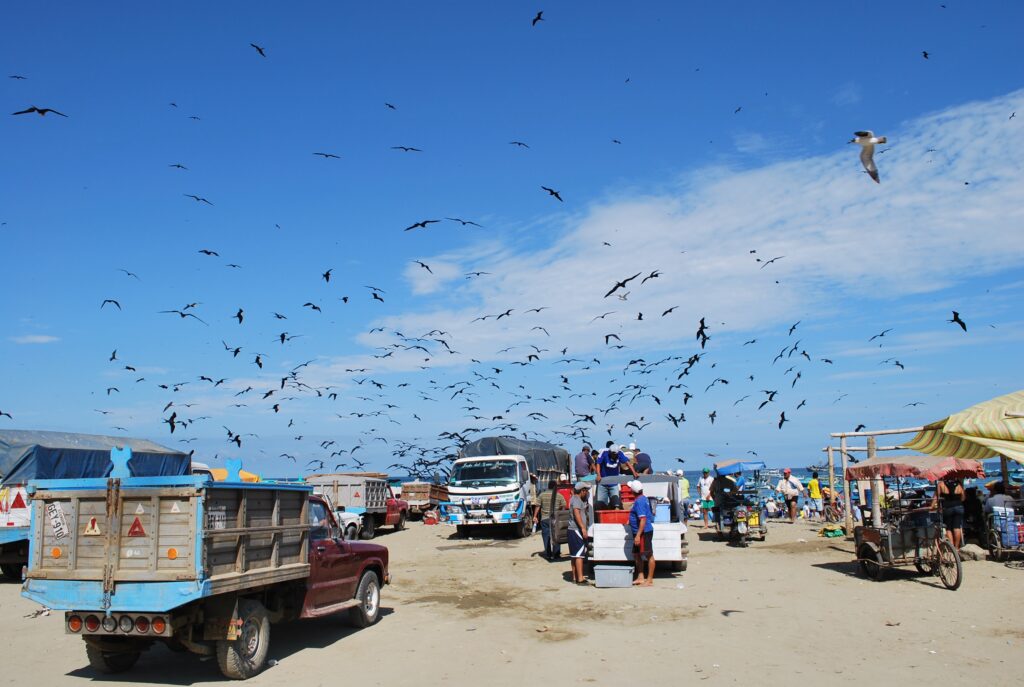
Slowing down along the Ecuadorian littoral reveals a culinary landscape shaped entirely by the sea and the soil. This summary captures the essential independent stops and defining coastal flavours for travellers charting their own course.
- The Plantain and Peanut Foundation: Discover how green plantain (verde) and rich peanut paste (maní) form the dense, energy-rich backbone of almost every coastal dish
- The Ritual of Encebollado: Learn why this deeply savoury albacore tuna and yuca soup serves as the ultimate morning fuel for those moving at their own pace
- The Jipijapa Twist: Explore how the Manabí province transforms classic ceviche by introducing creamy roasted peanut paste to the citrus marinade
- Earthenware Mastery in Puerto López: Stop at Restaurant Carmita to experience traditional seafood cazuelas baked slowly in heavy clay pots until a rich, caramelised crust forms
- Heritage Bowls in Guayaquil: Seek out the legendary El Pez Volador to taste an encebollado so historically significant that it is recognised as national intangible heritage
- The Ultimate Roadside Fuel: Keep an eye out for corviche, a portable, golden-fried plantain and peanut dough pocket that makes the perfect mid-journey snack
The Ecuadorian Coast.
Where you’ll find the very best food
The pillars of coastal cooking
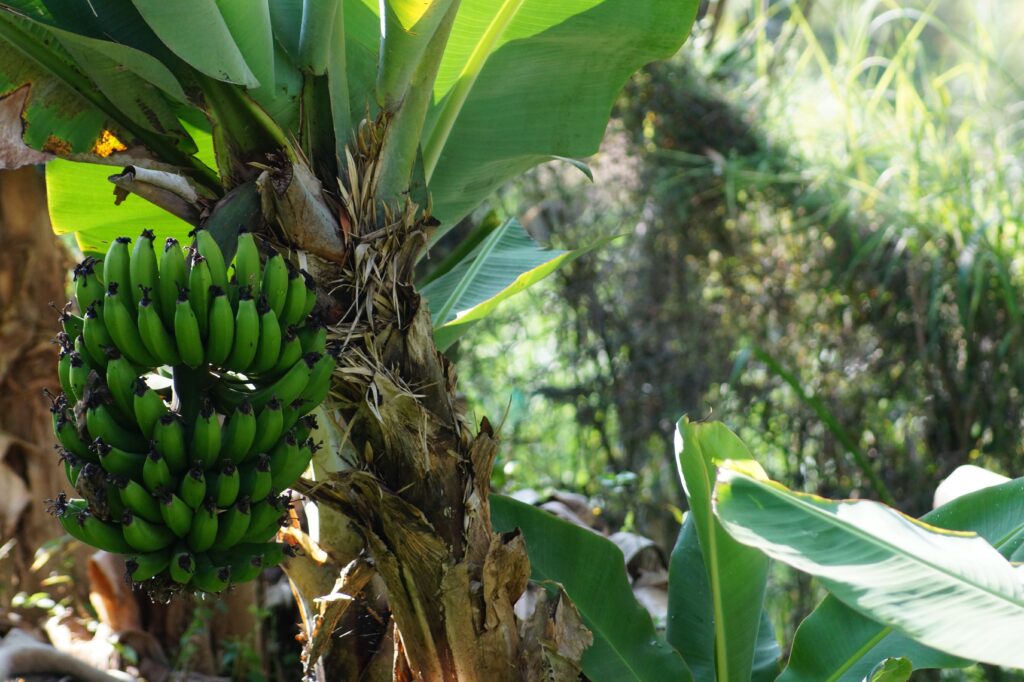
To truly appreciate the food of the coast, one must understand the absolute reverence for the green plantain. Unlike the sweet, yellow variety, verde is treated more like a versatile root vegetable. It is grated, smashed, boiled, fried, and double-fried. It acts as a thickener for stews, a crispy vessel for salsas, and the structural foundation for breakfast, lunch, and dinner.
The second pillar is maní. This is not the sweet peanut butter of Western supermarkets; it is an unctuous, earthy paste made from locally grown peanuts, toasted and ground with garlic, achiote, and sea salt. It provides an incredible, velvety depth to sauces, turning light seafood dishes into hearty, energy-dense meals that have sustained coastal workers and travellers for generations.
Encebollado
It is impossible to discuss coastal cuisine without beginning with encebollado. Often heralded as the definitive national dish, this is a deeply savoury, restorative soup built around fresh albacore tuna, soft yuca, and a mountain of pickled red onions. The broth itself is a masterpiece, simmered with cumin, tomato, and coriander until it achieves a dark, comforting richness.
Encebollado is traditionally served in the morning and is accompanied by chifles (paper-thin, crispy green plantain chips) or bread. The magic happens at the table, where you season the bowl to your liking with fresh lime juice, a splash of local chilli sauce, and perhaps a drizzle of oil. For anyone spending long days navigating coastal routes, a mid-morning bowl of encebollado is the ultimate fuel.
Ceviche Jipijapa
While Peru is famous for its sharp, lime-heavy ceviche, the Manabí province of Ecuador offers an entirely different interpretation that catches many travellers by surprise. Named after the town of Jipijapa, this version incorporates a generous spoonful of liquid peanut paste into the citrus marinade.
The result is a creamy, complex broth that balances the bright acidity of lime and orange juices with the rich, nutty weight of the maní. It is typically prepared with raw fish or cooked shrimp, garnished with finely chopped red onion, coriander, and tomato, and served with an endless supply of patacones (thick, twice-fried green plantain discs).
The Galápagos.
Ecuador’s Enchanted Isles
Cazuela de Mariscos
If you find yourself in a coastal village as the afternoon cooling trend begins, look for the aroma of baking clay. Cazuela de mariscos is a rich seafood stew prepared and baked in individual, heavy clay pots. The base of the dish is a dense batter made from grated green plantains mixed with peanut paste, fish stock, and a traditional refrito of onions and peppers.
Fresh seafood—ranging from shrimp and octopus to firm-fleshed white fish—is folded into this mixture before the clay pot is placed over hot coals or into an oven. The plantain batter thickens into a rich, pudding-like consistency, while the edges of the pot develop a deeply prized, caramelised crust.
Corviche
For the traveller on the move, the corviche is the king of coastal street food. It is an oval, golden-brown fritter made from a seasoned dough of grated green plantain and peanut paste. The dough is shaped around a filling of spiced albacore tuna or dorado, and then deep-fried or baked until incredibly crispy on the outside while remaining soft and steaming within.
You will find vendors selling these from glass cases at roadside stalls, bus terminals, and beachfront shacks. It is a portable, self-contained meal that encapsulates the entire flavour profile of the region in a few bites.
The Ecuadorian Sierra.
Get lost in the hills
Four independent eateries to seek out
To experience these dishes at their absolute best, you must avoid the sterile, international hotel dining rooms and look for independent venues where culinary heritage takes precedence over modern trends. These four establishments offer authentic flavours, exceptional quality, and an atmosphere deeply tied to their local environments.
El Pez Volador / Guayaquil
Tucked into the vibrant urban landscape of Guayaquil, the unpretentious establishment of El Pez Volador is nothing short of a living monument to coastal food culture. Having been officially recognised as part of the country’s intangible cultural heritage, it has remained fiercely independent and dedicated to a single craft: perfecting the morning bowl of encebollado.
The setting is simple, bustling, and entirely authentic. The albacore is cooked to a perfect tenderness, the yuca is soft, and the broth has a clarity and depth of flavour that explains why locals from all walks of life pack the benches here every morning. It is an essential stop for anyone wanting to experience the true urban pulse of the coast.
Brisa Brasería del Mar / Olón
For those exploring the laid-back surf communities and slower coastal roads further north, Brisa Brasería del Mar is an independent restaurant in Olón offering a masterclass in treating local ingredients with modern care. Set away from the main tourist strips, it is a relaxed, open-air spot where the sea breeze complements the menu.
While the atmosphere is thoroughly contemporary, the kitchen respects tradition. Their empanadas de verde are light, crisp, and beautifully golden, while their fresh fish ceviche showcases the exceptional quality of the daily catch brought in by local fishermen. It is the ideal place to sit for a long afternoon lunch after a morning of exploring the coastal hills.
The Ecuadorian Amazon.
The most biodiverse place in the world
Restaurant Carmita / Puerto López
Located right along the sweeping waterfront of Puerto López, a working fishing village defined by its wooden boats and dramatic coastal cliffs, the family-run Restaurant Carmita has been welcoming independent travellers for decades. The kitchen is celebrated for its traditional clay-pot cazuelas, which arrive at the table bubbling hot and packed with seafood caught just hours prior.
The long-standing success of this spot relies entirely on word-of-mouth recommendations among those who journey down the coastline by bus or bicycle, making it a natural gathering point for anyone seeking true culinary authenticity.
La Culata / Guayaquil
Returning to the regional capital, the traditional urban picantería of La Culata offers an immersive look into the communal dining habits of the coast. It is a lively, high-energy venue where the menu shifts according to what is freshest. They are particularly famous for their distinct, heavy variations of encebollado, including their seafood-laden option, which brings together multiple coastal elements into a single, massive bowl.
The kitchen leans heavily into the traditional, robust flavour profiles of the Manabí style, ensuring that the presence of peanut paste and freshly ground spices is front and centre in every dish.
The taste of coastal exploration
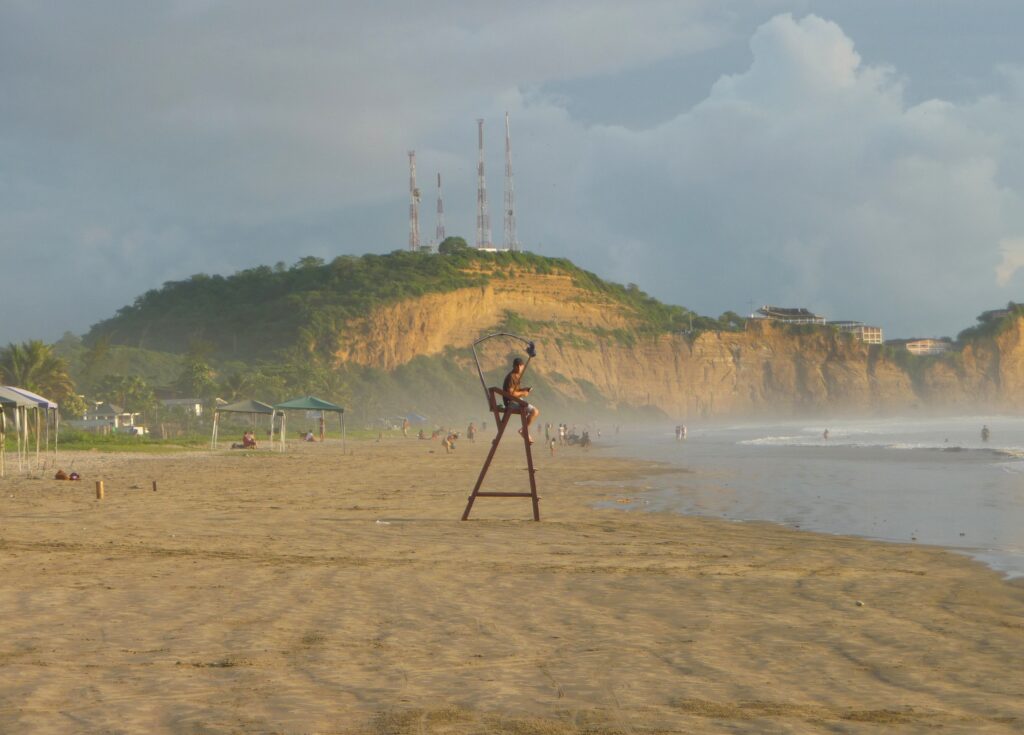
Understanding the food of the Ecuadorian Coast requires a willingness to slow down and match your pace to the land. The complex flavours of a cazuela or the rich depth of a ceviche jipijapa cannot be rushed; they are products of a landscape where the sea, the soil, and centuries of indigenous and afro-ecuadorian traditions converge. By seeking out independent, locally run establishments, you not only guarantee an authentic culinary experience but also support the preservation of a remarkable gastronomic heritage.
Frequently asked questions about the best food on the Ecuadorian Coast
While Peruvian ceviche relies heavily on a sharp, immediate citrus cure, the coastal Ecuadorian style—particularly the Jipijapa variant from Manabí—blends lime and orange juices with a rich, liquid peanut paste. This creates a velvety, complex broth that beautifully balances bright acidity with deep, earthy undertones.
Yes, traditionally, encebollado is a morning dish. Coastal locals and independent travellers look to this restorative albacore soup as an early-day ritual, making it the perfect mid-morning fuel before heading out onto the roads, local buses, or regional train networks.
Remarkably easily. Establishments like Restaurant Carmita sit along the primary waterfront routes in coastal transit hubs like Puerto López, making them highly accessible to anyone navigating the coast by local bus, bicycle, or on foot. Urban spots in Guayaquil are deeply integrated into the walkable fabric of the city centre.
The traditional clay pots retain intense, even heat from charcoal embers. This slow-baking process thickens the grated plantain and peanut base into a dense, pudding-like consistency while beautifully crisping the edges against the earthenware to create a deeply prized crust.
On the coast, green plantain (verde) is treated as a versatile, savoury starch rather than a sweet fruit. It is grated, boiled, mashed, or twice-fried to form structural elements for dishes, serving as the crispy vessel for chifles, the outer shell for corviche, or the thick base of a cazuela.
You will typically find corviche displayed in glass warming cases at roadside stalls, bus terminals, or beach shacks. It is an affordable, entirely self-contained snack made of fried plantain and peanut dough wrapped around spiced fish, designed to be eaten by hand while steaming hot.
Ecuador.
Pure wonder on the equator.