Sun, surf, and the Garúa / The definitive guide to the best time to visit the Ecuadorian Coast
The ultimate seasonal breakdown for planning your trip to coastal Ecuador
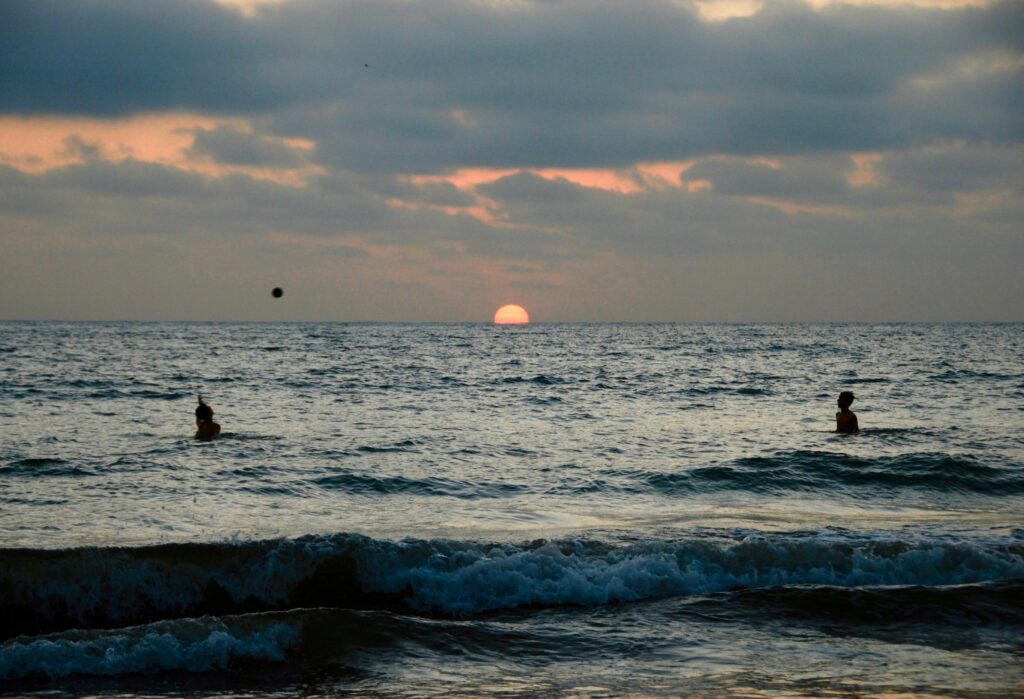
Where the Equator meets the ocean
BEN FINCH
The Ecuadorian Coast is a region of dramatic contrasts, where the tropical heat of the Pacific meets the cooling influence of the Humboldt Current. Stretching from the emerald forests of Esmeraldas in the north to the sun-baked peninsulas of Santa Elena in the south, this coastline offers a diverse array of experiences for every type of traveller. However, unlike many tropical destinations where the dry season is the undisputed king, the best time to visit the Ecuadorian Coast depends entirely on whether you prefer golden sunshine or the majestic migration of humpback whales.
Understanding the rhythm of the coast is essential. While the interior highlands follow a different drumbeat, the coast is defined by two primary periods: the rainy season (December to May) and the dry season (June to November). Counterintuitively, it is often the rainy season that draws the beach-going crowds, while the dry season offers a cooler, mistier atmosphere known locally as the Garúa.
The ebb and flow of the equator
Beyond the typical holiday clichés lies a coastline defined by the shifting dance of the Humboldt and El Niño currents. It is a place where the atmosphere transitions from a humid tropical steam to a cool, salted mist, rewarding the traveller who prizes timing as much as the destination.
- The Golden Window: Between December and May, the coast enjoys high temperatures and brilliant sunshine, punctuated by brief, dramatic tropical downpours that keep the landscape vibrant
- Marine Giants: From June to September, the nutrient-rich waters near Puerto López become a sanctuary for migrating humpback whales, offering a front-row seat to one of the planet’s most spectacular natural migrations
- The Atmospheric Garúa: The dry season (June–November) introduces a hauntingly beautiful coastal mist that acts as natural air conditioning, making it the superior choice for exploring the dry forests of Machalilla on foot
- Cultural Immersion: Scheduling a visit during Carnival in February or Semana Santa in March allows travellers to experience the loud, vibrant, and deeply traditional heart of coastal life
- A Changing Horizon: Rising mean temperatures and more volatile El Niño patterns mean that flexibility is now an essential component of any independent traveller’s itinerary
- Geographic Diversity: The region shifts from the lush, emerald humidity of Esmeraldas in the north to the stark, arid, and almost desert-like peninsulas of the south
The Ecuadorian Coast.
Where you’ll find the very best food
The sunny wet season / December to May
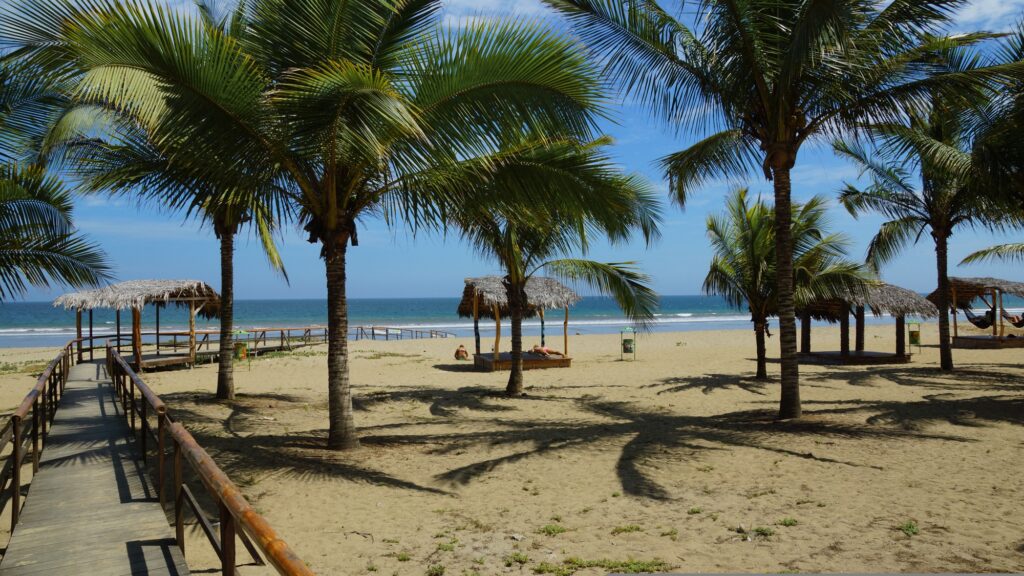
For the general traveller looking for classic beach weather—think azure skies, warm water, and vibrant sunsets—the window between December and May is frequently cited as the best time to visit the Ecuadorian Coast. Although this is technically the rainy season, the weather pattern is remarkably predictable and tourist-friendly.
During these months, the mornings are typically bright and hot, with temperatures often reaching 30°C. The heat builds throughout the day, often culminating in a heavy, refreshing downpour in the late afternoon or evening. These tropical showers are usually brief, leaving the air feeling crisp and the lush coastal vegetation glowing in a deep, saturated green.
January and February are peak months for domestic tourism. This is when the coastal towns of Salinas and Montañita come alive. The water temperature is at its warmest, hovering around 25°C to 26°C, making it perfect for swimming and for beginners trying their hand at surfing. This period also coincides with Carnival, a raucous and colourful nationwide celebration where water fights and street parties are the norm. If you enjoy a vibrant, high-energy atmosphere, this is your time.
March and April remain very warm, though they represent the peak of the rainfall. Humidity can be high during this period, which may be a consideration for those sensitive to tropical heat. However, the abundance of tropical fruit and the sheer lushness of the landscape make it a sensory delight.
The cool dry season / June to November
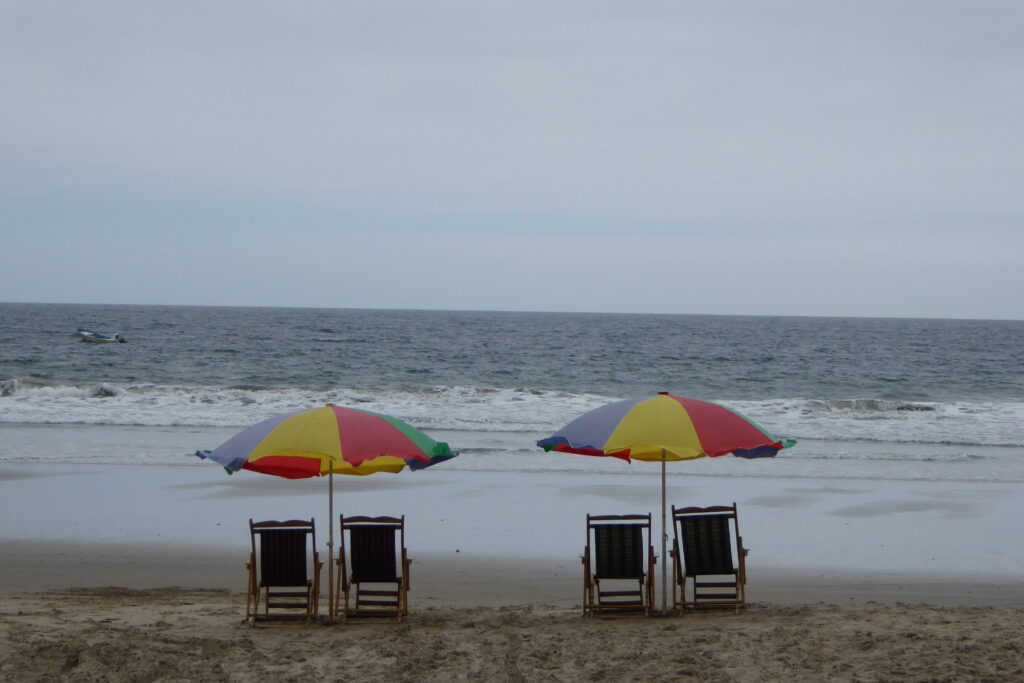
As June arrives, the coastal climate undergoes a significant shift. The skies often become overcast, and a fine, persistent mist known as the Garúa settles over the region. While the thermometer may only drop to 23°C or 24°C, the lack of direct sunlight and the cool ocean breezes make it feel much fresher.
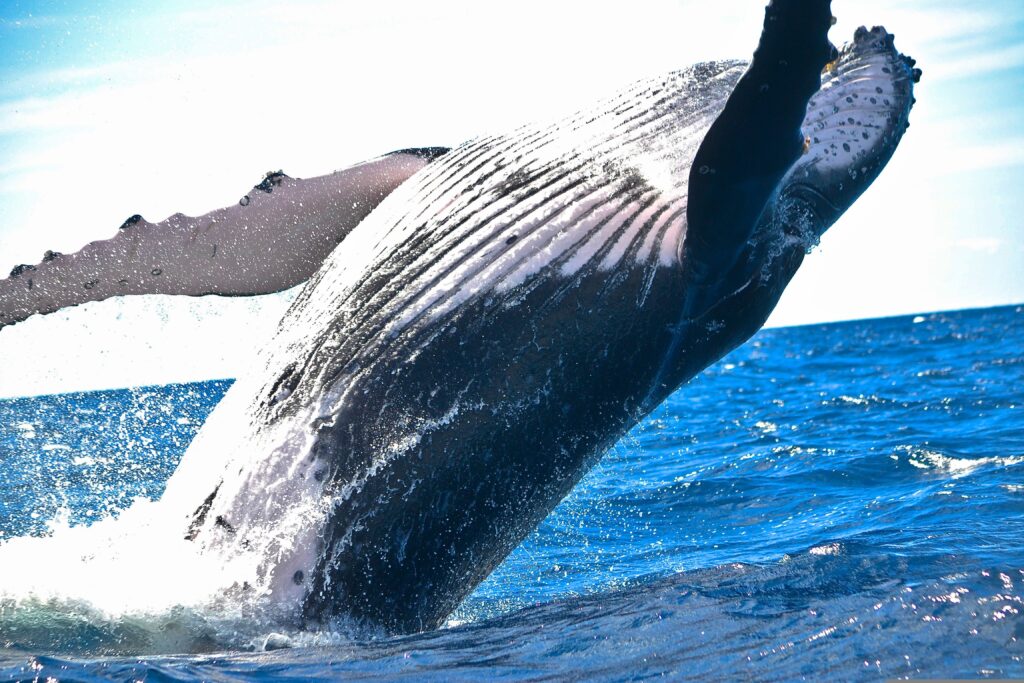
For many, this is the best time to visit the Ecuadorian Coast for wildlife and adventure. The cooler waters brought by the Humboldt Current are rich in nutrients, attracting one of nature’s most spectacular displays: the migration of humpback whales. From June to September, the waters around Puerto López and Isla de la Plata become a playground for these giants as they arrive from Antarctica to mate and give birth.
July and August are prime months for whale watching. While you might not spend your days sunbathing, the opportunity to see a 40-tonne whale breaching the surface is a trade-off many find worthwhile. This is also an excellent time for exploring the Machalilla National Park, where the cooler temperatures make hiking through the tropical dry forest much more comfortable than in the sweltering heat of February.
By October and November, the mist begins to thin, and the coast prepares for the return of the sun. These are often considered shoulder months—quieter, more affordable, and perfect for the traveller who prefers to avoid the crowds of the high season.
The Galápagos.
Ecuador’s Enchanted Isles
Historical trends and the impact of climate change

Historically, the Ecuadorian Coast has relied on the predictable interaction between the warm El Niño current and the cold Humboldt Current. However, when assessing the best time to visit the Ecuadorian Coast in the modern era, one must consider the shifting patterns caused by global climate change.
Scientific projections indicate that coastal Ecuador is likely to experience a mean temperature increase of approximately 1.35°C over the coming decades. While this may seem minor, it has significant implications for the timing of the seasons. We are seeing a trend towards more intense rainfall events during the wet season. Instead of the traditional afternoon shower, travellers may encounter more frequent and heavier storms, which can occasionally impact road travel in more rural coastal areas.
Furthermore, the frequency and intensity of El Niño events—a natural climate phenomenon that brings exceptionally warm water and heavy rain—are becoming more unpredictable. During a strong El Niño year, the rainy season can become significantly more disruptive, while a La Niña year can lead to extended periods of the cool, misty Garúa.
For the future-facing traveller, this means flexibility is key. Wheely Tyred recommends keeping a close eye on short-term forecasts if travelling between January and March, as the traditional patterns are becoming more variable.
Regional variations / North vs. South
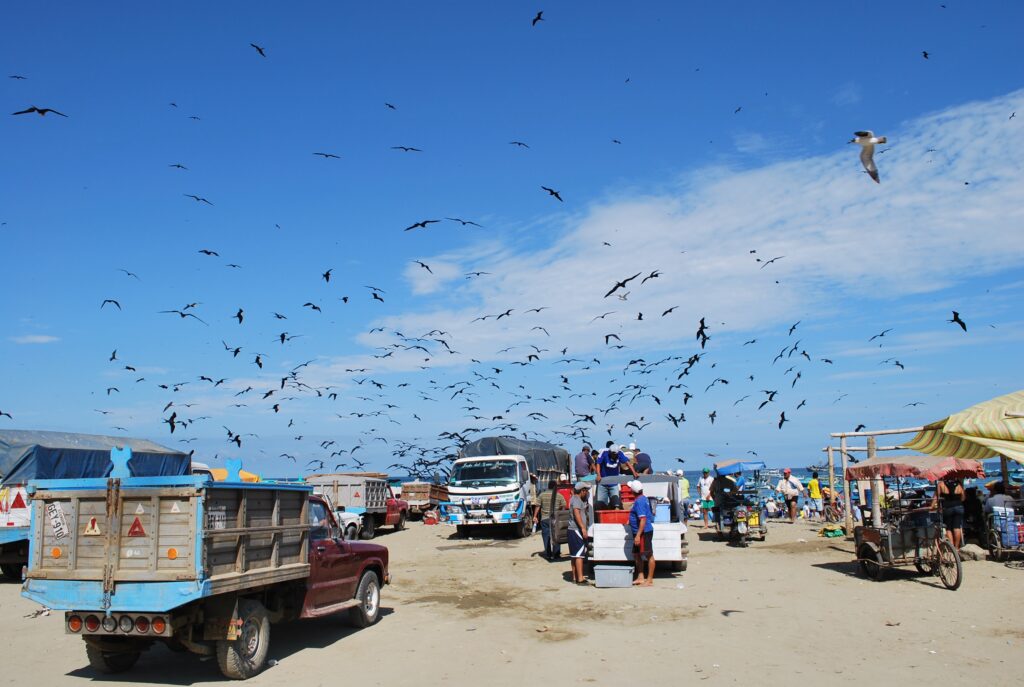
While the broad seasonal rules apply, the Ecuadorian Coast is not a monolith.
- The Northern Coast (Esmeraldas): This region is closer to the tropical rainforests of the Chocó. It tends to be wetter and more humid year-round. Even in the dry season, you can expect more lush greenery and occasional rain compared to the south
- The Central Coast (Manta and Puerto López): This is the heart of the whale-watching industry and offers a balanced climate. Manta, being a larger port city, is a great year-round hub, though the beaches are most inviting from December to May
- The Southern Coast (Salinas and Playas): These areas are much more arid. During the dry season, the landscape can look almost desert-like. Salinas is the premier resort destination, and it truly shines during the sun-drenched months of the new year
The Ecuadorian Sierra.
Get lost in the hills
A cultural calendar / Timing your visit with local life
Beyond the weather, the best time to visit the Ecuadorian Coast is often dictated by the local culture.
- Carnival (February/March): A must-see for those who love festivals. Be prepared for crowds and a lot of water—it is tradition to drench friends and strangers alike
- Semana Santa (March/April): Holy Week is a time of beautiful processions and the traditional consumption of Fanesca, a rich, symbolic soup that is a culinary highlight of the year
- Fiestas de Guayaquil (July and October): Ecuador’s largest city celebrates its foundations and independence with parades and concerts. July is particularly lively
- Whale Festival (June): Puerto López hosts festivals to celebrate the arrival of the humpbacks, blending conservation education with local music and dance
When to visit the Ecuadorian Coast
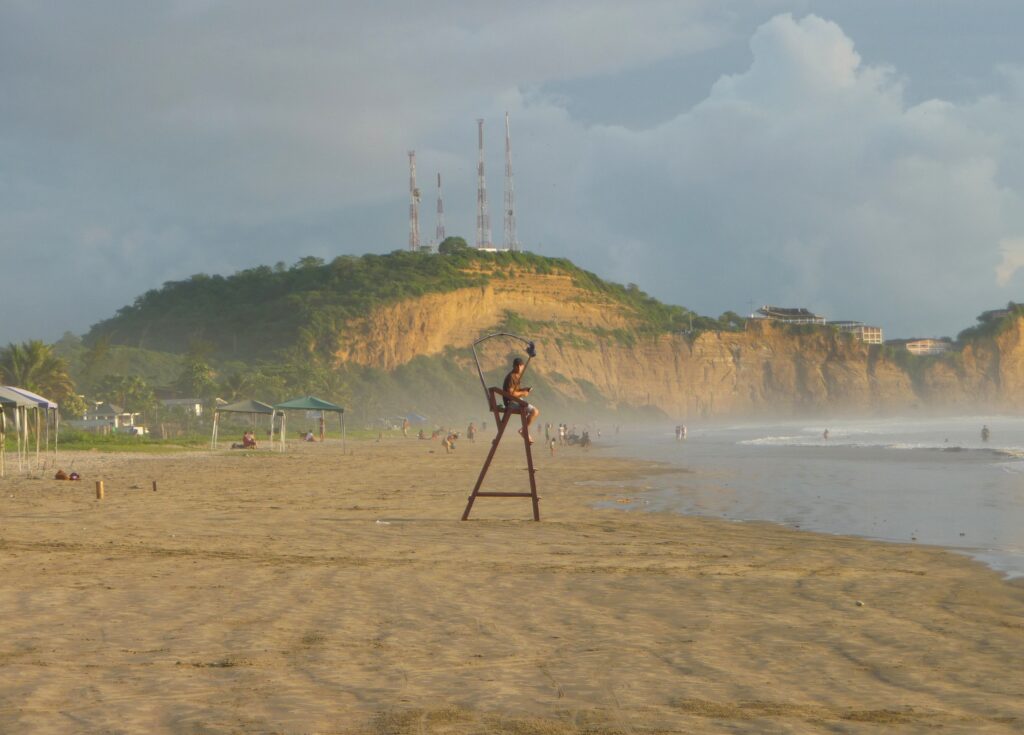
Choosing the best time to visit the Ecuadorian Coast depends on your personal priorities. If you want the quintessential tropical beach holiday with guaranteed warmth for swimming, aim for January through April. If you are a nature lover who wants to witness the majesty of the Pacific’s giants and prefers a cooler climate for exploration, July through September is your window.
Regardless of when you go, the Ecuadorian Coast offers a warmth that extends beyond the weather. The hospitality of the costeños, the freshness of the seafood, and the rhythm of the waves are constant, no matter the month.
The Ecuadorian Amazon.
The most biodiverse place in the world
Frequently asked questions about the best time to visit the Ecuadorian Coast
Not at all. While December to May is the wet season, the rainfall typically arrives in short, predictable bursts in the late afternoon. This leaves the mornings clear, bright, and ideal for swimming or coastal exploration.
The window between June and September is essential. This is when the cooling Humboldt Current brings humpback whales to the waters around Puerto López and Isla de la Plata for mating and calving.
The Garúa is a persistent, fine mist that settles over the coast during the dry season (June–November). While it means fewer blue-sky days for sunbathing, it makes the temperature much more comfortable for hiking, cycling, or walking through coastal towns.
Indeed. If you visit during Semana Santa (Holy Week) in March or April, you must try Fanesca. It is a rich, complex soup made with twelve different grains and salt cod, representing a significant cultural and culinary tradition.
The northern region, near Esmeraldas, is much closer to the tropical rainforest and stays humid and green year-round. In contrast, the southern coast around Salinas is far more arid and can appear almost desert-like during the dry months.
The water is at its warmest during the rainy season (December–May), often reaching 26°C. During the dry season, the Humboldt Current brings cooler waters, which is fantastic for marine life but might feel a bit brisk for casual swimming without a wetsuit.
Ecuador.
Pure wonder on the equator.