Tasting Manabí / The essential food and drink guide to Puerto López
A comprehensive culinary guide to the best traditional dishes and independent restaurants in Puerto López, Ecuador
The rich, peanut-infused heritage of Ecuador’s wildest coastline
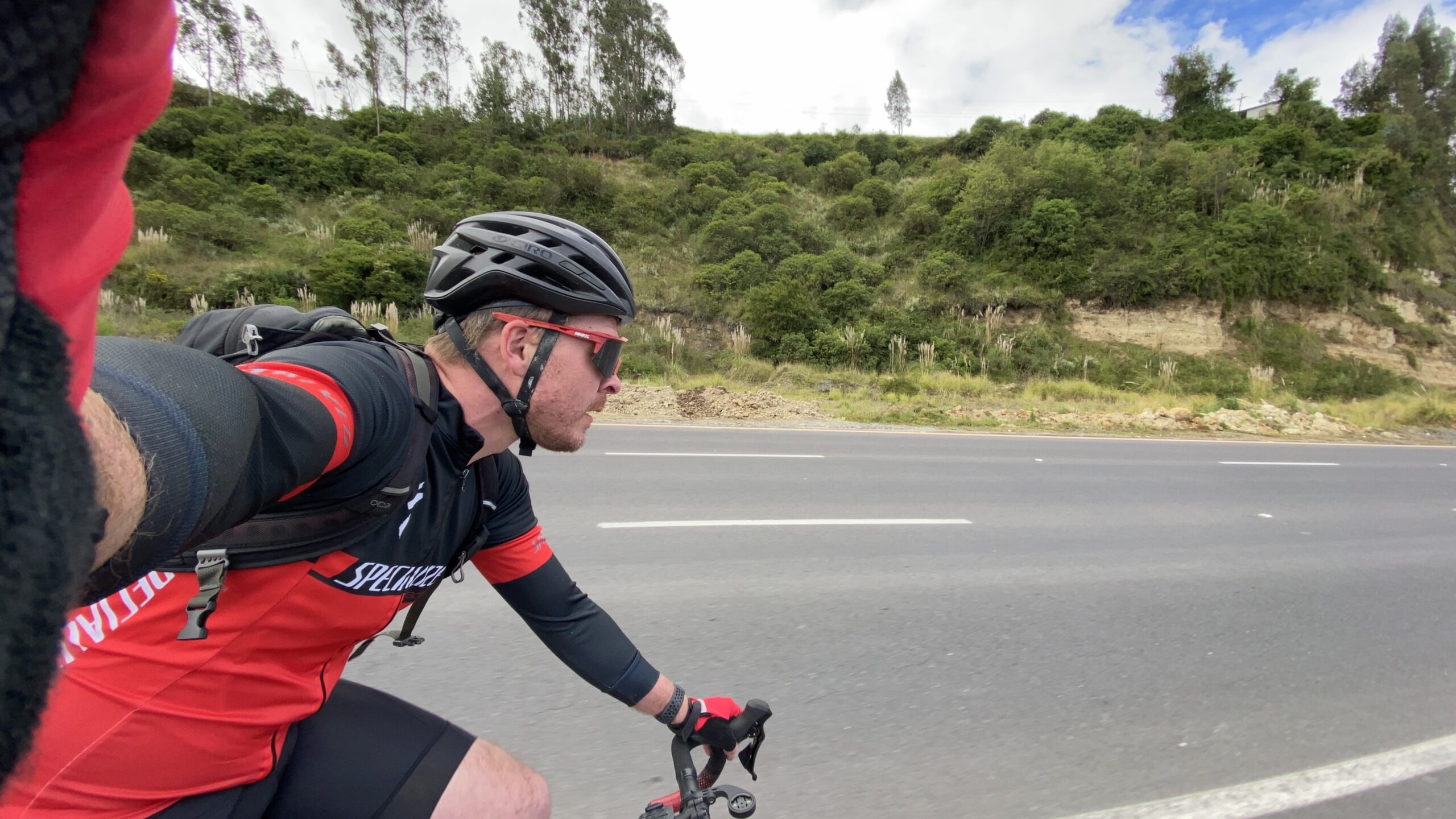
BEN FINCH
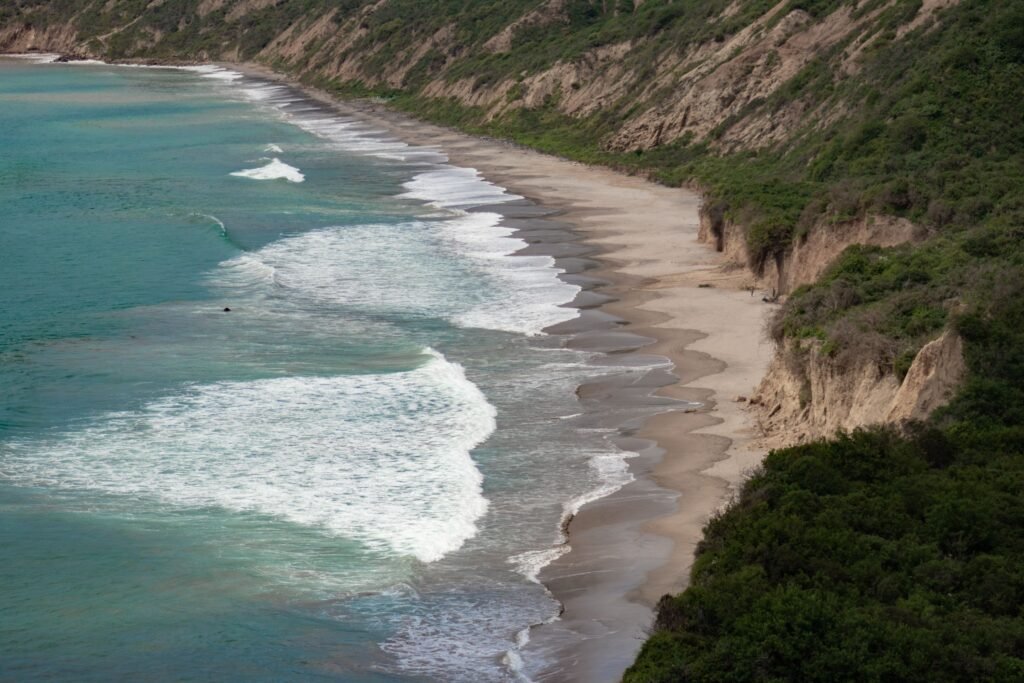
For those who travel under their own steam, arriving in a coastal town like Puerto López is an exercise in shifting gears. If you have arrived here by the long-distance bus from Guayaquil or rolled down the coastal highway on a self-supported journey, the first thing that hits you is not just the humidity, but the rhythm. This is a working fishing town, a crescent of grey-gold sand tucked between dry tropical forests and the Pacific Ocean. While some rushed visitors use it merely as a springboard for offshore boat tours, the independent traveller knows that the true soul of Puerto López reveals itself on the plate, particularly through the complex, ancestral culinary traditions of the Manabí province.
Manabí cooking is distinct from any other regional cuisine in South America. It does not rely on the heavy potato-and-corn architecture of the Andean highlands, nor does it mimic the globalised seafood preparation found in modern resort cities. Instead, it is a culinary ecosystem built entirely around two foundational ingredients: green plantains and unrefined peanuts. When combined with the daily harvest of the Pacific, these elements create a food culture that is deeply satisfying, highly textured, and best appreciated when you have the time to sit, observe, and wait for a dish to be prepared from scratch.
The salt and soil of Puerto López
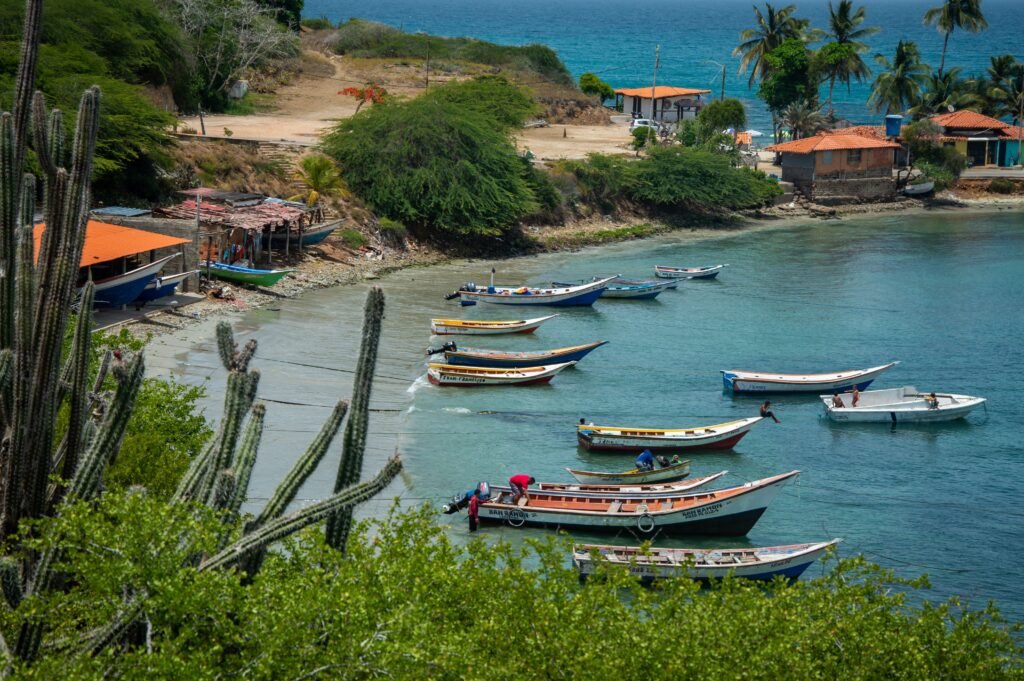
This coastal fishing enclave offers independent travellers a profound look into the ancestral foodways of the Manabí province. By bypassing the tourist crowds, you can discover a culinary heritage shaped entirely by the slow rhythms of the Pacific Ocean and the fertile local soil.
- Foundational Flavours: The regional kitchen relies completely on the dual architecture of green plantains and rich, unrefined peanut paste to form the base of almost every traditional dish
- Cazuela de Mariscos: A slow-baked coastal masterpiece where a thick dough of grated plantain and peanut paste is baked in a heavy clay pot until a rich, savoury crust forms around the fresh seafood inside
- Ceviche Manaba: A delicate, broth-forward variation of the classic seafood dish, gently cured in lime juice and traditionally finished at the table with a light drizzle of local unrefined peanut oil
- Ancestral Viche: A complex, monumental Sunday soup tracking back to pre-Columbian times, combining a peanut-infused fish stock with sweet potatoes, corn on the cob, and stuffed plantain dumplings
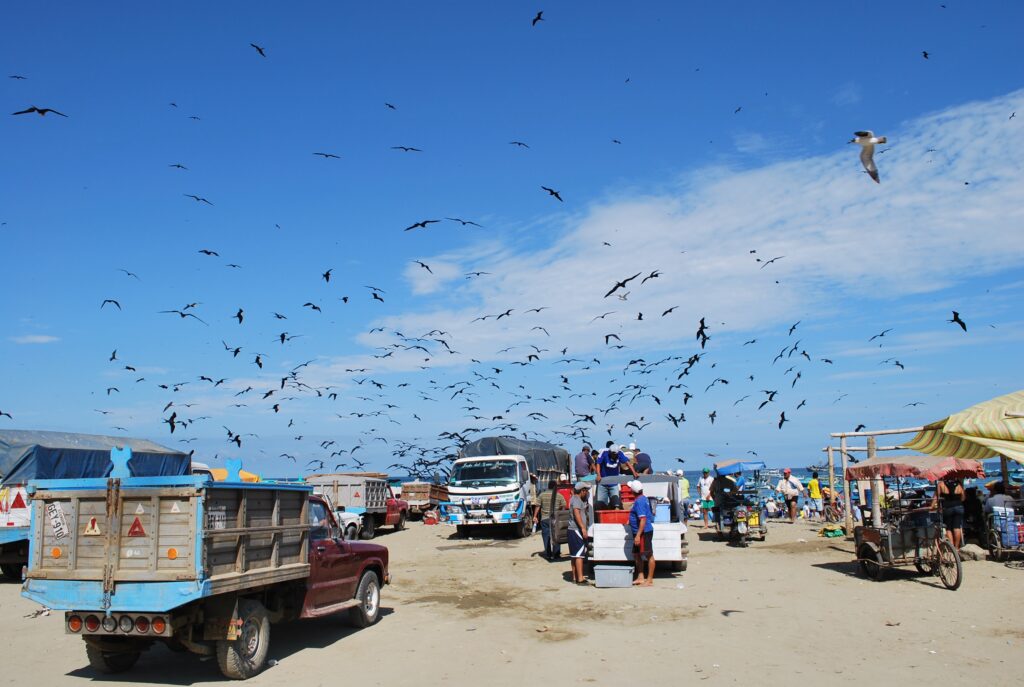
- The Dawn Market: A raw, atmospheric gathering at the southern end of the beach where artisanal line-fishermen unload the morning catch directly onto the sand at sunrise
- Independent Coastal Dining: Authentic family-run institutions like Restaurant Carmita and the northern beachfront cabañas provide a front-row seat to local life without the rushed pace of corporate tourism
Puerto López.
Home to the humpback whale
The core pillars of coastal gastronomy
To understand the menu of an independent eatery in Puerto López, one must first understand the relationship between the land and the sea in Manabí. The coastal soil yields rich crops of peanuts (maní), which are ground into thick, rich pastes or pressed for oil. The local smallholdings provide an endless supply of green plantains (verde), which are grated, mashed, twice-fried, or stuffed. Together, these two ingredients form the canvas upon which the daily catch is painted.
Cazuela de mariscos
The cazuela is perhaps the ultimate expression of Manabí culinary heritage. This is not a quick-fire soup; it is a slow-cooked, baked masterpiece served in a heavy, pre-heated clay dish. The base consists of finely grated green plantains mixed with a generous amount of liquefied peanut paste, seasoned with a traditional refrito—a fragrant aromatic base of onions, green peppers, garlic, and coriander.
This mixture is slow-cooked until it thickens, after which fresh seafood such as shrimp, white fish, octopus, or squid is folded into the centre. The entire clay pot is then placed into an oven or over hot coals until a rich, caramelised crust forms along the edges. Eating a cazuela requires patience; the clay retains heat for an immense amount of time, allowing you to savour the rich, smoky, and savoury depth of the peanut dough as it slowly cools.
Ceviche manaba
While ceviche is found all along the Pacific coast of South America, the version served in Puerto López is unique. Unlike the Peruvian style, which features large chunks of raw fish flash-cured in intense lime juice, a classic ceviche manaba is more delicate and liquid-forward.
The fish or shrimp is cured gently in lime juice, but it is served in a shallow broth composed of the seafood’s natural juices, tempered with very thinly sliced red onion, diced tomatoes, and fresh coriander. Crucially, a true local spot will provide a small bottle of unrefined, locally pressed peanut oil on the table. A light drizzle of this oil over the cold broth creates an extraordinary contrast of bright acidity and earthy creaminess. It is always accompanied by a generous bowl of chifles, which are wafer-thin, salted chips made from green plantain.
The Ecuadorian Coast.
Where you’ll find the very best food
Viche de pescado
If you find yourself walking through the town on a Sunday afternoon, you will likely see local families gathered around large pots. They are eating viche, an ancient, monumental soup that traces its lineage back to pre-Columbian indigenous cultures.
Viche is a complex assembly of ingredients that defies standard culinary categories. It features a rich, pale broth made from peanut paste and fish stock, packed with sweetcorn on the cob, sweet potatoes, cassava, yuca, and broad beans. Floating within this dense stew are corviches—small, torpedo-shaped plantain dumplings stuffed with fish and peanuts—alongside generous portions of white reef fish. It is a complete meal in a single bowl, offering a window into how the coastal populations have sustained themselves for millennia.
Camotillo frito
For a dish that celebrates the absolute freshness of the artisanal catch, one must look for camotillo. This is a species of rock bass or mote sculpin caught by local line-fishermen just off the rocky coastlines of the Machalilla National Park.
The fish is prepared whole: scaled, deeply scored across the flanks, seasoned simply with garlic and salt, and fried in hot oil until the exterior turns a deep, golden brown. The magic of camotillo lies in its skin, which becomes incredibly crisp and brittle, while the white flesh inside remains steamed, moist, and remarkably delicate. It is typically presented with a side of patacones—thick rounds of green plantain that are fried, smashed flat with a wooden mallet, and fried a second time until they are golden and crunchy.
The Galápagos.
Ecuador’s Enchanted Isles
Independent establishments / Where to eat in Puerto López
We at Wheely Tyred look for dining experiences that match the values of independent travel. The following locations have been vetted to ensure they are fully independent, free from the sanitised predictability of corporate chains, and hold strong reputations amongst both the resident community and independent food travellers.
Restaurant Carmita
Located directly on the beachfront boardwalk, Restaurant Carmita is a true cornerstone of the Puerto López food scene. Run for decades by Carmita herself, this open-air, rustic wooden structure has long been a sanctuary for long-distance travellers, writers, and locals who appreciate unhurried coastal cooking.
The kitchen here does not operate on the principles of fast food. When you order a cazuela or a shrimp ceviche, you can hear the kitchen staff grating the plantain and squeezing the fresh limes in the back. The beachfront view allows you to watch the very ocean where your meal was caught just hours prior. The house cazuela de mariscos here is exemplary, boasting a perfectly balanced peanut crust that avoids being overly heavy, allowing the natural sweetness of the fresh Pacific prawns to shine through.
The beachfront cocktail cabañas
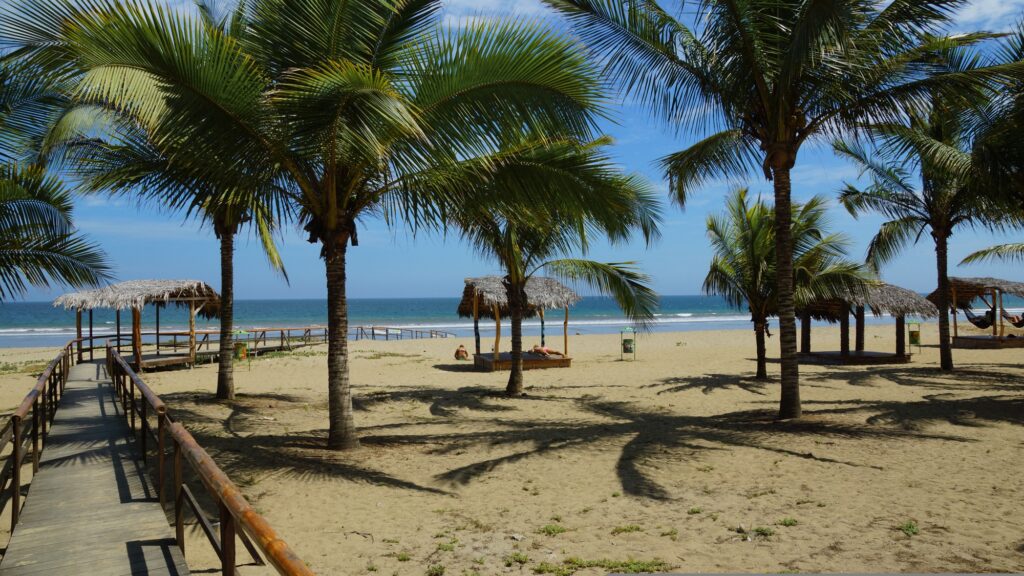
To experience the town as the sun begins to dip below the horizon, make your way to the northern end of the promenade, near the mouth of the small river where the artisanal wooden fishing boats are hauled onto the sand. Here, you will find a neat row of independent, family-run wooden kiosks with thatched roofs.
These cabañas serve as the social hub of the waterfront. Rather than catering to large tour groups, they provide a space for independent travellers and locals to sit side by side on wooden stools. The focus here is on fresh coastal fruits. You can order a batido—a thick fruit shake made with fresh maracuyá (passion fruit) or guanábana (soursop)—or opt for a rustic cocktail featuring local cane spirit mixed with freshly squeezed lime juice. It is an unpretentious, highly atmospheric spot to watch the shifting colours of the Pacific sky.
The Ecuadorian Sierra.
Get lost in the hills
The dawn ritual / The artisanal fish market
For the practical slow-traveller, the ultimate culinary experience in Puerto López does not actually happen within the walls of a restaurant. It happens on the beach, at the southern end of the boardwalk, at six o’clock in the morning.
This is when the town’s artisanal fishing fleet returns from the sea. Dozens of brightly painted wooden boats negotiate the surf, backing onto the sand where teams of workers wait. This is a scene of raw, energetic commerce that has remained largely unchanged for generations. Huge tuna, swordfish, hammerhead flakes, and crates of shimmering corvina are carried on shoulders directly from the boats to open-air wooden gutting tables.
Walking through this market allows you to see exactly what will be appearing on the menus of Restaurant Carmita and other local spots later in the day. It provides an immediate, grounded education in marine biodiversity and the hard physical labour that underpins the local economy. There are no tour guides here, no roped-off areas, and no gift shops—just the real, unfiltered life of a Pacific port.
The Ecuadorian Amazon.
The most biodiverse place in the world
Reflections for the road

Eating in Puerto López reminds us why we choose to travel independently. It forces us to slow down, to respect the time it takes to cook inside a clay pot, and to appreciate how a single geographic region can turn simple ingredients like a plantain and a peanut into a complex culinary art form.
When you sit down at an independent table here, you are supporting a network of local line-fishermen, small-scale farmers, and family-run kitchens that keep the authentic identity of Manabí alive. Take your time, lean into the coastal pace, and let the flavours of the Pacific unfold naturally.
Frequently asked questions about foods to try in Puerto López
Most travellers arrive using the long-distance regional bus network from major transit hubs such as Guayaquil or Manta. Once you arrive in the town, the layout is compact and highly walkable, meaning you can easily explore the beach, the restaurants, and the local markets on foot or by bicycle without any need for private vehicle hire.
Unlike the Peruvian style, which features large chunks of raw fish flash-cured in highly acidic lime juice, the local version is much milder and liquid-forward. The seafood sits in a shallow, cold broth of its own natural juices and lime, and it is uniquely elevated by adding a few drops of locally pressed peanut oil before eating.
Independent kitchens in this region operate strictly on coastal time, rejecting the speed of commercial fast-food chains. Traditional dishes like the baked clay pot stews require the kitchen staff to grate the green plantains and grind the peanut paste from scratch only after you place your order.
Yes, the open-air market at the southern end of the shoreline is fully accessible and begins around six o’clock in the morning. It is important to remember that this is a functioning, fast-paced workspace for local fishermen rather than a curated tourist attraction, so visitors should stay mindful of the workers moving heavy catches from the boats.
These are traditional, torpedo-shaped dumplings made from a seasoned green plantain dough that is stuffed with a mixture of ocean fish and savoury peanut paste. They are fried until the exterior is perfectly crunchy and can be eaten as a standalone street snack or found floating as a key component inside a large bowl of coastal soup.
You should look at independent menus for a reef fish called camotillo. Line-caught just offshore, it is traditionally scored across the sides, seasoned simply with salt and garlic, and fried whole until the skin turns completely crisp while the delicate white meat inside remains steamed and flaky.
Ecuador.
Pure wonder on the equator.