First-time guide to Montañita / The independent traveller’s manual to Ecuador’s surf capital
Essential local tips, safety advice, accommodation guides, and food recommendations for first-time visitors to Montañita, Ecuador
Discover the slow coastal soul hiding just outside the party centre
BEN FINCH
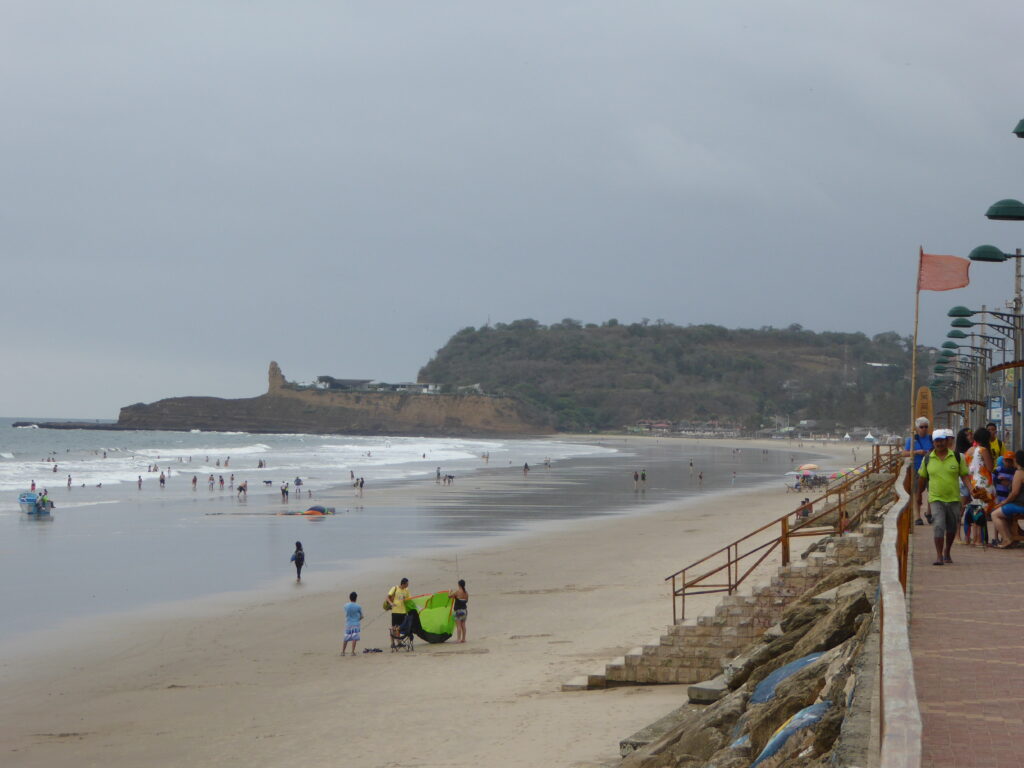
The coastal highway of Ecuador holds many secrets, but none are quite as loud, energetic, or polarising as Montañita. Once a sleepy, isolated fishing hamlet frequented only by intrepid beachcombers and whisper-network surfers, this point-break paradise has transformed over the decades into a legendary crossroads of South American beach culture. For the independent traveller who prefers to move by bus or bicycle, arriving here can initially feel like a sensory shock. Neon signs flicker over sandy streets, reggae rhythms collide with heavy basslines, and a global crowd of backpackers rubs shoulders with local artisans.
Yet, beneath the surface of this hedonistic reputation lies an incredibly rewarding destination for those who know how to navigate it on their own terms. If you value autonomy, despise the predictable routes of corporate tour buses, and want to gain a genuine understanding of the Ecuadorian coast, surviving and thriving in Montañita requires an insider strategy. This guide is designed to help first-time visitors bypass the tourist traps, handle the local quirks, and discover the authentic coastal rhythm that keeps independent wanderers hooked.
The slow rhythm of the surf capital
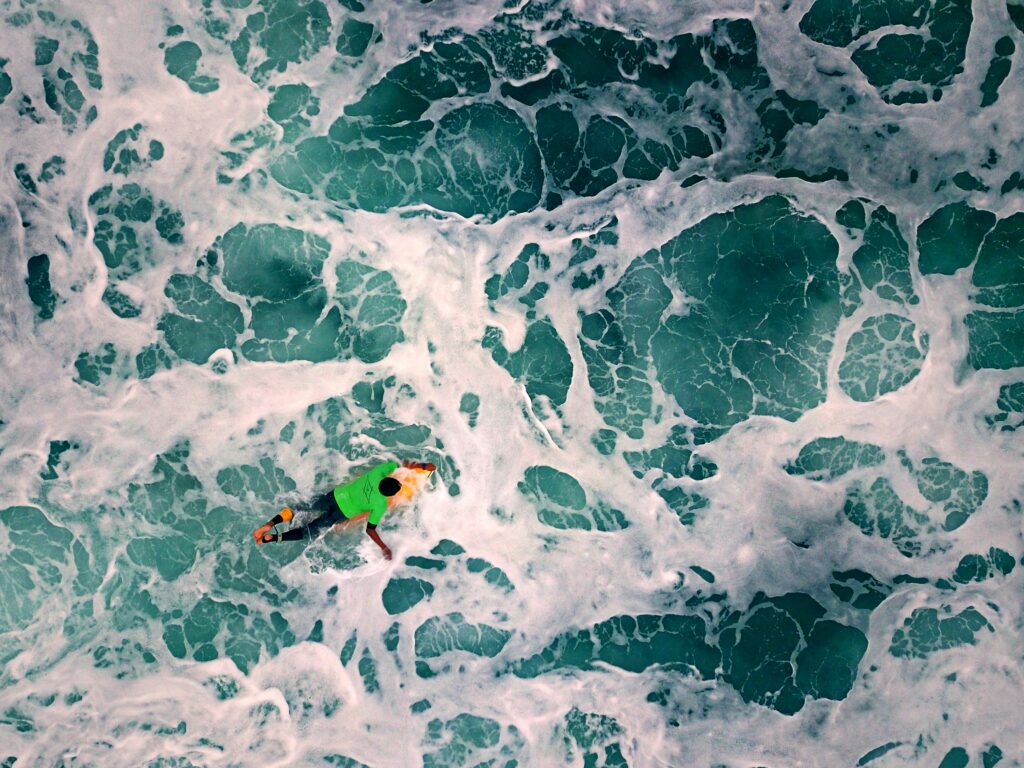
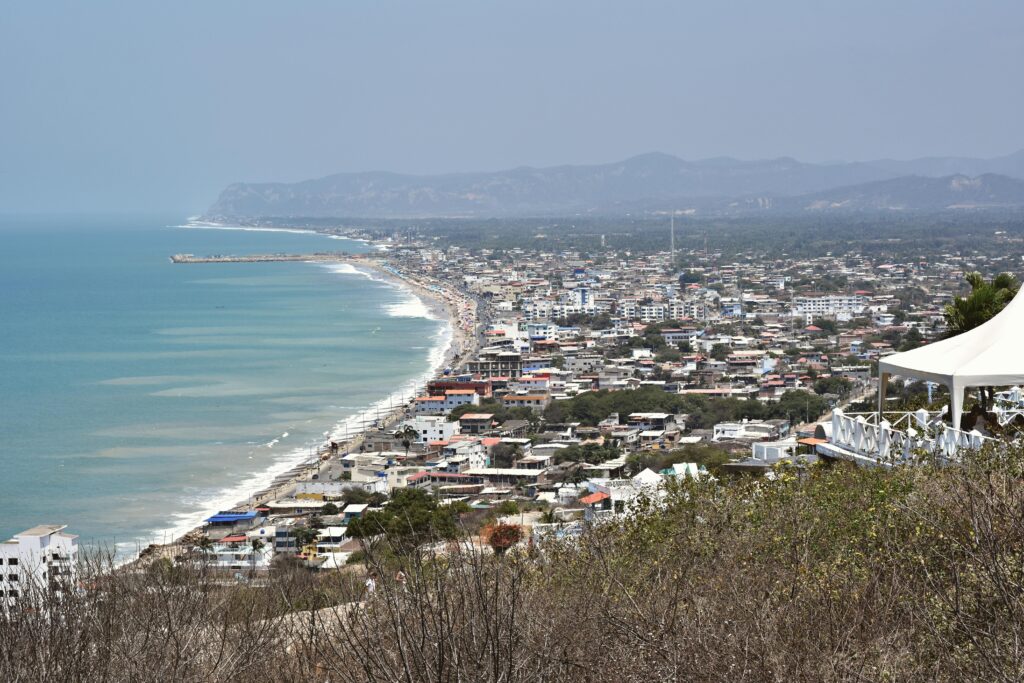
Beyond the neon lights and midnight basslines of the main strip lies a spectacular coastline shaped by powerful Pacific swells and deep-rooted maritime traditions. Navigating this legendary landscape independently requires looking past the loud tourist facade to find the quiet, authentic sanctuaries of the Ecuadorian littoral.
- Steer clear of El Centro: The geographical core of the village becomes a loud crucible of nightlife after dark, making nearby coastal pockets far superior choices for peaceful rest
- Seek out La Punta: Situated a brief fifteen-minute stroll north along the sand, this relaxed enclave serves as the spiritual heart of the local surfing community
- Embrace the neighbouring villages: Exceptional alternatives like Olón to the north and Manglaralto to the south offer pristine beaches, local morning markets, and a slower window into daily coastal life
- Master the cash economy: Modern plastic cards are rarely accepted along this stretch of coast, making immaculate, small-denomination US dollar bills the absolute lifeline for independent dining and transit
- Dine at beachfront shacks: Traditional coastal spots like La Ola Azul serve authentic Ecuadorian ceviche, a refreshing, citrus-marinated soup-like delicacy completely distinct from the dry Peruvian style
- Watch the seasonal microclimates: The equatorial weather shifts from a sunny, rainy high season with massive swells between December and May to a cooler, misty low season that is ideal for active exploration
Montañita.
Surfer’s paradise
Navigating the journey without a tour guide
Reaching this stretch of the Pacific coast is a straightforward affair for anyone who shuns organised excursions. Most independent travellers approach Montañita from Guayaquil, the major regional transport hub. At the main terminal, known as the Terminal Terrestre, the CLP bus company runs direct services to the coast multiple times a day. The journey takes roughly three hours, tracing a path through the dry tropical forests of the Guayas province before climbing over the coastal hills to meet the sea.
If you are exploring the region slowly by bicycle or hopping between villages on the local green buses that ply the Ruta del Spondylus, Montañita serves as an easily accessible milestone. The village itself is completely pedestrianised in its core, meaning that once you step off the bus or park your bike, everything is reachable on foot. For slightly longer journeys to neighbouring beaches, local three-wheeled moto-taxis offer quick rides for less than three dollars, provided you agree on the fare with the driver before climbing aboard.
Understanding the equatorial microclimates
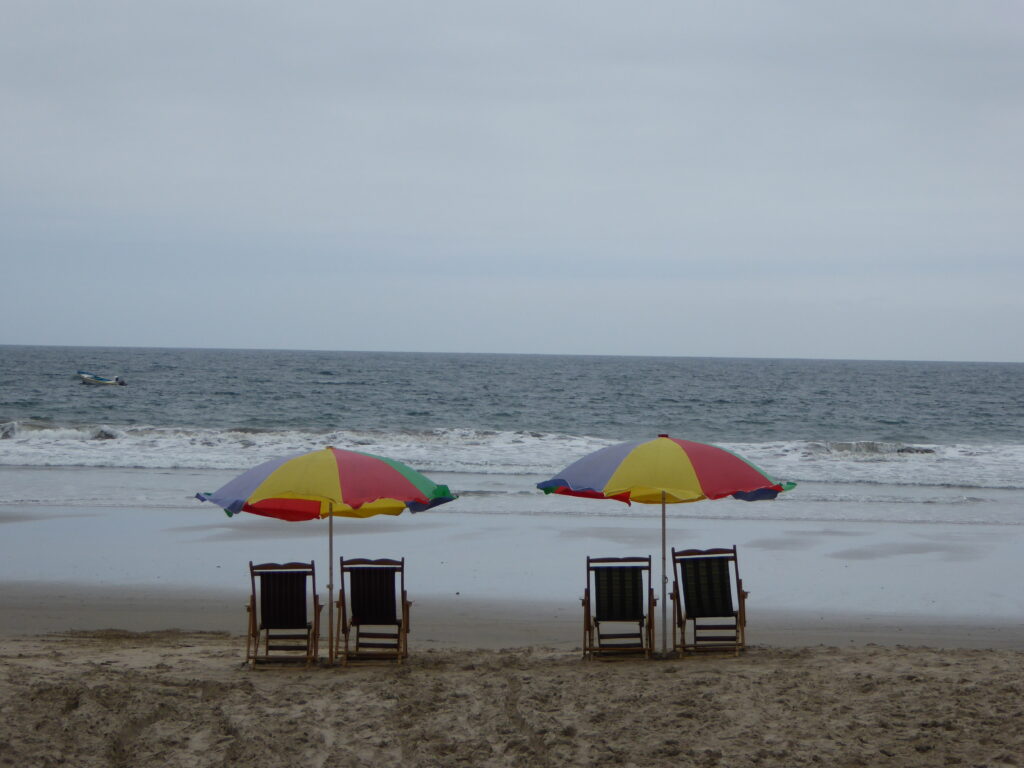
First-time visitors often operate under the assumption that proximity to the equator guarantees endless, blazing tropical sunshine. The reality of the Ecuadorian coastline is far more nuanced, governed by powerful oceanic currents that create distinct seasonal microclimates. The calendar is split into two primary phases: the hot, rainy season from December to May, and the dry, overcast season from June to November.
During the high season, the days are characterised by intense morning sun followed by dramatic, sudden afternoon downpours. This is also when the ocean conditions bring the most celebrated northwest swells, drawing advanced surfers from across the globe. Conversely, the low season introduces a phenomenon known as the garúa, a thick, cool grey mist that blankets the sky for weeks at a time.
While the lack of bright blue skies can disappoint sunseekers, independent travellers often find this cooler period ideal for active exploration. Crucially, the water temperature remains remarkably warm throughout the entire year, meaning you can leave your wetsuit at home regardless of when you choose to visit.
The Ecuadorian Coast.
Where you’ll find the very best food
Where to stay and what to avoid
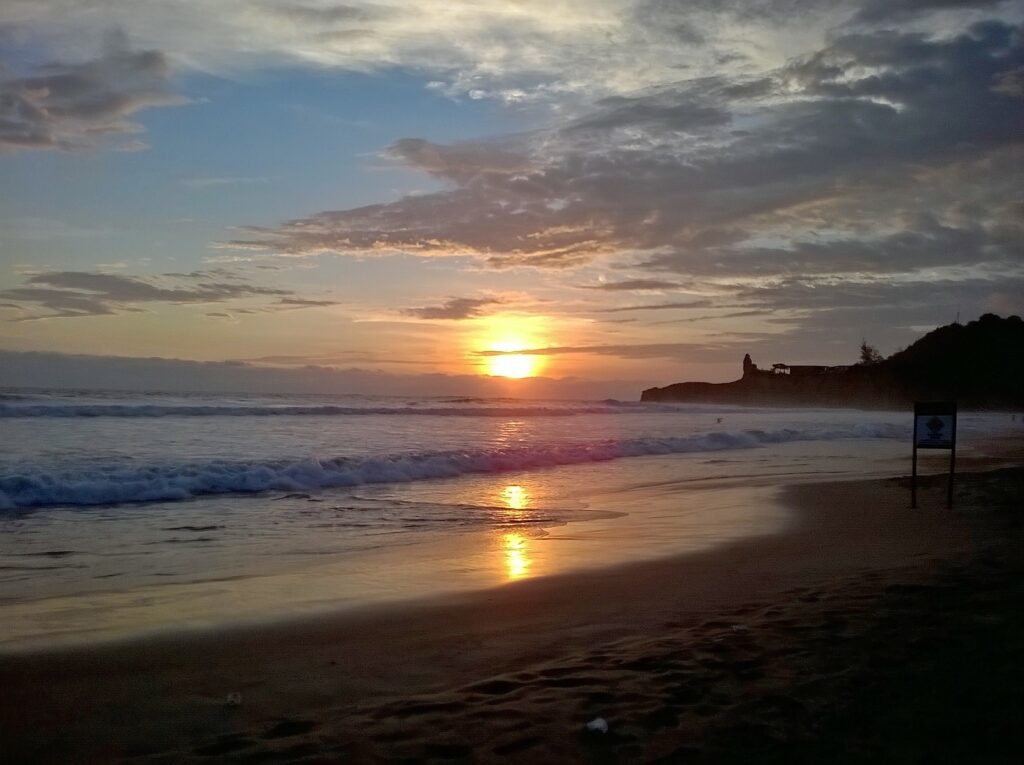
The single most critical decision for a first-time visitor to Montañita is choosing where to lay their head. The village is compact, but its acoustic boundaries are stark. The absolute centre of town, particularly the streets surrounding the central plaza and the area affectionately known as Cocktail Alley, is a non-stop crucible of nightlife. Music blasts from competing open-air bars until four in the morning, and the wooden construction of most local buildings offers zero sound insulation. Unless your primary goal is to party until dawn every single night, you must strictly avoid staying in El Centro.
To experience the coast at your own pace, look for accommodation slightly removed from the central grid. Walking fifteen minutes north along the sweeping crescent beach brings you to La Punta. This neighbourhood is the spiritual heart of the local surfing community. It features relaxed eco-lodges, independent guesthouses, and a noticeably calmer atmosphere where the sound of breaking waves replaces the thumping subwoofers.
Alternatively, if you want complete serenity while remaining within striking distance of the action, look to the neighbouring villages. The tranquil town of Olón is situated just ten minutes north by moto-taxi, boasting a pristine beach, an excellent morning market, and a reputation as the safest, quietest spot on the immediate coast. To the south, the village of Manglaralto offers an unhurried, authentic window into daily Ecuadorian coastal life, easily reached via a scenic stroll down the sand at low tide.
Deciphering the local cash economy
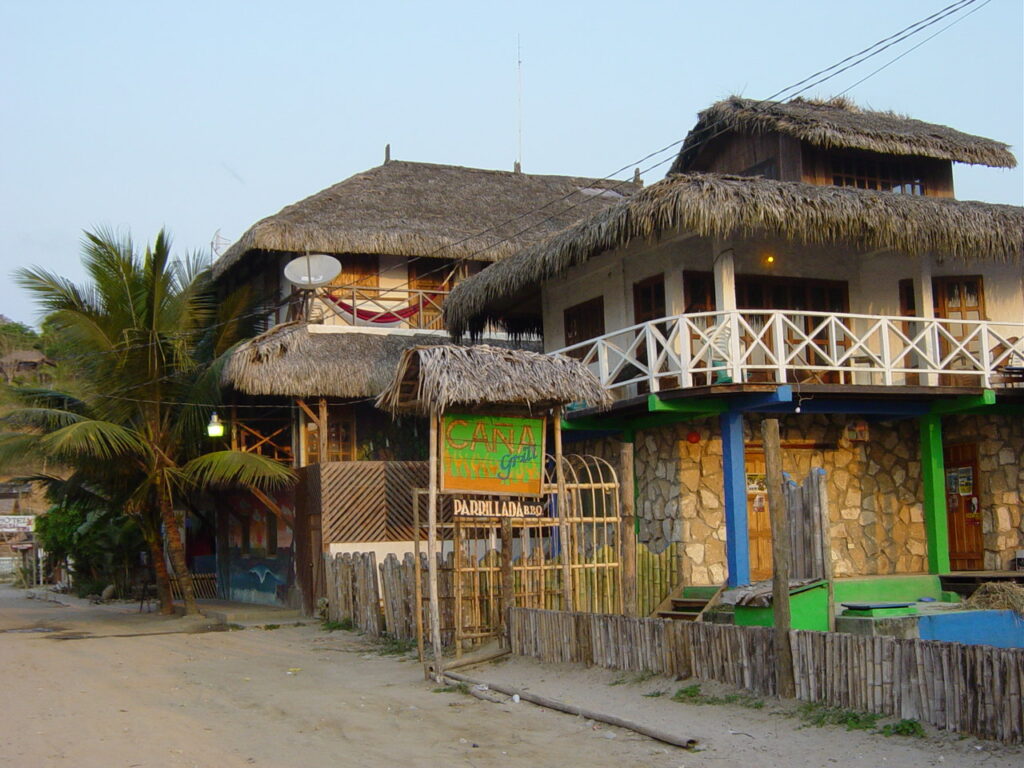
Ecuador adopted the United States dollar as its official currency in the year 2000, but the way money moves in Montañita is entirely unique. This is a cash-dominated environment where plastic cards are of little use. Except for the local Tía supermarket, almost no independent restaurant, surf hut, or guesthouse accepts credit or debit cards.
For the independent traveller, managing your physical wallet is an art form. The most important rule to remember is that cash is king, but small change is emperor. Banknotes of 50 or 100 dollars are treated with extreme suspicion and are almost universally rejected by local merchants who cannot break them. Even a 20-dollar bill can cause immense distress to a vendor selling a two-dollar plate of street food. Before you head to the coast, make a conscious effort to amass a collection of five- and 10-dollar bills, along with a heavy supply of one-dollar coins.
Furthermore, merchants are incredibly particular about the physical state of the paper money. If a banknote has a tiny rip, a smudge of ink, or looks excessively worn, it will be politely but firmly declined. Keep your cash flat, dry, and immaculate. When you do need to use an ATM, avoid the standalone machines exposed on the main streets of the village, as they are prone to skimming scams and frequent mechanical failures. Instead, use the secure teller machines located inside established bank branches like Banco del Pichincha or Banco de Guayaquil.
The Galápagos.
Ecuador’s Enchanted Isles
Culinary discoveries away from the chains
True independent travel is about connecting with local culture through food, and Montañita offers an exceptional culinary landscape if you steer clear of the standard tourist joints. National fast-food chains have failed to take root here, allowing a vibrant, grassroots food scene to flourish.
To experience the true flavours of the Pacific, head down to the beachfront shacks in the morning to witness the daily catch arriving. In the casual cevicherías lined up along the sand, such as La Ola Azul, local cooks prepare traditional coastal ceviche. Unlike the lime-heavy, dry variations found in Peru, Ecuadorian ceviche is a refreshing, soup-like delicacy where fresh shrimp, conch, or fish are marinated in a balance of citrus juices, local orange extract, red onions, and fresh coriander, served alongside crispy plantain chips called chifles.
For travellers watching their budget or looking for a quick bite between coastal excursions, the local street vendors provide fantastic value. You will often encounter travelling artisans and backpackers walking the shoreline or the dusty alleyways, carrying large wooden trays laden with homemade empanadas, freshly baked artisanal pizzas, and rich chocolate brownies. For a morning boost, seek out small, independent speciality spots like Café del Mar or Buena Onda café, which celebrate high-quality Ecuadorian coffee beans rather than the instant coffee powders common in standard tourist hubs.
If you require a break from seafood, the town also hosts a surprising number of international independent kitchens, such as Sakura, a tiny establishment run by an independent entrepreneur offering incredibly flavourful vegetarian and Asian dishes adapted creatively with local coastal ingredients.
Environmental quirks and essential street smarts
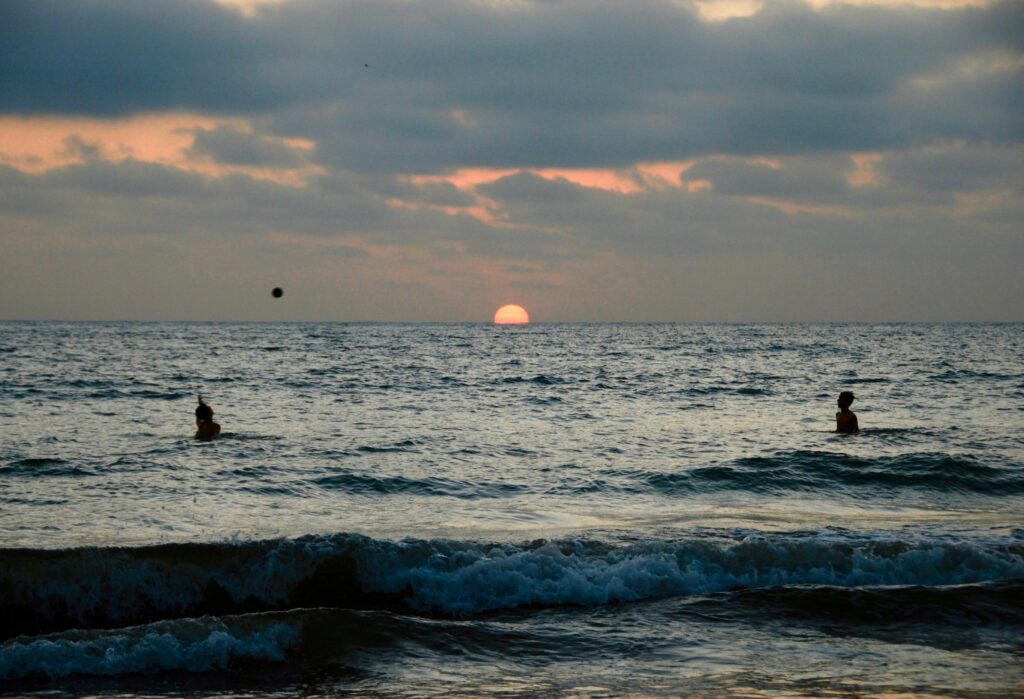
A successful trip to Montañita relies on understanding a few local environmental realities that first-timers frequently overlook. The village is bisected by a natural riverbed that remains dry for large portions of the year. However, during periods of heavy upland rainfall or El Niño cycles, this river breaks through the beach sandbar to merge with the ocean. Independent travellers should exercise caution during these events; the river water often carries untreated urban runoff from the interior barrios, making the sea immediately surrounding the river mouth unsafe for swimming. Always walk a few hundred metres north towards La Punta to ensure clean water before diving in.
Another common pitfall involves the iconic Palo Santo wood. The streets are constantly perfumed by the sweet, woody smoke of these burning sticks, which are marketed heavily by local vendors as a natural insect repellent. While the aroma is a beautiful component of the coastal atmosphere, the smoke is virtually useless against the aggressive coastal mosquitoes that emerge at sunset. To protect yourself from tropical discomfort, bypass the artisan sticks and purchase a high-strength mosquito spray from a local farmacia.
When it comes to safety, Montañita requires standard travel vigilance rather than paranoia. The local communities across this stretch of coast are generally welcoming and protective of travellers, but the high volume of weekend partygoers inevitably attracts opportunistic crime. Keep your belongings secure, never leave your bags unattended on the sand while swimming, and avoid walking through the unlit sections of the central beach alone late at night.
Be particularly mindful of the bustling cocktail stalls in the evening; never leave a drink unattended, and remain aware of rare but serious scams involving scopolamine, an incapacitating substance used by thieves to disorientate unwary targets. Travel with a clear head, trust your instincts, and you will find the coast to be an incredibly rewarding playground.
The Ecuadorian Sierra.
Get lost in the hills
Charting your own course
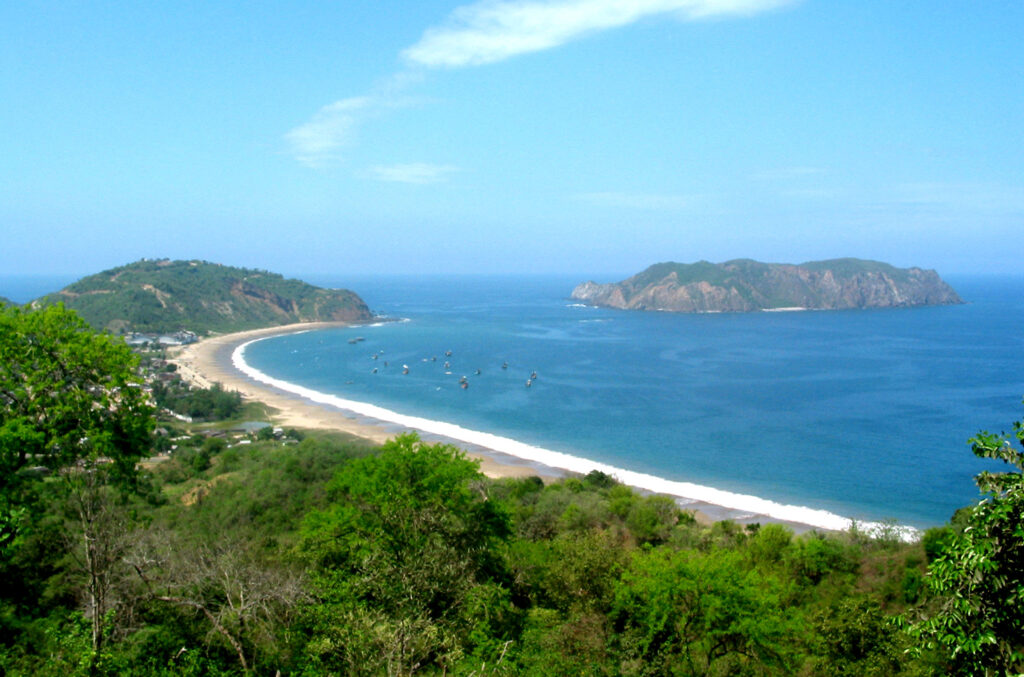
Montañita is a place of duality. It can be a chaotic, loud, and exhausting party hub, or it can be a slow, inspiring base for coastal exploration, ocean wildlife watching, and world-class surfing. By understanding the local microclimates, establishing your base camp away from the noisy centre, mastering the cash economy, and supporting independent local businesses, you can experience this legendary Ecuadorian destination exactly how you want to.
Affiliate Disclaimer: Some of the links on Wheely Tyred are affiliate links. If you click through and make a booking or purchase, we may earn a small commission at no extra cost to you. We only recommend gear, tours, stays, and services we genuinely use, trust, and stand behind — our editorial independence always comes first. These commissions help keep our independent cycling guides and travel stories free to read. Thanks for supporting the ride!
The Ecuadorian Amazon.
The most biodiverse place in the world
Frequently asked questions about visiting Montañita
Direct CLP buses depart regularly from the main terminal (Terminal Terrestre) in Guayaquil, taking roughly three hours to reach the coast. The village is also a straightforward, highly accessible milestone for independent travellers journeying slowly along the Ruta del Spondylus by bicycle or via the local green coastal buses.
The core of the village is entirely pedestrianised, meaning everything of interest is easily reachable on foot. For short trips to neighbouring beaches or nearby nature trails, local three-wheeled moto-taxis are cheap and efficient, provided you agree on the fare with the driver before climbing aboard.
Ecuador operates on the United States dollar, but local merchants are incredibly particular about the physical state of paper money. Notes that have tiny rips, ink smudges, or excessive wear are routinely declined, and large denominations like 50 or 100 dollars are nearly impossible to break for small purchases.
Unlike the dry, lime-heavy variations found in Peru, the coastal Ecuadorian version is a refreshing, soup-like delicacy. Fresh seafood is balanced with citrus juices, local orange extract, red onions, and coriander, and it is traditionally served alongside crispy plantain chips known as chifles.
The Pacific water temperature along this specific stretch of the Ecuadorian coastline remains remarkably warm throughout the entire year. You can comfortably swim or surf without a wetsuit regardless of whether you visit during the sunny high season or the misty winter months.
During periods of heavy upland rainfall, the natural riverbed bisecting the village breaks through the beach sandbar, carrying untreated urban runoff into the sea. It is best to walk a few hundred metres north towards the cleaner waters of La Punta during these events, and always rely on high-strength insect spray rather than local Palo Santo wood to deter evening mosquitoes.
Ecuador.
Pure wonder on the equator.