The independent guide to Quito / local tips for first-time visitors
A comprehensive travel guide with essential tips for first-time visitors exploring Quito
Slow down, acclimatise, and discover the high-altitude rhythm
BEN FINCH
For many travellers, the Ecuadorian capital of Quito is treated as little more than a necessary logistical stepping stone on the way to the Galápagos Islands or the deep Amazon. To pass through this high-altitude metropolis so quickly, however, is to miss one of the most culturally complex and architecturally dramatic cities in South America. Hugging the narrow valley of the Pichincha volcano, Quito stretches out across a landscape of sheer ridges and plunging ravines, sitting at a breathtaking elevation of 2,850 metres above sea level.
Exploring Quito on your own terms requires a distinct shift in pace. This is not a city that yields its best experiences to those peering through the glass of a crowded tour bus window or rushing from one landmark to another to keep time with a rigid group itinerary. Quito rewards the patient, self-reliant traveller who is willing to navigate its steep cobblestone streets on foot, decipher its public transport networks, and adapt to its unique environmental realities.
To get the most out of your first visit, you must learn to read the city like a local, understanding the subtle nuances of its microclimates, its distinct economic habits, and its rich neighbourhood cultures.
The Andean capital unveiled
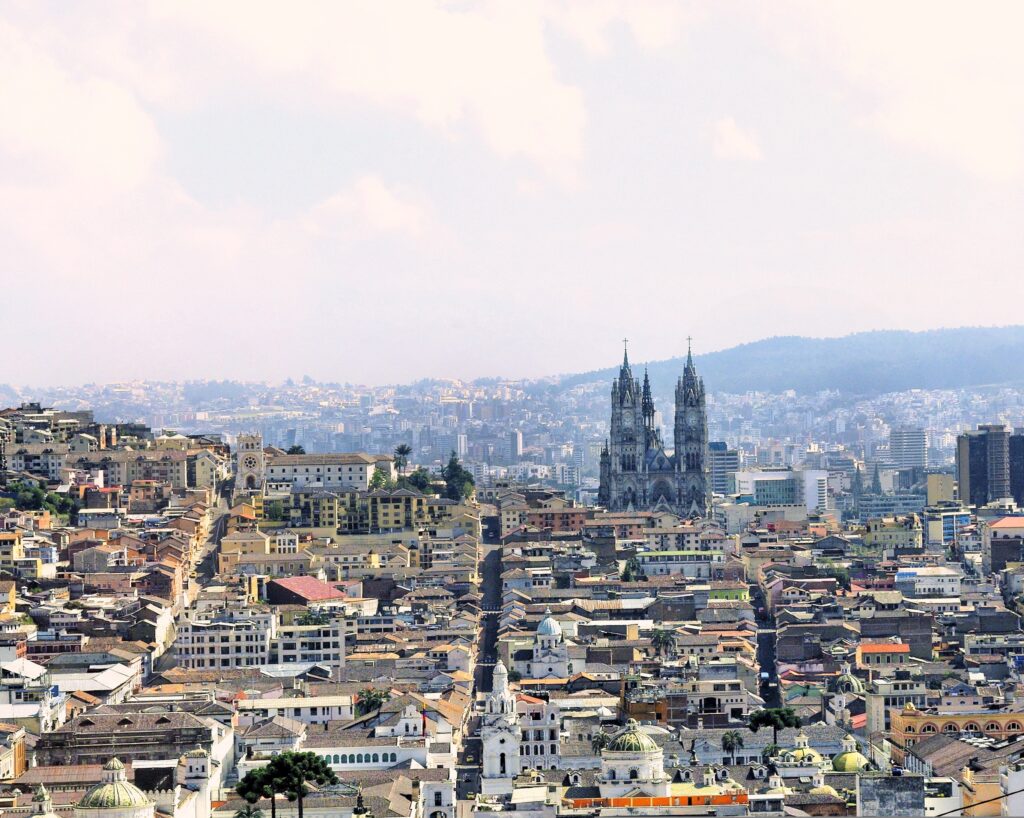
Quito defies the rushed itineraries of mass tourism, demanding patience and a discerning eye. This high-altitude metropolis reveals its soul to the traveller who prioritises local rhythm over standard checklist attractions.
- Acclimatisation: Prioritise rest for your first forty-eight hours to manage the physical realities of the thin air at 2,850 metres
- Weather Dynamics: Master the art of dressing in layers to survive the rapid, daily transitions from brilliant equatorial sun to freezing mountain rain
- Currency Pragmatism: Keep small-denomination US dollars and coin reserves ready at all times; large notes are often rejected by local merchants due to a lack of float
- Geographic Truths: Bypass the crowded, commercially driven monument at Ciudad Mitad del Mundo in favour of the scientifically accurate Museo de Sitio Intiñán
- Neighbourhood Character: Base yourself in the Centro Histórico for deep colonial immersion or head to La Floresta for a creative, contemporary bohemian atmosphere
- Market Dining: Embrace the authentic, hearty flavours of traditional hornado at Mercado Central rather than opting for international dining chains
- Social Etiquette: Engage with the gentle, slow-paced local culture by using polite greetings and dressing in modest, practical attire
The Ecuadorian Sierra.
Get lost in the hills
Mastering the high-altitude environment
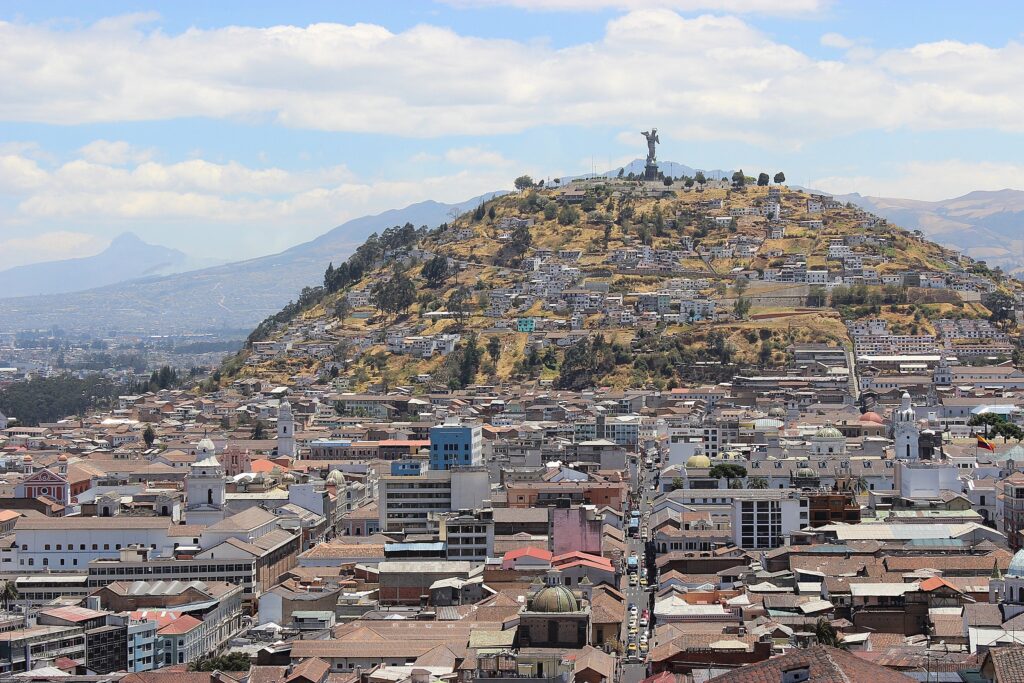
The most influential factor of any trip to Quito is one you cannot see: the thin mountain air. Arriving in the city from sea-level places an immediate strain on the human body. At nearly three kilometres high, atmospheric pressure is significantly lower than most coastal or lowland visitors are accustomed to, meaning every breath delivers less oxygen to your bloodstream.
A common misstep for first-time visitors is scheduling an intense itinerary for their first forty-eight hours in the city. Attempting to hike up to the viewpoint of El Panecillo or rushing through the steep inclines of the colonial centre on your first morning is a guaranteed path to altitude sickness, characterised by throbbing headaches, fatigue, and nausea. Even the physical laws of cooking change up here — because of the reduced atmospheric pressure, water boils at roughly 90°C, meaning your morning coffee or tea infuses differently, and local cooking times are extended.
Give your body at least two days of slow, deliberate pacing to acclimatise. Walk at half your usual speed, drink far more water than you think you need, and opt for lighter meals in the evening, as digestion slows down significantly at high altitudes.
Closely tied to the altitude is Quito’s volatile weather. Because the city sits virtually on the equator, it does not experience traditional northern or southern hemisphere seasons. Instead, the weather is governed by a daily cycle often described as experiencing all four seasons in a single span of twenty-four hours.
The morning usually begins with crisp, clear mountain air and brilliant equatorial sunshine. Do not be fooled by this blue sky. The equatorial sun at this elevation is exceptionally fierce, capable of causing severe sunburn in less than fifteen minutes, even when the air feels cool. By mid-afternoon, however, moist air rising from the Amazon basin regularly collides with the cold Andean peaks, causing the sky to turn purple rapidly. Heavy, freezing downpours, occasionally accompanied by hail, can flood the steep streets within minutes.
To travel independently here, your day pack must be a toolkit for all seasons. Never leave your accommodation without high-factor sun protection, a pair of sunglasses, and a fully waterproof jacket. Dressing in versatile layers is the only way to stay comfortable as you transition from the sweating heat of a midday walk to the shivering chill of an afternoon storm.
The currency reality and small-change strategy
Ecuador adopted the US dollar as its official currency in the year 2000, a fact that sounds incredibly convenient for international travellers. However, the way paper currency operates on the ground in Quito is vastly different from how it is used in North America.
If you walk into a local independent cafe, a market stall, or a city bus with a twenty, fifty, or one hundred dollar note, your transaction will almost certainly grind to a halt. High-denomination notes are viewed with intense suspicion due to historical issues with counterfeiting, and most small businesses simply do not carry enough float to give change for a large bill on a small purchase.
The economic lifeblood of independent Quito runs entirely on small change. Your gold standard consists of one-, five-, and ten-dollar notes, alongside physical dollar coins, which are incredibly common and popular across Ecuador.
Furthermore, merchants are remarkably particular about the physical condition of paper money. A note that has a tiny tear along the edge, significant creasing, or ink marks will routinely be rejected by shopkeepers and transit workers.
When you withdraw cash from ATMs in Quito, try to use machines attached to major banks during daylight hours, and immediately look for opportunities to break any twenty-dollar notes in larger supermarkets or established hotels. Keep a dedicated coin purse easily accessible in your pocket; having a steady supply of quarter and dollar coins will make paying for local transport, street food, and museum entries completely seamless.
The Galápagos.
Ecuador’s Enchanted Isles
Navigating beyond the mass tourism traps
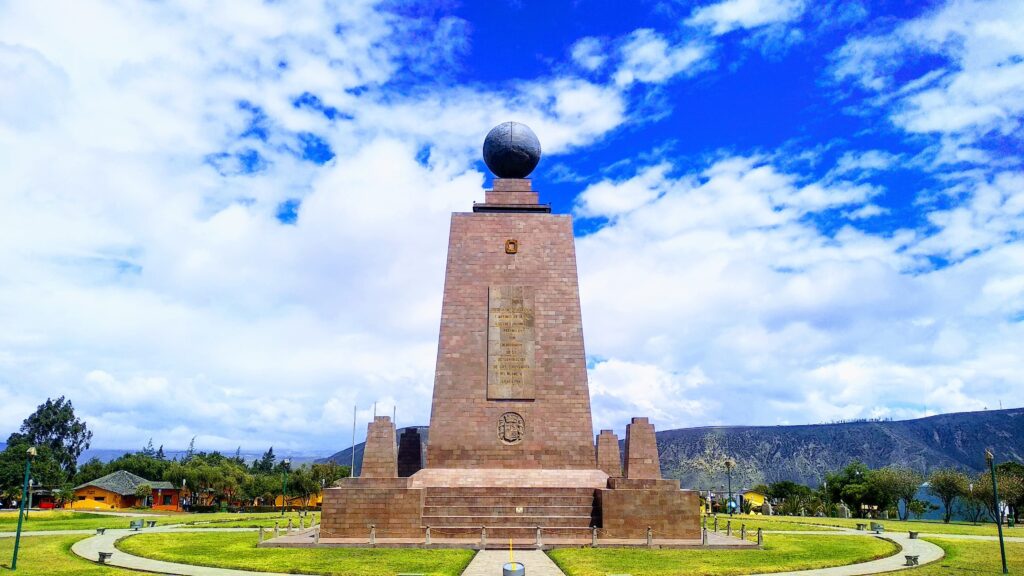
Every standard guidebook will point you toward Ciudad Mitad del Mundo, a massive government-built monument located roughly twenty-six kilometres north of the city centre, celebrating the line of the equator. While it is a highly publicised landmark, independent travellers looking for historical accuracy and authentic insight often find it sterile and frustratingly inaccurate.
The stone monument was constructed based on 18th-century calculations made by a French geodesic expedition. While their scientific achievements were monumental for the era, modern GPS technology has revealed that they missed the actual geodesic equator by approximately 240 metres.
Rather than spending your day navigating the souvenir shops and paved plazas of the official monument, walk a short distance down the road to the Museo de Sitio Intiñán. This low-key, independently operated outdoor museum is situated directly on the scientifically verified 0-0-0 latitude line.
Instead of grand concrete monuments, Intiñán offers an engaging, hands-on look at indigenous solar traditions and the unique physical forces that occur at the centre of the earth. Here, you can watch local guides demonstrate the Coriolis effect using water flowing through a sink directly over the equatorial line, or attempt to balance a raw egg on the head of a nail. It is an unpretentious, educational experience that honours the true geography of the valley without the crowds.
Selecting an independent base / Neighbourhood dynamics
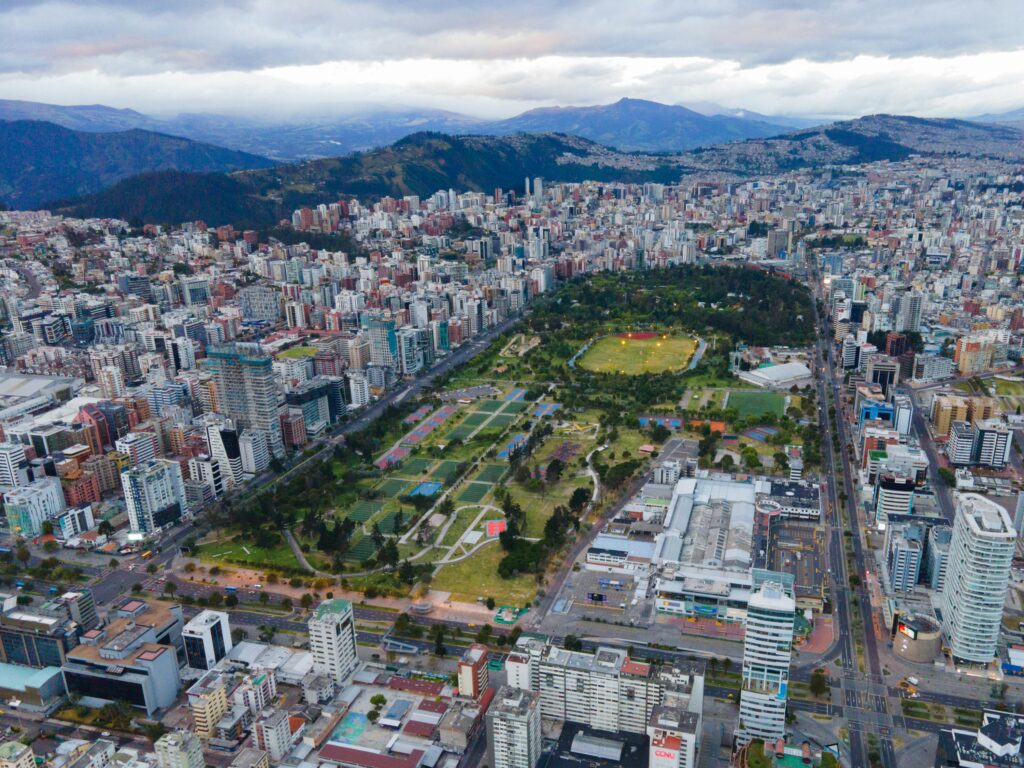
Choosing where to lay your head in Quito will dictate the character of your entire stay. The city is essentially a long, narrow ribbon divided into distinct zones, each with its own architectural style and social atmosphere.
Many budget travellers inadvertently wind up in La Mariscal, specifically around the nightlife hub of Plaza Foch. For a traveller seeking genuine cultural immersion and quiet reflection, this area is generally best avoided. Characterised by noisy bars, generic western-style nightclubs, and aggressive street promotions, it lacks the historic texture and local nuance found elsewhere in the city.
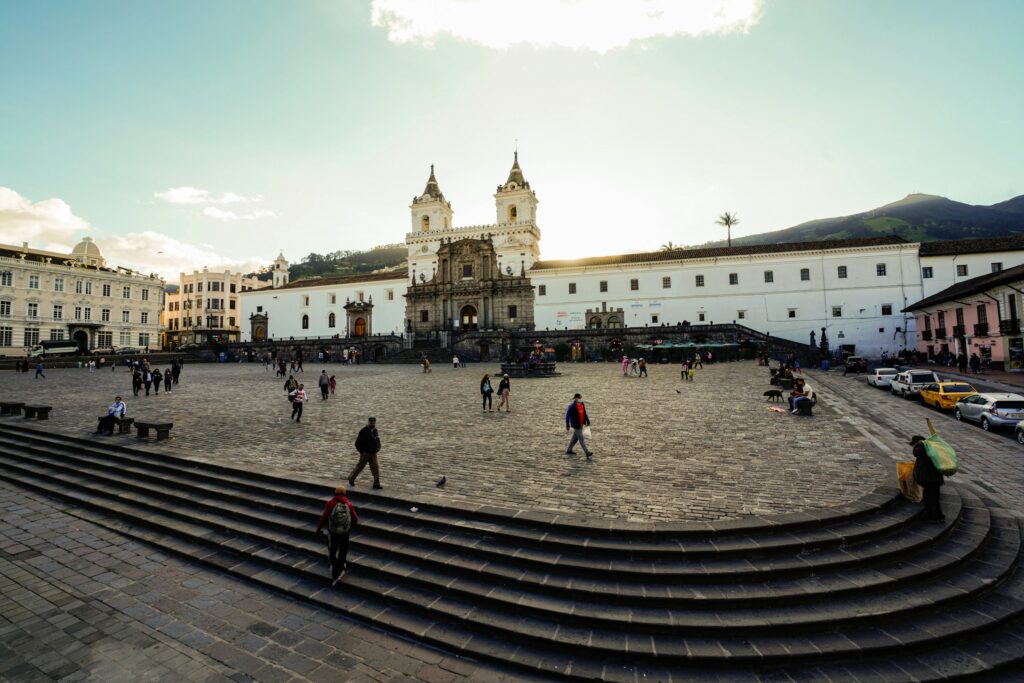
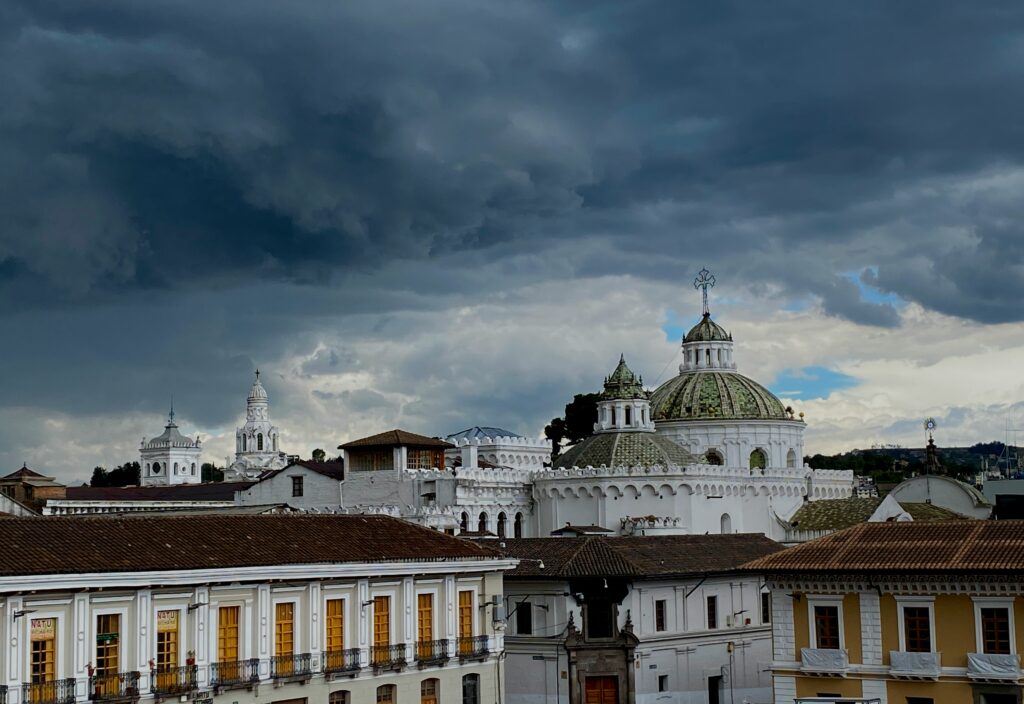
For those who want to wake up surrounded by living history, the Centro Histórico is unmatched. Quito possesses one of the largest and best-preserved colonial centres in the Americas, a UNESCO World Heritage site filled with seventeenth-century mansions, sweeping plazas, and ornate churches. Staying here allows you to experience the city at its most traditional.
In the early morning, the streets smell of fresh bread and roasted coffee as local residents open up centuries-old storefronts. However, keep in mind that the historic centre goes to sleep early; by nine in the evening, the bustling commercial streets quiet down significantly, requiring a bit more awareness of your surroundings as you walk back to your guesthouse.
If you prefer a more contemporary, creative, and residential atmosphere, look directly to the neighbourhood of La Floresta. This leafy, bohemian district is the epicentre of Quito’s independent arts and culinary scenes.
Instead of mass-produced tourist wares, the streets of La Floresta are lined with independent bookshops, community art galleries, and mid-century architecture covered in vibrant street art. It is a highly walkable neighbourhood where you can spend your afternoons hopping between micro-roastery coffee shops and interacting with local designers, writers, and students.
The Ecuadorian Amazon.
The most biodiverse place in the world
Authentic flavours and the craft beverage movement
To truly understand the culture of the Andean highlands, you must step away from the international dining chains and explore the food spaces where Quiteños actually eat. The undisputed heart of local culinary life is the Mercado Central.
Stepping inside this bustling, multi-level public market can be an intense sensory experience. The air is thick with the scent of fresh coriander, tropical fruits, and simmering broths. Navigate your way past the vibrant towers of tree tomatoes and blackberries to the food stall section, where long lines of locals indicate the best vendors.
The definitive dish to try here is hornado, a spectacular preparation of whole slow-roasted pig, marinated in garlic, chicha, and spices. It is served in generous portions alongside llapingachos, which are pan-seared potato cakes stuffed with cheese, a scoop of hominy corn, and a crisp avocado salad. It is a hearty, deeply traditional highland meal designed to sustain working people through long days in the mountain air, and it costs a fraction of the price of a tourist-oriented restaurant meal.
While traditional food remains the anchor of the city, Quito has also quietly developed one of the most exciting independent craft beer movements in South America. This is an industry driven by passionate, local brewers who are using Ecuador’s incredible agricultural diversity to innovate.
A prime example of this subculture is Bandido Brewing, located on the eastern edge of the historic centre. Rather than operating out of a sleek, modern warehouse, this independent brewery has set up its taps inside a beautifully restored, centuries-old colonial building that once served as a neighbourhood chapel.
Sitting at their communal wooden tables, you can sample beers infused with local ingredients like Ecuadorian honey, organic cacao nibs, or tropical fruits, all while conversing with a diverse crowd of locals, expatriates, and independent travellers. It is a perfect example of how Quito seamlessly blends its deep historical roots with a forward-thinking, creative contemporary culture.
Cultural etiquette and the Sierra rhythm
The people of the Ecuadorian Andes, known as Serranos, are characterised by a distinct social etiquette that is polite, formal, and gentle. This stands in sharp contrast to the louder, more boisterous energy found in Ecuador’s coastal regions. Understanding this social rhythm is key to ensuring positive interactions during your independent travels.
When entering a small shop, boarding a small bus, or sitting down at a communal market table, it is customary to greet everyone present with a soft buenos días in the morning or buenas tardes in the afternoon. Jumping straight into a transaction or asking for directions without this initial phrase is considered remarkably abrupt and impolite.
Furthermore, the local dialect of Spanish spoken in Quito is beautifully slow and articulated. Quiteños tend to enunciate clearly and use polite diminutive forms frequently, making it an incredibly welcoming environment for travellers who are trying to practice their language skills. Taking your time, speaking without rushing, and showing a genuine interest in local customs will unlock immense warmth and hospitality.
This traditional mindset also reflects in how people dress. Despite its proximity to the equator, Quito is a conservative highland city where adults rarely dress in shorts, tank tops, or flip-flops unless they are actively engaged in sport. Wearing beach attire in the middle of the historic centre or inside a neighbourhood church immediately marks you out as someone who has failed to notice the local environment. Choosing smart, practical trousers and closed-toe walking shoes not only keeps you warm when the afternoon cold snaps arrive, but it also signals a baseline of respect for the community you are exploring.
By choosing to travel at your own pace, allowing your body time to adapt to the thin mountain air, and keeping your pockets filled with small coins, you open the door to a deeply authentic version of Quito. It is a city of stunning geographical drama, rich indigenous and colonial history, and a vibrant contemporary soul, waiting for those with the patience to discover it properly.
The Ecuadorian Coast.
Where you’ll find the very best food
Frequently asked questions about Quito
Ecuador uses the US dollar, but local businesses, especially small markets and independent shops, frequently refuse notes larger than twenty dollars. This is partly due to the difficulty of providing change and a long-standing caution regarding counterfeiting. Keeping a wallet stocked with one, five, and ten-dollar notes, alongside dollar coins, is essential for a smooth, independent trip.
Yes, markets like the Mercado Central are the epicentre of local life. Look for stalls with a high turnover of local customers—this is the best indicator of freshness and quality. These spots offer some of the most authentic and affordable food in the city, providing a far better cultural experience than the tourist-focused restaurants found elsewhere.
The altitude in Quito is significant. Many visitors who arrive and immediately attempt to hike, climb, or rush through a packed itinerary suffer from altitude sickness, which can ruin the first half of a trip. Spending forty-eight hours walking slowly, staying hydrated, and eating light meals allows your body to adjust to the lower atmospheric pressure, ensuring you have the energy for the rest of your visit.
While often highlighted in standard guidebooks as the centre of nightlife, it is primarily a hub for mass tourism, noisy nightclubs, and generic westernised venues. For the independent traveller seeking an authentic connection with the city, it lacks the history, quietude, and genuine local character found in districts like the historic centre or the arts-focused La Floresta.
Forget the weather forecast apps; Quito’s weather is erratic. Locals dress in layers—trousers, comfortable walking shoes, and a light jacket—to adapt to the temperature swings. Avoid wearing shorts, flip-flops, or beachwear, which are considered inappropriate in the city centre and mark you as an outsider. Modesty and practicality are the hallmarks of a well-prepared traveller in the Andes.
The famous Ciudad Mitad del Mundo monument was built based on 18th-century measurements that were off by roughly 240 metres. If you want to stand on the actual, scientifically verified geodesic equator, the nearby Museo de Sitio Intiñán is the place to go. It offers an unpretentious, hands-on experience that focuses on physics and indigenous solar history rather than souvenir sales.
Ecuador.
Pure wonder on the equator.