Best campsites near Quito for independent travellers
The ultimate guide to unique campsites, glamping, and eco-lodges near Quito, Ecuador
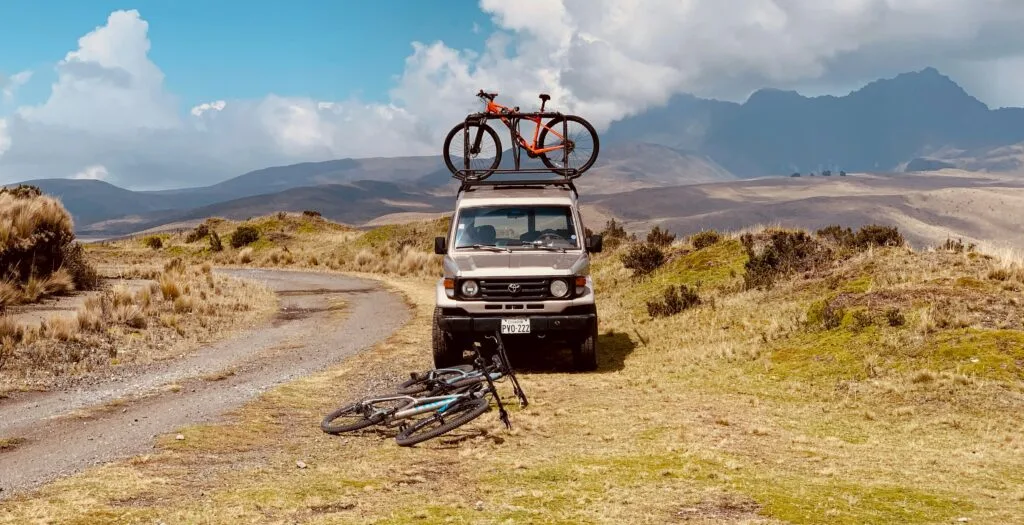
Swap the city altitude for Andean stars at these hidden retreats
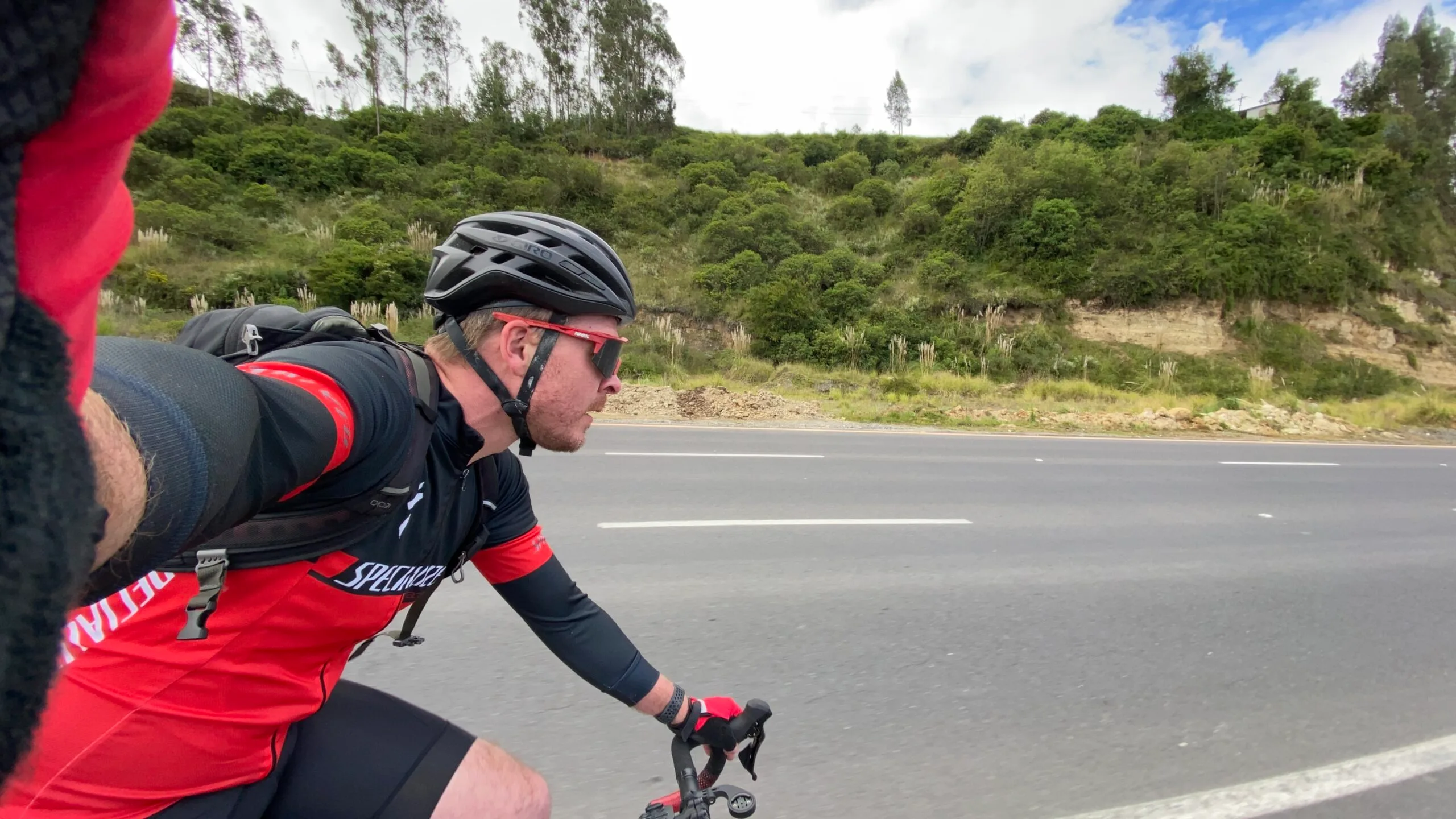
BEN FINCH
Traveling independently isn’t just a way to get from point A to point B; it is a philosophy. For those who explore by bike, train, or local bus, the journey is dictated by the rhythm of the road, not the rigid schedule of a tour operator’s umbrella. When navigating the towering altitudes and deep valleys surrounding Ecuador’s capital, finding the right place to rest is crucial. You want to travel on your own time, at your own pace, and most importantly, you want to sleep well.
Quito itself is a bustling metropolis nestled high in the Andean foothills. While the city centre is rich with history, the best places to pitch a tent or cosy up in a unique eco-cabin lie just beyond the city limits. Wheely Tyred has scoured the valleys and volcanic slopes to find six distinctive, highly-rated campsites that cater to the independent soul. These aren’t your standard commercial RV parks; these are cultural touchstones, organic farms, and gateways to the cloud forest.
Here are Wheely Tyred’s top recommendations for where to stay—and sleep well—near Quito.
The resilient peaks of the Middle of the World
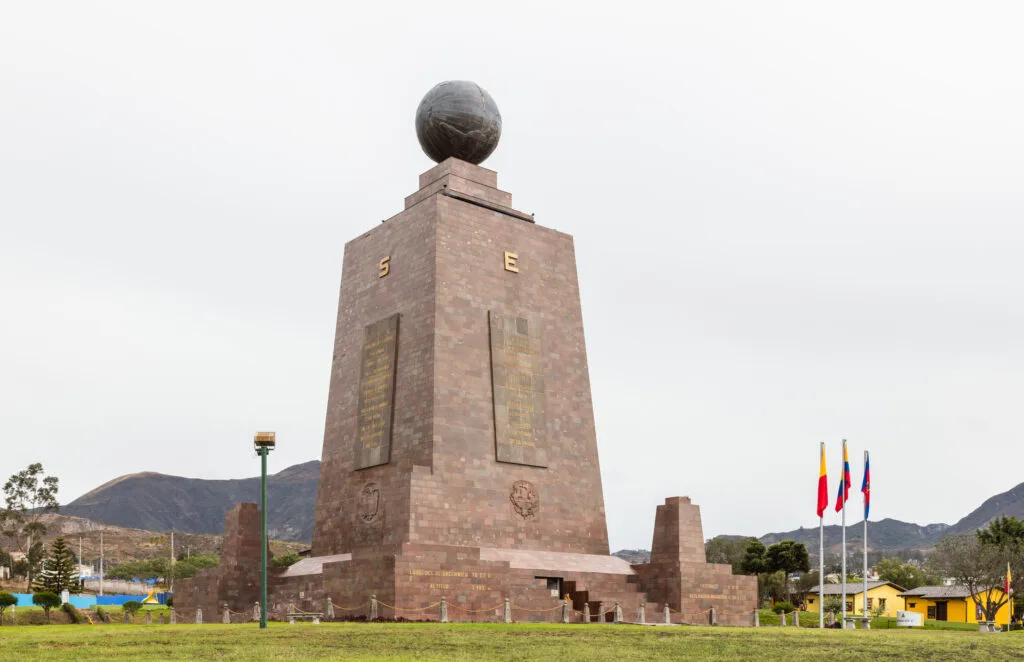
Stepping beyond Quito’s metropolitan bounds reveals a landscape of volcanic slopes and emerald forests. These chosen retreats offer the independent traveller a chance to disconnect from the itinerary and reconnect with the earth.
- Granja Urkuwayku: A family-run organic sanctuary on the Ilaló Volcano, perfect for those who value farm-to-table sustenance and proximity to natural thermal springs
- Hacienda El Porvenir: A historic Andean estate providing a rugged, authentic basecamp for exploring the high-altitude paramo surrounding the Cotopaxi volcano
- Suyana Mindo: An immersive escape into the biodiverse cloud forest, where the crisp mountain air gives way to tropical humidity and world-class birdwatching
- Ilaló Camping: Situated in the temperate Tumbaco valley, this site serves as a strategic and warmer hub for cyclists navigating the local trail networks
- Hosteria Papagayo: A colonial-era junction in Machachi that blends social atmosphere with quiet corners, famous for its roaming llamas and access to the Avenue of the Volcanoes
- Koumpi Glamping: A secluded retreat in the Chocó Andino biosphere designed for restorative, off-grid recovery deep within the forest canopy
- Local Culinary Roots: Beyond the campsites, the region offers a wealth of flavour, from the artisanal chocolate of Mindo to the traditional roast pork found in valley markets
Quito.
Explore the Middle of the World
Granja Urkuwayku
Nestled on the slopes of the extinct Ilaló Volcano, just a short journey from the city, Granja Urkuwayku offers an elevated camping experience on a family-run, organic farm. It is the perfect antidote to the urban hum of Quito, providing a peaceful environment where the focus is entirely on nature and sustainability. The farm offers spectacular views of the surrounding Andean peaks and is a haven for travellers who appreciate the quietude of rural life.
- The Vibe: Authentic, agricultural, and deeply connected to the land
- Key Features: Guests can enjoy farm-fresh breakfasts featuring homemade yoghurt, granola, and organic eggs. The site includes access to furnished kitchens and private bathrooms, making it a comfortable step up from rugged wild camping
- Local Exploration: Hundreds of kilometres of hiking and biking trails surround the property, and nearby hot springs offer the perfect way to soak tired muscles after a long day in the saddle
Hacienda El Porvenir by Tierra del Volcán
For those venturing slightly further south toward the monumental peaks of the Andes, this working hacienda is legendary. Positioned near the northern entrance of Cotopaxi National Park, it serves as an ideal basecamp for independent trekkers and cyclists aiming to explore the high paramo. The architecture reflects traditional Andean styles, featuring modest thatched-roof huts and airy quarters built with local materials.
- The Vibe: Historic, adventurous, and warmly traditional
- Key Features: Beyond the camping and rustic lodging options, the hacienda offers extensive ecotours, horseback riding, and a welcoming restaurant serving hearty, warming Ecuadorian dishes—perfect for fueling up before a high-altitude ride
- Why Wheely Tyred Loves It: It offers unparalleled access to Cotopaxi without the commercial feel of a standard resort. You can sleep deeply under the immense shadow of the volcano
Cuenca.
The Athens of Ecuador
Suyana Mindo Eco Park
If you point your compass northwest from Quito, you will drop down into the lush, biodiverse cloud forests of Mindo. Suyana Mindo Eco Park (often referred to as Glamping Mindo Suyana) offers a completely different climate and atmosphere. Swapping the crisp mountain air for humid, orchid-draped forests, this site is a sanctuary for birdwatchers and nature enthusiasts seeking a secluded night’s rest.
- The Vibe: Immersive, tropical, and ecologically mindful
- Key Features: Known for its comfortable glamping setups, the property often features amenities like hot tubs with mountain views—a luxurious touch for the weary independent traveller
- Local Flavour: Mindo is famous for its artisanal chocolate and coffee. Be sure to explore the local cafes in town for a rich cup of locally roasted coffee before heading back to your quiet forest retreat
Ilalo Camping & Aventura
Located in the Tumbaco valley area, which generally boasts a warmer and more forgiving climate than central Quito, this campground is a fantastic option for those who want to remain relatively close to the capital’s amenities while still sleeping outdoors. It is a straightforward, well-maintained site that caters brilliantly to overlanders and cyclists needing a secure, pleasant place to set up camp.
- The Vibe: Laid-back, practical, and community-oriented
- Key Features: Open 24 hours, it offers flexibility for travellers arriving at odd times. The shaded pitches and grassy areas provide a soft landing, and the proximity to the valley’s cycling routes makes it a strategic choice
- Nearby Eats: The Tumbaco and Cumbayá valleys are known for their vibrant culinary scenes, offering everything from traditional hornado (roast pork) to modern, independent bistros
The Ecuadorian Sierra.
Get lost in the hills
Hosteria Papagayo Cotopaxi
Situated along the Pan-American Highway near Machachi, Hosteria Papagayo is an institution for backpackers, cyclists, and climbers. While it functions as a hosteria, it provides excellent grounds for camping with access to all the main facilities. It is an intersection of global travellers, yet it maintains a relaxed, independent spirit that never feels forced or overly packaged.
- The Vibe: Social, historic (set in an old colonial house), and adventure-ready
- Key Features: Campers get access to the communal areas, warm showers, and the on-site restaurant. They also have llamas and alpacas roaming the grounds, adding to the Andean charm
- Sleep Well: Despite being a hub for travellers, the expansive grounds mean you can always find a quiet corner to rest up before tackling the Avenue of the Volcanoes
Koumpi Glamping Lodge
Located in the Pacto region, this site pushes further into the incredible biodiversity of the Chocó Andino biosphere. With a flawless 5-star reputation, Koumpi Glamping Lodge is for the traveller who wants to sleep in pristine nature without sacrificing a good mattress. It is less of a traditional pitch-your-own-tent site and more of an elevated ecological retreat, perfect for a few days of total off-grid recovery.
- The Vibe: Pristine, secluded, and highly comfortable
- Key Features: Focuses heavily on the sounds and sights of the forest. The accommodations are designed to blend seamlessly into the environment, ensuring your presence leaves a minimal footprint
- The Experience: This is where you go when you want to disconnect completely. No tour buses, no crowds—just the deep, restorative sleep that comes from being entirely surrounded by nature
The Ecuadorian Amazon.
The most biodiverse place in the world
The Wheely Tyred verdict on Quito’s best campsites
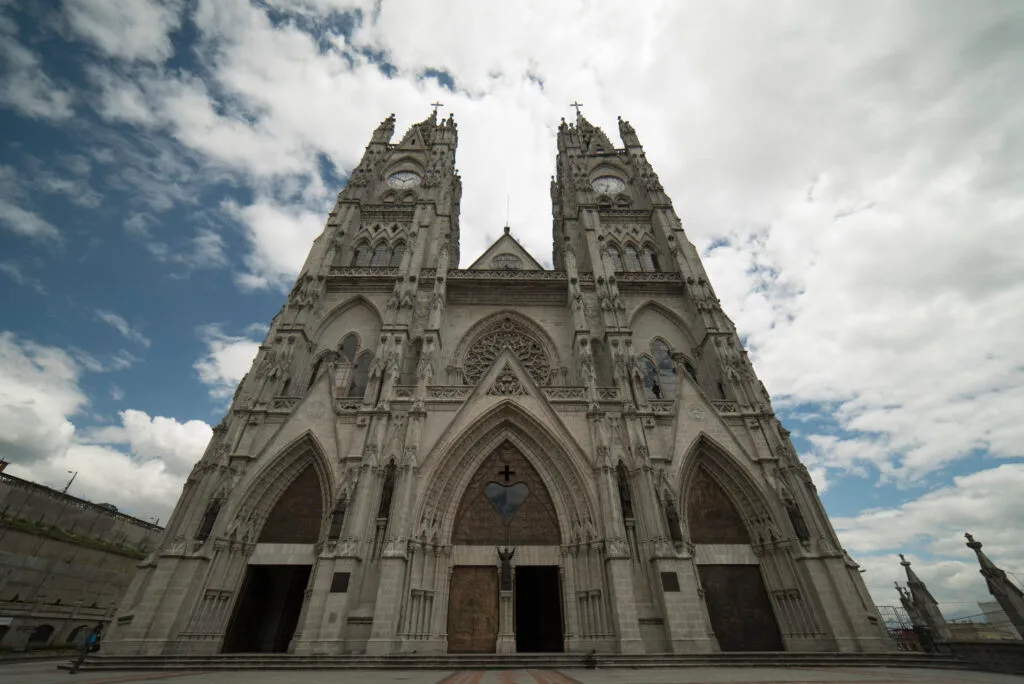
Independent travel is about making choices that align with your values. It is about choosing the quiet organic farm over the noisy city hostel, or the misty cloud forest over the crowded tourist trap. Whether you are tuning up your bike in the Tumbaco valley or preparing for a hike near Cotopaxi, the campsites around Quito offer a rich tapestry of experiences.
Take your time. Explore the valleys. Eat local. And above all, sleep well.
Frequently asked questions about the best campsites near Quito
While many of these sites are tucked away, they remain accessible via Ecuador’s extensive and affordable local bus network. For those travelling by bike, the secondary roads through the Tumbaco and Machachi valleys offer challenging but rewarding terrain. Always check local weather conditions before setting off, as mountain passes can be unpredictable.
Quito sits at roughly 2,850 metres. When moving to higher ground like Cotopaxi, it is vital to ascend slowly and stay hydrated. Choosing a campsite like Granja Urkuwayku or Ilaló first allows the body to acclimatise in a slightly milder environment before tackling the higher paramo.
In regions like Mindo, humidity is the primary factor. While a standard tent is sufficient, ensure your kit has a high-quality rain fly and good ventilation. For those who prefer to travel light, glamping options at Suyana or Koumpi provide all the necessary protection without the extra weight in your panniers.
Independent travellers should seek out hornado (slow-roasted pork) in the local markets of the valleys—it is a staple of the Andean diet. Additionally, the Chocó Andino region is world-renowned for its bean-to-bar chocolate. Visiting a local cooperative in Mindo offers a deeper understanding of the labour and history behind the produce.
Many of the featured locations, particularly those in the Tumbaco valley, offer a blend of rustic charm and modern necessity. While the focus is on sleeping well and disconnecting, several sites provide communal kitchens and stable areas to perform bike maintenance or plan the next leg of a journey.
The dry season typically runs from June to September, which is ideal for high-altitude camping near Cotopaxi. However, the cloud forest remains lush and damp year-round. It is recommended to pack layers—merino wool is excellent for the freezing Andean nights, while lightweight, breathable fabrics are better for the humid descents.
Ecuador.
Pure wonder on the equator.