The Wheely Tyred guide to safety in Quito
Is Quito safe for tourists? 2026 travel safety guide and crime statistics
Riding high and staying secure in the Andes
BEN FINCH
Welcome to Quito, a city nestled high in the Andes, offering breathtaking views, rich colonial history, and some of the most exhilarating cycling routes in South America. As the team at Wheely Tyred, we have spent countless hours mapping out the best paths, discovering hidden gems, and, most importantly, understanding the safety landscape of the regions we explore. If you are planning a trip to Ecuador’s capital, you likely have one pressing question on your mind regarding your personal security.
We believe that the best traveller is an informed traveller. Ecuador has seen its share of headlines recently, and it is crucial to separate national statistics from the day-to-day reality of visiting Quito. This comprehensive guide is designed to equip you with the knowledge you need to navigate the city confidently, whether you are a seasoned bikepacker or a first-time visitor looking to explore on two wheels.
The Andean high wire
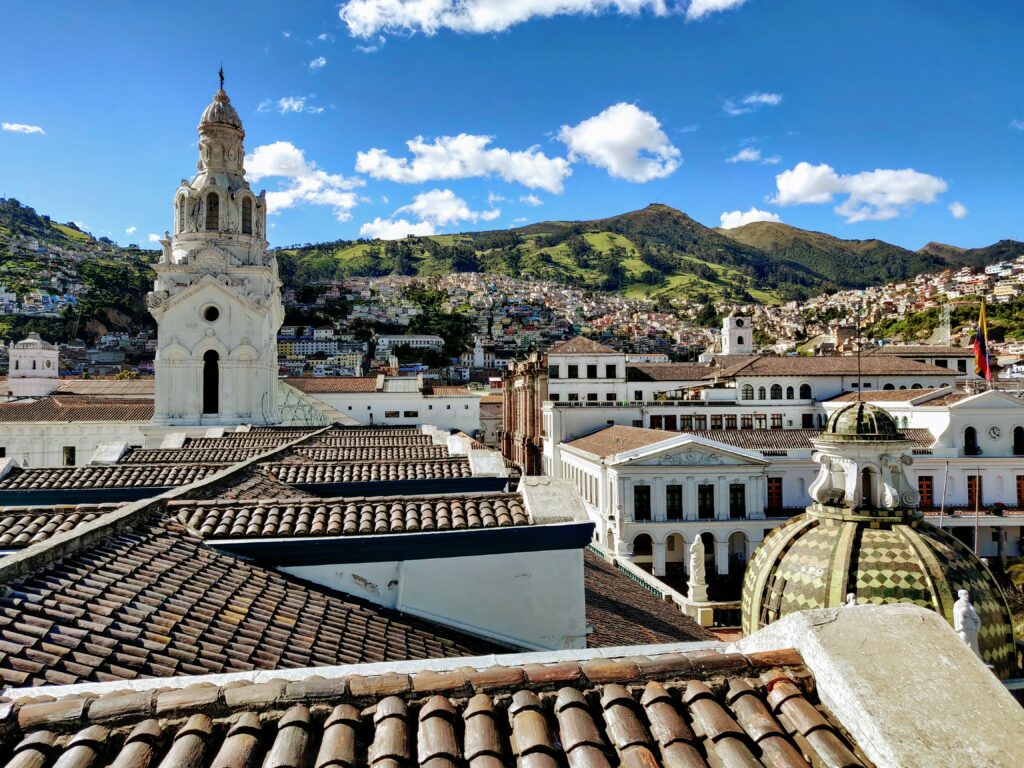
Navigating Quito’s historic streets and thin air requires a blend of adventurous spirit and grounded vigilance. It is a city of stunning colonial vistas balanced by the need for sharp, street-smart intuition and a respectful understanding of the local landscape.
- Regional Context: While national headlines focus on coastal gang activity, the safety risks within the capital remain largely confined to petty theft and crimes of opportunity rather than violent conflict
- The Solo Journey: Independent travellers can navigate the city confidently by day, though personal security hinges on avoiding solitary walks after dark and keeping itineraries discreet
- District Selection: The Historic Centre and the restored La Ronda offer cultural richness under heavy patrol, whereas parks like La Carolina and El Ejido transition into high-risk zones once the sun sets
- Cycling Strategy: Success on two wheels demands hyper-awareness of erratic Andean traffic and the use of a sturdy D-lock for every stop, regardless of how brief the interval
- Acclimatisation: At nearly 3,000 metres, the thin air is as much a safety factor as the traffic; allow your body two days to adjust before tackling the city’s steep, oxygen-thin inclines
- Transport Tactics: Minimise the risk of express kidnappings by shunning street-hailed taxis in favour of registered yellow cabs or reputable rideshare services
- Distraction Awareness: Be wary of elaborate mustard or liquid-stain scams; if marked, ignore offers of help from strangers and move immediately to a secure, private location
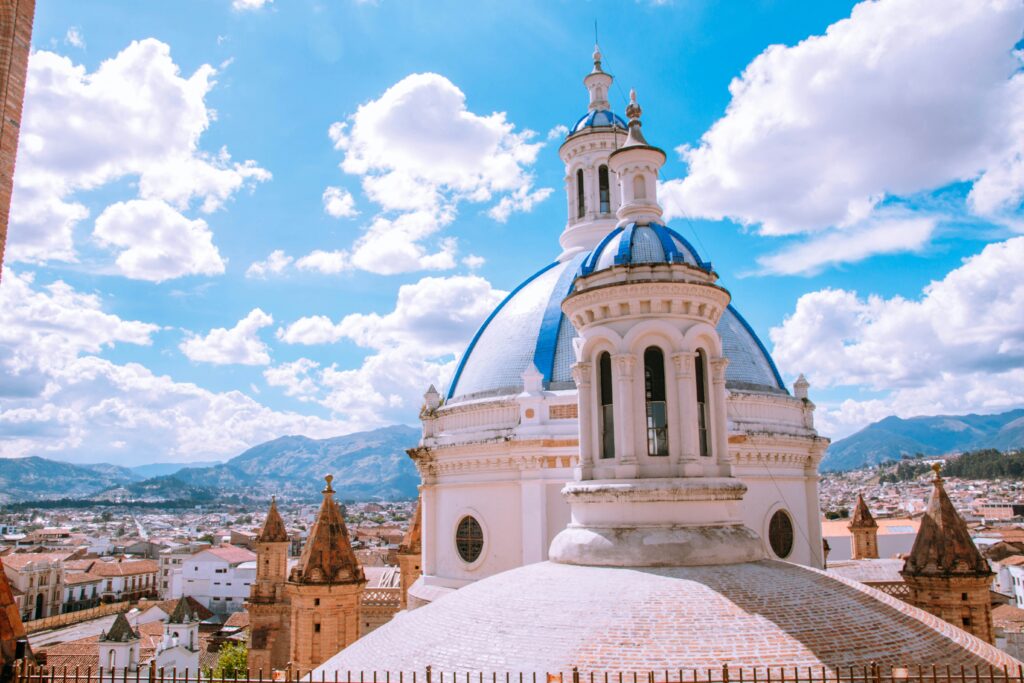
Quito.
Explore the Middle of the World
Understanding the current climate and crime statistics
To truly understand safety in Quito, we must look at the broader context of Ecuador in 2026. Following the declaration of an internal armed conflict in early 2024, the country has experienced an undeniable surge in gang-related violence. National statistics show that homicides increased by nearly 40 per cent by September 2025 compared to the previous year, bringing the country close to its highest historical rates.
However, context is everything when looking at these numbers. The Ministry of the Interior confirmed that 84 per cent of these deaths were directly linked to gang activity, and crucially for travellers, an estimated 80 per cent of this violence is concentrated in coastal provinces such as Guayas and Esmeraldas, far from Quito.
In Quito itself, violent crime against tourists remains uncommon. The city is generally considered one of the safer capitals in Latin America for visitors. The Ecuadorian government has significantly increased police presence in major tourist zones, including the Historic Centre. While extortion complaints nationally dropped by 40 per cent in early 2025, petty theft remains the primary concern for visitors in the capital.
Understanding these statistics is not meant to frighten you, but rather to highlight that while the country faces severe challenges, the risk to a cautious tourist in Quito is manageable and largely limited to crimes of opportunity.
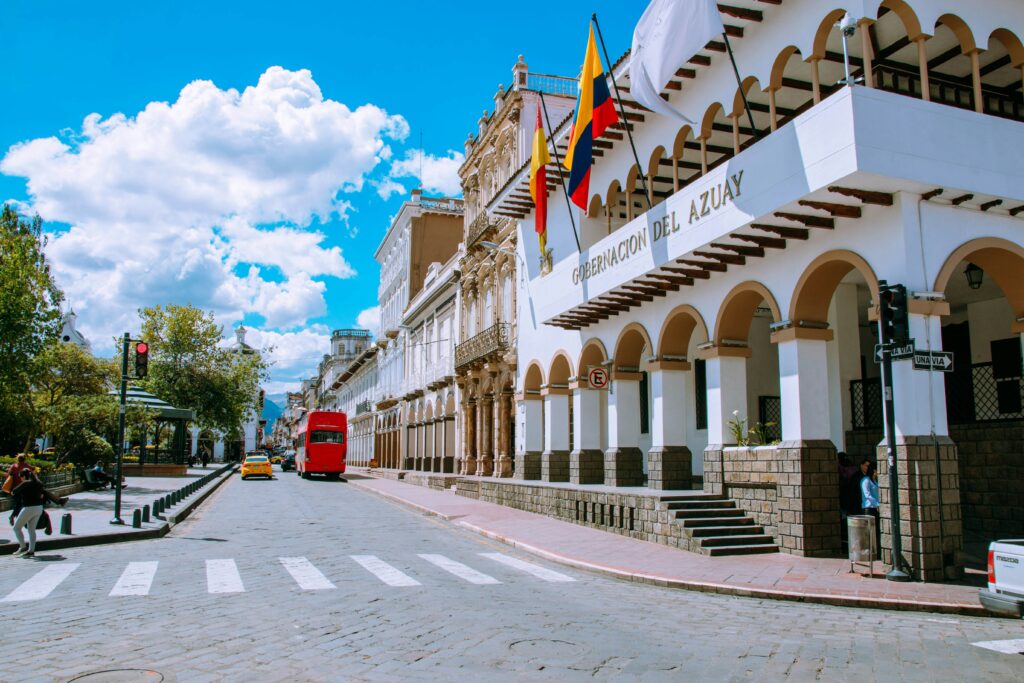
The Ecuadorian Sierra.
Get lost in the hills
Safety for solo travellers, women, and minorities
Travelling to a new country affects everyone differently, and safety is never a one-size-fits-all metric.
Solo travellers
For solo travellers, Quito is highly accessible, provided you stick to well-trodden paths. The golden rule for solo explorers here is to avoid walking alone after dark, regardless of the neighbourhood. When exploring during the day, keep your itinerary known to someone back home or the staff at your accommodation, and avoid carrying all your cash and bank cards at once.
Women
Women travelling alone or in small groups should exercise enhanced precautions. Ecuador has a tradition of male-dominated gender norms, and women may experience verbal harassment or unwanted attention in public spaces, particularly on public transport. Unfortunately, incidents of sexual assault against foreign women have been reported in tourist areas across the country. To mitigate these risks, avoid isolated locations, never accept drinks from strangers, and use trusted rideshare applications rather than hailing taxis off the street. Booking accommodations with robust security measures and avoiding hospitality exchanges like couch-surfing will add a necessary layer of defence to your trip.
Minority travellers
Minority travellers may find that their experience in Quito involves being the subject of curiosity. Ecuador is ethnically diverse, but foreign minorities, particularly in less tourist-heavy areas, might experience staring or invasive questions. While this can be uncomfortable, it is rarely rooted in hostility, and violent hate crimes against tourists based on race or ethnicity are exceedingly rare. Navigating this requires patience, but asserting boundaries firmly and politely is usually respected by the locals.
Neighbourhoods to explore and areas to avoid
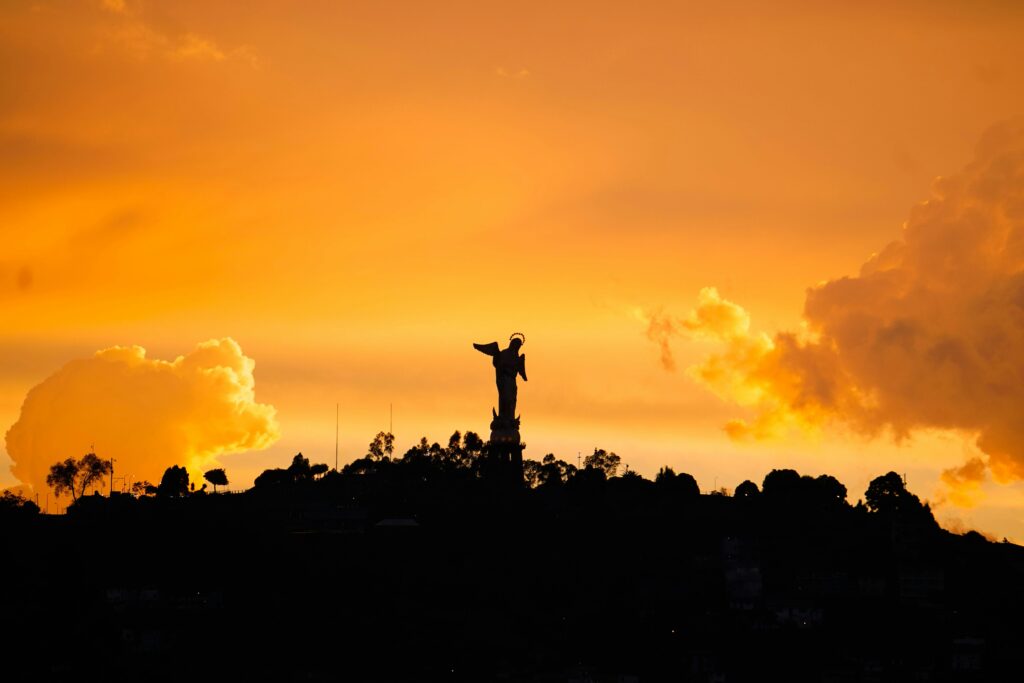
Your experience of Quito will heavily depend on where you choose to spend your time.
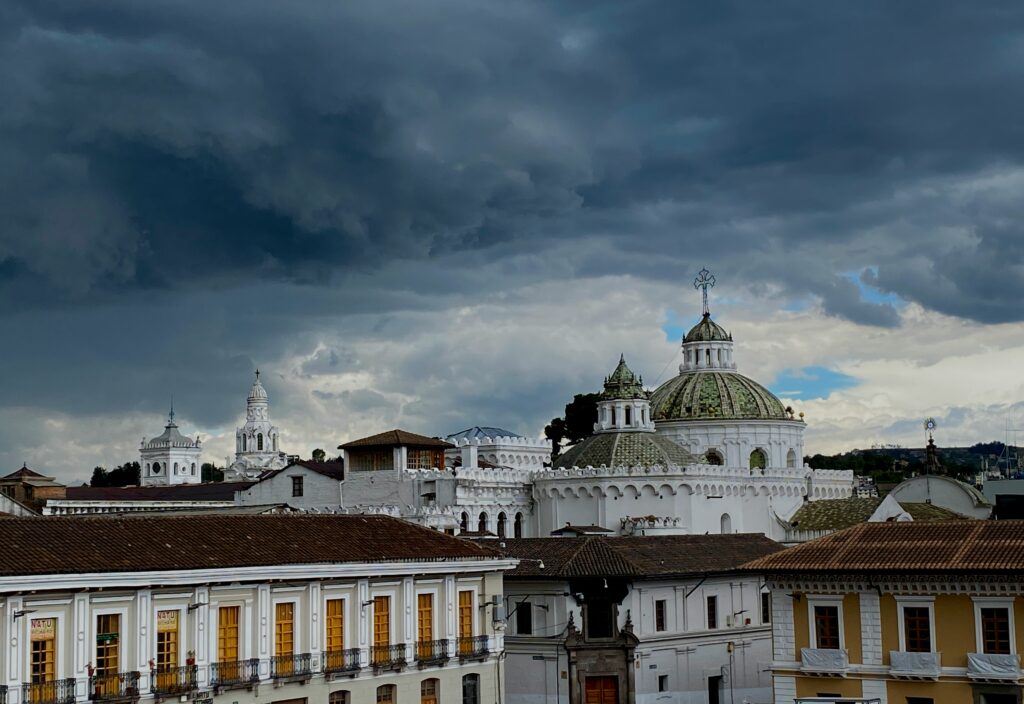
The Historic Centre is a must-visit, boasting stunning colonial architecture. It is heavily policed and generally safe during the day, though you must remain alert for pickpockets in crowded plazas. By evening, it is best to stick to La Ronda, a beautifully restored street that is well-lit and safe for nighttime strolls.
La Carolina Park is excellent for daytime cycling and relaxation, but it should be strictly avoided after sunset. The same applies to El Ejido park, where lighting is poor and opportunistic crime rises after dark.
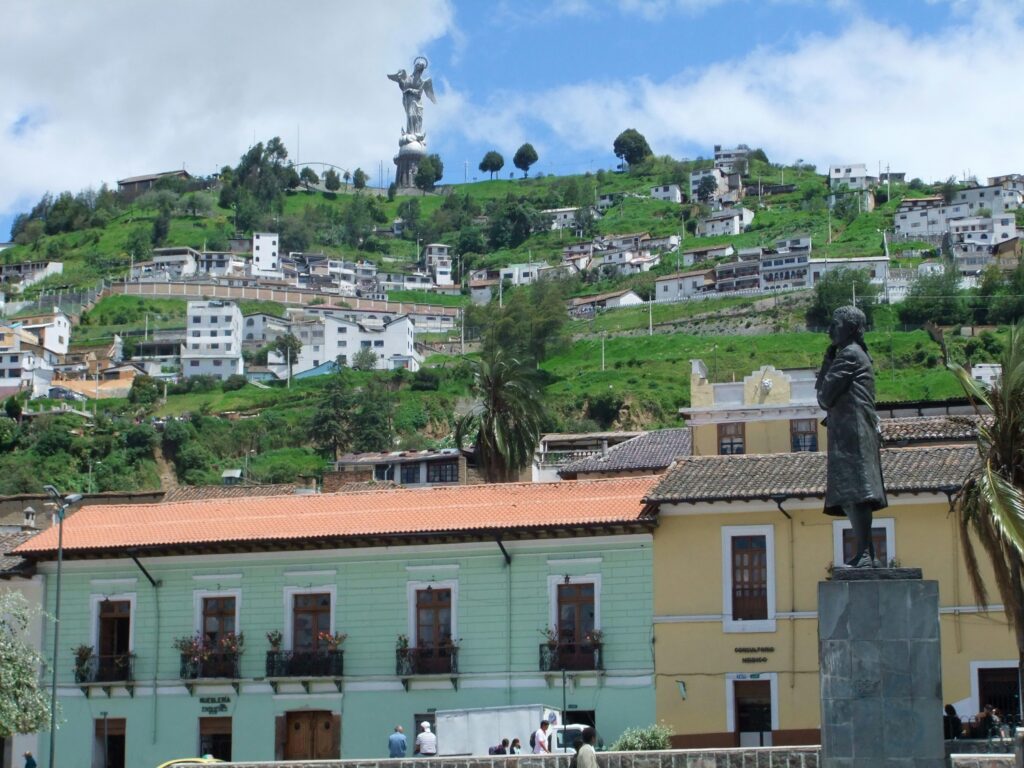
The Mariscal District, often referred to locally as Gringolandia, is famous for its nightlife. While popular, it is a hotspot for petty theft and requires extreme vigilance, especially at night. Other areas where you should exercise extra caution include La Marin and parts of La Floresta. If you plan to visit the iconic El Panecillo hill, take a reputable taxi or join a guided tour rather than attempting the walk, as the surrounding paths leading up the hill can be risky for tourists.
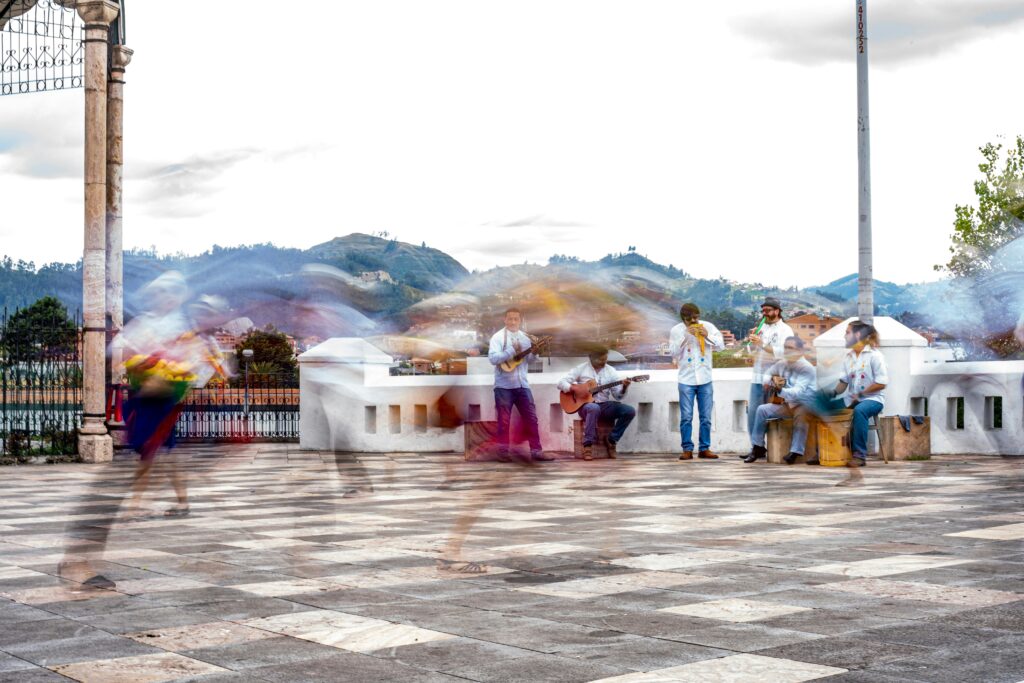
The Ecuadorian Amazon.
The most biodiverse place in the world
Protecting your belongings from petty crime
As a cyclist or a pedestrian, your biggest threat in Quito is petty crime. Pickpocketing and bag snatching occur daily in busy markets, on crowded streets, and at transport hubs.
Thieves in Quito are highly skilled at distraction techniques. A common tactic involves someone discreetly squirting mustard or another staining liquid onto your clothing. While a seemingly helpful stranger points out the mess and offers to help you clean it, an accomplice will make off with your bag or bicycle. If anything spills on you, ignore anyone offering help, secure your belongings immediately, and walk away to clean up in a secure location.
Always keep your valuables hidden. Leave expensive jewellery and flashy watches at home. When cycling, ensure your phone and wallet are in secure, zipped pockets rather than loose handlebar bags that can be easily snatched by passing motorcycles.
Transport safety and avoiding express kidnappings
Getting around safely is a crucial part of the Wheely Tyred philosophy. If you are not on your bike, you will likely rely on taxis or buses.
Public buses, such as the Trolebús, are incredibly cheap but notorious for pickpockets. If you use them, carry your backpack on your front, keep your hands in your pockets over your valuables, and avoid sleeping. Do not store bags in overhead luggage spaces or under your seat.
For private transport, strictly avoid hailing taxis directly from the street. Express kidnappings are a known issue in Ecuador. This involves criminals forcing victims into a vehicle and making them withdraw money from ATMs before releasing them. To avoid this, exclusively use well-known rideshare apps or ask your hotel to call a registered taxi. Registered taxis in Quito are yellow, have orange license plates, and display a registration sticker on the doors and windshield.
Cuenca.
The Athens of Ecuador
Cycling safety in the Ecuadorian capital
For our fellow cycling enthusiasts, riding in Quito is an unforgettable experience, but it requires serious street smarts. The traffic can be erratic, and drivers frequently ignore pedestrian crossings and lane markings. Always wear a helmet, use bright, reflective gear, and assume that vehicles may change lanes without indicating.
Because of the altitude, which sits at roughly 2,850 metres, fatigue can set in faster than you might expect, leading to a drop in situational awareness. Pace yourself, stay hydrated, and stick to daylight hours for your rides. If you need to stop to check your route, pull into a café or a secure shop doorway rather than standing on a busy street corner with your smartphone out. Ensure you lock your bicycle with a heavy-duty D-lock even if you are just stepping away for a moment.
Health, altitude, and environmental factors
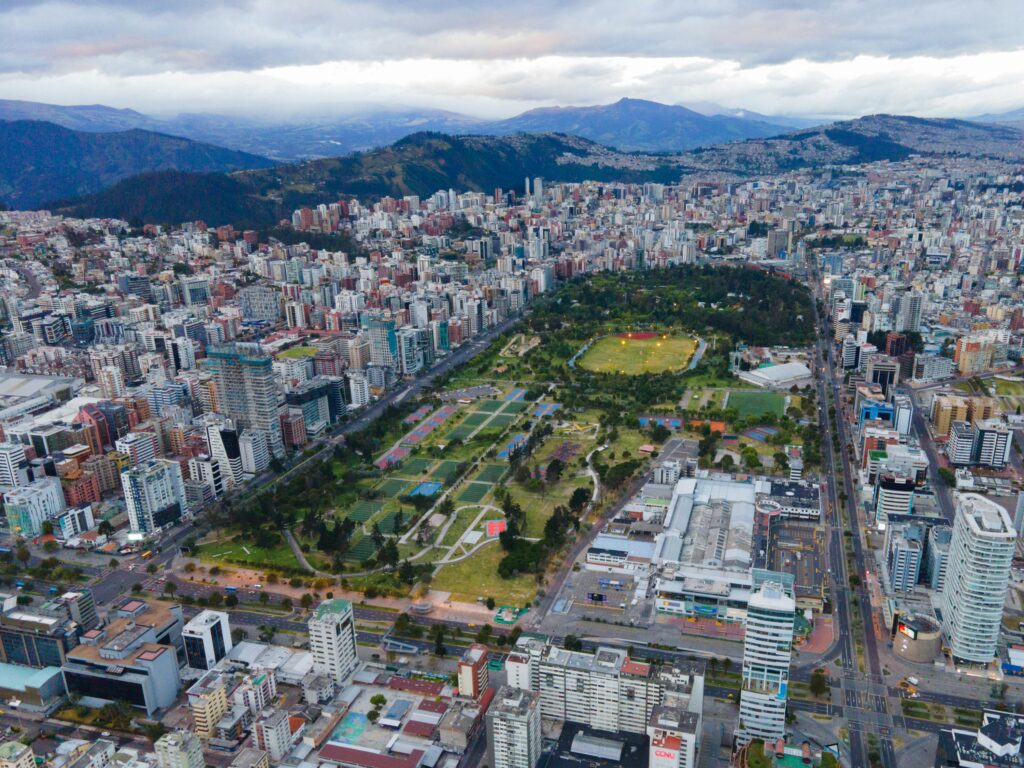
Safety in Quito is not exclusively about avoiding crime; it is also about respecting the environment. Altitude sickness is a genuine threat to new arrivals. Symptoms include headaches, nausea, and shortness of breath. For cyclists, pushing too hard on your first few days can be dangerous. Allow yourself at least two days to acclimatise before taking on strenuous routes.
Furthermore, the weather in the Andes is notoriously unpredictable. Heavy rains can wash away roads or create hazardous mudslides, particularly if you are cycling on the outskirts of the city. Always check local government resources for road condition updates before embarking on a long ride.
The Ecuadorian Coast.
Where you’ll find the very best food
Be cautious and aware when travelling in Quito
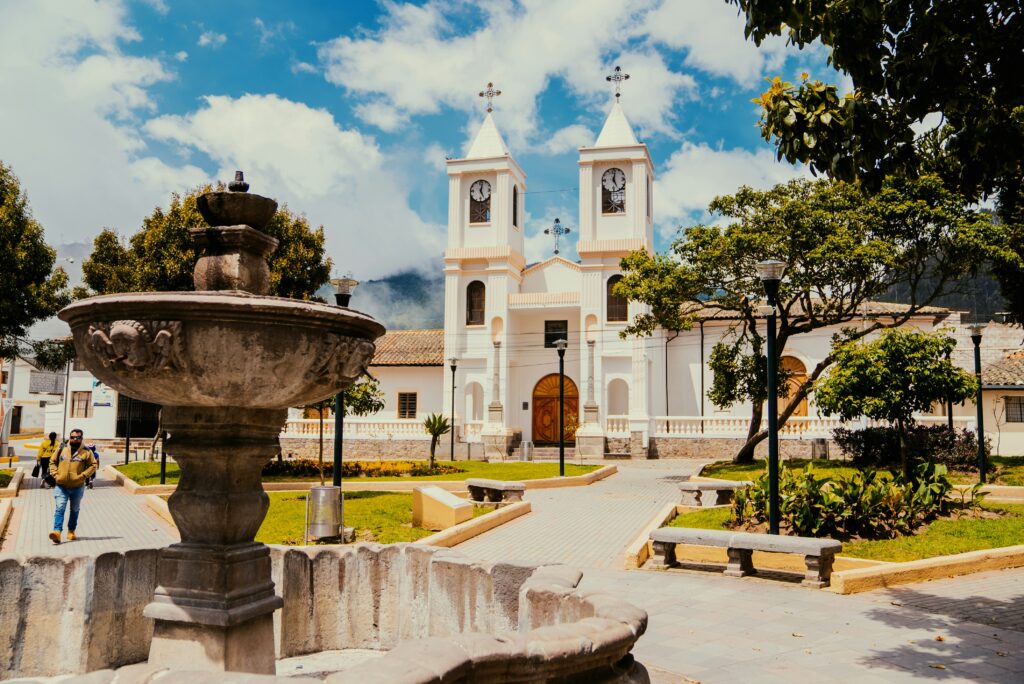
Quito is a magnificent city that rewards those who approach it with respect and preparation. The safety landscape may sound daunting when reading through warnings and statistics, but the reality on the ground is that thousands of visitors enjoy trouble-free trips every single year.
By adopting a mindset of cautious awareness, securing your belongings, and respecting local dynamics, you can focus on the incredible culture, food, and cycling routes this Andean capital has to offer.
Frequently asked questions about safety in Quito
While the Trolebús and local buses are efficient and inexpensive, they are hotspots for highly skilled pickpockets. If you choose to use them, always wear your rucksack on your front, keep your hands on your valuables, and avoid storing any bags in the overhead or under-seat compartments.
You should never hail a taxi directly from the street at night. Instead, use a reputable rideshare app or ask the establishment to call a registered yellow taxi for you. Ensure the vehicle has the official registration stickers and orange license plates before entering.
The conflict is primarily driven by cartels and is heavily concentrated in the coastal provinces. While Quito maintains a heavily increased security presence, the daily life of a traveller in the capital is rarely affected by these events, provided you stick to established tourist areas.
Verbal harassment can occur in crowded public spaces. The best approach is to maintain a confident, purposeful stride and ignore the comments. To ensure physical safety, avoid walking alone in quiet residential areas or parks after dark and stay in accommodations with 24-hour security.
Though the statue is a major landmark, the walking paths leading up the hill are notorious for robberies targeting tourists. For your safety, we recommend taking a registered taxi or joining a guided tour to reach the summit rather than attempting the climb on foot.
Quito’s altitude can cause sudden fatigue, headaches, and nausea, which drastically reduce your situational awareness. If you feel soroche (altitude sickness) setting in, stop at a secure café, hydrate with coca tea or water, and do not hesitate to take a taxi back to your accommodation to rest.
Ecuador.
Pure wonder on the equator.