The eternal spring / A definitive guide to the best time to visit Quito
When is the best time to visit Quito, Ecuador? A seasonal weather and travel guide
High altitudes and golden hours / Timing your Andean adventure
BEN FINCH
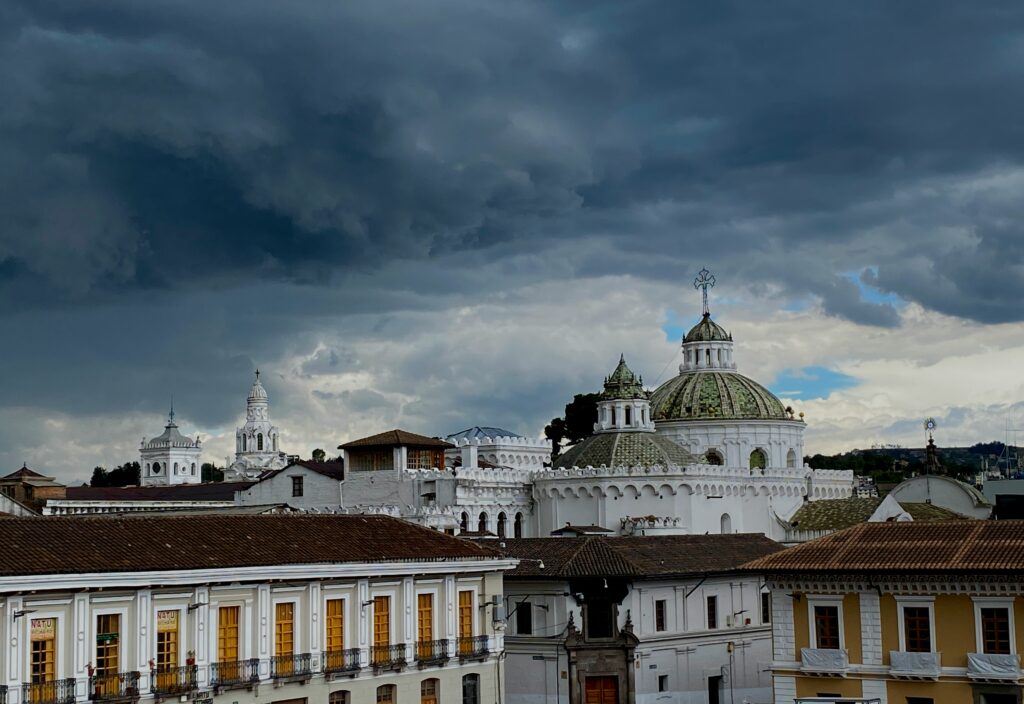
Deciding exactly when to touch down in the second-highest capital city in the world is less about dodging freezing winters and more about selecting your preferred flavour of sunshine. Nestled deep within a narrow valley and flanked by the dramatic peaks of the Pichincha volcano, Quito is an atmospheric marvel where the weather can change as rapidly as the street names in the historic centre. Whether your itinerary involves photographing the world-first UNESCO World Heritage site under a brilliantly clear sky or immersing yourself in the vibrant, rain-slicked festivities of local cultural celebrations, timing your arrival is the foundation of a spectacular trip.
At Wheely Tyred, we believe that understanding the subtle environmental rhythms of a destination is the difference between a standard holiday and a truly transformative travel experience. Quito does not play by the conventional rules of the Northern or Southern Hemispheres. Instead, its geographical position directly on the equator, combined with an elevation of 2,850 metres, creates a perpetual spring. This unique climate masks a highly complex interplay of intense equatorial heat, crisp Andean chill, and shifting cloud forests.
Understanding these nuances ensures you can perfectly align your travel desires—be it outdoor exploration or indoor cultural immersion—with what the skies above the Andes are doing.
Quick guide / Quito’s weather at a glance
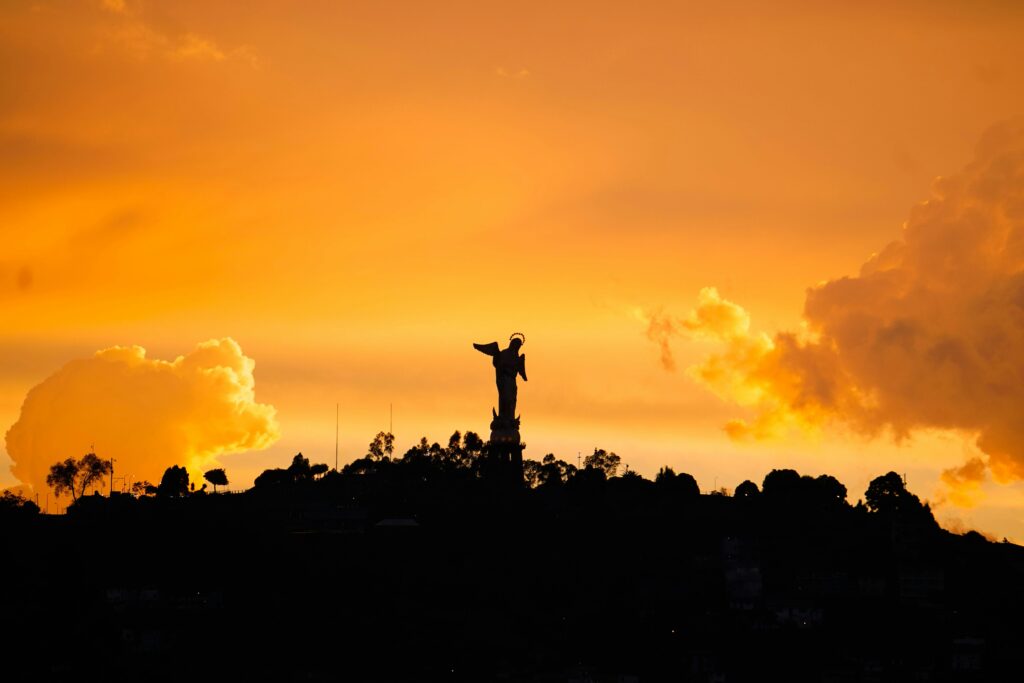
- June to September: The Golden Window. This is the prime dry season, offering the best conditions for hiking, enjoying crystal-clear views of surrounding volcanoes, and experiencing peak daily sunshine
- October to November: The Shoulder Transition. The surrounding landscapes transform into lush, vibrant green valleys. Tourist crowds thin out significantly, though visitors must prepare for predictable, heavy afternoon showers
- December: The Cultural Peak. A month characterised by brief dry spells mixed with the biggest municipal festivals of the year, perfect for travellers seeking high-energy cultural immersion
- January to May: The Greener Months. Cloudier skies and frequent afternoon rain define this period, offering a slower pace of travel and the best availability for luxury boutique hotels
Quito.
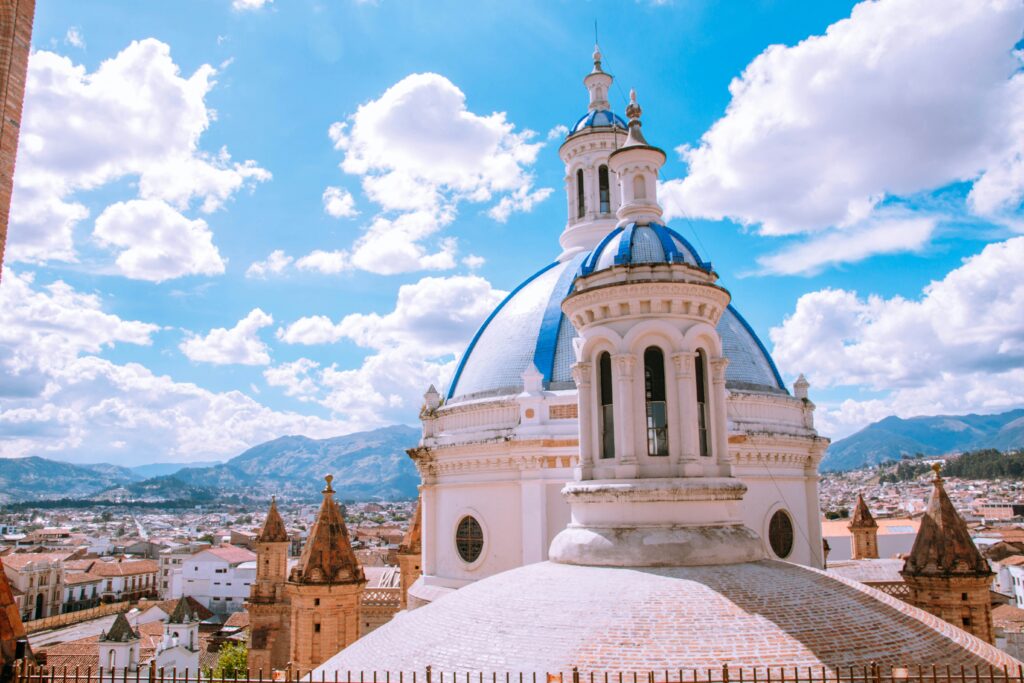
Explore the Middle of the World
The peak season / June to September
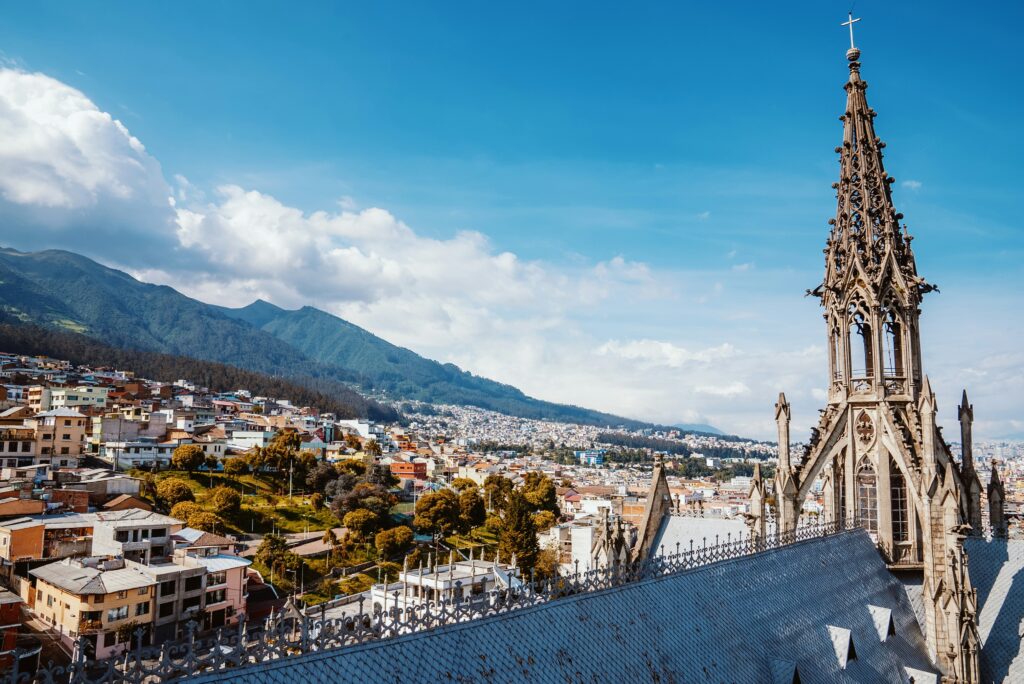
In the high altitudes of the Ecuadorian Andes, locals refer to this glorious period as summer. While vast portions of the globe are sweltering under extreme heat, Quito remains perfectly, elegantly temperate. This block of months represents the true dry season, characterised by deep, endless blue skies that provide the sharpest possible backdrop for the colonial spires and whitewashed facades of the city.
For the active traveller, this is the ultimate window of opportunity. If you are planning to ride the Telefériqo cable car up the steep eastern flanks of Pichincha, doing so between June and September practically guarantees spectacular visibility. On a clear morning, the panoramic views stretch across the Avenue of the Volcanoes, allowing you to clearly spot the majestic snow-capped cones of Cotopaxi, Antisana, and Cayambe looming in the distance. August is particularly renowned for its crisp, strong winds, prompting families to gather in the vast Parque Metropolitano to fly incredibly elaborate, colourful kites.
However, absolute atmospheric perfection naturally draws the largest crowds. This seasonal window aligns perfectly with major school and university holidays across North America and Europe. Consequently, the narrow, romantic cobblestone streets of the historical centre will be at their most bustling. Demand for the finest boutique accommodations housed in restored colonial mansions peaks dramatically during this time. To secure your preferred itinerary without compromise, booking your flights and accommodation at least four to six months in advance is highly recommended.
Cuenca.
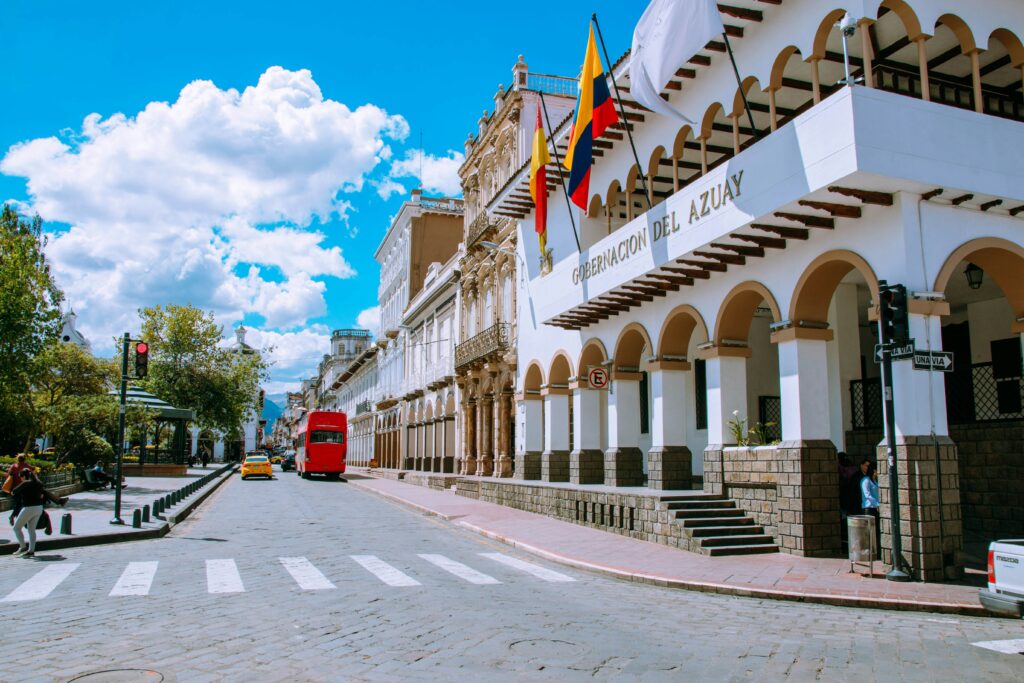
The Athens of Ecuador
The misty shoulder / October and November
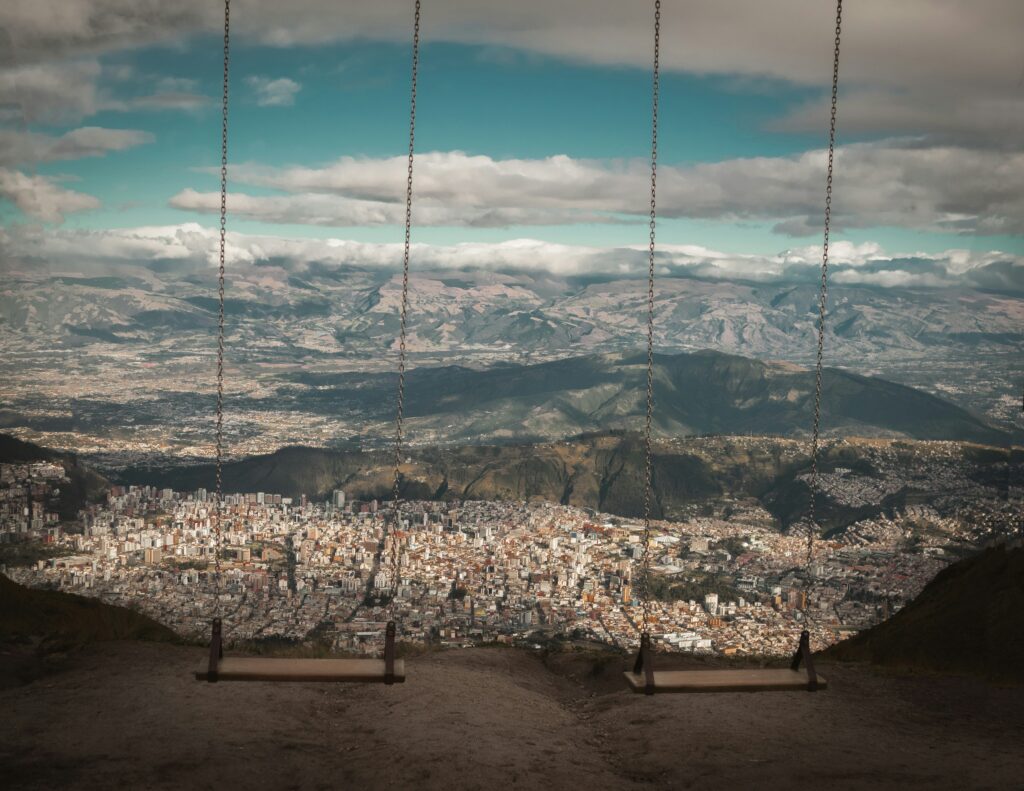
As the dry winds of August and September finally settle, the rains begin their gradual return to the Andean basin. However, prospective visitors should banish any thoughts of the relentless, grey, and depressing drizzle associated with northern European winters. In Quito, the rain is an incredibly dramatic, theatrical, and cleansing event. Most days begin with brilliant, intense morning sunshine that warms the city plazas. By early afternoon, dark clouds gather rapidly over the surrounding peaks, usually culminating in a heavy, spectacular downpour that washes the streets clean before dissipating just in time for an evening stroll.
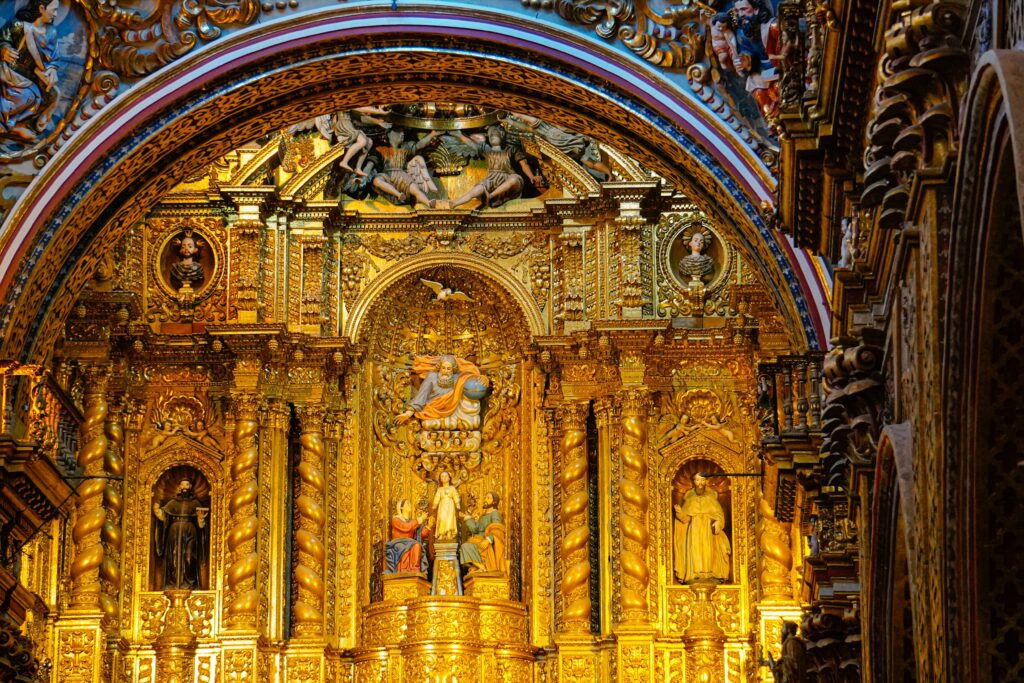
For the highly savvy and adaptable traveller, this shoulder season is an absolute revelation. The parched hills completely surrounding the city transform into a vibrant, velvety green almost overnight, providing a breathtaking, high-contrast backdrop for photography. Tourist numbers drop off significantly during these months, allowing for a far more intimate and peaceful experience inside the legendary architectural wonders of the city, such as the dazzling, gold-leaf-covered interior of La Compañía de Jesús.
This is a period that rewards the philosophy of slow travel. It requires a slight adjustment to your daily rhythm: schedule your outdoor walking tours, monument visits, and marketplace explorations for the bright mornings. When the afternoon clouds roll in, retreat to a renowned local cafe to sample premium Ecuadorian chocolate, or spend a few hours exploring the exceptional pre-Columbian art at the Casa del Alabado museum.
The Ecuadorian Sierra.
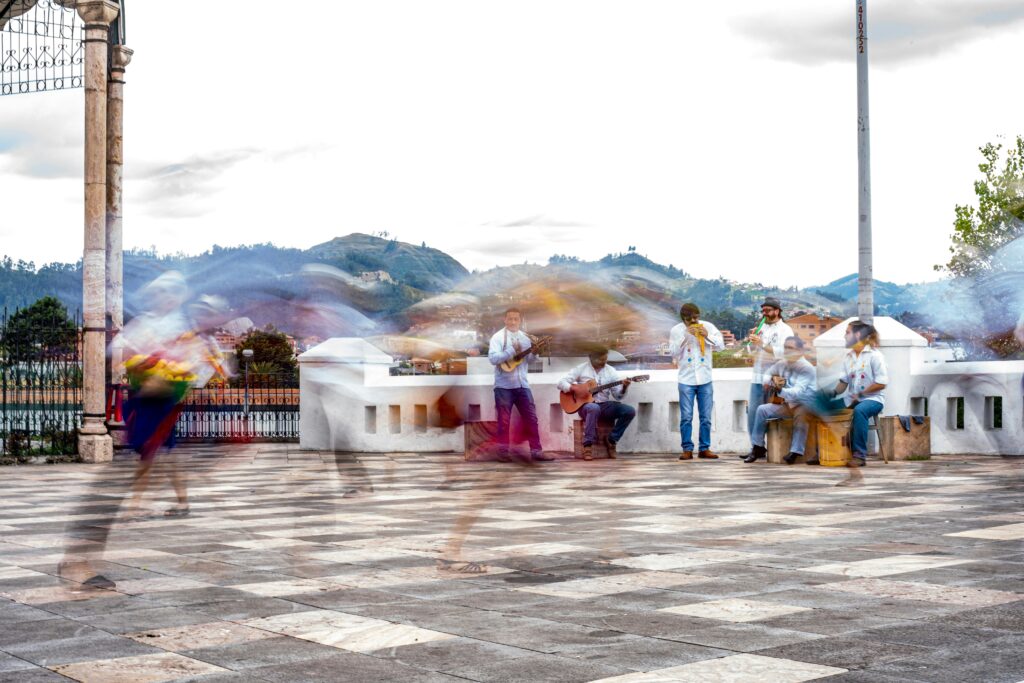
Get lost in the hills
The festive pulse / December
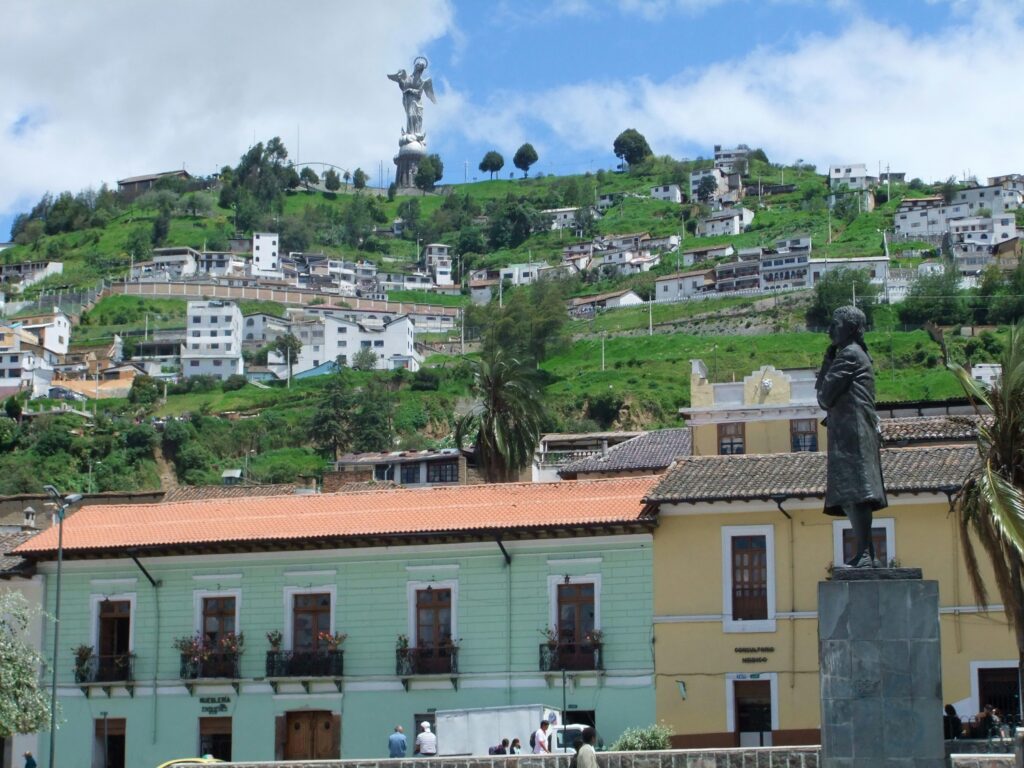
December in the Ecuadorian capital is nothing short of a cultural phenomenon. The first week of the month is entirely dedicated to the Fiestas de Quito, a sprawling, energetic celebration commemorating the formal foundation of the city. For travellers who thrive on cultural energy, bustling crowds, and civic pride, there is simply no better time to arrive.
The atmosphere is electric. The streets are filled with traditional brass bands, open-air dances in the historic plazas, and the ubiquitous presence of open-sided party buses navigating the steep avenues. The evening air is richly scented with roasted meats and spiced cinnamon drinks, known locally as canelazo, which locals consume to ward off the crisp nighttime temperatures.
Meteorologically, December often gifts visitors with a highly welcome mini dry season. The heavy rains of November frequently pause, offering extended sunny intervals and clear evenings perfect for rooftop dining. Travellers simply need to be aware that the city effectively shifts its focus entirely toward celebration during the first week of the month, meaning standard business hours may vary, and securing reservations at top-tier restaurants requires significant forward planning.
The Ecuadorian Amazon.
The most biodiverse place in the world
The lush retreat / January to May
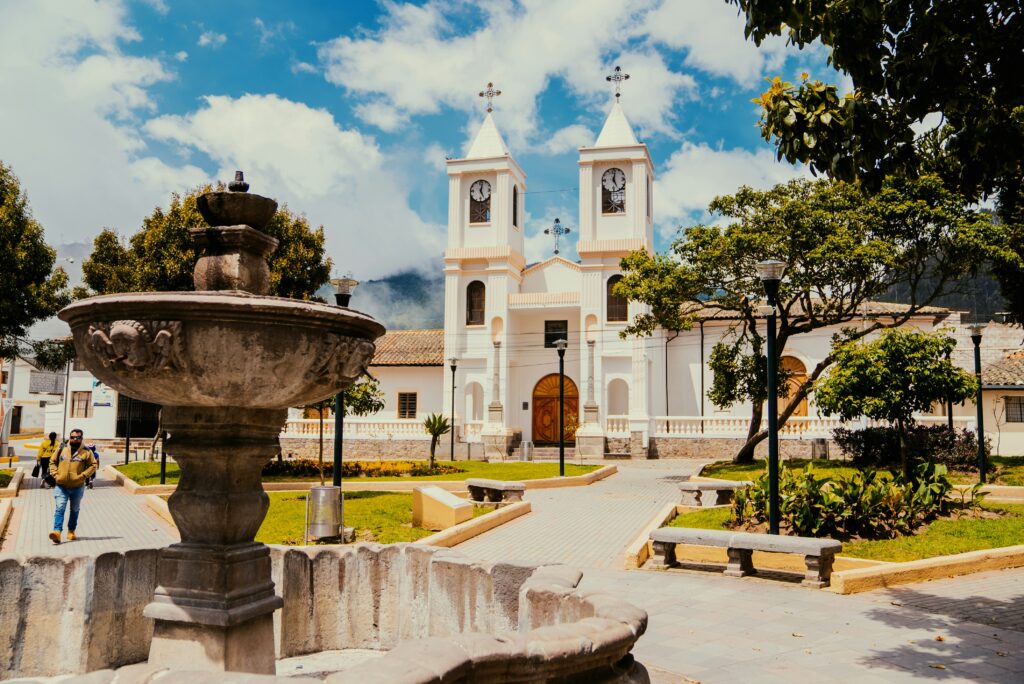
These months represent the heart of the Andean wet season. Yet, the label itself can be slightly misleading to those unfamiliar with equatorial weather patterns. You will still experience glorious sunshine on most mornings. The humidity levels are slightly elevated, giving the high-altitude air a softer feel, and the daytime temperatures are remarkably consistent.
This extended period is the ideal playground for those who prefer indoor cultural pursuits, refined gastronomy, and avoiding crowds entirely. Quito boasts an impressive array of over forty museums, alongside a rapidly burgeoning fine-dining scene that is currently drawing attention from global culinary critics. Visiting during the wet season allows you to enjoy these world-class culinary and cultural experiences at a relaxed pace, often granting you the luxury of spontaneity without the pressure of rigid itineraries.
April historically stands as the rainiest month of the year, bringing a uniquely moody and romantic atmosphere to the historic centre. The slick cobblestones reflect the warm glow of the ornate streetlamps, creating an enchanting environment for evening walks. Simply pack a premium rain shell, embrace the slower pace, and enjoy the city operating at its most authentic, unhurried rhythm.
The Ecuadorian Coast.
Where you’ll find the very best food
Future climate trends and your travel plans
Because Ecuador is positioned precisely on the equator, its delicate highland environment is highly sensitive to shifting global climate patterns. Understanding these evolving realities is essential for the modern, responsible traveller looking to plan the perfect trip.
Temperatures across the Andean highlands are projected to creep gradually upwards in the coming decades. While Quito rarely feels overwhelmingly hot due to its extreme altitude, this slight baseline warming may lead to more intense midday heat, particularly given that the UV index on the equator is naturally punishing. Furthermore, while the total annual rainfall volume may not change drastically, the intensity of individual storm events is visibly increasing. The afternoon downpours characteristic of the wet season are becoming more sudden and severe.
Finally, the gradual retreat of the magnificent glaciers capping the surrounding volcanoes is subtly altering the local hydrological cycle. This means the strict historical boundaries between the dry and wet seasons are becoming slightly more blurred and unpredictable. Packing highly adaptable clothing layers and maintaining a flexible itinerary is the new standard for luxury travel in the Andes.
Frequently asked questions about the best time to visit Quito
Due to the significant elevation of nearly 3,000 metres above sea level, the ambient air temperature rarely feels hot in the traditional, tropical sense. However, because the city sits directly on the equator, the sun is phenomenally strong. Even on a remarkably cool and breezy day, the UV index remains extreme, meaning travellers can experience severe sunburn in a matter of minutes without adequate protection.
Absolutely. The rain in Quito is rarely persistent enough to force the cancellation of an entire day of exploration. It simply requires a strategic approach to your daily schedule. By planning your outdoor sightseeing, such as visiting the Middle of the World monument or climbing the basilica towers, for the bright mornings, you can safely dedicate the rainy afternoons to long lunches, museum visits, or enjoying the amenities of your hotel.
The secret to comfort in the Andes is mastering the art of layering. You will need a lightweight, breathable base layer for the intense midday sun, a high-quality waterproof shell for the sudden afternoon storms, and a warm, insulating jacket or locally purchased alpaca wool jumper for the evenings, as temperatures drop sharply the moment the sun sets behind the mountains.
Yes, it is highly affordable. Ecuador uses the US Dollar, which simplifies budgeting. If you stick to local markets, eat the set daily menus, and stay in dormitories, you can comfortably survive on a very modest daily budget.
Quito is incredibly long and narrow, nestled in a valley, which creates severe traffic bottlenecks. Cycling through the city centre can be a chaotic and exhaust-heavy experience. Most bikepackers prefer to stick to the dedicated cycle paths where possible or quickly transit out to the surrounding rural dirt roads like the Chaquiñán trail.
Layers are essential. You need a lightweight, breathable shirt for the blistering midday sun, a highly reliable waterproof shell for the sudden afternoon storms, and a warm fleece for the crisp evenings. Do not underestimate the power of the equatorial sun; a high-factor suncream is mandatory, even on cloudy days.
Ecuador.
Pure wonder on the equator.