
Explore Alausí / Essential travel safety and route advice for 2027
Alausí, Ecuador, travel safety guide 2027 / Geological risks, road security, and local insights
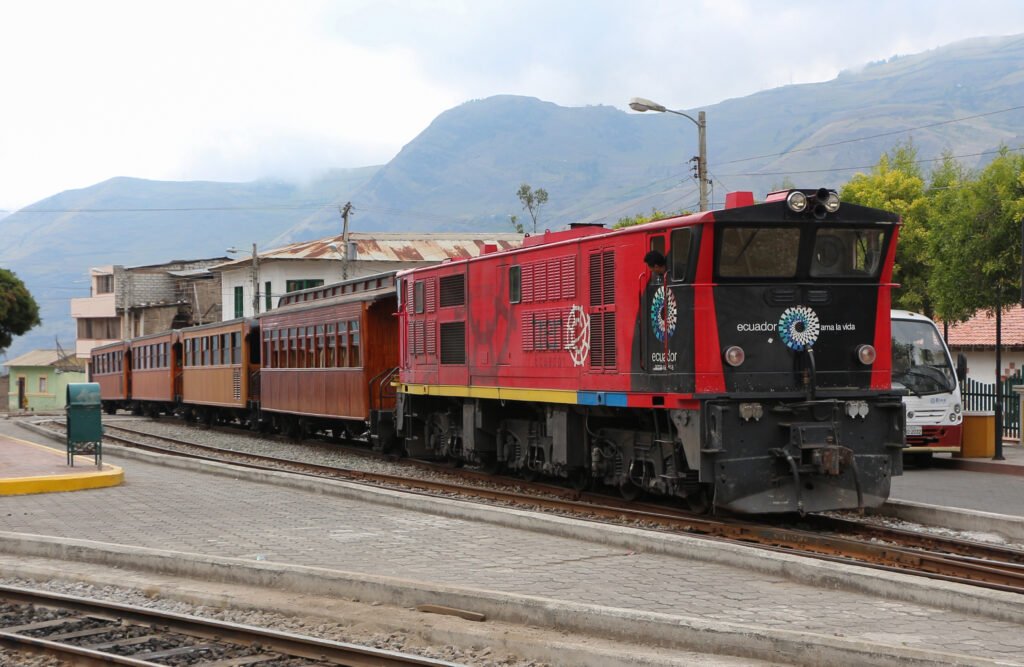
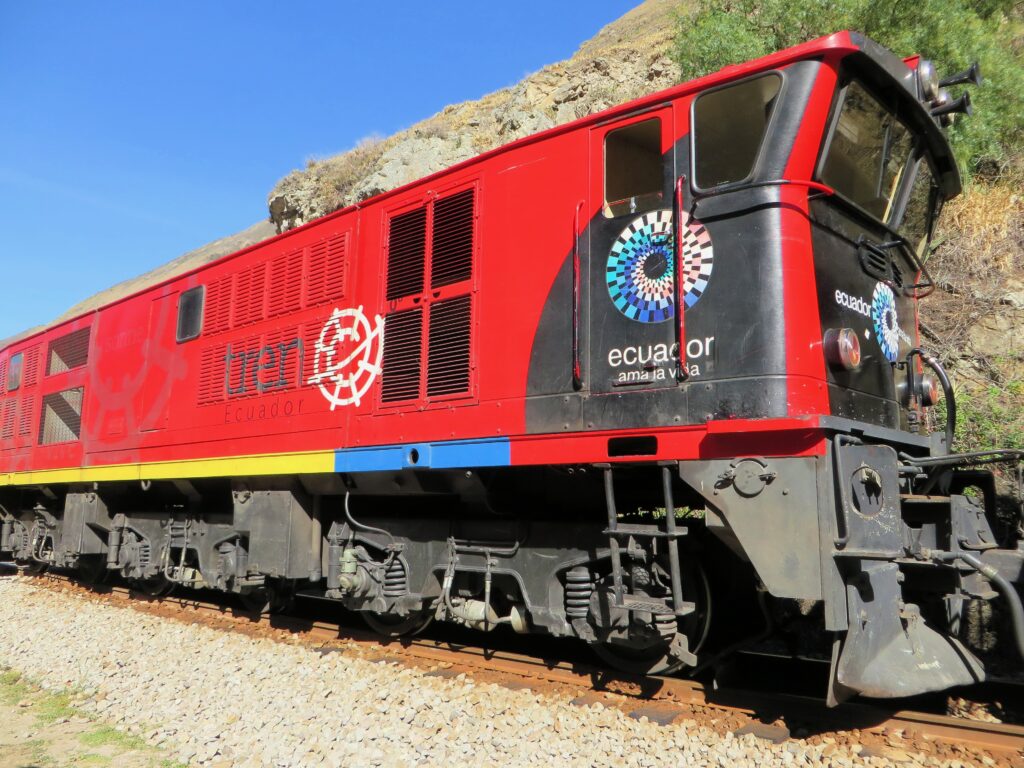
Mountain mist, historic cobblestones, and the roar of the Nariz del Diablo railway

BEN FINCH
The mountain town of Alausí rests in a dramatic gorge within Chimborazo province, perched at an altitude of roughly 2,340 metres. Known historically as the gateway to the famous Nariz del Diablo railway descent, this high-altitude settlement remains a magnet for independent explorers, long-distance cyclists, and travellers seeking authentic Andean heritage.
Understanding how to travel here safely in 2027 requires looking past national headlines and focusing on local conditions. As noted in the previous Wheely Tyred 2026 Alausí safety edition, visiting the Ecuadorian Sierra demands a tailored approach.
While national security news often highlights coastal issues, rural highland areas such as Alausí present a different environment focused on terrain awareness, weather planning, and defensive road navigation.
This guide provides practical safety recommendations for 2027, ensuring your journey through Alausí is smooth, secure, and rewarding.
Key intelligence for Alausí journeys
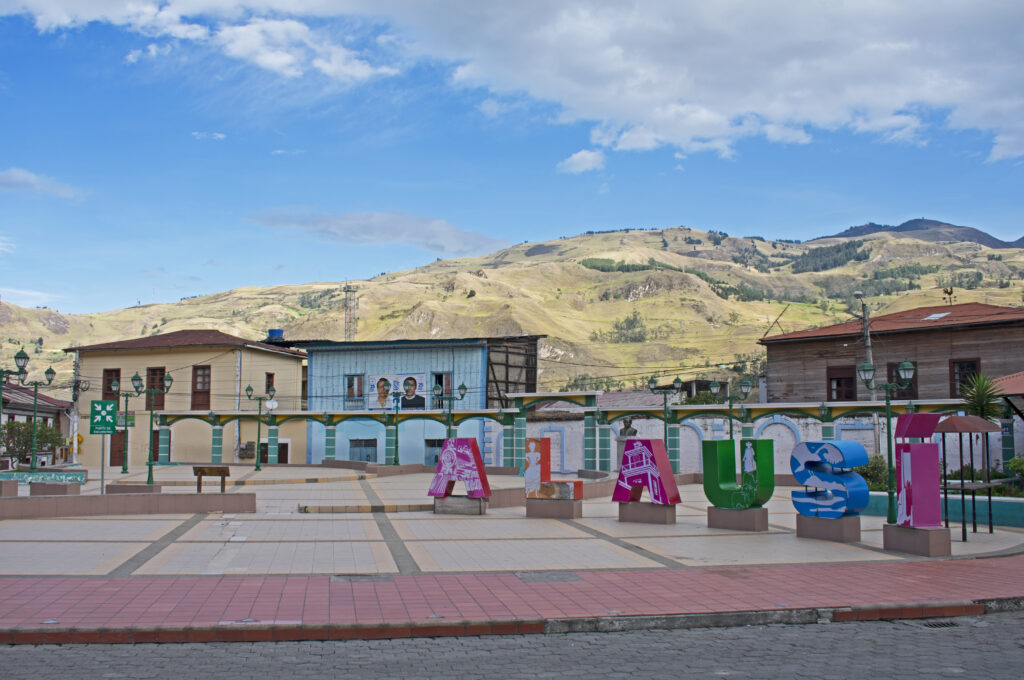
Navigating the practical realities of highland security ensures your time in the Chanchán valley is spent enjoying mountain vistas rather than managing preventable delays. Here is the essential safety intelligence for exploring Alausí and the surrounding Sierra.
- Regional security contrasts: Serious violent crime remains low across the central highlands compared to coastal transit hubs, making Alausí a calm and supportive base for independent travellers
- Geological awareness: The steep Chanchán River gorge is prone to landslides during the rainy season (December to May), requiring regular checks on local road conditions before setting out
- Highland transit rules: Stick strictly to daytime bus routes and daylight driving across the Pan-American Highway (E35) to avoid dense mountain fog and heavy night-time freight traffic
- Two-wheeled tactics: Cyclists need high-visibility gear, daytime running lights for thick mountain mist (neblina), and dependable brakes for wet, polished town cobblestones
- Financial practicalities: Cash is essential in Alausí; carry small US dollar denominations ($1, $5, and $10 notes), as local market vendors rarely have change for larger bills
- Cultural etiquette: Build positive interactions with nearby indigenous communities in villages such as Nizag and Tolte by dressing modestly and asking permission before taking photographs
Alausí.
Home of the Nariz del Diablo railway
Understanding the 2027 security context in Ecuador and Chimborazo
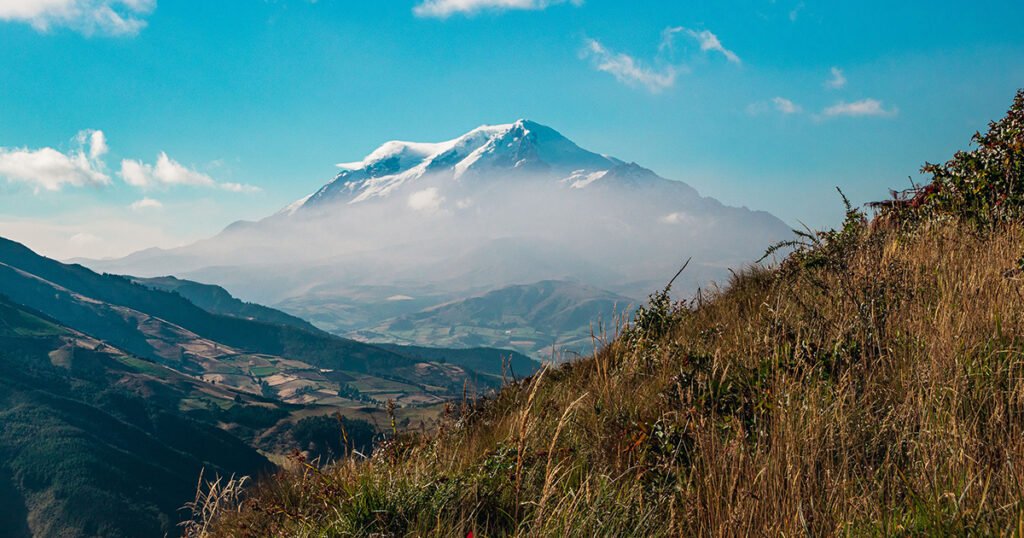
National travel advisories for Ecuador often portray a complex picture, but security conditions vary sharply across different provinces. The vast majority of serious violent crime and gang-related activity is concentrated in specific coastal regions and port cities.
By contrast, the central Andean highlands, including Chimborazo province where Alausí sits, continue to maintain a far calmer atmosphere.
In Alausí, violent crime against international visitors remains exceedingly rare. The local community relies heavily on small-scale commerce, agriculture, and tourism, creating a watchful and supportive neighbourhood setting. Visitors are far more likely to encounter friendly greetings than hostility.
However, staying safe requires keeping a sensible perspective:
- Regional contrasts: Understand that safety dynamics in Quito, Guayaquil, or coastal transport hubs do not reflect day-to-day life in Alausí
- Transit vigilance: The primary human risk for travellers occurs while in transit between major cities, particularly at crowded bus stations or during overnight road journeys
- Local enforcement: Police and municipal presence in Alausí is visible, especially around the central plaza and transport terminals. Always carry a physical copy of your passport while keeping original travel documents locked at your lodging
Environmental realities and land stability in the highlands
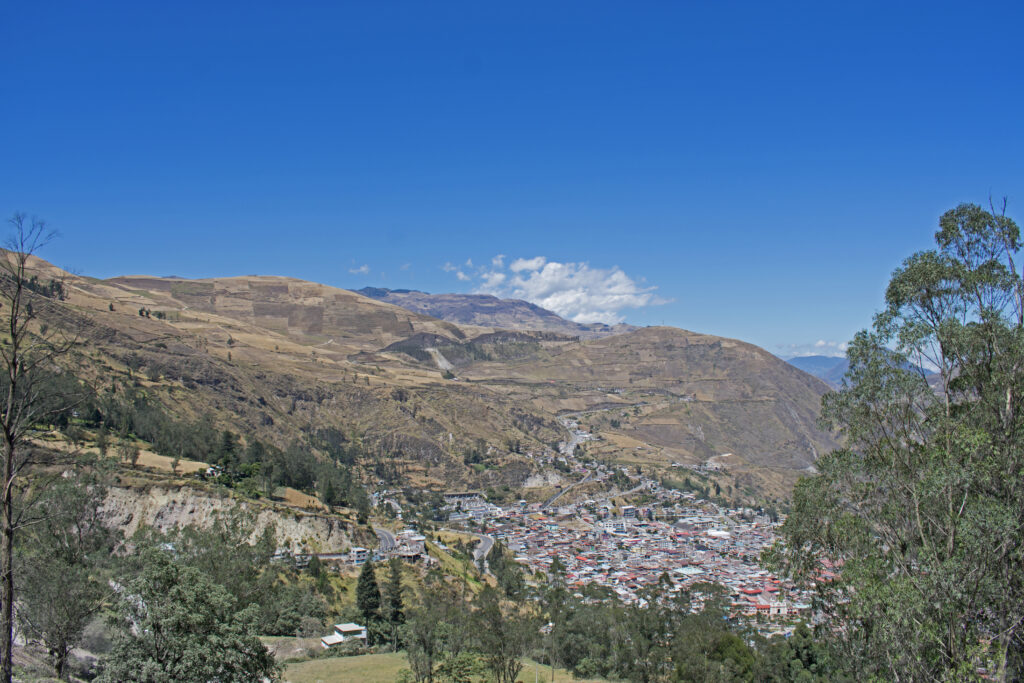
For anyone visiting Alausí in 2027, the main safety hazards are geological and atmospheric rather than human. The steep topography of the Chanchán River valley makes the surrounding slopes susceptible to erosion and landslides, particularly during periods of sustained rainfall.
The catastrophic landslide of March 2023 reshaped parts of the local landscape and served as a reminder of the raw power of the Andes. Extensive infrastructure repairs, slope stabilisation, and early-warning monitoring systems have been implemented across the canton, but environmental vigilance remains mandatory.
To navigate environmental risks effectively:
- Monitor weather cycles: The primary rainy season runs from December through May. During these months, heavy afternoon downpours can soften hillside soil and loosen rock faces along mountain roads
- Check route stability: Before setting out on overland journeys or bicycle rides toward Cuenca, Riobamba, or the coastal lowlands, consult local news updates or ask hotel staff about current road conditions
- Respect warning signs: Avoid hiking on steep, unmaintained trails or entering restricted zones near past slide areas. Stick to established thoroughfares and designated viewpoints such as the San Pedro monument
The Ecuadorian Sierra.
Get lost in the hills
Road navigation, cycling tactics, and highway conditions
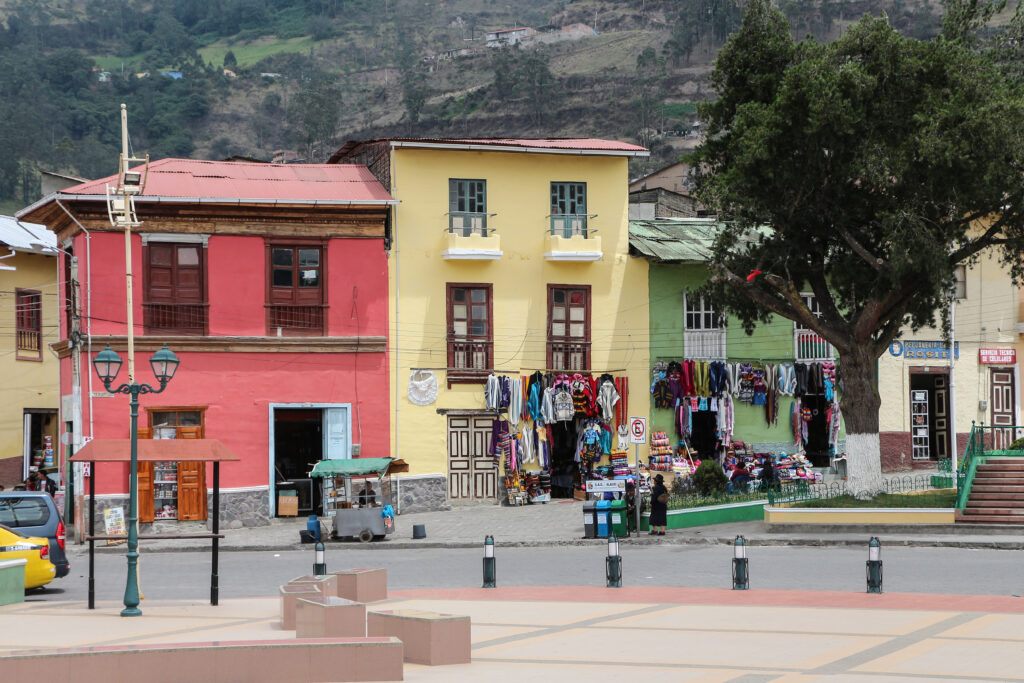
Navigating the roads around Alausí requires clear defensive strategies, whether you are arriving by interprovincial bus, driving a rental car, or riding a loaded touring bike.
The Pan-American Highway (E35) serves as the primary artery connecting Alausí north to Riobamba and south to Cuenca. While paved, this stretch features sharp switchbacks, steep gradients, and frequent fog (neblina) that can reduce visibility to less than 10 metres within minutes.
Defensive driving and transport security
- Avoid night transit: Never drive or take long-distance buses through the mountain passes after dark. Reduced visibility, heavy transport trucks overtaking on narrow bends, and unlit hazards make night travel hazardous
- Choose reputable bus operators: When travelling to Alausí from Quito or Guayaquil, select direct daytime services operated by established transport companies
On two wheels / Cycling safety protocols
Alausí is a classic stop on Andean bike packing routes, but mountain riding here demands preparation:
- Tyres and brakes: Town streets feature polished, historic cobblestones that become slick when wet, while secondary routes quickly transition to loose gravel. Use high-traction, puncture-resistant tyres and check your brake pads daily
- High-visibility gear: Mountain fog develops rapidly in the afternoon. Ride with bright daytime running lights on both front and rear
- Emergency shelter: If severe weather or mechanical breakdown forces an unexpected stop along the road, local fire stations, known as the Cuerpo de Bomberos, are accustomed to helping travellers and often offer safe shelter
Personal security, petty crime prevention, and public transport
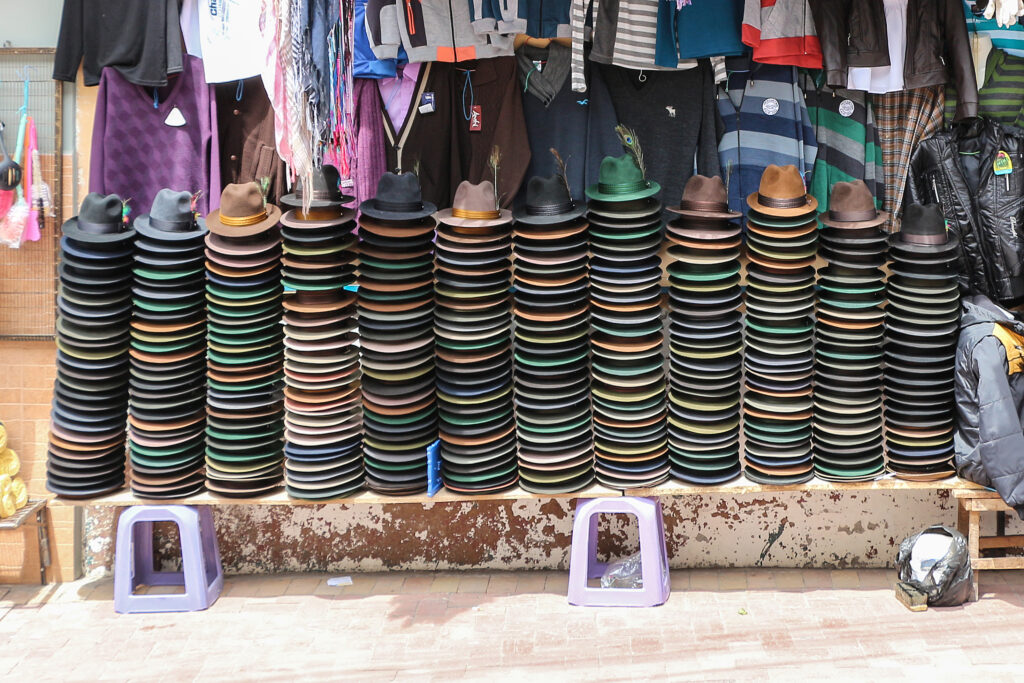
While serious crime is uncommon in town, opportunistic petty theft can occur where crowds gather. Staying secure involves straightforward, sensible habits.
Managing belongings in transit
Bus terminals and public transit are the primary locations where pickpocketing or luggage snatching might happen:
- Keep your small daypack on your lap or between your feet during bus rides. Avoid putting electronics or money in overhead racks or beneath your seat
- When visiting busy morning markets or walking near the train station area, keep bags zipped and held across the front of your body
Cash and banking security
Ecuador uses the US dollar as its official currency. Alausí has limited banking options compared to major cities.
- Carry small denominations ($1, $5, $10, and $20 notes). Vendors and small eateries often struggle to break $50 or $100 bills
- Use ATMs located inside secure bank branches during daylight hours rather than standalone street machines
- Keep extra cash hidden in an internal pocket or concealed pouch, keeping only small change easily accessible for daily purchases
The Galápagos.
Ecuador’s Enchanted Isles
Nuances for solo travellers, female visitors, and minorities
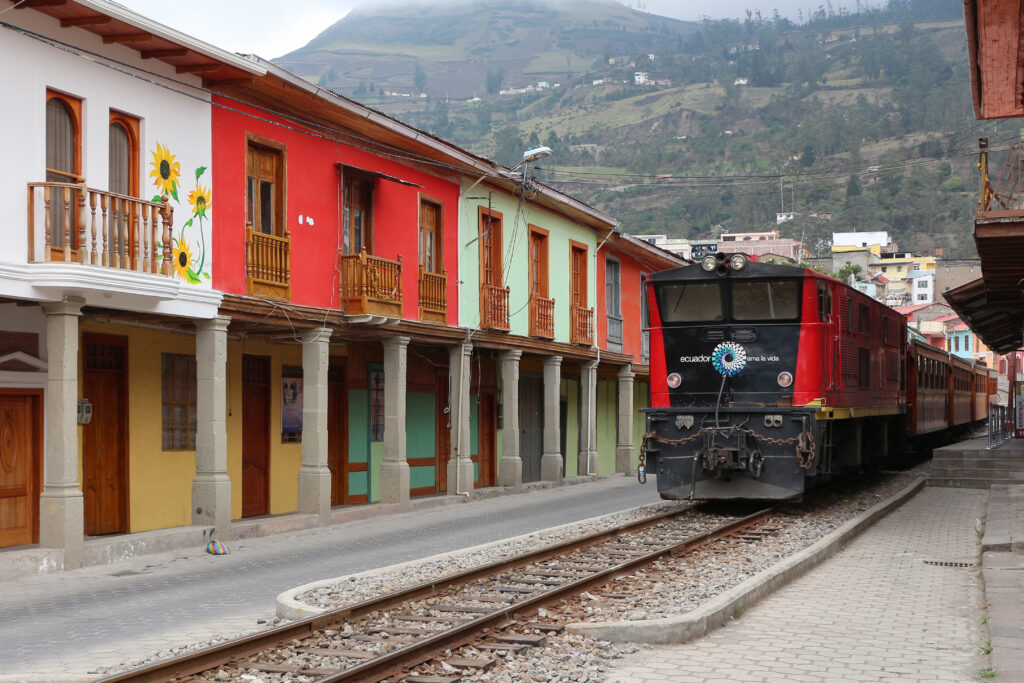
Alausí is a quiet, traditional Andean settlement where everyday life is shaped by close-knit family structures, agriculture, and Indigenous Puruhá heritage. For independent travellers moving through the Chanchán valley without a companion or tour group, understanding local social dynamics ensures a smooth and respectful experience.
Solo travellers and independent logistics
Exploring the highlands alone is straightforward, but solitude requires self-reliance, particularly regarding transport and communication:
- Transit arrival timing: Aim to arrive in Alausí during daylight hours. High-altitude bus terminals can feel deserted after dark, and navigating steep, unfamiliar cobblestone streets with heavy luggage or a loaded bicycle in the dark is best avoided
- Establishing a local point of contact: Share your daily riding or hiking itinerary with your hostal owner or hotel reception before setting off toward the Devil’s Nose viewpoint, the Ozogoche lagoons, or nearby mountain passes
- Connectivity and offline navigation: Mobile coverage from local networks such as Claro or Movistar is generally strong within the town centre, but drops quickly in mountain gorges and rural secondary routes. Always download offline topographical maps before heading out on independent rides or hikes
Solo female travellers
Women travelling alone generally find Alausí peaceful and easy to navigate. Traditional gender roles are common in rural mountain communities, meaning solo female travellers may occasionally attract curious glances or minor verbal attention in public spaces.
- Setting clear boundaries: A direct, polite, and confident demeanour is effective if you encounter unwanted conversation
- Evening movement: Stick to well-lit streets around the main plaza after dark. While the town is generally quiet at night, dimly lit side streets are best avoided when alone
- Accommodations: Choose lodgings with secure front desk access and positive reviews from other solo female travellers
Racial, ethnic, and religious minorities
Alausí and Chimborazo province are home to a diverse population composed largely of Indigenous Kichwa-speaking Puruhá people and Mestizo residents.
Foreign travellers of Black, Asian, Middle Eastern, or non-Latin heritage will find that local reactions are almost universally driven by genuine curiosity rather than hostility:
- Understanding local curiosity: In smaller highland towns where international tourism is concentrated around specific train schedules or trailheads, non-White travellers may receive direct stares or blunt questions regarding their origin or nationality. These interactions are rarely malicious; they reflect the traditional, insular nature of rural mountain communities
- Low-profile presence: Adopting a calm, respectful presence and learning a few basic phrases in Spanish (and a polite greeting in Kichwa, such as Allianllachu) immediately bridges social gaps and fosters warm hospitality
- Religious customs: Alausí is culturally conservative with deep Catholic and Indigenous traditions. Observing quiet decorum when entering local churches, such as the Matriz Church, or during religious festivals ensures positive community engagement
LGBTQ+ travellers
Highland Ecuadorian culture remains socially conservative regarding non-traditional relationships and identities:
- Public displays of affection: While same-sex relationships are legal across Ecuador, public displays of affection between same-sex couples are uncommon in rural Andean towns and may draw uncomfortable stares or unwanted attention
- Public discretion: Exercising discretion in public spaces while enjoying complete security inside private lodgings allows LGBTQ+ travellers to experience Alausí comfortably and without hassle
Respecting indigenous communities
The region surrounding Alausí is home to vibrant indigenous communities, including those in nearby settlements such as Nizag and Tolte. Building positive interactions relies on courtesy and mutual respect:
- Photography etiquette: Always ask for permission before taking photographs of local residents, especially elders and children
- Dress and manners: Dressing modestly and adopting a quiet, polite tone aligns well with local etiquette
- Local commerce: Support local artisans and weavers directly, paying fair prices without aggressive haggling
The Ecuadorian Amazon.
The most biodiverse place in the world
Practical emergency readiness and essential resources
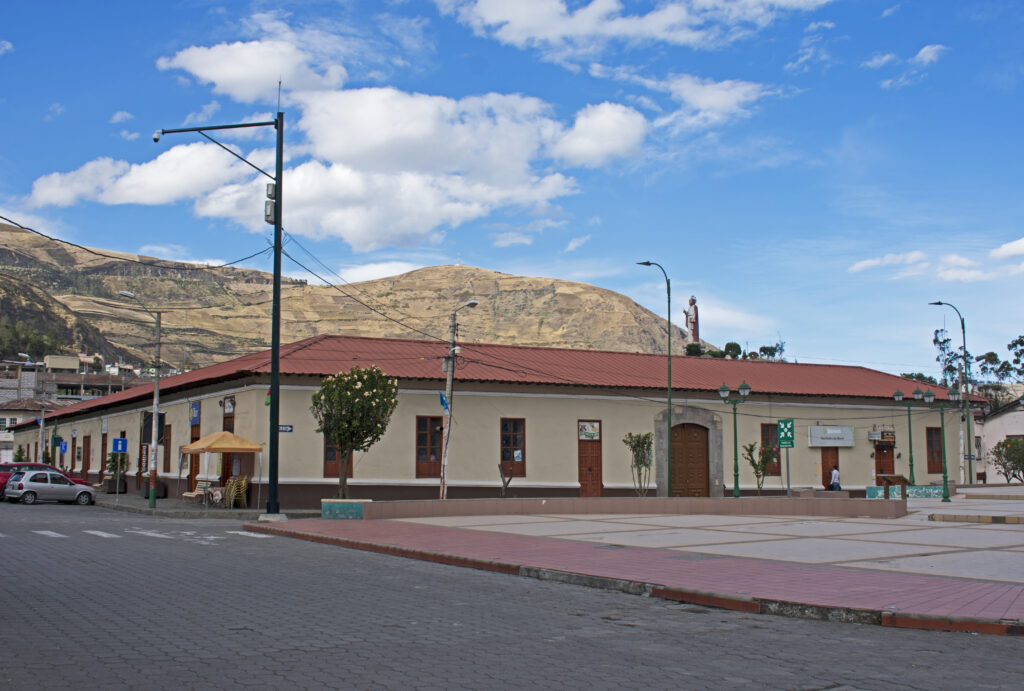
Being prepared for minor emergencies ensures peace of mind as you explore the highlands.
Health and altitude awareness
At 2,340 metres, altitude sickness is less severe in Alausí than in Quito or Cotopaxi, but steep climbs can still test your lungs:
- Allow 24 hours to acclimatise before undertaking heavy physical exertion or steep uphill rides
- Hydrate frequently and protect yourself against strong mountain UV rays with sunscreen and a hat
- Tap water in rural Ecuador should not be consumed untreated. Use a reliable water purifier, UV steriliser, or boiled water
Key emergency contacts
Keep these essential contact details saved in your phone and written on a slip of paper inside your daypack:
- National Emergency Line: 911 (Police, Medical, Fire)
- Local Medical Facility: Centro de Salud Alausí (located near the town centre)
- Emergency Shelter: Cuerpo de Bomberos Alausí (Local Fire Department)
The Ecuadorian Coast.
Where you’ll find the very best food
Ride through the heart of Chimborazo
Read this far?
Alausí sits at a quiet crossroads of highland history and dramatic physical geography. While its steep mountain slopes and narrow cobblestone avenues demand a measured approach to safety, the rewards for independent travellers are immense.
By respecting the natural forces of the Andes and staying attuned to local conditions, you clear the way for authentic encounters with a landscape shaped by centuries of railway history and indigenous tradition.
Success in the Ecuadorian Sierra relies on patience and flexibility. Weather patterns change rapidly across the valley, roads open and close according to the rhythms of mountain maintenance, and local life moves at an unhurried pace.
Embrace this flow by building extra buffer time into your itinerary, choosing daytime transit over night buses, and relying on trusted advice from local residents and regional transport staff.
Wheely Tyred continues to monitor route conditions across Chimborazo province to keep independent cyclists and slow travellers informed. Whether you are descending toward the coast or climbing further into the high páramo, thoughtful preparation transforms potential hazards into manageable details of the ride. Pack your wet-weather gear, keep your brakes sharp, and enjoy the timeless beauty of Alausí.
Affiliate Disclaimer: Some of the links on Wheely Tyred are affiliate links. If you click through and make a booking or purchase, we may earn a small commission at no extra cost to you. We only recommend gear, tours, stays, and services we genuinely use, trust, and stand behind — our editorial independence always comes first. These commissions help keep our independent cycling guides and travel stories free to read. You can also buy me a coffee here — thanks for supporting the ride!
Frequently asked questions about Alausí travel safety
Alausí is generally very safe for solo travellers, including solo women. Serious violent crime is rare, and the local community is close-knit and watchful. Standard precautions—such as staying around well-lit streets near the main plaza after dark, booking secure lodgings, and keeping personal belongings close during transit—are usually all that is needed for a hassle-free trip.
Heavy downpours during the wet season (December to May) can loosen soil and cause rockfalls along the steep slopes of the Chanchán River valley. Travellers should check weather forecasts, consult hotel staff or local bus operators about current highway status, and avoid travelling along mountain passes after dusk when visibility drops dramatically.
Cyclists must prepare for steep gradients, slick cobblestones within town, and sudden mountain fog (neblina). Always ride with bright daytime running lights, wear high-visibility outer layers, check your brake pads daily, and use puncture-resistant tyres suitable for gravel secondary roads.
Ecuador uses the US dollar. ATM options in Alausí are limited, so it is best to withdraw sufficient cash in larger cities such as Riobamba or Cuenca before arriving. Carry small notes ($1, $5, $10, and $20) because local eateries and shops frequently struggle to break $50 or $100 bills.
Sitting at approximately 2,340 metres above sea level, Alausí is significantly lower than Quito or Cotopaxi, making severe altitude sickness uncommon. However, if you are arriving directly from sea-level coastal areas, give yourself 24 hours to acclimatise before undertaking strenuous climbs or long cycle rides.
Tap water in rural Ecuador should not be consumed untreated. Use a reliable water purifier, UV steriliser, or drink boiled water to prevent digestive issues while travelling through the region.
Ecuador.
Pure wonder on the equator.


