Conquering the Devil’s Nose / The ultimate guide to Alausí’s legendary Andean switchbacks
Devil’s Nose Train Alausí, Ecuador / The complete self-guided travel guide
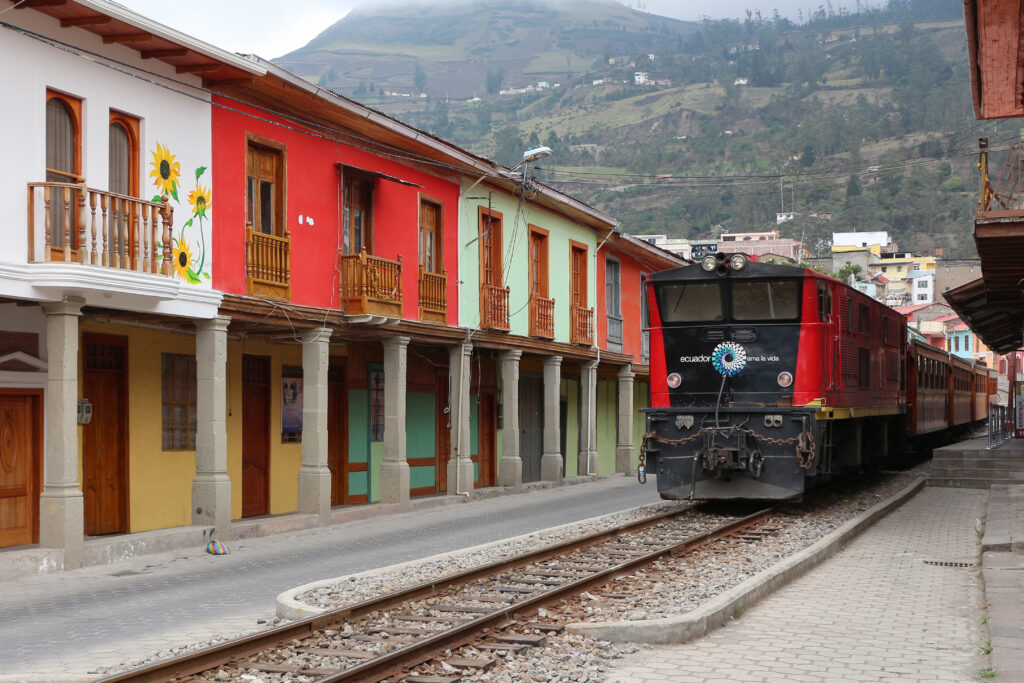
Gravity, grime, and genius on the most challenging railway in the world
BEN FINCH
The high-altitude spine of the Ecuadorian Andes is a landscape built for those who prefer their travel unfiltered, self-paced, and hard-earned. For years, independent travellers crossing the dramatic mountain passes of Ecuador have spoken in hushed, reverent tones about a legendary piece of railway engineering carved into a near-vertical wall of rock. After an extended period of post-pandemic dormancy, the iconic Nariz del Diablo—the Devil’s Nose train—has officially returned to service. Recognised globally as an extraordinary heritage experience, this magnificent feat of human ingenuity is once again welcoming adventurers to the historic mountain town of Alausí.
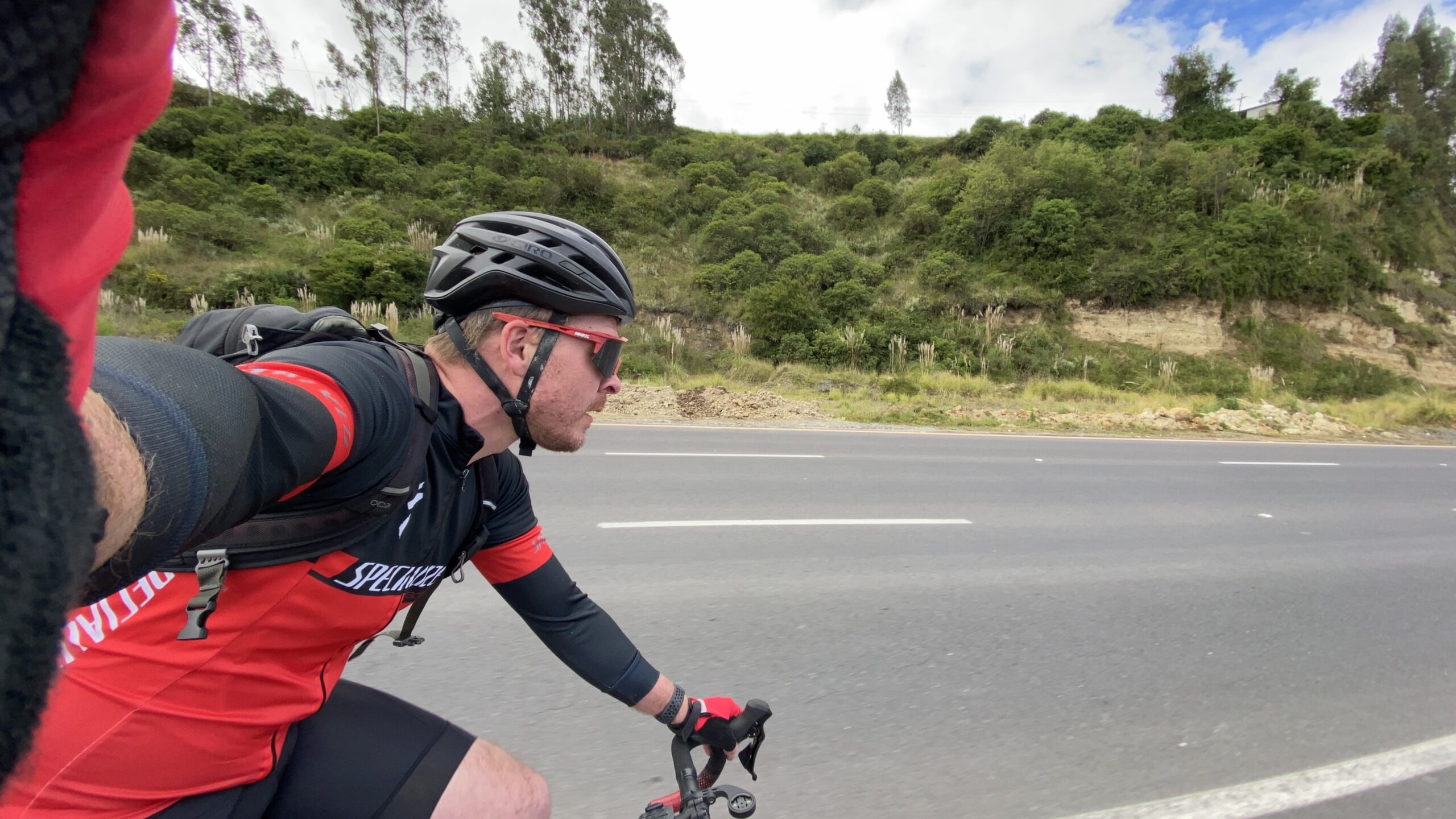
At Wheely Tyred, we know that the best way to experience the world is from the saddle, moving at a speed that allows you to absorb the dust, the altitude, and the genuine spirit of a place. We also know that some terrains demand a temporary shift in transport to truly appreciate the sheer scale of human ambition. The 12km stretch of track between Alausí and Sibambe station is precisely that kind of place. It provides an ideal, jaw-dropping rest day or itinerary highlight for anyone navigating the Avenue of the Volcanoes on two wheels. Forget the conveyor-belt tour buses, the packed excursions, and the rigid schedules of large tour groups. This is a journey through history, geology, and local heritage that fits perfectly into a customised, independent cycling loop through Central Ecuador.
The precipitous spine of the condor’s aerie
A look at how human audacity tackled an impossible mountain wall, creating a legendary railway experience. This is where history, sheer gravity, and independent adventure converge in the Ecuadorian highlands.
- The Audacious Switchbacks: A brilliant engineering solution where the locomotive shudders to a halt on narrow mountain shelves, reversing down near-vertical cliff faces to descend 500 metres
- A Tragic Legacy: Built at the turn of the 20th century, the route stands as a solemn monument to the 2,000 Jamaican and Puerto Rican workers who lost their lives blasting through the rock face
- The Heritage Restoration: Beautifully refurbished wooden carriages offer a thrilling, grounded window into the past, taking passengers safely down to the canyon floor
- Cultural Crossroads at Sibambe: The descent ends at a deep canyon station, introducing independent travellers to local indigenous heritage, traditional dances, and a fascinating regional museum
- Independent Cycling Integration: Alausí serves as an atmospheric high-altitude hub, easily woven into a challenging self-guided bike tour along the unforgiving grades of the Pan-American Highway
- The Parallel Rim Trails: Active travellers can explore dirt paths running along the canyon edge on two wheels, offering spectacular bird’s-eye views of the miniature train navigating the valley below
The Ecuadorian Sierra.
Get lost in the hills
The audacity of a history carved in blood
To understand why this short rail journey captures the imagination of global travellers, one must look at the immense physical challenge the landscape posed at the turn of the 20th century. In 1901, engineers tasked with connecting the coastal port of Guayaquil to the high-altitude capital of Quito hit a seemingly insurmountable barrier. A massive protrusion of rock known historically to the local communities as the Condor’s Aerie stood directly in the path of progress. The vertical drop was far too steep for conventional tracks, and the project seemed destined for failure.
The solution was as dangerous as it was brilliant. Chief engineers designed a system of tight, zig-zag switchbacks cut directly into the cliff face. Rather than attempting a traditional curve around the mountain, the train would rumble past a junction, stop, reverse down the next section of the cliff face, and then click forward onto the next ledge. This mechanical choreography allowed the locomotive to descend more than 500 metres in a mere 12.5 kilometres of track.
The cost of this audacity was staggering. Approximately 3,000 Jamaican and 1,000 Puerto Rican labourers were brought in to blast through the rock under treacherous conditions. Diseases, rockfalls, and dynamite accidents claimed the lives of an estimated 2,000 workers. The sheer peril of the construction effort is what ultimately earned the rock face its ominous moniker: La Nariz del Diablo. When you ride the rails today, you are not just enjoying a scenic view; you are moving across a living monument to human endurance and early engineering genius.
The modern rail experience / What to expect today
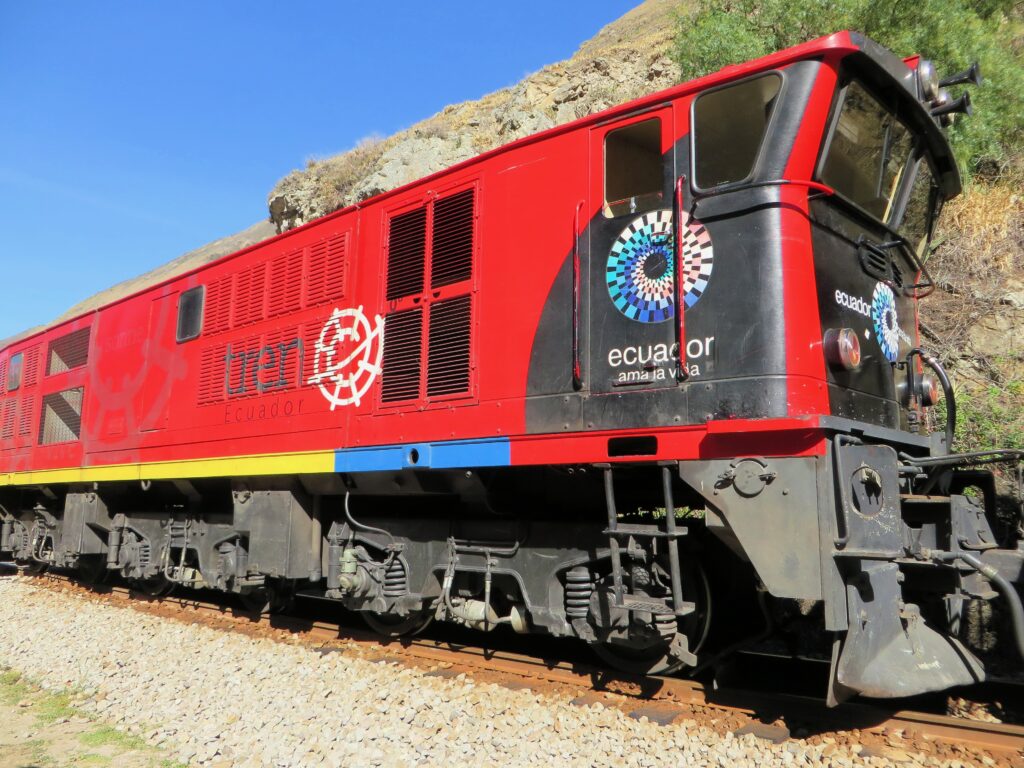
Following a meticulous restoration effort that saw significant investment in track repairs, sleepers, and safety infrastructure, the heritage train runs with beautifully refurbished wooden carriages pulled by a modern engine. While the romantic, albeit highly perilous, historical practice of riding on the roof of the train is strictly prohibited by modern safety standards, the experience from inside the carriages remains utterly thrilling.
Departing from the station in Alausí, which perches more than 2,300 metres above sea level, the train slowly edges towards the canyon. As the descent begins, the landscape shifts dramatically from high-altitude mountain valley to the rugged, arid gorge below. The true magic occurs during the switchbacks. The train shudders to a halt on a narrow shelf of track, a brakeman manually alters the points on the ground, and the entire train begins to move backwards down the edge of the precipice. The scenery swings completely from one side of the carriage to the other, offering passengers an alternating perspective of the dizzying drops and rising stone walls.
The descent terminates at the deep canyon floor where Sibambe station sits. Here, the journey transforms from an engineering marvel into a cultural celebration. Passengers are granted a generous pause to explore the station, visit the local museum, and experience traditional dances and handicrafts presented by members of the indigenous communities. After absorbing the local hospitality, the train reverses the entire process, conquering gravity once again as it climbs back up the steep face of the Devil’s Nose to Alausí. The entire round trip lasts between 2.5 and 3 hours, making it an exceptionally compact yet deep travel experience.
The Galápagos.
Ecuador’s Enchanted Isles
Integrating Alausí into an independent cycling itinerary
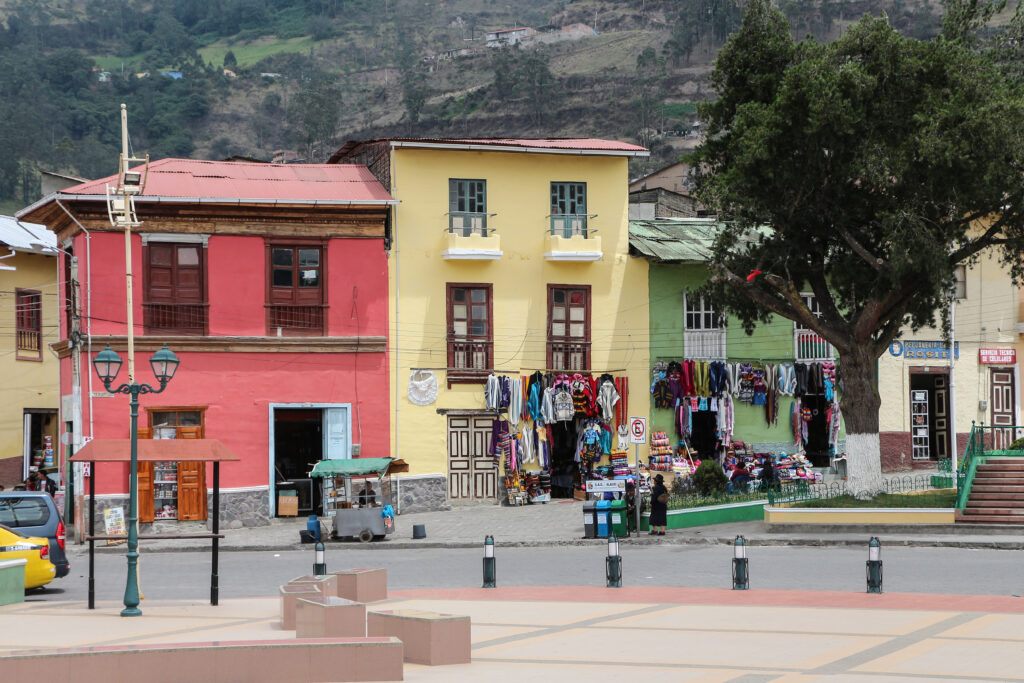
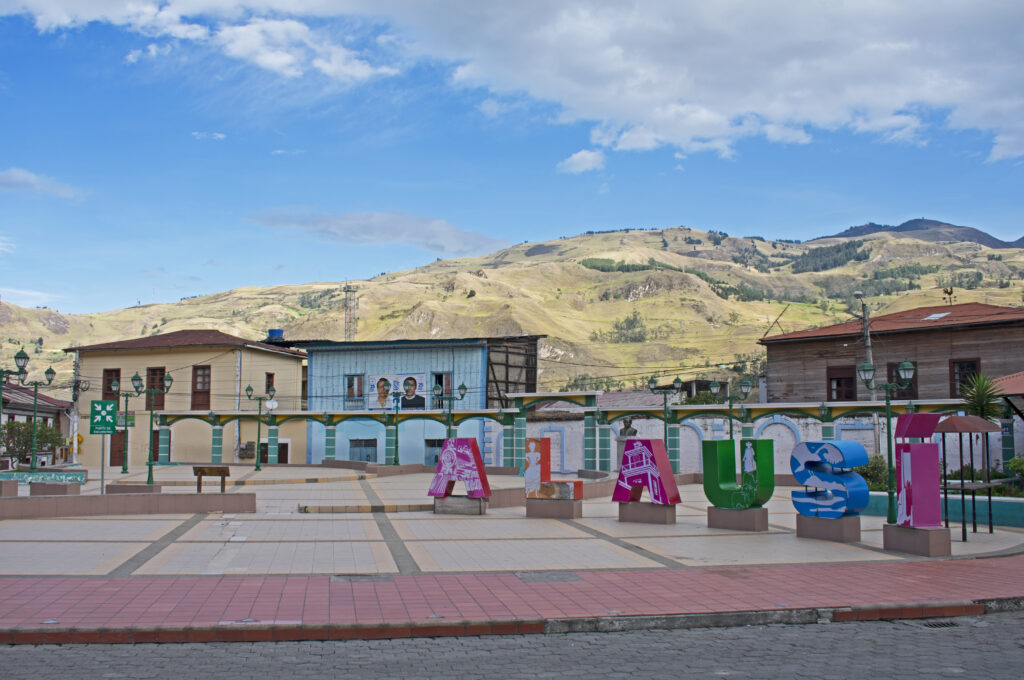
For the independent cyclist traversing Ecuador, Alausí is far more than just a train station; it is a gateway to the wilder, less-trodden paths of the central highlands. The town itself, with its steep cobblestone streets, vibrant markets, and historic architecture, provides an atmospheric base for a night or two.
Approaching Alausí by bicycle requires proper preparation and respect for the terrain. If you are riding south along the Pan-American Highway from Riobamba, you will encounter dramatic climbs and sweeping descents through alpine landscapes that sit well over 3,000 metres. The air is thin, the weather can shift from radiant sunshine to dense mountain fog within minutes, and the grades are unforgiving. However, the reward is an unparalleled sense of solitude and connection to the rural heart of Ecuador.
A perfect self-guided itinerary involves arriving in Alausí standardly late in the afternoon, allowing your body to adjust to the altitude over a hearty bowl of local potato soup. By scheduling the train ride for the following morning, you secure the crispest alpine air and the absolute best light for photography. For an alternative perspective that appeals directly to active travellers, there are public trails that parallel the canyon rim. After completing the rail journey, you can spend the afternoon exploring the dirt paths above the town on two wheels, tracking the very edge of the gorge to peer down at the miniature train winding its way through the valley floor.
The Ecuadorian Amazon.
The most biodiverse place in the world
Practical strategy for the discerning traveller
Because the Devil’s Nose train operates as a highly sought-after heritage experience, navigating the logistics independently requires a tactical approach. The train typically runs from Wednesday or Thursday through Sunday, with departures scheduled at 08:00, 11:00, and 14:00.
Securing tickets in advance through verified channels is highly recommended, as independent seats sell out rapidly to travellers who want to bypass the massive group operators. We highly recommend aiming for the 08:00 departure. The early morning light hitting the vertical face of the mountain creates dramatic shadows that make for spectacular photographs, and you are much more likely to avoid the afternoon cloud cover that frequently rolls into the Andean valleys.
When packing for the excursion, layer your clothing wisely. Even if the sun is blazing in the streets of Alausí, the rapid descent into the deeper canyon can introduce brisk winds and sudden temperature shifts. Ensure you carry high-factor sun protection, plenty of water, and sturdy footwear if you plan to walk around the station area at Sibambe or hike along the canyon viewpoints above the town.
Discover the freedom of the track
The true beauty of the Nariz del Diablo is best appreciated when you are completely in control of your own schedule. When you travel with the independent mindset championed by Wheely Tyred, you choose exactly where to linger, which local cafe to frequent, and how long to stand at the edge of an Andean canyon absorbing the view. You do not have to worry about a guide shouting through a megaphone or a tour bus door slamming shut before you have had a chance to speak with the local weavers at the station.
The Devil’s Nose train is an unforgettable testament to what can be achieved when human determination meets an impossible landscape. By weaving this historical rail journey into a bespoke, self-guided cycling tour of the Ecuadorian highlands, you create an adventure that balances physical challenge with deep, authentic cultural discovery.
The Ecuadorian Coast.
Where you’ll find the very best food
Frequently asked questions about the Devil’s Nose train in Alausí
The heritage train generally operates from Wednesday or Thursday through to Sunday. Standard departures are scheduled three times a day at 08:00, 11:00, and 14:00.
The 08:00 departure is highly recommended. The crisp early morning light hitting the vertical face of the mountain creates dramatic shadows that are perfect for photography, and you are much more likely to avoid the thick afternoon cloud cover that frequently rolls into Andean valleys.
No, the historical practice of riding on the roof is strictly prohibited today due to modern safety standards. Passengers now enjoy the journey from the safety and comfort of beautifully restored wooden carriages.
Dressing in adaptable layers is essential. Even if the sun is shining brightly in the streets of Alausí, the rapid descent into the deep canyon gorge introduces brisk mountain winds and sudden temperature shifts. High-factor sun protection, plenty of water, and sturdy footwear for walking around the station are also highly recommended.
The train makes a generous historical pause at Sibambe station on the canyon floor. Travellers have time to visit a local museum detailing the perilous construction of the railway, browse authentic handicrafts, and see traditional dances presented by members of the local indigenous communities.
Approaching the town on two wheels requires proper preparation and respect for the altitude. Riding south from Riobamba along the Pan-American Highway involves dramatic climbs and sweeping descents through alpine landscapes sitting well over 3,000 metres above sea level, meaning changing weather conditions and thin air are part of the challenge.
Ecuador.
Pure wonder on the equator.