Exploring Alausí / A guide to the gateway of the Devil’s Nose
Top sights in Alausí, Ecuador, for the independent traveller
Discovering heritage architecture, dizzying railway switchbacks, and high-altitude Andean vistas
BEN FINCH
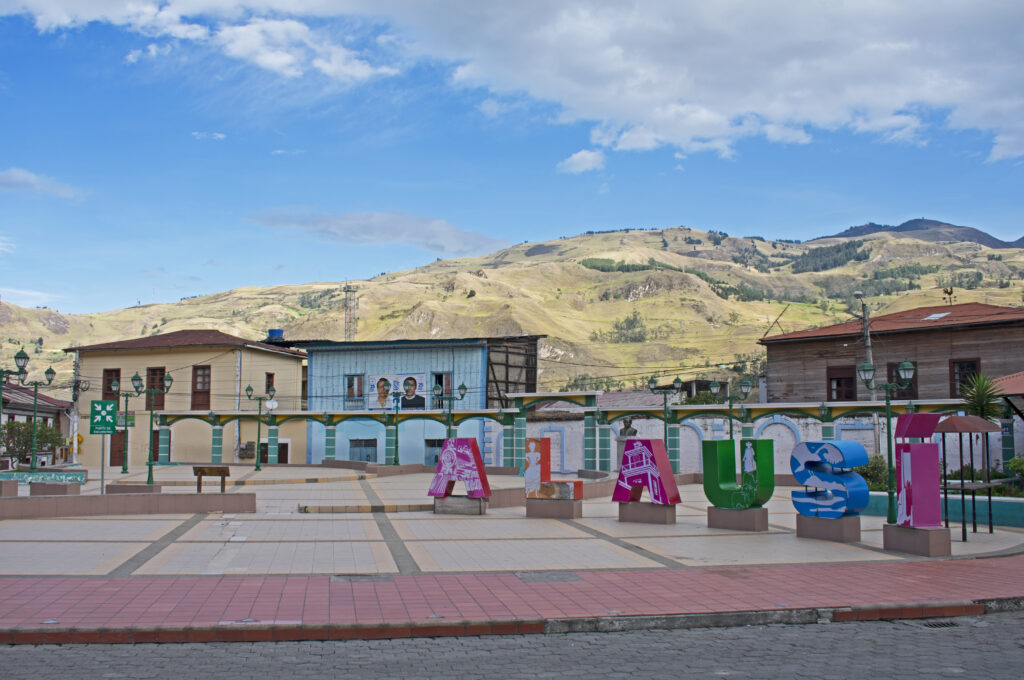
Tucked away in a dramatic valley within the Chimborazo province of Ecuador, the historic town of St. Peter of Alausí sits as a remarkable testament to human ingenuity and enduring Andean culture. Positioned at an elevation of 2,340 metres above sea level, this captivating destination serves as a vital bridge between the rugged peaks of the Sierra and the sweeping coastal plains. For those who choose to steer clear of crowded tour buses and rigid itineraries, Alausí represents the very best of independent exploration. It is a place where travellers can set their own tempo, peel back the layers of history, and immerse themselves in the genuine rhythms of Ecuadorian mountain life.
Known widely as the City of the Five Heritages, Alausí proudly celebrates its cultural, architectural, historical, natural, and gastronomic wealth. Whilst many conventional holidaymakers merely glimpse the town through the window of an organized excursion before being whisked away to the next stop, independent adventurers will find that staying overnight and exploring on foot or on two wheels reveals a much deeper narrative. From the engineering marvels that carved a path through vertical rock faces to the quiet charm of cobblestone streets lined with traditional balconies, this guide highlights the most significant and iconic attractions that make Alausí an essential stop on any comprehensive Ecuadorian journey.
The untamed heart of Chimborazo
Alausí is far more than a scenic stopover; it is an Andean crossroads where towering railway engineering meets ancient indigenous paths. For the self-reliant traveller, this highland town serves as a launching pad into dramatic river canyons, high-altitude lakes, and untouched mountain terrain.
- The Devil’s Nose Railway: A spectacular, newly restored trans-Andean railway that conquers a near-vertical cliff face using a dramatic system of zigzagging switchbacks
- Lluglli Hill Viewpoint: A scenic climb up stone staircases to the foot of the colossal Saint Peter statue, offering panoramic views of the red-tiled town and surrounding valley
- The Historical Centre: A beautifully preserved National Heritage site composed of steep cobblestone streets, whitewashed facades, and elegant, flower-filled wooden balconies
- Puente Negro: An imposing 200-metre-long iron lattice bridge built in 1903 that marks the exact spot where the train line plunges into the Chanchán River gorge
- Parque 13 de Noviembre: The central, leaf-shaded public square flanked by the neo-Gothic Matriz Church, perfect for observing the quiet rhythm of local life
- The Lakes of Ozogoche: A wild, remote collection of more than 30 high-altitude lagoons inside Sangay National Park, famous for pristine páramo hiking and mystical wildlife legends
The Ecuadorian Sierra.
Get lost in the hills
The Devil’s Nose Railway / La Nariz del Diablo
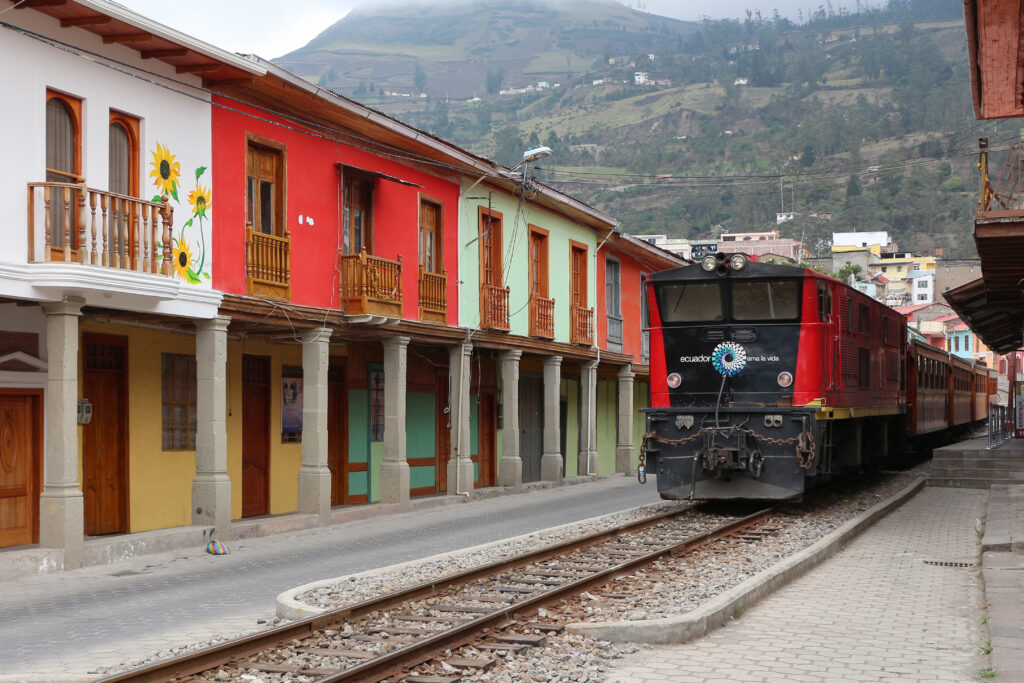
The undisputed crown jewel of Alausí is the legendary Devil’s Nose railway, a spectacular feat of early twentieth-century engineering that remains one of the most famous railway journeys on earth. In 1895, President General Eloy Alfaro envisioned a trans-Andean railroad that would connect the coastal hub of Guayaquil with the high-altitude capital of Quito. The most formidable obstacle along this ambitious route was a near-vertical wall of rock known as the Devil’s Nose. To overcome this immense geological barrier, engineers designed an ingenious system of switchbacks carved directly into the mountain face.
The mechanics of the switchback are as fascinating as they are thrilling. The train advances past a junction, stops, and waits for an operator to manually switch the tracks. It then moves backwards down the next section of the shelf, clinging tightly to the edge of the abyss before repeating the process to descend or ascend the mountain safely. This masterclass in structural design allowed trains to navigate a steep drop of hundreds of metres in a remarkably short distance.
For contemporary independent travellers, experiencing this attraction has evolved into an active adventure. Whilst the operational status of the physical trains can fluctuate, the landscape itself offers unparalleled rewards. Hiking or riding along the trails that parallel the historic tracks has become a highly favoured way to absorb the majesty of the canyon. A trek out to the spectacular Condor Puñuna viewpoint, which is managed responsibly by the indigenous community of Nizag, provides a breathtaking bird’s-eye perspective of the tracks below and the plunging river valleys. Exploring this area independently allows you to stop whenever you please, marvel at the sheer scale of the cliff faces, and appreciate the immense human effort required to forge this path through the Andes.
The San Pedro Statue and Lluglli Hill Viewpoint
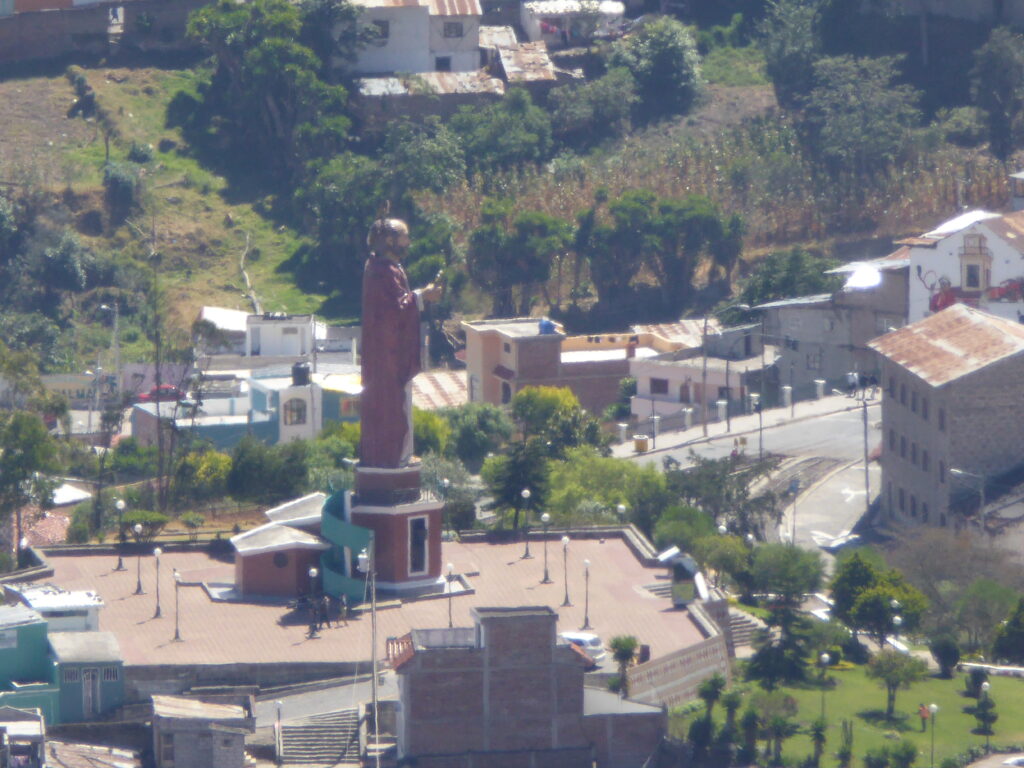
Dominating the town’s northern skyline is the colossal monument to Saint Peter, the patron saint of Alausí. Erected on the crest of Lluglli Hill, this immense statue stands as a prominent landmark that can be seen from almost any point within the urban centre. For those seeking to gain their bearings and enjoy a panoramic view of the entire valley, a walk up to this viewpoint is an absolute necessity.
The journey to the summit involves ascending a series of steep stone staircases that wind their way up the hillside. As you climb, the thin mountain air provides a gentle test of acclimatisation, encouraging a slow, deliberate pace that aligns perfectly with the philosophy of independent travel. The path is punctuated by manicured green spaces, small plazas, and smaller statues, offering plenty of opportunities to pause and take in the shifting vistas.
Upon reaching the base of the giant San Pedro monument, the reward is a magnificent view of Alausí spread out below. From this vantage point, the town’s colonial grid, its distinctive red-tiled roofs, and the dramatic amphitheatre of green mountains that enclose the valley are fully revealed. It is an ideal spot to spend an hour watching the afternoon mist roll over the ridges or capturing photographs of the highland landscape as the changing light alters the contours of the peaks.
The Galápagos.
Ecuador’s Enchanted Isles
The historical centre and colonial architecture
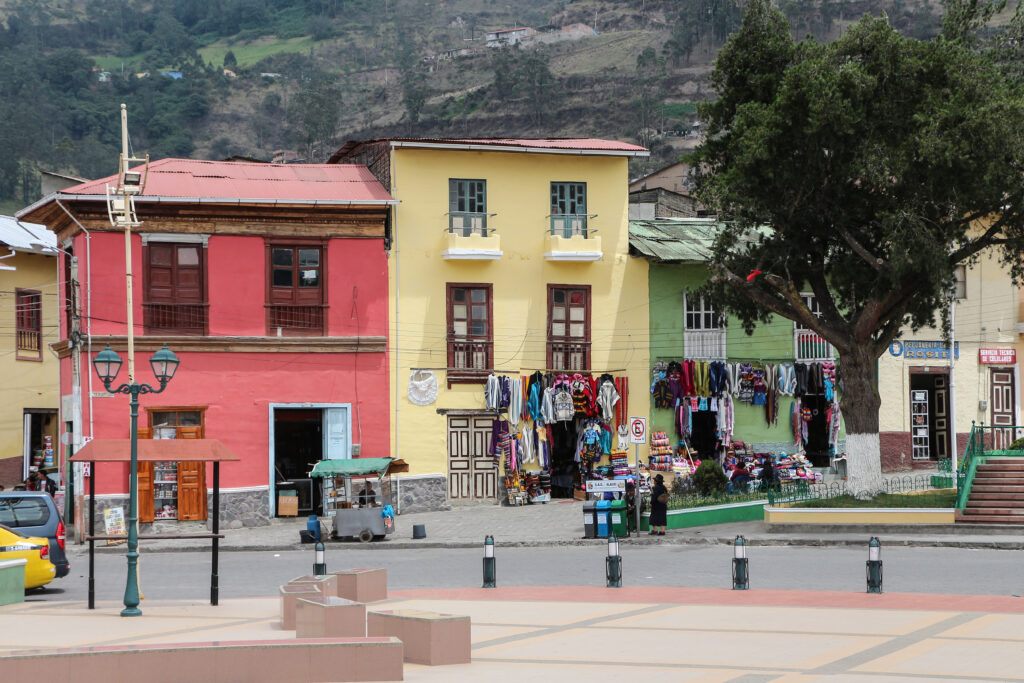
Alausí was officially founded in June 1534 by the Spanish conquistador Sebastián de Benalcázar, making it one of the oldest settlements in the region. This deep historical legacy is immediately apparent when wandering through the compact historical centre, which has been designated as an official National Heritage site. Unlike larger cities where historic districts can feel overtly commercialised, the old town of Alausí retains the unhurried atmosphere of a working Andean community.
The streets are arranged in a classic Spanish colonial grid, though the undulating terrain ensures that many of these thoroughfares are steep and angular. Walking along the cobblestones, visitors will notice beautifully preserved buildings featuring whitewashed walls, vibrant and colourful facades, and classic wooden doors. A defining characteristic of Alausí’s architecture is the presence of elegant traditional balconies overflowing with bright flowers, a stylistic element that showcases a unique blend of highland durability and subtle coastal influences.
Exploring the historical centre without a fixed schedule allows for delightful spontaneous encounters. You can peer into traditional artisan workshops where local craftspeople create beautiful hand-stitched leather belts, an iconic regional souvenir, or watch weavers working with alpaca wool to produce warm caps, socks, and ponchos. The lack of large tourist crowds means that shopkeepers are often happy to chat, sharing stories of the town’s past and offering a genuine glimpse into Chimborazo province culture.
Puente Negro / The Black Bridge
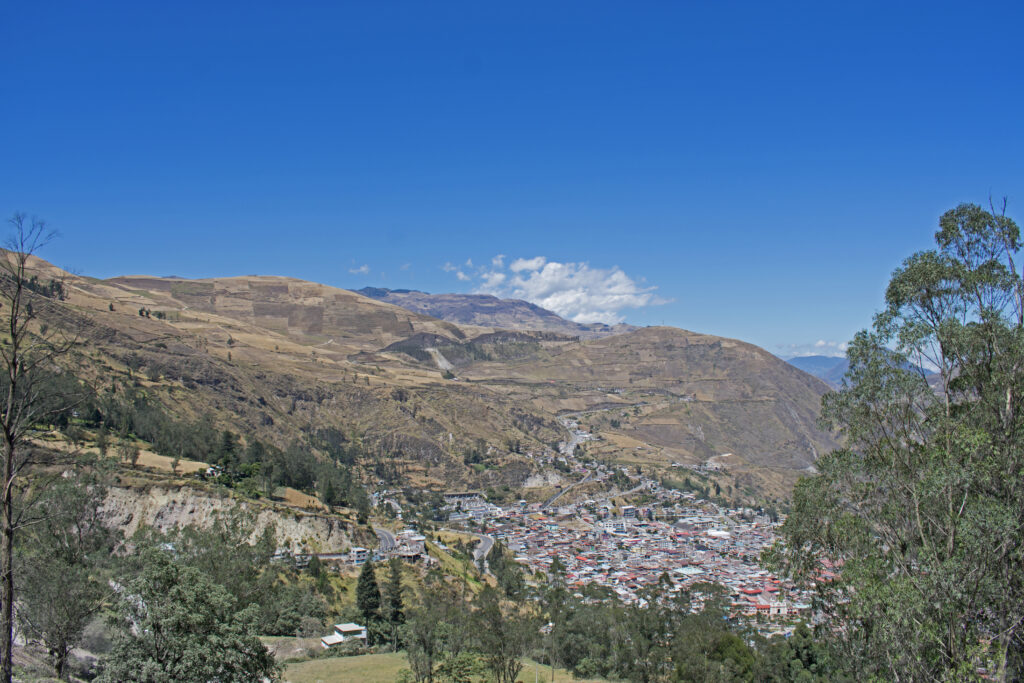
Spanning a deep ravine on the outskirts of the town centre, the historic Puente Negro, or Black Bridge, stands as an enduring monument to the golden age of rail travel. Constructed in 1903, this striking iron lattice structure is the longest bridge on the entire railway line, stretching across a distance of 200 metres and suspended nearly 65 metres above the valley floor.
The bridge serves as the literal gateway where the railway exits the relative flat of the Alausí valley plateaus and begins its dramatic descent into the rugged gorges of the Chanchán River. Its dark, industrial silhouette provides a stark and compelling contrast to the soft green slopes and rustic agricultural fields that surround it.
For the independent traveller, a walk out to the vicinity of Puente Negro offers an excellent opportunity to appreciate early twentieth-century metalwork up close. Standing near the approach to the bridge, one can easily imagine the power of the old steam locomotives as they rumbled across the iron framework towards the switchbacks of the Devil’s Nose. The area surrounding the bridge is peaceful and offers several excellent angles for photography, capturing the intersection of industrial heritage and raw natural beauty.
The Ecuadorian Amazon.
The most biodiverse place in the world
Parque 13 de Noviembre and the Matriz Church
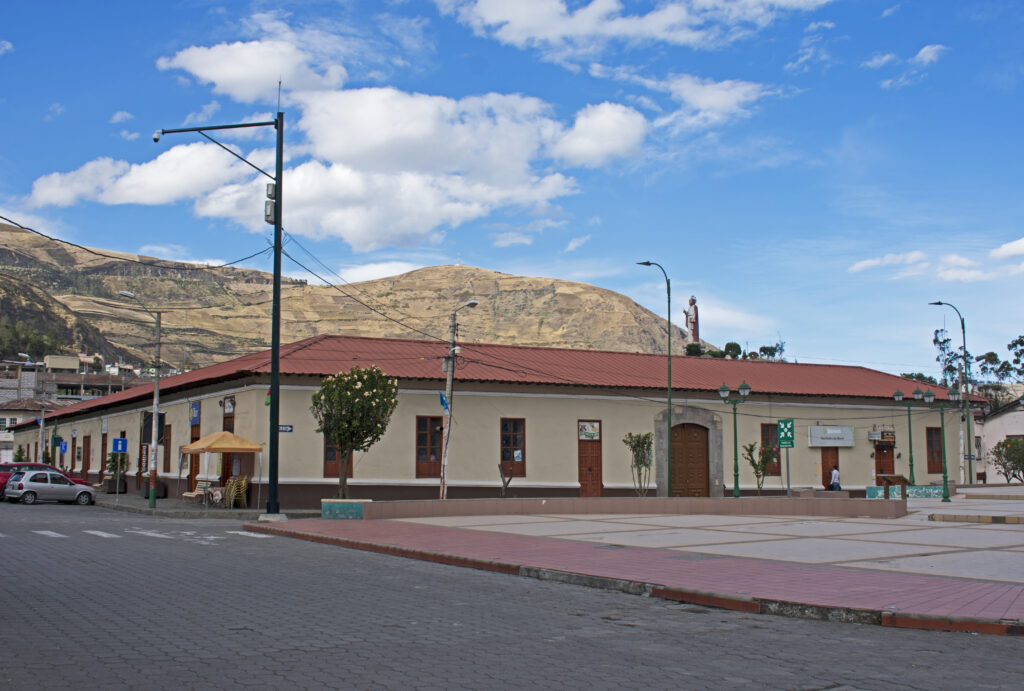
Every traditional Ecuadorian town is anchored by a central plaza, and Alausí is no exception. Parque 13 de Noviembre serves as the serene heart of the community, offering a beautifully landscaped public square where locals and visitors alike gather to relax and socialise. Centred around the prominent Monument to Freedom, the park is filled with comfortable benches, mature trees, and manicured flowerbeds.
Flanking one side of the plaza is the impressive Matriz Church, also known as the San Pedro Church. This striking neo-Gothic temple dominates the local urban landscape with its elegant spires and detailed stonework. The interior of the church features beautiful religious art and offers a quiet, cool sanctuary from the midday sun.
Visiting the park in the early morning or late afternoon provides an excellent window into the daily rhythm of Alausí life. It is a place where elders sit to discuss the news of the day, children play near the central fountains, and street vendors offer traditional highland snacks. Taking the time to sit quietly on a bench here allows travellers to transition from mere sightseers to passive participants in the local culture, observing a way of life that has remained remarkably consistent over the decades.
The Lakes of Ozogoche / Lagunas de Ozogoche
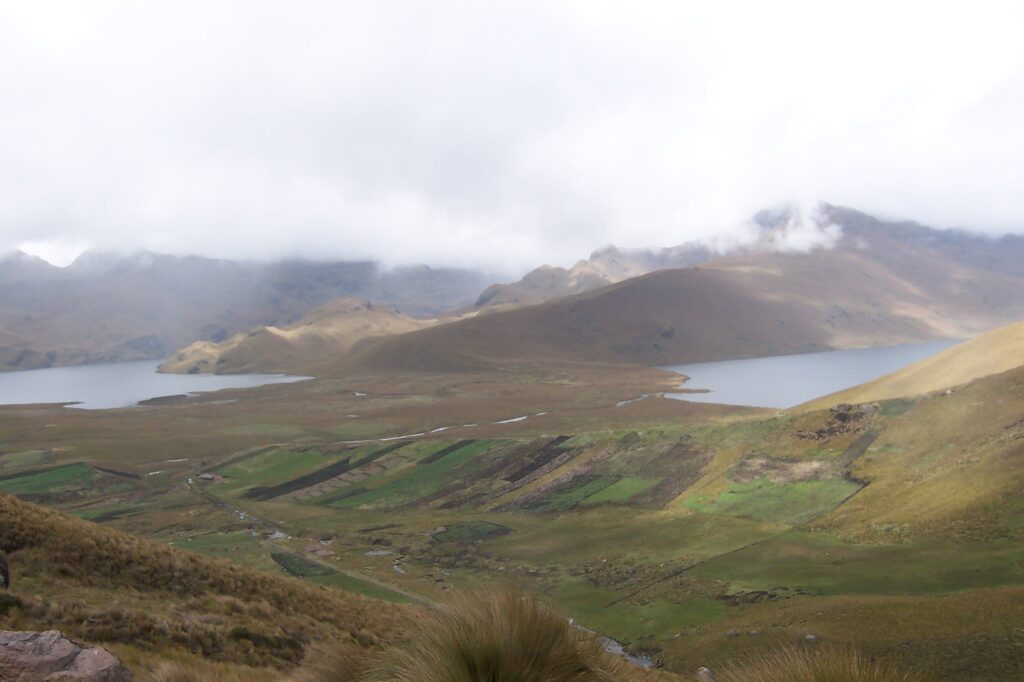
Whilst the town centre offers an abundance of historical and architectural sights, the wider canton of Alausí extends into some of the most pristine wilderness areas in Ecuador. Located within the boundaries of Sangay National Park, approximately 35 kilometres from the town, lie the mystical Lakes of Ozogoche. This spectacular natural attraction comprises a vast collection of more than 30 high-altitude lagoons scattered across the starkly beautiful Andean páramo ecosystem.
The lagoons cover an area of over two square kilometres and are surrounded by jagged, snow-dusted peaks and golden pajonal grass. The environment here is wonderfully remote, characterised by thin air, crisp mountain winds, and an overwhelming sense of solitude that is impossible to find on standard tourist routes.
Ozogoche is also famous for a mysterious natural phenomenon that occurs annually between September and October. During these months, thousands of migrating plovers, known locally as cuivíes, plunge into the cold waters of the lakes in what appears to be a mass, fatal disorientation. This event has inspired numerous indigenous legends and brings a haunting, mystical quality to the landscape.
For independent travellers, coordinating a trip to Ozogoche with a local guide provides an opportunity to hike through untouched páramo, spot rare Andean wildlife such as the elusive spectacled bear or the majestic condor, and experience the raw, untamed spirit of the Ecuadorian highlands.
The Ecuadorian Coast.
Where you’ll find the very best food
Independent exploration and regional journeys
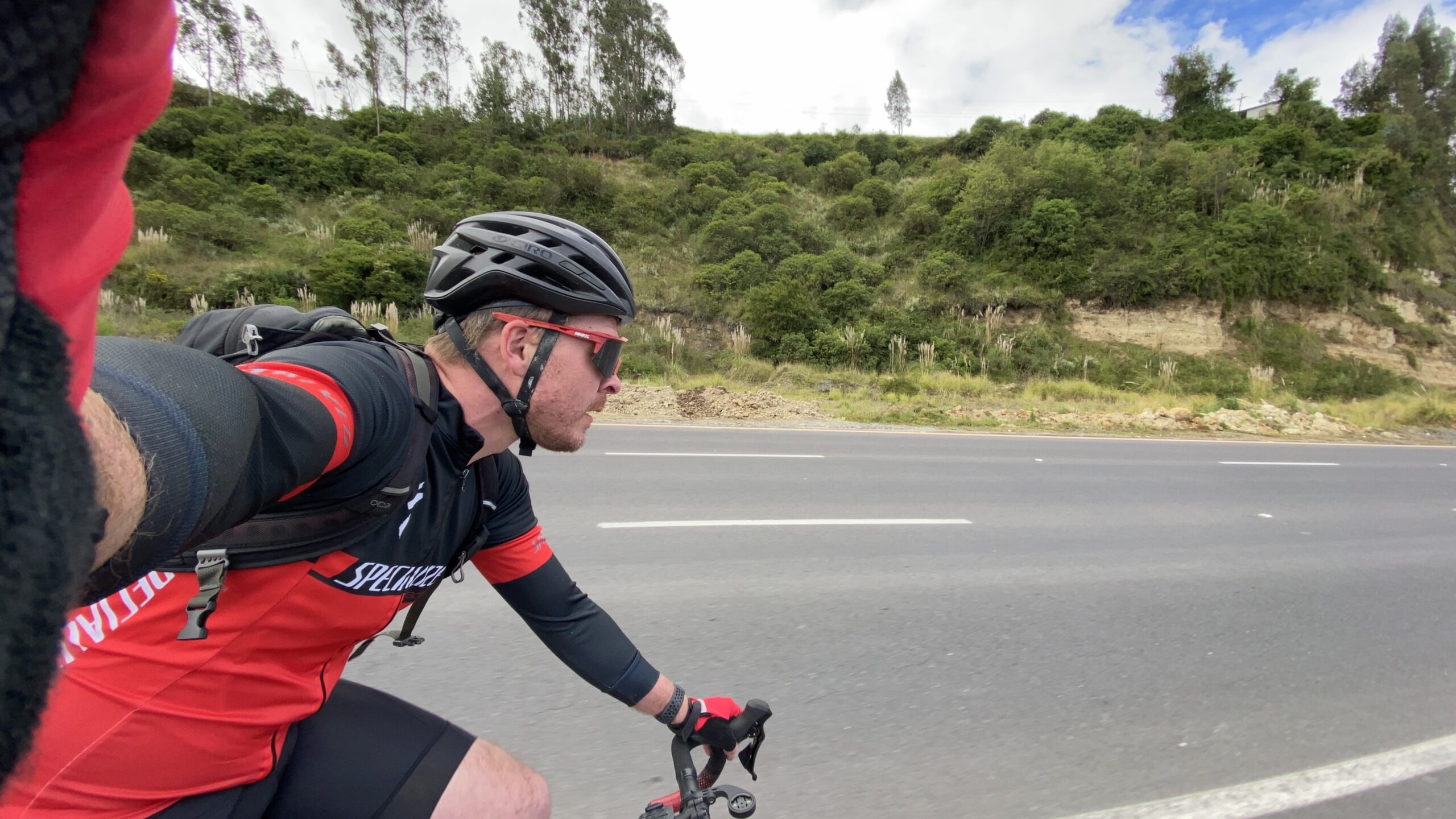
Embracing the freedom of independent travel allows you to connect these exceptional attractions into a seamless, deeply rewarding journey. For those who prefer the autonomy of exploring on two wheels, the undulating terrain surrounding Alausí offers an incredible canvas for adventure.
Navigating the mountain roads and dirt tracks provides an intimate connection to the landscape that is completely lost when travelling by enclosed vehicle. Within a 20-kilometre radius of the town, cyclists can challenge themselves on the winding descents toward the valley of Sibambe, explore the quiet rural pathways leading to the traditional agricultural community of Nizag, or pedal along the scenic foothills toward the historic parish of Achupallas.
Achupallas itself serves as the legendary starting point for the multi-day Ecuador Inca Trail, a magnificent trekking route that traverses the ancient communication channels of the Incan Empire toward the ruins of Ingapirca.
Beyond the immediate vicinity of the town, Alausí makes an excellent base for broader regional day trips that showcase the immense diversity of the central highlands. A journey north brings you to the shifting, golden sands of the Palmira Desert, a surreal landscape of dunes juxtaposed against high-altitude pine forests.
Alternatively, timing your visit to coincide with a Thursday allows for an unforgettable trip to the nearby town of Guamote, home to one of the most authentic, colourful, and uncommercialised indigenous markets in South America.
By choosing to travel independently, rejecting the constraints of large tour groups, and taking the time to truly understand the heritage of Alausí, you unlock a far more authentic and impactful travel experience in the heart of the Ecuadorian Andes.
Frequently asked questions about the top sights in Alausí
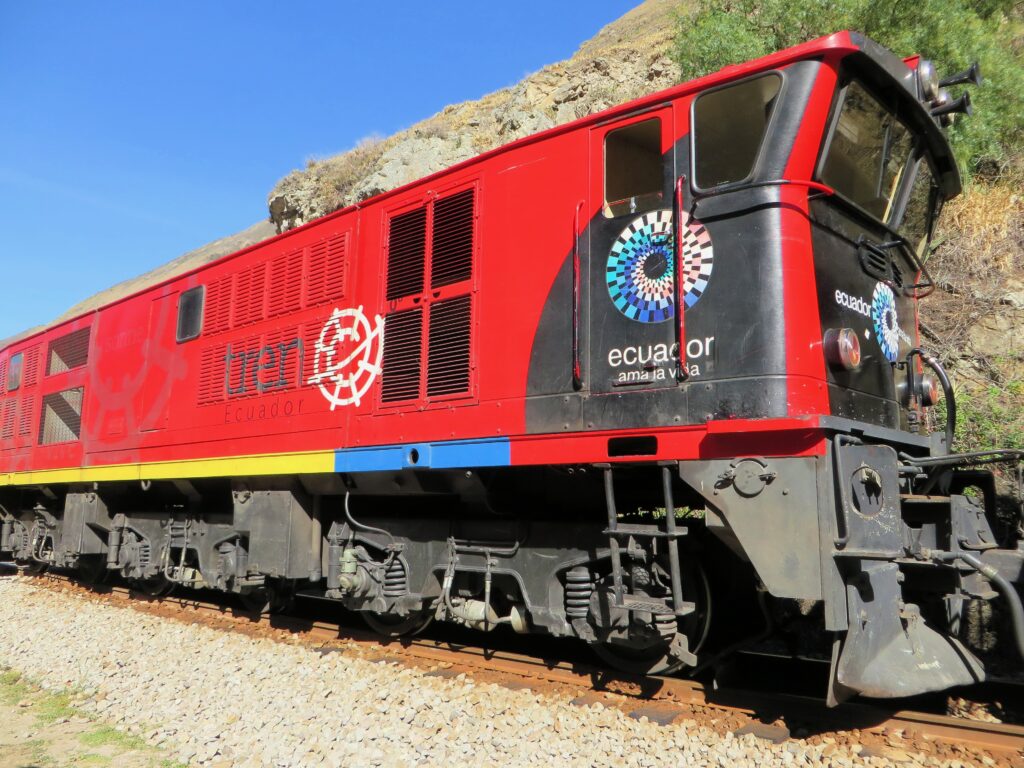
Yes, following a period of dormancy, the iconic Nariz del Diablo railway has officially returned to passenger service after a comprehensive restoration programme. The restored heritage trains operate from Tuesday to Sunday, carrying travellers on a 2.5-hour round trip between Alausí and Sibambe station. It remains a masterclass in early twentieth-century rail engineering.
Because the rock face of the Devil’s Nose is too steep for a standard continuous track, the train utilises an ingenious zigzag design. The train rolls forward past a junction, stops completely, and a crew member on the ground manually switches the tracks. The locomotive then pushes the carriages backwards down the next shelf of the cliff before repeating the process to descend safely into the valley.
Alausí sits at an elevation of 2,340 metres above sea level, and nearby highlights like the Ozogoche Lakes exceed 3,500 metres. Independent travellers should take their first few days slowly, drink plenty of water, and allow their bodies to acclimatise before undertaking strenuous uphill walks or cycling routes. Sampling local mate de coca (coca leaf infusion) is a traditional and highly effective way to ease mild altitude discomfort.
To see authentic Chimborazo culture, plan your visit around the Sunday market at Plaza Jesús Camañero or the Thursday market in nearby Guamote. These are highly traditional gatherings where indigenous communities from the surrounding hills come to trade textiles, livestock, and fresh highland produce. You will also see locals using uniquely adapted bicycles to transport their weekly wares.
The absolute culinary highlight in Alausí is hornado, which is slow-roasted whole pork cooked in traditional wood-fired ovens, typically served with llapingachos (seared potato cakes) and hominy corn. For a quick snack while sitting in Parque 13 de Noviembre, head to the top floor of the Mercado Central to try fresh, made-to-order fruit juices and traditional Andean corn dishes.
Ecuador.
Pure wonder on the equator.