
Alausí
Things to do in Alausí.
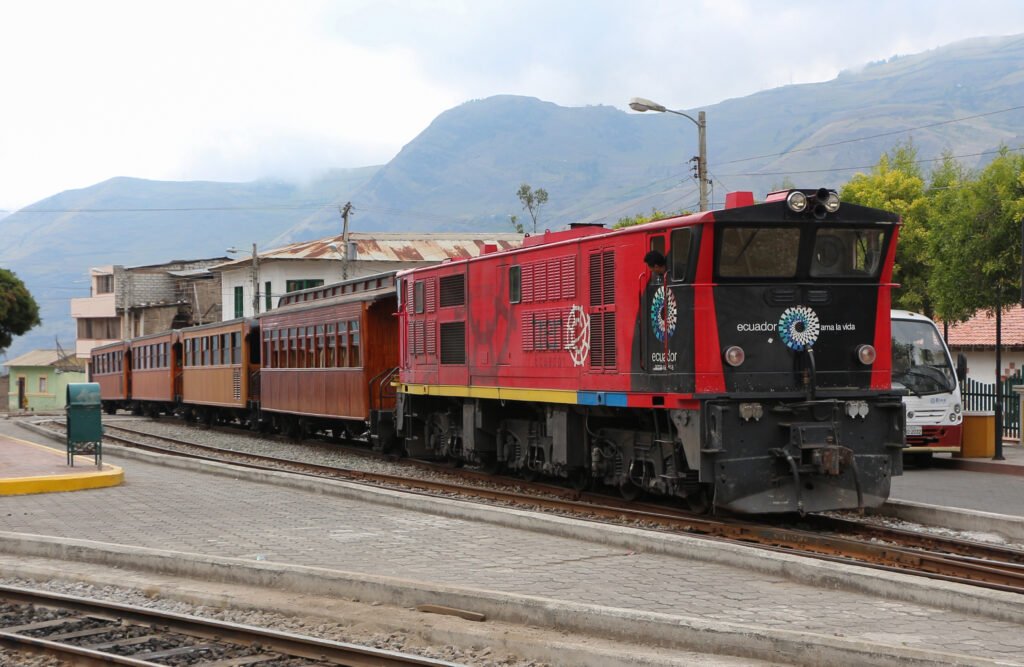
Alausí moves to a rhythm dictated by the steep inclines of its cobblestone streets and the clatter of the reinstated heritage railway. Most arrivals drift toward the switchback tracks that cut into the cliffside, an engineering feat best appreciated while nursing a strong coffee near the station. Spend an hour examining the faded pastel facades of the nineteenth-century wooden architecture, which gives the town a slightly melancholic, cinematic air. It is a place for slow observation, where the main event is watching the afternoon mist roll over the surrounding ridges, swallowing the tracks entirely
Your guide to Alausí / Riding the Devil’s Nose and discovering Ecuador’s mountain magic
How to master South America’s most dramatic railway town
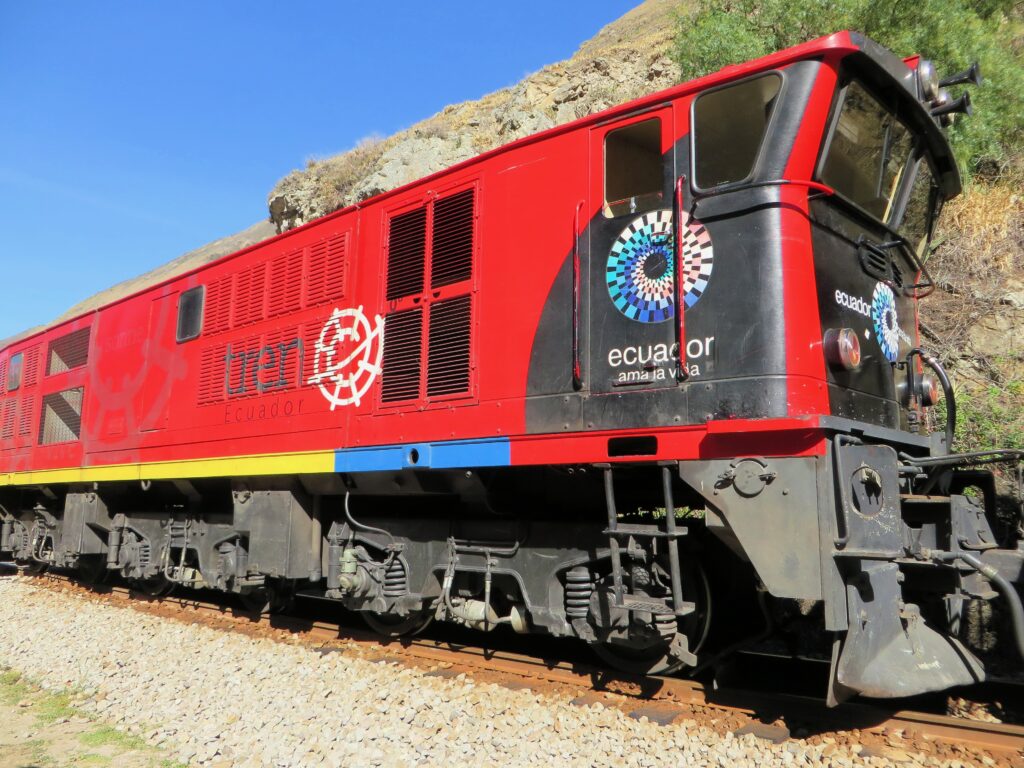
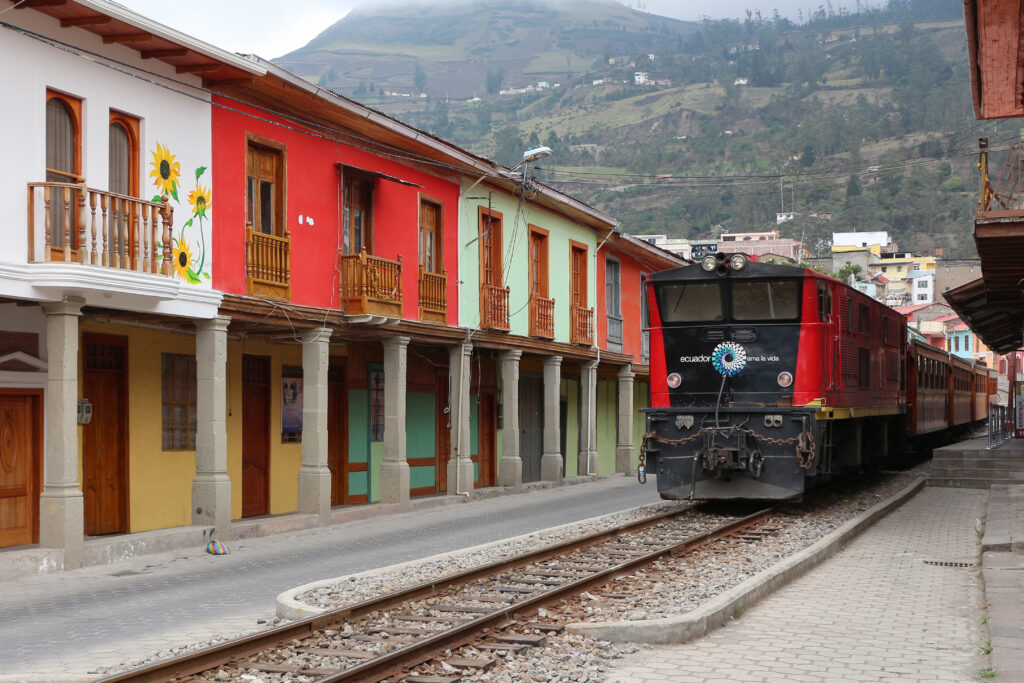
Conquering the Devil’s Nose / The ultimate guide to Alausí’s legendary Andean switchbacks
Gravity, grime, and genius on the most challenging railway in the world
Exploring Alausí / A guide to the gateway of the Devil’s Nose
Discovering heritage architecture and high-altitude Andean vistas
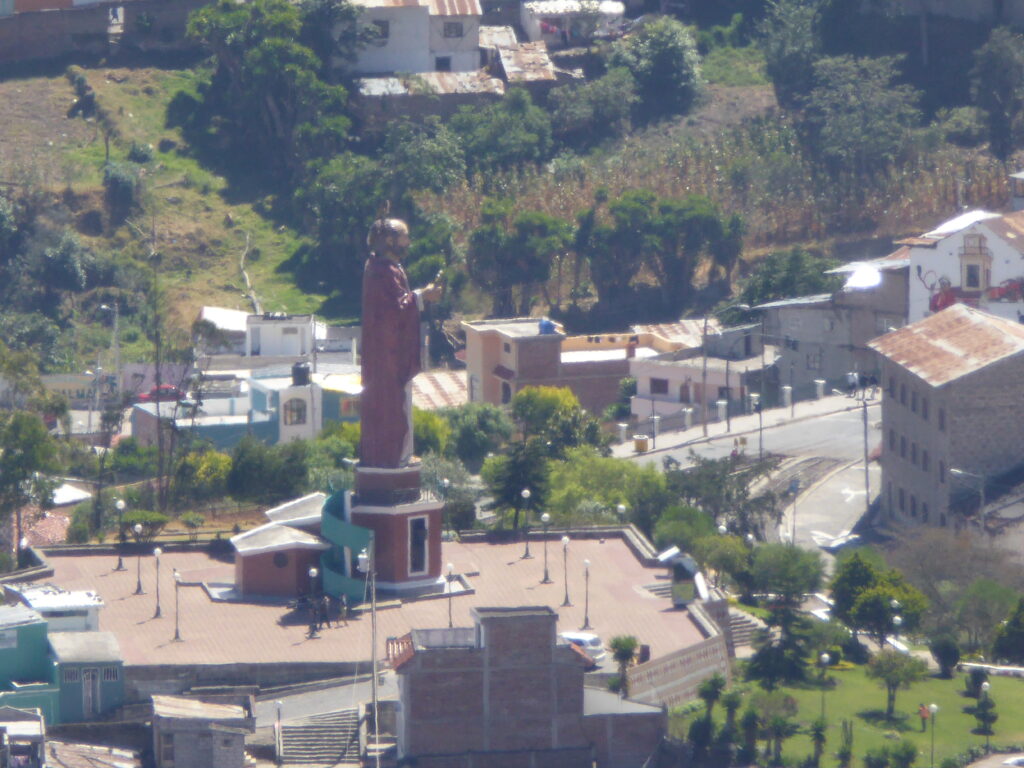
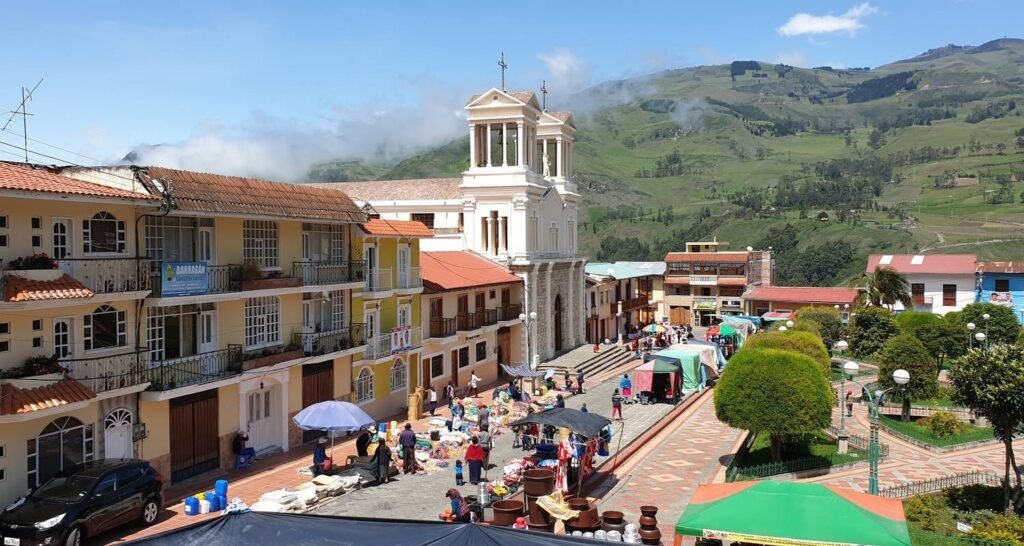
Alausí and the High Andes / Curated multi-day Ecuador expeditions
Discover Ecuador’s legendary rail heritage and mountain valleys
More things to do in the Ecuadorian Sierra.
Following the spine of the Andes requires a willingness to adapt to alternating tempos, from Quito’s sprawling, Baroque intensity to Cuenca’s refined, colonial restraint. In the capital, skip the midday crowds and seek out the quiet residential streets of San Marcos for a pint of local craft beer. Cuenca rewards those who track the Tomebamba river on foot, stopping only for a slow lunch in a shaded courtyard. Baños offers a starker contrast, where the air smells perpetually of sulphur and orchids, providing a chaotic, thermal-soaked intermission before you return to the quietude of the high páramos
Quito
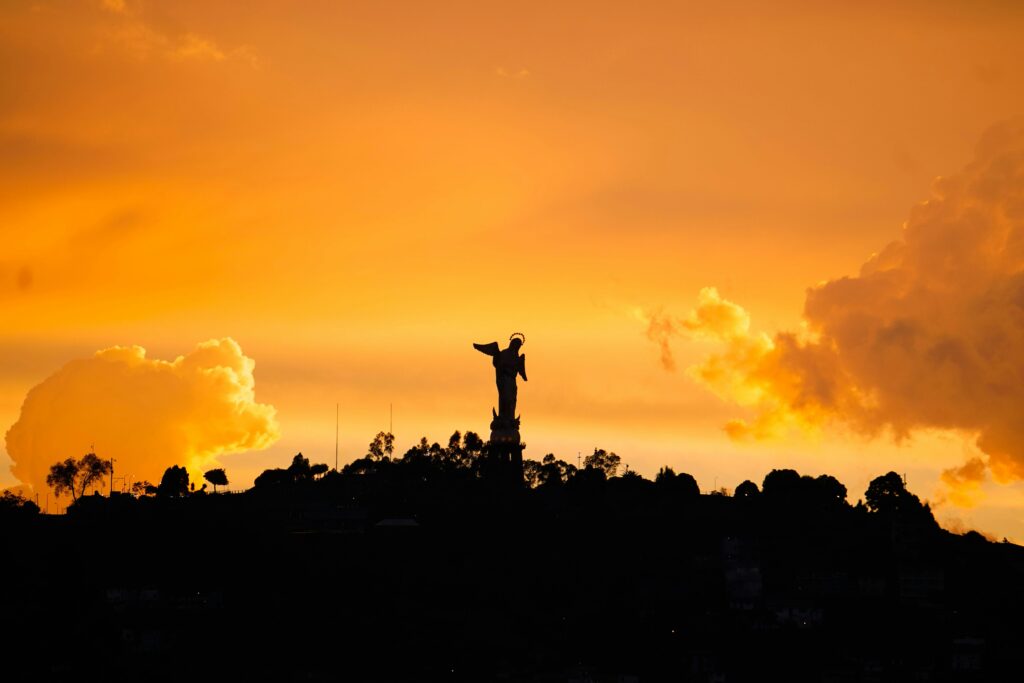
The Middle of the World
Baños
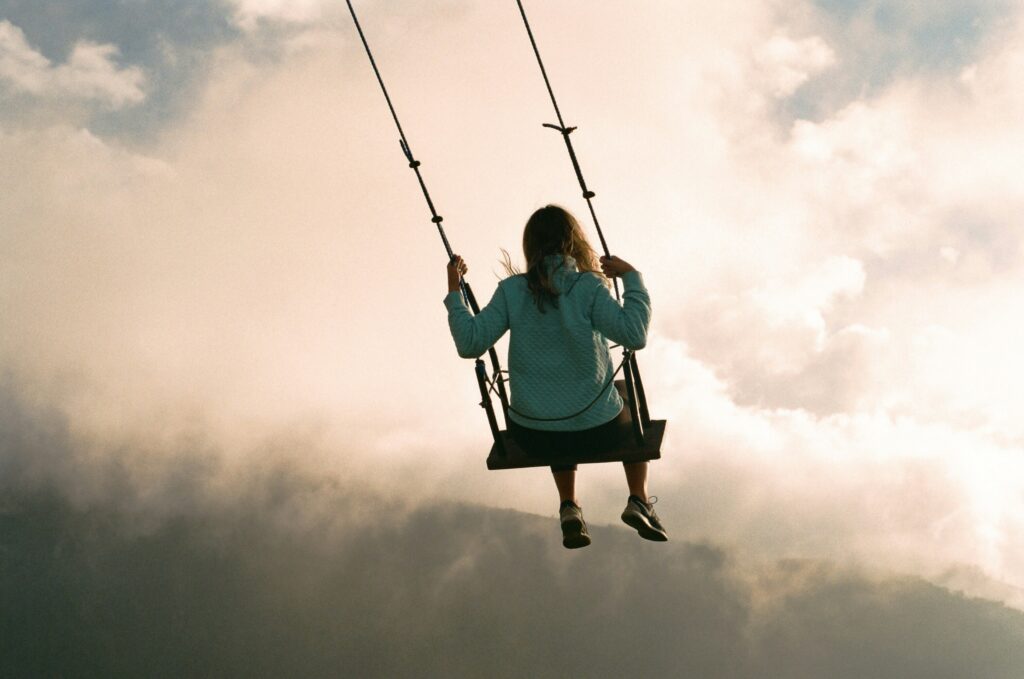
In the shadow of the volcano
Cuenca
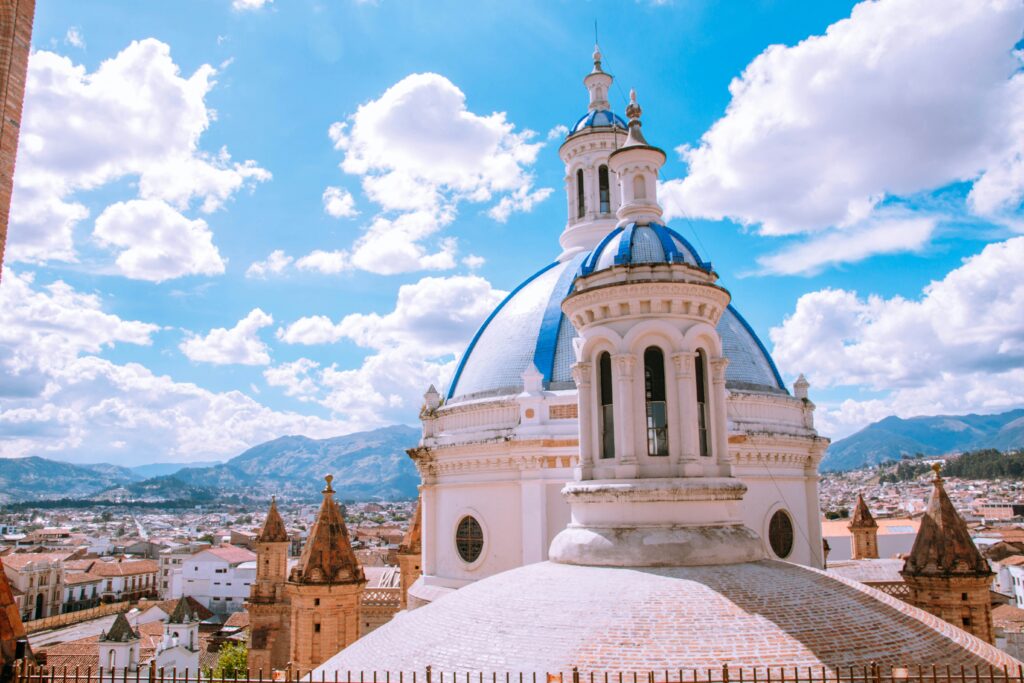
The prettiest city in the Americas
Where to stay in Alausí.
Accommodation here skews delightfully low-key, favouring historic character over contemporary flash. Look for the converted family homes near the old station, where creaking floorboards and balconies overlooking the street come as standard. These spaces mimic the domestic pace of life in the Sierra, meaning hot water is a prized commodity and breakfasts are unhurried affairs featuring local cheese and fresh bread. Avoid anything claiming modern luxury; the real appeal lies in watching the morning fog lift from a drafty, high-ceilinged room that feels entirely frozen in 1920
Mountains, mist, and midnight peace / Discovering where to sleep in Alausí
Where time slows down and the Andean night speaks in whispers
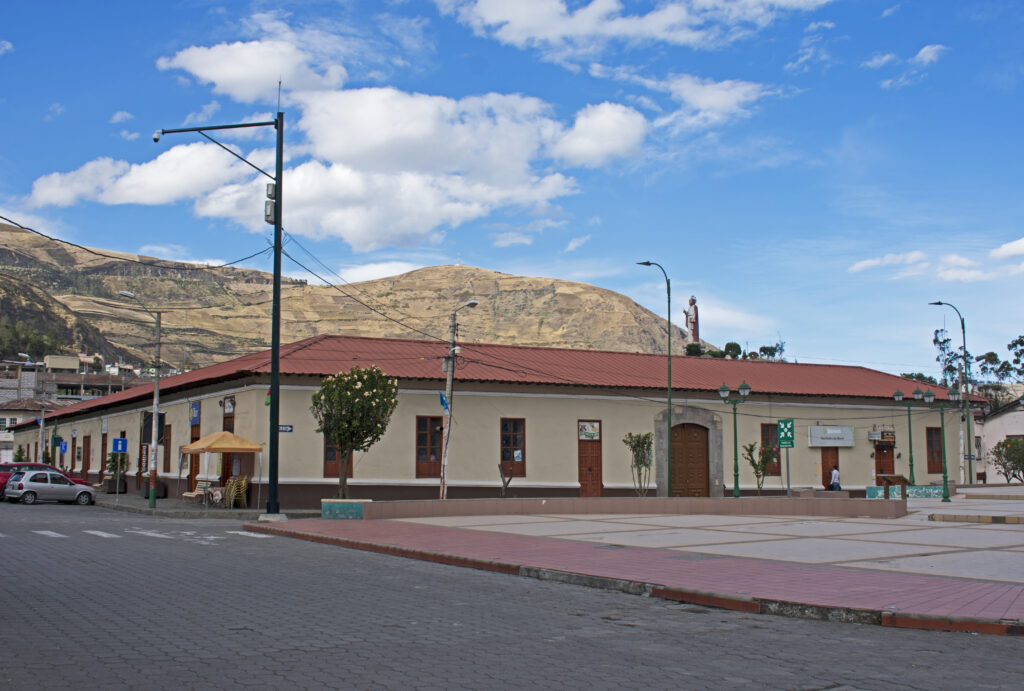
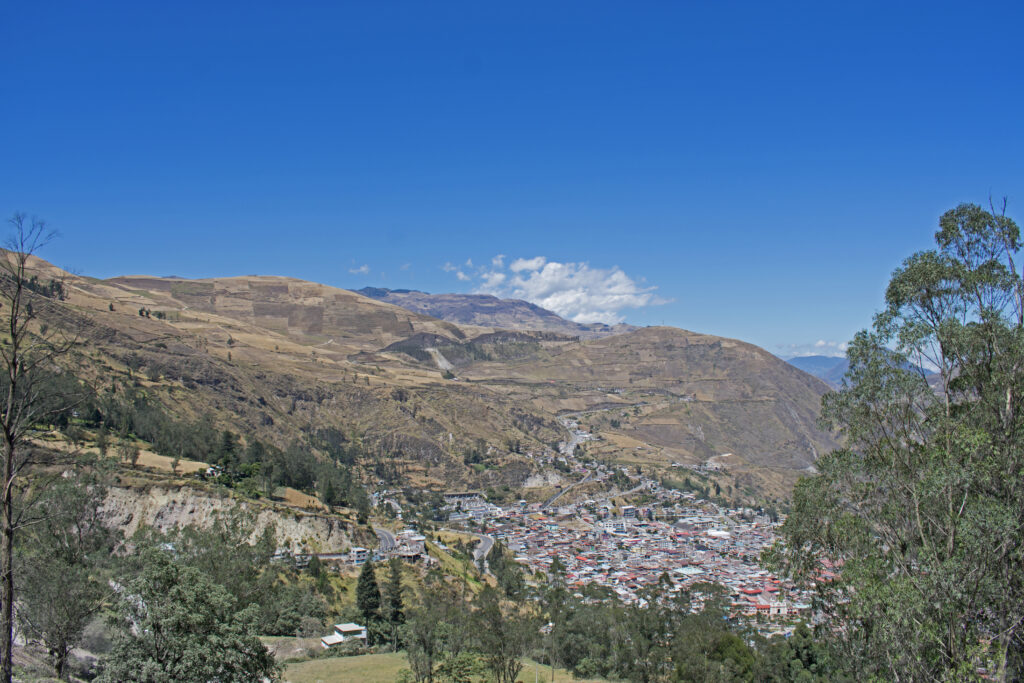
Shadows of the Andes / The best places to pitch a tent and slow down in Alausí
For those who prefer the whistle of the mountain wind to the hum of a tour bus air conditioner
What to eat in Alausí.
High-altitude living demands food that functions as ballast, and the local kitchens do not disappoint. The staple here is llapingachos—pan-fried potato patties stuffed with cheese and cooked until the edges form a proper crust. Pair them with hornado, slow-roasted pork that has spent hours absorbing garlic and chicha, resulting in a rich texture that pairs perfectly with the chilly mountain air. It is unpretentious, heavy, and engineered to sustain anyone who has spent the morning navigating the steep gradients of the town on foot or by bicycle
A taste of the Andes / Foods to try in the Ecuadorian Sierra
Savour the deeply rooted flavours of the mountain peaks
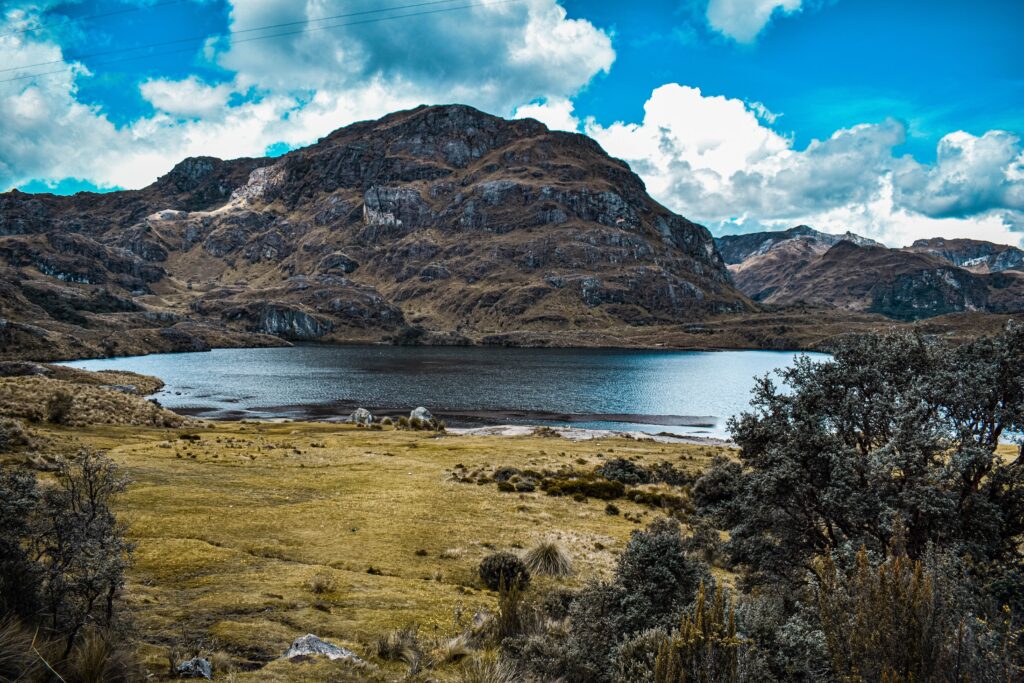
Where to eat and drink in Alausí.
Bypass the restaurants with laminated English menus near the main square and follow the locals into the central market. Here, long wooden benches sit beneath steaming cauldrons of caldo de gallina, providing an authentic slice of Andean culinary life. For an evening drink, seek out the unassuming establishments hidden along the side streets where sugar cane alcohol, or aguardiente, is served without fanfare. It is in these quiet joints, away from the railway terminal, where you can properly absorb the local gossip over a small glass of warm canelazo
Exploring Alausí / A guide to the best restaurants and cafés
Uncover the true culinary soul of the Devil’s Nose
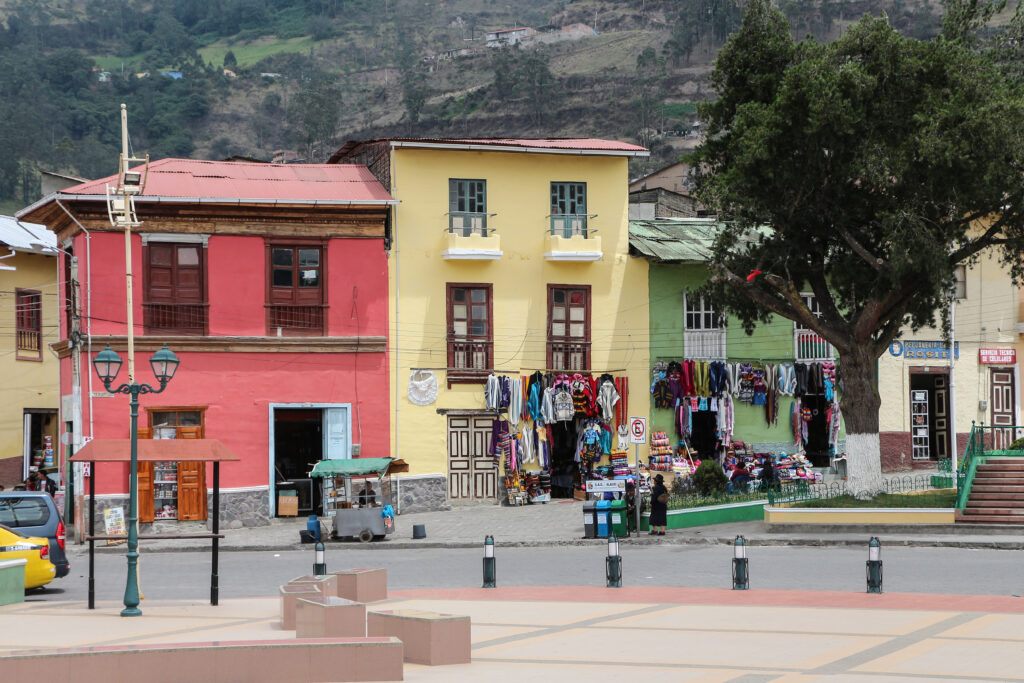
When to visit Alausí.
The Sierra weather is notoriously fickle, but timing a visit between June and September offers the most reliable window of dry, clear mornings. This is when the Andean sun burns off the night chill early, revealing the sharp geometry of the surrounding peaks before the afternoon clouds gather. If you prefer a quieter, more atmospheric experience, the shoulder months bring a dramatic mist that cloaks the wooden balconies in a cinematic gloom. Just ensure your waterproofs are within arm’s reach, as a sudden downpour is simply part of the daily rhythm here
Unlocking the Andes / When is the best time to visit the Ecuadorian Sierra?
Four seasons in a day / Chasing the perfect light across the Avenue of the Volcanoes
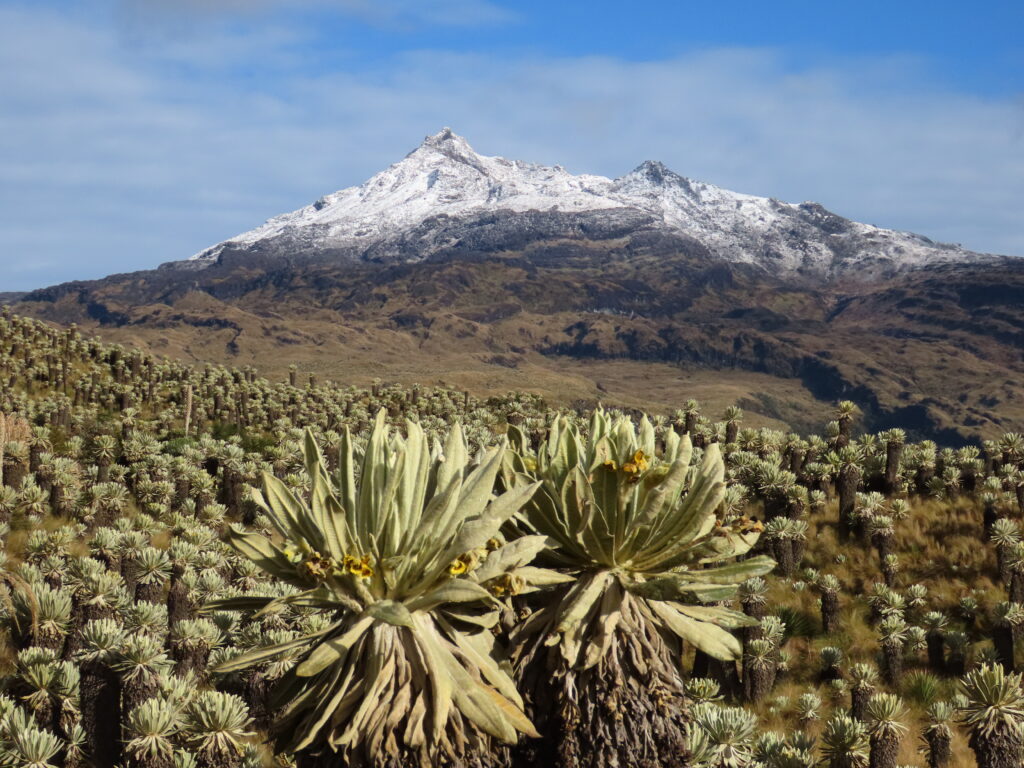
Is Alausí safe?
Alausí retains the sleepy, watchful security common to many smaller mountain towns in the Chimborazo province. While the urban centres further north require a sharper eye on your belongings, the main hazards here are environmental rather than criminal. Keep an eye on the steep, wet cobblestones after a heavy downpour, and give the local street dogs a respectful berth as you navigate the outer neighbourhoods. Treat the town with the same quiet awareness you would use in any unfamiliar corner of the world, and you will find the local pace of life welcoming
Navigating the Andean slopes / A complete guide to travel safety in Alausí
High-altitude wonder meets down-to-earth caution along the rails of Chimborazo
The history of Alausí.
The town’s historical identity is inextricably bound to the audacious, and often tragic, ambition of the Trans-Andean railway completed in the early twentieth century. Before the tracks arrived, Alausí was an isolated trading outpost where indigenous traditions met Spanish colonial architecture. The engineering feat of carving switchbacks into the sheer rock face changed the town’s destiny, bringing a brief golden age of trade and travel that left behind the distinctive wooden facades seen today. Walking through the central plazas feels like exploring a living museum, where the architectural details whisper stories of rapid modernisation and subsequent isolation
The layers of time in Alausí / A deep descent into Ecuador’s railway history
Echoes of steam, stone, and iron high in the Andean valleys
Ecuadorian cycling culture.
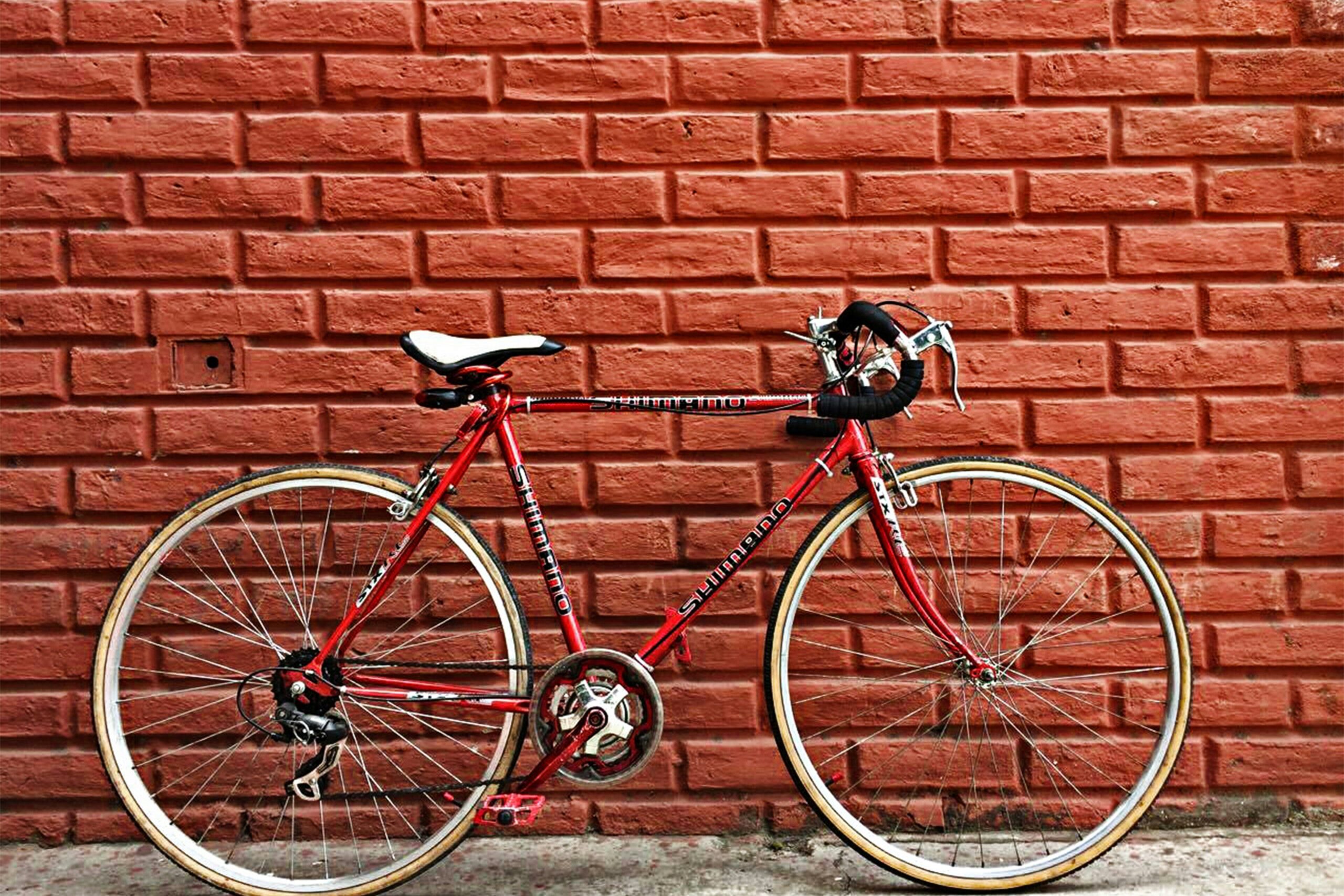
Cycling in Ecuador is not a casual pastime; it is a serious pursuit shaped by vertical landscapes and thin mountain air. The high-altitude roads serve as a proving ground for riders who think nothing of tackling thousand-metre climbs before breakfast. Motorists generally give two-wheeled travellers a surprising amount of respect, likely born from a national obsession with regional cycling icons who conquered the grand tours of Europe. For the independent bikepacker, navigating these switchbacks offers a visceral connection to the terrain that no bus window can ever replicate, provided your brakes and lungs are up to the task
Epic cycling in Ecuador
The ultimate guide to cycling in Ecuador / Routes, culture, and infrastructure
Driving culture and road safety
Driver attitudes, road traffic statistics, and road safety laws for cyclists
Cycling laws in Ecuador

Everything you need to know about cycling laws and regulations in Ecuador
Ecuador’s cycling history
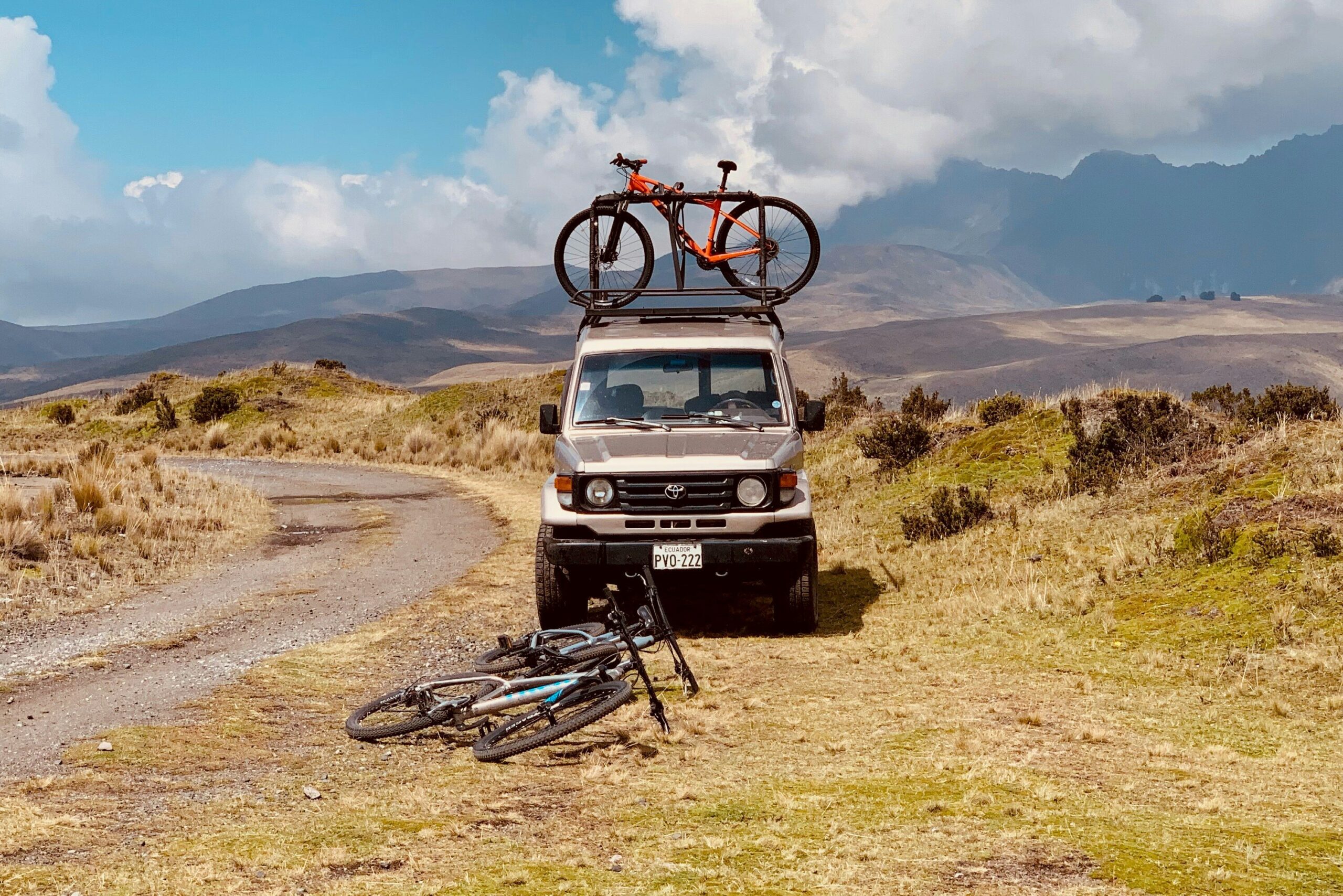
A guide to the cycling history, bicycle culture, and bike routes
Everything we’ve written about Alausí.
Best Alausí & Ecuador Multi-Day Tours
Alausí, Ecuador, travel safety guide | Tips for travellers
Best places to camp in Alausí | Ecuador slow travel guide
The heritage and history of Alausí, Ecuador: A complete guide
Best places to stay in Alausí, Ecuador | Unique hotels & hostels
Where to eat in Alausí, Ecuador | Independent food & café guide
Guide to the Devil’s Nose Train in Alausí, Ecuador
The top sights in Alausí, Ecuador
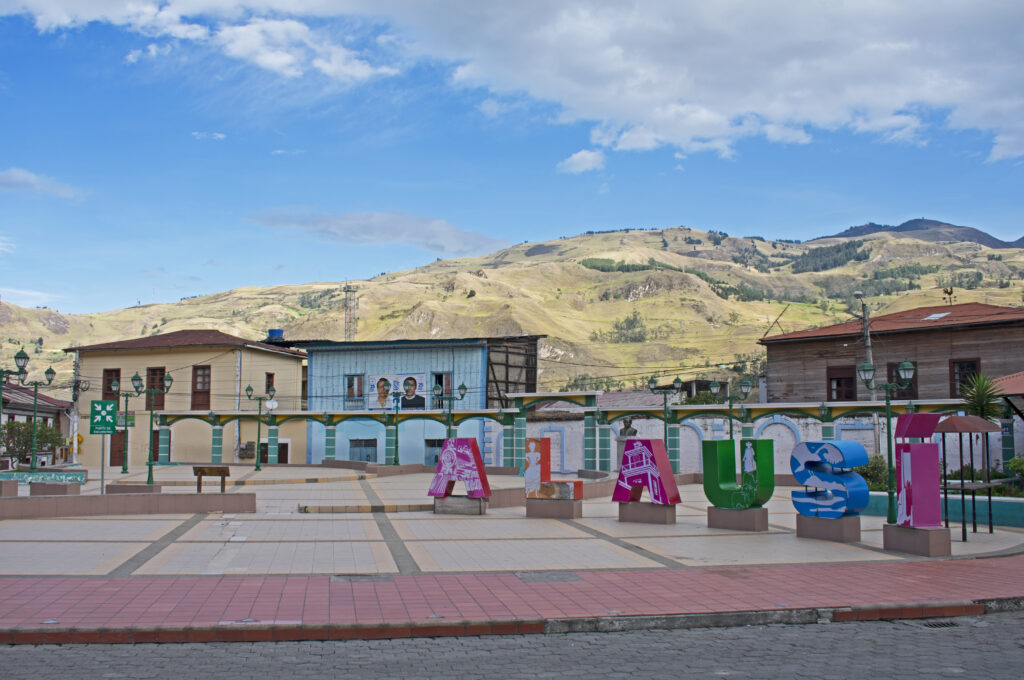
First-time tips for Alausí, Ecuador: Riding the Devil’s Nose Train
Ecuador.
Pure wonder on the equator.