Your guide to Alausí / Riding the Devil’s Nose and discovering Ecuador’s mountain magic
A complete first-timer travel guide to Alausí, Ecuador, featuring essential booking tips for the Nariz del Diablo train, local transport advice, and hidden highland attractions
How to master South America’s most dramatic railway town
BEN FINCH
For decades, travel enthusiasts have spoken of a stretch of railway in the Ecuadorian Andes with a mix of reverence and awe. The track, carved into vertical rock faces and dropping down dizzying cliff sides, represents one of the most audacious engineering feats of the modern world. At the heart of this legendary route sits Alausí, a striking mountain town draped across the rugged ridges of the Chimborazo province.
For the independent traveller, Alausí is far more than a simple transit point. While large tour groups frequently rush in on air-conditioned coaches, snap a few hurried photos, and bounce out before the mountain mist rolls in, those who travel on their own terms know that the real magic of the high Andes reveals itself only when you slow down. Whether you are arriving by public bus or riding a bike across South America, this guide delivers the practical, hyper-local insights you need to navigate Alausí like a seasoned explorer.
The steep ridges and zig-zag rails of Alausí
Alausí is far more than a fleeting pitstop on the Andean transit trail. For the self-paced explorer, it offers a window into a living highland culture anchored by one of the world’s most audacious railway marvels.
- The Devil’s Nose Descent: Experience an extraordinary feat of early twentieth-century railway engineering as heritage wooden carriages zig-zag down a near-vertical 500-metre rock face using a system of tight switchbacks
- Pueblo Mágico Charm: Step away from the tracks to explore cobblestone streets lined with traditional red-and-yellow balconies, where daily mountain life and traditional trades outshine commercialised tourism
- San Pedro Panorama: Climb the stone staircases to the towering monument overlooking the town for sweeping, high-altitude views of red-tiled roofs framed by massive green peaks
- Sunday Market Traditions: Time your stay to witness the indigenous Puruhá people gather from high paramo valleys, filling the town with authentic sights, sounds, and local textures
- Microclimate Mastery: Pack versatile layers to withstand intense equatorial morning sun, sudden afternoon mists, and the biting chill of high-altitude Andean evenings
- Strategic Stays: Base yourself within the historic core to enjoy peaceful central courtyards, purposefully avoiding the noisy engine brakes along the Pan-American Highway bypass
- Community-Led Commerce: Support the indigenous Nizag community at Sibambe station by purchasing handmade crafts and local snacks directly from the residents, preserving this corridor of living history
The Ecuadorian Sierra.
Get lost in the hills
The main event / Conquering the Devil’s Nose (Nariz del Diablo)
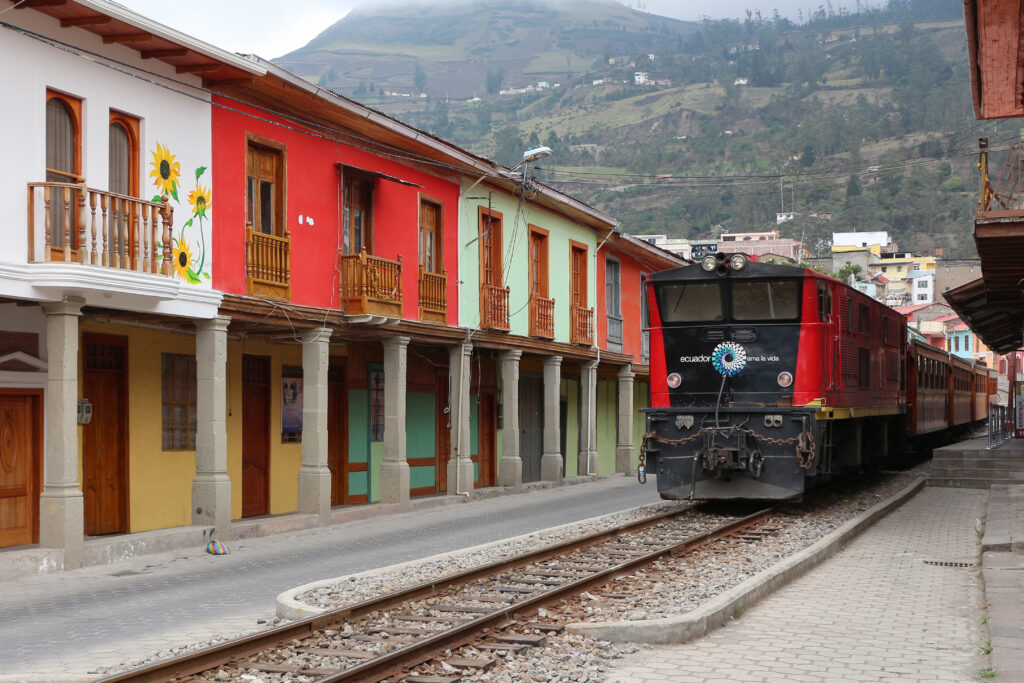
To understand Alausí, you must understand the mountain known as La Nariz del Diablo, or the Devil’s Nose. When the Ecuadorian government set out to connect the coastal hub of Guayaquil with the high-altitude capital of Quito by rail at the turn of the twentieth century, the jagged, near-vertical wall of rock outside Alausí presented a seemingly impossible barrier.
The solution was a masterclass in railway engineering: a system of tight switchbacks carved directly into the mountain face. The train rolls forward past a switch, stops, and then reverses down the next steep shelf of rock, zig-zagging its way down a 500-metre drop over a mere 12 kilometres of track.
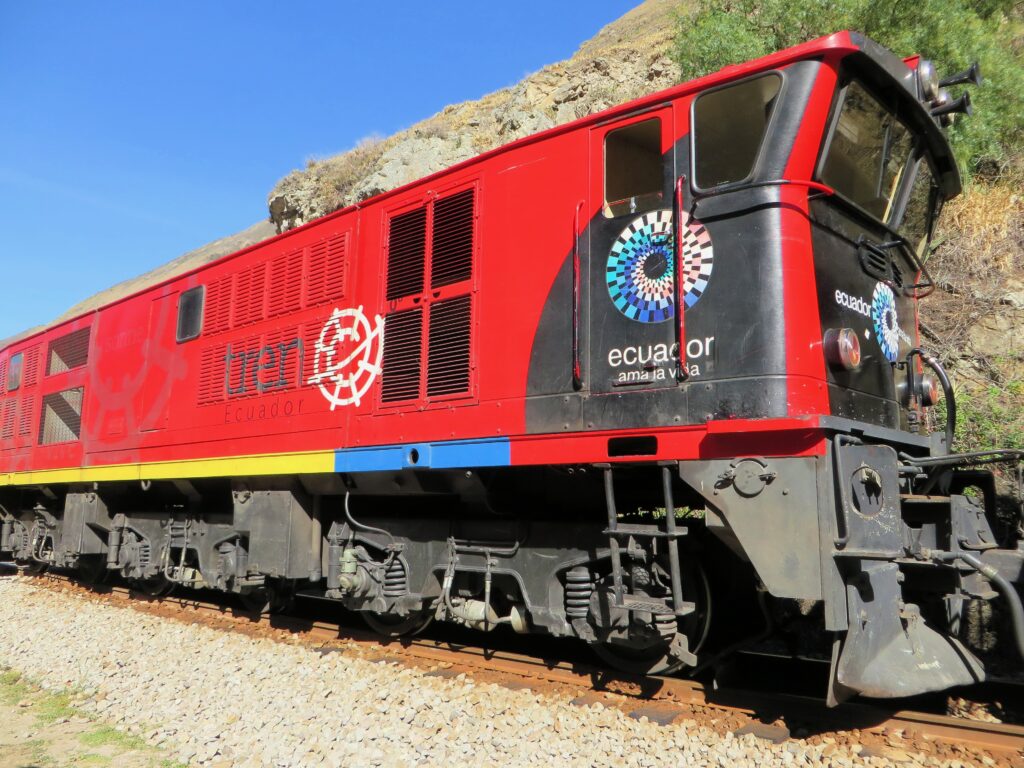
After a period of closure, this iconic rail journey has returned to full operations, even earning global accolades as one of the most remarkable places to experience. The refurbished electro-diesel locomotives pull beautiful, heritage-style wooden carriages down the steep valley to Sibambe station, offering breathtaking panoramic views of the dramatic Andean landscape.
Practical booking tips for the independent traveller
Because the train is operated locally and popularity is soaring once again, securing a seat requires a bit of forward planning. Major global booking platforms do not always carry live inventory, meaning the best approach is to coordinate directly with local operators or visit the station office upon arrival.
- Operating Days: The train typically runs from Thursday to Sunday, as well as on national public holidays
- Daily Frequencies: There are standard departures scheduled at 08:00, 11:00, and occasionally an afternoon slot at 14:00, depending on seasonal demand
- Arrival Time: Plan to check in at the historic Alausí train station, located just behind the main plaza on Calle 5 de Junio, at least 30 minutes before your departure time
The round-trip journey takes approximately two and a half hours. This includes the thrilling descent, a generous stop at the bottom of the gorge at Sibambe station to appreciate the sheer scale of the rock face, and the powerful climb back up to Alausí.
The Galápagos.
Ecuador’s Enchanted Isles
What first-timers completely overlook / Alausí beyond the track
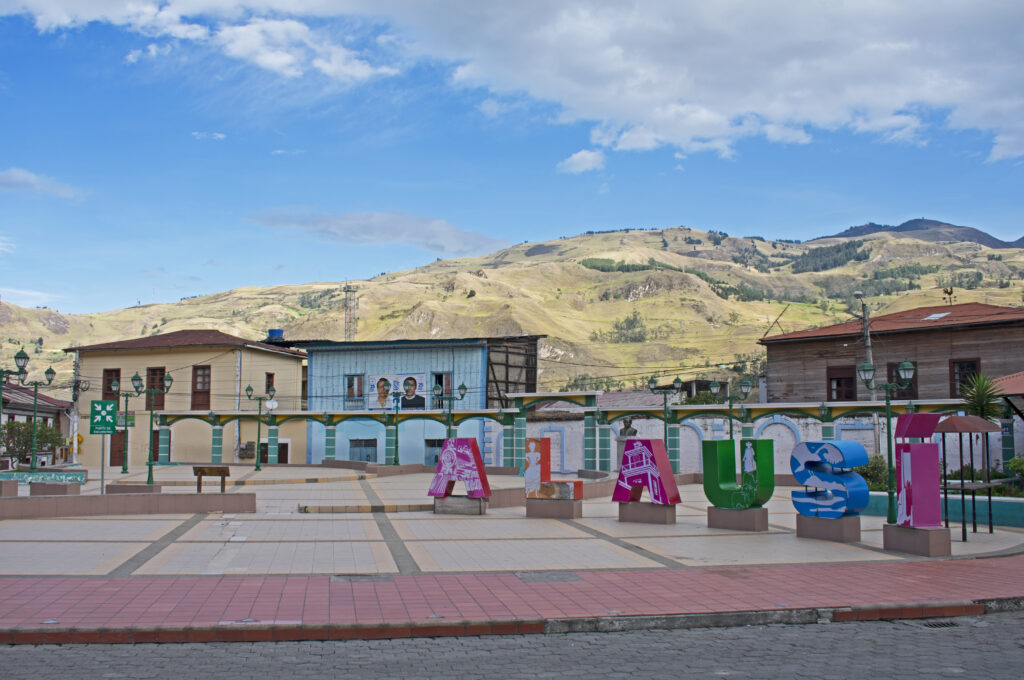
The single biggest mistake a first-time visitor can make is treating Alausí as a strict two-hour whistle-stop. The town itself has been designated as a Pueblo Mágico (Magical Town) by the Ecuadorian Ministry of Tourism, a title earned through its incredibly preserved heritage architecture, steep cobblestone streets, and vibrant indigenous culture.
Wandering the historic centre
When you step away from the immediate vicinity of the train station, you enter a grid of streets lined with traditional single-story and two-story homes sporting distinctive red and yellow wooden balconies. Unlike more commercialised tourist hubs in Ecuador, the shops here cater to everyday mountain life. You will find small tienditas selling local grains, cobblers repairing leather boots, and tailors adjusting heavy woollen ponchos.
The Monument to San Pedro
For a spectacular perspective of the entire valley, take a slow, self-paced walk up to the Monument to San Pedro. Perched high on the hill overlooking the town, this towering statue is visible from almost any point in Alausí. The climb up the stone staircases can be demanding due to the altitude, which sits at roughly 2,340 metres above sea level. Take your time, breathe deeply, and you will be rewarded with a sweeping panoramic view of the red-tiled roofs nestled against the massive green folds of the mountains.
The Sunday market culture
If your travel itinerary allows for flexibility, try to time your visit to coincide with the Sunday market. This is when the surrounding indigenous communities, particularly the Puruhá people, descend from the high páramo valleys to trade, socialise, and sell fresh produce. The streets fill with an array of colours, textures, and sounds. It is a completely authentic slice of Andean life, free from the orchestrated feel of tourist-centric craft markets elsewhere in the region.
The Ecuadorian Amazon.
The most biodiverse place in the world
Highland weather quirks and the microclimate challenge
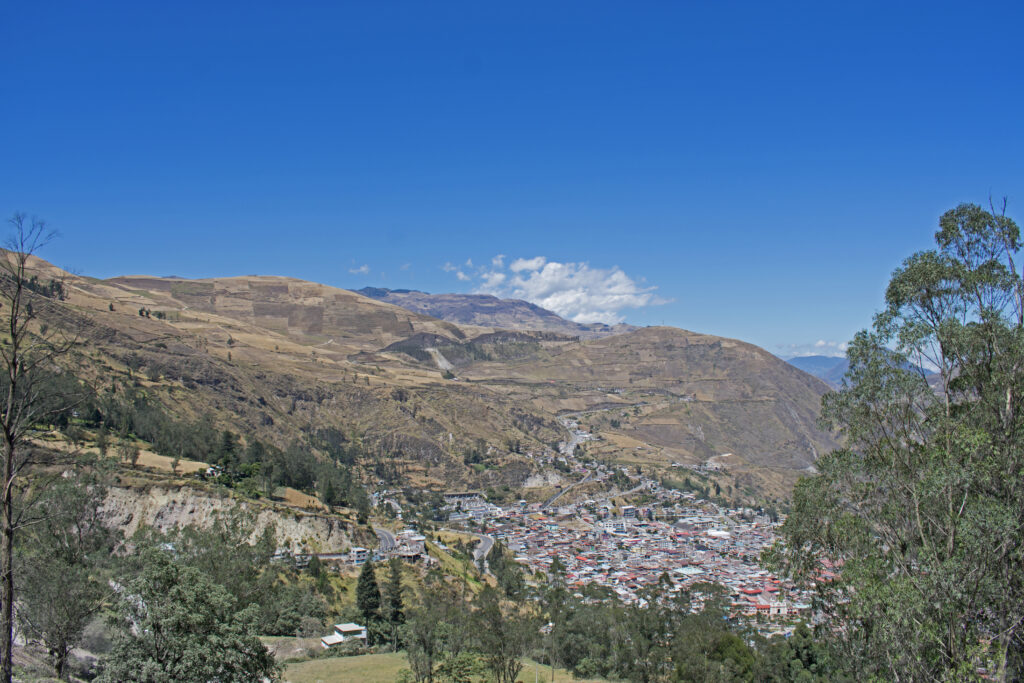
One of the defining characteristics of travelling through the Ecuadorian Andes is the unpredictability of the weather, and Alausí is a textbook example of a mountain microclimate. Due to its position in a deep valley surrounded by high peaks, the weather can transition through three distinct seasons in the span of a single afternoon.
In the morning, the equatorial sun can be intense. Without the filtering effect of lower-altitude atmospheres, the sun feels incredibly hot by 10:00 or 11:00, requiring high-factor sunscreen and a wide-brimmed hat. However, as the afternoon progresses, heavy, damp mists frequently roll off the surrounding peaks without warning, dropping visibility significantly and causing temperatures to plummet within minutes.
By the time evening arrives, Alausí becomes genuinely cold. The wind whistles through the mountain passes, and unheated indoor spaces can feel quite brisk.
The packing strategy
To stay comfortable as an independent traveller moving on foot or public transport, your packing system must rely on versatile layers. Never board the Devil’s Nose train without a windproof, water-resistant jacket, a warm fleece, and sunglasses. Even if the sky is cloudless when you line up at the ticket window, you may find yourself surrounded by chilly cloud forest mist by the time the train reaches the switchbacks of Sibambe.
Logistical realities / Where to stay and where to avoid
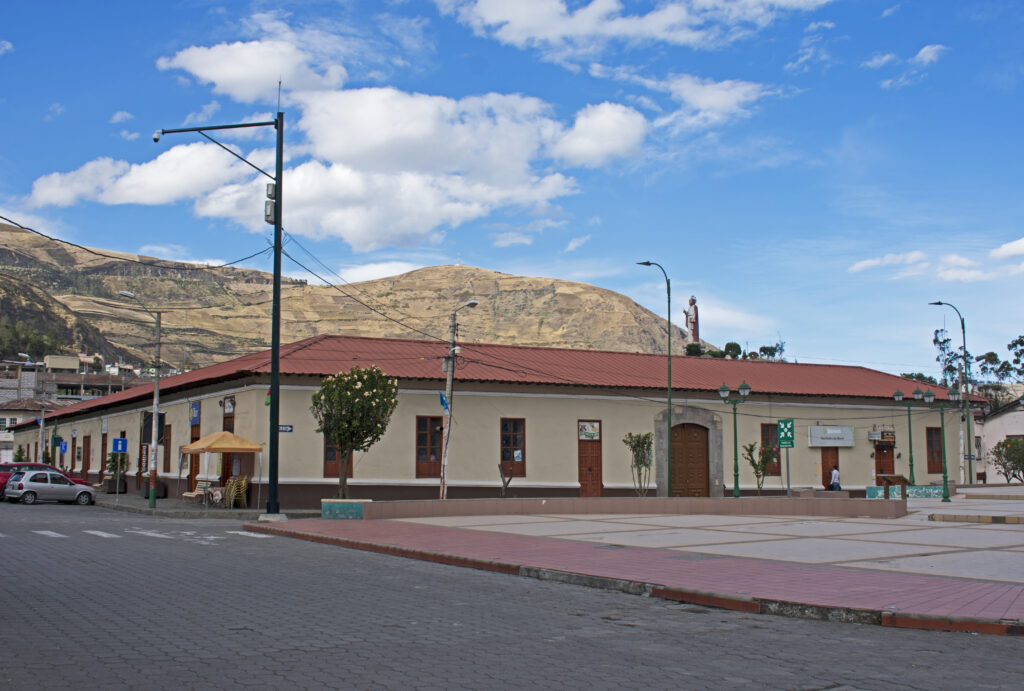
Finding the right base in Alausí makes a massive difference in how you experience the town’s unique atmosphere. Because the geography is steep, the location dictates your daily comfort.
Where to focus
Look for small, family-run guesthouses and heritage hotels situated within the historic core, ideally a few blocks from Calle 5 de Junio or the main plaza. Staying in this central pocket means you can easily walk to the train station for early morning departures, pop into local bakeries for fresh bread, and experience the quiet charm of the town after the day-trippers have left. The buildings here often feature beautiful central courtyards that offer a peaceful refuge from the mountain wind.
Where to avoid
Be cautious about booking accommodation located directly along the outer edges of the Pan-American Highway bypass. While these properties occasionally offer lower rates or appeal to long-distance drivers, they sit on the main commercial trucking vein connecting northern and southern Ecuador. Heavy multi-axle trucks and long-distance overnight buses rumble through these corridors at all hours, using loud engine brakes that can make getting a peaceful night of rest incredibly difficult.
The Ecuadorian Coast.
Where you’ll find the very best food
Cultural etiquette and local customs
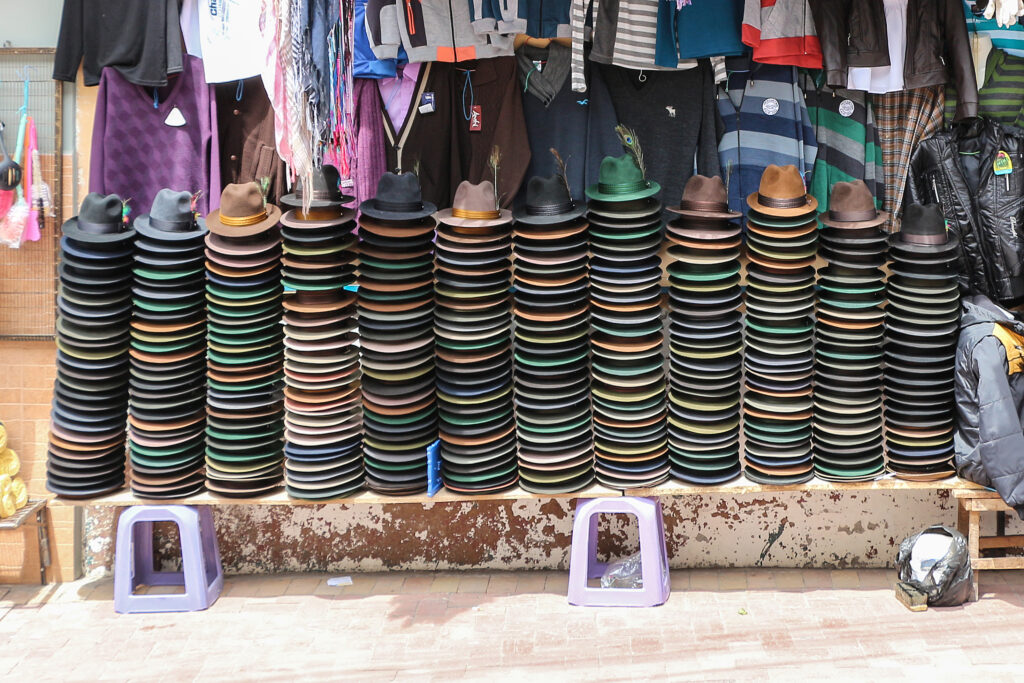
Independent travel offers the unique privilege of direct interaction with local communities, but it also carries a responsibility to respect traditional ways of life. Alausí and its surrounding hamlets are home to deeply rooted indigenous traditions.
Photography and interaction
The local Puruhá and Mestizo populations are generally polite but can be reserved. If you wish to take a portrait of a vendor at the market or a resident dressed in traditional attire, it is essential etiquette to ask for permission first. A simple, polite question in Spanish goes a long way toward establishing mutual respect. If they decline, respect their privacy with a smile and move on.
Supporting the Local Economy at Sibambe
When the train arrives at the bottom of the switchbacks at Sibambe station, you will be greeted by members of the local Nizag community who perform traditional dances and share historical insights at the local interpretation centre. This is an excellent opportunity to support community-led tourism directly. Rather than purchasing mass-produced souvenirs elsewhere, consider buying handmade crafts, woven textiles, or locally prepared snacks directly from the community vendors at the station plaza. Your spending directly benefits the families who preserve this unique corridor of living history.
Moving on / Connecting from Alausí by bus
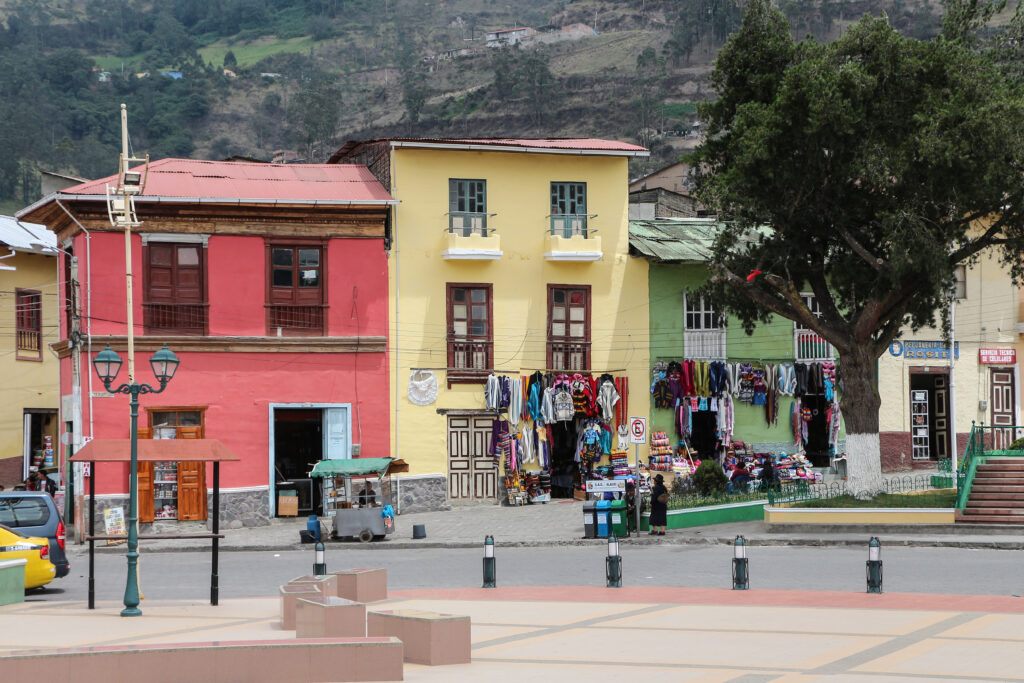
For the independent traveller navigating via Ecuador’s extensive public transport network, Alausí is remarkably well-connected, provided you understand how the local bus system works. There is no large, enclosed central terminal; instead, different bus cooperatives operate out of small offices located along the main thoroughfares, particularly near the intersection of 5 de Junio and the Pan-American Highway access points.
Buses run regularly to Riobamba, the provincial capital, with departures leaving roughly every 30 to 60 minutes throughout the day. From Riobamba, you can easily connect to northern destinations like Ambato, Baños, or Quito. If you are heading south toward the historic colonial city of Cuenca, multiple daily buses pass through Alausí, offering a scenic four-hour journey through breathtaking highland scenery. Always keep your daypack on your lap or at your feet while riding public buses, rather than storing it in the overhead bins, to ensure your valuables remain secure throughout the mountain transit.
Frequently asked questions about Alausí and the Devil’s Nose
The train typically operates from Thursday to Sunday, as well as on national public holidays. Standard departures are scheduled for 08:00 and 11:00, with an occasional 14:00 service depending on seasonal demand. Because live inventory is rarely available on global booking platforms, independent travellers should coordinate directly with local operators or visit the historic station office on Calle 5 de Junio upon arrival.
Due to Alausí’s unpredictable mountain microclimate, a versatile layering system is vital. Even if the sky is cloudless at departure, you should bring a windproof, water-resistant jacket, a warm fleece, sunglasses, and high-factor sunscreen to handle sudden changes from burning equatorial sun to damp, chilly mountain mist.
The entire round-trip journey takes roughly two and a half hours. This includes the dramatic switchback descent, a generous stop at Sibambe station at the bottom of the gorge to marvel at the sheer scale of the cliff face, and the powerful climb back up to Alausí. At the bottom, passengers can watch traditional dances and learn about local history from the Nizag community.
Focus on family-run guesthouses and heritage hotels tucked within the historic core, close to the main plaza. You should specifically avoid properties situated along the outer edges of the Pan-American Highway bypass; this is a major commercial trucking artery, and the loud engine brakes of long-distance vehicles will disrupt a peaceful night’s rest.
Various bus cooperatives operate from small offices on Avenida 5 de Junio (Main Street) between 9 de Octubre and Route 47 streets. Regular buses depart for Riobamba every 30 to 60 minutes for northern connections, while multiple direct services heading south to Cuenca offer a scenic four-hour journey through the highlands.
Ecuador.
Pure wonder on the equator.