Shadows of the Andes / The best places to pitch a tent and slow down in Alausí
An independent traveller’s guide to the best places to camp in Alausí and the surrounding Chimborazo highlands
For those who prefer the whistle of the mountain wind to the hum of a tour bus air conditioner
BEN FINCH
There is a distinct magic that unfolds when the afternoon fog rolls through the steep, cobblestone streets of Alausí. Most travellers experience this heritage mountain town through a glass window, stopping just long enough to marvel at the engineering feat of the Nariz del Diablo railway before being whisked away to the next crowded destination. But to truly understand this rugged pocket of the Chimborazo province, one must slow down, step away from the concrete hostels, and spend the night under the vast Andean sky.
For the independent traveller arriving by public bus, train, or on two wheels, camping here offers an unparalleled connection to the landscape. It requires self-reliance, a respect for the high-altitude climate, and a desire to see the mountains on your own terms.
To help you navigate this dramatic terrain, Wheely Tyred has scouted the finest spots to pitch your tent in and around the Alausí canton. Because the region is wonderfully untamed, formal commercial campsites are few and far between. Instead, the best options blend raw wilderness with community-led tourism projects.
Here is our curated guide to the best places to camp in Alausí, ensuring you find the space to breathe deeply and sleep well.
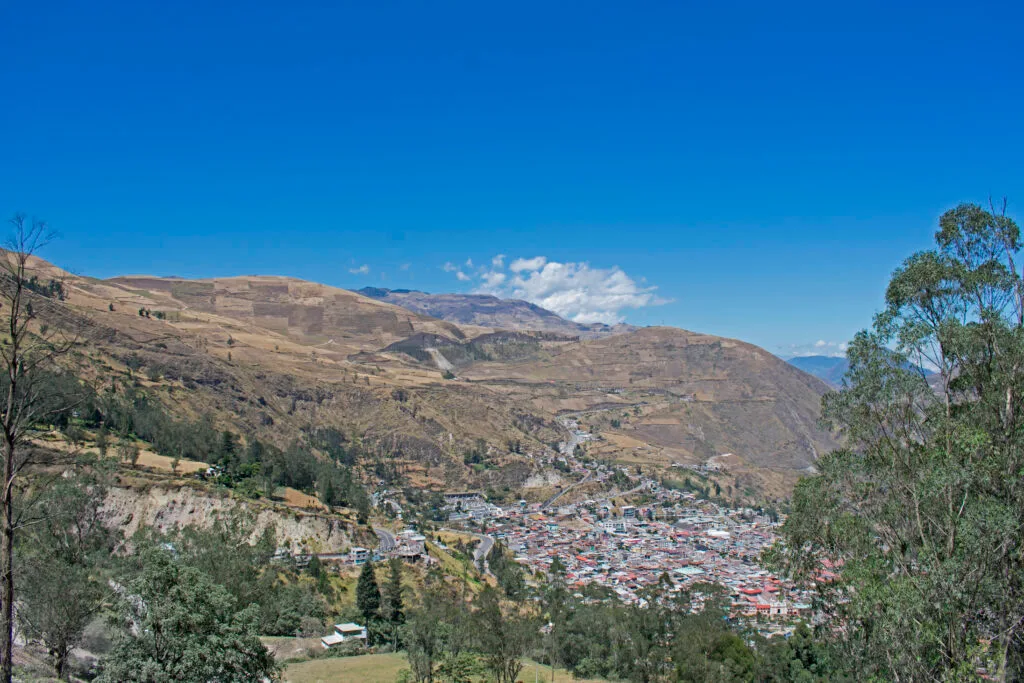
The windswept ridges and deep gorges of Alausí
To truly understand this rugged pocket of the Ecuadorian Andes, you must step off the tourist buses and sleep under the open sky. This is a landscape built for the patient, self-reliant traveller who measures a journey by its depth rather than its speed.
- Lagunas de Ozogoche: A mystical network of more than 30 high-altitude lakes managed by the local Indigenous community, offering raw solitude and stark beauty at 3,700 metres above sea level
- Achupallas Trailhead: The historic gateway to the ancient Qhapaq Ñan stone trail, where you can pitch a tent alongside grazing llamas and ancient stone structures
- Mirador Nizag: A dramatic canyon-edge viewpoint providing vertigo-inducing panoramas of the Alausí River gorge and the jagged rock faces of the Devil’s Nose valley
- Aldea Campestre: A peaceful, green oasis situated on the northern outskirts of town, perfectly bridging the gap between rural quietude and town convenience
- Huigra Valley Escape: A subtropical alternative located further down the old railway line, ideal for shedding cold-weather layers amongst fruit trees and the rushing Chanchan River
- High-Altitude Climate: A reminder that mountain weather shifts rapidly, requiring high-quality waterproof gear to handle four seasons in a single afternoon
- Local Sustenance: The essential practice of stocking up on fresh grains, fuel, and water purification tablets at the central market in Alausí before venturing into remote páramos
The Ecuadorian Sierra.
Get lost in the hills
1. Lagunas de Ozogoche Community Conservation Area
Perched high in the páramo of the Sangay National Park, roughly 35 kilometres from the centre of Alausí, lies the mythical lake system of Ozogoche. This is not a manicured holiday park; it is a profound, high-altitude wilderness managed by the local Indigenous community. The collection of over 30 lakes is famous for its stark beauty and the mysterious, sacrificial migration of the cuivivíes (upland sandpipers) that occurs later in the year.
- The Vibe: Ethereal, silent, and deeply spiritual
- Facilities: Basic but functional. There are designated flat areas for tents near the main community lodge, eco-toilets, and access to fresh, icy mountain water. The local community association operates a small kitchen serving hot, traditional meals like fresh trout and potato soup—perfect for warming up before turning in
- Why it is unique: Waking up at over 3,700 metres to the sight of mist rising off the dark, pristine waters of Laguna Cubillín is an experience no hotel room can replicate
- How to sleep well: The páramo is notoriously cold and unforgiving at night. A high-quality, four-season sleeping bag and an insulated sleeping mat are non-negotiable here
2. Achupallas Community Camping / The Inca Trail Head
Situated just 25 kilometres south-east of Alausí, the small mountain village of Achupallas serves as the traditional starting point for Ecuador’s version of the Inca Trail—the Qhapaq Ñan. While many trekkers simply pass through, camping near the community-managed areas or right at the edge of the ancient stone trail offers an incredible step back in history.
- The Vibe: Historic, pastoral, and welcoming
- Facilities: The village community provides access to basic amenities, including clean running water and dry toilets near the trailhead. Local families often offer home-cooked meals and can arrange pack horses or local guiding insights if you plan to venture further along the stone path
- Why it is unique: You are pitching your tent on the literal footsteps of ancient civilisations, surrounded by dramatic grassy ridges and grazing llamas
- How to sleep well: Position your tent to take advantage of the natural windbreaks provided by the local stone walls and páramo vegetation. The wind can pick up significantly after dusk
The Galápagos.
Ecuador’s Enchanted Isles
3. Mirador Nizag and the Devil’s Nose Valley
For those who want to stay closer to the dramatic topography of the railway line without being cooped up in the town centre, the community-led initiatives near Nizag provide an exceptional alternative. Located on the ridges overlooking the deep gorges of the Alausí River, this area allows you to camp within striking distance of the famous viewpoints.
- The Vibe: Dramatic, panoramic, and culturally rich
- Facilities: Controlled eco-camping zones with basic pit toilets and clear clearing spaces. The Nizag community runs a small artisanal centre nearby, where you can learn about traditional weaving and purchase local snacks
- Why it is unique: The views down into the canyon are vertigo-inducing and breathtaking. You can watch the shifting light illuminate the jagged rock faces of the valley from the comfort of your tent porch
- How to sleep well: Ensure your tent stakes are securely anchored into the rocky soil. The updrafts from the canyon floor can cause standard lightweight tents to rattle if not properly tensioned
The Ecuadorian Amazon.
The most biodiverse place in the world
4. Huigra Fincas / The lower valley escapes
When the high-altitude chill of Alausí becomes too intense, seasoned independent travellers follow the old railway line down the valley to Huigra. Located roughly 30 kilometres away but easily reachable by local bus or bike, this lower-altitude town sits in a lush, subtropical microclimate. Several family-run fincas (farms) along the river allow camping on their land.
- The Vibe: Subtropical, lush, and tranquil
- Facilities: Varies by farm, but generally includes access to fresh running water, basic outdoor bathrooms, and sometimes a rustic outdoor cooking hearth
- Why it is unique: It is the polar opposite of the páramo. You will camp surrounded by fruit trees, flowering orchids, and the constant, soothing rush of the Chanchan River
- How to sleep well: The warmer air means insects are more active than they are up in the mountains. Ensure your tent’s mesh netting is fully zipped to keep the nighttime bugs at bay while letting the pleasant valley breeze cool your space
Practical tips for camping in the Alausí region
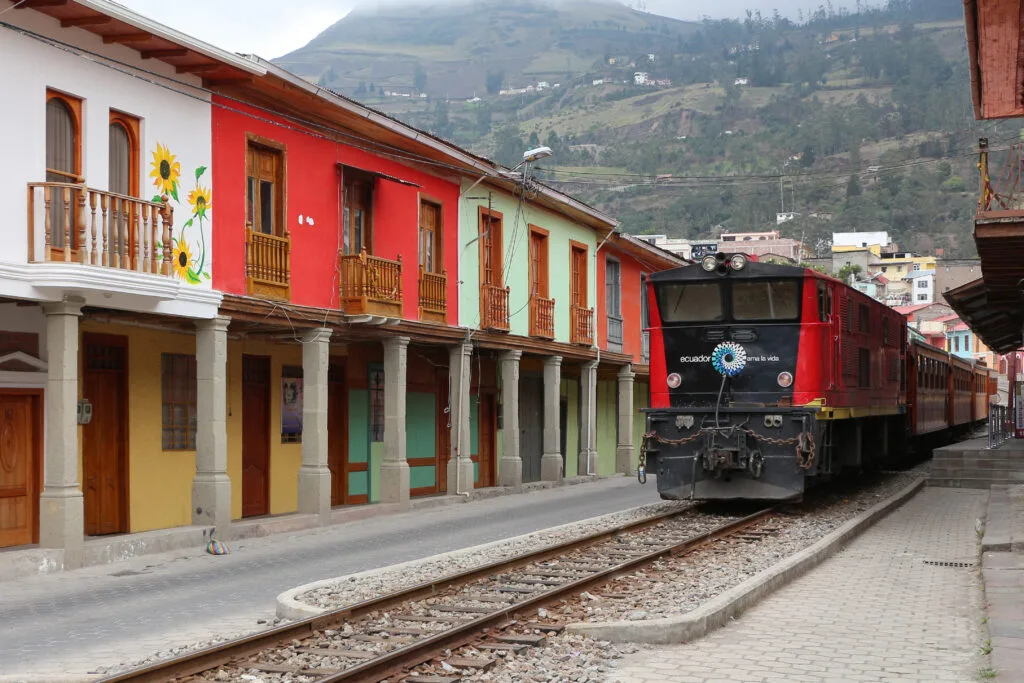
Navigating the climate
In the Ecuadorian Andes, you can experience all four seasons in a single afternoon. Bright, intense sunshine can turn to a torrential downpour or dense fog within thirty minutes. Always pack high-quality waterproof covers for your pack and your tent.
Leave no trace
The páramos surrounding Alausí are fragile ecosystems that provide vital water sources for the entire region. There are no municipal waste collection services in the high mountains. Everything you pack in must be packed out—including organic waste, which decomposes incredibly slowly at high altitudes.
Sourcing supplies in Alausí
Before heading out to the remote sites like Ozogoche or Achupallas, stock up on essential fuel, fresh fruit, grains, and water purification tablets at the central market in Alausí. Once you leave the town limits, shopping options are limited to very basic local kiosks selling dried goods and bottled water.
The Ecuadorian Coast.
Where you’ll find the very best food
The lasting reward of the Andean night
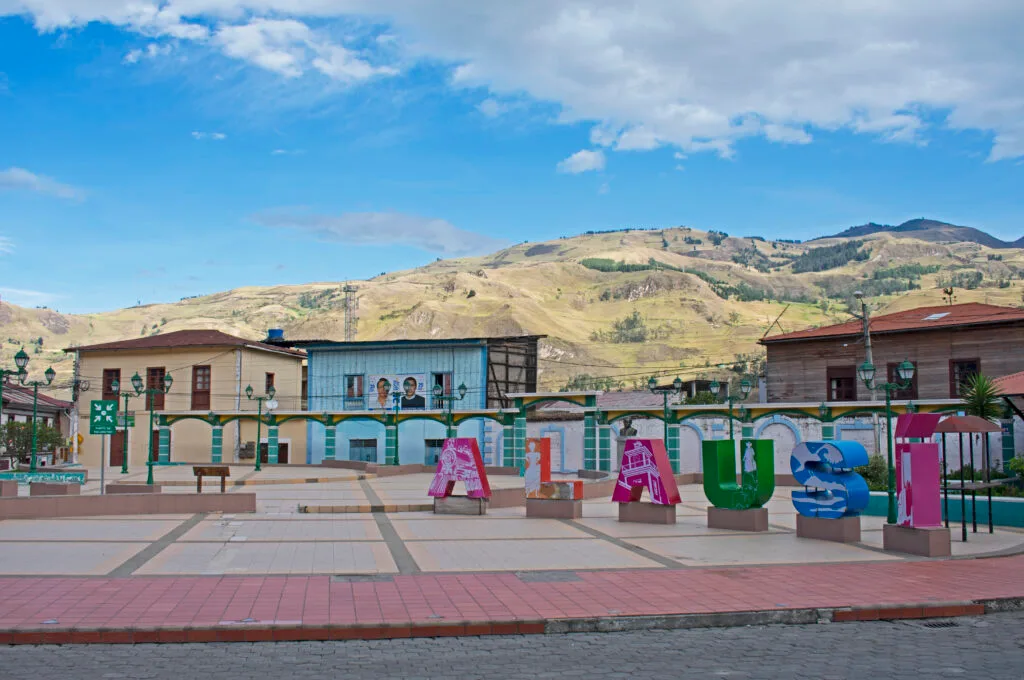
Camping in the Alausí canton is fundamentally an exercise in patience. When the day trippers have boarded their transport back to the lowlands or moved on to the next checkbox on a crowded itinerary, the mountains truly belong to those who choose to stay. By stripping away the unnecessary noise of commercial tours and relying on your own gear and resilience, you earn a far deeper understanding of this terrain. It is found in the sudden stillness of the páramo, the shared warmth of a community-cooked meal, and the simple clarity of the morning air.
Setting up a tent along these high ridges requires effort, but the payoff is immense. It forces a slower pace that aligns perfectly with the true spirit of independent discovery. At Wheely Tyred, the belief remains that the best travel experiences occur when you dictate your own timetable, lingering by a glacial lake or resting under an ancient stone wall simply because the moment feels right.
As you zip up your tent against the crisp evening breeze, with the vast expanse of the Chimborazo province settling into deep silence around you, the logistical challenges of the high altitude fade into the background. Surrounded by history and raw nature, you can finally close your eyes, disconnect from the frantic pace of the modern world, and sleep well.
Frequently asked questions about the best places to camp in Alausí
Local buses and shared trucks (camionetas) depart from the central market area in Alausí heading toward the surrounding villages. For independent travellers on foot or using public transport, checking the daily schedules at the town centre before departure is essential, as services to high-altitude communities can be infrequent.
At altitudes exceeding 3,700 metres, the temperature drops drastically as soon as the sun sets, frequently hovering near freezing. To sleep well, a high-quality four-season sleeping bag, thermal layers, and an insulated sleeping mat are non-negotiable necessities for protection against the intense mountain chill.
Sparsely populated areas like Ozogoche do not have grocery shops, but the local community associations often operate rustic kitchens for visitors. Here, you can purchase simple, hearty traditional meals such as fresh mountain trout and potato soup, which provide excellent warmth before a night in a tent.
Much of the landscape is either a protected national park or collectively owned communal land. Rather than pitching a tent at random, travellers should use designated community-led plots or ask permission from local families. This ensures safety, respects ancestral land rights, and directly supports the local rural economy.
The high páramos have no municipal rubbish collection. Independent travellers must strictly follow Leave No Trace principles, meaning everything packed into the mountains must be packed out. Even organic waste must be carried back to town, as the cold, high-altitude climate slows decomposition to a crawl.
The Andean climate is notoriously volatile; brilliant equatorial sunshine can give way to driving rain or dense fog within thirty minutes. The best approach is to dress in versatile layers, keep a waterproof cover handy for your pack, and ensure your tent is securely staked down to withstand sudden valley winds.
Ecuador.
Pure wonder on the equator.