Exploring Guayaquil / The traveller’s guide to Ecuador’s coastal soul
Essential Guayaquil travel tips, safety advice, and local insights for first-time independent visitors
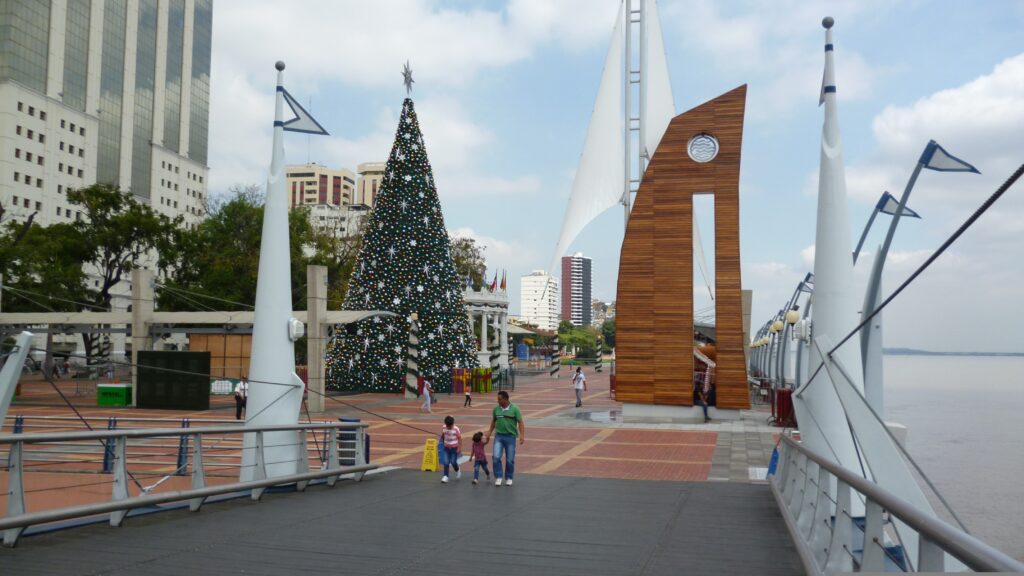
A city of riverside breezes, historic barrios, and bold tropical flavours
BEN FINCH
It is important to address the reality on the ground: at this time, Wheely Tyred does not recommend travelling to Guayaquil unless it is absolutely essential.
While the city’s culture and history are compelling, the current safety climate presents risks that shouldn’t be overlooked by the independent traveller.
For those whose travel is necessary, we have compiled a detailed Guayaquil Safety Guide: Everything You Need to Know Before You Go to ensure you are as informed and secure as possible during your stay.
Often bypassed by travellers rushing toward the high-altitude colonial charm of Quito or the volcanic wonders of the Galápagos Islands, Guayaquil possesses a distinct, raw energy that rewards those who linger. As the main port and largest city in Ecuador, this tropical metropolis moves to a different rhythm than the Andean sierra. It is hot, kinetic, and deeply unpretentious. For the independent traveller arriving by long-distance bus or planning a self-guided route through the coast, understanding Guayaquil requires looking past the standard tourist brochures and engaging with the city on its own terms.
The raw coastal soul of Guayaquil
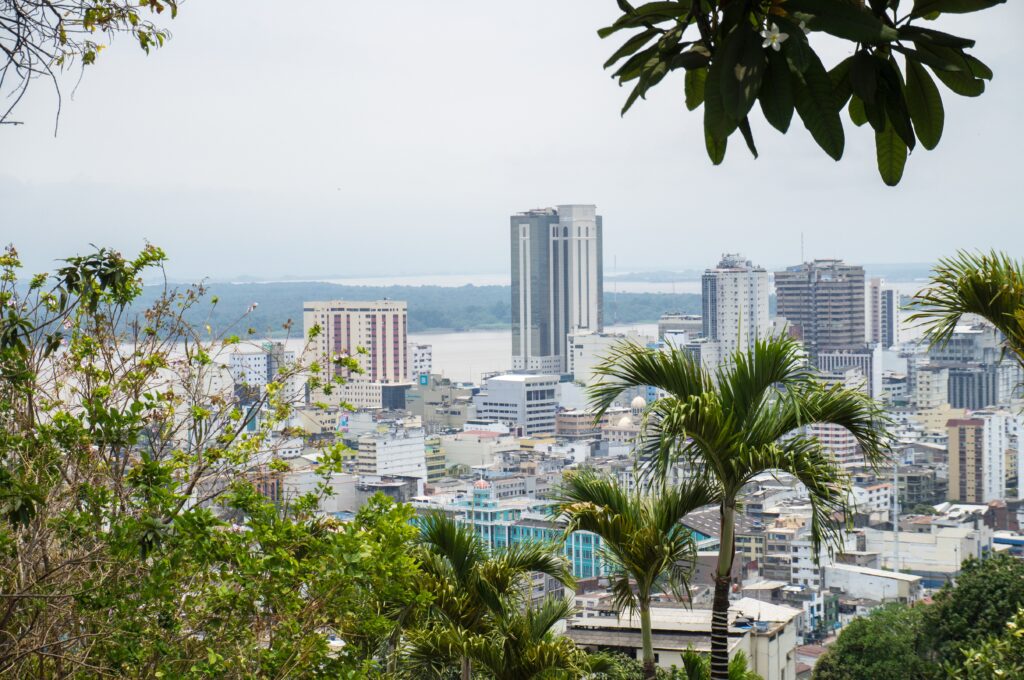
Guayaquil rewards the independent traveller who looks past the typical transit hubs to find a city defined by river breezes and rich heritage. Stepping off the long-distance bus reveals a tropical metropolis balancing historic barrios with bold coastal flavours.
- Equatorial weather shifts: The city features a distinct tropical savanna climate with a humid wet season from December to April and a misty, overcast dry season from May to November
- Barrio contrasts: The historic, brightly painted wooden houses of Las Peñas contrast with the modern riverside promenade of Puerto Santa Ana, offering safe and walkable bases
- The Metrovía and Malecón: Navigating independently relies on the efficient Metrovía bus system and the safe, 2.5km pedestrian highway of the Malecón 2000 boardwalk
- Encebollado culture: The ultimate local culinary staple is a savoury tuna and yuca soup consumed across all levels of society, especially in the mornings
- Urban wildlife: Parque Seminario hosts dozens of free-roaming green iguanas that have become entirely habituated to daily city life
- Cerro Santa Ana vistas: Climbing the 444 numbered steps to the summit lighthouse provides a spectacular 360-degree view of the converging rivers and cityscape
Guayaquil.
The Pearl of the Pacific
Navigating the tropical climate and weather quirks
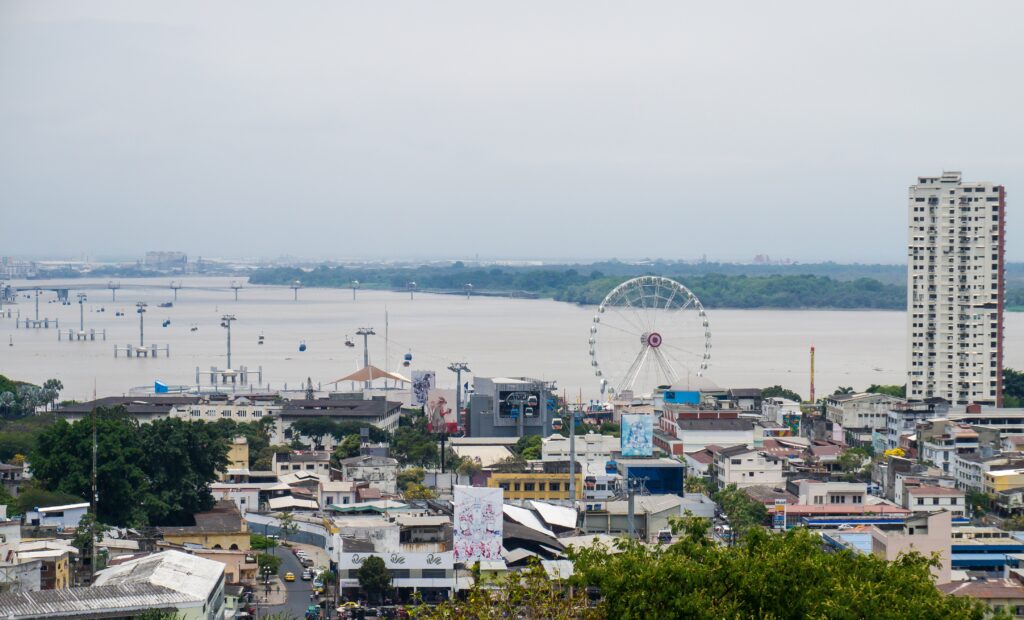
Guayaquil sits just over two degrees south of the equator on the banks of the massive Guayas River. This geographic positioning creates a distinct tropical savanna climate characterised by heavy humidity and sharp seasonal shifts. First-time visitors are often caught off guard by how draining the atmospheric moisture can be, particularly if they have just descended from the cooler Andean heights.
The year is split into two primary seasons. From December to April, the city experiences its wet season. This period brings intense heat, frequently climbing above 32°C, accompanied by heavy, sudden downpours. These equatorial storms usually strike in the late afternoon or evening, occasionally causing localised flooding on the city streets. If you travel during these months, lightweight, breathable clothing is non-negotiable, and a compact, sturdy umbrella is far more useful than a heavy waterproof jacket, which will simply trap heat.
From May to November, the dry season takes over, marked by the arrival of the garúa. This is a fine, misty drizzle accompanied by persistent overcast skies. While temperatures drop to a much more comfortable 25°C to 28°C, the lack of direct sunlight can surprise travellers expecting a bright tropical paradise. Evenings during the dry season can feel surprisingly brisk due to the steady river breezes blowing off the water. A light layer, such as a long-sleeved linen shirt or a lightweight sweatshirt, is ideal for evening walks along the riverfront.
The Ecuadorian Coast.
Where you’ll find the very best food
The independent neighbourhood guide / Where to base yourself
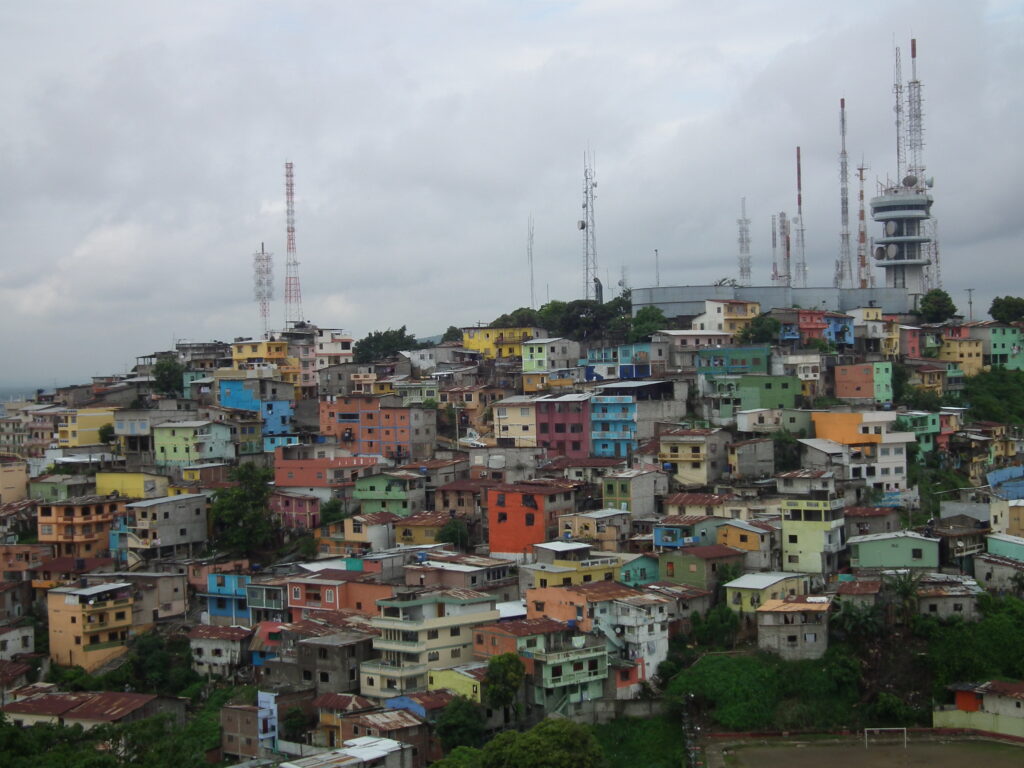
Choosing the right base in Guayaquil is critical for balancing safety, accessibility, and cultural immersion. Because the city is sprawling, independent travellers should look for areas that allow for easy foot transit during the day and secure dining options at night.
Las Peñas and Puerto Santa Ana
For history and atmosphere, Las Peñas is the historic heart of the city. This 400-year-old neighbourhood clings to the side of Cerro Santa Ana and is famous for its brightly painted wooden houses and narrow cobblestone streets. It is the only part of the city where the colonial past remains visible. Directly adjacent to it sits Puerto Santa Ana, a modern, revitalised district featuring contemporary apartment towers, open-air cafes, and a pedestrianised riverside promenade. This combined area is highly policed, well-lit, and exceptionally welcoming for solo travellers and families alike. Staying here provides immediate access to historic architectural sights and excellent local dining without the need for constant taxi rides.
Urdesa
If you prefer a more bohemian, residential vibe, look northwest to the neighbourhood of Urdesa. Originally a mid-century suburb, it has evolved into a vibrant culinary and cultural hub. The main artery, Víctor Emilio Estrada, is lined with independent coffee shops, traditional eateries, and local bars. Urdesa offers an authentic slice of everyday Guayaquileño life, largely untouched by international tourism. It is a fantastic area for travellers who want to spend an afternoon sitting in a café, observing local business life, and enjoying a slower pace.
Areas to approach with caution
While the central business district around Avenida 9 de Octubre is bustling and perfectly functional during daylight hours, it empties out significantly after dark. First-timers should avoid staying deep within the southern sectors of the city or the immediate vicinity of the market zones after business hours, as these areas become prone to opportunistic crime once the shutters come down.
The Galápagos.
Ecuador’s Enchanted Isles
Getting around on your own terms
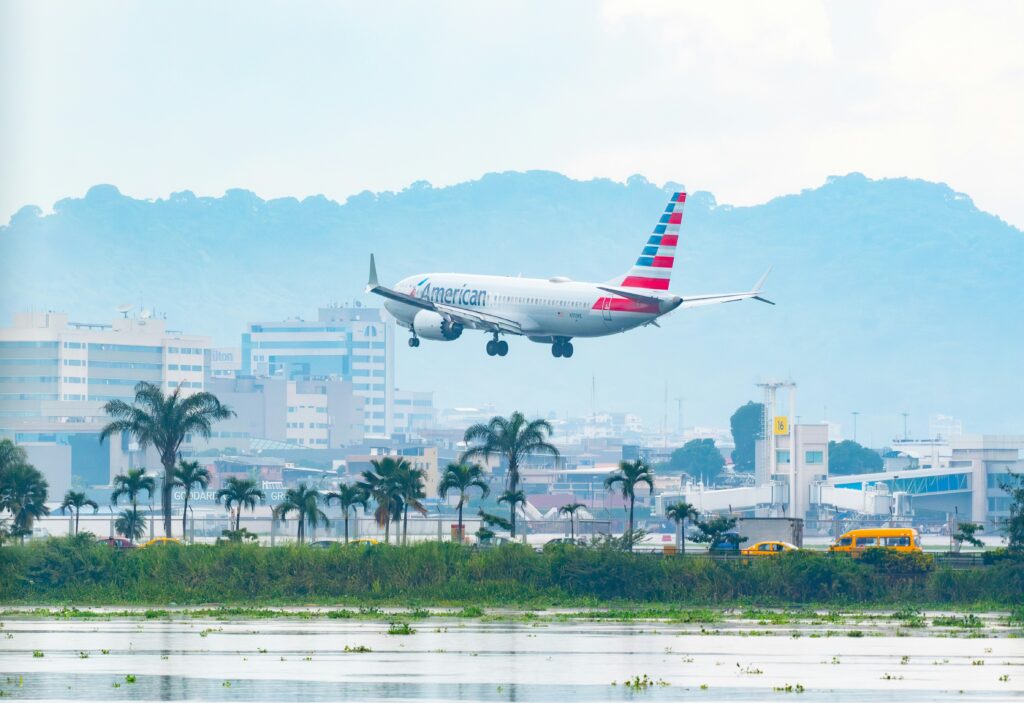
Guayaquil is a major transit hub for western South America, meaning its infrastructure for independent arrivals is highly developed, provided you know how to navigate it.
The Terminal Terrestre
If you arrive by bus from other Ecuadorian provinces or international borders, you will land at the Terminal Terrestre. This is not merely a bus station; it is a massive, multi-level transport complex resembling a modern airport, complete with shops, eateries, and secure banking facilities. It is highly efficient and remarkably clean. From here, you can easily secure tickets to coastal beach towns like Olón or Montañita, or head back up into the mountains toward Cuenca or Quito.
Navigating the city streets
For inner-city travel, the Metrovía is a bus rapid transit system operating on dedicated lanes throughout the city. It is incredibly cheap and efficient for moving between the bus terminal, the city centre, and the northern suburbs. However, it can become intensely crowded during peak commuting hours (07:00 to 09:00 and 17:00 to 19:00). During these times, pickpocketing is common, so independent travellers must keep their bags forward-facing and remain highly aware of their surroundings.
When walking, the Malecón 2000 is your primary pedestrian highway. This two and a half kilometre boardwalk runs parallel to the Guayas River, linking the southern financial district with Las Peñas in the north. It is entirely enclosed, heavily guarded, and offers a peaceful, traffic-free route filled with gardens, museums, and historical monuments.
The Ecuadorian Sierra.
Get lost in the hills
Coastal culinary icons / Authentic Guayaquileño food
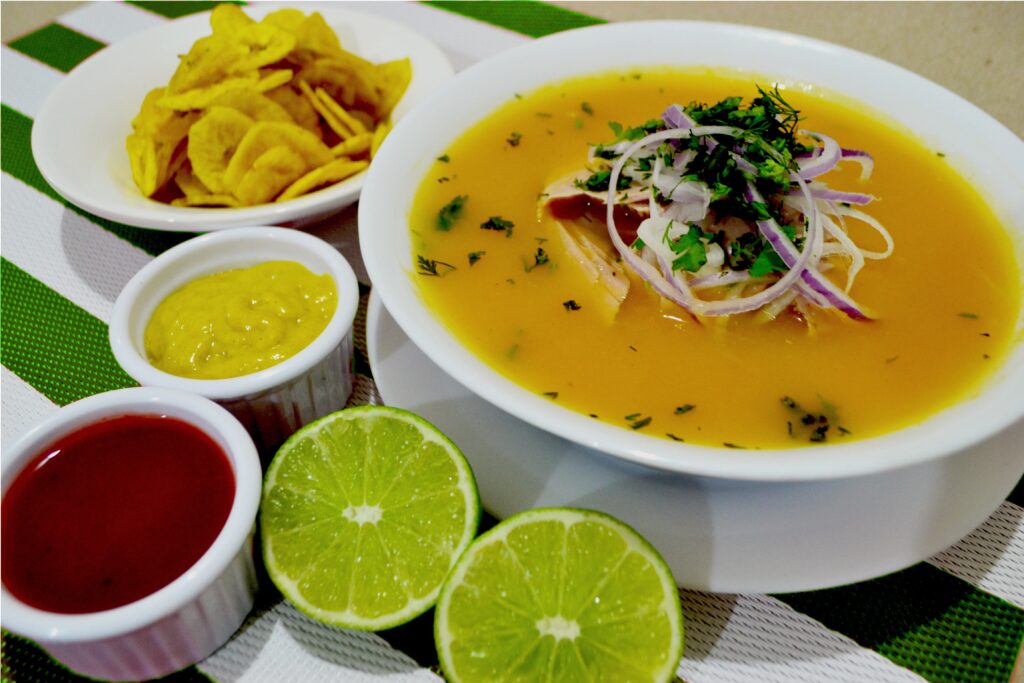
The food of the Ecuadorian coast is vastly different from the potato- and corn-heavy diet of the Andes. In Guayaquil, the cuisine is defined by green plantains (verde), fresh seafood, and peanut sauces. Avoiding international fast-food chains opens the door to some of the most dynamic flavours in South America.
The undisputed king of the local breakfast table is encebollado. This is a rich, deeply savoury fish soup made with fresh tuna, yuca, plenty of red onion, and pickled cilantro. It is seasoned with lime juice and local spices, traditionally served alongside chifles (thinly sliced plantain chips) or bread. For Guayaquileños, this dish is a cultural touchstone, consumed at all levels of society and widely praised as the ultimate cure for tiredness or a long night out. Seek out a local picantería (traditional seafood eatery) in the morning to experience this dish at its best.
Another staple you will encounter on every corner is the bolón de verde. This consists of a large dumpling made from mashed green plantains, mixed with either squeaky local cheese, crispy pork pieces (chicharrón), or a combination of both, which is then fried until the exterior is beautifully crisp. Paired with a fried egg and a cup of black coastal coffee, it provides the perfect fuel for a long day of independent exploration.
Overlooked gems for the deep-dive traveller
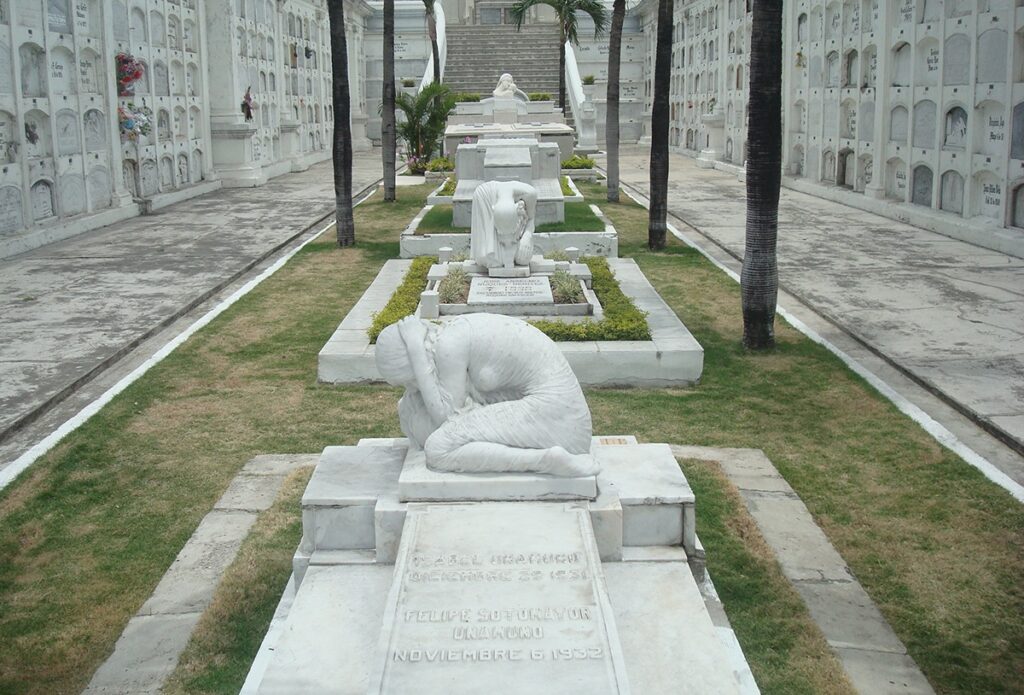
Many visitors walk the length of the Malecón, climb the steps of Cerro Santa Ana, and assume they have seen Guayaquil. To truly understand the city, you need to visit the spots where local history and ecology intersect.
Parque Seminario / The iguana park
Located directly in front of the city cathedral, this small, historic plaza looks like a standard urban square at first glance. However, it is home to dozens of green iguanas, some reaching up to one and a half metres in length, that roam freely across the grass, pathways, and tree branches. Originally brought down from the surrounding tropical forests decades ago, these reptiles have become entirely habituated to urban life. Watching locals casually read the newspaper on a bench while a prehistoric-looking iguana suns itself next to them offers a brilliant glimpse into the surreal elements of daily life here.
The 444 steps of Cerro Santa Ana
To get a proper sense of the city’s geography, walk to the northern end of the Malecón and begin the climb up the 444 numbered steps to the summit of Cerro Santa Ana. The path winds through a revitalised residential area filled with small independent shops, art galleries, and cafes. Each step is clearly numbered, allowing you to track your progress. At the very top stands a picturesque lighthouse (El Faro) and a small chapel. From the viewing platform, you get an uninterrupted, 360-degree view of the convergence of the Daule and Babahoyo rivers forming the Guayas River, the sprawling downtown skyline, and the colourful rooftops of the historic barrio below.
The Ecuadorian Amazon.
The most biodiverse place in the world
Local etiquette and practical safety realities
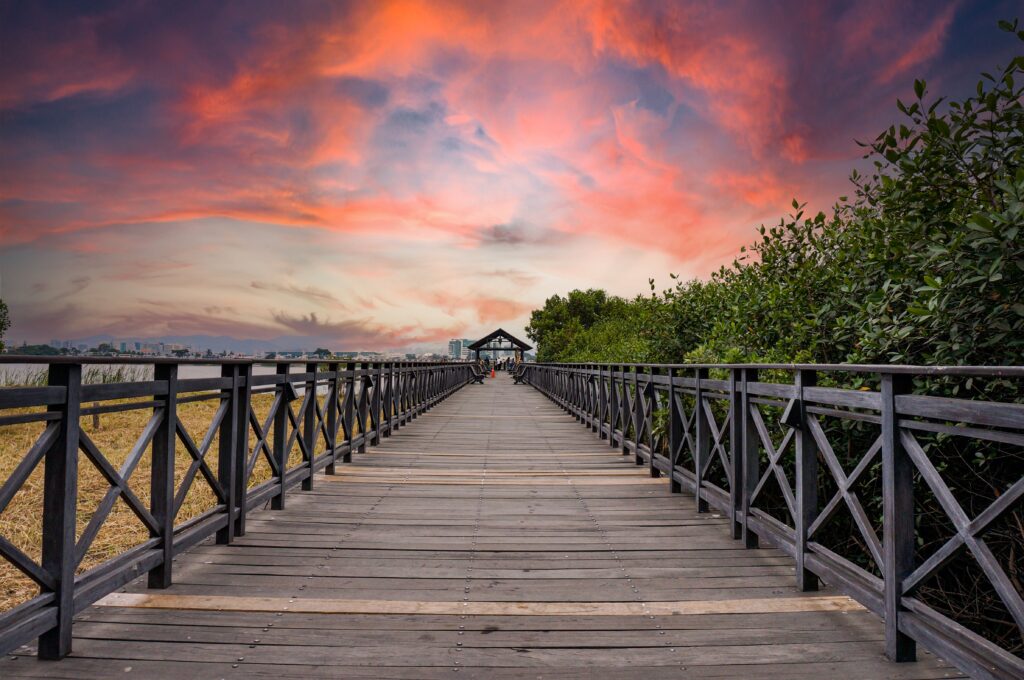
Independent travel requires a realistic, grounded approach to personal safety, especially in major port cities. Guayaquil requires a higher level of situational awareness than smaller Ecuadorian towns, but following basic principles ensures a smooth trip.
First, flashiness should be avoided entirely. Keep expensive camera gear tucked away in a nondescript backpack when walking through busy public markets or central streets. Use your smartphone discreetly inside shops or cafes rather than holding it out while walking along the pavement.
When it comes to transport at night, do not hail yellow cabs directly from the street. Instead, use registered ride-sharing applications or ask your accommodation host to call a trusted, cooperative taxi service. This simple step eliminates the risk of encountering unregistered drivers.
In terms of local customs, Guayaquileños are remarkably warm, expressive, and proud of their coastal identity. A polite greeting of buenos días (good morning) or buenas tardes (good afternoon) when entering a shop, ordering food, or speaking with a transit official goes a long way. Taking the time to exchange these pleasantries shows respect for local etiquette and instantly changes the dynamic of your interaction, marking you out as a conscious, respectful visitor rather than a rushed tourist.
Affiliate Disclaimer: Some of the links on Wheely Tyred are affiliate links. If you click through and make a booking or purchase, we may earn a small commission at no extra cost to you. We only recommend gear, tours, stays, and services we genuinely use, trust, and stand behind — our editorial independence always comes first. These commissions help keep our independent cycling guides and travel stories free to read. Thanks for supporting the ride!
Frequently asked questions about visiting Guayaquil
For long distances or connecting to other provinces, the Terminal Terrestre is a highly efficient transport complex. Within the city, the Metrovía bus rapid transit system is cheap and quick, while the pedestrianised Malecón 2000 boardwalk offers a secure, traffic-free walking route along the riverbank.
Lightweight, breathable clothing is essential year-round due to the high humidity. During the rainy season from December to April, carry a sturdy umbrella rather than a heavy waterproof jacket. For the cooler dry season evenings from May to November, a lightweight sweatshirt or long-sleeved shirt helps block the river breeze.
Keep a high level of situational awareness, avoid showing expensive items like cameras or smartphones on the pavement, and stick to heavily policed areas during the day. At night, always use registered ride-sharing applications instead of hailing yellow cabs directly from the street.
You must try encebollado, a rich tuna and yuca soup served with plantain chips, which is a staple morning meal. Another icon is the bolón de verde, a fried dumpling made of mashed green plantains stuffed with cheese or crispy pork, best enjoyed alongside local black coffee.
The central business district around Avenida 9 de Octubre is busy during the day but empties out considerably after dark. It is best to avoid staying deep within the southern sectors or market zones after business hours, opting instead for well-lit, secure neighbourhoods like Puerto Santa Ana or Urdesa for evening dining.
The green iguanas were originally brought down to the historic urban square from the surrounding tropical forests decades ago. Over time, they have become completely habituated to the city, creating a unique environment where they roam freely amongst locals relaxing on park benches.
Ecuador.
Pure wonder on the equator.