Essential food and drink in San Cristóbal, Galápagos
Discover what to eat in San Cristóbal with our guide to local seafood, volcanic coffee, and top-rated island restaurants
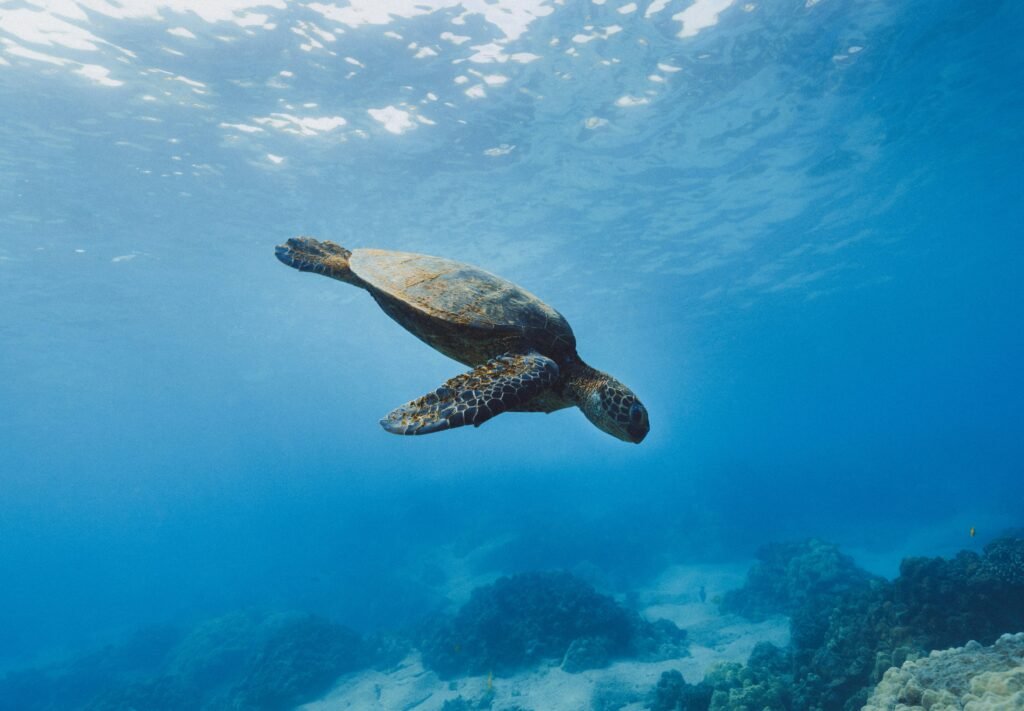
Unpick the true culinary soul of the easternmost Galápagos island
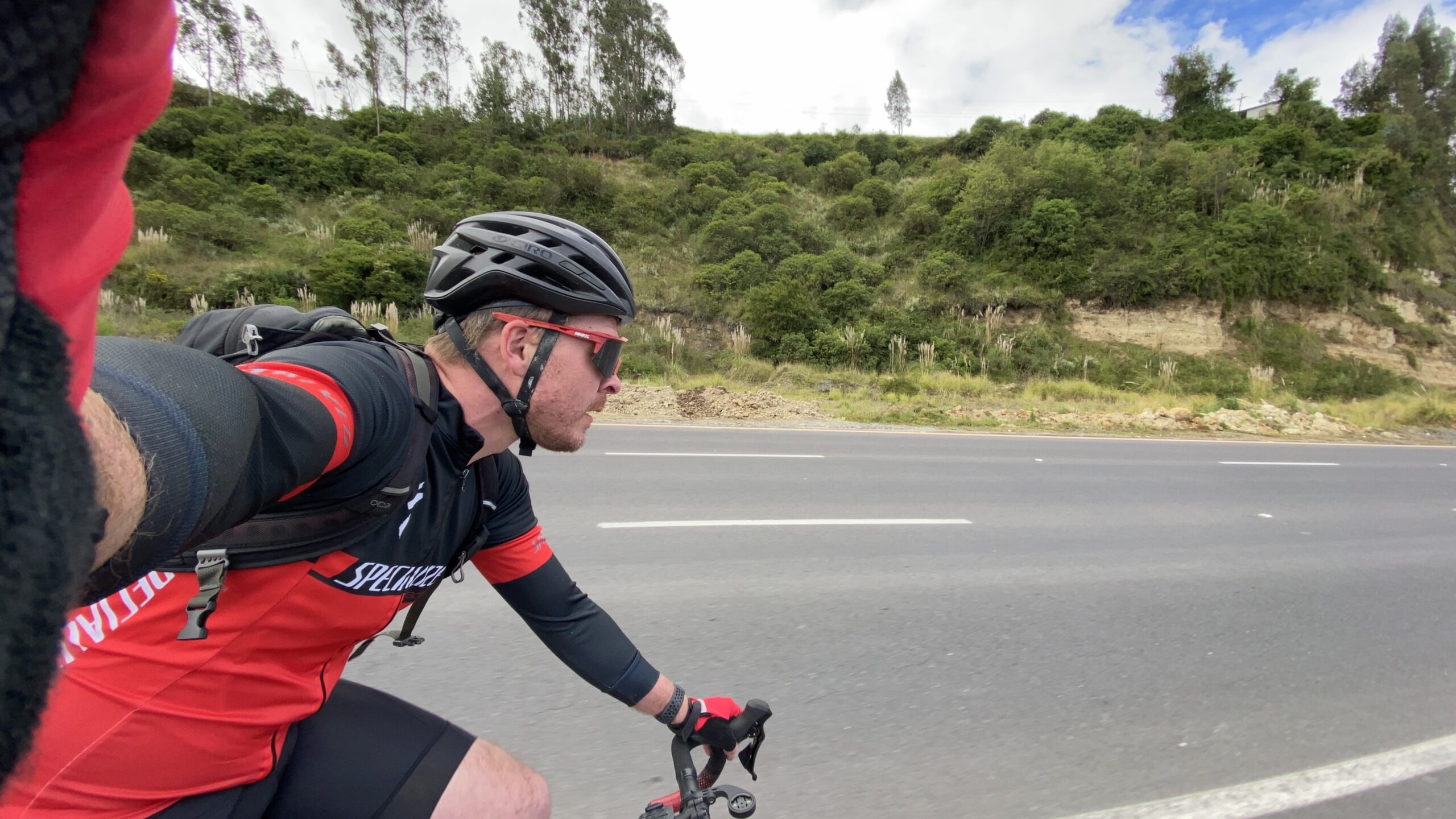
BEN FINCH
San Cristóbal is often introduced through its wildlife: sea lions sprawling across waterfront benches, marine iguanas sunning on black basalt, and blue-footed boobies nesting along the cliffs. Yet for the independent traveller stepping off the inter-island ferry or setting out on foot from Puerto Baquerizo Moreno, the island reveals another distinct identity through its tables.
As the oldest geological island in the archipelago, San Cristóbal boasts something rare in the Galápagos: fertile volcanic highlands capable of supporting agriculture. This unique geography creates a food culture defined by two forces: the nutrient-rich waters of the Pacific Ocean and the rich, misty soils of the island interior.
Dining here is not about elaborate fine-dining theatre or imported luxury; it is an exercise in freshness, seasonal availability, and coastal Ecuadorian tradition adapted to island isolation.
Whether you are pausing after a morning hike along the coastal paths or refuelling following a pedal up into the highlands, this guide outlines the traditional dishes, volcanic brews, and standout independent eateries that define eating well on San Cristóbal.
Essential takeaways for tasting San Cristóbal
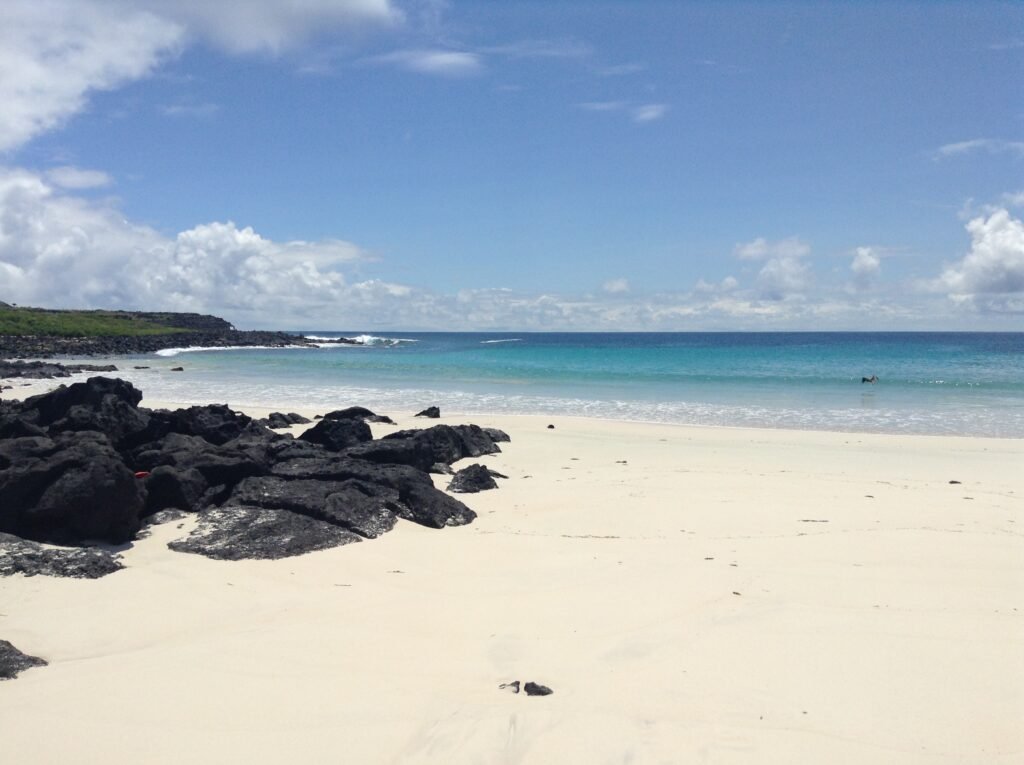
Navigating the island’s food landscape requires looking past tourist-oriented waterfront strip joints and tuning into local rhythms. Here is a quick breakdown of the core flavours, essential spots, and coastal stews that define eating well in Puerto Baquerizo Moreno.
- Coastal delicacy: Seek out canchalagua ceviche, an endemic intertidal mollusc cured in fresh lime and red onion, harvested by hand at low tide along the shoreline
- Island breakfast: Fuel morning explorations with encebollado de pescado, a rich albacore tuna and yuca soup topped with pickled red onions and crispy chifles
- Volcanic terroir: Sip shade-grown Arabica coffee cultivated in the mist-laden volcanic soils of the El Progreso highlands
- Sustainable seafood: Visit Muyu Galápagos on the malecón for an innovative farm-to-table menu rooted in local organic produce and artisanal line-caught fish
- Traditional stews: Head to El Descanso del Guía for authentic, heart-warming cazuelas and coastal stews favoured by island locals
- Local brew: End warm evenings at Cervecería Endémica, sampling craft beers brewed using purified highland rainwater
San Cristóbal.
Laid-back in the Galápagos
Five traditional dishes and drinks to try
1. Ceviche de canchalagua
While fish and shrimp ceviches are found across coastal Ecuador, canchalagua is a uniquely Galapageño delicacy. The canchalagua is a species of chiton, a marine mollusc that clings stubbornly to the intertidal basalt rocks along the shoreline. Harvested by hand at low tide by local fishers, its meat is firm, textured, and deeply savoury, often compared to abalone or clam.
To prepare the dish, the meat is sliced thin and flash-cured in fresh lime juice, red onions, tomatoes, coriander, and occasionally a hint of ginger. It is served chilled alongside chulpi (toasted corn kernels) or plantain chips (chifles).
The high acidity of the lime cuts through the dense texture of the mollusc, producing a dish that tastes intensely of the Pacific Ocean. Because harvesting canchalagua is labour-intensive and tide-dependent, it is not available every day; when you see it on a chalkboard menu in port, order it immediately.
2. Encebollado de pescado
If there is one dish that fuels daily life in San Cristóbal, it is encebollado. Originally created by coastal fishermen as a nourishing morning meal after long nights at sea, this robust fish soup has become Ecuador’s undisputed national comfort food.
The foundation of a proper encebollado is fresh albacore tuna, boiled alongside yuca (cassava), red onions, garlic, cumin, and fresh coriander. The fish is flaked into large chunks, submerged in the rich, reddish broth, and topped with a generous mound of red onions pickled in lime juice.
It is served steaming hot, accompanied by a basket of plantain chips, popcorn, or bread. Locals routinely add a squeeze of fresh lime and a drizzle of chilli oil at the table. It is hearty, deeply satisfying, and easily found in modest morning eateries near the municipal harbour.
3. Encocado de pescado
Rooted in the Afro-Ecuadorian culinary heritage of the Esmeraldas province on the mainland, encocado found a natural home in the Galápagos, where fresh fish and coconuts are in ready supply.
The dish centres on fresh ocean catch—typically wahoo, mahi-mahi, or sailfish—poached gently in a sauce made from freshly squeezed coconut milk, bell peppers, tomatoes, onions, garlic, and achiote (annatto paste), which gives the gravy its warm golden hue.
The coconut milk reduces into a velvety sauce that coats the fish without overpowering its natural flavour. Encocado is traditionally served over a bed of white rice with fried green plantains (patacones), making it an ideal, comforting dinner after a day outdoors.
4. Pez brujo / Whole fried scorpionfish
Known locally as pez brujo (literally wizard fish), the red scorpionfish is a bottom-dwelling species caught in the rocky reef waters surrounding San Cristóbal. Despite its venomous spines—which are carefully removed by fishers before reaching the market—its flesh is prized for being sweet, white, and exceptionally tender.
The fish is typically scored, seasoned simply with salt, garlic, and cumin, and fried whole until the skin turns golden and crispy. Served whole on the plate alongside coconut rice, fried plantains, and a light cabbage salad, pez brujo is a staple of traditional island lunch spots.
Eating it requires a little patience to navigate the bones, but the quality of the meat makes it one of the finest fish dinners on the island.
5. Highland volcanic coffee
Agriculture on San Cristóbal is concentrated in the moist, elevated interior around the village of El Progreso. Here, at altitudes between 200 and 400 metres above sea level, coffee trees thrive in volcanic, mineral-rich soil beneath the canopy of native flora.
First introduced to the island in the late 19th century by early settlers, San Cristóbal coffee consists primarily of heirloom Bourbon and Typica Arabica varieties. The combination of high humidity, volcanic soil, and ocean breezes creates a distinct microclimate, producing coffee beans with low acidity, a medium body, and natural tasting notes of dark chocolate, toasted nuts, and mild citrus.
Enjoying a cup of locally roasted highland coffee in town offers a direct link to the island’s interior farming history.
The Galápagos.
Ecuador’s Enchanted Isles
Recommended places to eat and drink in San Cristóbal
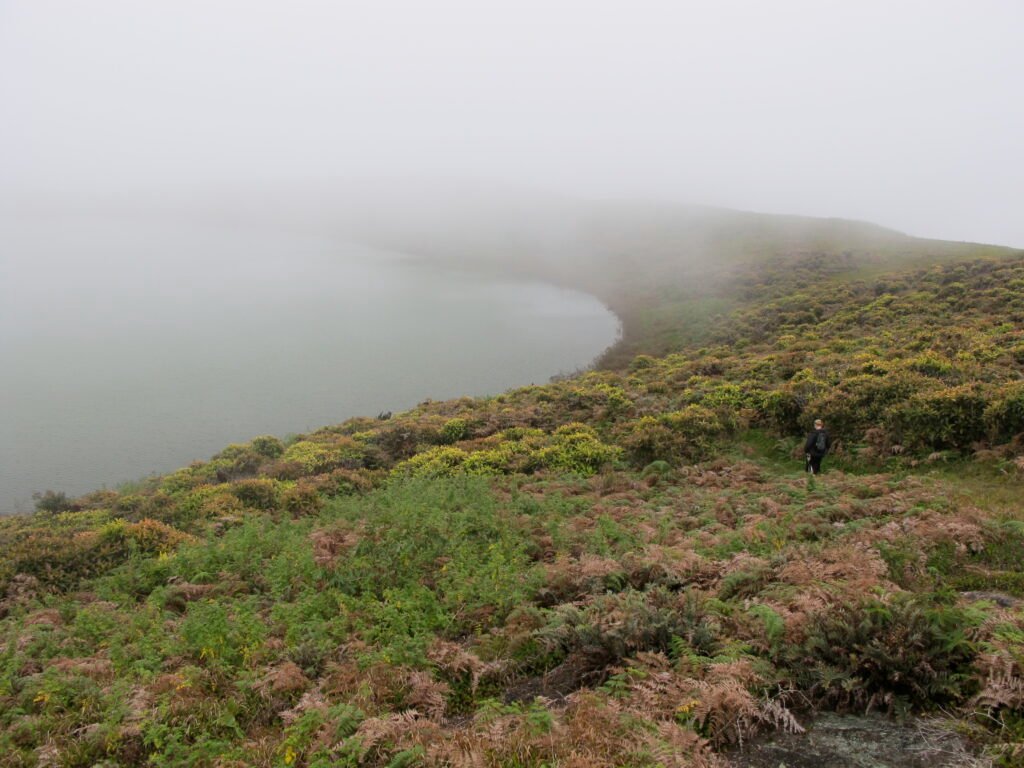
To experience the best of San Cristóbal’s food scene, we have selected independent establishments in Puerto Baquerizo Moreno that emphasise local sourcing, authentic recipes, and high culinary standards.
Restaurante Rosita
Address: Ignacio de Loyola, Puerto Baquerizo Moreno
Restaurante Rosita has been feeding the community of Puerto Baquerizo Moreno for decades. It remains a cornerstone of traditional island dining, offering daily lunch menus (almuerzos) that deliver exceptional value alongside a full à la carte dinner menu.
This is the place to order pez brujo fried whole, or a bowl of local shrimp ceviche served with crisp chifles. The dining space is straightforward, welcoming, and focused entirely on honest, home-style coastal cooking.
Cervecería Endémica
Address: Ignacio de Loyola & General Villamil, Puerto Baquerizo Moreno
San Cristóbal’s sole craft brewery, Cervecería Endémica, offers an ideal evening setting to sample island-brewed beers. The brewery incorporates purified rainwater collected in the moist highlands and names its brews after endemic species of the archipelago.
From crisp blond ales suited to warm coastal afternoons to rich stouts infused with local highland coffee, the beers are unfiltered and freshly brewed on site. Paired with simple pub fare, it serves as a relaxed gathering spot for independent travellers returning from a day spent exploring the coast.
The Ecuadorian Sierra.
Get lost in the hills
Practical advice for the independent diner
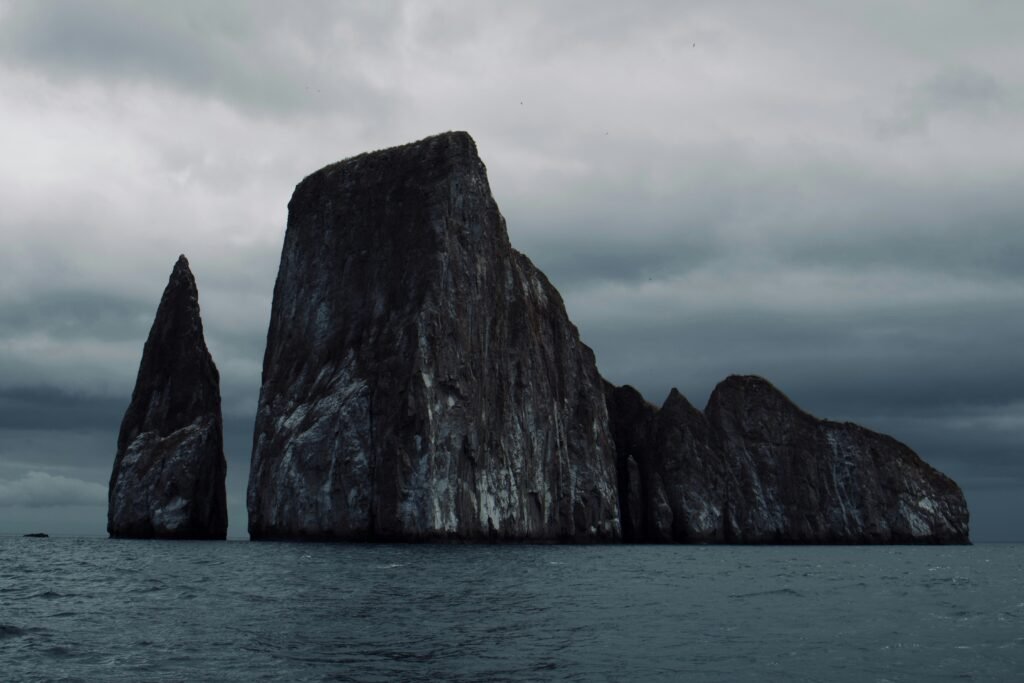
Navigating the food landscape in San Cristóbal requires paying attention to local rhythms rather than tourist timetables:
- Visit the municipal fish market early: Located near the main pier, the small waterfront market is active in the morning as small wooden boats return with their catches. Watching the fishers fillet tuna and scorpionfish while sea lions and pelicans wait patiently for scraps provides a clear picture of how seafood reaches your plate
- Explore the highland farms: If travelling by bicycle or local taxi up to El Progreso and La Soledad, look for roadside farm stands selling fresh passion fruit, tree tomatoes (tomate de árbol), and locally roasted coffee beans directly from the producers
- Respect seasonal bans: The Galápagos National Park strictly regulates fishing seasons to protect marine life. Spiny lobster, for instance, has a defined open harvest period (typically late in the year). Avoid ordering restricted species outside their official season
The Ecuadorian Amazon.
The most biodiverse place in the world
Savour the slow pace of the easternmost island

Travelling independently across San Cristóbal reveals a side of the Galápagos that exists far outside the rigid confines of organised tour schedules. When you move at your own speed—whether walking along the coastal trails, pedalling into the misty highlands of El Progreso, or sitting by the harbour as the fishing fleet docks—the culinary choices become an organic extension of the landscape itself.
The island does not demand that you chase reservations or navigate pretension. Instead, it offers an honest relationship between environment and plate. From the morning catch sold along the pier to the slow-poached encocado enjoyed in a side-street family dining room, every meal reflects the resilience and quiet charm of an isolated Pacific outpost.
Take time to pause between excursions, talk with local vendors, and let seasonal availability dictate your choices. By choosing independent eateries and respecting conservation guidelines, you actively support the local economy while discovering the authentic flavours that make this volcanic sanctuary so memorable.
Affiliate Disclaimer: Some of the links on Wheely Tyred are affiliate links. If you click through and make a booking or purchase, we may earn a small commission at no extra cost to you. We only recommend gear, tours, stays, and services we genuinely use, trust, and stand behind — our editorial independence always comes first. These commissions help keep our independent cycling guides and travel stories free to read. Thanks for supporting the ride!
The Ecuadorian Coast.
Where you’ll find the very best food
Frequently asked questions about what to eat in San Cristóbal
No, tap water on the island is not potable for visitors. Always drink filtered or purified water. Many guesthouses and restaurants provide refill stations, so carrying a reusable water bottle is recommended to minimise single-use plastic across the archipelago.
Dining costs vary depending on where you choose to eat. Traditional local eateries offering daily set lunches (almuerzos) typically cost between $5 and $8 USD for a soup, main dish, and juice. Mid-range restaurants and speciality sea-to-table dining rooms generally range from $15 to $35 USD per main course.
Ecuador uses the US dollar ($). Cash remains king in San Cristóbal, particularly at smaller eateries, markets, and bakery stalls. While upscale establishments accept major credit cards, a processing surcharge is common, and card machines frequently lose signal. Carry sufficient cash for daily expenses.
While traditional Galapageño cuisine relies heavily on seafood and meat, plant-based options have grown significantly. Dishes centred on yuca, plantains (patacones), rice, and beans are widely available. Specialist farm-to-table venues like Muyu Galápagos cater thoughtfully to vegetarian and vegan diets using local organic produce.
Encebollado is traditionally enjoyed as a breakfast or early morning meal. Local eateries open early to serve fishermen and workers, often selling out by early afternoon. To experience it at its freshest, head to a neighbourhood spot between 7:00 am and 10:00 am.
Yes, you can buy roasted San Cristóbal coffee beans directly from local roasters or shops in town. Fresh fruit and vegetables can be purchased at the municipal market in Puerto Baquerizo Moreno. Keep in mind that strict biosecurity rules apply when moving organic items between islands or back to the mainland, so ensure processed goods like packaged coffee are commercially sealed.
Ecuador.
Pure wonder on the equator.