The essential coffee guide to San Cristóbal, Galápagos
Where to find the best speciality coffee, artisan roasters, and quiet cafés in San Cristóbal
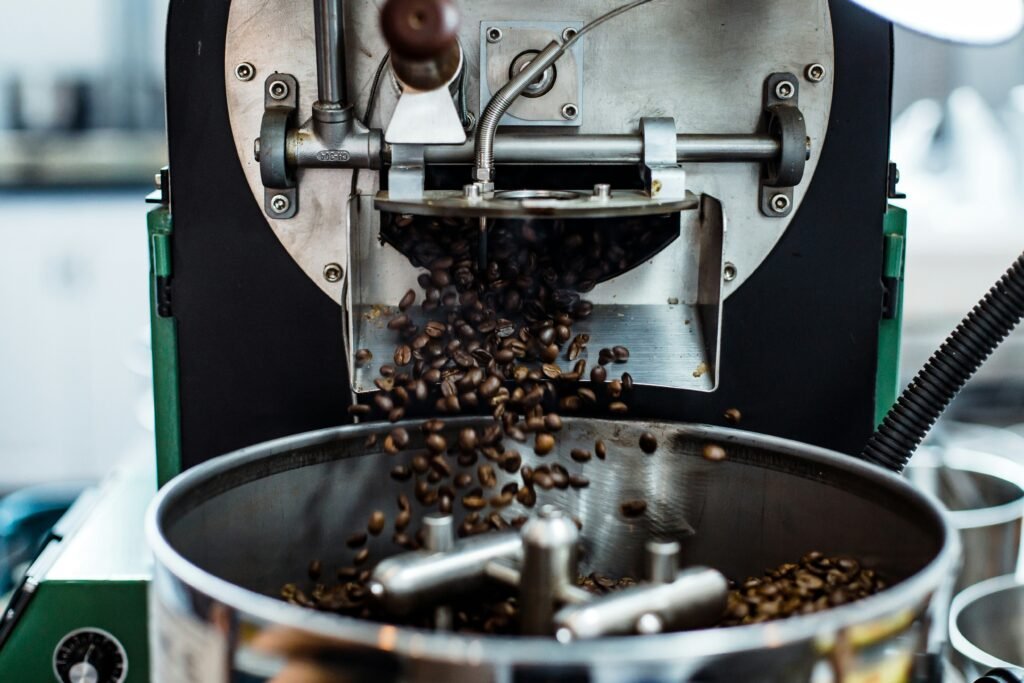
High-elevation volcanic soils and the slow art of island roasting
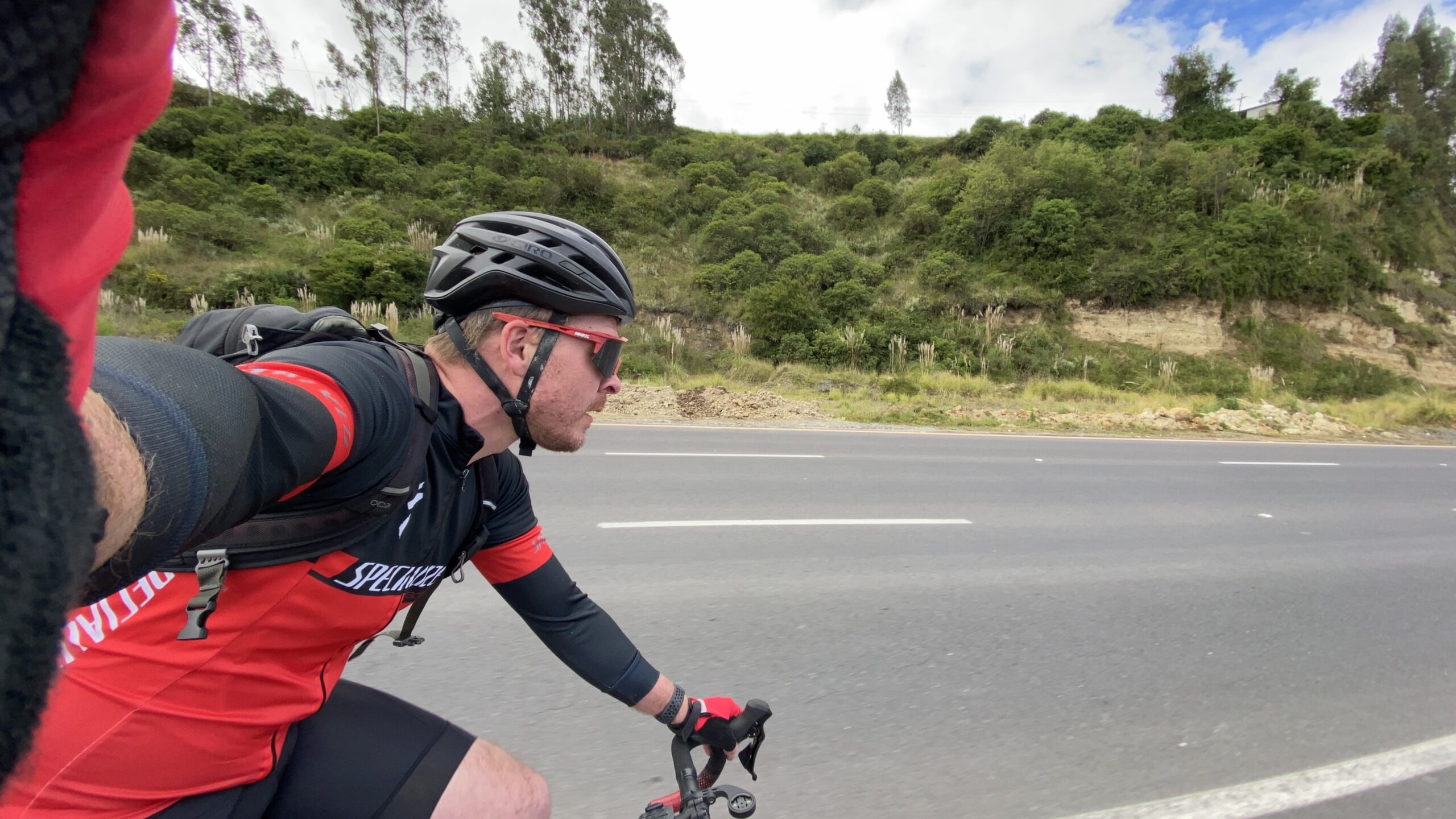
BEN FINCH
Stepping onto San Cristóbal Island, the easternmost jewel of the Galápagos archipelago, presents a landscape defined by volcanic earth, turquoise waters, and an unhurried pace of life. While most visitors arrive with visions of giant tortoises and sea lion colonies, discerning coffee lovers quickly discover another remarkable feature: one of the rarest coffee-growing terroirs in the world.
Coffee was first introduced to San Cristóbal in the late nineteenth century, planted in the lush, mist-shrouded highlands near El Progreso and Hacienda El Cafetal. Bathed in cool Pacific breezes, nourished by mineral-rich volcanic ash, and grown under the dense shade of native trees, these plants thrived without the need for artificial chemicals. Because strict environmental protections guard the islands, agricultural practices here remain inherently organic, small-scale, and eco-conscious.
For independent travellers exploring on foot, by bicycle, or via local transport, finding an exceptional cup of coffee is about more than just a caffeine boost. It is an invitation to engage with the culture of the island, support local agroforestry projects, and take a moment to absorb the atmosphere of Puerto Baquerizo Moreno. Here is our curated guide to the finest coffee spots across San Cristóbal.
Essential island coffee notes
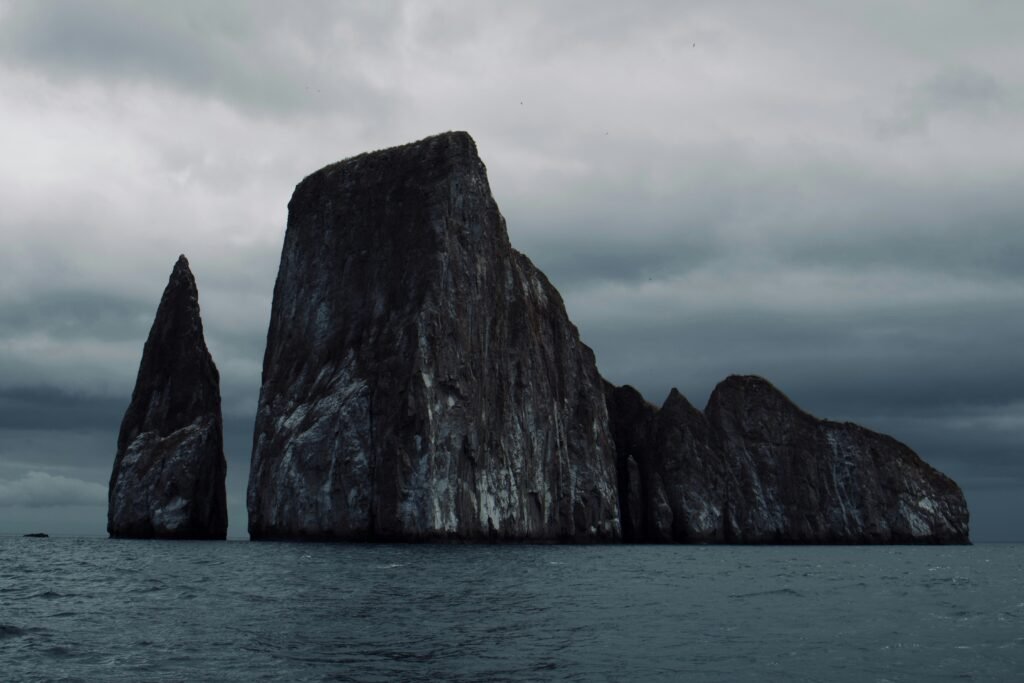
Whether you are stopping for a quick post-ride espresso in Puerto Baquerizo Moreno or pedalling into the humid highlands to visit a family-run estate, San Cristóbal offers a coffee experience unlike anywhere else on Earth. Here is a quick snapshot of the key spots, roasts, and local insights to keep in mind for your journey across the island.
- Ranti Galápagos Coffee: The island’s dedicated speciality roasting lab and coffee school, ideal for precise V60 pour-overs, single-origin roasts, and local barista knowledge
- Galápagos Coffee the Petrels: A highland agroforestry farm near Laguna del Junco offering organic farm-to-cup coffee served right beneath the native forest canopy
- KachiTanta: An exceptional artisan sourdough bakery crafting rich espresso beverages, perfect for morning pastries or takeaway lunches before a coastal ride
- Sea Garden: A tranquil oceanfront garden retreat situated away from the main port crowds, ideal for quiet morning journaling and long-stay travellers
- Volcanic Terroir: Island beans benefit from mineral-rich volcanic ash, equatorial sun, and cool ocean mists (garúa), resulting in a remarkably smooth cup with naturally low acidity
- Sustainable Agroforestry: Shade-grown coffee plantations act as vital wildlife corridors for endemic species, making every cup a direct contribution to island conservation
San Cristóbal.
Laid-back in the Galápagos
Ranti Galápagos Coffee / Education, speciality extraction, and pride
- Signature Drinks: V60 pour-over with single-origin San Cristóbal beans, iced almond milk cappuccinos
- Vibe: Mindful, community-centred, and deeply passionate about coffee craftsmanship
- Traveller Tip: Pick up a bag of whole-bean coffee here as a souvenir; the roasts feature distinct chocolate and citrus notes unique to the island’s soil
Tucked away on Calle Española in Puerto Baquerizo Moreno, Ranti Galápagos Coffee represents the forefront of speciality coffee culture in the archipelago. More than just a café, Ranti operates as the first dedicated coffee school and roasting lab in the Galápagos Islands.
Founded with a vision to train local baristas and elevate island-grown coffee, this unpretentious spot is a sanctuary for true coffee enthusiasts.
The baristas at Ranti treat every extraction as an art form. Sourcing high-grade Arabica beans cultivated directly on local volcanic farms, they offer a range of brewing methods from precise pour-overs to rich, balanced espresso drinks.
The signature iced lattes, made with house-prepared almond milk, offer the ideal refreshment after a morning walking along the coast. The interior atmosphere is relaxed, welcoming, and filled with local artwork, making it a peaceful haven to read, write, or plan your next route.
Galápagos Coffee the Petrels / A highland farm-to-cup experience
- Signature Drinks: Freshly roasted espresso, traditional pour-over coffee brewed with farm-fresh water
- Vibe: Rustic, immersed in nature, and eco-focused
- Traveller Tip: Combine your visit with a self-guided or guided walk through the plantation to learn about the island’s sustainable harvesting methods
Located at Kilometre 7.8 along the road to Laguna del Junco, Galápagos Coffee the Petrels provides an authentic farm-to-cup experience in the highlands of San Cristóbal. Set amidst lush agroforestry plantations, this estate operates as both an active eco-farm and a serene highland café.
The coffee bushes grow under the canopy of native trees that provide critical habitat for endemic birds, including the endangered Galápagos petrel.
Visiting the farm café offers a refreshing contrast to the coastal heat of the port town. Guests can enjoy freshly roasted, organic single-origin coffee served right where the cherries are picked and processed.
The flavour profile here is remarkably smooth, characteristically low in acidity, and rich with subtle caramel and herbal undertones. Paired with a light breakfast while overlooking the verdant highland hills, a stop here is an absolute highlight for anyone exploring the interior of the island by bike or taxi.
The Galápagos.
Ecuador’s Enchanted Isles
KachiTanta / Sourdough craftsmanship and fresh espresso
- Signature Drinks: Creamy iced lattes, rich double espressos, house-made kombucha
- Vibe: Energetic, artisan, and warm
- Traveller Tip: Space can be cosy, so pick up a takeaway lunch and coffee to enjoy as a quiet oceanfront picnic at nearby Playa de Oro
Situated on Avenida Alsacio Northia in Puerto Baquerizo Moreno, KachiTanta is an extraordinary artisan bakery and café that has won the hearts of locals and independent travellers alike.
Known for bringing traditional sourdough baking techniques to a remote Pacific island, KachiTanta complements its exceptional bread with a superb coffee menu.
Mornings at KachiTanta begin early, with the irresistible aroma of freshly baked focaccia, whole-wheat sourdough loaves, and banana cake filling the air. The café serves beautifully extracted espresso beverages crafted with local beans, available with dairy or plant-based milk alternatives.
Whether you stop in for a cold brew coffee and a savoury vegetable focaccia sandwich before hiking out to Cerro Tijeretas, or grab a bag of fresh pastries for a day trip to Punta Carola, KachiTanta consistently delivers unmatched quality.
Sea Garden / Peaceful oceanfront brews and garden quiet
- Signature Drinks: Flat whites, refreshing iced Americanos, tropical fruit smoothies
- Vibe: Serene, breezy, and comfortable for slow mornings
- Traveller Tip: Visit during the mid-morning hours for the quietest atmosphere and unobstructed views of the coast
For travellers seeking a quiet place to unwind near the water without the noise of busy tour groups, Sea Garden offers a calm oceanfront retreat in Puerto Baquerizo Moreno.
Positioned slightly away from the main commercial pier, this café features an open-air layout surrounding a green garden space, allowing guests to enjoy ocean breezes while sipping their morning coffee.
The coffee menu at Sea Garden emphasises rich, locally sourced Ecuadorian roasts prepared with care. From classic Americanos to iced coffee drinks, the beverages are smooth and well-balanced.
The food menu focuses on fresh fruit bowls, eggs, and light vegetarian lunches, making it an ideal location for long-stay travellers looking to catch up on writing, journaling, or simply watch marine iguanas amble along the rocky shore nearby.
The Ecuadorian Sierra.
Get lost in the hills
Nativo / Modern craft drinks and island flavours
- Signature Drinks: Cortados, iced matcha lattes, double-shot espressos
- Vibe: Chic, bright, and welcoming
- Traveller Tip: Pair your morning espresso with one of their fresh açai or tropical fruit bowls for a complete, energy-filled start to your day
Located along Avenida de la Armada Nacional, Nativo represents the contemporary, creative side of San Cristóbal’s culinary scene. This stylish establishment blends modern café culture with local Galápagos ingredients, serving up exceptional breakfasts, smoothie bowls, and carefully prepared speciality coffee.
Nativo sources its beans from trusted regional producers, ensuring every cup reflects the quality of Ecuadorian coffee agriculture. The espresso drinks are pulled with consistency, featuring velvety micro-foam and balanced flavour notes.
The bright, modern aesthetic and friendly staff make it a favourite gathering spot for travellers who appreciate clean design, wholesome food, and reliable Wi-Fi for trip planning.
El Faro / Harbour views and classic morning fuel
- Signature Drinks: Café con leche, traditional black coffee, fresh papaya and orange juices
- Vibe: Unpretentious, casual, and picturesque
- Traveller Tip: Choose an outdoor table facing the bay to enjoy the harbour scenery while your coffee brews
A classic fixture in Puerto Baquerizo Moreno, El Faro sits along the waterfront promenade, offering prime views of the harbour and the sea lions that frequently nap along the boardwalk.
Known for its relaxed hospitality and reliable food, El Faro is a wonderful option for travellers looking to start their day with a traditional Ecuadorian breakfast alongside a steaming cup of coffee.
While the atmosphere is casual, the café takes pride in serving fresh, locally produced coffee that complements its food offerings. Sipping a rich café con leche while watching boats move across the bay provides a quintessentially slow Galápagos experience.
It is an easy, comfortable spot where you can sit as long as you like without feeling rushed by tour schedules.
The Ecuadorian Amazon.
The most biodiverse place in the world
The independent traveller’s guide to San Cristóbal coffee culture
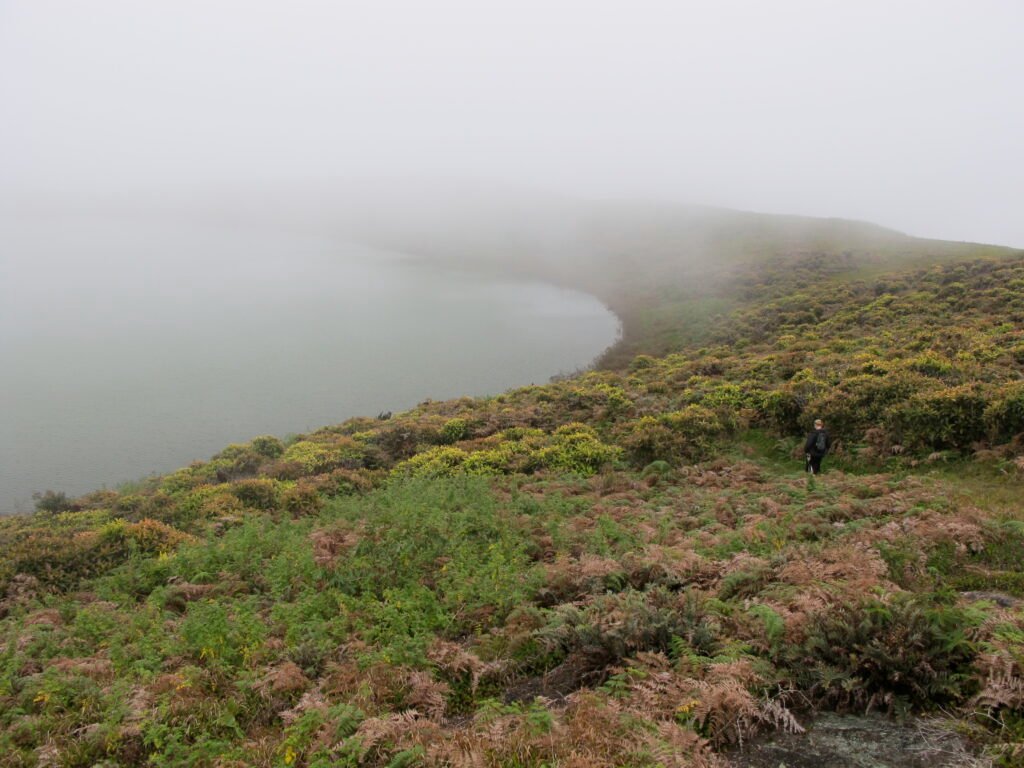
Understanding volcanic microclimates and arabica varieties
What makes Galápagos coffee so rare and highly prized among international cuppers? The secret lies in the unique microclimates of the archipelago. Although the Galápagos Islands lie directly on the Equator, the cool Humboldt Current brings lower sea temperatures and persistent mist (known locally as garúa) to the highlands during much of the year.
This damp, temperate environment slows down the ripening process of the coffee cherries. As a result, the beans have more time to develop complex sugars and nuanced flavour compounds.
Combined with shade-grown conditions under fruit trees and endemic scalesia forests, San Cristóbal coffee yields a cup characterised by low acidity, a full body, and distinct aromatic notes of dark chocolate, hazelnut, and sweet red berries.
Supporting conservation through speciality coffee
When you choose to drink locally grown coffee in San Cristóbal, you directly participate in the preservation of the island’s unique ecosystem. Unlike intensive sun-grown coffee monocultures found in other regions, Galápagos coffee relies on sustainable agroforestry.
These shade-grown plantations act as corridors for endemic wildlife, allowing native birds, insects, and giant tortoises to move freely across private highland lands without habitat fragmentation.
Furthermore, purchasing coffee directly from small-scale island roasters and family-run cafés ensures that economic benefits remain within the local community, supporting sustainable livelihoods that do not depend on industrial fishing or heavy tourist infrastructure.
Plan your San Cristóbal Coffee trail

Navigating the coffee culture of San Cristóbal is delightfully straightforward for independent travellers. Here are a few practical guidelines to help you plan your daily coffee stops:
- Morning Coastal Walk: Begin your morning early with a fresh sourdough pastry and iced espresso at KachiTanta – Galápagos before taking a quiet walk toward Playa Mann or Punta Carola
- Highland Exploration: If you are renting a bicycle or taking a taxi up to La Soledad or Laguna del Junco, schedule a midday pause at Galápagos Coffee the Petrels to experience highland farm coffee surrounded by cloud forest foliage
- Afternoon Cupping and Relaxation: Head back to Puerto Baquerizo Moreno in the afternoon for a structured cupping session or pour-over at Ranti Galápagos Coffee, where you can learn directly from local baristas about extraction science
- Sunset Coastal Wind-Down: Conclude your afternoon with a smooth coffee drink or cold brew at Sea Garden or El Faro as the sun sets over the Pacific harbour
By taking your time and exploring these independent cafés, you will gain a deeper appreciation for the rich agricultural heritage and quiet rhythm of San Cristóbal Island.
The Ecuadorian Coast.
Where you’ll find the very best food
Savour the unhurried pace of San Cristóbal

Exploring San Cristóbal at your own pace—whether on foot, by bicycle, or via local transport—reveals a side of the Galápagos that guided tour itineraries rarely touch. Coffee here is far more than a convenient morning caffeine fix; it serves as a direct connection to the agricultural history of the highlands and the quiet, deliberate craft of local island roasters.
Taking the time to seek out locally grown, single-origin roasts actively supports family-run farms that prioritise ecological stewardship over industrial yields. In a fragile archipelago where balance is everything, choosing shade-harvested Arabica beans helps preserve crucial habitat for native birds and giant tortoises across private highland estates.
As you plan your days on the island, leave room for unscripted pauses. Pull up a chair along the harbour with a cold brew, watch sea lions lounge on the rocky shoreline, or rest in the cool highland air after climbing up from the coast. These quiet, reflective moments are where the true spirit of island travel resides.
Wheely Tyred exists to support independent travellers who want to experience destinations on their own terms. Pack your curiosity, take the road less hurried, and enjoy every drop of volcanic coffee that San Cristóbal has to offer.
Affiliate Disclaimer: Some of the links on Wheely Tyred are affiliate links. If you click through and make a booking or purchase, we may earn a small commission at no extra cost to you. We only recommend gear, tours, stays, and services we genuinely use, trust, and stand behind — our editorial independence always comes first. These commissions help keep our independent cycling guides and travel stories free to read. Thanks for supporting the ride!
Frequently asked questions about the best coffee in San Cristóbal
Strict environmental protection regulations forbid industrial farming techniques and synthetic chemical pesticides across the Galápagos archipelago. Production is strictly small-scale, shade-grown, and hand-harvested on volcanic soil. Because the land available for agriculture is severely restricted, total annual yields remain tiny compared to mainland Ecuador, making these beans highly sought after by speciality cuppers worldwide.
Independent travellers can easily rent a sturdy bicycle in Puerto Baquerizo Moreno, take a local bus, or hire a local taxi for the 10-kilometre climb up to El Progreso and the higher elevations. Riding up into the highlands offers a rewarding physical workout through changing climate zones, followed by an exhilarating downhill coast back to the port town.
Yes. Speciality establishments like Ranti Galápagos Coffee sell roasted whole-bean bags that make ideal souvenirs. Ensure that any agricultural products you carry off the island are fully roasted and sealed in commercial packaging to pass local biosecurity checks at San Cristóbal Airport (SCY).
Thanks to the equatorial sun tempered by the cool garúa mists and rich volcanic soil, San Cristóbal coffee typically exhibits a medium-to-full body with extraordinarily low acidity. Expect smooth, well-balanced tasting notes featuring dark chocolate, toasted hazelnut, caramel, and subtle hints of sweet stone fruit.
While smaller, traditional eateries may rely exclusively on whole milk, speciality cafés in Puerto Baquerizo Moreno—including Ranti Galápagos Coffee and KachiTanta—frequently stock plant-based alternatives such as oat milk and house-prepared almond milk.
Mornings are ideal for highland visits. The temperatures in the interior of the island are cooler during the morning hours, and light mist often drifts through the shade-tree canopy. Visiting early allows you to experience the farm atmosphere before the afternoon sun warms the coastal beaches.
Ecuador.
Pure wonder on the equator.