High above the clouds / An independent visitor guide to Chimborazo, Ecuador
Essential first-timer tips for exploring Ecuador’s highest peak, independent transport options, and high-altitude páramo routes
Stand at the closest point on Earth to the sun, strictly on your own terms
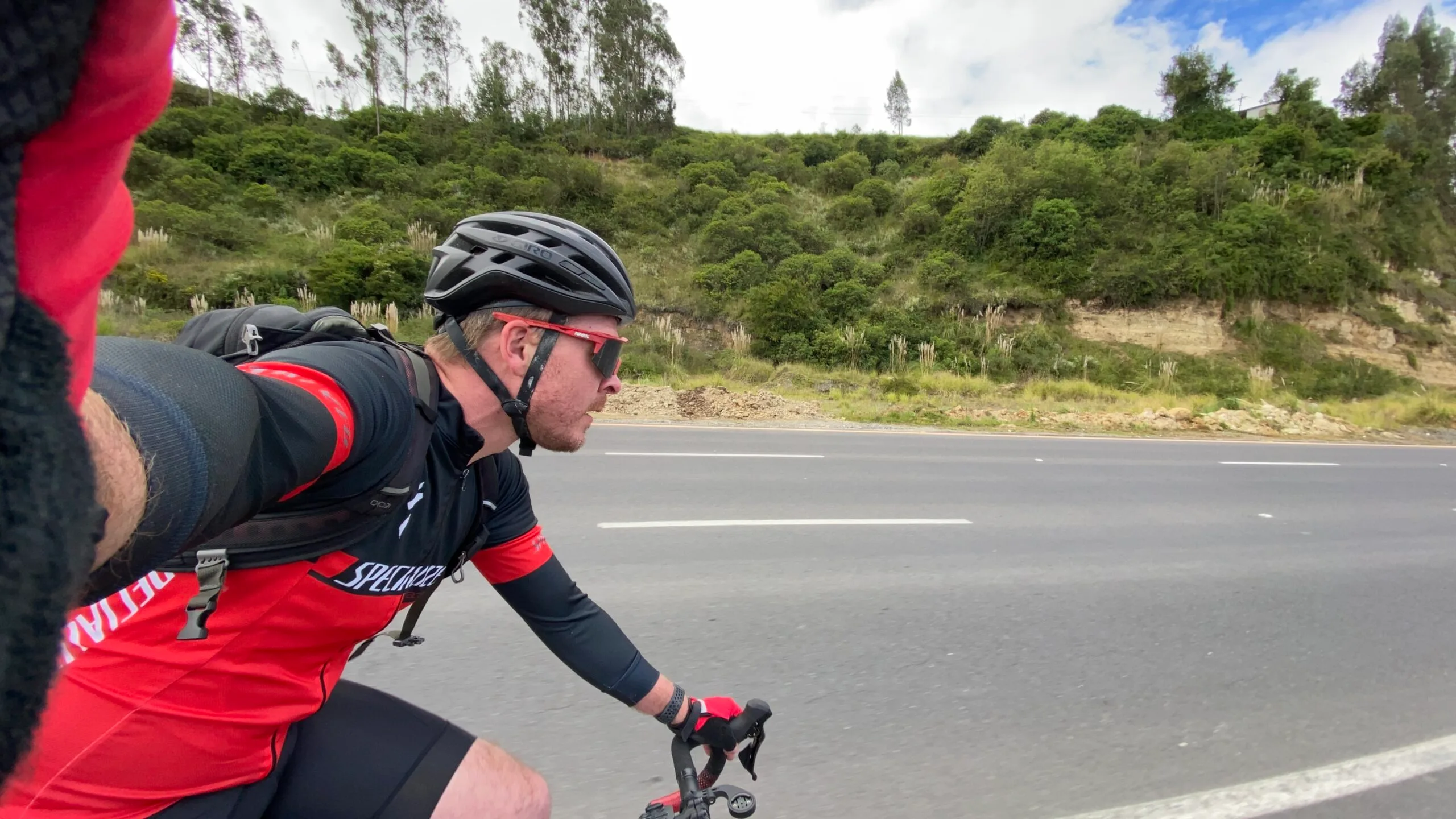
BEN FINCH
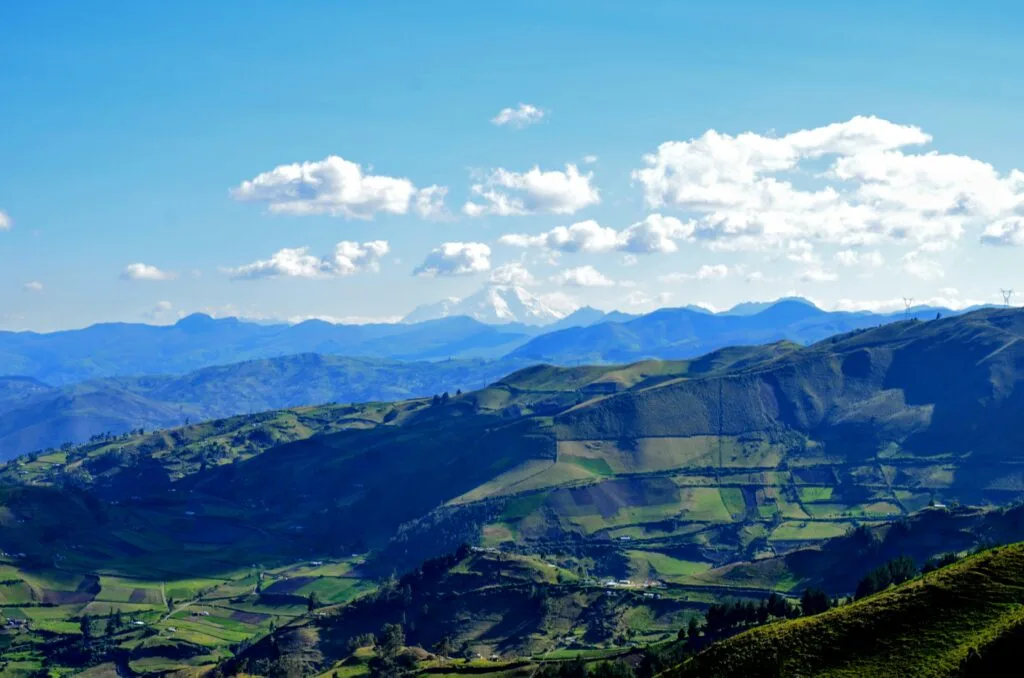
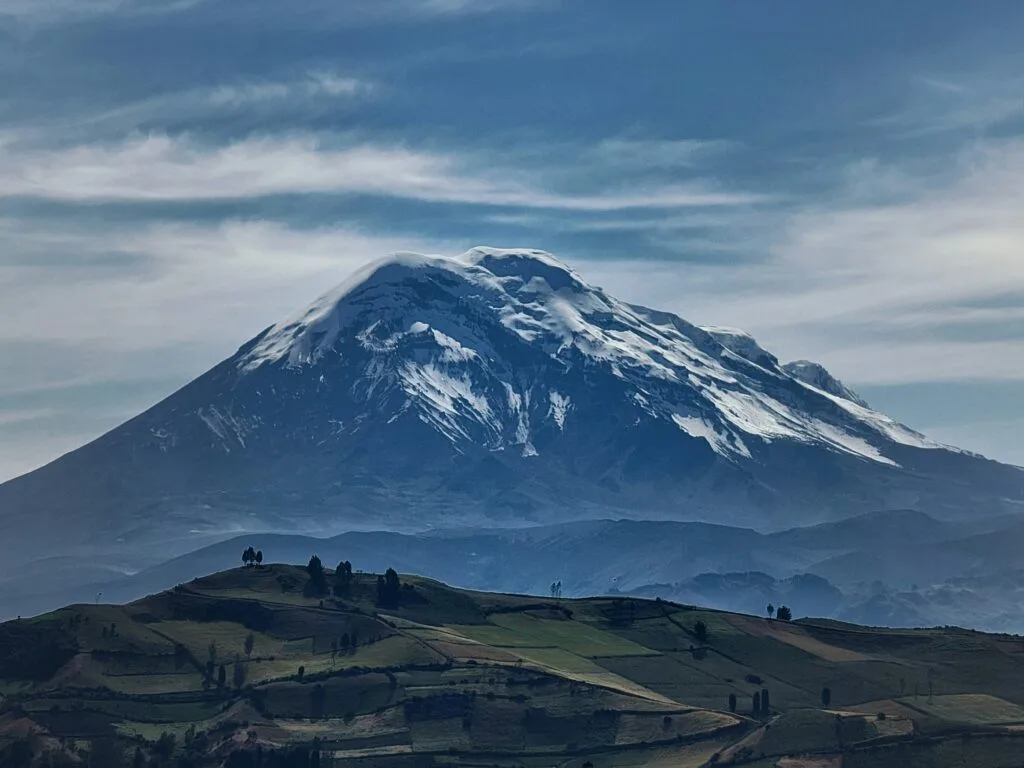
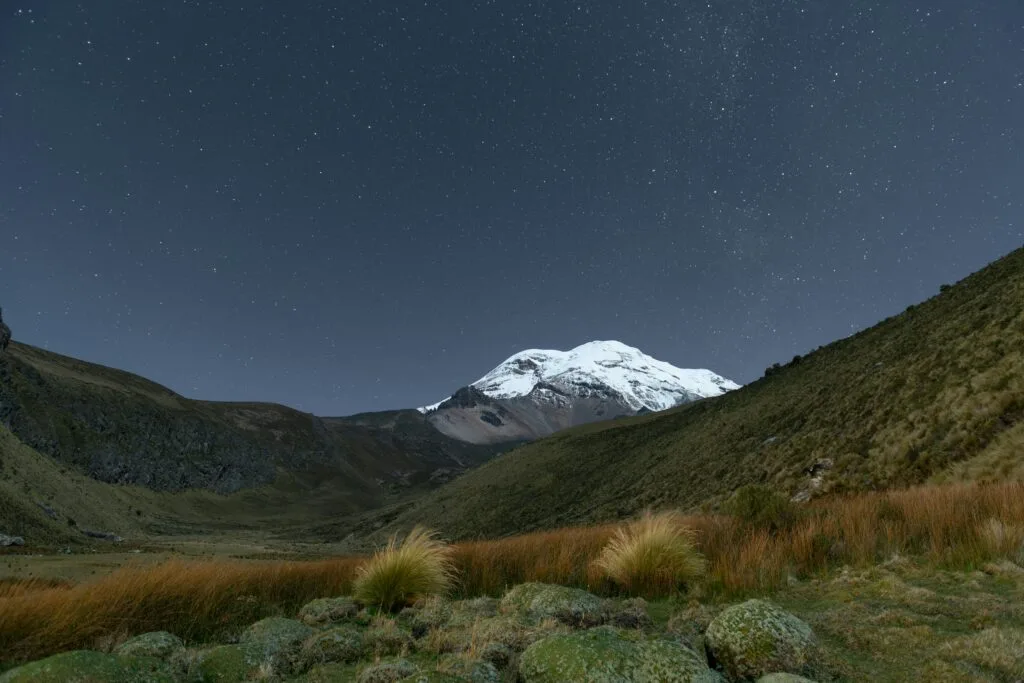
Mount Everest may hold the title for the highest elevation above sea level, but Chimborazo possesses a far more intriguing claim to fame. Because our planet bulges at the equator, this massive, ice-capped stratovolcano reaches further into space than any other mountain on Earth.
Standing at its base or trekking across its windswept flanks means you are standing at the point on the planet nearest to the sun.
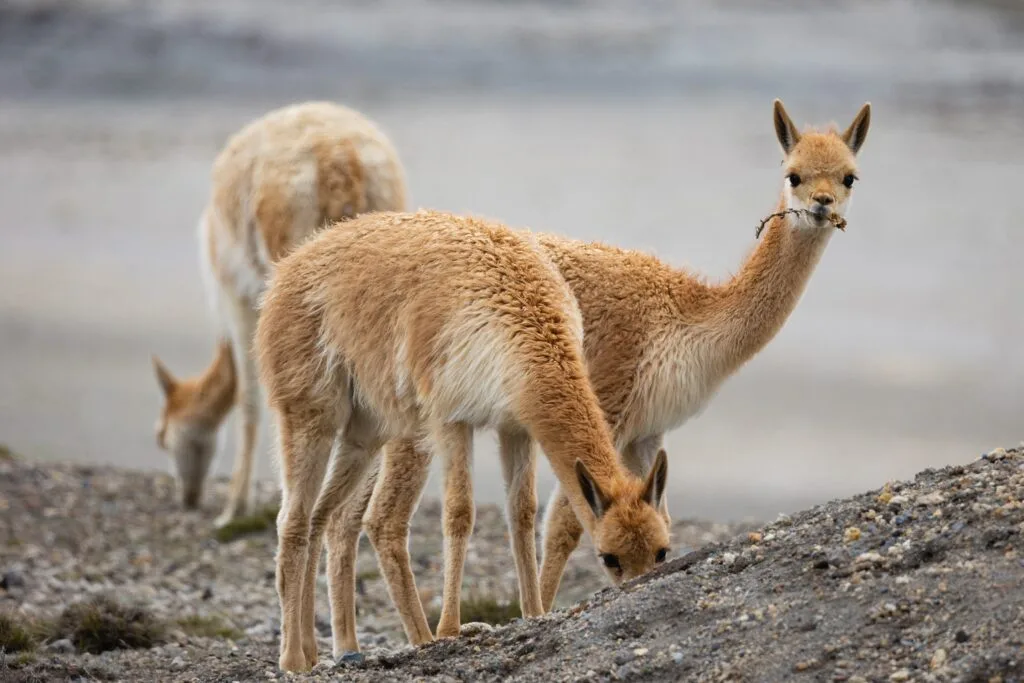
For independent travellers, Chimborazo represents something equally magnificent: an alpine wilderness accessible without restrictive group schedules or eye-watering expedition costs. Located in central Ecuador within the Reserva de Producción de Fauna Chimborazo, the volcano towers 6,263 metres above sea level. Surrounding its snowline is the vast, golden moorland known as the páramo, where wild vicuñas graze among tufts of high-altitude grass.
Visiting this high-altitude sanctuary on your own terms requires thoughtful preparation, respect for the local environment, and an understanding of high-elevation logistics. Whether you travel by public bus, loaded bike, or rental car, this guide provides every detail needed for a seamless first visit.
Essential Chimborazo / Key takeaways for independent explorers
Standing on the closest point on Earth to the sun requires careful planning and a spirit of self-reliance. Here are the core details you need to master your journey across the high páramo of Ecuador.
- Equatorial Altitude: Reaching 6,263 metres above sea level, Chimborazo’s peak is the furthest point from the Earth’s centre due to the equatorial bulge, placing you closer to the sun than on Mount Everest
- Public Transit Independence: Skip expensive group excursions by taking frequent local buses from Riobamba’s Terminal Terrestre towards Guaranda directly to the park entrance gate
- Acclimatisation Protocol: Spend two to three days adapting in cities like Riobamba or Quito, move at a measured pace, and sip hot mate de coca to counter soroche at high elevations
- High Alpine Hiking: The trail running from Refugio Hermanos Carrel (4,800m) up to Refugio Whymper (5,028m) and Laguna Cóndor Cocha (5,100m) offers accessible high-altitude trekking without technical climbing gear
- Páramo Ecosystem: Home to wild vicuñas and hardy tussock grasses (paja), this fragile high-elevation moorland rapidly shifts between crisp morning sunlight and dense afternoon neblina fog
- Cultural Legacies: Respect local Kichwa traditions and honour the memory of el último hielero (the last ice harvester) by supporting community-led initiatives in nearby villages
- Andean Fare: Fuel your mountain efforts with hearty regional dishes in Riobamba, such as crisp hornado, rich locro de papa, and warm spiced canelazo
Volcán Chimborazo.
Stand at the furthest point from the centre of the Earth
Understanding the high páramo environment
The slopes surrounding Chimborazo do not resemble typical mountain forests. Instead, you enter the páramo, a unique neotropical ecosystem found predominantly in the northern Andes. This tundra-like landscape acts as a giant sponge, capturing moisture from passing clouds and supplying water to the valleys below.
The flora here is hardy and specialised. You will notice carpet-like tussock grasses known as paja, alongside low-growing shrubs and vibrant lichen clinging to dark volcanic rock. The terrain feels vast and quiet, framed by wide blue skies that can suddenly turn into swirling mists.
Wildlife thrives in this protected reserve. Keep your eyes trained on the open plains for groups of vicuñas, wild relatives of the llama that were successfully reintroduced to the region in the late 20th century.
You may also spot the Andean caracara soaring overhead, or if you are exceptionally fortunate, the majestic Andean condor riding thermal currents above the icy ridges.
Transport logistics / Reaching the reserve gate
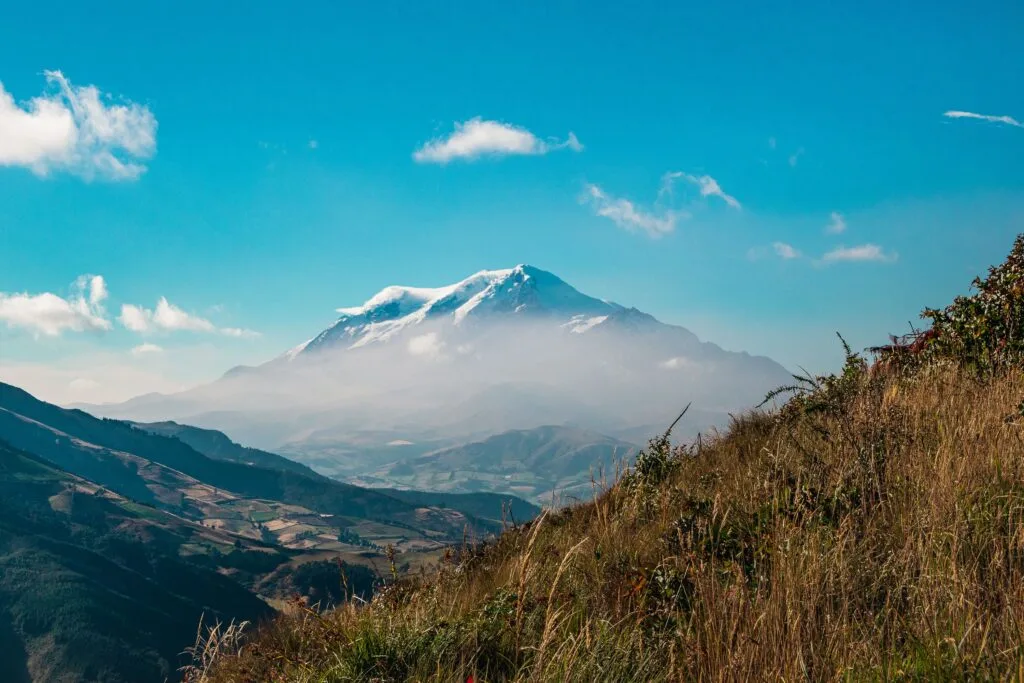
Reaching the mountain independently is remarkably straightforward when based in Riobamba, a bustling regional hub located roughly 30 kilometres southeast of the peak.
By local bus
Taking public transport offers a stress-free and economical path to the mountain:
- Head to the main bus terminal (Terminal Terrestre) in Riobamba early in the morning
- Board any interprovincial bus heading towards Guaranda via the upper route. Companies such as Fleet Bolívar run services frequently throughout the morning
- Inform the driver or conductor that your destination is the entrance to the Chimborazo Reserve (Entrada a la Reserva Chimborazo)
- The journey takes approximately one hour, climbing steadily along well-paved roads that slice through rural agricultural communities
- You will be dropped off at the main park entrance at San Juan or the direct park access gate. From there, shared pickup trucks (camionetas) are often available to carry travellers up the remaining 12-kilometre winding dirt road to Refugio Hermanos Carrel
By bicycle or road vehicle
Cycling or driving independently grants total freedom over your itinerary. The ascent along Highway 492 presents a long, steady gradient with sweeping views of the surrounding valley.
If you are riding a bicycle, ensure your low gears are tuned for thin air, and pack extra layers for the descent, as temperatures drop rapidly when coasting downhill through cold alpine air.
The Ecuadorian Sierra.
Get lost in the hills
Crucial acclimatisation strategies
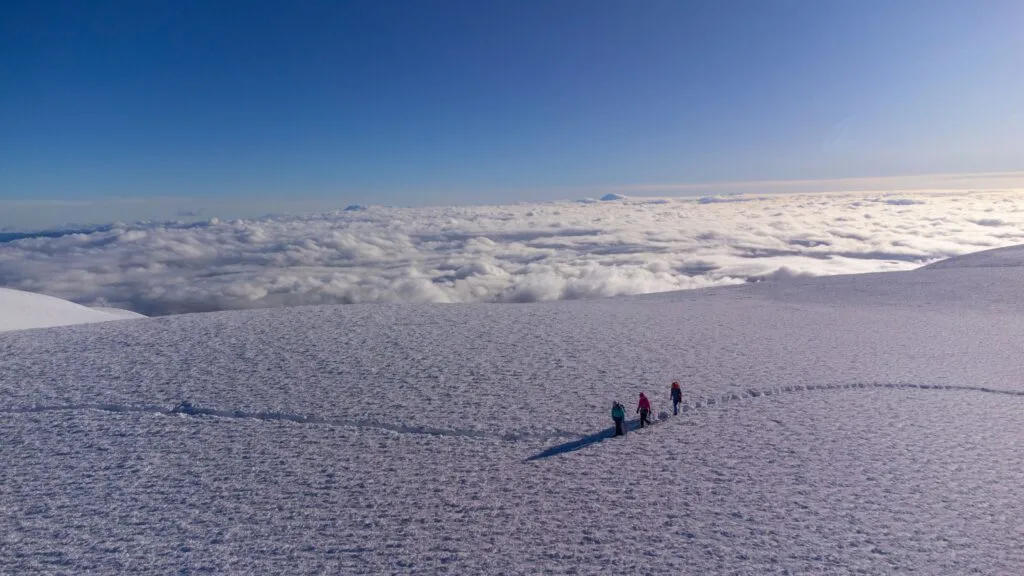
Attempting to visit Chimborazo without prior acclimatisation is the most common mistake made by first-time visitors. The base park entrance rests higher than 4,300 metres, while the first mountain hut, Refugio Hermanos Carrel, sits at an astounding 4,800 metres above sea level.
At this height, atmospheric pressure is low, and available oxygen is significantly reduced compared to sea level.
To avoid acute mountain sickness (soroche), follow a structured acclimatisation plan:
- Spend Time at Intermediate Altitudes: Spend at least two to three days exploring Quito (2,850 metres), Cuenca (2,560 metres), or Riobamba (2,750 metres) before venturing into the reserve
- Hydrate Constantly: High-altitude air is dry and causes rapid dehydration. Drink plenty of bottled water or herbal infusions throughout the day
- Sample Local Remedies: Hot tea brewed from coca leaves (mate de coca) or local Andean herbs is widely served in regional guesthouses and helps soothe mild headaches associated with altitude adjustment
- Move at a Slow Pace: When walking above 4,000 metres, intentionally slow your stride. Even gentle inclines require deliberate breathing and steady pacing
If you experience severe dizziness, nausea, or a persistent pounding headache, the rule is simple: descend to a lower altitude immediately.
Explore the trails / Refugio Carrel to Condor Cocha
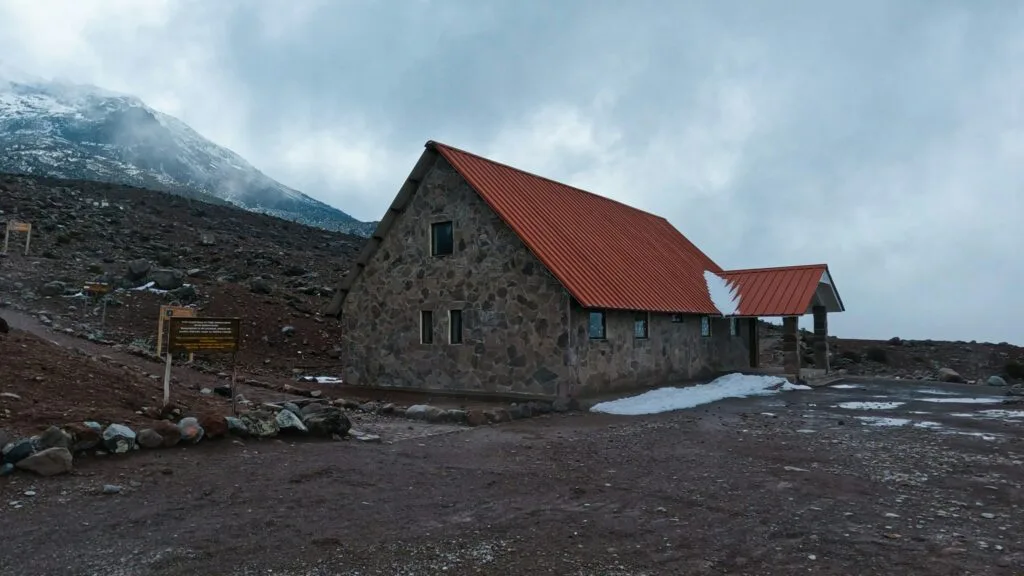
For non-mountaineers, the highlight of a day visit is the hike between the lower mountain refuges and the high alpine lagoon.
Refugio Hermanos Carrel / 4,800 metres
Your high-altitude journey begins at this mountain hut, reachable by road. The facility offers simple hot meals, steaming mugs of sweet canelazo (a traditional warm spiced drink), restrooms, and a registration office where visitors check in with park rangers.
Take 15 minutes here simply to rest and let your circulatory system adapt to the elevation.
The hike to Refugio Whymper / 5,028 metres
From Refugio Carrel, a steep, dusty path leads up the ridge to Refugio Whymper, named after Edward Whymper, the British mountaineer who made the first recorded ascent of Chimborazo in 1880.
Although the distance between the two huts is less than one kilometre, the steep pitch and extreme altitude turn this short walk into a memorable physical challenge. Take small, measured steps, stop to admire the volcanic panorama, and keep your hands inside warm pockets.
Laguna Cóndor Cocha / 5,100 metres
If weather conditions permit and you feel physically strong, continue past Refugio Whymper along the designated trail to Laguna Cóndor Cocha. This small, glacier-fed lagoon sits at an altitude of 5,100 metres.
The water reflects the dark volcanic scree and blue glacier ice above. Standing at this point places you higher than any summit in Western Europe or the contiguous United States, accomplished entirely on your own feet.
The Galápagos.
Ecuador’s Enchanted Isles
Local accommodation and regional culinary highlights
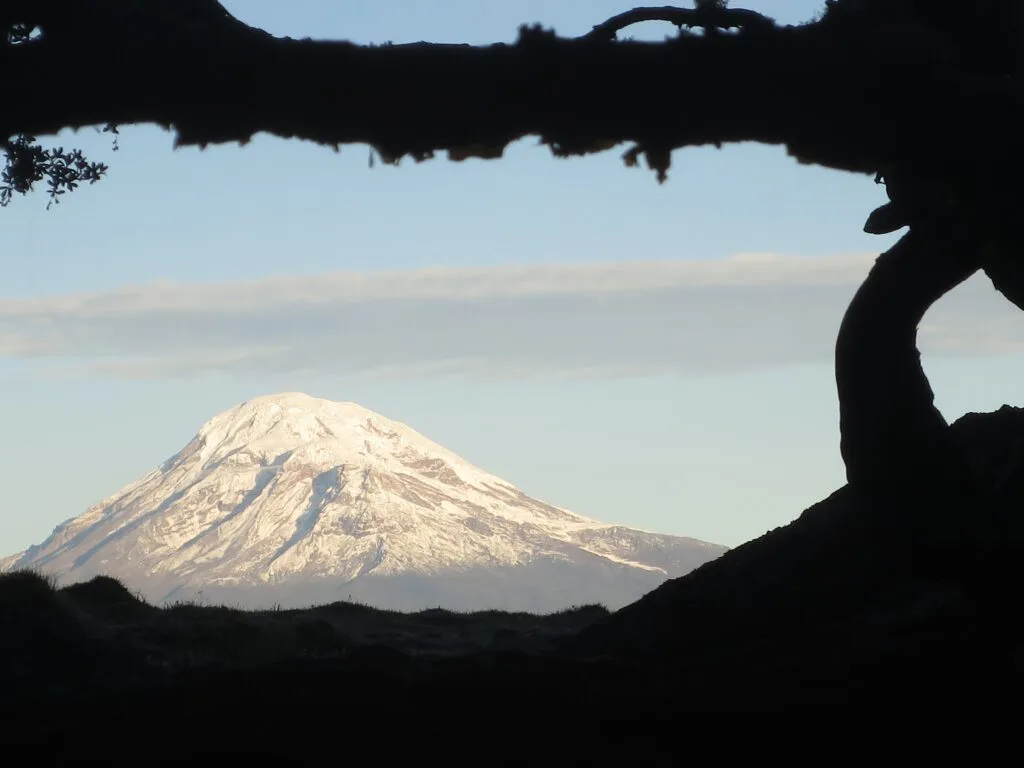
To fully experience the culture surrounding the mountain, avoid generic chain hotels and seek out locally owned establishments that reflect the heritage of the Chimborazo province.
Where to stay
- In Riobamba: Choose historic guesthouses or family-run boutique hotels near the city centre. Staying near the train station or the central plaza puts you within easy walking distance of local transport hubs, traditional markets, and quiet bakeries
- Near the Mountain: Look for community-run eco-lodges or rustic agricultural haciendas near San Juan, Pulinguí, or Calpi. These accommodations often feature thick mud-brick (adobe) walls, wood-burning fireplaces, and warm woollen blankets, providing an authentic taste of Andean hospitality
Regional dishes to try
- Hornado Riobambeño: Riobamba is famous across Ecuador for its slow-roasted pork, served with crisp skin, potato cakes (llapingachos), toasted corn (cancha), and a savoury onion-and-tomato salsa (agrio). Visit the bustling stalls inside Mercado La Merced in Riobamba for an authentic portion
- Locro de Papa: A creamy potato soup enriched with local cheese, fresh avocado slices, and mild chilli sauce (ají). It is the ultimate comfort food after a freezing morning spent in the high mountain wind
- Canelazo: A hot Andean beverage crafted from water boiled with cinnamon, cloves, brown sugar (panela), and citrus. An unspiked version is widely available for families and hikers needing quick warmth
Cultural respect and etiquette
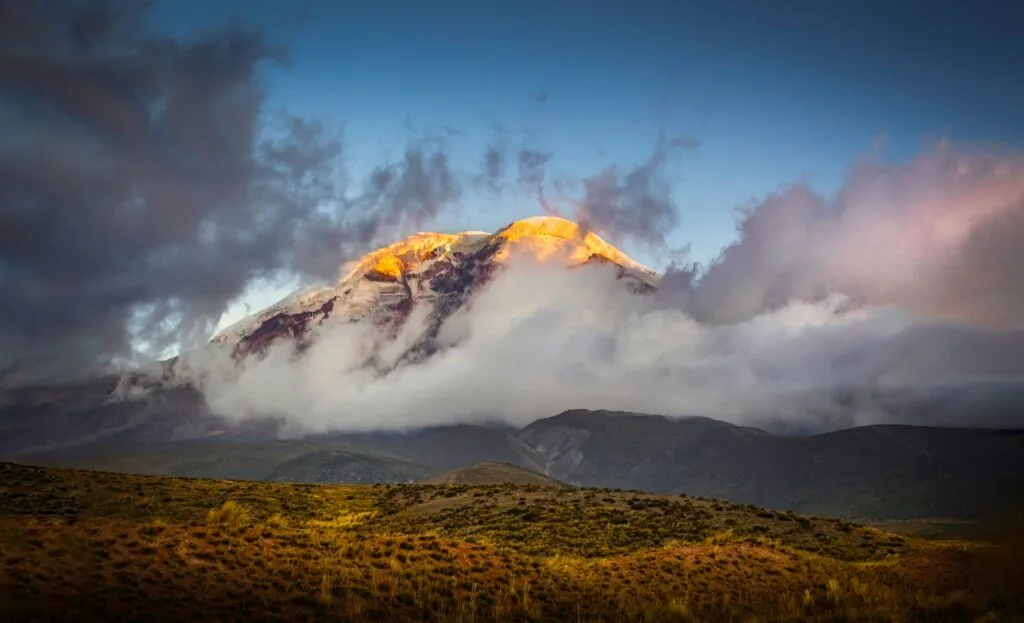
The slopes of Chimborazo are rich with indigenous Kichwa culture and centuries-old agricultural traditions. Approaching the area as an independent traveller means taking responsibility for your cultural footprint.
Honouring indigenous heritage
The indigenous communities living along the base of the mountain have maintained a relationship with this landscape for millennia. When passing through small villages, offer a polite greeting (Buenos días or Buenas tardes). Always ask for permission before taking photographs of local residents, market vendors, or traditional craftspeople.
The legacy of the ice harvesters
For generations, local men known as hieleros made regular treks to the high glaciers of Chimborazo, cutting large blocks of glacial ice wrapped in páramo straw to sell in the markets of Riobamba. The legendary Baltazar Ushca carried on this ancient tradition for decades. Supporting local cultural centres and small museums in Calpi or Riobamba helps keep the memory and history of the ice harvesters alive.
Environmental responsibility
The páramo ecosystem is fragile. Plant growth at 4,000 metres is extremely slow, and damaged vegetation can take decades to recover.
- Always stay on marked walking trails to prevent soil erosion
- Pack out every piece of rubbish, including fruit peels and organic food scraps, which decompose very slowly in cold mountain climates
- Never disturb or approach wild vicuñas; observe them quietly from a respectful distance
The Ecuadorian Amazon.
The most biodiverse place in the world
Essential packing checklist for first-timers
Weather on Chimborazo can shift from bright sunshine to freezing hail within 20 minutes. Packing the correct clothing layers ensures comfort and safety throughout your day.
- Layered Clothing System: Wear a moisture-wicking base layer, an insulating fleece or down jacket, and a windproof, waterproof outer shell
- Warm Accessories: Bring a warm woollen hat (chullo), thermal gloves, and a neck gaiter to shield against biting winds at the upper refuges
- Sturdy Footwear: Wear broken-in hiking boots with good tread for walking on loose volcanic scree and gravel
- Sun Protection: Apply broad-spectrum sunscreen (SPF 50+), wear UV-blocking sunglasses, and protect your lips with balm. High-altitude equatorial sun causes rapid sunburn even on overcast days
- Cash in Small Denominations: Carry small US dollar bills ($1, $5, and $10) for bus fares, park ranger registration fees, hot drinks, and local handicrafts. Larger bills are rarely accepted in rural mountain villages
Exploring Chimborazo under your own steam allows you to set your pace, breathe in the thin mountain air, and absorb the vast beauty of the Andes without rushing. By travelling independently, respecting local traditions, and taking time to acclimatise, your encounter with Ecuador’s grandest peak will be an unforgettable milestone in your journey.
Claim your space at the top of the world
Read this far?
Travelling to Chimborazo independently reveals the raw, unhurried magic of the Ecuadorian Andes. Away from the rigid itineraries of commercial tour buses, you are free to watch the morning mist roll off the golden grasslands, track wild vicuñas across open plains, or sit quietly at 5,000 metres with a steaming cup of tea. It is an experience defined not by speed, but by genuine presence.
Success on this mountain comes down to patience and respect. Give your body the time it needs to adapt to the thin air, listen to the weather shifts that define the páramo, and tread lightly across these fragile landscapes. By choosing local buses, staying in family-run guesthouses around Riobamba or San Juan, and engaging thoughtfully with Kichwa communities, your journey contributes directly to the region’s living heritage.
Whether you reach the icy shores of Laguna Cóndor Cocha on foot or simply watch the massive stratovolcano glow against the morning sky from a quiet road, Chimborazo leaves an indelible mark. Pack your warmest layers, step aboard the early morning bus, and take your spot on the closest point on Earth to the stars—entirely on your own terms.
Affiliate Disclaimer: Some of the links on Wheely Tyred are affiliate links. If you click through and make a booking or purchase, we may earn a small commission at no extra cost to you. We only recommend gear, tours, stays, and services we genuinely use, trust, and stand behind — our editorial independence always comes first. These commissions help keep our independent cycling guides and travel stories free to read. You can also buy me a coffee here — thanks for supporting the ride!
The Ecuadorian Coast.
Where you’ll find the very best food
Frequently asked questions about visiting Chimborazo
Head to the main bus terminal (Terminal Terrestre) in Riobamba early in the morning and board any interprovincial bus bound for Guaranda via the upper road. Ask the driver to drop you at the main entrance to the Chimborazo Reserve (Entrada a la Reserva Chimborazo). The journey takes roughly one hour. From the main gate, shared pickup trucks (camionetas) are usually available to take travellers up the remaining mountain road to Refugio Hermanos Carrel.
No, independent travellers do not need a tour guide or advance permit to enter the reserve or hike the trail connecting Refugio Hermanos Carrel (4,800m), Refugio Whymper (5,028m), and Laguna Cóndor Cocha (5,100m). You simply register with park rangers at the entrance. However, if you plan to climb past the refuges onto the glacier toward the 6,263-metre summit, hiring a certified high-altitude mountain guide is required by law.
Acclimatisation is vital. Spend at least two to three days in higher-altitude cities such as Quito, Cuenca, or Riobamba before venturing onto the mountain. Keep hydrated, walk at a deliberate pace once at the reserve, avoid heavy meals right before hiking, and drink traditional herbal teas like mate de coca to ease mild altitude adjustment.
Plan your visit for early morning. Between 6:00 am and 10:00 am, skies are most likely to be clear, offering striking views of the glacier peak. By mid-morning or early afternoon, thick mountain fog (neblina) frequently rolls across the páramo, bringing sudden drops in temperature and drastically reducing visibility.
In Riobamba, seek out Hornado Riobambeño—slow-roasted pork served with crisp skin, potato cakes (llapingachos), toasted corn (cancha), and a tangy salsa. On cold mountain afternoons, a steaming bowl of Locro de Papa (creamy potato soup enriched with cheese and avocado) or a hot mug of Canelazo (a spiced cinnamon and citrus drink) provides excellent warmth.
Ecuador.
Pure wonder on the equator.