
Staying safe in Chimborazo / Altitude, Andes and travel security in 2027
Essential safety advice, altitude sickness prevention, and local crime tips for visiting Chimborazo and Riobamba in 2027
A practical guide to high-altitude exploration and Andean routes

BEN FINCH
Evaluating safety across the province of Chimborazo in 2027 requires understanding the sharp geographic contrast defining modern Ecuador. While national security decrees and targeted security operations continue in specific lowland coastal corridors, conditions in the high-altitude Andean Sierra remain vastly different and significantly safer for independent travellers.
Coastal transport hubs like Guayaquil and Esmeraldas remain the focus of government security advisories due to organised gang activity along maritime trade routes. In contrast, the interior highland regions—including the provincial capital of San Pedro de Riobamba and the rural farming communities surrounding Volcán Chimborazo—continue to welcome visitors with minimal disruption.
Violent crime targeting international tourists in the Sierra is exceptionally rare. Primary urban security concerns in Riobamba centre on opportunistic theft, pickpocketing in vibrant outdoor markets, and bag snatching near intercity bus terminals.
Travellers arriving on long-distance buses from Quito or Baños de Agua Santa should maintain diligent bag security. Distraction tactics frequently occur in crowded waiting halls, and luggage stowed in overhead racks on public coaches remains vulnerable during mid-route stops.
Keeping personal valuables, passports, and mobile devices in a small daypack resting on your lap or secured around your torso effectively prevents loss.
Street security in Riobamba during daylight hours is dependable. When night falls, quiet side streets and unlit alleys away from the central plaza carry an increased risk of opportunistic robbery. Sticking to well-lit main avenues, using registered radio taxis booked by your accommodation, and keeping expensive camera gear or jewellery out of sight ensures a peaceful stay in the city.
Crucial takeaways for your Andean journey
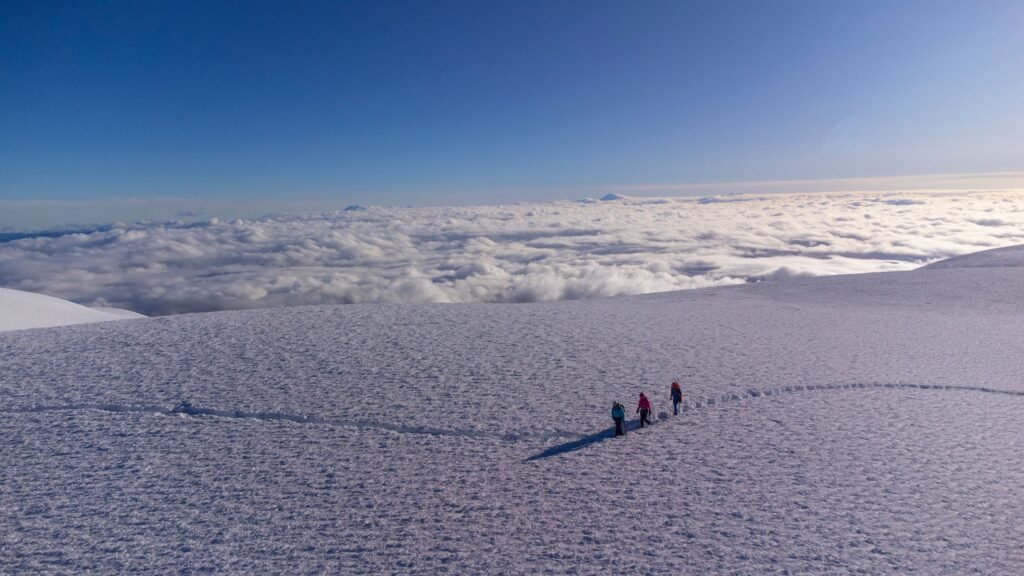
Here are the essential takeaways to keep your high-altitude expedition smooth, secure, and memorable from start to finish.
- Altitude acclimatisation: Spend at least two to three days in Quito or Riobamba to adjust to thin air before heading up to the reserve
- Professional guidance: Secure a certified ASEGUIM mountain guide for any technical glacier routes or climbs above the snowline
- Weather preparation: Pack reliable windproof and waterproof layers to handle the sudden and extreme shifts of the páramo climate
- Public transit security: Keep your bags and personal electronics on your lap during long-distance bus journeys instead of using overhead racks
- Bicycle protection: Never leave cycles or gear unattended, and always insist on secure, indoor overnight storage at your accommodations
- Document readiness: Carry your physical passport and printed travel itinerary for routine police and military checkpoints along highway corridors
- Emergency preparedness: Download the official ECU 911 application and ensure your travel insurance covers high-altitude rescue up to 5,000 metres
Volcán Chimborazo.
Stand at the furthest point from the centre of the Earth
High-altitude hazards and environmental precautions in the páramo
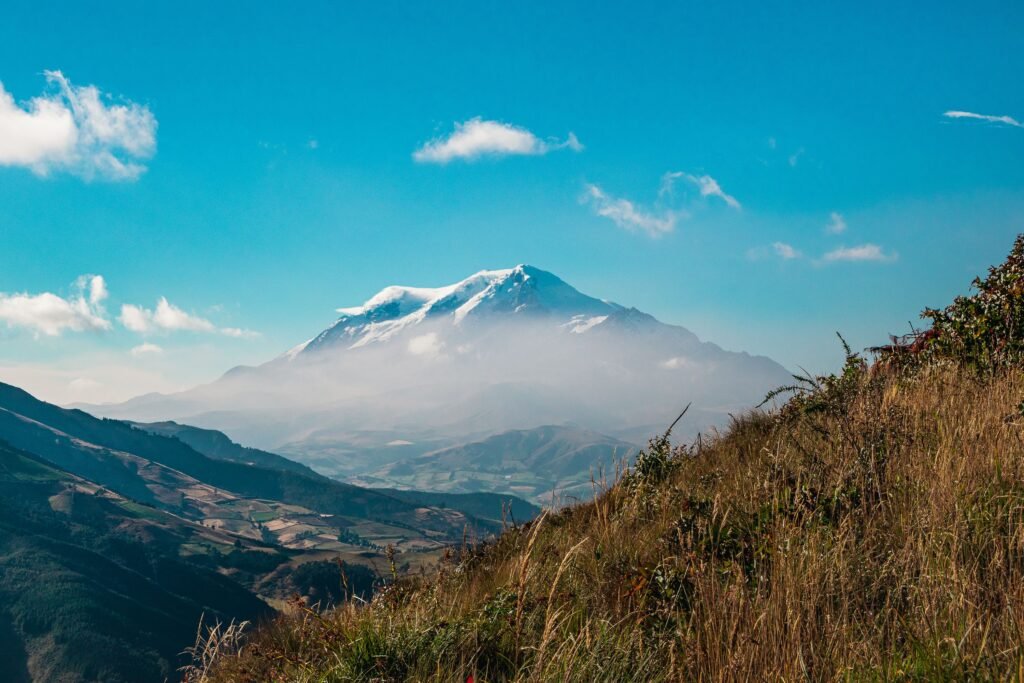
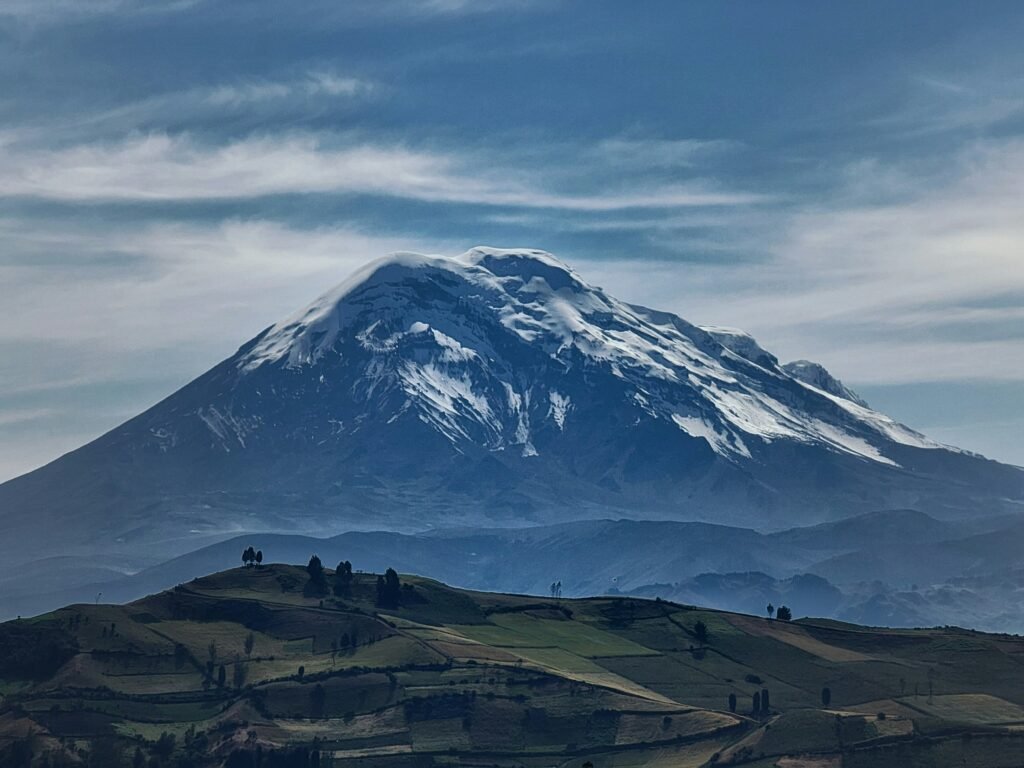
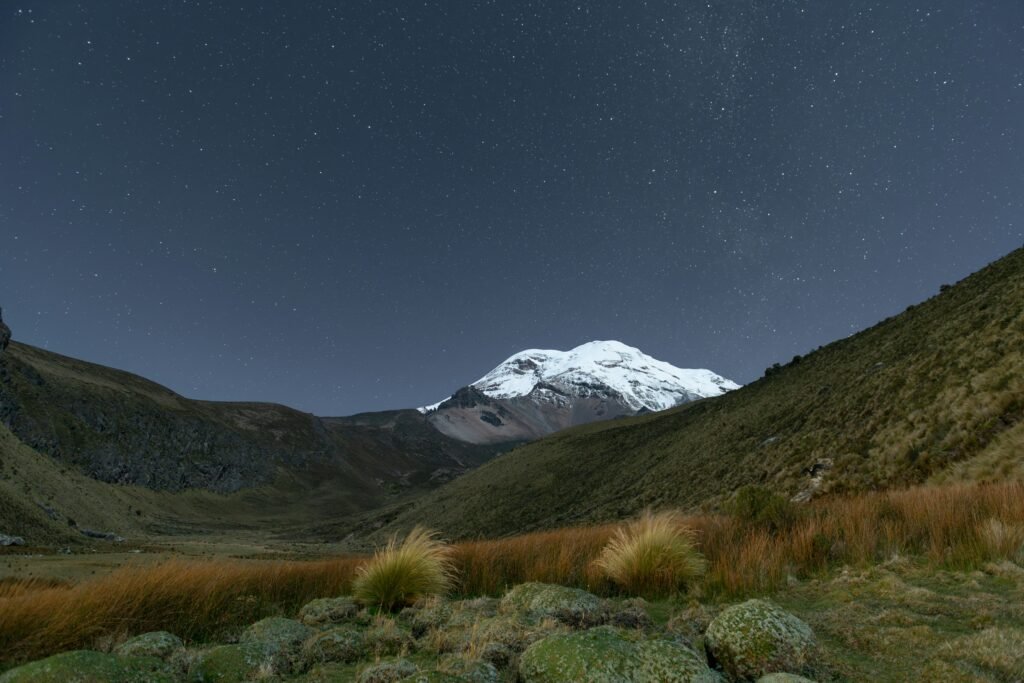
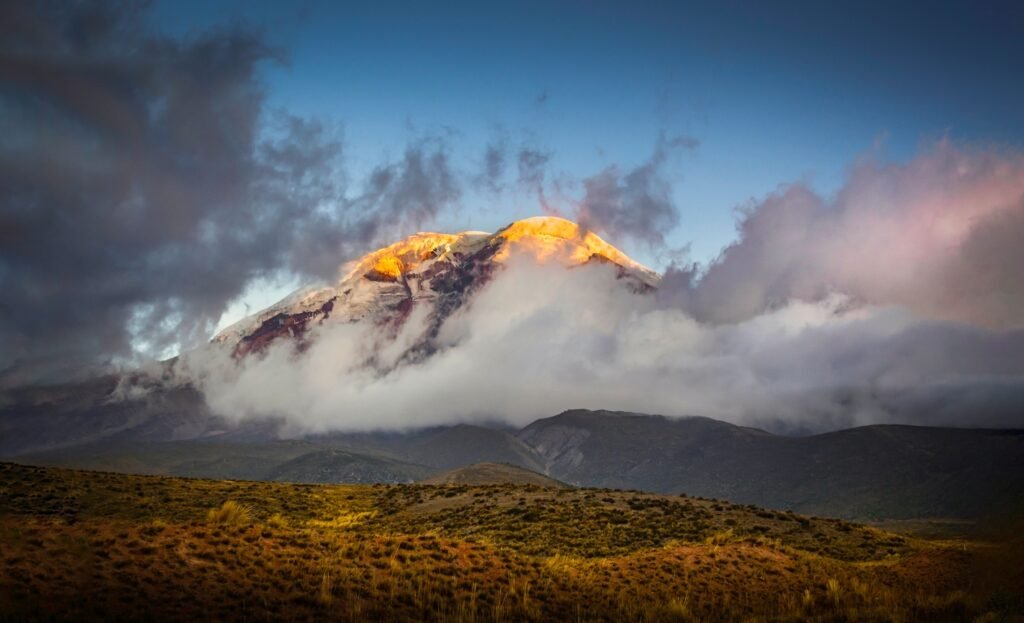
While urban crime demands routine common sense, the most severe challenges facing travellers in Chimborazo are physical and environmental. Volcán Chimborazo reaches a massive summit altitude of 6,263 metres above sea level. Because Earth bulges at the equator, the peak of Chimborazo represents the furthest point on the surface of the planet from its centre.
The fragile alpine grassland blanketing the volcanic slopes—known as the páramo—is preserved within the Reserva de Producción de Fauna Chimborazo. Traversing this wild terrain on foot, by gravel bike, or by support vehicle demands respect for extreme elevation and rapid climatic shifts.
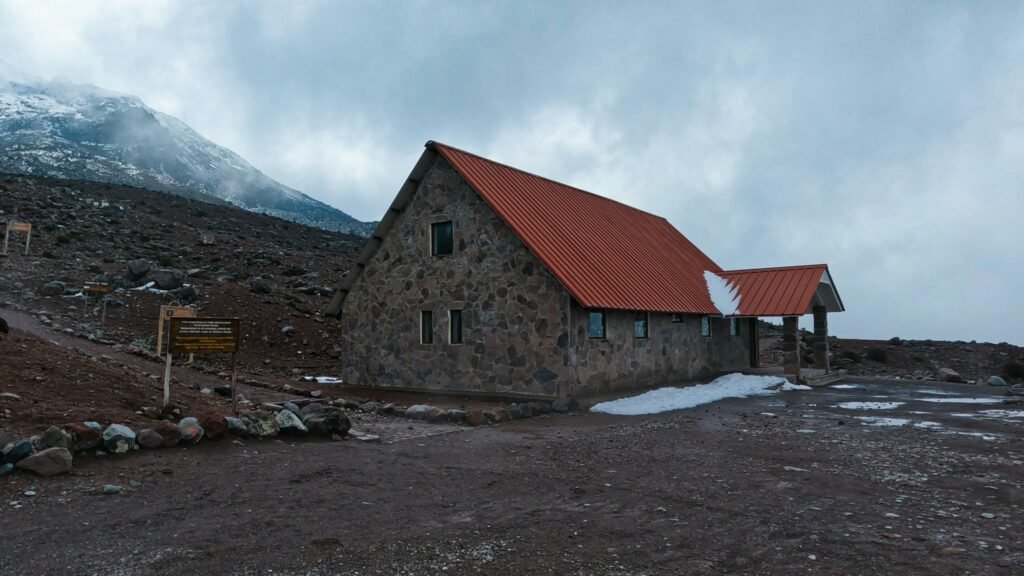
Altitude sickness, known locally as soroche, is an immediate physical risk for anyone ascending directly from lower valleys or coastal zones. The lower mountain lodge, Refugio Hermanos Carrel, stands at 4,850 metres above sea level, while the upper Refugio Whymper rests at 5,000 metres.
At these elevations, effective oxygen pressure is roughly half that at sea level, which can rapidly trigger acute mountain sickness, high-altitude pulmonary oedema, or high-altitude cerebral oedema if warning signs are ignored.
Keep safe at altitude
To explore these heights safely, build a strict acclimatisation window of two to three days into your itinerary at intermediate altitudes such as Quito (2,850 metres) or Riobamba (2,750 metres) before venturing into the reserve.
Maintain constant hydration with clean water, limit heavy meals and alcohol upon arrival, and pay close attention to bodily signals. Persistent throbbing headaches, dizziness, nausea, or unexpected shortness of breath demand an immediate descent to lower ground.
Weather in the páramo can turn hostile within minutes. Morning sunshine often yields to freezing rain, dense mountain fog, howling gales, and driving snow by midday. Temperatures drop below freezing without warning.
Proper technical attire must include windproof and waterproof outer shells, insulating thermal layers, sturdy mountain footwear, and high-protection UV sunglasses. The equatorial sun at 5,000 metres inflicts intense solar radiation, even through thick cloud cover.
Under current environmental safety regulations in the Reserva de Producción de Fauna Chimborazo, technical glacier ascents and climbs above the snowline strictly require the accompaniment of a certified guide registered with the Asociación Ecuatoriana de Guías de Montaña (ASEGUIM).
Venturing onto high-altitude glacier routes without accredited guide support is life-threatening and forbidden by park rangers.
The Ecuadorian Sierra.
Get lost in the hills
Essential considerations for solo travellers, women and minorities
Navigating the high Andes independently involves interacting with traditional mountain culture. Wheely Tyred examines these factors to assist every rider and hiker in planning a secure journey.
Solo travellers
Solo explorers in Chimborazo will experience genuine warmth from rural Andean inhabitants. However, autonomy requires methodical route planning. Before heading out onto remote dirt tracks or solitary trekking routes across the high plateau, inform your accommodation host or route organiser of your planned itinerary and expected return time.
Cellular service dies in deep valleys and high mountain passes, making mobile connectivity unreliable. Carrying an offline GPS device or satellite tracker is essential for remote backcountry navigation.
Women travellers
Women travelling independently will find Chimborazo far more peaceful than urban coastal areas, though sensible precautions remain necessary. In urban centres such as Riobamba, solo female travellers may encounter occasional catcalling or persistent glances. While rarely aggressive, this attention can feel unwelcome.
Moving purposefully, dressing in functional low-key apparel, and avoiding solitary night walks minimise unwanted interactions. Booking lodgings with verified safety feedback, private locking rooms, and 24-hour staff presence provides added peace of mind.
For remote hikes or high-country rides, pairing up with reputable local outfitters or joining small guided groups enhances both personal security and trail enjoyment.
Minorities and LGBTQ+ travellers
Members of minority communities and LGBTQ+ travellers will meet a polite, courteous, yet socially conservative rural populace across the central highlands. Ecuador is one of the most diverse countries in the world, so minority travellers may expect some curiosity but little more.
While Ecuador legally recognises same-sex unions and large cities maintain open advocacy networks, rural mountain villages remain rooted in traditional customs. Demonstrations of public affection in small indigenous communities may attract curious looks. Adopting a respectful, low-profile demeanour ensures smooth, pleasant encounters with village elders and local store owners.
The Ecuadorian Amazon.
The most biodiverse place in the world
Cycling logistics, road conditions and transit security
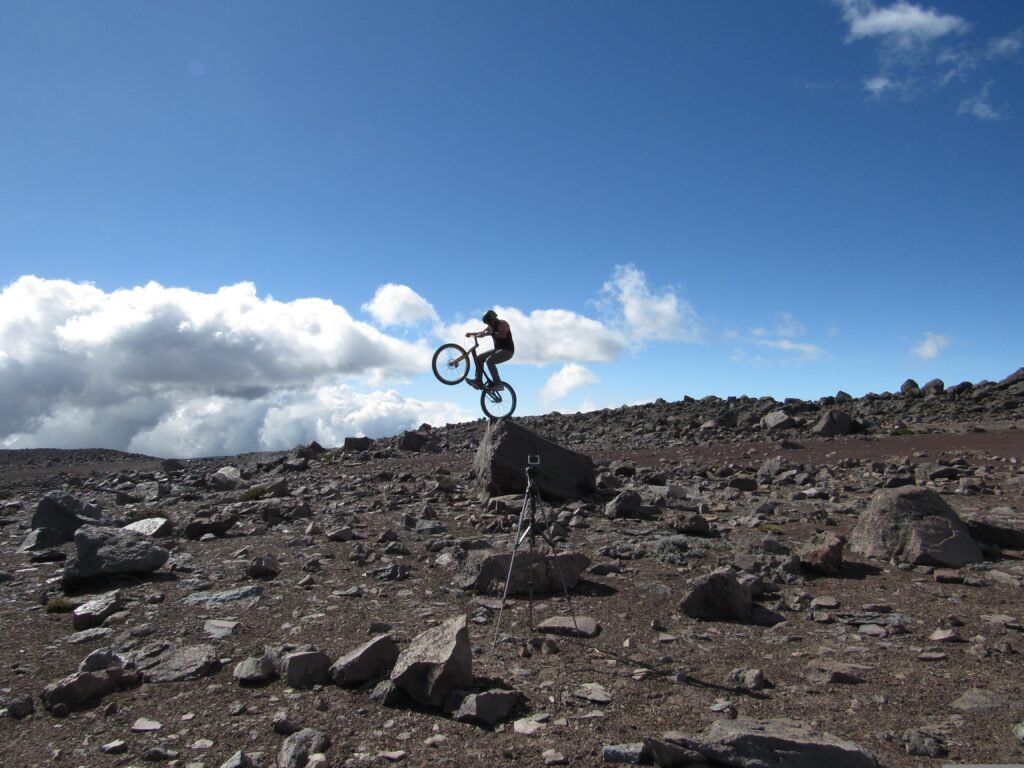
Riding or driving the mountain roads surrounding Volcán Chimborazo ranks among the world’s great adventure routes, but it demands relentless focus on vehicle maintenance and road safety.
Regional road quality spans from pristine asphalt highways to rough, rock-strewn dirt tracks. The arterial highway linking Riobamba to Ambato and Quito carries substantial commercial freight and fast-moving long-distance coaches.
Highland roads rarely feature dedicated cycle paths or paved margins, and heavy vehicles often pass aggressively on narrow bends. Riders and drivers should keep high-visibility daytime running lights switched on and approach downhill corners with extreme care, as loose gravel and oil residue frequently accumulate on the asphalt.
Weather, theft and cops
High-altitude weather introduces distinct driving hazards. Heavy rainstorms trigger sudden rockfalls and mudslides, while mountain fog can drop visibility down to a couple of metres. Reduce speed immediately when fog rolls in and avoid driving along remote mountain passes after dark.
Always watch out for harsh, unpainted speed humps, known locally as guardavías or rompemuelles, which can easily cause severe bicycle crashes or vehicle damage if hit at speed.
Bicycle theft remains a persistent issue in town centres and roadside dining spots. Never leave a bike unlocked or unattended, even for a brief moment. Secure bikes with heavy-duty locks, strip off easily removable GPS units and saddlebags when stepping away, and choose hotels that offer guaranteed, locked indoor storage for bicycles and heavy gear overnight.
Along major regional transit arteries, travellers will pass routine military and police checkpoints intended to maintain regional order. When approaching a checkpoint, slow down, turn on interior cabin lights if travelling at night, be polite, and present your physical passport along with a printed copy of your travel itinerary.
Security personnel usually treat international visitors with respect, and these stops enhance overall corridor security.
The Galápagos.
Ecuador’s Enchanted Isles
Emergency protocols, health guidelines and essential contacts
Establishing an emergency backup plan ensures that minor mechanical or physical setbacks do not derail your mountain journey.
Ecuador operates a centralised national emergency response network accessible by dialling 911. Downloading the official ECU 911 mobile application to your smartphone prior to departure allows emergency responders to pinpoint your exact location coordinates during an incident in remote terrain.
When accessing funds, use cash machines situated inside well-lit bank lobbies or shopping centres during daytime hours. Express robberies targeting standalone street cash points remain a risk across South American urban zones. If you must carry or withdraw significant cash reserves for tour fees, the Ecuadorian National Police provides a free escort service accessible by calling 911 before making your withdrawal.
Tap water throughout the highland region is not safe for direct drinking. Always consume boiled, treated, or bottled water, and decline ice cubes in rural eateries. Culinary hygiene in Riobamba is generally good, but sticking to popular restaurants with high customer turnover reduces the risk of stomach bugs.
Verify that your travel insurance policy contains explicit coverage for high-altitude mountain search, medical care, and helicopter evacuation up to 5,000 metres above sea level. Standard worldwide travel policies frequently cap elevation limits at 2,500 metres, leaving under-insured travellers facing massive out-of-pocket costs in alpine emergencies.
Summary checklist for your Chimborazo expedition
To ensure a seamless and safe journey through the heart of the Ecuadorian Sierra, keep this quick safety checklist top of mind:
- Acclimatise gradually in Quito or Riobamba for two to three days before ascending above 3,000 metres
- Hire an accredited ASEGUIM guide for any technical climbs or high-altitude glacier excursions on Volcán Chimborazo
- Pack high-grade windproof clothing, thermal layers, and high-factor UV protection for volatile páramo weather
- Secure your luggage on public buses by keeping bags on your lap rather than in overhead storage compartments
- Secure bikes in locked indoor storage overnight and never leave equipment unattended in public spaces
- Store emergency contacts, carry passport copies, and download the ECU 911 app for immediate assistance
The Ecuadorian Coast.
Where you’ll find the very best food
Conquer the high volcanic slopes of Chimborazo
Read this far?
Travelling through the central highlands of Ecuador offers a raw, unforgettable encounter with the natural world that few mass-market itineraries can replicate.
Volcán Chimborazo stands not just as a physical challenge for cyclists and hikers, but as an invitation to slow down, respect local rhythms, and appreciate the immense scale of the Andean landscape. By balancing careful preparation with open-ended curiosity, you can experience the high páramo safely and authentically.
Whether you are navigating the cobblestone streets of Riobamba or pushing your pedals up the winding gravel tracks towards the mountain refuges, the rewards far outweigh the logistical hurdles. True independent travel relies on staying aware of your surroundings, respecting environmental limits, and trusting the wisdom of local guides who call these heights home.
Keep your equipment secure, monitor how your body responds to the altitude, and let the road lead you into the heart of the mountains. The journey does not end at the summit sign; it lives in every mile of the ascent and every quiet conversation shared in a mountain village along the way.
Affiliate Disclaimer: Some of the links on Wheely Tyred are affiliate links. If you click through and make a booking or purchase, we may earn a small commission at no extra cost to you. We only recommend gear, tours, stays, and services we genuinely use, trust, and stand behind — our editorial independence always comes first. These commissions help keep our independent cycling guides and travel stories free to read. You can also buy me a coffee here — thanks for supporting the ride!
Frequently asked questions about Chimborazo safety
Cycling up the slopes is entirely possible for fit, experienced riders, but it requires careful preparation for extreme physical exertion and rapid weather changes. You must account for heavy commercial traffic on lower paved roads and loose gravel on upper tracks, alongside the significant risk of altitude sickness.
You do not need a guide to visit the lower areas or drive up to Refugio Hermanos Carrel. However, any technical hiking or climbing above the snowline strictly requires an accredited guide certified by the Asociación Ecuatoriana de Guías de Montaña.
The most effective preventative measure is gradual acclimatisation. Spend a few days at lower Andean elevations like Quito or Riobamba before ascending towards the reserve. Drink plenty of water, avoid alcohol and heavy meals upon arrival, and descend immediately if you experience persistent headaches or nausea.
Never leave your bicycle unattended in public, even for a brief moment. Use a heavy-duty lock when stepping away temporarily, and always confirm that your hotel or hostel provides secure, indoor overnight storage for both bikes and luggage.
Ecuador operates a unified emergency line through 911. Downloading the official ECU 911 app before your trip helps dispatchers trace your exact coordinates, though rescue times in remote mountain zones can be delayed by severe weather conditions or difficult terrain.
You should carry your physical passport (rather than just a digital photo) and a printed copy of your travel itinerary. Presenting these at routine military and police checkpoints along major transit highways ensures a quick, hassle-free passage.
Ecuador.
Pure wonder on the equator.


