
Best travel insurance for the Sierra, Ecuador / 2026 guide
Cover at elevation / The best travel insurance for the Ecuadorian Andes
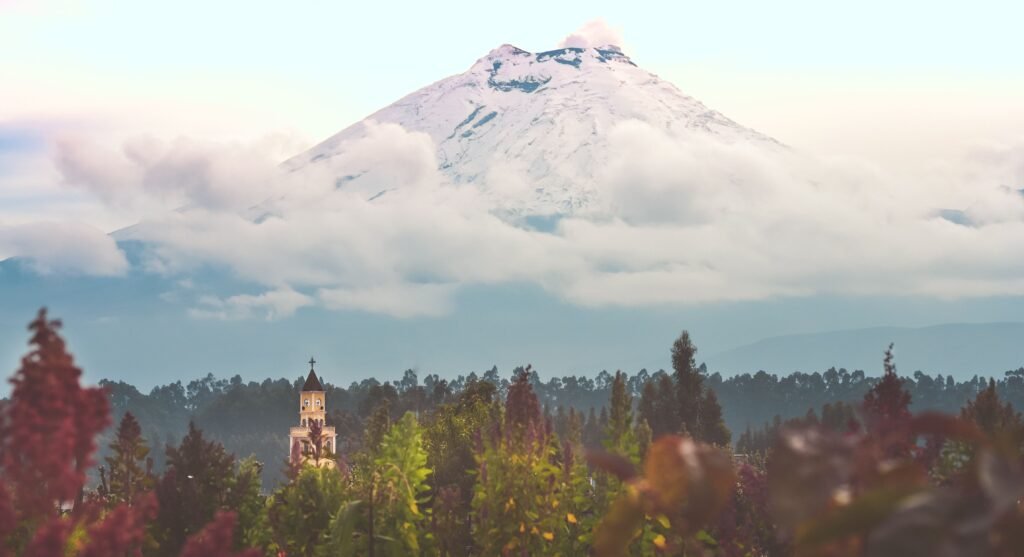
High altitudes, rugged roads, and Andean realities

BEN FINCH
The central highlands of Ecuador, known locally as the Sierra, present one of the most breathtaking and diverse landscapes in South America. Stretching along the spine of the Andes, this high-altitude corridor encompasses historic colonial cities like Quito and Cuenca, dramatic crater lakes such as Quilotoa, and majestic snow-capped peaks like Cotopaxi and Chimborazo.
For adventure cyclists, bikepackers, trekkers, and independent road trippers, the Sierra offers unparalleled opportunities for exploration.
However, moving through terrain that routinely sits between 2,500 and 4,500 metres above sea level introduces real operational and health risks. Acute mountain sickness (AMS), unpredictable weather shifts in the high páramo grasslands, remote mountain roads, and limited local medical infrastructure mean that standard, off-the-shelf travel insurance policies frequently fall short.
For most travellers venturing into the Ecuadorian highlands, securing a flexible policy that explicitly covers high-altitude activities, emergency search and rescue, and private medical transport is essential. Among the providers available today, multi-underwriter comparison platforms VisitorsCoverage and Insubuy serve as the premier recommendations for the Sierra.
By aggregating top international underwriters, allowing granular altitude filtering, offering customisable sports riders, and featuring zero-deductible options, these marketplaces deliver an optimal balance of comprehensive altitude protection and exceptional value.
This guide breaks down everything you need to know about selecting travel insurance for the Ecuadorian Sierra, comparing top market providers, evaluating altitude restrictions, and managing claims effectively in South America.
High-altitude essentials / Key takeaways for the Sierra

Navigating the high-altitude tracks, mountain passes, and remote valleys of the Ecuadorian Sierra demands more than standard travel cover. Here are the core insights to keep your Andean ride, trek, or road trip fully protected.
- Altitude threshold: Standard policies often cap medical cover at 2,000 or 3,000 metres, making them ineffective in Quito (2,850 metres) or along the Quilotoa Loop (3,900 metres)
- Marketplace Flexibility: Multi-underwriter platforms like VisitorsCoverage and Insubuy allow you to filter explicitly for high-altitude trekking and off-road cycling across multiple top-rated insurers
- Active sports riders: Bikepacking, off-road cycling, and high-altitude hiking require adding “Active Rest” or “Extreme Vacation” riders to your plan to avoid claim rejections
- Galápagos compliance: While mainland entry regulations vary, showing proof of valid travel medical insurance remains mandatory prior to boarding flights to the Galápagos Islands
- Remote evacuations: Rural health posts in the páramo are limited; robust policies ensure emergency ground or air transport to private medical facilities in Quito or Cuenca
- Formal paperwork: Local clinics require official tax invoices (facturas electrónicas) and medical reports (informes médicos) for reimbursement; police reports (denuncias) are required within 24 hours for theft
The Ecuadorian Sierra.
Get lost in the hills
Why travel in the Ecuadorian Sierra demands specialist insurance
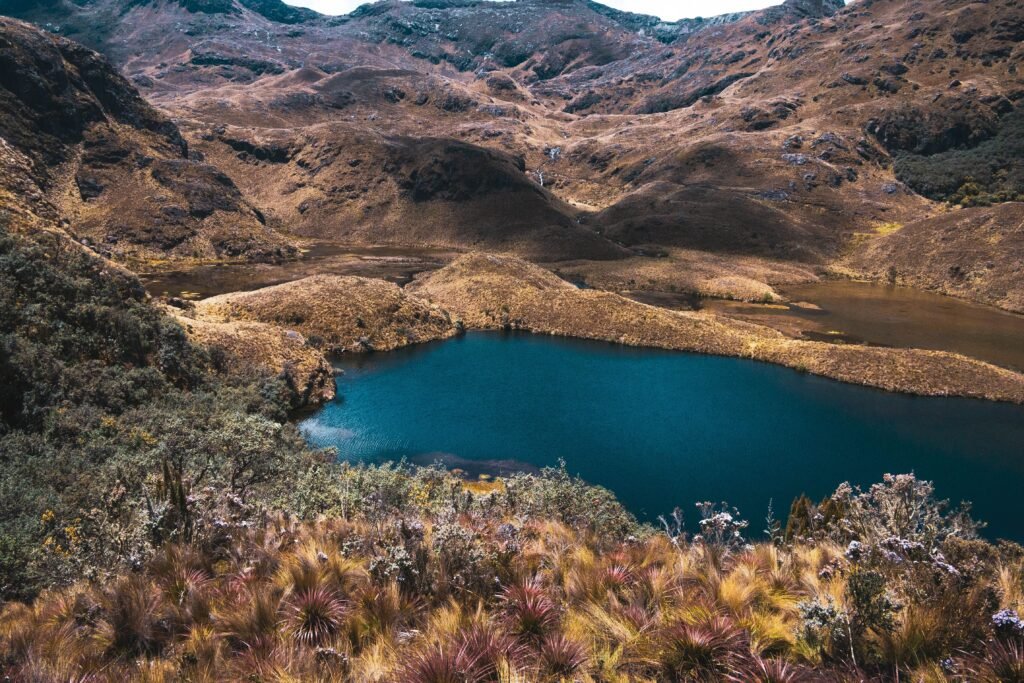
High altitude realities / 3,000 metres and above
Standard travel insurance policies are written for typical coastal or low-altitude holiday destinations. As a result, the vast majority of general policies include an altitude ceiling—often capped strictly at 2,000 or 3,000 metres.
In the Ecuadorian Sierra, elevation is a constant factor rather than an occasional highlight:
- Quito: The national capital sits at an elevation of 2,850 metres above sea level
- Cuenca: Ecuador’s cultural capital in the southern Sierra rests at 2,560 metres
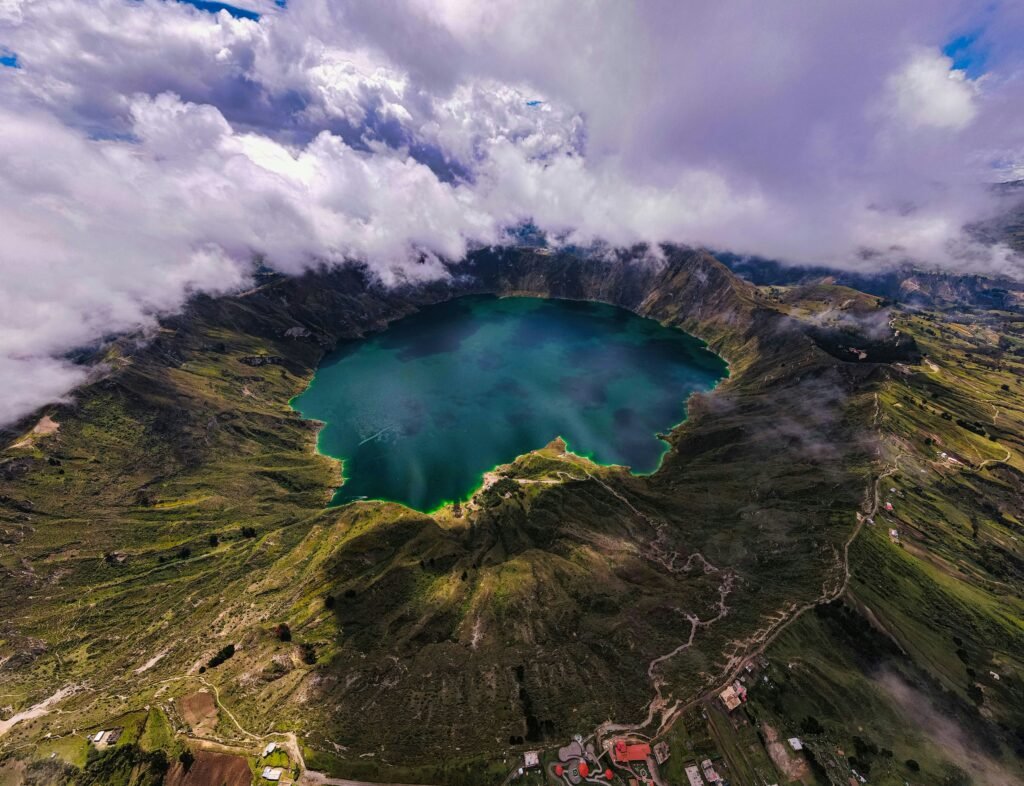
- The Quilotoa Loop: Hiking around the rim of this volcanic crater lake takes travellers to elevations between 3,800 and 3,900 metres
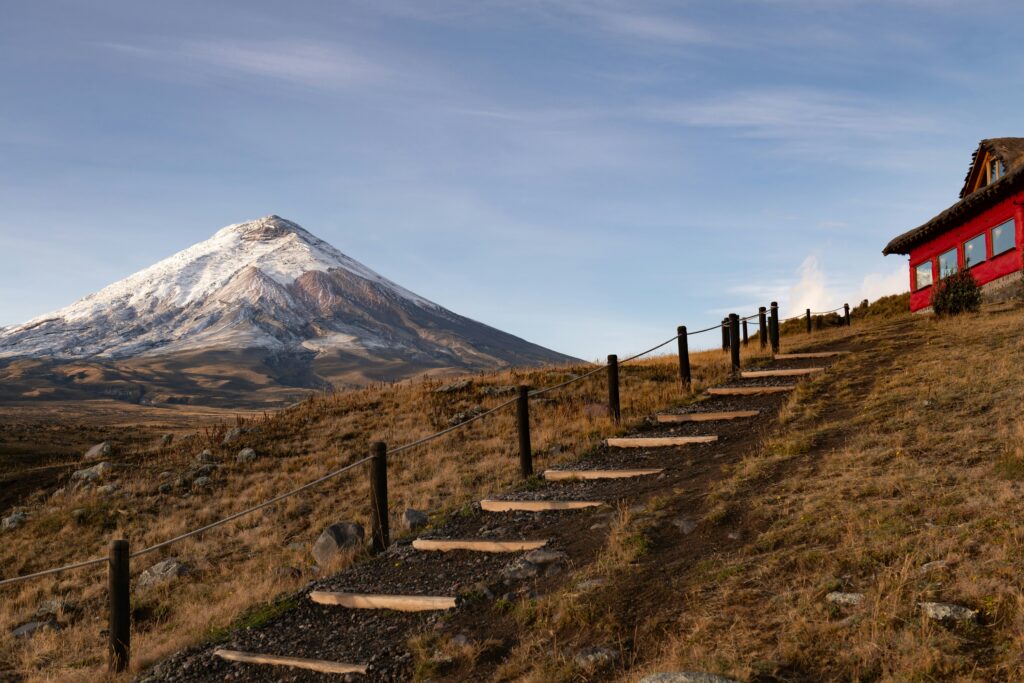
- Cotopaxi National Park: The popular trail to the José F. Rivas refuge sits at 4,860 metres, with the summit reaching 5,897 metres
- Chimborazo: The highest mountain in Ecuador features a high refuge at 4,800 metres and a peak reaching 6,263 metres
If you suffer from severe altitude sickness, pulmonary oedema, or an injury while walking or cycling above your policy’s stated altitude cap, your insurer can legally deny coverage for all associated medical care and evacuation. Selecting a policy with explicit high-altitude provisions or optional sports riders is non-negotiable.
Remote logistics and regional medical infrastructure
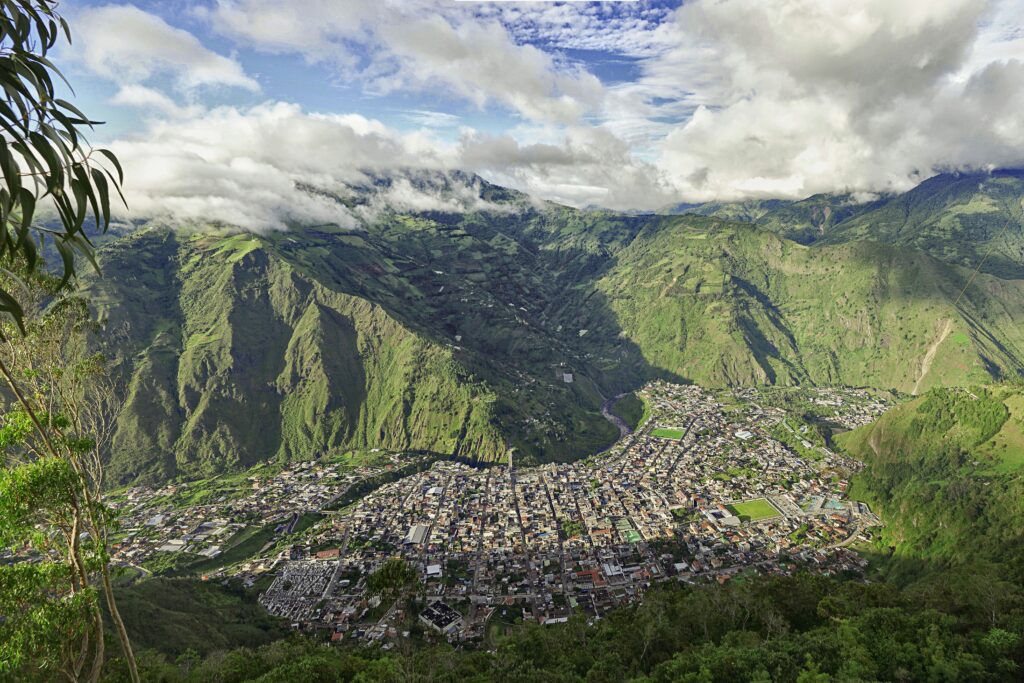
While Quito and Cuenca house modern, high-quality private hospitals equipped with English-speaking specialists, rural areas across the Sierra lack advanced emergency medical facilities. Small clinics in towns like Baños de Agua Santa, Alausí, or Tulcán can provide basic triage, but severe trauma, complex fractures, or advanced altitude complications require immediate medical evacuation to a major regional hospital.
Transporting an injured or severely ill traveller from a remote pass in the páramo to a private hospital in Quito can cost tens of thousands of dollars if paid out of pocket. Comprehensive travel insurance guarantees access to private air or ground ambulance transport, ensuring you receive high-standard care without incurring life-altering personal debt.
High-risk active pursuits / Bikepacking, volcano hiking, and trail riding
The Sierra is an outdoor playground for active travellers. Whether you are riding gravel roads on a bikepacking route, mountain biking down the flanks of Volcán Tungurahua, hiking between remote mountain villages, or horse riding through the páramo, standard insurance underwriters classify these activities as “high risk” or “extreme sports”.
Without an active sports rider attached to your policy, claims resulting from a bicycle crash, trail fall, or equipment failure will be rejected.
Mandatory entry rules and official regulations
While mainland Ecuador’s health insurance requirements for general tourists have fluctuated in administrative enforcement, proof of valid health insurance covering the duration of stay remains officially mandated for foreign visitors in several contexts.
Furthermore, if your itinerary includes a domestic extension to the Galápagos Islands, presenting a physical or digital copy of an active travel medical insurance policy is strictly enforced by migration officers at both Quito (UIO) and Guayaquil (GYE) airports prior to boarding.
The Galápagos.
Ecuador’s Enchanted Isles
Essential features of an effective altitude travel policy
When evaluating insurance policies for an Andean expedition, look beyond the headline price tag and examine the detailed terms and conditions.
Key policy evaluation for the Ecuador Sierra
- Altitude coverage: Explicit coverage up to 4,000m–5,000m+
- Evacuation & search: Includes air/ground transport & rescue
- Deductible structure: Prefer 0% deductible (Gold/Max+ plans)
- Sports & gear riders: Covers cycling, mountain biking, & luggage
- Issuance flexibility: Allows purchasing online while already abroad
Altitude caps and high-altitude trekking add-ons
Read the policy definition of “trekking” or “hiking”. Ensure the policy specifies non-technical hiking up to at least 4,000 or 5,000 metres. Technical mountaineering involving ropes, ice axes, and crampons (such as summiting Cotopaxi or Chimborazo) almost always requires a specialised extreme sports upgrade or a dedicated alpine mountaineering policy.
Emergency evacuation and mountain search operations
Search and rescue operations in remote mountainous regions are resource-intensive. Ensure your policy includes a distinct benefit limit for search operations (ideally $10,000 USD or higher) and a robust emergency medical evacuation allowance (minimum $50,000 to $100,000 USD).
Deductibles and direct payment vs reimbursement
A deductible (also known as an excess) is the amount you must pay out of pocket before your insurance coverage applies.
- Percentage Deductibles: Some budget plans feature a 25% deductible, meaning you pay a quarter of every medical bill
- Zero Deductible: Premium tiers cover 100% of eligible medical expenses after approval, which is far preferable when dealing with unexpected hospital admissions abroad
Additionally, ask whether the insurer arranges direct billing with medical providers or operates solely on a pay-and-claim reimbursement basis.
Gear, luggage, and bike frame protection
If you travel with expensive equipment—such as a custom gravel bike, bikepacking bags, camping gear, camera gear, or specialised outerwear—verify whether the policy covers loss, damage, or theft of personal belongings during transit and accommodation stays.
The Ecuadorian Amazon.
The most biodiverse place in the world
Primary recommendations / VisitorsCoverage & Insubuy
To find coverage tailored to the physical demands of the Sierra, using specialised insurance marketplaces provides the highest degree of flexibility and security. Both VisitorsCoverage and Insubuy allow you to compare multiple top-tier underwriters side-by-side, filter for exact altitude ceilings, add hazardous sports riders, and select zero-deductible plans.
VisitorsCoverage review
VisitorsCoverage is a global travel insurance marketplace renowned for its intuitive plan comparison engine and robust filter controls for active travellers.
- Hazardous Sports Filter: Allows you to easily toggle add-on riders for off-road cycling, bikepacking, high-altitude trekking, and horseback riding
- Underwriter Choices: Aggregates policies from leading international underwriters such as Seven Corners, WorldTrips, and Arch Insurance
- Instant Digital Issuance: Generates visa-compliant policy certificates immediately upon purchase, which can be saved offline on your smartphone for airport immigration or national park checkpoints
- Zero-Deductible Selection: Simple filtering tools allow you to isolate plans that eliminate out-of-pocket medical expenses entirely
Insubuy review
Insubuy is a leading insurance broker known for its technical transparency, side-by-side policy matrices, and dedicated customer advocacy during claims processing.
- Detailed Policy Matrices: Provides side-by-side evaluation of up to four plans simultaneously, laying out altitude limits, evacuation sub-limits, and activity exclusions in plain language
- High Evacuation Caps: Features plans backed by major underwriters with emergency medical evacuation limits ranging from $250,000 to $500,000 USD or higher
- Direct Billing Networks: Connects travellers with international assistance networks capable of arranging direct payments with private hospitals in Quito and Cuenca
- Flexible Duration: Ideal for open-ended South American overland trips, allowing seamless online renewals while already abroad
The Ecuadorian Coast.
Where you’ll find the very best food
Compare alternative insurance providers
While VisitorsCoverage and Insubuy offer the most adaptable platform-wide options for mountain travel, alternative individual providers cater to specific travel profiles in South America.
| Provider | Base Daily Price | Altitude Limits | Active Sports Cover | Ideal Travel Profile |
| VisitorsCoverage | From $1.50–3.50 USD | Up to 6,000m (plan dependent) | Yes (With selectable sports riders) | Active travellers, bikepackers, & hikers |
| Insubuy | From $1.50–3.50 USD | Up to 6,000m (plan dependent) | Yes (With selectable sports riders) | Independent travellers needing high evacuation caps |
| World Nomads | From $6.00–11.00 USD | Up to 6,000m+ (Explorer Plan) | Excellent (Explorer Plan required) | Technical mountaineers summiting peak volcanoes |
| SafetyWing | From $1.60–2.20 USD | Up to 4,500m (With add-on) | Basic; Adventure Sports add-on extra | Digital nomads & long-term open-ended trips |
| Heymondo | From $3.50–6.00 USD | Up to 3,000–4,000m | Good (With Premium/Top plans) | Short-term tourists seeking high app ease |
World Nomads / For technical mountaineering
World Nomads is a long-standing brand in the adventure travel sector.
- Strengths: Their Explorer Plan provides extensive coverage for high-altitude technical mountaineering, ropes-and-crampons climbing up to 6,000 metres, and wilderness search and rescue
- Drawbacks: Considerably more expensive, often costing two to three times as much per day for comparable non-technical cycling and trekking trips
- Verdict: Choose World Nomads if your primary goal is technical glaciated climbing on the summits of Chimborazo or Cotopaxi. For general bikepackers, road trippers, and trail hikers, competitors offer equal practical utility at a lower cost
SafetyWing / For long-term nomads and slow travel
SafetyWing’s Nomad Insurance operates on a monthly rolling subscription model.
- Strengths: Highly convenient for long-term remote workers moving slowly across South America without fixed end dates
- Drawbacks: Standard policies exclude high-risk activities and high-altitude mountain trekking unless you purchase an additional Adventure Sports add-on. Furthermore, claims handling can take longer compared to direct concierge services
- Verdict: Excellent for digital nomads residing long-term in Quito or Cuenca who occasionally take weekend city trips, but less tailored for dedicated high-altitude athletic expeditions
Heymondo / For app-based care
Heymondo offers modern travel insurance with a focus on digital user experience.
- Strengths: Includes a dedicated mobile application featuring a 24/7 medical chat and direct internet calls to assistance operators
- Drawbacks: Daily rates are higher, and altitude limits vary depending on country of residence and underlying policy underwriter
- Verdict: A strong alternative for short-term vacationers who prioritise app-based medical consultation features
Quito.
Explore the Middle of the World
Manage medical emergencies and filing claims in Ecuador
If you experience an illness, crash, or theft while travelling through the Ecuadorian Sierra, taking the right administrative steps ensures your insurance claim is processed smoothly.
Emergency claim action plan / Ecuador
- Contact Assistance Immediately: Call your insurer’s 24/7 hotline before private clinic admission, when conscious and able
- Secure Official Spanish Documentation: Obtain a Factura Electrónica, detailed diagnostic report (Informe Médico), and itemised treatment bill
- File Police Reports Within 24 Hours: For theft or loss, visit the local Policía Nacional or Fiscalía for an official Denuncia document
- Submit Claims Digitally: Upload high-resolution scans or photos directly via the online portal
Immediate steps during an incident
- Contact 24/7 Emergency Assistance First: Before admitting yourself to a private hospital or clinic (unless facing an immediate life-threatening emergency), call your insurer’s hotline. Contact the 24/7 assistance team listed on your policy document. They will direct you to an approved local facility and initiate direct billing coordination
- Keep Emergency Numbers Handy: In Ecuador, dial 911 for general emergency services, police, and public ambulance dispatch
Securing official reports and receipts
Ecuador’s medical and financial systems rely heavily on formal documentation. To ensure successful reimbursement for out-of-pocket expenses:
- Medical Reports (Informe Médico): Request a signed medical report from the attending physician detailing your diagnosis, symptoms, altitude context, and prescribed treatment
- Official Tax Invoices (Factura Electrónica): Ensure all receipts from clinics, hospitals, or pharmacies are formal tax invoices containing your full passport name and passport number. Standard informal cash receipts are often rejected by international claims adjusters
- Police Reports (Denuncia): If your baggage, bicycle, or electronics are stolen in transit or at a hotel, you must file an official report (denuncia) at the nearest Policía Nacional station or Fiscalía office within 24 hours
Spanish language requirements and local medical clinics
Outside major private hospitals in Quito and Cuenca, medical staff in rural Sierra clinics (such as those in Latacunga, Alausí, or El Ángel) speak primarily Spanish.
Having digital translation tools ready on your smartphone—and using your insurer’s multilingual concierge assistance—will streamline communication during medical consultations and claims processing.
Cuenca.
The Athens of Ecuador
Final recommendations for your Andean journey
Exploring the Ecuadorian Sierra—whether navigating the high mountain passes of the páramo, cycling gravel roads around Cotopaxi, or soaking in the thermal springs of Baños de Agua Santa—is an unforgettable adventure. However, the combination of high altitude, rugged geography, and remote mountain trails makes specialised travel insurance an absolute necessity.
Standard budget travel policies frequently fail in the Andes due to strict altitude caps, low medical limits, and exclusions on active sports.
By opting for a comprehensive policy, active travellers secure reliable high-altitude coverage, zero-deductible peace of mind, customisable sports riders, and instant policy issuance at a fraction of standard market rates.
Before setting off into the highlands, verify your itinerary, confirm your activity add-ons, download your digital policy documents, and enjoy your journey through the Ecuadorian Andes.
Ready your kit for the High Andes
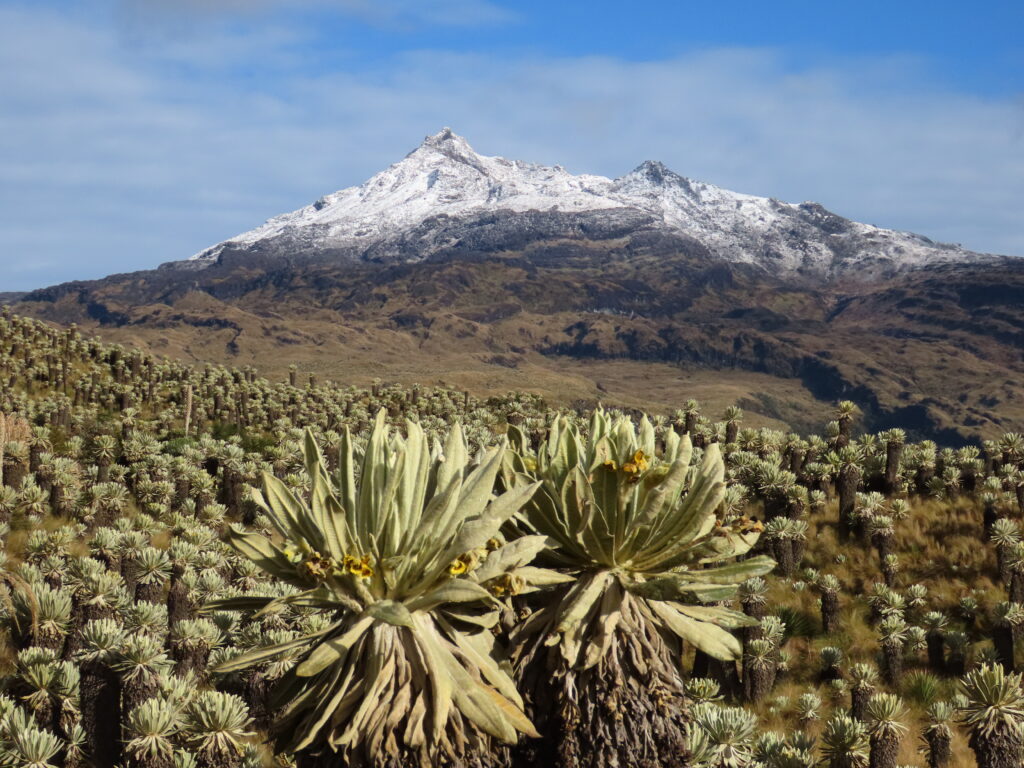
Travelling through the Ecuadorian Andes on two wheels or on foot offers an intimate way to experience South America. From the cobbles of historic Quito to the wind-scoured tracks crossing the páramo grasslands, independent journeys reveal the region’s raw beauty and rich cultural heritage. Yet the very elements that make the Sierra captivating—its sheer elevation, dramatic topography, and remote mountain passes—are precisely what create unique logistical hurdles.
Preparing for these challenges is less about anticipating disaster and more about protecting your freedom to explore. Whether you are catching regional buses between trailheads, pedalling laden gravel bikes over high-altitude cols, or embarking on multi-day treks beneath snow-capped volcanoes like Cotopaxi and Chimborazo, having the right insurance policy working quietly in the background allows you to focus on the terrain ahead.
Using flexible comparison platforms like VisitorsCoverage and Insubuy ensures that altitude sickness, sudden trail injuries, or gear complications do not bring your journey to a costly halt. By selecting a zero-deductible plan and attaching the appropriate active sports riders, you safeguard both your health and your wallet against the unexpected realities of high-altitude travel.
As you pack your panniers, double-check your gear, and plan your acclimatisation schedule, take 10 minutes to secure a policy tailored to the heights you plan to reach. Safe travels, smooth roads, and enjoy every climb through Ecuador’s high country.
Affiliate Disclaimer: Some of the links on Wheely Tyred are affiliate links. If you click through and make a booking or purchase, we may earn a small commission at no extra cost to you. We only recommend gear, tours, stays, and services we genuinely use, trust, and stand behind — our editorial independence always comes first. These commissions help keep our independent cycling guides and travel stories free to read. Thanks for supporting the ride!
Frequently asked questions about the best travel insurance for the Ecuadorian Sierra
While mainland Ecuador does not strictly enforce medical insurance checks at border control for general tourists, proof of valid travel medical cover is mandatory if your itinerary includes the Galápagos Islands. Regardless of legal mandates, travelling through high-altitude zones without private insurance exposes you to immense out-of-pocket expenses if emergency transport or hospitalisation is required.
Most standard, off-the-shelf policies contain strict altitude ceilings, typically cutting off medical cover at 2,000 or 3,000 metres. Because Quito sits at 2,850 metres, and popular routes like the Quilotoa Loop exceed 3,800 metres, an unamended standard policy can void medical claims for acute mountain sickness or injuries sustained at these heights.
Primary travel medical insurance focuses on health care and emergency evacuation. While policies include general baggage protection, per-item sub-limits are usually capped quite low (often $250 to $500 USD). High-value equipment like custom bikes or camera setups should be insured via dedicated sports equipment add-ons or worldwide personal effects extensions on your home contents policy.
Multi-underwriter marketplaces allow you to compare plans from several top-rated international insurers side by side. They give you the flexibility to filter specifically by elevation ceilings, add dedicated adventure sports riders, adjust deductible tiers to $0, and select high emergency evacuation limits tailored to your exact itinerary.
To ensure smooth reimbursement, always request a formal tax invoice (factura electrónica) registered with your full name and passport number, alongside an itemised bill and a signed medical report (informe médico) from the treating physician. If you experience theft on public transport or in town, file a report (denuncia) with the Policía Nacional within 24 hours.
Standard high-altitude trekking and cycling riders cover hiking, gravel riding, or bikepacking on dirt roads and established trails up to 4,500 or 5,000 metres. Technical mountaineering coverage is required if your itinerary involves technical climbing gear—such as crampons, ice axes, and ropes—to summit glaciated peaks like Cotopaxi or Chimborazo.
Ecuador.
Pure wonder on the equator.

