The high-altitude heart of the Andes / A history of the Ecuadorian Sierra
Exploring the cultural heritage and historic landmarks of the Ecuadorian Andes
Where ancient peaks meet the echoes of empires
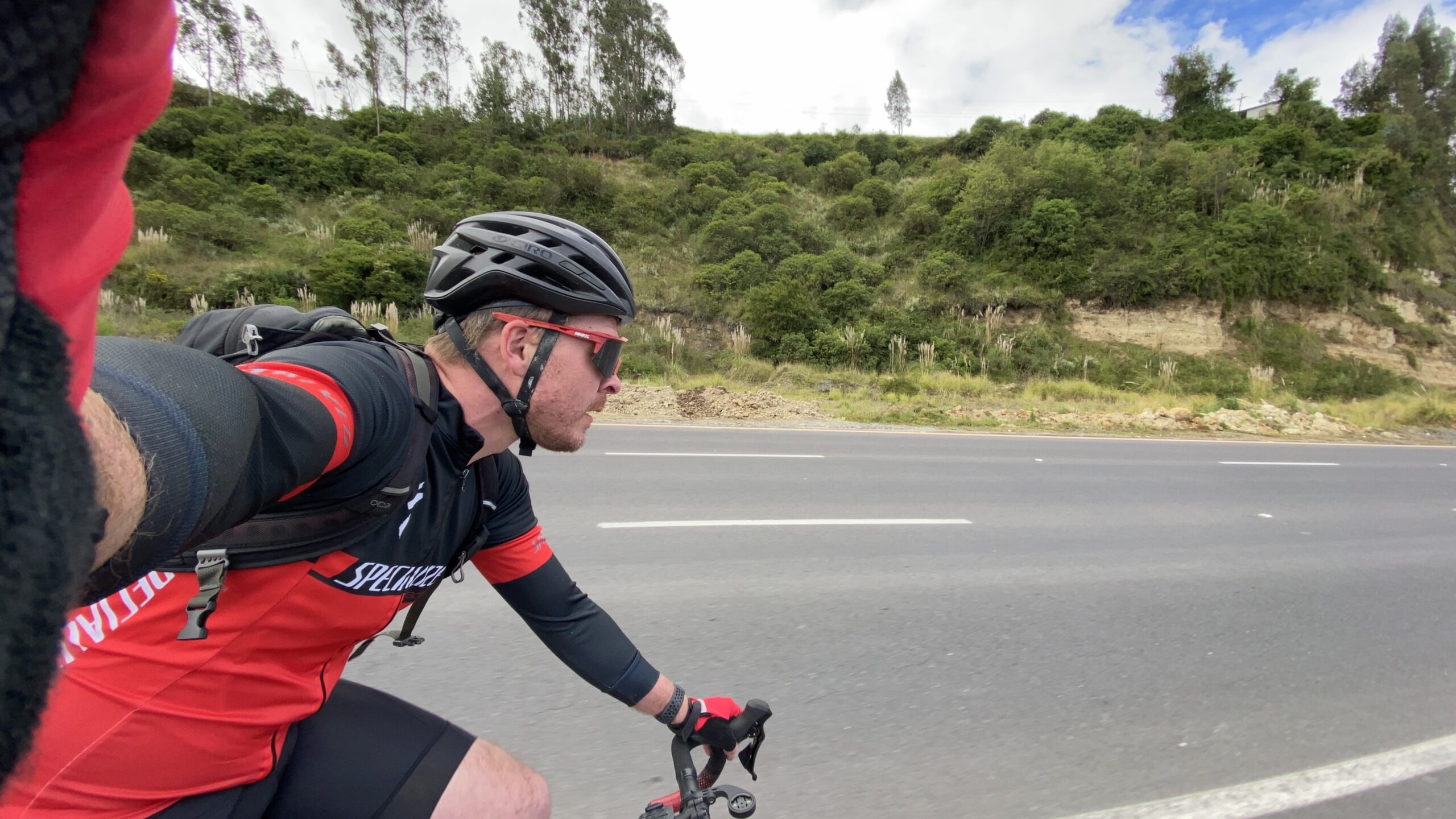
BEN FINCH
The Ecuadorian Sierra is more than just a spine of towering peaks and emerald valleys; it is a living museum where the air is thin and the history is dense. Stretching from the northern border with Colombia to the southern reaches near Peru, this highland region has been the stage for some of South America’s most dramatic historical shifts. For the independent traveller, understanding the Sierra requires looking past the breathtaking vistas of the Avenue of the Volcanoes to the layers of civilisation that have called these mountains home for millennia.
The spine of the Americas / High-altitude heritage
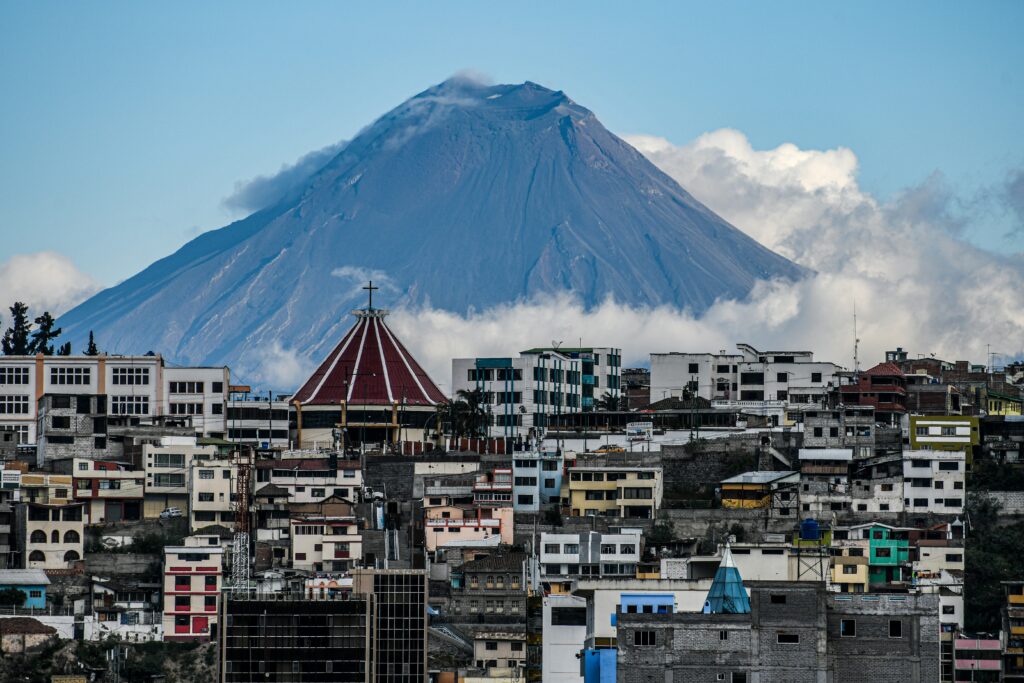
The Ecuadorian Sierra is a landscape defined by dramatic shifts in geography and power, where volcanic peaks shelter centuries of human endurance. It is a region for those who prefer the slow climb of a mountain pass to the convenience of a tour bus.
- Pre-Incan Roots: Long before the empires arrived, cultures like the Cañari and Caranqui mastered the high-altitude páramo, leaving behind a legacy of sophisticated agriculture and astronomical knowledge
- Ingapirca’s Fusion: As the premier archaeological site in the country, these ruins showcase a rare architectural marriage between the sun-worshipping Incas and the moon-worshipping Cañari
- The School of Quito: The capital’s historic centre is a masterclass in colonial artistry, where indigenous craftsmen infused European Baroque designs with local botanical and cultural symbols
- Hacienda Culture: Once the sprawling heart of the rural economy, many of these historic farm estates now serve as grounded, atmospheric bases for exploring the surrounding valleys
- The Trans-Andean Railway: A feat of early 20th-century engineering that carved a path through the Devil’s Nose, connecting the isolation of the highlands with the world beyond
- Indigenous Resilience: From the Kichwa language to the vibrant markets of Otavalo, the Sierra’s ancient identity remains a living, breathing part of daily life rather than a relic of the past
The Ecuadorian Sierra.
Get lost in the hills
The first guardians of the mountains
Long before the first stone was laid for the Incan Empire, the Ecuadorian Sierra was home to a patchwork of diverse and resilient indigenous cultures. In the north, the Pastos and Caranquis built sophisticated agricultural terraces and earthen mounds, while the central highlands were the domain of the Puruhá. Perhaps the most influential were the Cañari in the south, centred around what is now the city of Cuenca.
These early societies were not merely primitive precursors; they were expert astronomers, engineers, and farmers. They navigated the complex microclimates of the Andes, developing trade routes that linked the Amazon basin to the Pacific coast. The Sierra provided a natural fortress and a source of life-giving water from the páramo, the high-altitude grasslands that act as a sponge for the region. The relationship between the people and the volcanic landscape was one of profound spiritual significance, a connection that remains palpable today in the local festivals and traditional agricultural practices that still dot the mountain slopes.
The Incan conquest and the war of two brothers
The Incan expansion into the Ecuadorian Sierra in the late 15th century was a pivotal moment that redefined the region’s cultural and political landscape. Under the leadership of Tupac Yupanqui and later Huayna Capac, the Incan Empire, or Tawantinsuyu, pushed northward from Cusco. The resistance from local groups, particularly the Cañari, was fierce and prolonged. It took decades of conflict and strategic alliances for the Incas to consolidate their power.
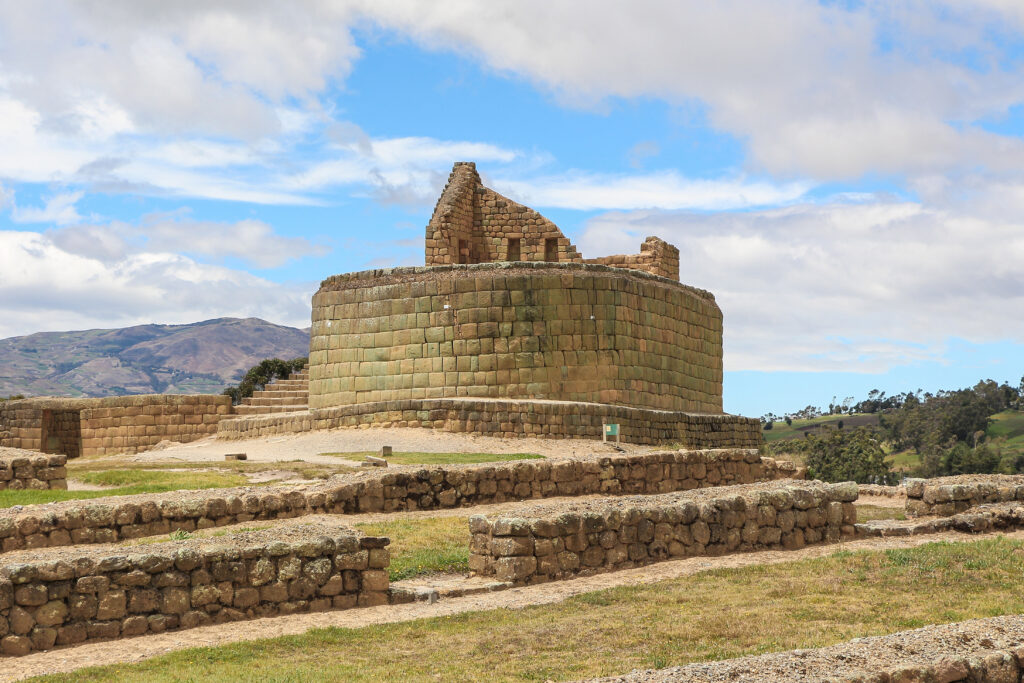
The legacy of this period is most visible at Ingapirca, the most significant Incan archaeological site in Ecuador. Unlike the purely Incan structures found in Peru, Ingapirca features a unique fusion of Incan and Cañari architecture, symbolising the complex integration of the two cultures. The Incas also introduced the Quechua language, which evolved into the Kichwa spoken by millions in the Sierra today.
The Sierra also served as the backdrop for the tragic final act of the Incan Empire. The civil war between the half-brothers Atahualpa, based in Quito, and Huascar, based in Cusco, fractured the empire just as the Spanish conquistadors arrived on the coast. Atahualpa’s victory in the highlands was short-lived, as the arrival of Francisco Pizarro turned the tide of history toward a colonial future.
The Galápagos.
Ecuador’s Enchanted Isles
Colonial transformation and the birth of the Sierra cities
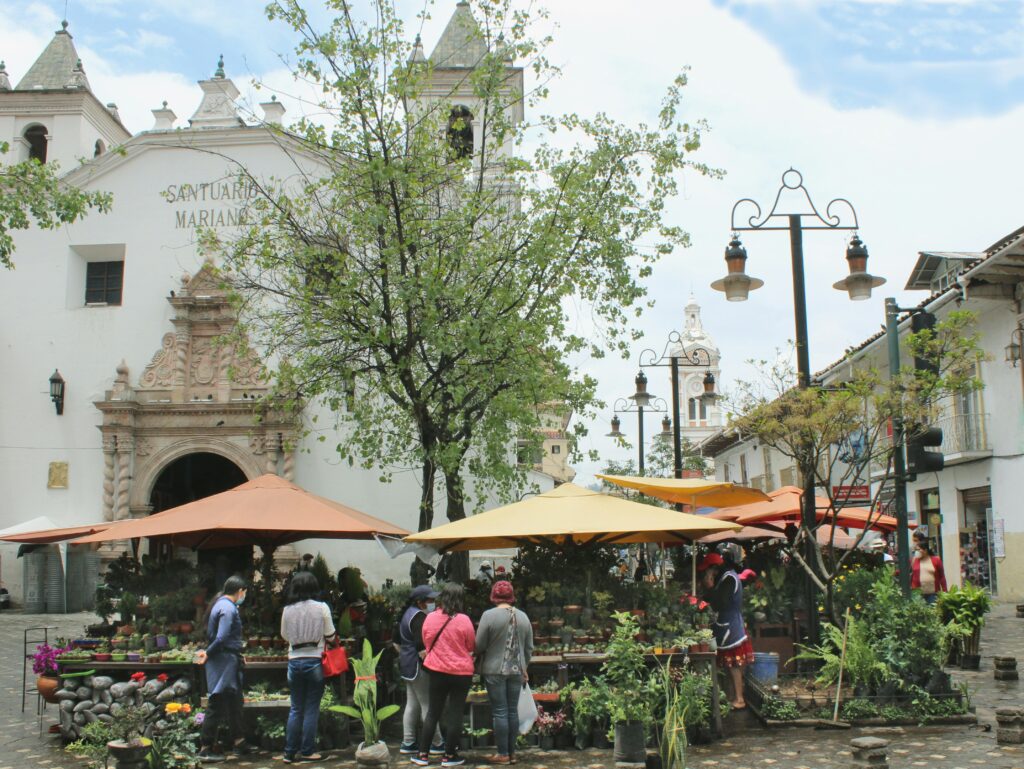
The Spanish conquest in the 1530s brought about a radical restructuring of the Sierra. Cities like Quito and Cuenca were established atop existing indigenous settlements, creating a layered urban fabric that is still evident today. Quito, founded in 1534, became a major centre of the Spanish administration and the arts. The city’s historic centre, a UNESCO World Heritage site, is a testament to the School of Quito, a unique artistic movement that blended European Baroque styles with indigenous symbolism.
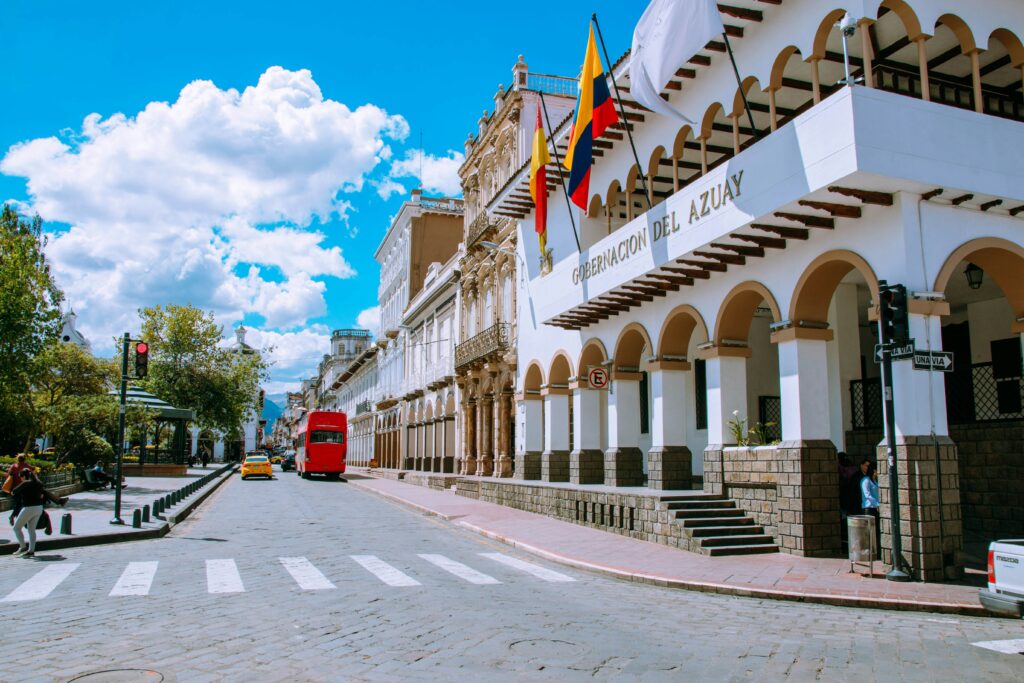
The colonial era saw the introduction of the hacienda system, which dominated the rural landscape of the Sierra for centuries. These large estates, many of which have now been converted into boutique lodgings or cultural centres, were the economic engines of the highlands, focusing on cattle ranching and textile production. The cobblestone streets and whitewashed walls of the Sierra towns are a direct legacy of this period, offering a glimpse into a time of rigid social hierarchies and profound religious devotion.
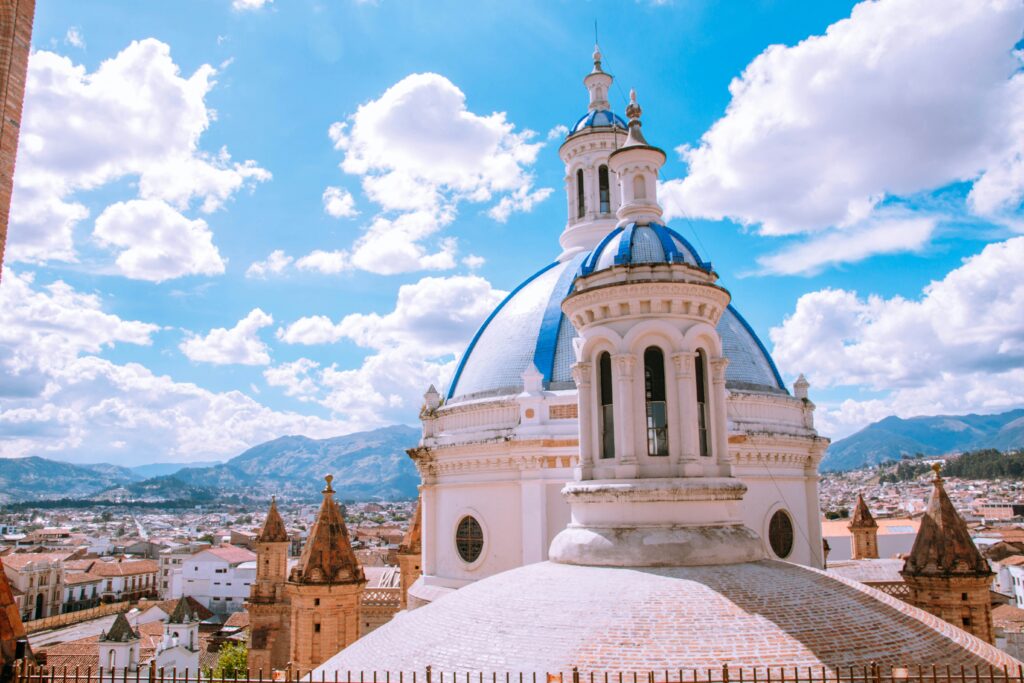
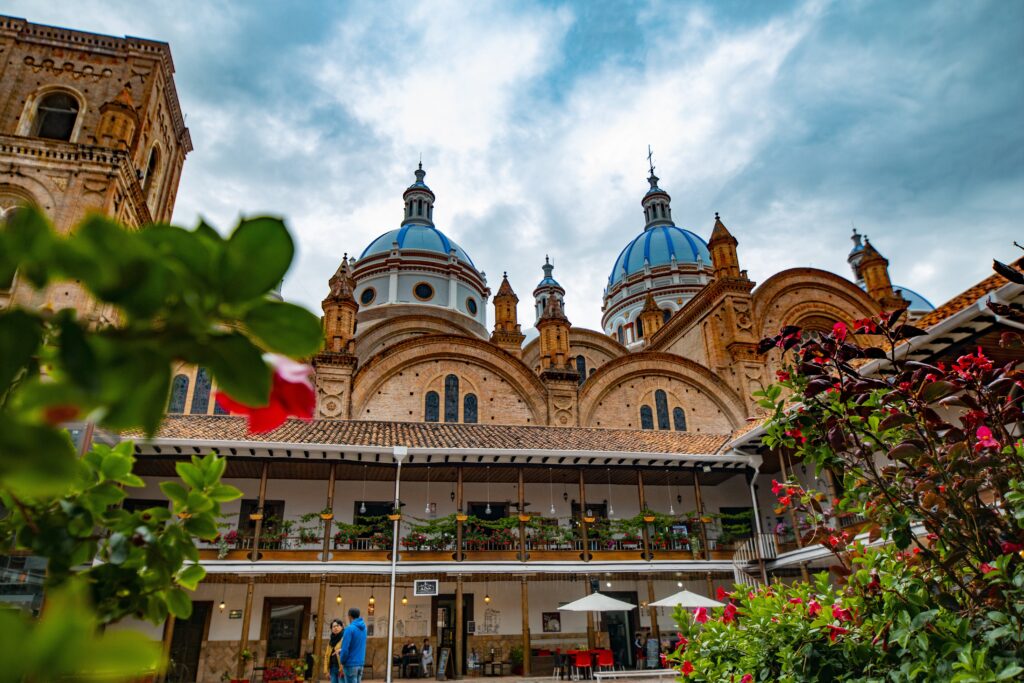
The church played a central role in colonial life, and the cathedrals of the Sierra remain some of the most impressive architectural feats in South America. The Basilica of the National Vow in Quito and the New Cathedral in Cuenca are not just religious sites; they are monuments to the historical aspirations of a region striving to define its identity within the Spanish Empire.
The road to independence and the modern Sierra
The 19th century brought the winds of change to the Andes. The Ecuadorian Sierra was the heart of the independence movement, with Quito being the first city in Latin America to rebel against Spanish rule in 1809. The decisive Battle of Pichincha in 1822, fought on the slopes of the volcano overlooking Quito, secured Ecuador’s freedom and paved the way for the country to join Gran Colombia before becoming a fully independent republic in 1830.
Following independence, the Sierra underwent a period of slow modernisation. The construction of the Trans-Andean Railway in the early 20th century, often described as the most difficult railway in the world, was a Herculean effort to connect the highlands with the coast. This engineering marvel, which navigates the infamous Devil’s Nose, transformed the economy and accessibility of the Sierra, allowing for the movement of goods and people across the rugged terrain.
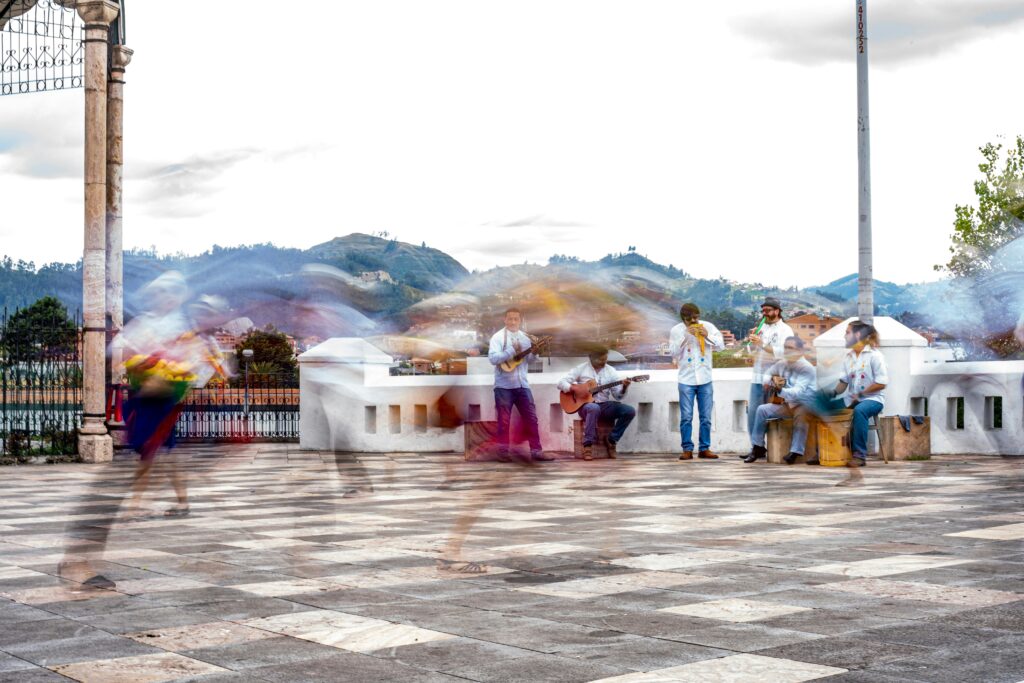
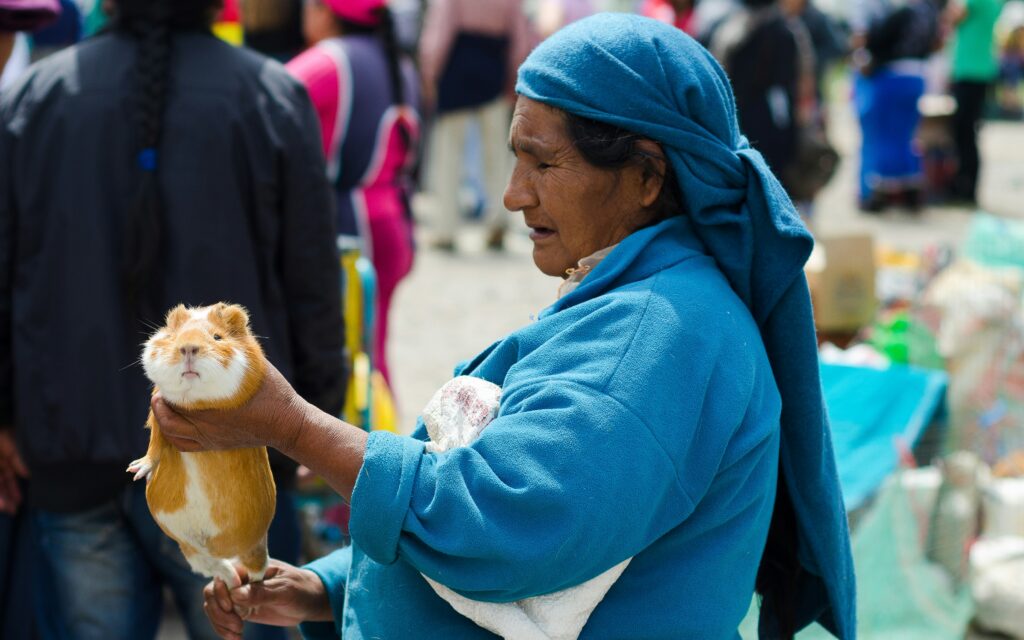
Today, the Ecuadorian Sierra is a region that honours its past while looking toward the future. The indigenous markets of Otavalo and Saquisilí continue traditions that predate the Spanish, while the burgeoning craft beer scene and focus on sustainable travel reflect a modern, outward-looking culture. The history of the Sierra is written in the furrows of the mountains and the stones of its cities, waiting to be explored by those who value depth over speed.
The Ecuadorian Amazon.
The most biodiverse place in the world
Why history matters for the modern explorer
For those traversing the Sierra, history is the key to unlocking the true character of the landscape. Every climb up a mountain pass or descent into a colonial valley is a journey through time. The ancient trails once used by Incan chasquis (runners) now provide the foundation for some of the world’s most challenging and rewarding travel routes. Understanding the history of the land helps to appreciate the resilience of its people and the complexity of its culture.
Wheely Tyred advocates for a style of travel that respects these historical narratives. By choosing to engage with local communities and explore beyond the well-trodden paths, travellers can experience a version of the Sierra that is authentic and meaningful. The history of this region is not a static thing found only in books; it is found in the taste of traditional locro de papa, the intricate patterns of a hand-woven poncho, and the enduring presence of the volcanoes that have watched over it all.
Frequently asked questions about the history of the Ecuadorian Sierra
While the Trans-Andean Railway is largely a heritage experience, the most authentic way to navigate the Sierra is via the extensive network of local buses that connect even the smallest mountain villages. For those on two wheels, the secondary roads often provide quieter, more scenic alternatives to the Pan-American Highway, though the altitude requires significant respect.
Most of the Sierra sits between 2,500 and 3,500 metres above sea level. It is essential to allow a few days to acclimatise in cities like Quito or Cuenca before attempting strenuous activities like cycling or hiking. Staying hydrated and following the local tradition of drinking mate de coca can help mitigate the effects of the thin air.
The Sierra experiences four seasons in a day. While mornings are often bright and clear—offering the best views of peaks like Cotopaxi—afternoon rains and sharp temperature drops after sunset are common. Layering is the only practical approach for those spending the day outdoors.
Respect for the land is paramount. Many highland communities maintain communal land rights and traditional governing structures. When visiting markets or rural areas, a polite “Buenos días” goes a long way, and it is always best to ask permission before taking photographs of local people or their homes.
The páramo is the high-altitude tundra found above the treeline. For the independent traveller, it is a place of stark, haunting beauty. Historically and ecologically, it acts as the region’s water tower, absorbing moisture from the clouds and feeding the rivers that sustain life in the valleys below.
Many haciendas operate as working farms or cultural centres and welcome day visitors for a small fee or a meal. This is an excellent way to see colonial architecture and learn about the region’s agricultural history without the price tag of a luxury stay.
Ecuador.
Pure wonder on the equator.