The northern sun / A journey through the history of Ecuador
Discover the essential history of Ecuador from ancient civilisations to modern independence
Where the shadows of the Incas meet the echoes of the Spanish Baroque
BEN FINCH
The story of Ecuador is not a linear narrative but a vertical one, much like the mountains that define its spine. It is a land where the equator provides a constant sun, yet the history is dappled with the shade of empires rising and falling.
For the independent traveller, understanding this land requires looking past the vibrant textiles and volcanic peaks to the foundations laid by those who walked—and rode—these paths centuries ago.
The equatorial sun / An Andean chronicle
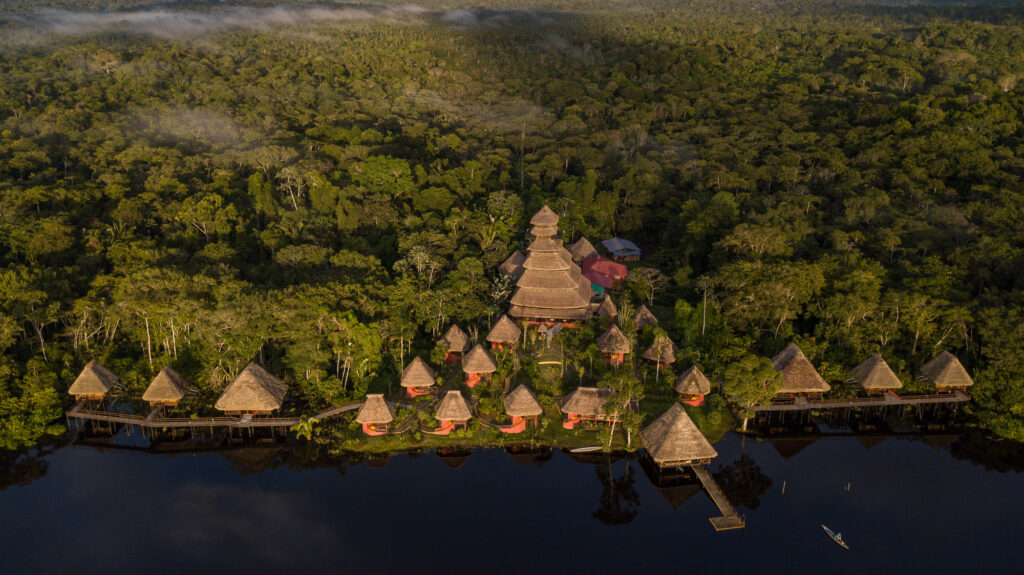
Ecuador is a land where the geographical centre of the world meets a vertical history of soaring empires and coastal resilience. For the independent traveller, it offers a dense tapestry of ancient stone paths and colonial grandeur that rewards the slow, curious explorer.
- Ancient foundations: Long before the Incas, coastal civilisations like the Valdivia were crafting some of the earliest ceramics in the Americas, setting a high bar for Andean craftsmanship
- The Incan expansion: The late 15th-century arrival of the Incas brought the Qhapaq Ñan, a formidable network of stone trails that remains a bucket-list challenge for modern gravel cyclists
- Colonial hybridity: The School of Quito emerged as a unique artistic movement where indigenous artists infused European Baroque styles with local symbols, creating the gilded masterpieces of Quito’s Old Town
- Scientific identity: The 18th-century French Geodesic Mission did more than measure the earth; it gave the nation its name and sparked the Enlightenment ideals that led to independence
- The railway era: A monumental feat of engineering, the Trans-Andean railway attempted to connect the high-altitude politics of Quito with the tropical commerce of Guayaquil
- The cocoa boom: In the late 1800s, the coast flourished during a Golden Age driven by the export of high-quality cocoa, shaping the resilient character of coastal towns like Puerto López
- Rights of nature: Modern Ecuador leads the world in environmental ethics, being the first to give constitutional rights to the Pachamama, reflecting an ancestral respect for the landscape
The Ecuadorian Sierra.
Get lost in the hills
The ancient foundations of the middle of the world
Long before the term Ecuador existed, the region was a patchwork of sophisticated chiefdoms. Civilisations such as the Valdivia, Machalilla, and Chorrera flourished on the coast, creating some of the earliest pottery in the Americas. In the highlands, the Quitu and Cañari peoples developed complex agricultural systems and trade networks that defied the verticality of the Andes.
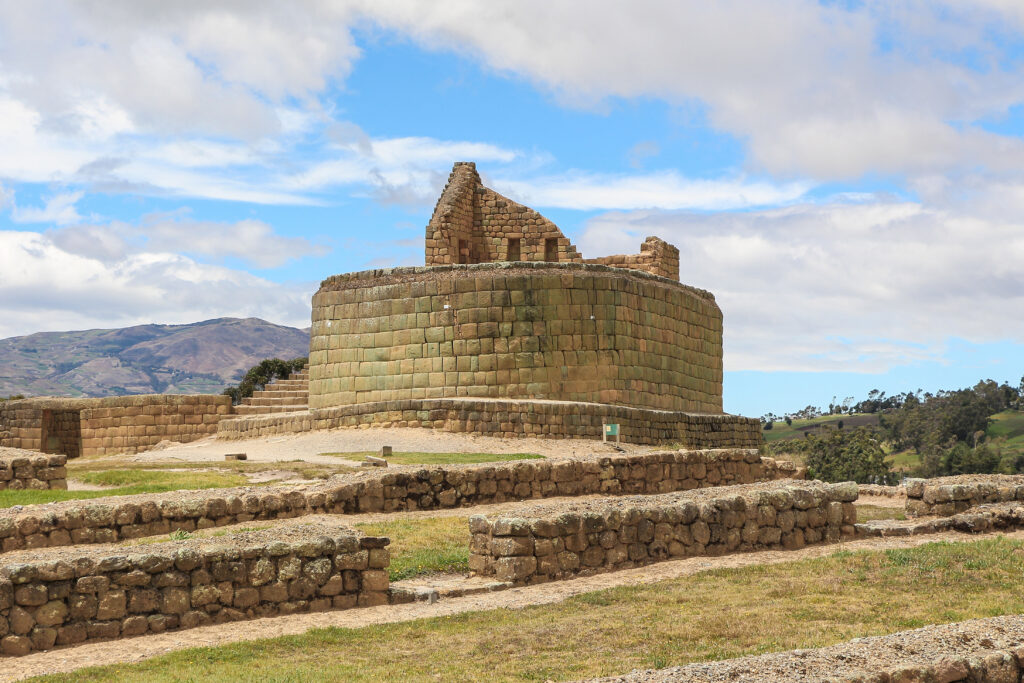
The arrival of the Incas in the late 15th century was a seismic shift. Unlike the rapid conquests seen elsewhere, the resistance from local tribes like the Caranqui was fierce. When the Inca Huayna Capac finally consolidated power, he transformed Quito into a secondary capital of the Tahuantinsuyu empire. The legacy of this era remains visible in the Qhapaq Ñan, a massive network of stone-paved trails. Today, these paths represent the ultimate challenge and reward for those exploring the country on two wheels, offering a direct physical connection to the Inca engineering genius.
The collision of two worlds
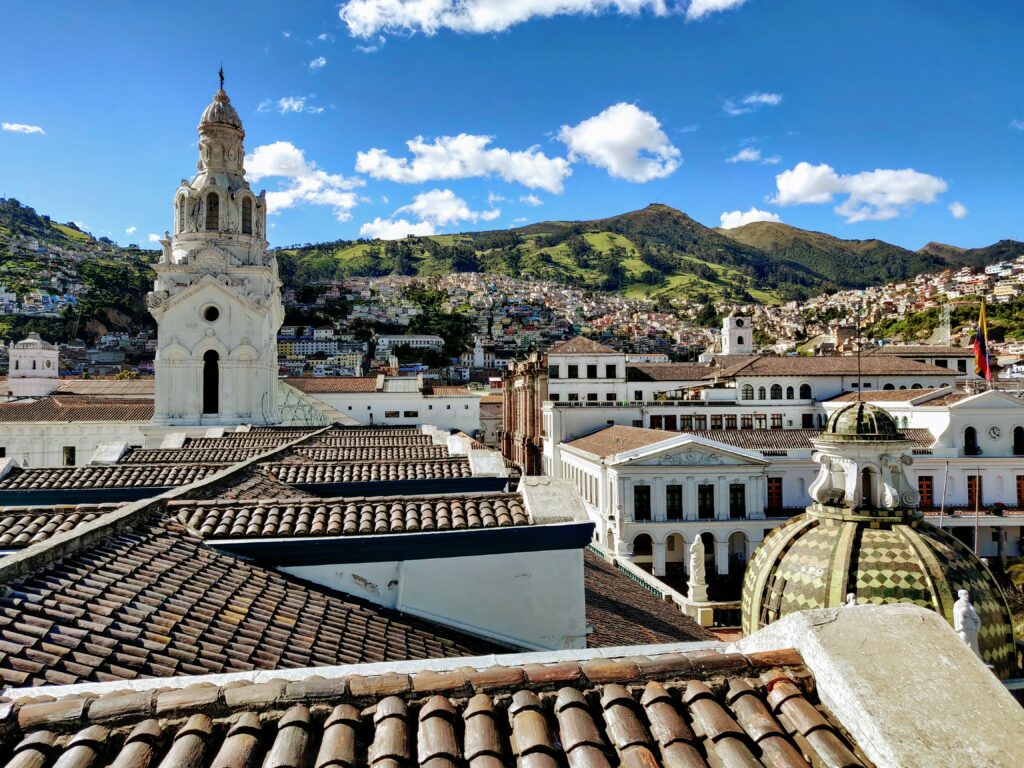
The Spanish arrival in the 1530s, led by Sebastián de Belalcázar, brought about a radical reconfiguration of the landscape. On the ruins of Inca palaces, the Spanish built a city of gold and stone. Quito became the jewel of the Spanish Empire in South America, not for its minerals, but for its minds.
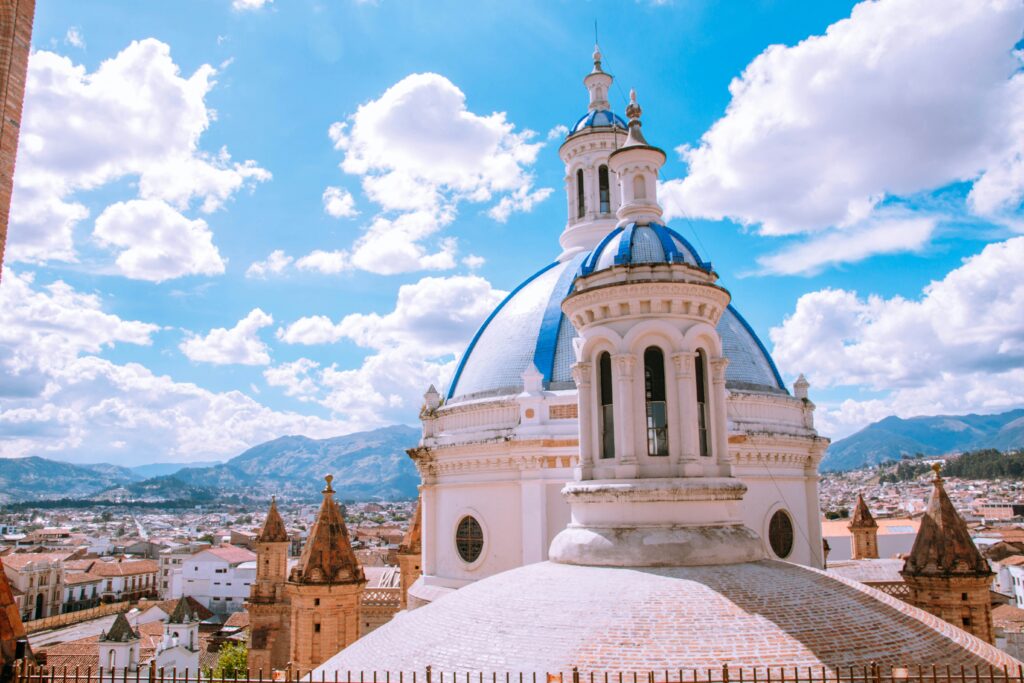
The School of Quito (Escuela Quiteña) emerged as a powerhouse of artistic production. Indigenous and mestizo artists took European Baroque concepts and infused them with local flora, fauna, and symbols. To walk through the Old Town of Quito today—the first-ever city to be named a UNESCO World Heritage site—is to witness this hybridity. The gilded interior of the Church of the Compañía de Jesús is more than a religious monument; it is a testament to the concentrated wealth and artistic fervour of the colonial era.
The Galápagos.
Ecuador’s Enchanted Isles
The mission that named a nation
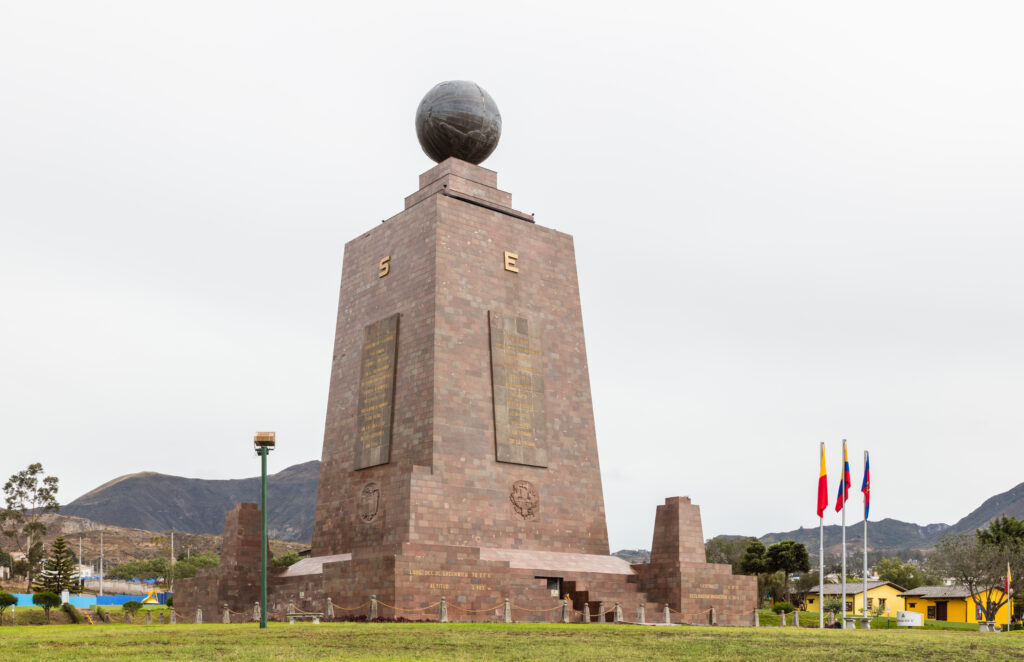
In the 18th century, Ecuador was still the Real Audiencia de Quito. Its modern identity began to take shape through science rather than politics. The French Geodesic Mission arrived in 1736 to measure the curvature of the Earth and determine its true shape.
This mission did more than provide scientific data; it placed this specific stretch of the Andes on the global map as the Equator. The scientists’ interactions with local intellectuals like Pedro Vicente Maldonado sparked a new era of Enlightenment thinking. It was during this time that the seeds of independence were sown, as the local elite began to see themselves as distinct from the Spanish Crown.
The path to the Republic
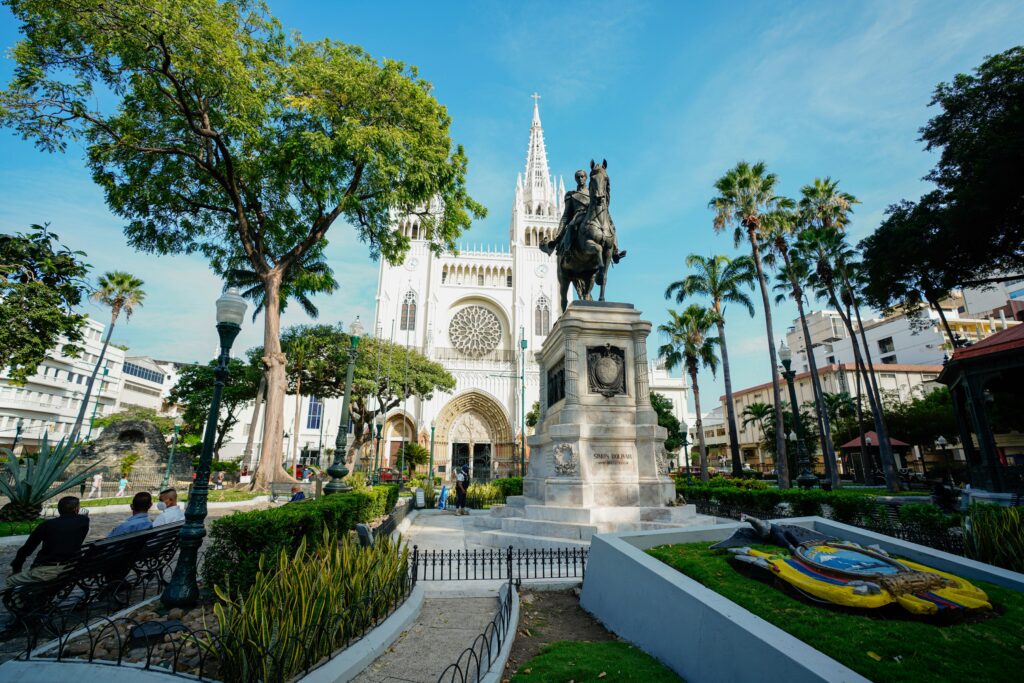
The 19th century was defined by the struggle for self-determination. Ecuador’s path to independence was intertwined with the grander vision of Simón Bolívar and the creation of Gran Colombia. The Battle of Pichincha in 1822, fought on the slopes of the volcano overlooking Quito, secured the region’s freedom.
However, the early years of the Republic were marked by a tug-of-war between the conservative, religious highlands and the liberal, commercial coast. This rivalry between Quito and Guayaquil shaped the nation’s infrastructure. The construction of the Trans-Andean railway, often called the most difficult railway in the world, was an attempt to bridge this divide. While the trains are less frequent today, the routes they carved through the Devil’s Nose remain legendary markers of Ecuadorian ambition and the sheer difficulty of taming the Andean terrain.
The Ecuadorian Amazon.
The most biodiverse place in the world
Coastal booms and the cocoa era
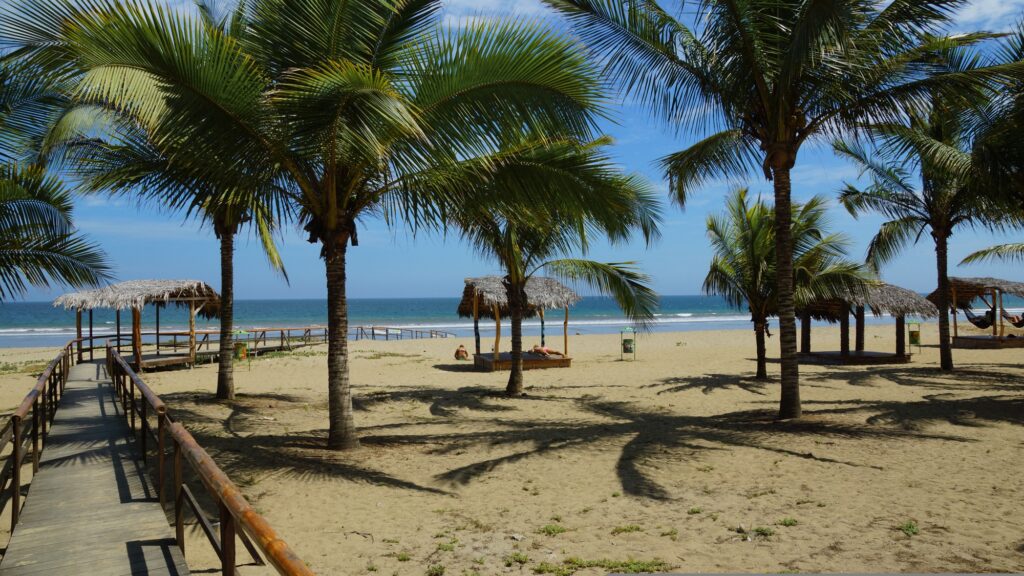
While the mountains held the political power, the coast drove the economy. In the late 1800s and early 1900s, Ecuador became the world’s leading exporter of cocoa. The Fine Aroma bean brought immense wealth to Guayaquil, creating a Golden Age of architecture and culture on the Pacific shore.
This wealth funded the modernisation of the country but also created a vulnerable monoculture. When disease hit the plantations and global markets shifted, the country had to reinvent itself. This cycle of boom and bust is etched into the character of coastal towns from Manta to Puerto López, where the easy-going pace of life belies a history of hard-won economic resilience.
Modern Ecuador / A legacy of conservation and culture
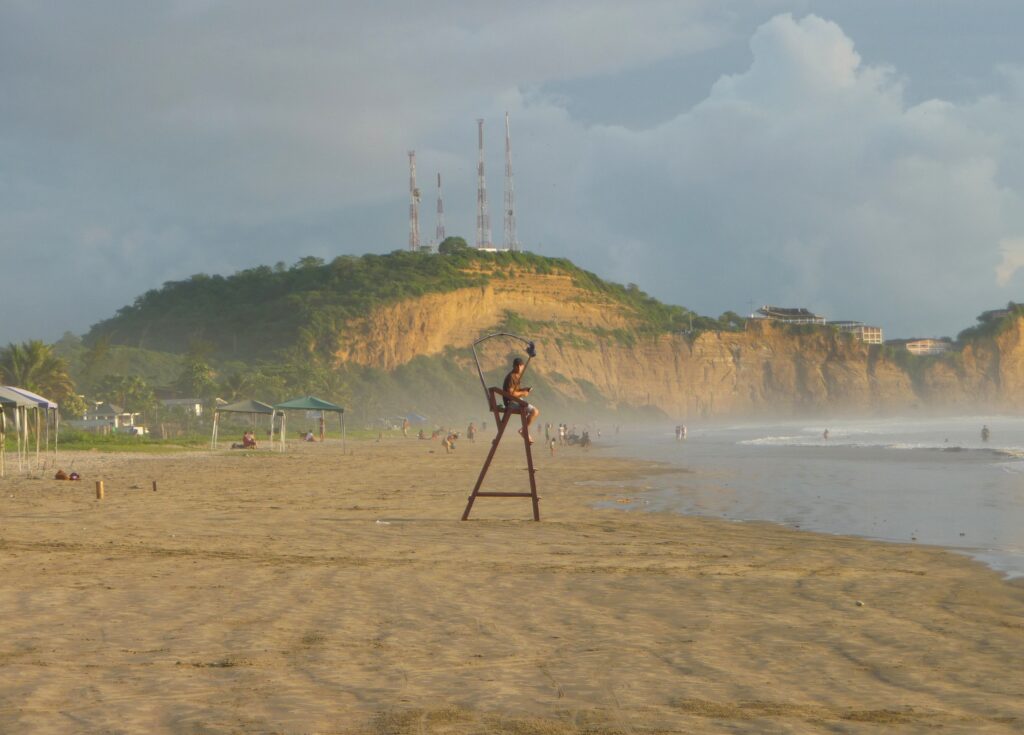
In the 20th and 21st centuries, Ecuador has transitioned into a global leader for environmental rights, being the first country to recognise the Rights of Nature in its constitution. This modern shift is a return to the ancestral respect for the Pachamama (Mother Earth) that characterised its earliest inhabitants.
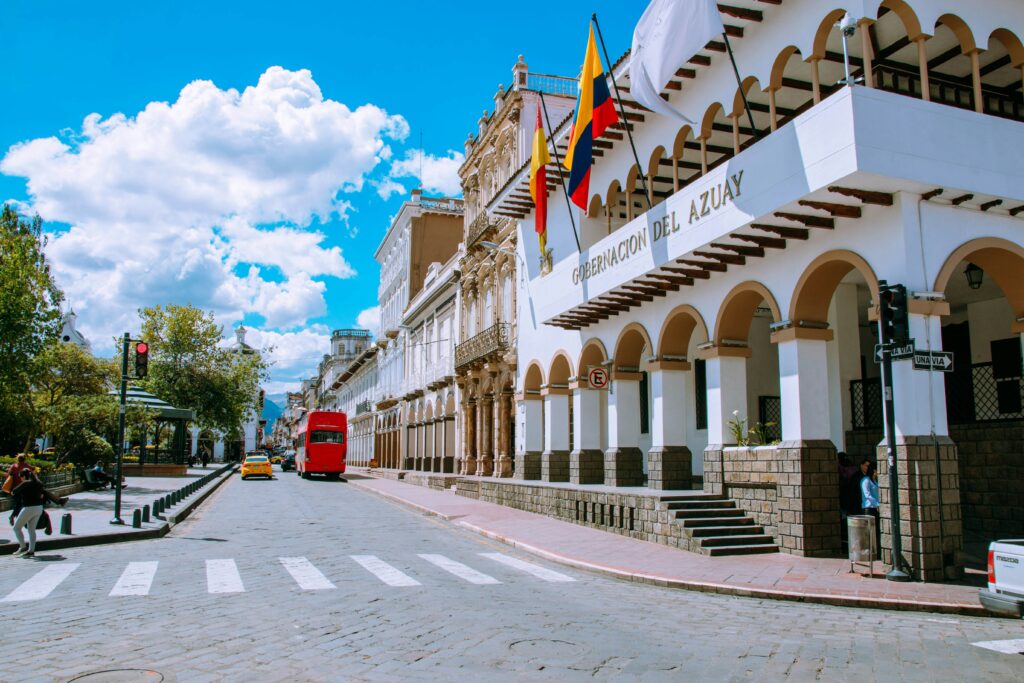
For the modern visitor, Ecuador offers a condensed version of the South American experience. In a single day, one can descend from the glacial shadows of Cotopaxi, through the cloud forests where the orchid is king, down to the tropical surf of Olón. The history of this land is not confined to textbooks; it is written in the cobblestones of its plazas, the ancient stones of Ingapirca, and the enduring spirit of its people.
Wheely Tyred invites you to see Ecuador not just as a destination, but as a living museum. Whether navigating the high-altitude passes or cruising the Spondylus Route along the coast, you are moving through a landscape shaped by thousands of years of human endeavour.
Affiliate Disclaimer: Some of the links on Wheely Tyred are affiliate links. If you click through and make a booking or purchase, we may earn a small commission at no extra cost to you. We only recommend gear, tours, stays, and services we genuinely use, trust, and stand behind — our editorial independence always comes first. These commissions help keep our independent cycling guides and travel stories free to read. Thanks for supporting the ride!
The Ecuadorian Coast.
Where you’ll find the very best food
Frequently asked questions about the history of Ecuador
The Qhapaq Ñan is the Great Inca Road, a massive network of trails used for communication and trade. For the independent traveller or cyclist, these routes offer a physical connection to ancient engineering, though many sections are now rugged paths that require a sturdy bike or a good pair of hiking boots.
Quito was the first-ever city to be designated a UNESCO World Heritage site. Its importance lies in its remarkably preserved colonial centre, which showcases the School of Quito art and architecture—a sophisticated blend of Spanish and indigenous influences.
The name was solidified following the French Geodesic Mission in 1736. Scientists arrived to measure the equator to determine the Earth’s circumference. Before this, the region was generally known as the Real Audiencia de Quito.
The Devil’s Nose (Nariz del Diablo) is a famous section of the Trans-Andean railway. It involved a series of switchbacks carved into a near-vertical mountain face. It represents the immense difficulty the Republic faced in trying to unify the highlands and the coast.
Ecuadorian history is often defined by the rivalry between the conservative, religious centre of Quito in the Andes and the liberal, commercial hub of Guayaquil on the coast. This duality has shaped everything from the country’s politics to its transport infrastructure.
In the late 19th century, Ecuador was the world’s top cocoa exporter. This boom brought immense wealth to coastal regions, funding grand architecture and fostering a cosmopolitan culture. Even today, the Fine Aroma cocoa remains a point of national pride and a key part of the local economy.
Ecuador.
Pure wonder on the equator.