Savouring the Andes and Coast / The best food tours in Ecuador
The ultimate guide to Ecuador food tours, street eats & culinary masterclasses
A gastronomic expedition through the soul of Ecuador
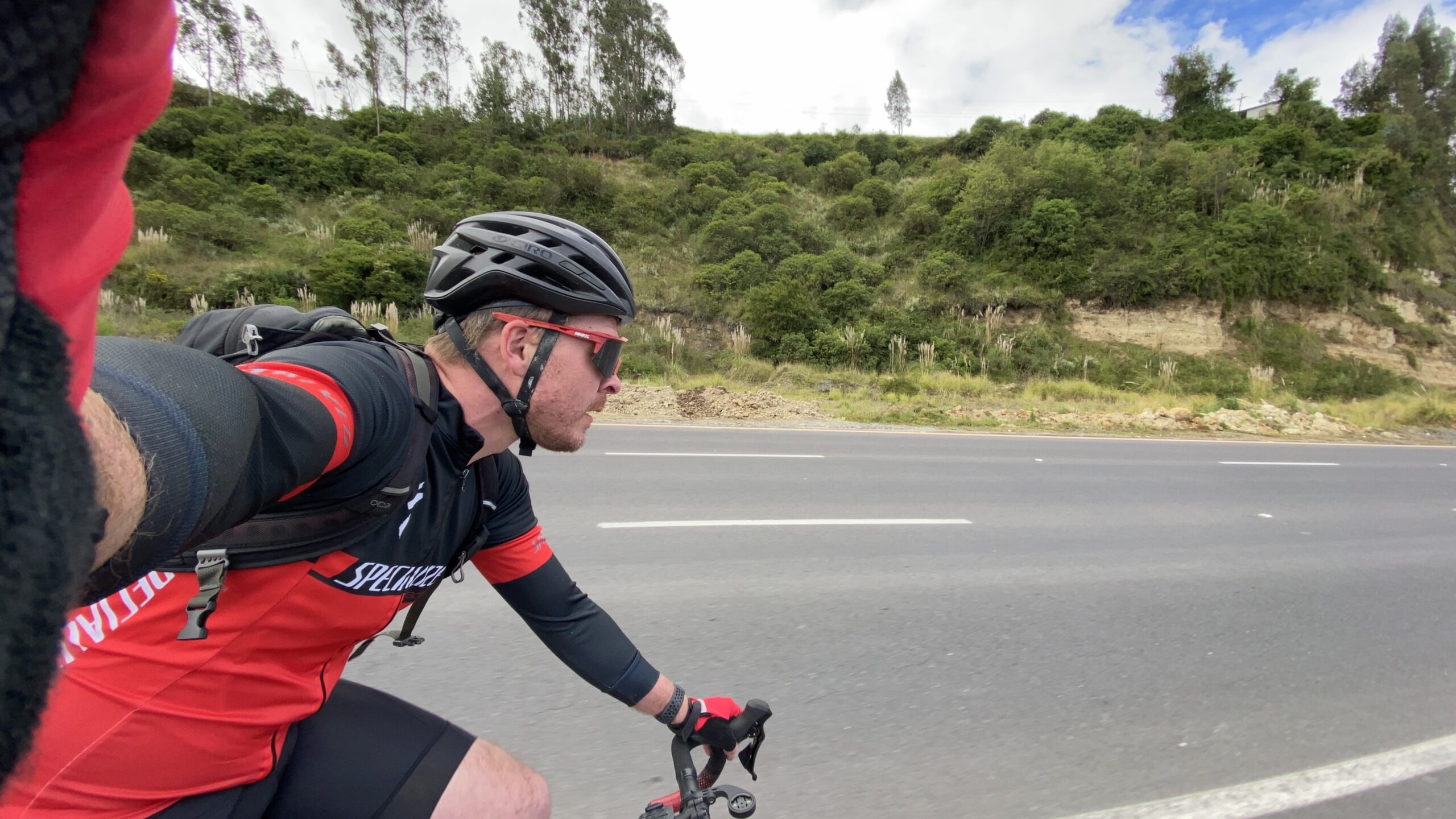
BEN FINCH
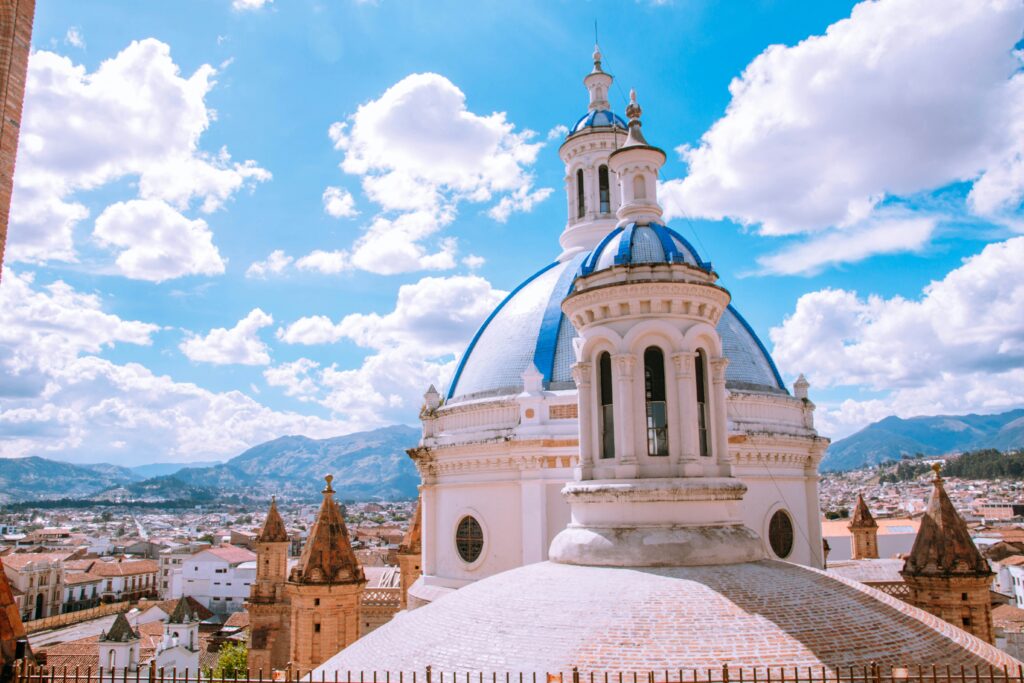
To eat in Ecuador is to traverse a landscape defined by dramatic altitude shifts, ecological biodiversity, and centuries of indigenous Andean and coastal trade traditions. For years, international travellers passed through mainland Ecuador merely as a staging ground for the Galápagos Islands or a quick stopover between South American capitals. Yet beneath the historic spires of Quito’s UNESCO-listed Old Town and along the cobbles of Cuenca’s colonial riverbanks lies one of South America’s most underrated and intricate food cultures.
Ecuadorian cuisine does not shout; it simmers. It relies on the subtle complexity of native crops—over 300 varieties of potato, vibrant heritage maize (mote), cassava (yuca), and a bewildering array of equatorial fruits that never leave the Andean valleys. From the rich, peanut-laced seafood encocados of the Pacific coast to the deeply comforting locro Quiteño (a velvety potato soup served with avocado and fresh cheese) brewed high in the mountains, the nation’s foodways tell a story of regional pride and family stewardship.
At Wheely Tyred, we shun sterile hotel dining rooms and mass-market buffet buses. We believe the true pulse of Ecuadorian gastronomy is found in family-run picanterías, humming neighbourhood mercados, and smoke-filled street stalls where recipes have been guarded by matriarchs for generations.
Whether you are seeking to master the art of hand-churned helado de paila, navigate the labyrinthine aisles of Quito’s Mercado Central, or sample slow-roasted hornado in the southern highlands, this guide details six exceptional, bookable food experiences that promise an authentic taste of Ecuador.
Taste the four regions of Ecuador
Exploring Ecuador’s culinary landscape reveals a rich tapestry of high-altitude heritage crops, coastal influences, and vibrant community market traditions. Here is a quick breakdown of the essential flavours, key locations, and insider advice from our comprehensive guide.
- Quito Street Eats: Uncover hidden back-alley stalls in La Floresta and the historic centre, sampling crispy empanadas de viento and charcoal-grilled tripas mizqui
- Market Mastery: Source native heritage potatoes, exotic fruits like naranjilla, and cooked hominy (mote) alongside local caseras inside Quito’s Mercado Central
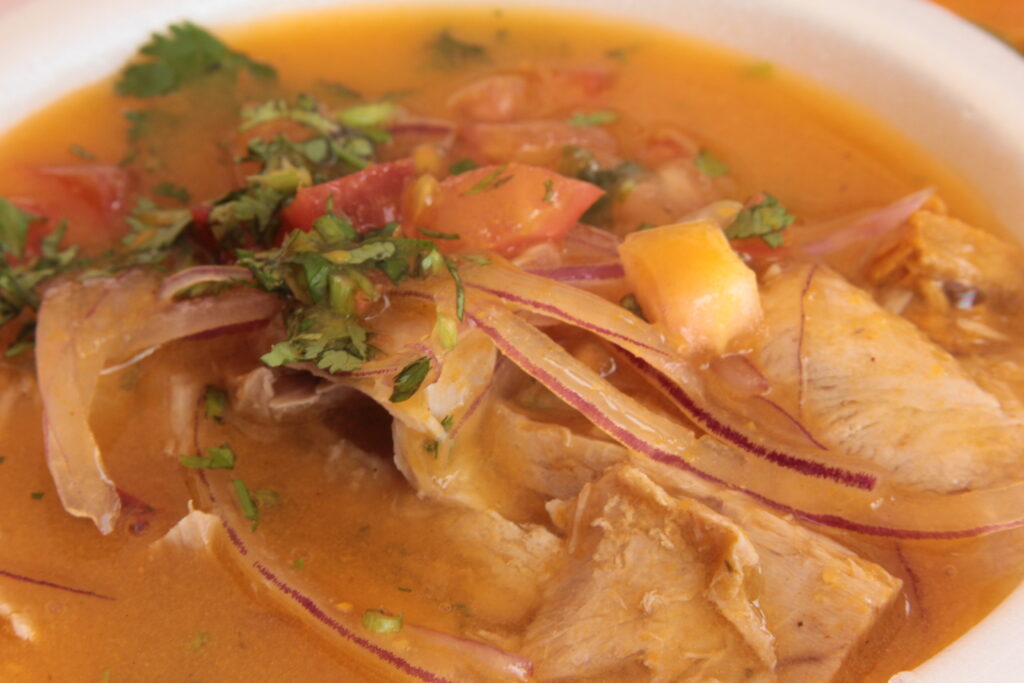
- Cuenca’s Southern Comforts: Taste slow-roasted sánduche de pernil, savoury mote pillo, and steaming bowls of hangover-curing encebollado along colonial cobblestones
- Coastal Infusions: Discover how coconut-laced encocado and citrusy shrimp ceviche link the Pacific coastline directly to urban mountain dining tables
- Cacao Heritage: Experience single-origin Cacao Arriba tasting notes in historic palaces where craft chocolate making remains an art form
- Market Etiquette & Hygiene: Seek out stalls with high local turnover, drink filtered or bottled water, and embrace the local Andean tradition of asking for la yapa
The Ecuadorian Sierra.
Get lost in the hills
1. Raw, unfiltered & authentic / Quito’s street food essentials
Rating & reviews
(58+ verified reviews on GetYourGuide)
Tour details
- Duration: 3.5 Hours
- Departure Point: Central Quito (Hotel pick-up available in selected areas)
- Max Group Size: Small group (Private options available)
Why it stands out
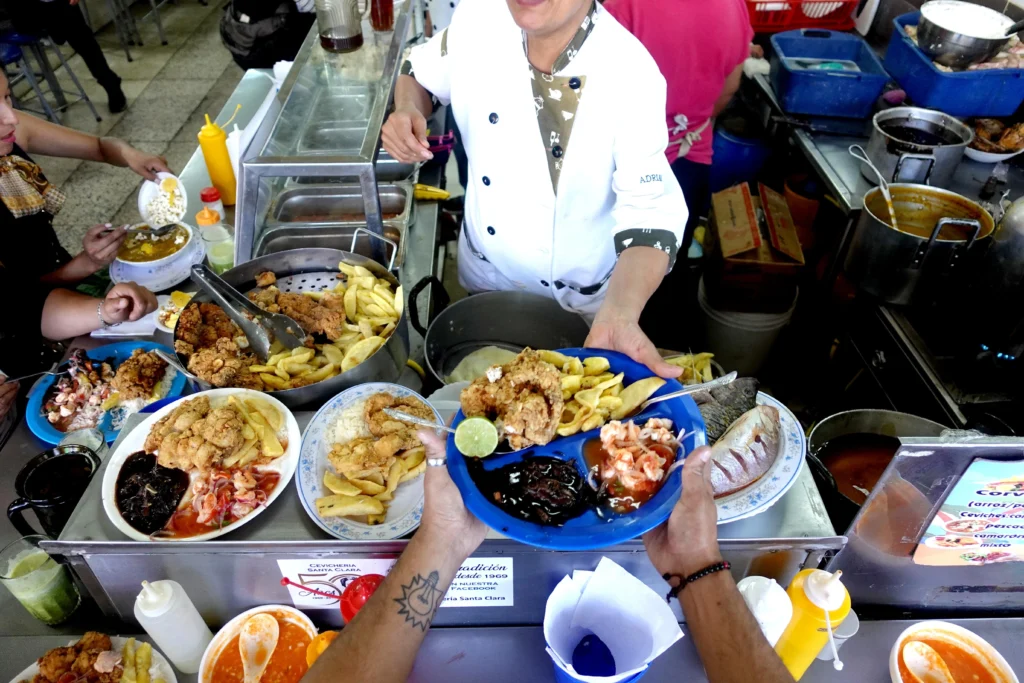
This tour ignores tourist-oriented restaurants entirely, guiding adventurous eaters into the hyper-local, hole-in-the-wall establishments and street corners where Quiteños actually eat. Led by passionate local tastemakers, it prioritises flavour and culinary authenticity over pristine aesthetics, revealing how street food forms the social fabric of the capital.
Key highlights
- Sample exotic Andean fruits—such as lulo (naranjilla), tambo (curuba), and granadilla—sourced directly from neighbourhood vendors
- Taste authentic coastal seafood delicacies and plantain-based street snacks prepared fresh to order
- Explore hidden back alleys, flea markets, and vibrant urban street art districts away from typical tourist corridors
- Conclude with a guided single-origin dark chocolate, artisanal coffee, and local spirit tasting
Ideal for
Independent travellers and curious foodies who want an unvarnished, Bourdain-style immersion into Quito’s everyday street food culture.
Local culinary insight
Keep an eye out for empanadas de viento (wind empanadas)—deep-fried, airy pastry pockets stuffed with mild cheese, sprinkled with granulated sugar, and served with a splash of spicy ají sauce. The contrast between sweet, savoury, and spicy is fundamental to Quiteño street snacks.
2. From market aisle to colonial stove / A Quiteño cooking masterclass
Rating & reviews
(12+ verified reviews on GetYourGuide)
Tour details
- Duration: 4 Hours
- Departure Point: Round-trip transport included from Quito accommodations
- Max Group Size: Small group
Why it stands out
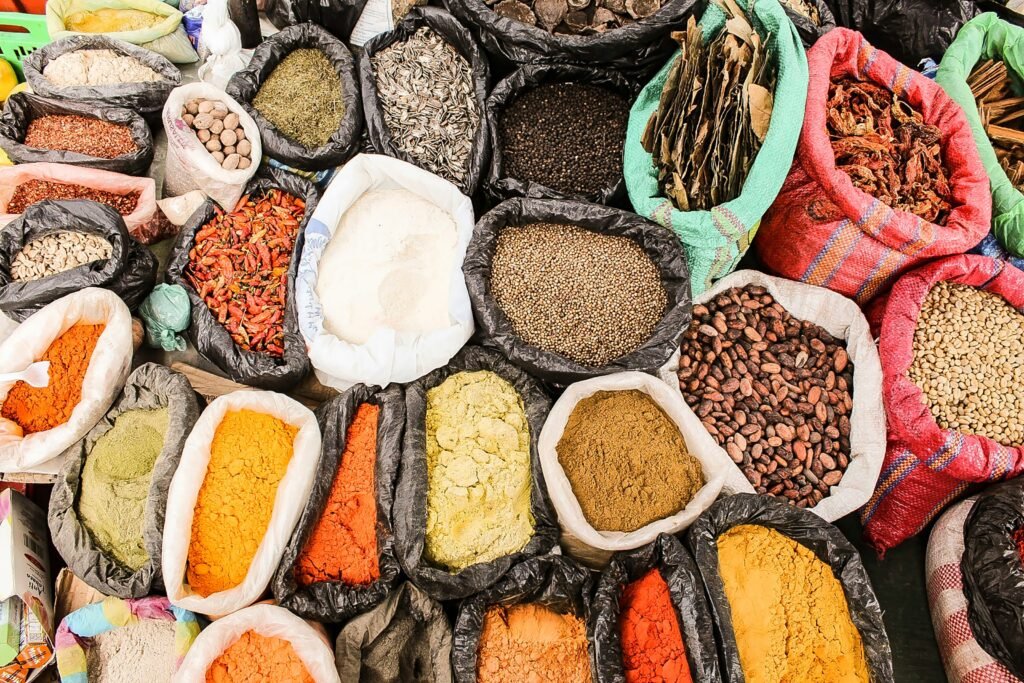
A complete farm-to-table (or market-to-plate) experience that connects raw ingredients directly to traditional culinary techniques. Guided by a professional chef, you begin by sourcing produce in the historic Mercado Central before stepping into a colonial kitchen to cook a full multi-course meal from scratch.
Key highlights
- Navigational tour through Mercado Central, meeting long-standing vendors selling native herbs, exotic fruits, mote, and heritage produce
- Hands-on preparation of classic Ecuadorian dishes, such as locro Quiteño, coastal ceviche, or coconut-infused encocado
- Learn how to recreate these traditional dishes at home using widely accessible international substitute ingredients
- Sit down to enjoy your handmade multi-course meal inside the courtyard dining room of a historic colonial townhouse
Ideal for
Home cooks, culinary enthusiasts, and families who prefer an interactive, hands-on workshop paired with market navigation.
Local culinary insight
The secret to a genuine locro Quiteño lies in the refrito—a base of achiote-infused oil, spring onions, and garlic gently sautéed before adding papa chola potatoes. The starch content of specific Andean potato varieties allows the soup to thicken naturally without added cream or flour.
The Galápagos.
Ecuador’s Enchanted Isles
3. Cuenca’s hidden picanterías & market gems
Rating & reviews
(1+ verified reviews on GetYourGuide)
Tour details
- Duration: 3 Hours
- Meeting Point: Simón Bolívar 8-44, Historic Centre, Cuenca
- Max Group Size: Intimate small group
Why it stands out
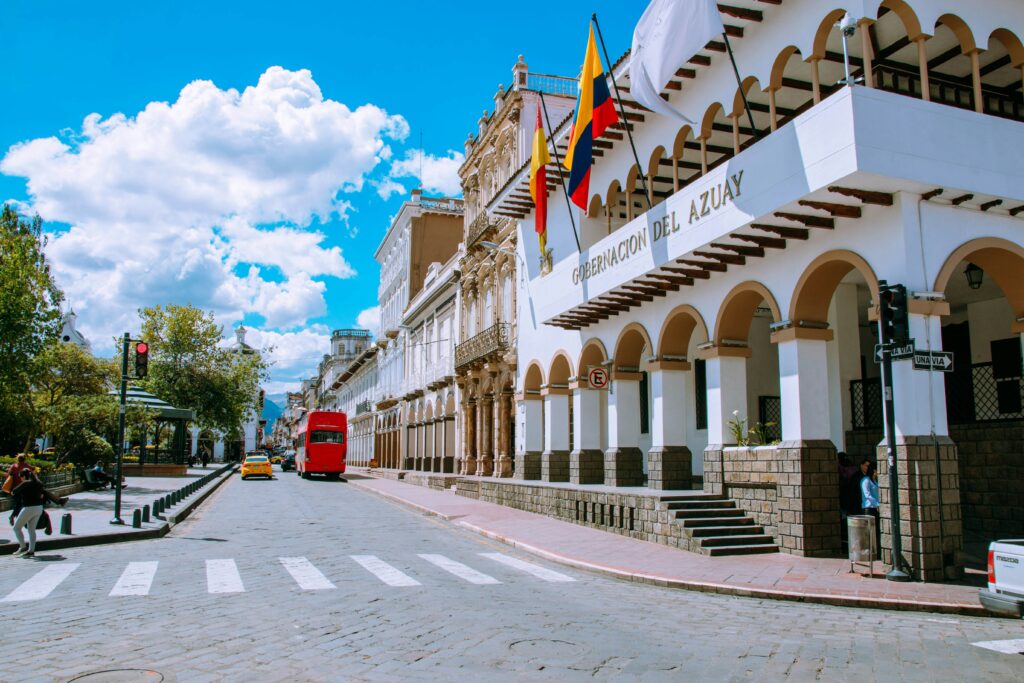
Cuenca, the cultural jewel of southern Ecuador, boasts a distinct regional culinary identity deeply rooted in Cañari and Spanish heritage. This focused walk bypasses generic tourist spots, taking guests into tucked-away bakeries, family-owned picanterías, and neighbourhood institutions along UNESCO-listed cobblestone streets.
Key highlights
- Taste sánduche de pernil—slow-roasted, marinated pork leg served on fresh bread with crispy crackling and pickled onions
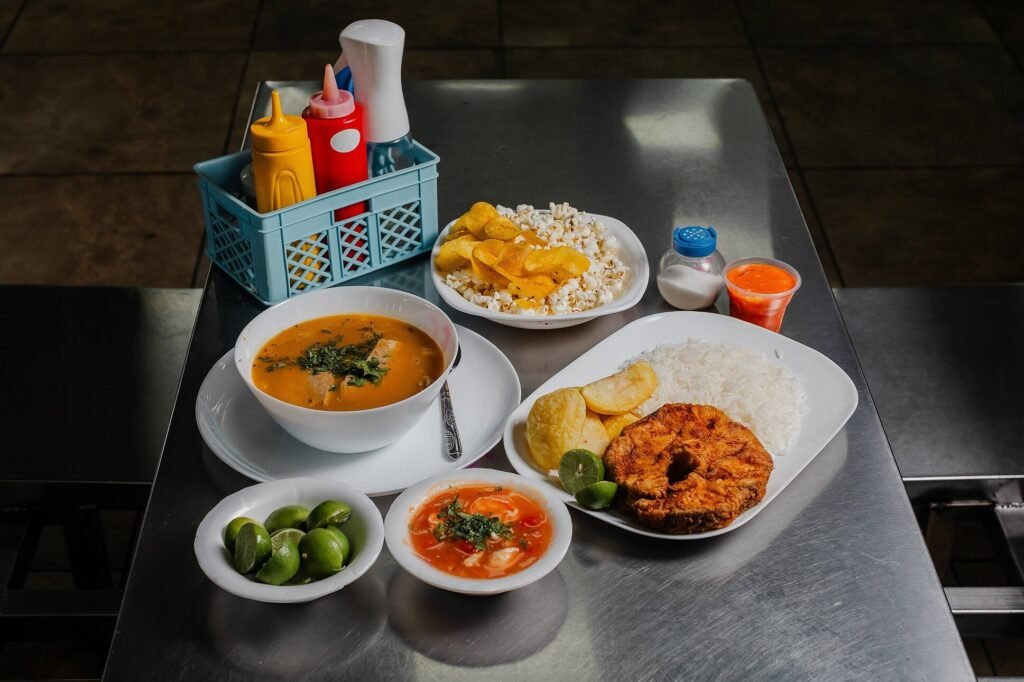
- Sample encebollado (Ecuador’s beloved hangover-curing tuna and cassava soup) and warm pan de yuca
- Try traditional steamed corn snacks, including humitas and tamales, accompanied by fresh coconut juice or morocho
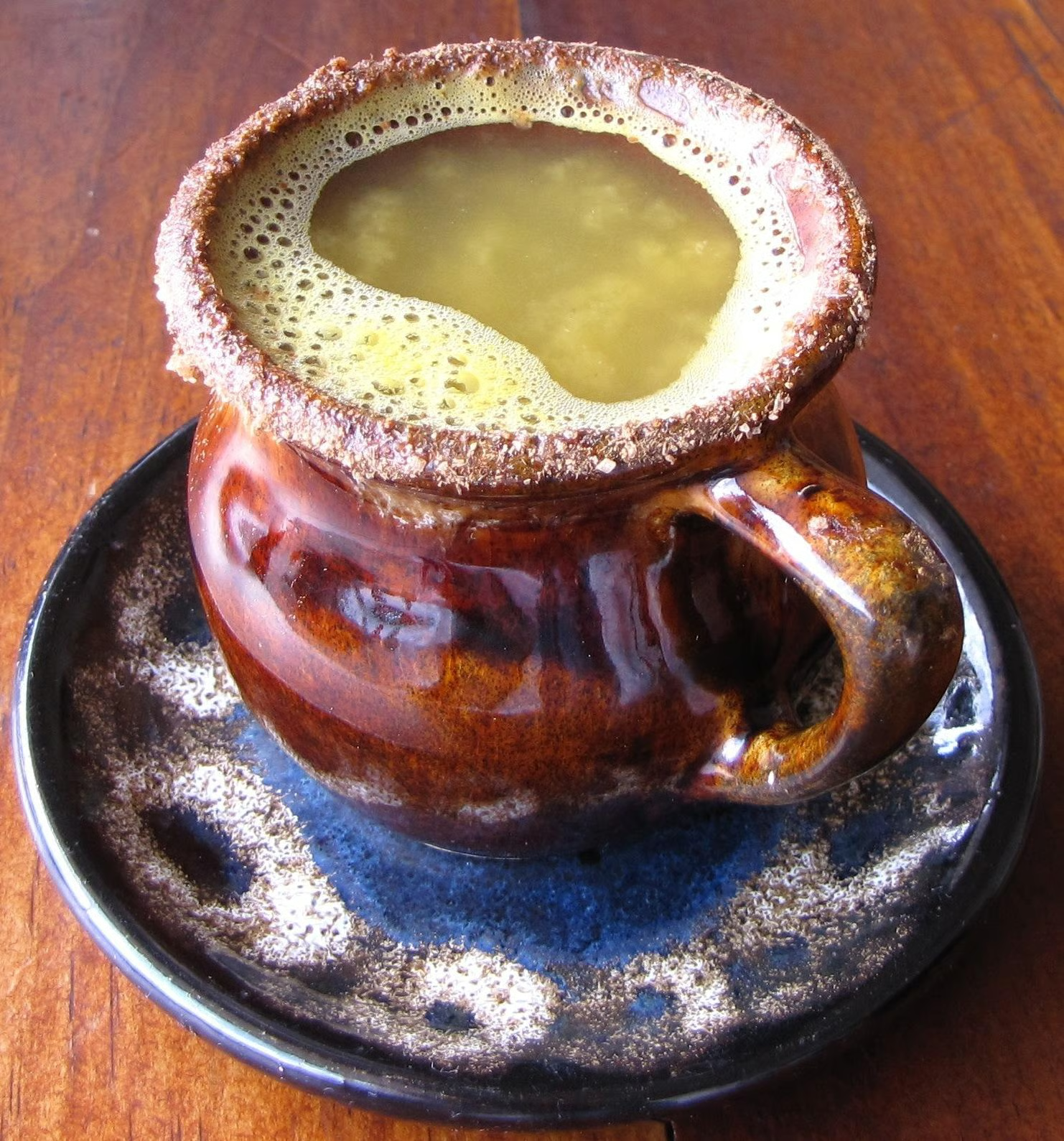
- Enjoy warm canelazo—a spiced cinnamon and citrus hot drink laced with aguardiente—and local artisanal sweets
Ideal for
Travellers visiting Cuenca who want an intimate, expert-led introduction to southern highland flavours and historic market traditions.
Local culinary insight
In Cuenca, corn is king. You will encounter mote pillo (hominy corn scrambled with eggs and green onions) and mote sucio (hominy coated in pan drippings from roasted pork). These humble dishes reflect the mountain farming heritage of the Azuay province.
4. The great Andean tasting marathon / Quito eats in 14 bites
Rating & reviews
(2+ verified reviews on Viator)
Tour details
- Duration: 4 Hours
- Departure Point: Outer Neighbourhoods to Historic Centre, Quito
- Max Group Size: Strictly limited to 8 guests
Why it stands out
Designed as a comprehensive tasting crawl, this 4-hour evening tour bridges the gap between coastal seafood traditions and high-Andean comfort food. Moving from residential outer districts into the historic heart, it features 14 individual tastings across bustling markets, family-run eateries, and independent street stalls.
Key highlights
- Broad sample platter of plantain-based snacks, including crispy bolón de verde (mashed green plantain balls stuffed with cheese or pork chicharrón)
- Hearty Andean soups, slow-cooked pork belly, and grilled skewered meats prepared right before your eyes
- Exploration of neighbourhood markets at dusk when local life is at its most vibrant
- Guided explanations of regional ingredients, indigenous techniques, and Ecuador’s complex microclimates
Ideal for
Hungry food enthusiasts seeking a serious tasting marathon that replaces a traditional dinner with authentic street eats.
Local culinary insight
Plantains are consumed at every stage of ripeness in Ecuador. Unripe verde is savoury and starchy, used for making patacones (double-fried plantain discs) and bolones. Fully ripe maduro is sweet and caramelised, often grilled roadside with a slice of fresh salty cheese placed in the centre.
The Ecuadorian Amazon.
The most biodiverse place in the world
5. La Floresta night street food, art & drinks
Rating & reviews
(36+ verified reviews on GetYourGuide)
Tour details
- Duration: 2.5 to 3 Hours
- Departure Point: La Floresta / Creative District, Quito
- Max Group Size: Small group (Private options available)
Why it stands out
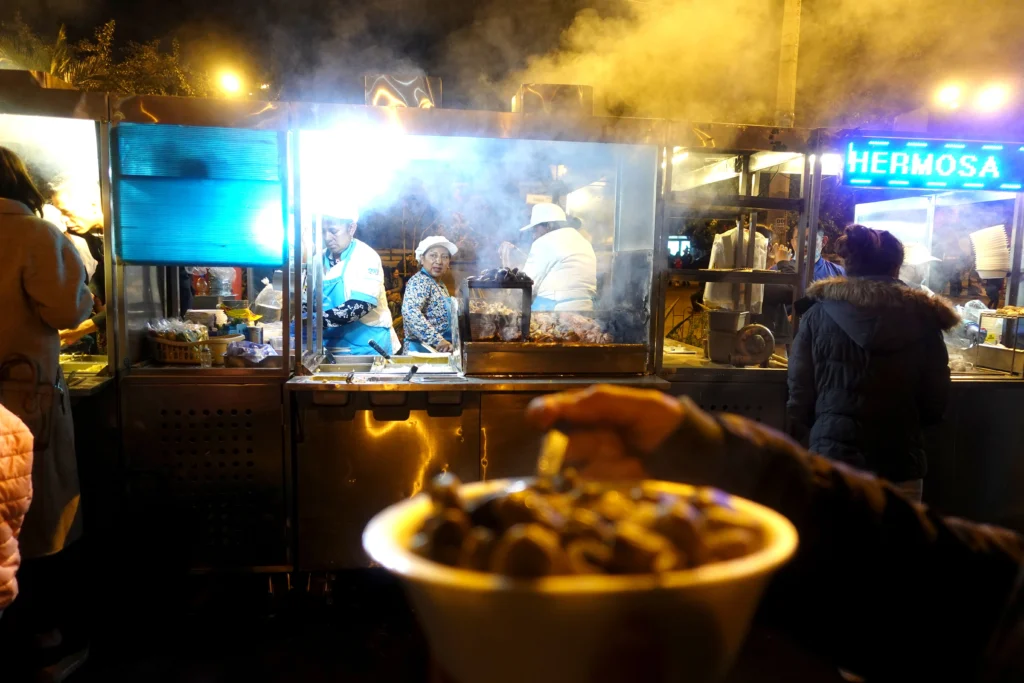
This tour immerses guests in the evening street food culture of La Floresta, Quito’s bohemian quarter. It combines urban art galleries with popular night-market food stalls frequented by off-duty cab drivers and local residents.
Key highlights
- Visit a local art studio and gallery to meet neighbourhood artists over welcome drinks
- Dive into the busy evening food stalls of La Floresta to sample tripas mizqui (marinated, grilled beef tripe served with potatoes and corn)
- Savour hot canelazo cocktails and traditional empanadas straight from the fryer
- End the evening at a handpicked local neighbourhood bar for artisanal drinks
Ideal for
Night owls, art lovers, and adventurous eaters looking to sample traditional nocturnal street food in a trendy, safe neighbourhood setting.
Local culinary insight
Tripas mizqui is Quito’s quintessential late-night street food. Thin strips of beef tripe are marinated in garlic, achiote, and herbs, then seared over hot charcoal grills until crispy. Served alongside roasted mote corn and peanut sauce, it is delicious, smoky, and deeply beloved by locals.
6. A gastronomic walk through historic Quito
Rating & reviews
(381+ verified reviews on GetYourGuide)
Tour details
- Duration: 4 Hours
- Departure Point: Historic Centre, Quito
- Max Group Size: Small group
Why it stands out
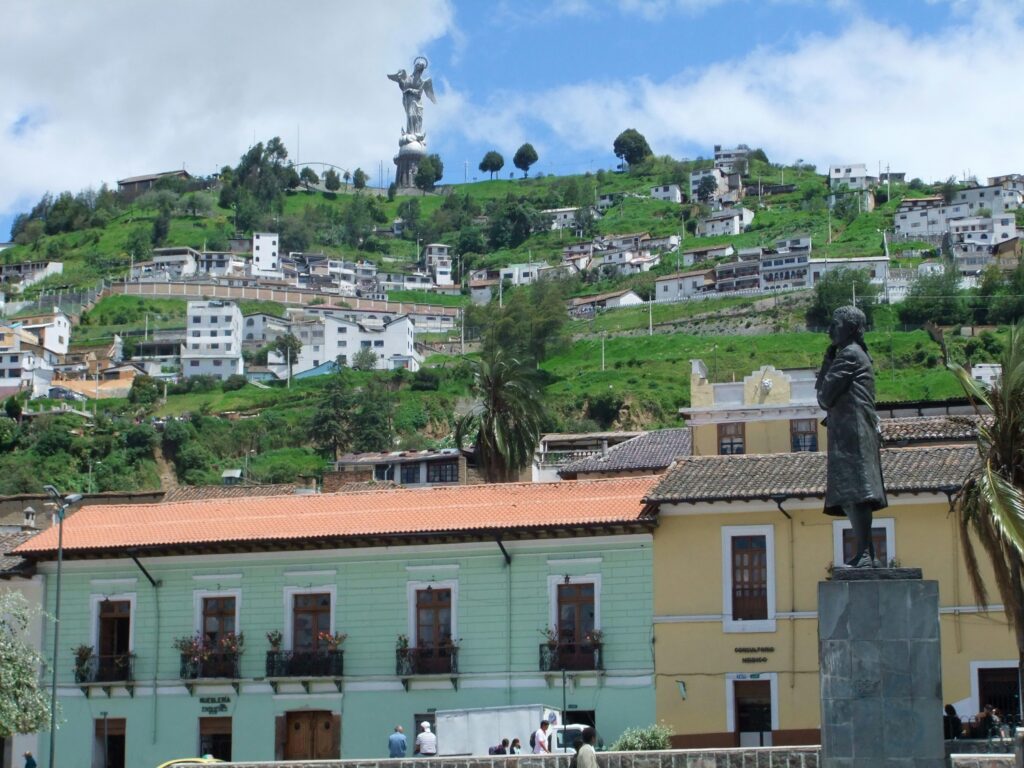
A balanced blend of architectural history and heritage food traditions. As you walk past magnificent colonial structures like the Basilica of the National Vow and the Plaza de San Francisco, you pause at historical candy shops, convent bakeries, and traditional taverns.
Key highlights
- Sample traditional mistelas—hand-crafted syrup and liqueur-filled candies made using historic recipes inside the Archbishop’s Palace
- Enjoy hot canelazo drinks and savoury empanadas at historic plazas
- Learn about the origin of craft beer in South America at the San Francisco Monastery complex
- Indulge in an artisanal single-origin chocolate tasting while overlooking the old town rooftops
Ideal for
First-time visitors to Quito who want to combine essential historic sightseeing with heritage culinary stops.
Local culinary insight
Ecuador is the spiritual home of Fine Aroma cacao (Cacao Arriba). Unlike commercial milk chocolates, Ecuadorian dark chocolate highlights native fruity and floral notes inherent to the bean. Tasting raw nibs and single-estate dark chocolate reveals why the country remains a global leader in high-grade cocoa production.
The Ecuadorian Coast.
Where you’ll find the very best food
Our guide to practical food tour & dining in Ecuador
Navigating Ecuador’s food scene with confidence requires a bit of local know-how. Here are our essential guidelines for eating well, staying healthy, and supporting authentic foodways across the country.
Essential dishes you must try in Ecuador
| Dish Name | Region of Origin | Key Ingredients & Profile |
| Locro Quiteño | High Andes (Quito) | Creamy potato soup with achiote, fresh cheese, avocado, and ají paste. |
| Encebollado | Pacific Coast / Nationwide | A rich, spiced tuna and cassava broth topped with quick-pickled red onions and cilantro. Served with chifle plantain chips. |
| Hornado | Andean Highlands | Whole slow-roasted pig with crispy skin, served alongside llapingachos (potato cakes) and mote. |
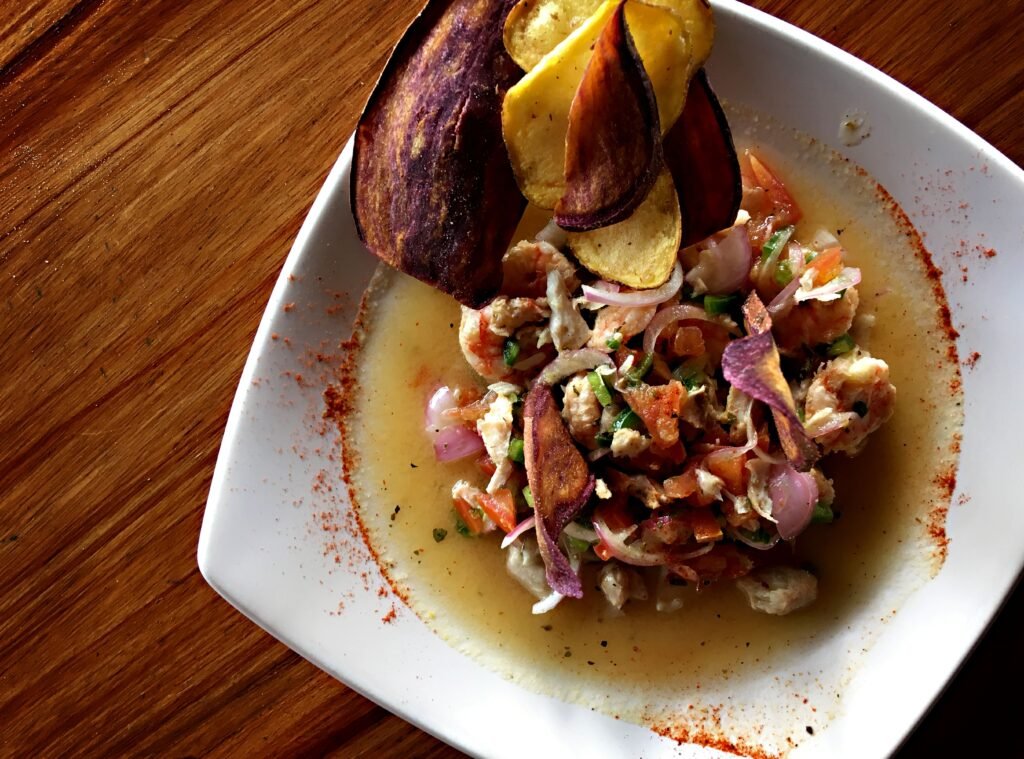
| Ceviche Ecuatoriano | Pacific Coast | Distinct from Peruvian ceviche; served in a light, flavorful citrus-tomato marinade with poached shrimp or fish and toasted corn (tostado). |
| Encocado de Pescado | Esmeraldas Coast | Fish or seafood simmered in a fragrant sauce of coconut milk, peppers, garlic, and wild coriander (chillangua). |
Street food hygiene & safety
Eating street food in Ecuador is rewarding, provided you follow a few basic rules:
- Look for High Turnover: Choose stalls with long queues of local families, office workers, or cab drivers. High turnover guarantees ingredients are cooked fresh over high heat
- Water & Produce: Avoid unpeeled raw vegetables or salads at informal street stands. Ensure fresh fruit juices (jugos) are made with boiled or filtered water, or opt for whole fruits peeled in front of you
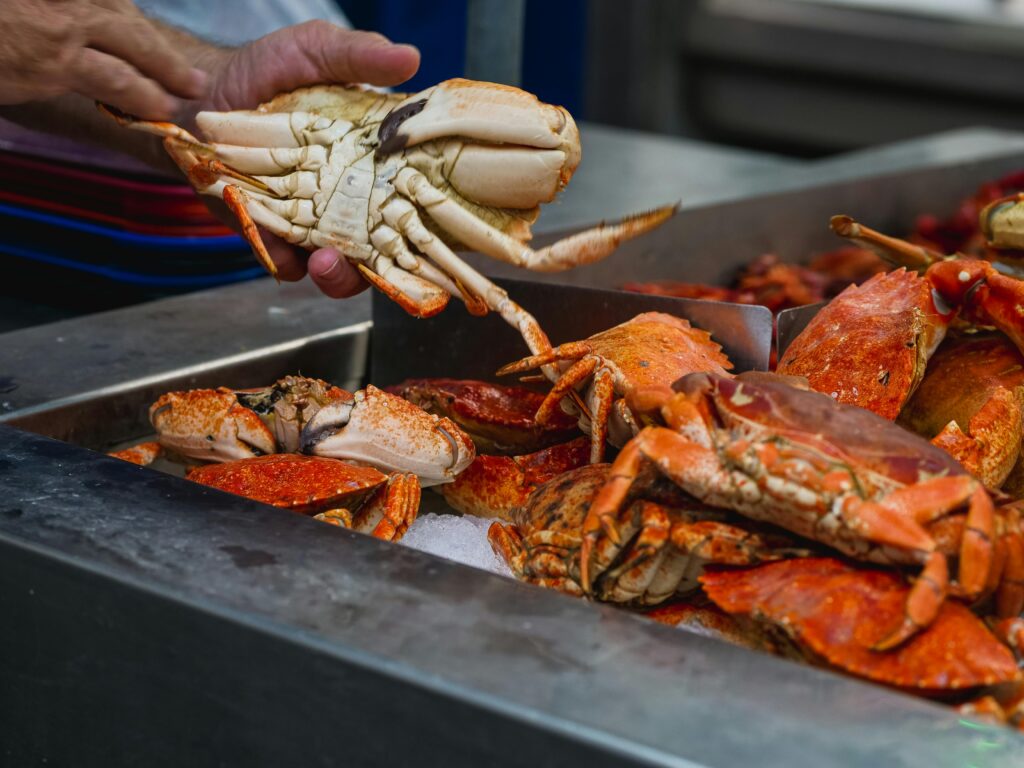
- Seafood Altitude Rules: Enjoy fresh coastal seafood (ceviche, encocado) at coastal spots or reputable markets in Quito and Cuenca that receive daily morning air shipments from the coast
Market etiquette & tipping culture
- Interacting with Vendors: Market sellers (caseras) take pride in their produce. Always greet vendors with a polite Buenos días or Buenas tardes before asking prices
- The Concept of La Yapa: When purchasing produce or fruit juices at traditional markets, vendors may offer a small free bonus top-up called la yapa. Accept it with a warm Muchas gracias
- Tipping Guidelines: Tipping is not customary at casual market stalls or street food carts. In modest local sit-down eateries (almuerzos), leaving small change or rounding up the bill is appreciated. In formal sit-down restaurants, a 10% service charge is often included or added to the bill
Claim your seat at Ecuador’s table
Ecuador’s food culture does not hide behind polished dining room facades or standardised international hotel menus. Instead, it lives dynamically on lively street corners, inside steaming market pavilions, and within family kitchens where recipes are passed down like treasured heirlooms. Stepping up to a stainless-steel market counter or pulling up a wooden stool next to off-duty workers offers an immediate, visceral connection to the land and the communities that cultivate it.
Whether you are watching a market stallholder meticulously ladle velvety locro Quiteño into a deep earthenware bowl or sharing a warm canelazo as the cool mountain dusk settles over La Floresta, culinary travel here is inherently intimate. It demands curiosity, a willingness to drop your speed, and an appreciation for humble, unpretentious ingredients transformed by generations of regional practice.
As you map out your journey through Quito’s steep colonial lanes or Cuenca’s riverbank quarters, let your palate lead the way. By choosing small-group food walks led by passionate local tastemakers, you do far more than eat exceptionally well—you actively support the small-scale producers, neighbourhood vendors, and family-run picanterías that keep Ecuador’s extraordinary gastronomic identity thriving.
Affiliate Disclaimer: Some of the links on Wheely Tyred are affiliate links. If you click through and make a booking or purchase, we may earn a small commission at no extra cost to you. We only recommend gear, tours, stays, and services we genuinely use, trust, and stand behind — our editorial independence always comes first. These commissions help keep our independent cycling guides and travel stories free to read. Thanks for supporting the ride!
Frequently asked questions about the best Ecuador food tours
Yes, provided you observe standard culinary common sense. Choose busy stalls with a rapid turnover of local families and workers, which ensures ingredients are cooked fresh at high temperatures. Avoid raw, unpeeled vegetables or salads at informal street carts, and ensure fresh fruit juices (jugos) are prepared using filtered or boiled water.
La yapa is a traditional Andean custom where market vendors (caseras) offer a small extra bonus top-up—such as an extra scoop of fresh juice or an added piece of fruit—as a gesture of goodwill to polite customers. Always greet stallholders with a polite Buenos días or Buenas tardes before inquiring about produce prices.
Data shows that while pork (hornado) and beef feature heavily in highland cooking, Ecuador’s reliance on plantains, native potatoes, corn (mote, choclo), fresh cheese, and tropical fruits makes it remarkably accommodating. Most local tour guides can easily tailor street stops and market tastings to vegetarian diets if notified in advance.
Canelazo is a warm, spiced alcoholic drink native to the Andean highlands. It is crafted by simmering water with cinnamon sticks, panela (unrefined cane sugar), and citrus fruit juice (often naranjilla), then spiking it with aguardiente (sugar cane spirit). It is traditionally enjoyed during chilly mountain evenings, street festivals, and late-night food walks.
Unlike Peruvian ceviche, which features raw fish flash-cured in fresh lime juice right before serving, Ecuadorian ceviche (particularly shrimp ceviche) is served in a delicious, cold, soup-like citrus and tomato broth. It is routinely accompanied by toasted corn kernels (tostado), popcorn, or crispy plantain chips (chifles).
Always carry small denominations of physical US dollar cash ($1, $5, and $10 notes, along with coins). Ecuador uses the US dollar, and small-scale street food vendors, market stalls, and family picanterías rarely accept credit or debit cards.
Ecuador.
Pure wonder on the equator.