The culinary topography of Ecuador / A guide to regional food heritage
An essential traditional food guide for independent travellers exploring authentic restaurants in Quito, Cuenca, and the Pacific coast
Discover a country defined by dramatic geographical flavours
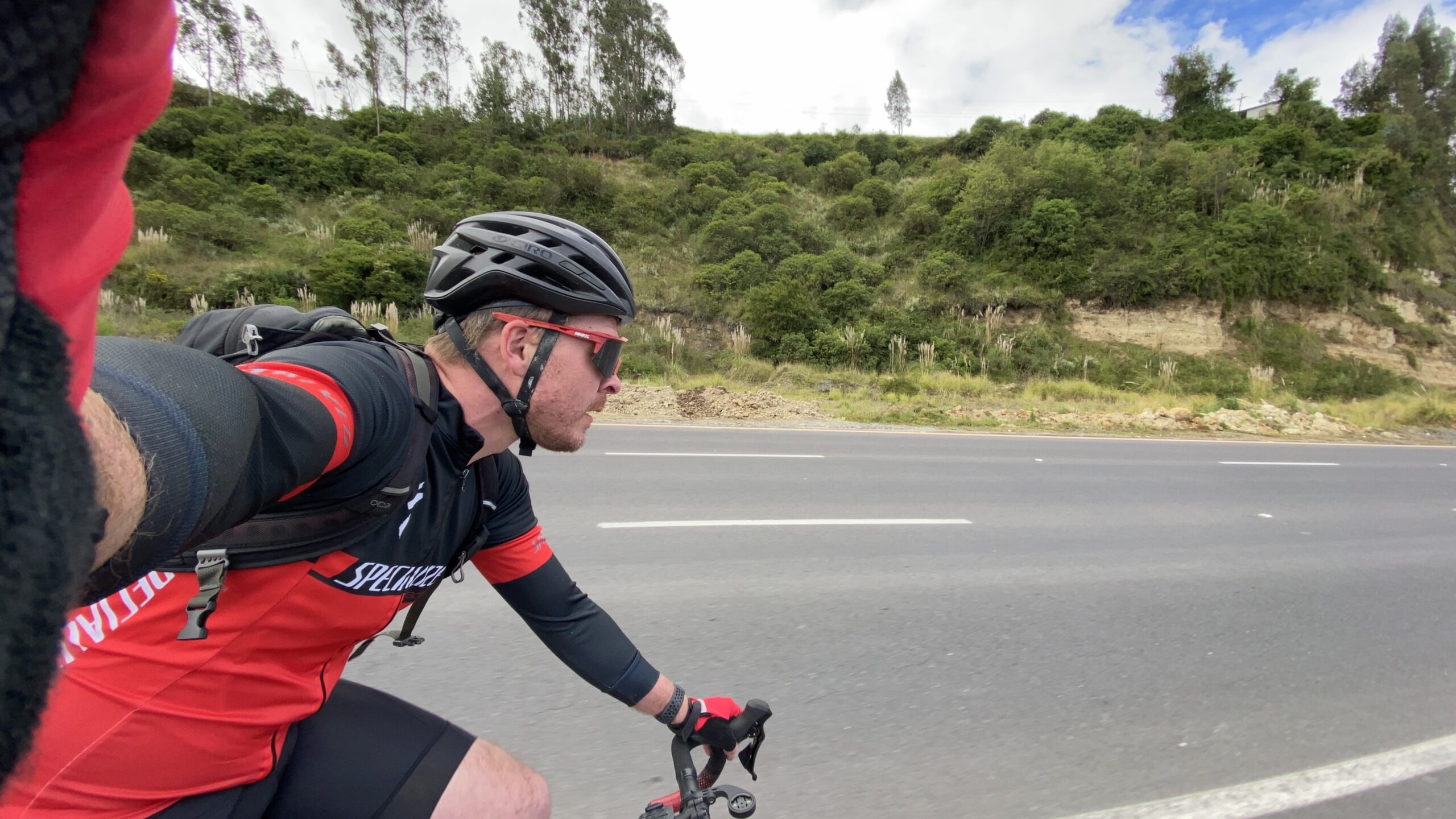
BEN FINCH
Ecuador is a country shaped by its extreme verticality. Within a single day, a traveller can journey from the windswept, high-altitude alpine tundras of the Andes, descend through dense cloud forests, and arrive at the humid, sun-bleached plantations of the Pacific coast. This spectacular collision of ecosystems has created a food culture that is deeply regional, fiercely traditional, and profoundly tied to the landscape.
For the independent traveller navigating the country by train, bus, or foot, food offers the ultimate map. To eat here is to understand how human communities have adapted to varying altitudes and microclimates over millennia. In the highland peaks of La Sierra, the kitchen relies on volcanic soil, open flames, and ancient storage techniques, producing hearty, slow-cooked dishes designed to combat the mountain chill. Down on the coast of La Costa, the culinary language shifts to an expression of immediacy, defined by the cold, nutrient-rich currents of the Pacific Ocean, tropical fruits, and versatile ground tuber crops.
To truly experience Ecuador requires stepping away from the generic tourist trail and exploring the independent establishments where local history is kept alive on the plate.
Ecuador’s equatorial flavours
Navigating Ecuador independently reveals a food culture deeply shaped by dramatic shifts in altitude and microclimates. From highland volcanic valleys to the humid Pacific coast, these traditional staples connect travellers directly to the land’s agrarian history.
- Locro de Papa: A velvety highland potato soup made from native starch-rich papa chola, enriched with fresh farmer cheese and traditionally served alongside avocado and sharp tree-tomato ají
- Heritage Meats: Slow-cooked fritada and hornado represent generations of highland culinary patience, paired beautifully with ancestral hominy corn varieties known as mote
- Agroecological Sourcing: Modern farm-to-table dining, pioneered by independent establishments like Dos Sucres in Cuenca, actively preserves local biodiversity by sourcing directly from indigenous smallholder markets
- The Coastal Verde: Green plantains form the starchy foundation of coastal cuisine, crushed into comforting breakfast tigrillo, shaped into dense bolones, or fried into paper-thin chifles
- Marine Abundance: Coastal ceviche and the legendary albacore-and-cassava soup encebollado offer a fluid-forward, lime-brightened contrast to the dense, earth-driven dishes of the mountains
- Liquid Comfort: The historic canelazo combines unrefined panela sugar, cinnamon, and tart naranjilla fruit juice with a fiery splash of sugarcane aguardiente to combat chilly Andean nights
- Market Gastronomy: Stepping inside municipal markets (mercados centrales) unlocks unvarnished access to authentic regional food halls, away from curated tourist spaces
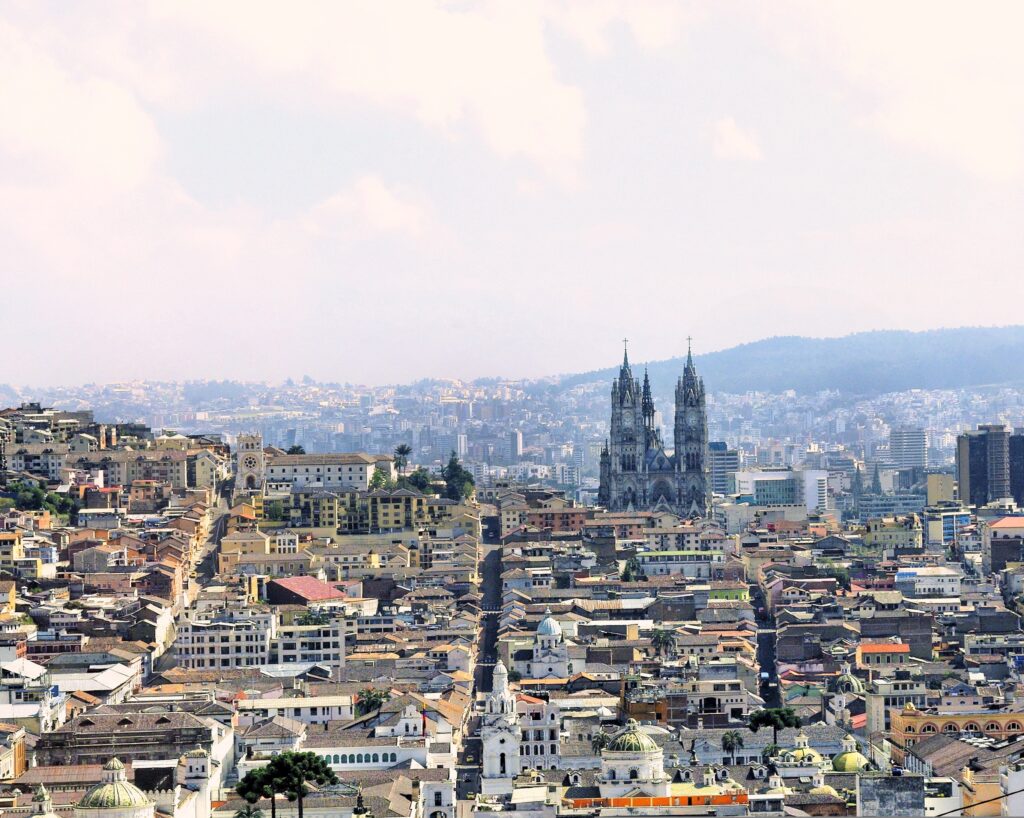
The Ecuadorian Sierra.
Get lost in the hills
The Andean Highlands / Earth, elevation, and velvety soups
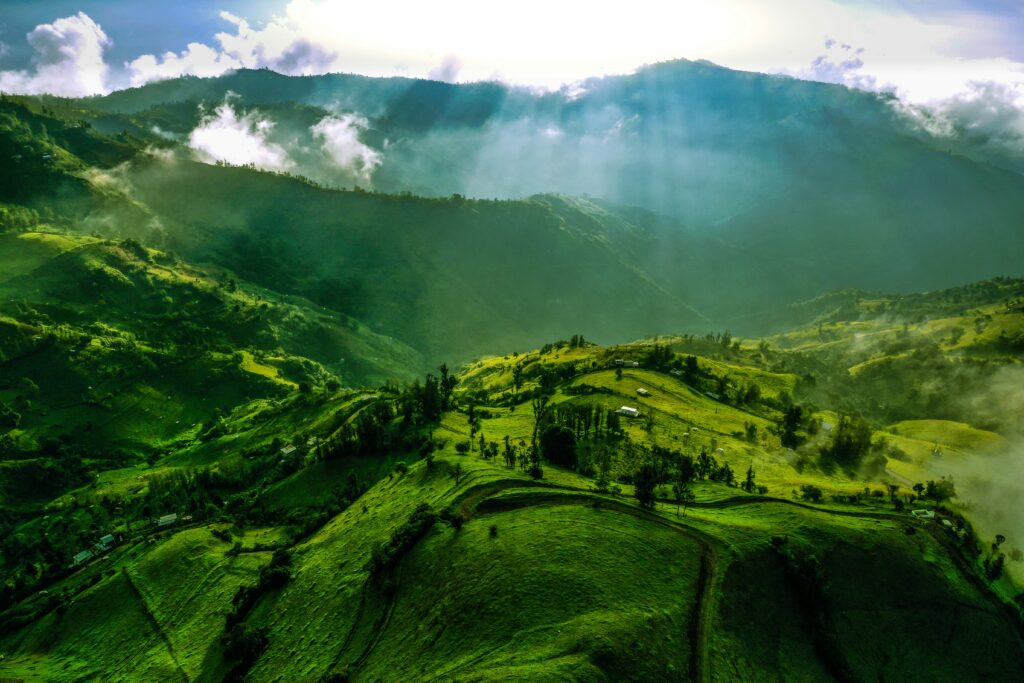
Travelling through the inter-Andean valleys reveals an agricultural tradition centred around cold-weather crops. Long before the arrival of European settlers, indigenous communities cultivated thousands of varieties of tubers, maize, and high-protein grains across different thermal tiers of the mountains. Today, this ancestral wisdom forms the backbone of highland comfort food.
Locro de papa
Perhaps no dish captures the spirit of the high Andes quite like locro de papa. This is not a thin starter broth; it is a rich, dense, and velvety potato soup that has sustained life in the mountains for centuries. The secret to its unique texture lies in the specific use of the papa chola, a native Ecuadorian potato variety with a bright red skin and a floury, high-starch interior. During the slow simmering process, these potatoes break down entirely, naturally thickening the broth into a smooth, creamy base without the need for processed flour.
The soup is traditionally enriched with local milk and a crumbled fresh farmer cheese known as queso fresco. It is always served hot, accompanied by a slice of perfectly ripe avocado and a spoonful of house-made ají—a vibrant chilli condiment made from tree tomatoes, coriander, and native chillies that adds a sharp, acidic brightness to balance the dairy.
Where to experience locro de papa / Restaurante Raymipampa — Cuenca
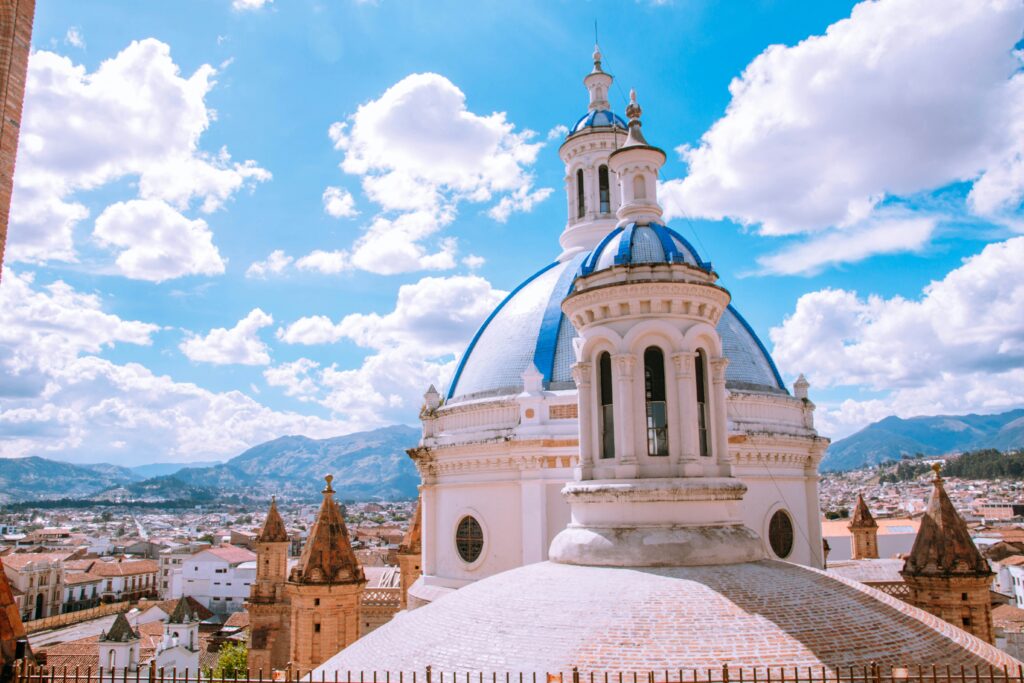
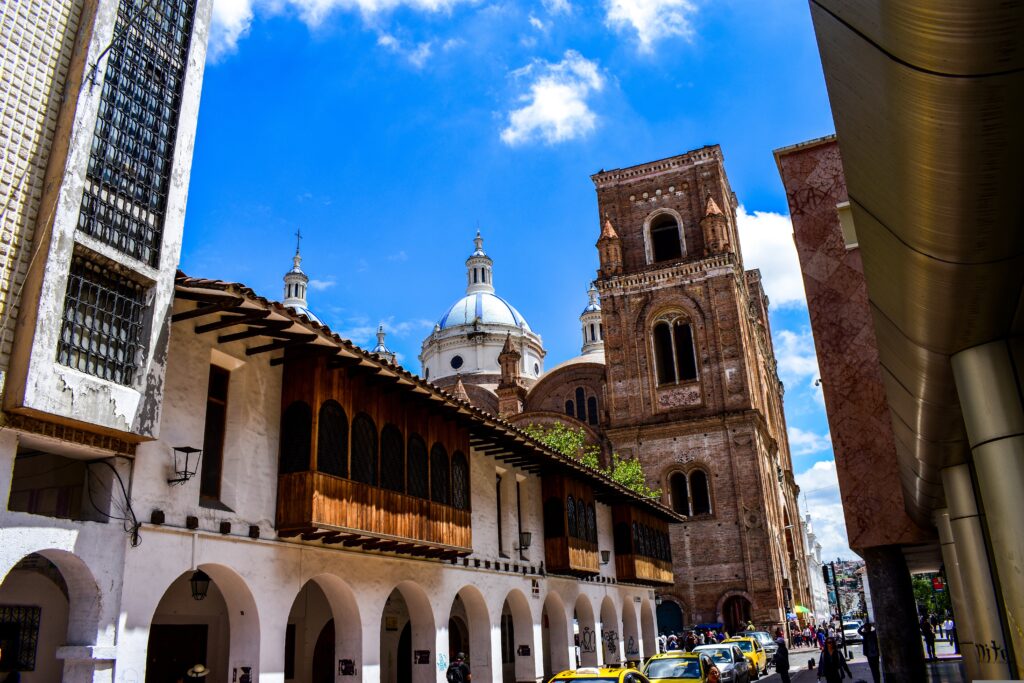
Situated in the historic heart of Cuenca, directly adjacent to the iconic blue domes of the Catedral de la Inmaculada Concepción, Raymipampa has been a cherished culinary anchor for decades.
This independent institution completely rejects modern tourist gimmicks. It serves honest, deeply traditional highland food to an unhurried crowd of local families and independent explorers who value authenticity over speed.
The Galápagos.
Ecuador’s Enchanted Isles
Heritage meats and agrarian resilience
As you travel deeper into the valleys of the south, the mountain air carries the scent of wood smoke and slow-roasting meats. Highland protein consumption is deeply tied to historical celebration, where livestock is utilised completely and cooked with immense patience.
Two dishes dominate this landscape: fritada and hornado. Fritada involves cutting heritage pork into chunks and boiling it in a heavy brass or iron cauldron with water, garlic, onions, and spices. Once the water completely evaporates, the meat fries in its own rendered fat, resulting in incredibly tender pork with a beautifully crisped exterior. Hornado, on the other hand, features whole pigs marinated in wood-fired ovens for hours until the skin shatters like glass.
These rich meats are never eaten in isolation. They are invariably paired with mote—large, starchy hominy corn kernels that are boiled until they burst. In regional variations, you will find mote pillo, where the corn is scrambled with eggs, milk, and spring onions, or mote sucio, where the hominy is tossed with the rich, savoury sediment left at the bottom of the pork-frying pan.
Andean agriculture at a glance
- Papa Chola: High-starch native potato used for natural soup thickening
- Mote: Ancient hominy corn, boiled slowly to form the canvas of highland meals
- Seco de Chivo: A festive goat stew tenderised using fermented corn beers or tart mountain fruit juices
Where to experience Andean heritage / Dos Sucres — Cuenca
For travellers looking to understand the contemporary evolution of these ancient ingredients, Dos Sucres is an essential destination. Spearheaded by Chef Daniel Contreras, this farm-to-table restaurant has earned widespread acclaim in national gastronomic writing for its radical commitment to agroecological practices.
The kitchen sources ingredients directly from smallholder indigenous markets in the surrounding hills, ensuring that every plate of slow-cooked meat or native grain preserves local biodiversity and supports rural farming communities.
The Ecuadorian Coast.
Where you’ll find the very best food
The Pacific Coast / Green plantains, peanuts, and marine abundance
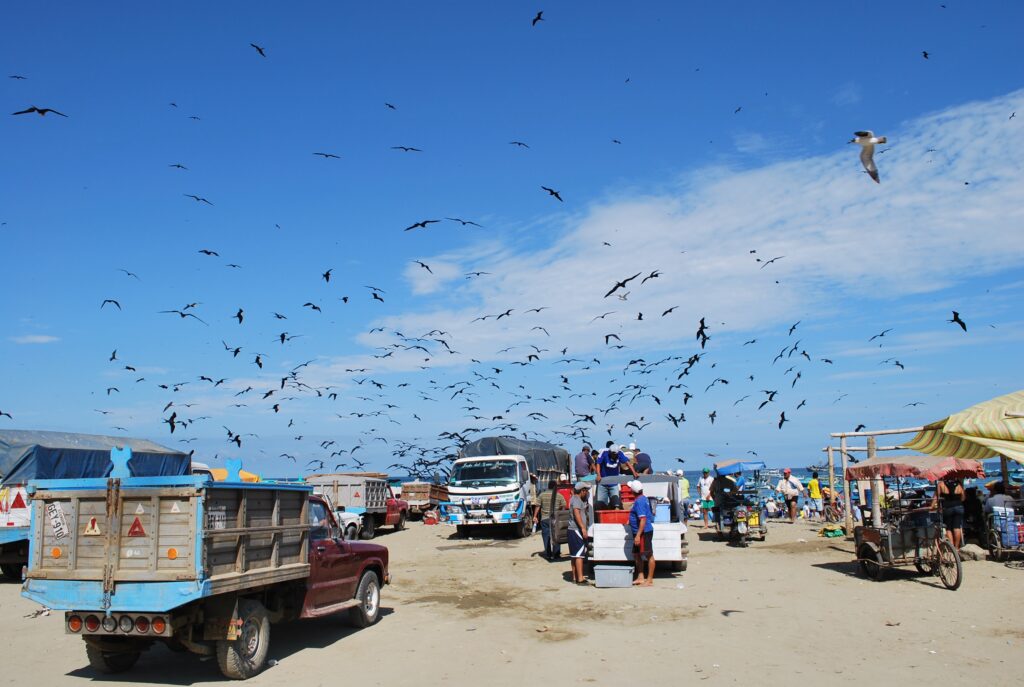
Dropping down from the western wall of the Andes towards the lowlands, the temperature climbs, and the culinary syntax changes entirely. The heavy, potato-centric dishes of the mountains give way to a cuisine defined by the brilliant use of the verde (green plantain) and the bounty of the sea.
The versatility of the verde
In coastal provinces like Manabí and Guayas, the green plantain is not treated as a sweet fruit, but as a primary, starchy building block. It is grated, pounded, double-fried, and stuffed into an endless array of traditional shapes. Breakfast along the coast almost always revolves around tigrillo—a comforting, rustic scramble of crushed boiled plantains, eggs, and local cheese, occasionally studded with crispy pork pieces. Alternatively, travellers can find bolones de verde, which are large, dense dumplings made from fried plantain dough that are kneaded by hand with cheese or pork trimmings before being fried once more to create a crunchy crust.
Another foundational element of coastal cooking is the historical reliance on maní (peanuts). Peanuts are ground into smooth, rich pastes that form the base of legendary regional sauces. This is best exemplified in encocado, a classic dish originating from the Afro-Ecuadorian communities of the northern coast. In an encocado, the fresh catch of the day—whether corvina, prawns, or lobster—is simmered gently in a fragrant sauce made from freshly extracted coconut milk, ground peanuts, bell peppers, and chillangua, a wild, jagged-leafed coriander that grows abundantly in the coastal jungle.
Ceviche and encebollado
No discussion of the coast is complete without addressing ceviche and encebollado. While neighbouring Peru is famous for its raw fish cured rapidly in pure lime juice, the traditional Ecuadorian variation leans towards a more delicate, fluid-forward presentation. Coastal ceviche often utilises lightly poached seafood suspended in a bright, cold marinade of lime, bitter orange, and fresh tomato juices, finished with a drizzle of unrefined plantain oil. It is always served alongside chifles (paper-thin, crispy plantain chips) and tostado (toasted highland corn), showcasing an early historical trade of ingredients across regional lines.
For the ultimate local experience, one must seek out encebollado. Widely regarded as the true national dish of the country, this is a deeply savoury, comforting fish soup made with fresh albacore tuna, boiled cassava roots, and a massive mound of pickled red onions. The broth is heavily spiced with cumin and achiote, and it is traditionally consumed in the early morning at bustling transit hubs or fishing ports, customised at the table with fresh lime juice, banana chips, and yellow mustard.
The Ecuadorian Amazon.
The most biodiverse place in the world
The metropolitan convergence / Fusing two worlds
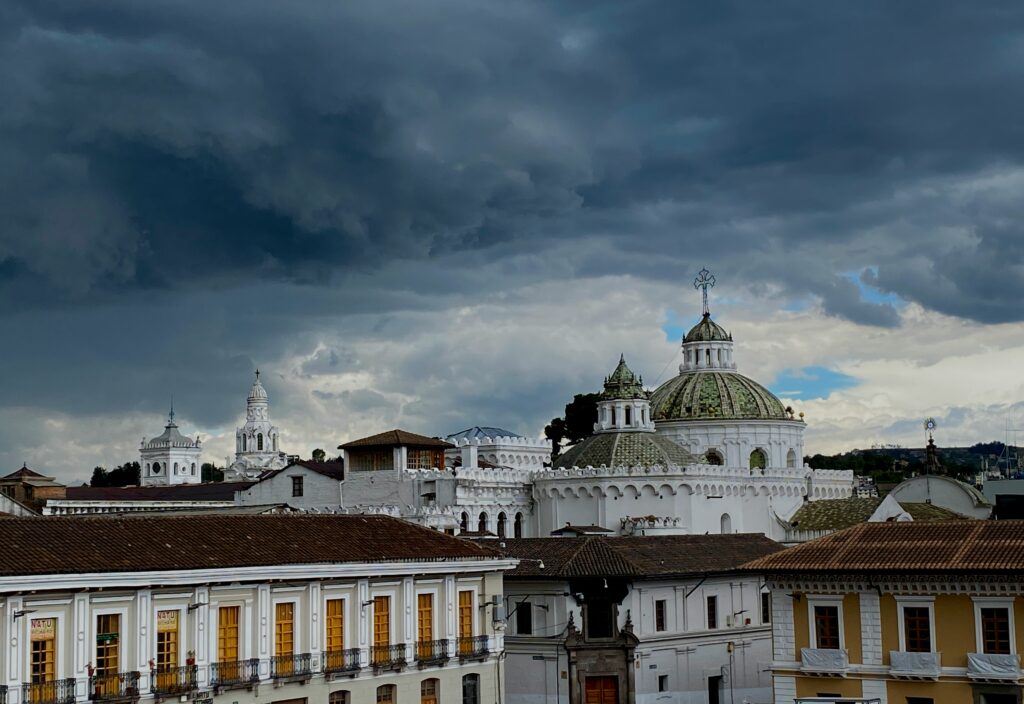
As independent travellers journey through major urban transit nodes like Quito, they will find that the historical geographic divide between the coast and the mountains is beginning to blur in modern kitchens. A new generation of culinary voices is intentionally fusing these traditions to celebrate the complete ecological spectrum of the country.
Where to experience Ecuadorian fusion / Somos — Quito
Located in the capital city, Somos is highly celebrated for its playful, deeply respectful interpretation of Ecuadorian food. The restaurant takes traditional street-food memories—such as coastal seafood stews and highland roasted corn—and translates them into a sophisticated dining experience.
By utilising ingredients like Amazonian fish, coastal coconuts, and highland tubers in the same menu, Somos offers travellers a comprehensive educational journey through the nation’s vast culinary geography without ever relying on corporate presentation clichés.
Quito.
Explore the Middle of the World
High-altitude liquid history / Spiced warmth
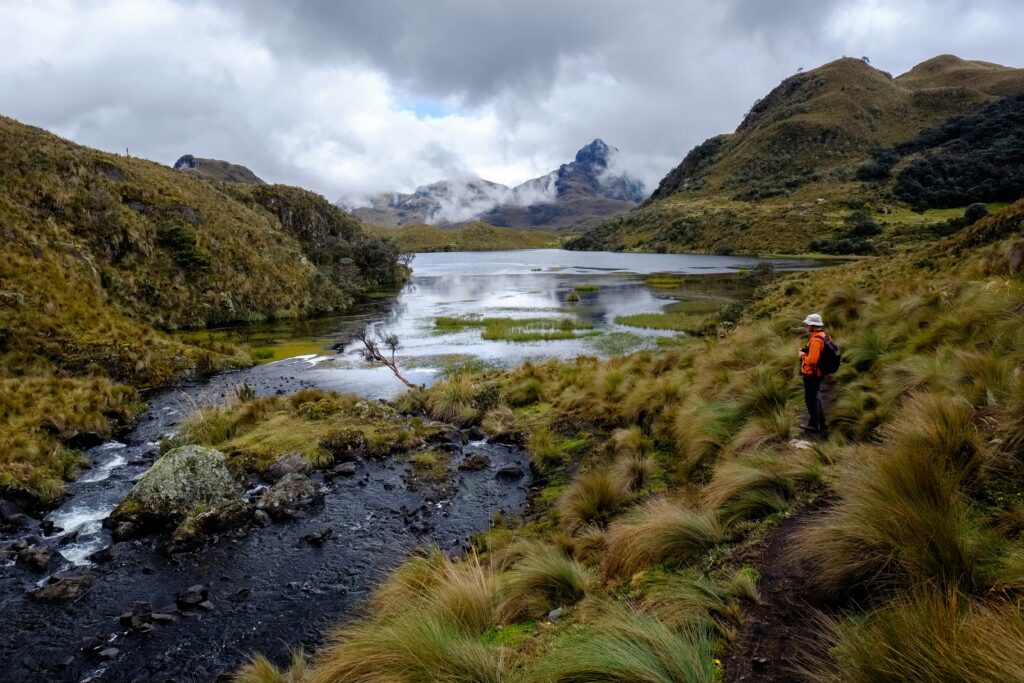
When dusk falls across the northern Andes and the mountain chill settles permanently over the stone-paved historic plazas, the entire rhythm of the city changes. To combat the drop in temperature, locals turn to canelazo, an ancient, spiced beverage that serves as a direct sensory link to the colonial history of the region.
The anatomy of a traditional canelazo
- Panela: Unrefined whole cane sugar, boiled to create a dark, rich molasses base
- Cinnamon and Cloves: Whole spices infused slowly into the boiling liquid
- Naranjilla: A tart, highly acidic highland citrus fruit that cuts through the sweetness
- Aguardiente: A fiery, clear spirit distilled from sugarcane, added just before serving
The drink is prepared by boiling water with panela (unrefined, raw sugarcane blocks), cinnamon sticks, and whole cloves. Once the spices have thoroughly infused the sweet liquid, the citrus juice of the naranjilla—a small, orange-like fruit with a vibrant green interior and a sharp, gooseberry-like acidity—is whisked into the pot. Finally, the mixture is spiked with a generous splash of aguardiente, a clear sugarcane spirit. The result is a steaming, aromatic drink that warms the throat and provides comfort against the thin mountain air.
Where to experience canelazo / Vista Hermosa — Quito Historic Centre
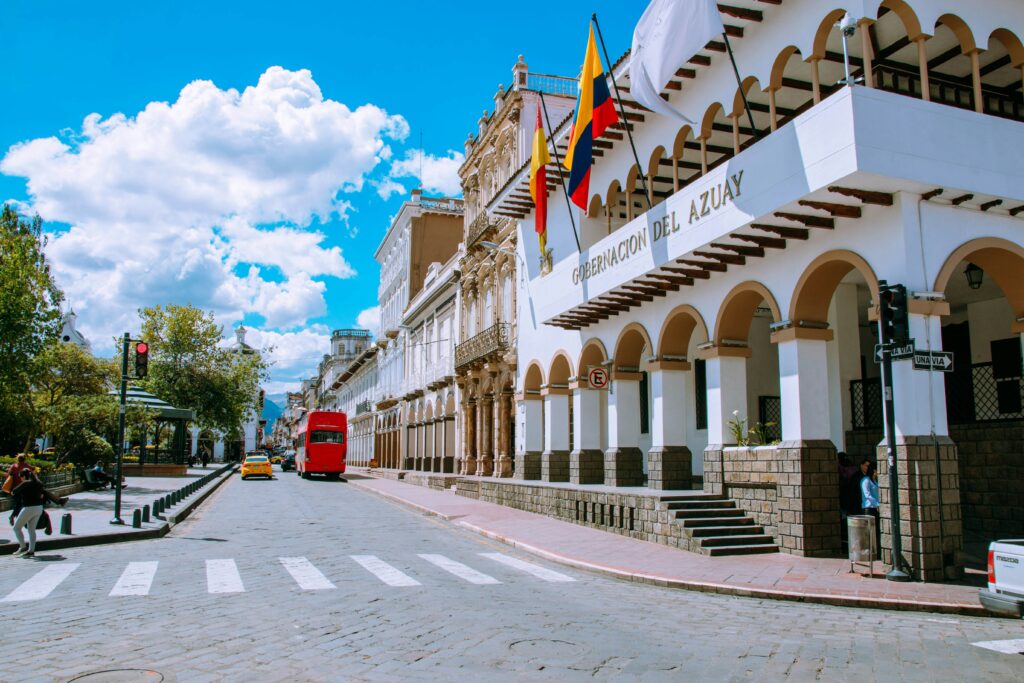
True to its name, this independent venue is perched high above the clay-tiled roofs of Quito’s UNESCO-listed old town. Reached by a historic elevator, the terrace provides a spectacular, unhurried vantage point to watch the evening fog roll off the surrounding volcanic peaks.
Sitting here with a traditional ceramic mug of hot canelazo allows the independent traveller to appreciate the grand scale of the city’s history at their own natural pace.
Cuenca.
The Athens of Ecuador
Practical insights for the self-guided epicurean
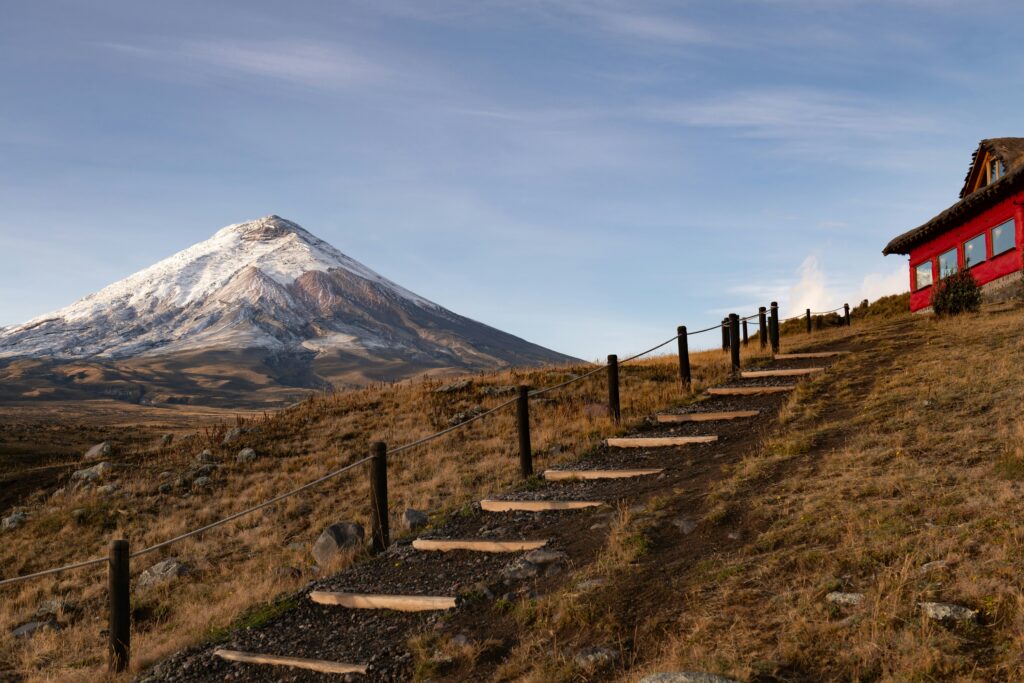
To get the most out of a culinary journey through Ecuador, independent travellers should keep two key principles in mind:
- Respect the Altitude: Eating in high-altitude cities like Quito or Cuenca requires adapting to a different digestive rhythm. The thin air slows metabolism, meaning that the traditional local custom of making the midday meal (el almuerzo) the largest food intake of the day is highly practical. Evenings are best kept light, accompanied by a soothing herbal infusion of hierbaluisa (lemon verbena) or anise tea, which can be found in any local market.
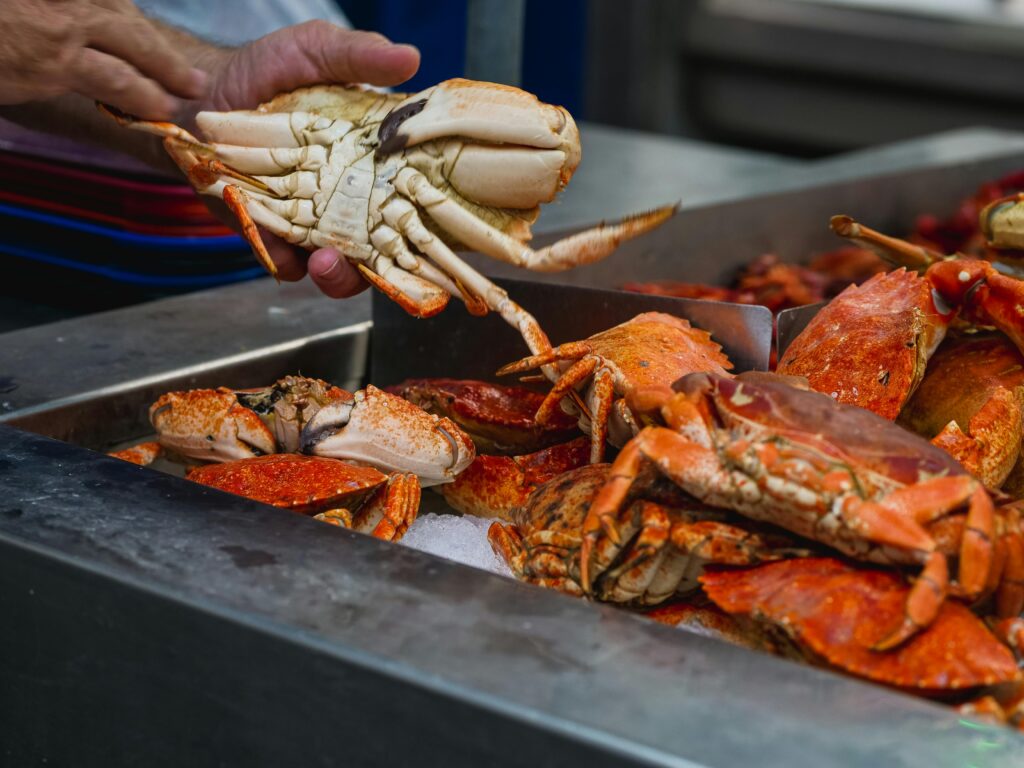
- Explore the Municipal Markets: While restaurants offer curated experiences, the true soul of Ecuadorian food culture resides within the walls of the municipal markets (mercados centrales). Every major town has one. Step past the outer stalls to find the dedicated food halls, where clean, family-run counters serve pristine plates of locro, freshly fried fritada, and hand-squeezed juices made from exotic fruits like maracuyá, tree tomato, and guanábana. It is here, among the piles of native produce and the chatter of daily life, that the independent traveller gains a profound, unvarnished knowledge of the land.
The Galápagos.
Ecuador’s Enchanted Isles
The rewarding rhythm of slow food and travel
To truly understand Ecuador is to accept that its flavours cannot be rushed or experienced from the window of a structured tour bus. The country demands that you step away from the crowd, alter your pace to match the altitude of the mountains or the humidity of the coast, and allow each meal to tell its own story of geographical survival and cultural preservation. By choosing to navigate these diverse landscapes independently—whether by train, bus, foot, or two wheels—you open the door to a much deeper connection with the culinary heritage of the equatorial region.
Every bowl of velvety potato soup savoured in a highland square or plate of peanut-infused seafood enjoyed along the coast represents centuries of agrarian resilience. When you choose to support independent establishments like the ones scattered across Quito, Cuenca, and the coastal fishing villages, you are doing more than just finding an authentic dinner. You are actively participating in the preservation of heritage culinary practices and ensuring that these distinct regional identities continue to thrive for future generations of self-guided explorers.
As you plan your journey through the dramatic topography of the Andes and the Pacific, remember that the most profound insights often happen at the communal tables of a busy municipal market or over a steaming mug of canelazo at twilight. We encourage you to seek out these unhurried moments, test these recommendations on your own terms, and share your culinary discoveries with a wider audience of fellow travellers who value depth over speed.
Affiliate Disclaimer: Some of the links on Wheely Tyred are affiliate links. If you click through and make a booking or purchase, we may earn a small commission at no extra cost to you. We only recommend gear, tours, stays, and services we genuinely use, trust, and stand behind — our editorial independence always comes first. These commissions help keep our independent cycling guides and travel stories free to read. Thanks for supporting the ride!
Frequently asked questions about traditional Ecuadorian food
The thin mountain air in high-altitude cities like Quito and Cuenca slows digestion. To adapt to this natural rhythm, locals consume their largest meal during the midday almuerzo (lunch) and keep evening meals relatively light, often accompanied by soothing herbal infusions like lemon verbena (hierbaluisa) or anise tea.
Unlike the dry, rapidly cured raw fish popular in Peru, traditional Ecuadorian ceviche is a fluid-forward, delicate dish. It typically features lightly poached seafood suspended in a cold marinade of lime, bitter orange, and fresh tomato juices, served with crispy plantain chips (chifles) and toasted highland corn (tostado).
While independent restaurants offer fantastic curated meals, the true culinary soul of the country resides in the municipal markets (mercados centrales) found in every major town. The dedicated food halls inside these markets feature clean, family-run counters serving pristine, budget-friendly regional staples among the daily chatter of local life.
Mote is an ancient hominy corn made from large kernels boiled slowly until they burst. It serves as the essential starchy canvas for highland meals, frequently scrambled with eggs and milk (mote pillo) or tossed with the rich, savoury pan-sediments of slow-cooked pork (mote sucio).
Yes. The featured independent eateries and vibrant municipal markets are highly accessible to independent travellers navigating by foot, local buses, or trains. Establishments in Quito and Cuenca are centrally located within well-connected historic districts, making them perfect stops during a self-paced day of exploration.
Ecuador.
Pure wonder on the equator.