The best coffee in the Galápagos Islands
A guide to the best speciality coffee shops in Puerto Ayora and San Cristóbal
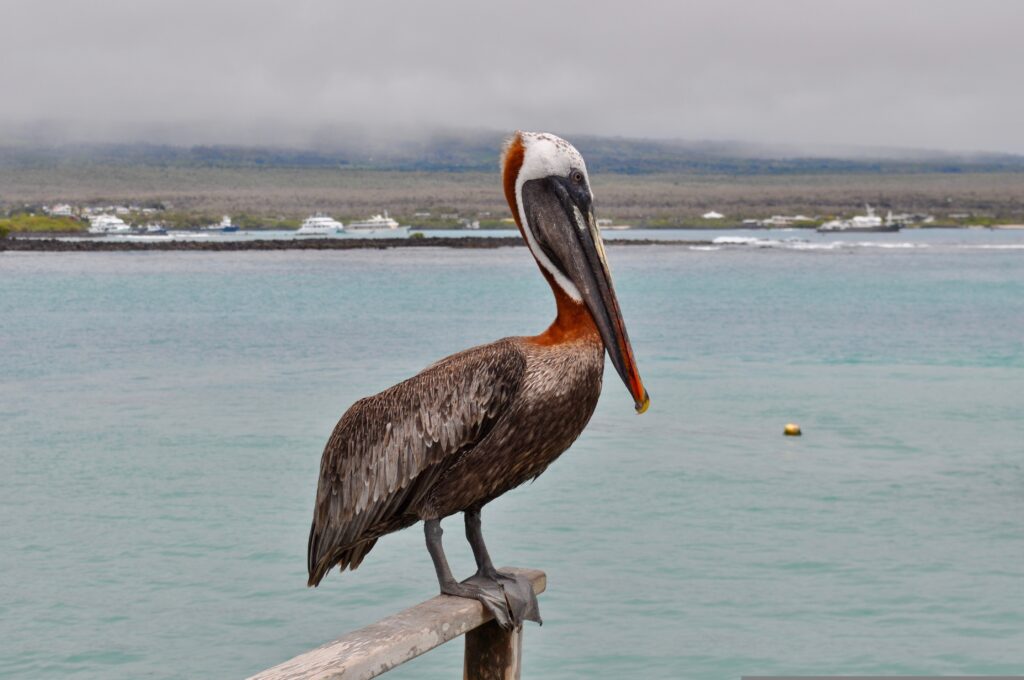
Volcanic brews and tortoise-friendly beans
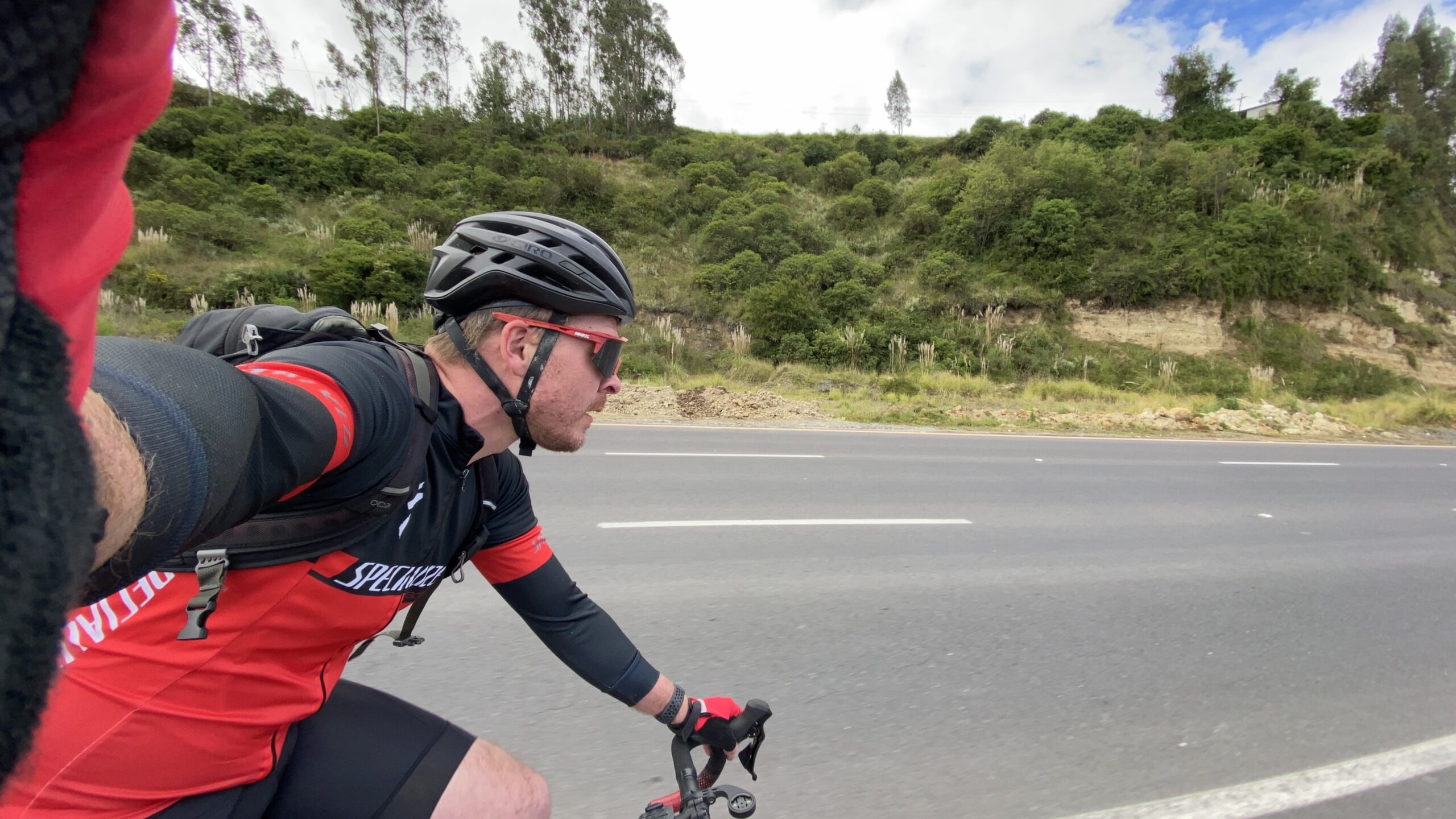
BEN FINCH
Travel in the Galápagos Islands is often defined by what happens on the water or deep within the highlands, where giant tortoises roam through the mist. However, for those who prefer to explore at their own pace — hopping off a local bus or wandering the ports on foot — the islands offer a sensory experience that is often overlooked: a burgeoning specialty coffee culture.
Coffee in this archipelago is not merely a morning necessity; it is a product of a unique ecosystem. The beans grown here are primarily of the Bourbon variety, a heritage strain that has largely disappeared from other parts of the world. Planted in mineral-rich volcanic soil and shaded by endemic trees, these plants produce a cup that is remarkably balanced, with a natural sweetness and low acidity. Because the islands are a strictly protected UNESCO World Heritage site, the use of chemical pesticides is prohibited, making Galápagos coffee some of the most naturally organic and sustainable on the planet.
For the independent traveller, finding a truly exceptional cup requires looking beyond the main tourist strips and seeking out the roasters and baristas who treat coffee as a craft.
The volcanic soul of Galápagos coffee
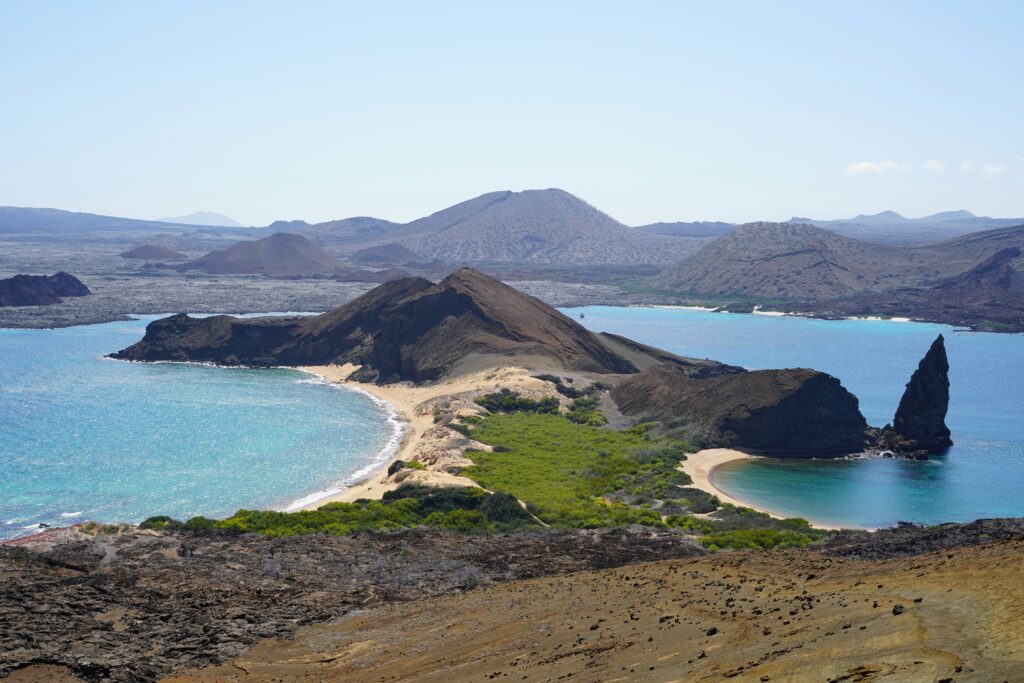
Coffee in the archipelago is defined by its isolation and the mineral-rich soil of its volcanic slopes. For the independent traveller, these islands offer a rare opportunity to taste heritage Bourbon beans grown within a strictly protected UNESCO ecosystem.
- 1835 Coffee Lab: A minimalist sanctuary in Puerto Ayora where precision brewing methods like V60 and Chemex highlight the delicate notes of Santa Cruz beans
- Lava Java: A dedicated roastery that bridges the gap between highland farmers and the coast, offering small-batch brews with a full-bodied character
- Ranti Galápagos Coffee: Located in San Cristóbal, this relaxed spot is known for its inclusive menu and commitment to sourcing from the island’s oldest plantations
- Galápagos Deli: A bustling local hub where the aroma of freshly baked bread meets consistent, high-quality island coffee, perfect for those exploring on foot
- Hacienda El Cafetal: A historic estate in the San Cristóbal highlands where coffee plants grow under native canopies and giant tortoises roam the fields
- Volcanic Terroir: The unique combination of equatorial sun and the cooling Humboldt Current allows Arabica to thrive at unusually low altitudes
- Sustainable Heritage: Strict environmental regulations mean all coffee produced here is naturally organic, supporting both local farmers and delicate island biodiversity
The Galápagos.
Ecuador’s Enchanted Isles
1. 1835 Coffee Lab, Puerto Ayora
Located slightly back from the busiest section of Charles Darwin Avenue, 1835 Coffee Lab is arguably the epicentre of speciality coffee in the archipelago. The name refers to the year Charles Darwin arrived in the islands, but the approach here is thoroughly modern. This is a space for the serious coffee enthusiast — someone who wants to know the exact farm elevation and the specific processing method of their beans.
The baristas here are highly trained, often using V60 or Chemex pour-overs to highlight the delicate notes of local Santa Cruz beans. Expect a flavour profile that leans towards caramel and toasted nuts, with a clean finish. The atmosphere is minimalist and focused, providing a quiet sanctuary for those looking to plan their next island move away from the noise of the port. It is an essential stop for anyone wanting to understand why Galápagos coffee is gaining international recognition.
2. Lava Java, Puerto Ayora
While many cafes in town serve coffee as an afterthought to a breakfast menu, Lava Java places the bean at the forefront. This establishment roasts its own beans in small batches, ensuring that the aroma of freshly toasted coffee often drifts out into the street. The cafe is situated in a way that offers glimpses of the bay, making it an ideal spot for a slow morning.
The focus here is on transparency and local sourcing. They work closely with highland farmers on Santa Cruz, and their espresso is known for its robust, full-bodied character. It is the kind of place where the staff can tell you about the current harvest and how the recent weather patterns in the highlands have affected the flavour. For those travelling independently, it provides a genuine connection to the island’s agricultural community.
The Ecuadorian Sierra.
Get lost in the hills
3. Ranti Galápagos Coffee, Puerto Baquerizo Moreno
On the island of San Cristóbal, the coffee history runs even deeper, as this was the site of the first plantations in the late 19th century. Ranti Galápagos Coffee, located in the island’s main port, is a standout for its commitment to both quality and inclusivity. It has gained a reputation among the travel community for offering exceptional plant-based alternatives, which can sometimes be difficult to find in more traditional Ecuadorian eateries.
The coffee at Ranti is sourced from small-scale producers in the San Cristóbal highlands. The cafe itself has a relaxed, unpretentious vibe that perfectly matches the slower pace of life on this island. It is a favourite for those who have spent the morning walking to nearby beaches like Playa Mann or Las Tijeretas and need a high-quality caffeine fix in a space that feels like a local secret rather than a tourist trap.
4. Galápagos Deli, Puerto Ayora
While the name suggests a place for sandwiches and supplies, Galápagos Deli is a cornerstone of the local community and a reliable haunt for those seeking a consistent, high-quality brew. What makes this spot unique is the combination of their fresh, in-house bakery and their attention to the coffee service.
The deli is often bustling with locals and long-term travellers, lending it an authentic energy that is hard to find in the more bougie waterfront establishments. Their iced coffee is particularly noteworthy — a necessity after a long walk back from Tortuga Bay. By using locally grown and roasted beans, they ensure that even a quick takeaway cup supports the island’s economy. It is a practical, high-quality choice for the traveller who values efficiency without sacrificing flavour.
The Ecuadorian Amazon.
The most biodiverse place in the world
5. Hacienda El Cafetal, San Cristóbal
To truly understand Galápagos coffee, one must occasionally head into the hills. While not a traditional town cafe, Hacienda El Cafetal offers one of the most authentic coffee experiences in the islands. This is one of the oldest and most significant plantations in the archipelago, founded on the legacy of Manuel J. Cobos, who first brought coffee to the islands.
Visiting the hacienda allows travellers to see the tortoise-friendly farming methods in action. Here, coffee plants grow in a semi-wild state under the canopy of native trees, and giant tortoises are often used as natural weed-eaters, roaming the plantation and keeping the undergrowth in check. The coffee produced here is exported globally but tasting it at the source, surrounded by the very trees that produced the beans, is a highlight for any visitor interested in the intersection of agriculture and conservation.
The unique profile of Galápagos beans
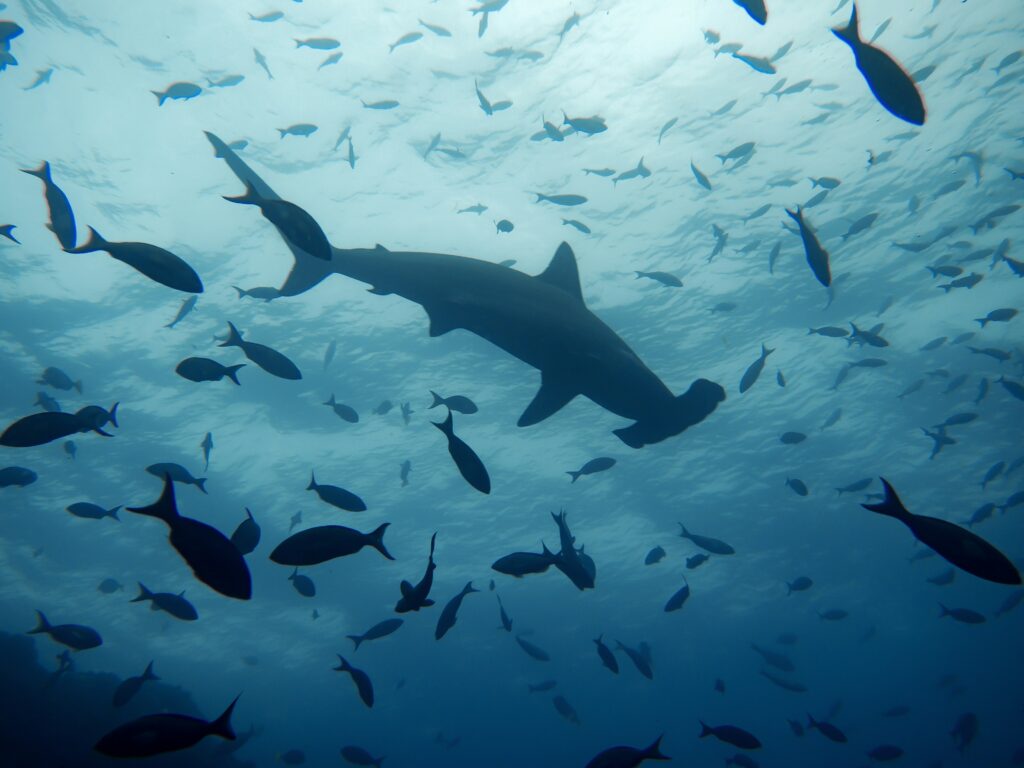
What sets these cafes apart is their access to a product that is geographically limited. Because the Galápagos Islands are located on the equator but cooled by the Humboldt Current, they possess a microclimate that allows coffee to thrive at much lower altitudes than is typically required for Arabica beans.
In most coffee-growing regions, high altitude is a synonym for quality. In the Galápagos, the proximity to the sea and the volcanic soil compensate for the lack of elevation. This results in a bean that is dense and flavourful but lacks the sharp acidity found in highland coffees from the mainland or East Africa. For the independent traveller, seeking out these specific cafes is a way to engage with a sustainable industry that helps preserve the islands’ delicate balance.
Whether you are sitting in the minimalist interior of a Puerto Ayora coffee lab or sipping a brew in a San Cristóbal garden, the coffee in your cup is a direct reflection of the islands’ history and its commitment to a greener future.
The Ecuadorian Coast.
Where you’ll find the very best food
Frequently asked questions about the best coffee in the Galápagos
The archipelago primarily grows the Bourbon variety, a heritage strain that has remained largely unchanged since the 19th century. The volcanic soil and the specific microclimate created by the Humboldt Current produce a bean with naturally low acidity and a distinct, sweet flavour profile that is difficult to replicate elsewhere.
While not all farms carry a formal international organic certification, the islands’ status as a UNESCO World Heritage site means the use of chemical pesticides and fertilisers is strictly prohibited. This makes almost all coffee grown in the archipelago naturally organic and environmentally sustainable by default.
Yes. Many of the most significant plantations are located in the highlands of Santa Cruz and San Cristóbal. These can be reached via local buses or by hiring a bicycle. Hacienda El Cafetal is a particularly notable destination for those interested in seeing the intersection of traditional agriculture and giant tortoise conservation.
Both Santa Cruz and San Cristóbal have thriving coffee scenes. Santa Cruz, specifically Puerto Ayora, has a higher concentration of modern speciality labs. However, San Cristóbal holds the historical heart of the industry, with some of the oldest continuously operating plantations in the Pacific.
While traditional Ecuadorian coffee culture often relies on dairy, the growing speciality scene in the Galápagos is increasingly inclusive. Cafes like Ranti in San Cristóbal are well-regarded for offering plant-based alternatives to cater to the diverse needs of independent travellers.
For those travelling without a tour group, the best way to navigate the islands is by using the public speedboats (lanchas) that run between the main ports. Once on the islands, the cafes in Puerto Ayora and Puerto Baquerizo Moreno are easily accessible on foot or by local bike hire.
Ecuador.
Pure wonder on the equator.