
DIY Galápagos / The complete logistical guide to independent island hopping
A land-based logistics guide to the Galápagos Islands
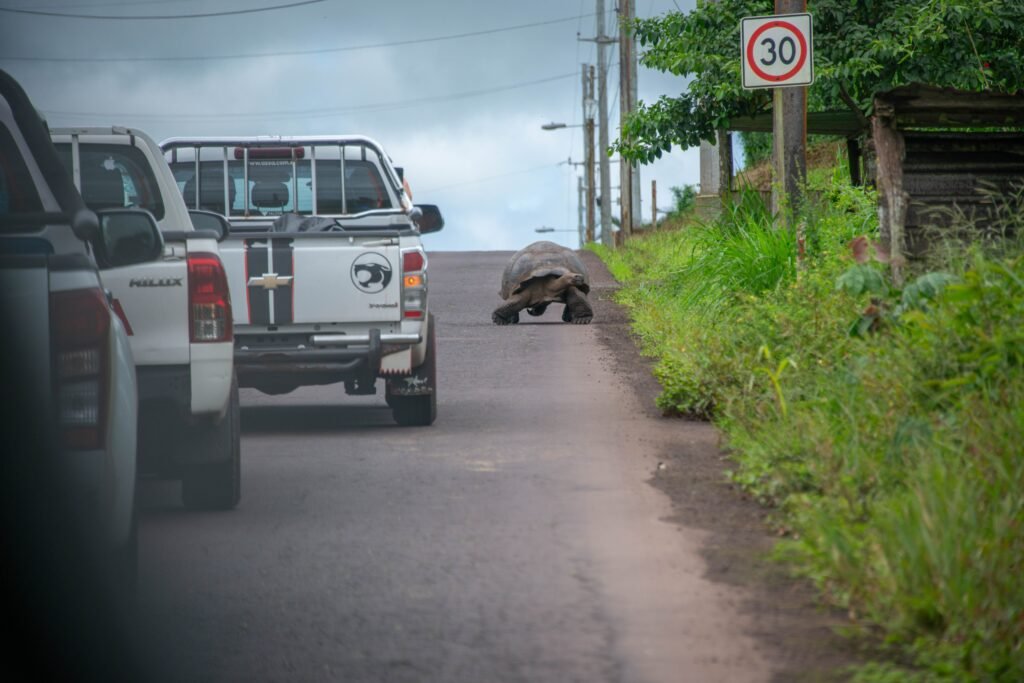
Salt air, unpaved tracks, and total autonomy in the archipelago

BEN FINCH
For decades, the standard narrative surrounding the Galápagos Islands has insisted that an expensive, all-inclusive liveaboard cruise is the only viable way to explore this remote Pacific archipelago.
That assumption is outdated. While liveaboard vessels certainly offer access to the most distant, uninhabited outer islands, a land-based, self-directed itinerary provides unprecedented flexibility, significantly reduced costs, and direct economic support to local island communities.
Travelling independently across the inhabited islands of the Galápagos requires no complex expedition permits or private guides for every step. It simply demands rigorous advance planning, an understanding of inter-island maritime logistics, and strict adherence to local biosecurity and conservation regulations.
The Galápagos on your own terms / Essential briefing
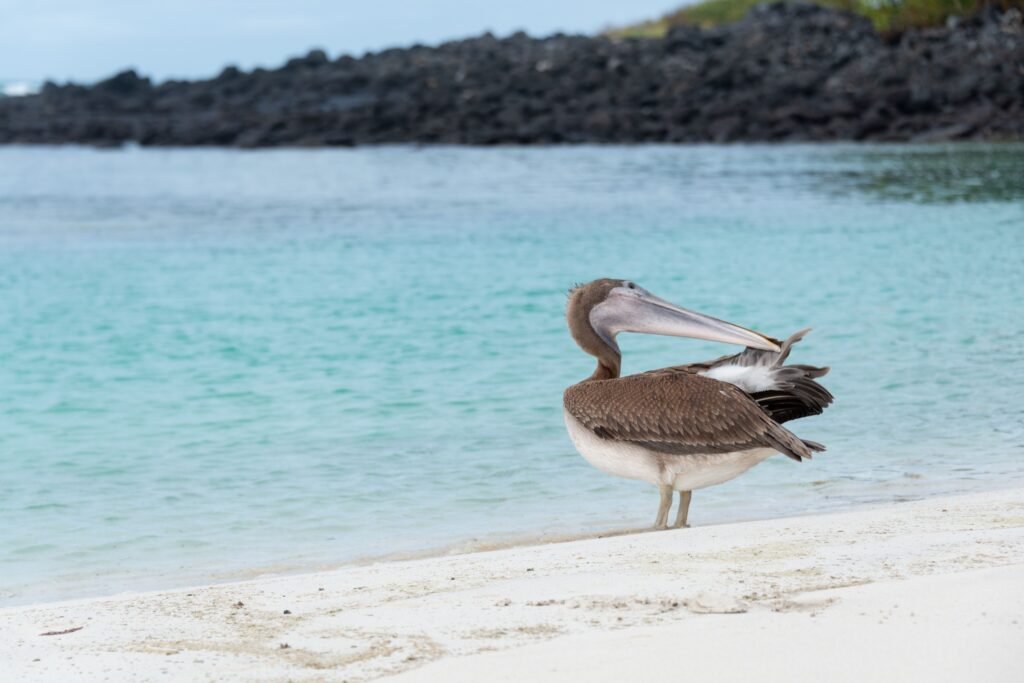
Navigating the Galápagos Archipelago independently offers an unmatched sense of freedom, allowing you to experience the islands’ raw wilderness without the constraints of a rigid cruise schedule. Here is the operational core of what every self-directed traveller needs to know before setting out.
- Open-Jaw Flight Strategy: Eliminate costly backtracking across open water by flying into Baltra Airport (GPS) on Santa Cruz and flying out of San Cristóbal Airport (SCY), or vice versa
- Strict Cash Economy: Carry sufficient, undamaged US Dollar notes ($1, $5, $10, and $20 bills) from mainland Ecuador; ATMs on Isabela are notoriously unreliable, and card surcharges are steep
- Inter-Island Maritime Links: Public speedboats (ferries) connect Santa Cruz to San Cristóbal, Isabela, and Floreana for roughly $30–$35 USD per leg, with quick $1–$2 USD water taxi transfers at each port
- Mandatory Entry Formalities: Budget $20 USD per person in cash for the Ingala Transit Control Card at mainland airports, $200 USD in cash for the Galápagos National Park entrance fee upon landing, and carry proof of travel insurance
- Biosecurity Integrity: All luggage undergoes strict scanning by ABG officials on the mainland and island docks to prevent invasive species, seeds, or uncertified agricultural products from entering the ecosystem
- Autonomous Exploration: Highlights such as Tortuga Bay, Concha de Perla, Cerro Tijeretas, and Playa La Lobería require no guides or entrance fees, granting complete freedom to snorkel and walk at your own pace
- Pedal-Powered Access: Hiring a mountain bike on Isabela or Santa Cruz provides low-impact access to volcanic crater rims, highland tortoise reserves, and historic coastal ruins along dusty tracks
The Galápagos.
Ecuador’s Enchanted Isles
Operational reality / Land-based travel vs liveaboard cruises
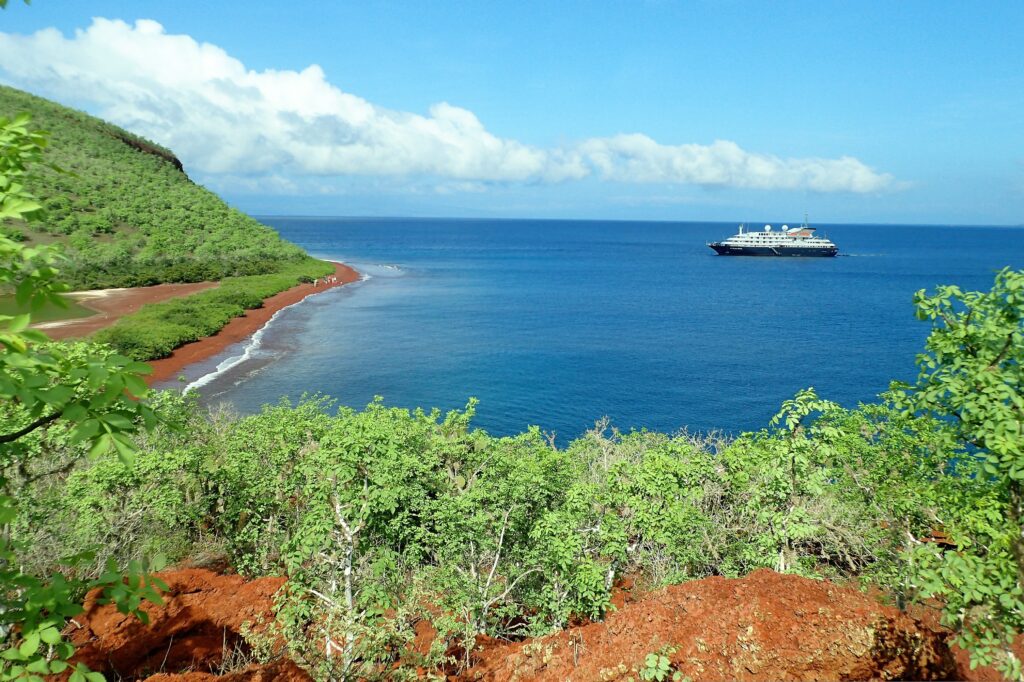
Before booking flights or reserving accommodations, you must understand what land-based travel can and cannot deliver in the Galápagos Archipelago.
What land-based travel delivers
- Full Autonomy: You set your own schedule, decide how long to linger at specific spots, and choose where and when to eat
- Dramatic Cost Reduction: A standard mid-range liveaboard cruise costs between $3,000 USD and $6,000 USD per person for a week. A well-planned land-based itinerary across the same timeframe can easily be executed for $1,200 USD to $2,000 USD per person, including internal transport, day tours, meals, and private lodging
- Local Community Support: Money spent on independent land-based travel goes directly to family-owned guesthouses, local boat captains, neighbourhood eateries, and resident guides rather than multinational cruise conglomerates
- Superior Flexibility for Active Travellers: Land-based exploration allows you to hire mountain bikes, trek inland volcanic trails at your own pace, and spend hours lingering in coastal bays without being summoned back to a ship by a mess hall bell
What land-based travel cannot reach
- Distant Uninhabited Outliers: Northern and western outposts such as Wolf, Darwin, Genovesa, and Fernandina remain strictly accessible only via specialised multi-day liveaboard cruises
- Night-Time Transit: Ferries and inter-island flights only operate during daylight hours. You cannot wake up at a brand-new island 100 nautical miles away every morning; all transitions require deliberate daylight planning
Pre-trip logistics & arrival formalities
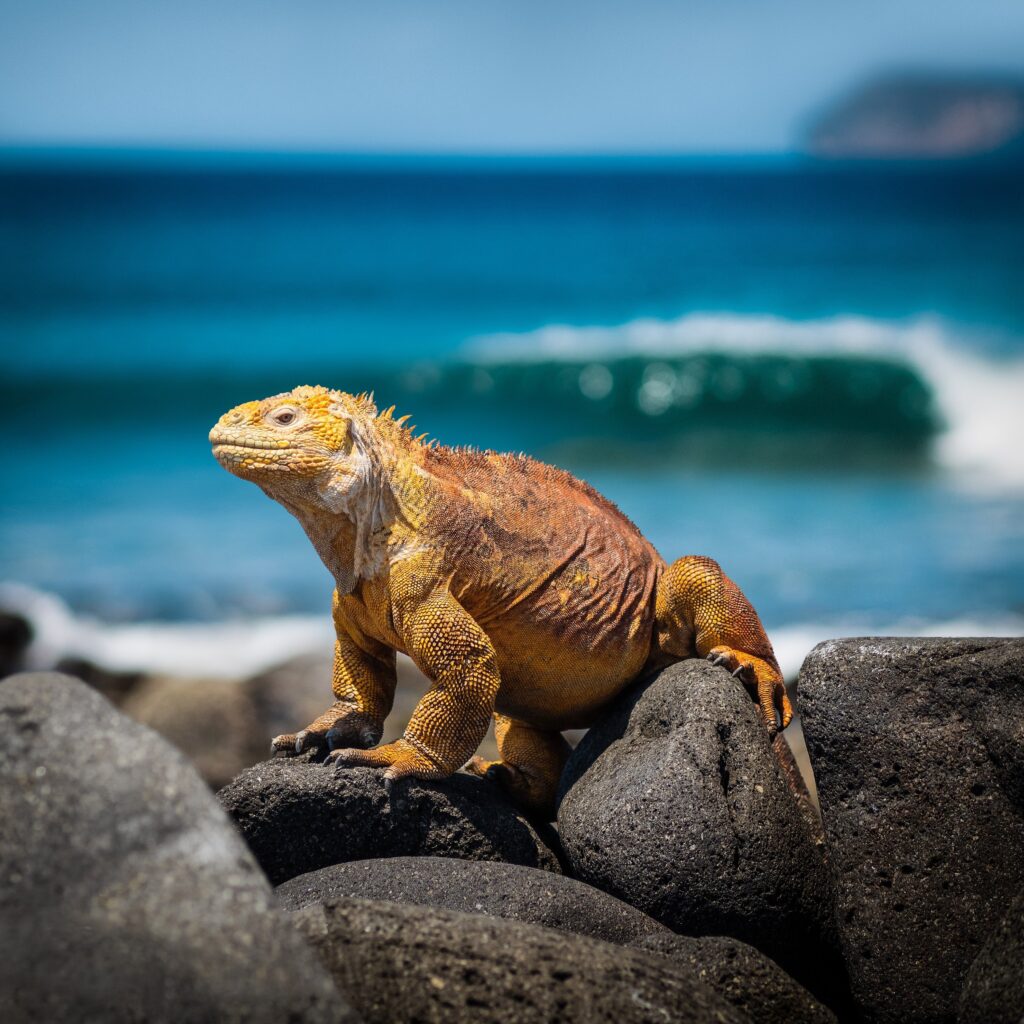
Entering the Galápagos Archipelago involves strict environmental controls and two non-negotiable government fees. These procedures begin on the Ecuadorian mainland and conclude at the island port of entry.
| Step | Location | Cost (per person) | Requirement & Process |
| 1. Biosecurity Inspection | Quito (UIO) or Guayaquil (GYE) Airport | Free | Pass all checked and carry-on luggage through the ABG scanner prior to airline check-in |
| 2. Transit Control Card (TCC) | Quito (UIO) or Guayaquil (GYE) Airport | $20 USD (Cash only) | Purchase at the Consejo de Gobierno del Régimen Especial de Galápagos desk or online before check-in |
| 3. National Park Entrance Fee | Baltra (GPS) or San Cristóbal (SCY) Airport | $200 USD (Cash only) | Paid at the immigration desk immediately upon landing in the archipelago |
| 4. Local Pier Access Fees | Specific Municipal Docks | $5–$15 USD (Cash only) | Paid upon entry at specific island ports (e.g. $15 USD at Puerto Villamil, Isabela) |
Mainland airport procedures / Quito & Guayaquil
All commercial flights to the Galápagos originate from mainland Ecuador, departing from either Mariscal Sucre International Airport in Quito (UIO) or José Joaquín de Olmedo International Airport in Guayaquil (GYE). Flights originating in Quito routinely lay over in Guayaquil to take on additional passengers.
Arrive at the mainland airport at least three hours before your scheduled flight departure. You must complete two critical steps before queuing at your airline’s check-in counter:
- ABG Biosecurity Inspection: Located near the departure check-in area, the Agencia de Regulación y Control de la Bioseguridad y Cuarentena para Galápagos (ABG) operates a dedicated baggage scanning kiosk. All checked and carry-on luggage must pass through this inspection to ensure no uncertified agricultural products, live plants, seeds, uncleaned camping gear with raw soil, or fresh food items enter the fragile ecosystem. Once cleared, your bags will receive a plastic security seal
- Ingala Transit Control Card (TCC): Immediately adjacent to the ABG kiosk, line up at the Consejo de Gobierno de Galápagos counter. Here you must present your passport, return flight booking confirmation out of the Galápagos, and pay the $20 USD fee in cash. You will be issued a paper card (the TCC). Keep this card safe; you must present it upon arrival in the islands and surrender it when flying back to the mainland
Arrival formalities in the islands
Upon touchdown at either Baltra Airport (GPS) or San Cristóbal Airport (SCY), you will step off the aircraft and proceed directly into the terminal’s National Park processing area.
Here, every foreign adult visitor must pay the Galápagos National Park Entrance Fee of $200 USD in cash. Credit cards, debit cards, mobile transfers, and foreign currencies are not accepted. The bills must be clean, untorn US Dollar bank notes; damaged or heavily creased bills are frequently rejected by border officers. Children under 12 pay $100 USD.
After paying the entry fee, you will pass through a final hand-luggage biosecurity check where trained sniffer dogs search for organic contraband before you step outside into the island atmosphere.
The Ecuadorian Sierra.
Get lost in the hills
Mandatory travel insurance / Protect your trip and your wallet
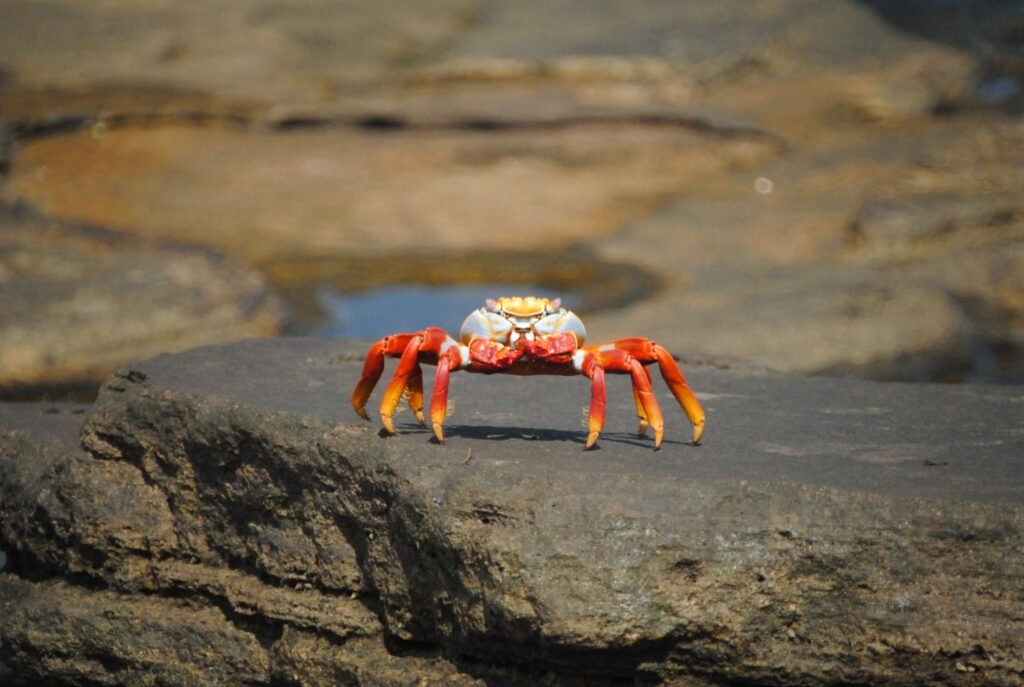
The legal status of mandatory travel insurance in Ecuador and the Galápagos Archipelago stems from national tourism legislation. While border enforcement at Quito (UIO) and Guayaquil (GYE) airports can be inconsistent, operating without comprehensive international health and emergency evacuation coverage in the Galápagos is an exceptional financial risk.
The archipelago’s medical infrastructure is extremely limited. Basic clinics operate in Puerto Ayora and Puerto Baquerizo Moreno, but serious medical emergencies—such as severe decompression sickness, open fractures from coastal lava rocks, acute appendicitis, or speedboat injuries—require emergency air ambulance evacuation to mainland hospitals in Quito or Guayaquil.
A private medevac flight from Baltra or San Cristóbal to the mainland routinely costs between $15,000 USD and $30,000 USD out of pocket if you lack an active policy with direct emergency clearance.
Recommended primary providers / VisitorsCoverage & Insubuy
For independent travellers, active cyclists, and budget-conscious island hoppers, we recommend securing coverage through VisitorsCoverage or Insubuy. Both platforms offer fast online quotes, transparent policy terms, and high emergency evacuation limits required for remote island travel.
1. VisitorsCoverage / Best comparison platform & fast policy issuance
VisitorsCoverage operates as a premier travel insurance marketplace, allowing independent travellers to compare multiple vetted plans side-by-side to find coverage tailored to remote island itineraries.
- Frictionless Comparison: Filter policies specifically by emergency medical evacuation limits, trip interruption, and active sports add-ons before purchasing.
- Instant Digital Proof: Generates instant digital policy certificates in English and Spanish, making it easy to present official proof of coverage to immigration officers or National Park rangers if requested.
- Flexible Coverage Options: Offers comprehensive trip protection plans (covering flight delays and lost luggage) as well as standalone travel medical policies for international travellers.
2. Insubuy / Best for specialised travel medical & high evacuation limits
Insubuy specialises in robust international travel medical insurance, making it ideal for self-directed backpackers, active outdoor enthusiasts, and long-term travellers who require high medical caps without paying for bloated holiday package bundles.
- High Evacuation & Medical Limits: Insubuy features plans with medical coverage reaching up to $1,000,000 USD or more, alongside dedicated air ambulance repatriation limits that easily absorb mainland transfer costs.
- Direct Claim Assistance: Offers strong customer support and direct billing arrangements with international healthcare networks, reducing out-of-pocket friction during an emergency.
- Active Adventure Coverage: Selectable policy tiers cover non-professional sports, including mountain biking dirt tracks on Isabela, coastal kayaking, and inter-island sea transit.
Secondary alternatives for specific travel profiles
While VisitorsCoverage and Insubuy are our top overall recommendations for land-based Galápagos itineraries, specific travel profiles may benefit from these established alternatives:
- SafetyWing (Nomad Insurance): The best option for long-term nomads already on the road. Operates on a monthly subscription model ($45–$85 USD/4 weeks). It offers reliable global health and emergency evacuation coverage, though sports and bicycle activities require purchasing an add-on tier
- World Nomads: The gold standard for high-risk adventure sports, scuba diving below 30 metres, and high-value camera/gear coverage. It is significantly more expensive per day, but essential if your itinerary includes technical open-ocean diving or high-altitude mainland mountaineering
- Heymondo: Excellent mid-range option with a user-friendly mobile app that includes 24/7 WhatsApp medical assistance and direct cashless payment at partnered clinics, eliminating the need to pay out-of-pocket and file manual reimbursement claims later
Insurance provider comparison
| Provider | Ideal Traveller Profile | Emergency Medical Evacuation Limit | Active Sports & Bike Riding | Key Advantage |
| VisitorsCoverage (Top Pick) | DIY travellers wanting side-by-side plan comparisons | Up to $500,000–1,000,000+ USD | Configurable by selected plan | Instant multi-plan comparison and Spanish proof of coverage |
| Insubuy (Top Pick) | Independent travellers seeking high medical limits & strong claims support | Up to $1,000,000+ USD | Covered under active travel options | High evacuation caps and specialised travel medical plans |
| SafetyWing | Digital nomads, long-term multi-country travellers | Up to $100,000 USD | Available via Adventure Sports add-on | Flexible monthly subscription billing |
| World Nomads | Scuba divers, high-value gear owners, mountaineers | Up to $300,000–$500,000 USD | Fully covered (Explorer plan) | Extensive coverage for gear loss and extreme sports |
| Heymondo | Families, short-term holidaymakers seeking app support | Up to $500,000 USD | Covered in Top/Premium plans | 24/7 medical chat app with cashless clinic service |
The Ecuadorian Amazon.
The most biodiverse place in the world
Inter-island transport strategy
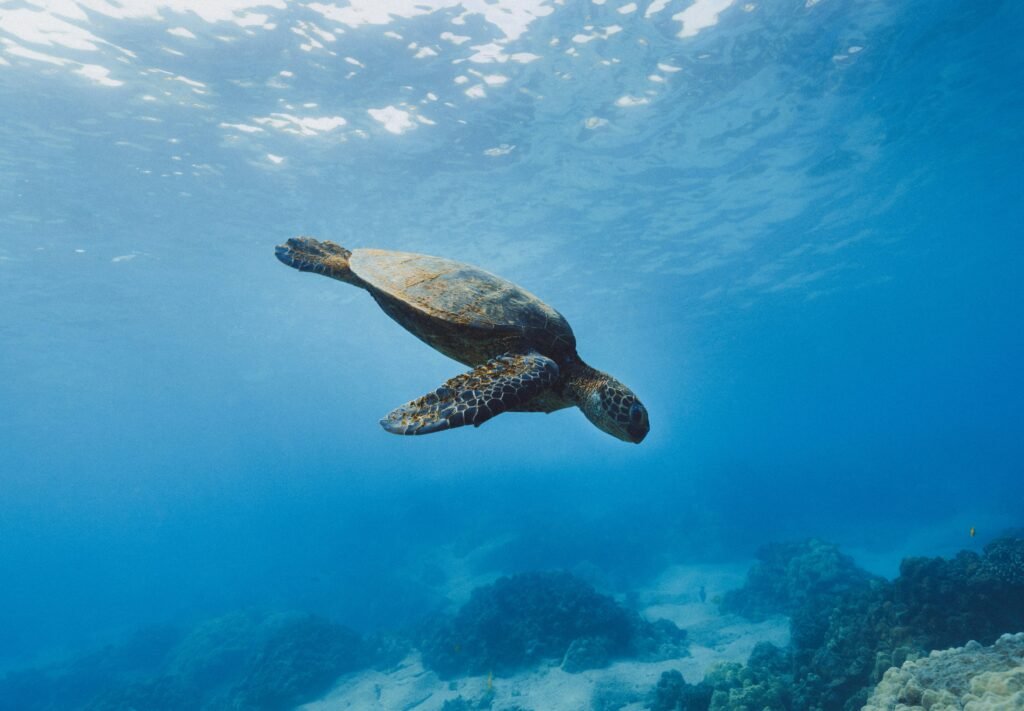
Navigating between the inhabited islands is the core logistical operational puzzle of independent travel in the Galápagos. The archipelago contains four main inhabited islands connected by maritime or air links: Santa Cruz, San Cristóbal, Isabela, and Floreana.
Strategic flight routing / The open-jaw principle
To eliminate redundant inter-island transit, never book a standard round-trip flight to the same airport. Book an open-jaw (multi-city) ticket:
- Option A: Fly from mainland Ecuador into Baltra Airport (GPS — serving Santa Cruz) and fly back to the mainland out of San Cristóbal Airport (SCY)
- Option B: Fly into San Cristóbal (SCY) and fly out of Baltra (GPS)
By flying open-jaw, you save $30–$35 USD per person in ferry fares, avoid an exhausting two-and-a-half-hour open-ocean crossing, and reclaim almost an entire daylight day of exploration.
Inter-island speedboat ferries (pangas)
Public speedboats—locally termed ferries or cabotaje—form the spine of inter-island travel. These are medium-sized, open-ocean motor launches powered by two to four high-horsepower outboard engines, carrying between 12 and 30 passengers.
Network geography & scheduling
Santa Cruz (Puerto Ayora) operates as the mandatory central transport hub. There are no direct ferries between San Cristóbal and Isabela. If you wish to travel from San Cristóbal to Isabela, you must catch the morning ferry to Santa Cruz, wait in Puerto Ayora during the middle of the day, and board the afternoon ferry to Isabela.
Santa Cruz to San Cristóbal
- Morning departures: ~06:00 to 07:00
- Afternoon departures: ~14:00 to 15:00
- Transit time: 2 to 2.5 hours
Santa Cruz to Isabela
- Morning departures: ~06:00 to 07:00
- Afternoon departures: ~14:00 to 15:00
- Transit time: 2 to 2.5 hours
Santa Cruz to Floreana
- Limited schedule: Typically departures on Tuesday and Friday mornings (~08:00), returning in the late afternoon (~15:00). Confirm current schedules locally at the Puerto Ayora pier
- Transit time: 1.5 to 2 hours
Booking mechanics & pricing
- Standard Cost: $30 to $35 USD per person per leg
- Advance Booking: During peak holiday periods (June–August, mid-December–January), book tickets at least 3–5 days in advance through local tour agencies or online booking aggregators. In lower seasons, purchasing tickets 24 hours prior at harbour agencies is generally fine
- Boarding Passes & Luggage Tags: You must check in at the pier or booking agency 30 to 45 minutes prior to departure. Your luggage will undergo a brief local biosecurity inspection on the pier before being tagged
Water taxi (panga) operations
At all major ports (Puerto Ayora, Puerto Villamil, and Puerto Baquerizo Moreno), the water depth at the municipal piers is too shallow for commercial speedboats to dock directly.
Speedboats anchor 100–200 metres offshore. Small wooden water taxis (pangas) ferry passengers between the main dock and the anchored vessel.
- Cost: $1.00 to $2.00 USD per person per ride, paid directly in cash to the panga operator. Have small coins or $1 bills accessible in your pocket
Ocean conditions & sea-sickness warning
The ocean passage across open channels (especially between Santa Cruz and Isabela) can be notoriously rough, particularly during the garúa season from July to November when the Humboldt Current brings cooler waters and choppy seas.
- Take anti-seasickness medication (e.g. Dimenhydrinate or Meclizine) 30 to 45 minutes before stepping onto the boat
- Position yourself towards the rear (stern) of the boat for the smoothest ride; the bow hits waves with intense physical force
- Pack all sensitive electronics inside heavy-duty dry bags. Ocean spray routinely penetrates the boat’s side canvas curtains
Inter-island air transfers
For travellers seeking to avoid ocean transit or cut down transfer times, small island-hopper air services operate between the primary airports.
- Operators: EMETEBE Airlines and ESAV Airlines
- Routes: Direct flights connect Baltra (GPS), San Cristóbal (SCY), and Isabela (Puerto Villamil airstrip)
- Flight Duration: 25 to 40 minutes per leg
- Cost: Approximately $140 to $180 USD per person, one-way
- Luggage Rules: Highly restrictive. Standard allowances generally permit 20 lbs (9 kg) of luggage per passenger. Excess luggage is charged at roughly $1 to $2 USD per pound, subject to strict aircraft weight and balance limits
The Ecuadorian Coast.
Where you’ll find the very best food
Island-by-island logistical breakdown
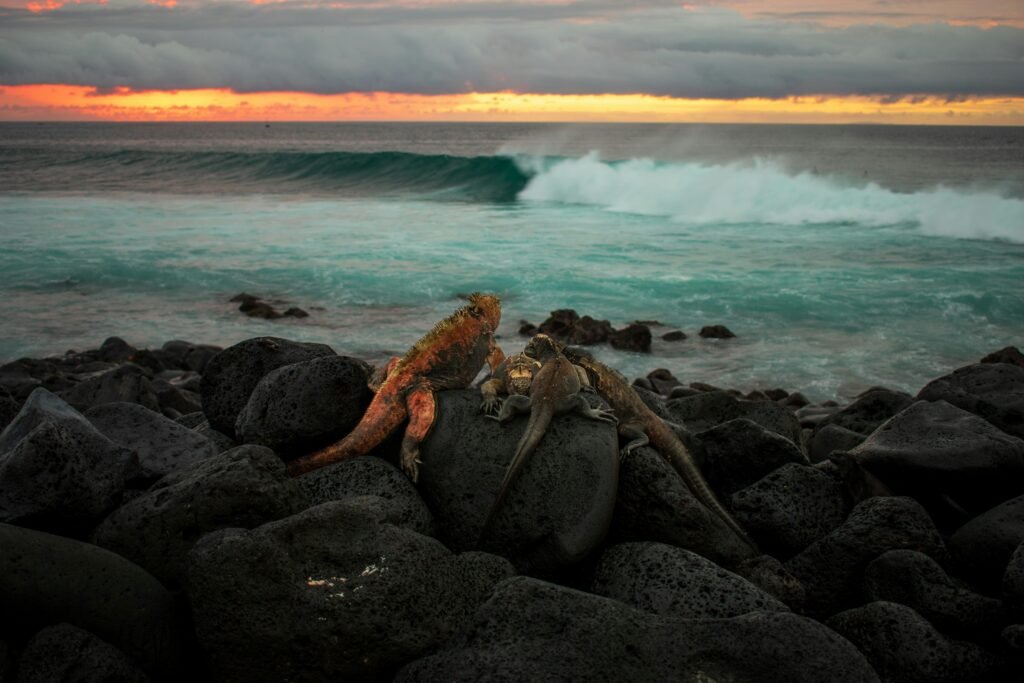
Each inhabited island possesses distinct terrain, endemic wildlife populations, and operational characteristics. Understanding these differences is key to structuring an efficient itinerary.
Santa Cruz / Central transport hub
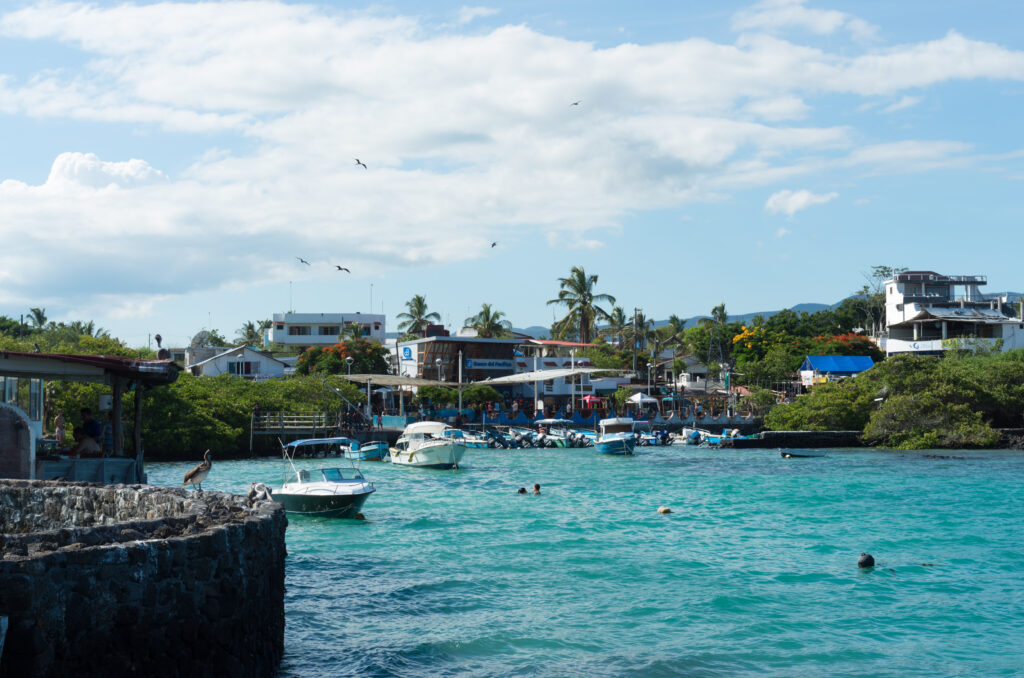
Santa Cruz is the economic, logistical, and population heart of the archipelago. Its main town, Puerto Ayora, sits on the southern coast along Academy Bay, packed with tour operators, equipment rental shops, banks, and dining options.
Arrival logistics from Baltra Airport (GPS)
Baltra Airport sits on a small, barren military island just north of Santa Cruz. Getting from the runway to Puerto Ayora takes roughly 1.5 hours and involves three distinct legs:
- Airport Bus to Itabaca Canal: Step out of the terminal and board the public transit bus to the Itabaca Canal ($5 USD ticket). Duration: 10 minutes
- Canal Ferry Crossing: Board the small passenger ferry across the narrow Itabaca Canal to the northern tip of Santa Cruz ($1 USD cash). Duration: 5–10 minutes
- Highland Overland Route to Puerto Ayora: Once across the canal on Santa Cruz, take either:
- Public Bus: Departs right from the ferry landing directly to the central bus terminal in Puerto Ayora ($5 USD per seat). Duration: ~45 minutes
- White Pickup Taxi: Available directly at the ferry dock. Costs a fixed rate of $25 to $30 USD per vehicle (can be shared with up to 4 travellers). Duration: ~30–40 minutes
Santa Cruz independent & low-cost highlights
Tortuga Bay (Bahía Tortuga)
- Logistics: Located 2.5 km southwest of Puerto Ayora. Access is via a well-paved 45-minute pedestrian walking trail starting at the end of Calle Baltra. The park ranger station at the trailhead requires registration; access hours are strictly 06:00 to 18:00
- Terrain: The main beach (Playa Brava) has strong rip currents and is strictly unsuitable for swimming. Walk another 15 minutes past the marine iguana nesting rocks to reach Playa Mansa, a sheltered, mangrove-ringed bay ideal for swimming, paddleboarding, and viewing white-tip reef sharks
- Cost: Free. Kayak rentals are available on-site at Playa Mansa ($10–$15 USD/hour)
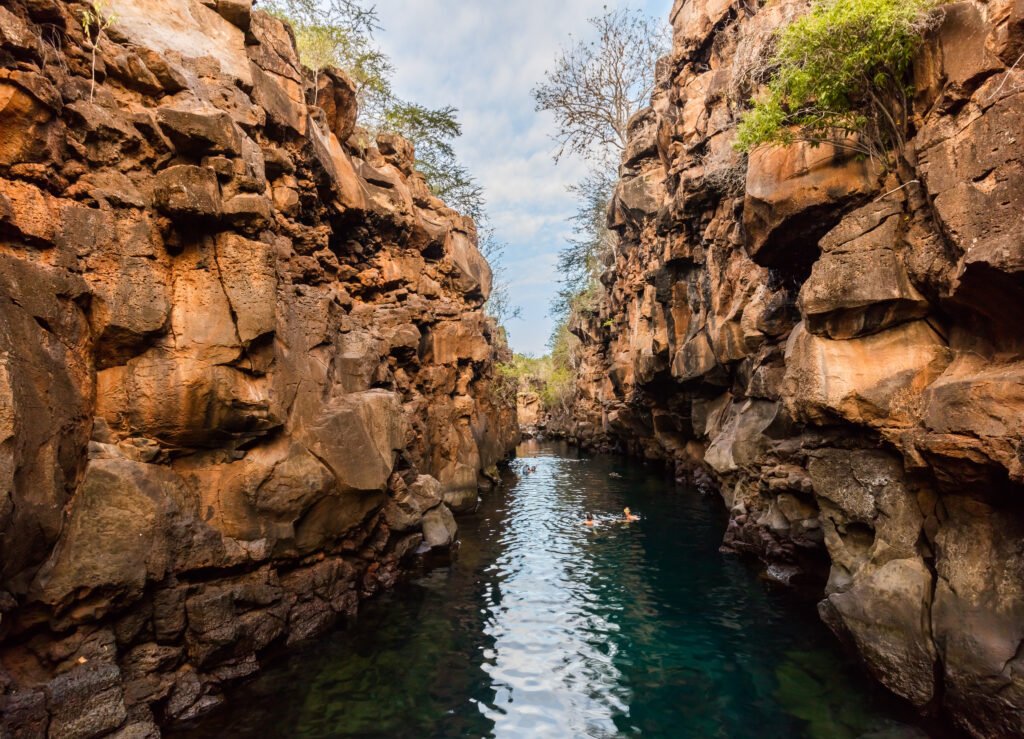
Las Grietas
- Logistics: A dramatic brackish water fracture between two sheer volcanic basalt walls. To reach the trail, take a $1.00 USD water taxi from Puerto Ayora’s main pier across Academy Bay to the Finch Bay dock, then walk past Punta Estrada beach and salt flats (15 minutes)
- Access Regulations: Under current National Park rules, visitors must be accompanied by a licensed park guide. Booking a slot through an agency in town or directly at the entrance kiosk costs approximately $10 USD per person
- Tip: Bring a mask, snorkel, and water shoes; the wooden platforms can be slippery, and the water inside the crevice is deep, clear, and refreshing
Charles Darwin Research Station & Fausto Llerena Breeding Centre
- Logistics: Positioned at the eastern edge of Puerto Ayora, a flat 15-minute walk from the town centre
- Highlights: Learn about tortoise restoration programmes, see young hatchlings sorted by island of origin, and view the preserved body of Lonesome George inside a climate-controlled exhibit pavilion
- Cost: $10 USD entry fee for the guided interpretation circuit
Santa Cruz Highlands (Parte Alta)
- Logistics: Hire a white pickup truck taxi for a half-day private charter ($40–$50 USD total for the vehicle) to explore the humid interior highlands
- Sites: Visit private giant tortoise reserves such as El Chato or Rancho Primicias ($10 USD entry fee), where hundreds of wild Galápagos giant tortoises roam freely through high-altitude pastures. The entry fee includes access to massive underground lava tubes nearby
Santa Cruz
Explore highlands full of giant tortoises
San Cristóbal / Wildlife & coastal exploration
San Cristóbal is the easternmost island in the archipelago and serves as the administrative capital of Galápagos province. Its principal port, Puerto Baquerizo Moreno, retains a quieter, more relaxed coastal atmosphere compared to Puerto Ayora.
Arrival logistics
San Cristóbal Airport (SCY) is located directly adjacent to Puerto Baquerizo Moreno. The airport runway sits less than 1.5 km from the town centre.
- Transit: You can walk into town in 15 minutes, or take a short 3-minute white pickup truck taxi for a fixed fare of $2 to $3 USD
San Cristóbal independent & low-cost highlights
Centro de Interpretación & Cerro Tijeretas
- Logistics: Walk north along the coastal road from Puerto Baquerizo Moreno for 15 minutes to reach the modern Interpretation Centre (free entry)
- Trails: Behind the centre, well-maintained paved trails lead up to Cerro Tijeretas (Frigatebird Hill), offering panoramic views of the coast and frigatebirds nesting in coastal scrub
- Snorkelling Bay: Below the viewpoint lies Muelle Tijeretas, a rocky cove with stone steps leading straight into the water. This is one of the finest free snorkelling spots in the entire archipelago for swimming alongside sea lions, marine iguanas, and green sea turtles
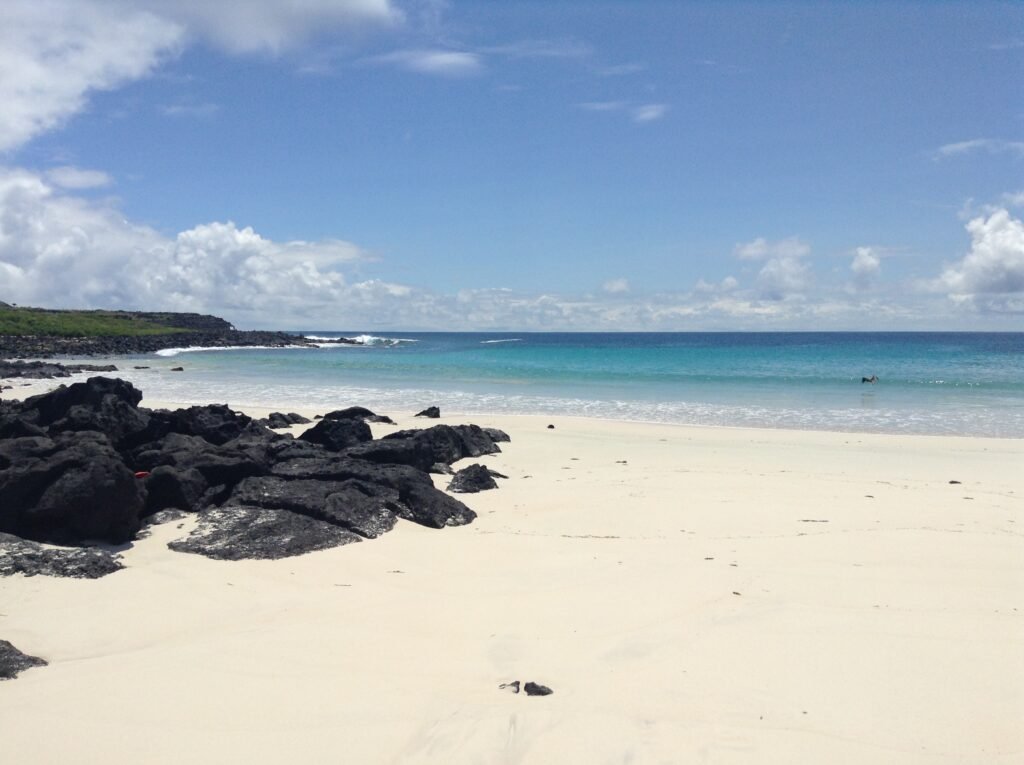
Playa La Lobería
- Logistics: Located 2.5 km southwest of town, accessible via a 30-minute flat walk or a $3.00 USD taxi ride
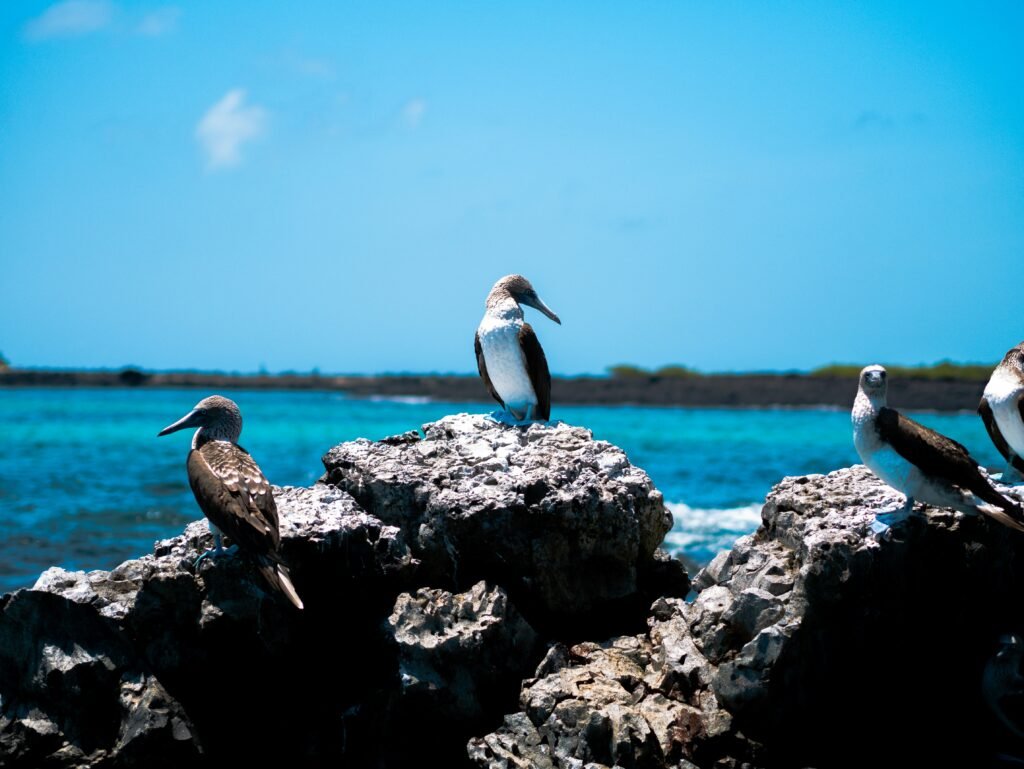
- Highlights: A coral-sand beach home to a large breeding colony of Galápagos sea lions. Follow the rocky trail past the sand to reach a dramatic cliff walk where blue-footed boobies nest and marine iguanas sun themselves on black basalt rocks
- Warning: Maintain a minimum distance of 2 metres from all wildlife at all times. Alpha bull sea lions guarding beach harems can be territorial and aggressive if approached
Playa Mann & Punta Carola
- Logistics: Easily accessible within a 10 to 20 minute walk north along the town boardwalk
- Highlights: Playa Mann sits right across from the local university campus and is popular for casual swimming and sunset drinks. Punta Carola, located just beyond, offers a sprawling beach, a historic lighthouse point, and excellent surf breaks
San Cristóbal.
Laid-back in the Galápagos
Isabela / Volcanic landscapes & wilderness
Isabela is by far the largest island in the archipelago, shaped by six young, active shield volcanoes joined together. Its main settlement, Puerto Villamil, is a relaxed coastal village with unpaved sandy streets, Coconut palms, and vast stretches of wild beach.
Arrival logistics
Speedboats drop passengers at the Puerto Villamil pier.
- Port Entrance Fee: All arriving visitors must pay a municipal dock fee of $15 USD in cash at the wooden control hut upon stepping off the jetty
- Transit into Village: The pier sits roughly 1 km east of the main accommodation strip. You can walk into the village along the wooden boardwalk or hire a pickup truck taxi for $3 to $5 USD
Operational note / Money & infrastructure
Isabela is logistically more remote than Santa Cruz or San Cristóbal.
- ATM Reliability: There is only a single municipal ATM in Puerto Villamil, and it frequently runs out of cash or loses network connectivity for days at a time. You must bring sufficient cash from Santa Cruz or San Cristóbal to pay for all lodging, food, dock fees, and local day tours on Isabela
Isabela independent & low-cost highlights
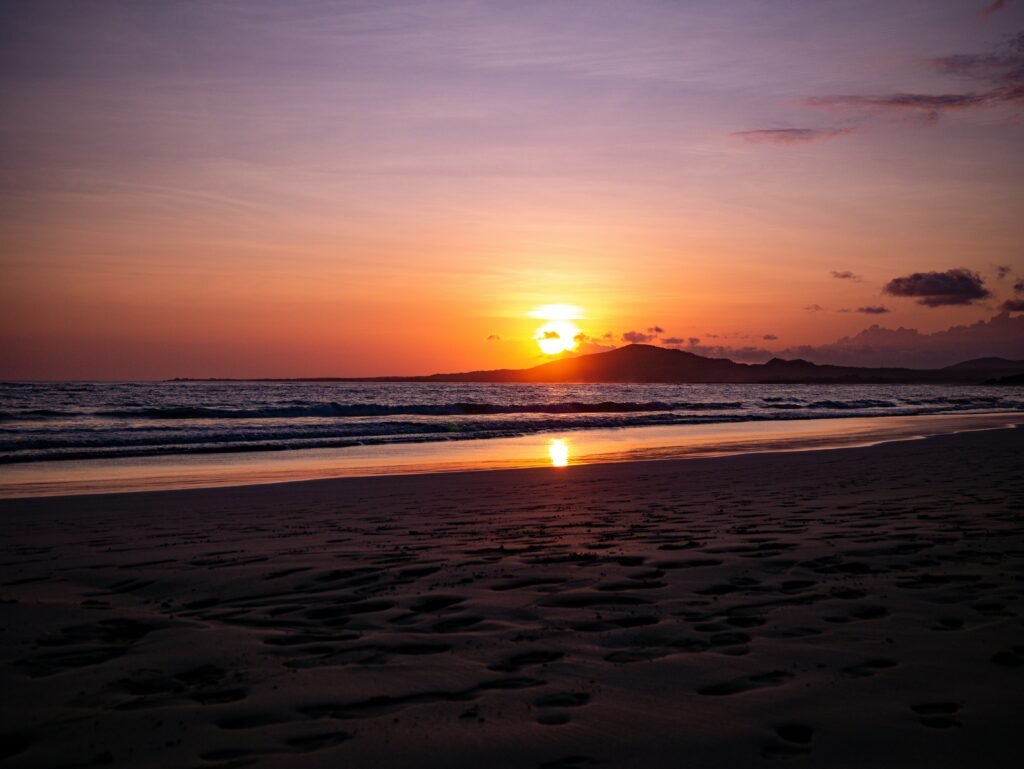
Concha de Perla
- Logistics: Located immediately to the left of the main ferry pier. A 200-metre wooden boardwalk weaves through dense mangroves to open onto a quiet, protected natural lagoon
- Activity: Excellent, safe, and completely free snorkelling spot. High tide offers the best clarity for observing sea lions, penguin feeding runs, rays, and sea turtles. Bring your own mask and fins
The Wall of Tears (El Muro de las Lágrimas)
- Logistics: Rent a mountain bike from a shop along Puerto Villamil’s main street ($10 to $15 USD for half a day). Follow the flat coastal dirt track westward for 6 km (single direction)
- En Route: The trail passes white sand beaches, freshwater lagoons filled with flamingos, lava tunnels, and native dry forest where giant tortoises frequently walk across the path
- History: The wall itself is a massive 100-metre-long stone monument constructed out of heavy volcanic rocks by prisoners held at the penal colony established here between 1946 and 1959
Isabela guided excursions / Must be booked via agencies
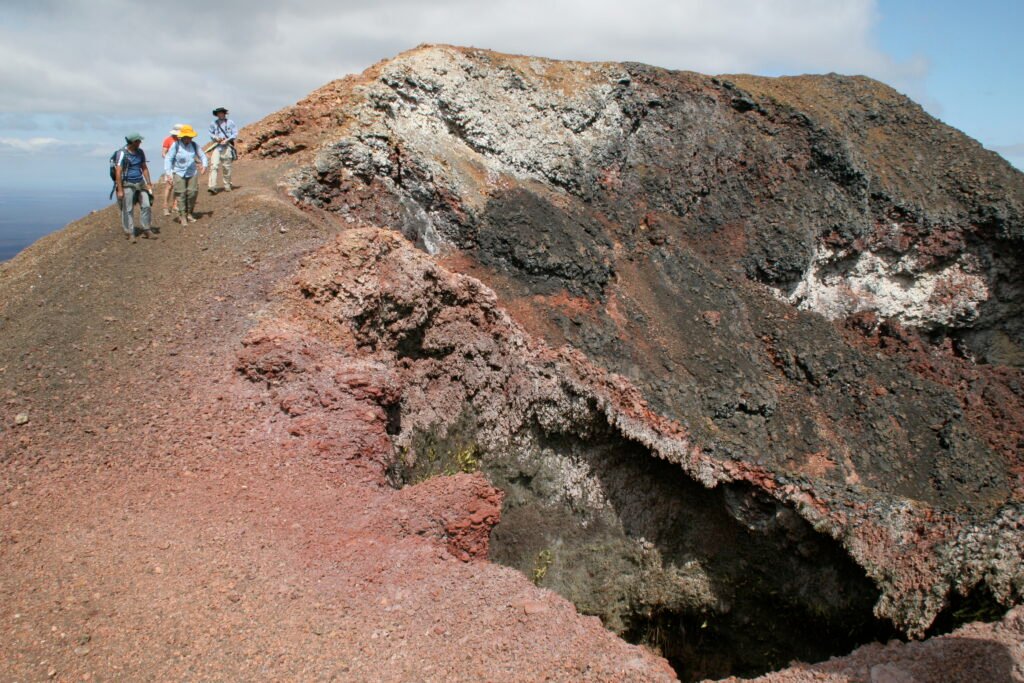
Sierra Negra Volcano trek
A spectacular 16 km day hike up to the rim of one of the world’s largest volcanic craters (10 km wide), continuing across active lava fields at Volcán Chico. Requires a licensed guide ($45–$60 USD per person, including transport and lunch)
Los Túneles
Widely considered the finest snorkelling tour in the Galápagos ($120–$150 USD per person). Small motorboats navigate treacherous surf breaks to reach a maze of calm, crystal-clear lava arches and submerged tunnels. Expect to snorkel alongside white-tip reef sharks, seahorses, giant manta rays, and Galápagos penguins
Isla Isabela.
Escape the tourist traps and explore
Floreana / History & solitude
Floreana is the least populated of the four inhabited islands, home to fewer than 150 permanent residents clustered around Puerto Velasco Ibarra. It is famous for its eccentric human history, including mysterious disappearances among early European settlers in the 1930s, called the Galápagos Affair.
Arrival logistics & schedules
Public ferry connections to Floreana are limited:
- Ferries generally run twice per week from Santa Cruz (typically Tuesday and Friday mornings), returning late the same afternoon
- Confirm exact schedules at the Puerto Ayora captaincy office (Capitanía del Puerto) at least two days in advance
- Alternatively, visit Floreana as an organised day tour from Santa Cruz ($130–$160 USD per person)
Independent highlights & infrastructure
- Post Office Bay (Bahía del Correo): Home to the historic wooden barrel established by whaling ships in 1793. Visitors drop unstamped postcards into the barrel and search through the existing pile to hand-deliver letters arriving near their hometowns
- Asilo de la Paz: Located in the humid highlands, featuring historic pirate caves, freshwater springs, and an enclave of giant tortoises
- Accommodation & Dining: Facilities on Floreana are extremely modest. Only a handful of basic family eco-lodges exist. If planning an overnight stay, arrange room bookings and meals well in advance
Isla Floreana.
Murder mysteries and wild biodiversity
Uninhabited islands / Single-day boat trips
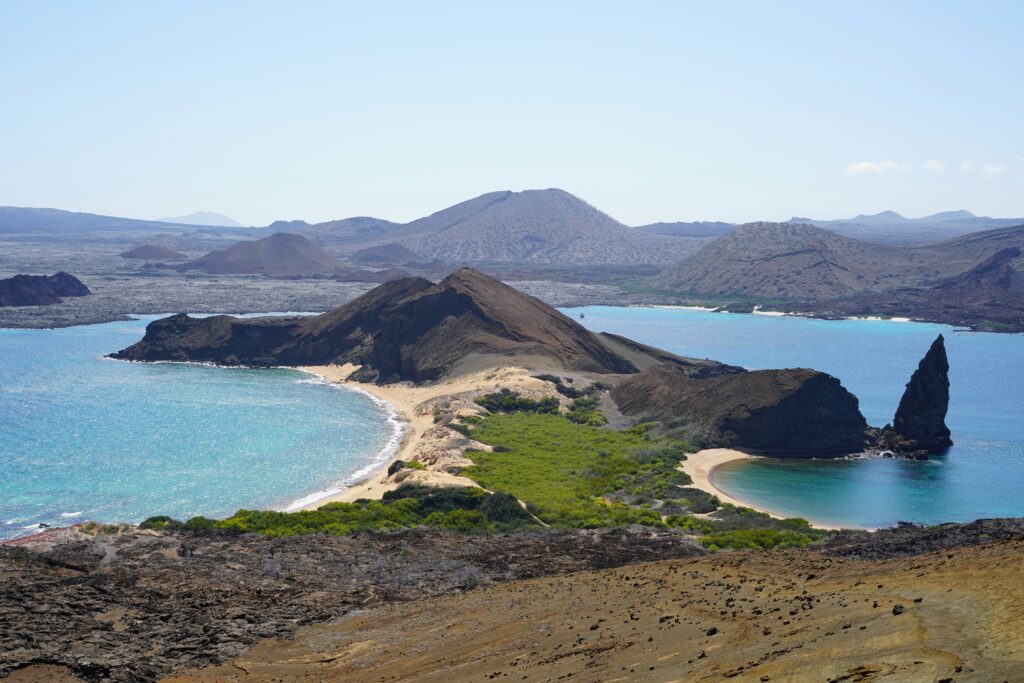
While you cannot stay overnight on uninhabited islands without a liveaboard berth, you can visit several world-class national park sanctuaries via day-long boat tours departing from Santa Cruz or San Cristóbal.
| From Santa Cruz Hub | From San Cristóbal Hub |
| Bartolomé Island | Española Island |
| North Seymour Island | Kicker Rock (León Dormido) |
| South Plaza Island | Punta Pitt |
| Santa Fe Island |
Top day-tour destinations
- Bartolomé Island (From Santa Cruz): Famous for Pinnacle Rock, sweeping volcanic moonscapes, lava tubes, and small colonies of Galápagos penguins. Expect a 2-hour boat ride each way ($220–$280 USD per person)
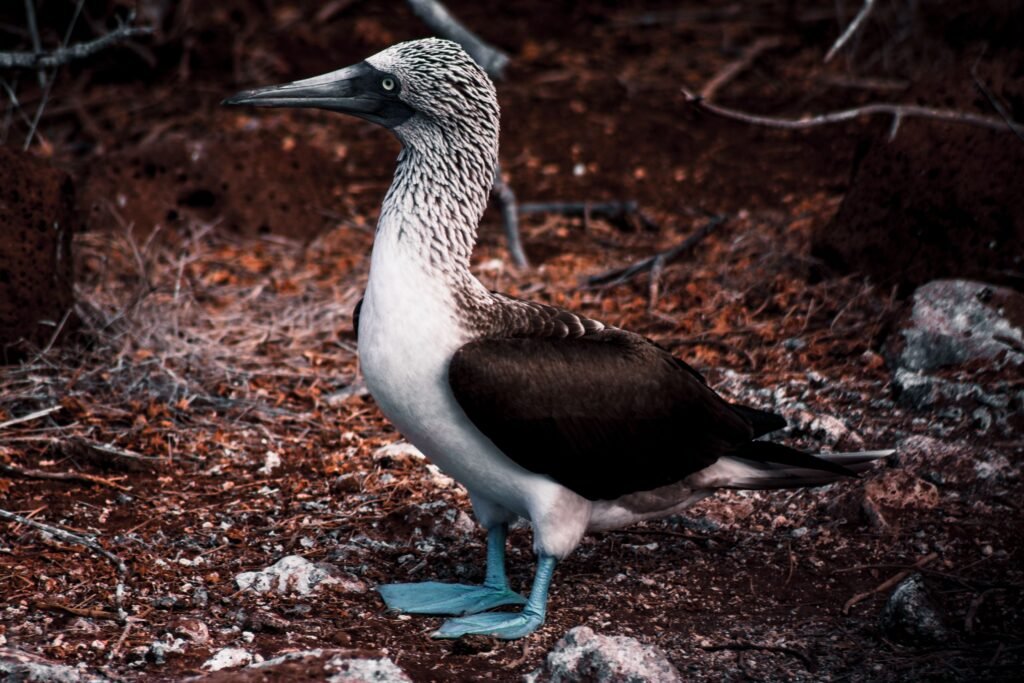
- North Seymour Island (From Santa Cruz): The premier bird-nesting site in the central islands. Home to massive colonies of blue-footed boobies performing courtship dances and frigatebirds inflating their scarlet throat pouches ($200–$250 USD per person)
- Española Island (From San Cristóbal): The sole breeding site of the majestic Waved Albatross (present April through December). Features dramatic blowholes and endemic marine iguanas with bright red winter colouration ($200–$250 USD per person)
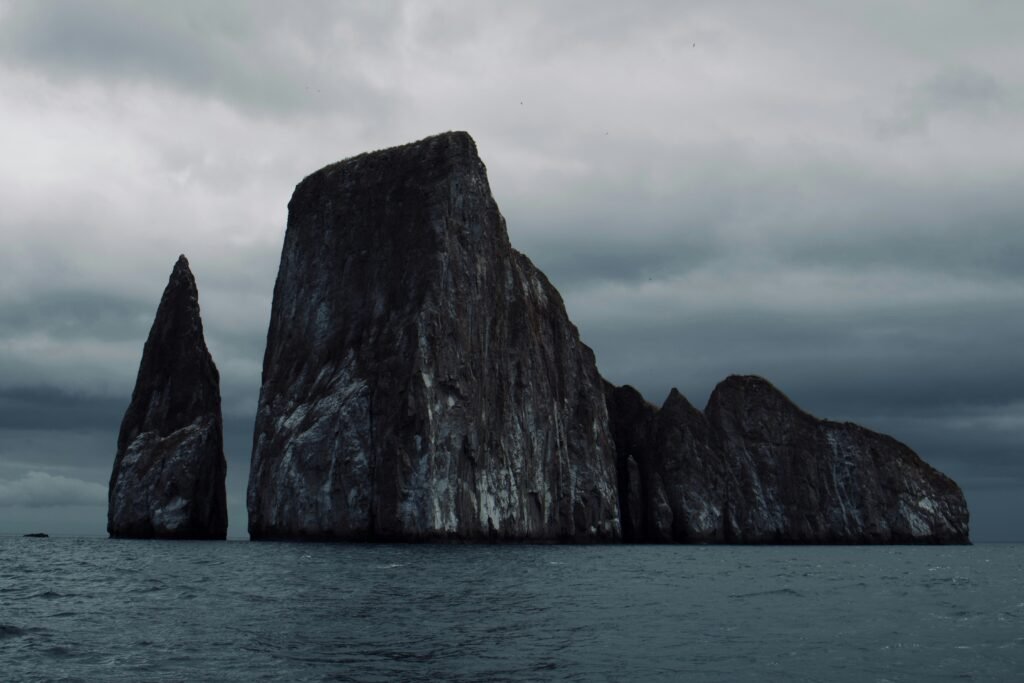
- Kicker Rock / León Dormido (From San Cristóbal): A towering 140-metre volcanic tuff cone split into two sheer obelisks. It offers world-class deep-water snorkelling and diving alongside Galapagos sharks, hammerheads, eagle rays, and sea turtles ($140–$180 USD per person)
Booking strategy for day trips
- Advance vs Last-Minute Booking: Booking day tours online months in advance guarantees your seat on specific vessels, but carries maximum retail pricing
- The Last-Minute Strategy: If your travel dates are flexible, arrive in Puerto Ayora or Puerto Baquerizo Moreno and walk between tour agencies on main streets late in the afternoon (between 16:00 and 18:00). Agencies often clear remaining unsold seats for departure the next morning at discounts of 20% to 35%
Money, connectivity & field operations
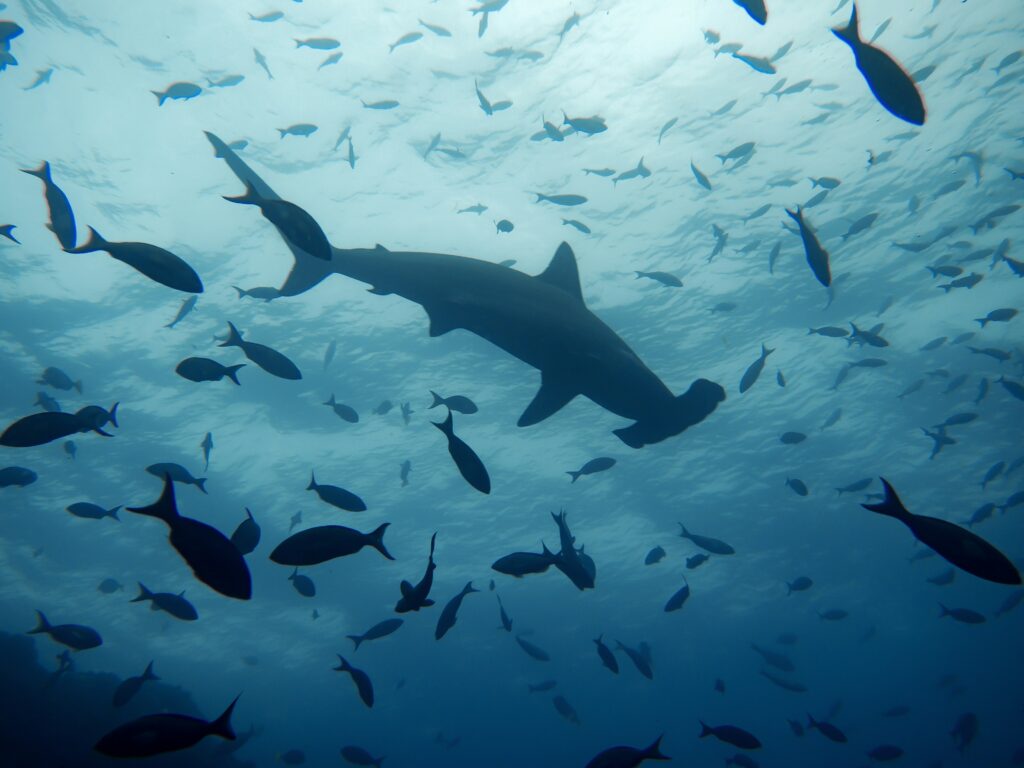
Executing a seamless independent itinerary requires solid operational habits once you are on the ground.
Currency & cash management
- Legal Tender: The official currency across Ecuador and the Galápagos Islands is the US Dollar ($ USD)
- Cash Requirement: Small eateries, souvenir stands, water taxis, municipal dock booths, and independent guides operate strictly on cash
- Denominations: Carry plenty of $1, $5, $10, and $20 bills. Bills larger than $20 USD (e.g. $50 or $100 notes) are notoriously difficult for small local shops to break
ATM networks
- Santa Cruz (Puerto Ayora): Multiple full-service bank branches (Banco Pichincha, Banco del Pacífico) with reliable ATMs
- San Cristóbal (Puerto Baquerizo Moreno): Two to three functional ATMs
- Isabela (Puerto Villamil): Extremely unreliable single ATM. Assume no ATM access on Isabela and carry all required cash with you
Telecommunications & mapping
- Cellular Coverage: The local provider Claro maintains the widest cellular network footprint across Puerto Ayora, Puerto Baquerizo Moreno, and Puerto Villamil. Movistar has secondary coverage. Expect signal coverage to drop to zero as soon as your boat leaves port or when hiking in remote coastal zones. Read our guide to eSIMs and mobile coverage
- Wi-Fi Speeds: Internet across the archipelago relies primarily on satellite links. Wi-Fi connections in guesthouses and restaurants are typically slow and intermittent
- Navigation: Download offline map files for Santa Cruz, San Cristóbal, and Isabela via apps like Maps.me or Google Maps prior to arriving in the archipelago
Essential gear & environmental equipment
- Personal Mask & Snorkel: Avoids daily hire costs
- 2mm–3mm Shorty Wetsuit: Essential for cold Garúa season
- Reef-Safe Sunscreen: Mineral-based: Zinc Oxide / Titanium
- Dry Bag: 15L–20L capacity for ocean speedboat transfers
- Sturdy Water Shoes or Teva-style Sandals: For lava rock docks
- Insulated Reusable Water Bottle: Single-use plastics banned
Snorkel equipment
Renting mask, snorkel, and fins in town costs roughly $10 to $15 USD per day. If you are travelling for more than 5 days, bringing your own well-fitting mask and snorkel saves money and guarantees a leak-free seal.
Wetsuits by season
- Warm Season (December to May): Water temperatures range between 23°C and 27°C. A rashguard or thin lycra suit is generally sufficient
- Cool Garúa Season (June to November): The Humboldt Current drives sea temperatures down to 18°C–21°C. A 2mm or 3mm neoprene shorty wetsuit is essential for lingering comfortably in the water alongside marine life
Sun protection & reef safety
The equatorial sun in the Galápagos is intense. Standard chemical sunscreens containing oxybenzone or octinoxate damage delicate marine environments and are strongly discouraged. Use mineral-based, reef-safe sunscreens containing zinc oxide or titanium dioxide, alongside wide-brimmed hats and long-sleeve UPF50+ rashguards.
Single-use plastics ban
Single-use plastic shopping bags, disposable water bottles, and plastic straws are banned across the Galápagos Islands. Bring a durable, insulated reusable water bottle. Purified water refilling stations are readily available in almost every guesthouse, hotel, and restaurant across the islands.
Quito.
Explore the Middle of the World
Claim your autonomy in the Enchanted Isles
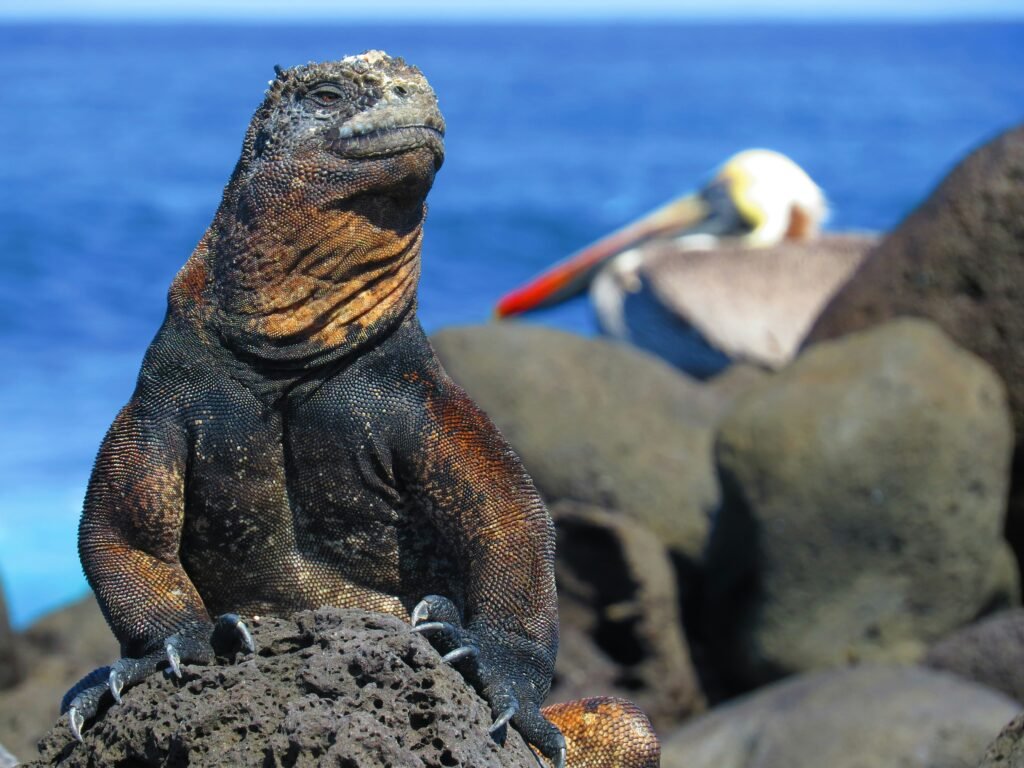
Visiting the Galápagos Islands independently is far more than a savvy financial alternative to a luxury cruise. It is a fundamental shift in how you experience one of the planet’s most delicate natural sanctuaries.
By stepping off the pre-packaged vessel circuit, you exchange rigid timetables and crowded mess halls for spontaneous mornings spent alongside basking marine iguanas, quiet evenings at harbourfront markets, and the freedom to linger wherever the landscape calls you.
Exploring on foot or on two wheels brings a depth of perspective that shipboard transfers simply cannot replicate. Pedalling through the humid, mist-shrouded highlands of Santa Cruz to watch giant tortoises graze in open pastures, or riding the sandy track along Isabela’s coast to the historic Wall of Tears, connects you directly to the geography of the archipelago.
You travel at a human pace, absorbing the quiet cadence of island life while ensuring your travel spend supports local guesthouses, family-owned eateries, and independent boat captains.
This level of freedom brings an equal measure of personal responsibility. The Galápagos ecosystem remains extraordinary precisely because it is strictly protected. Travelling without a tour leader requires heightened personal discipline: keeping a strict two-metre boundary from territorial sea lions and nesting seabirds, respecting trail markers, packing out every scrap of waste, and strictly adhering to biosecurity protocols.
Pack your dry bag, secure your cash reserves, and embrace the rhythm of the ocean transfers. The Galápagos Archipelago is waiting—wild, untamed, and entirely on your own terms.
Affiliate Disclaimer: Some of the links on Wheely Tyred are affiliate links. If you click through and make a booking or purchase, we may earn a small commission at no extra cost to you. We only recommend gear, tours, stays, and services we genuinely use, trust, and stand behind — our editorial independence always comes first. These commissions help keep our independent cycling guides and travel stories free to read. Thanks for supporting the ride!
Frequently asked questions about DIY Galápagos travel & island hopping
Yes, land-based independent travel is well established across the four inhabited islands: Santa Cruz, San Cristóbal, Isabela, and Floreana. Public ferry speedboats link the main ports, and each island features extensive coastal areas, hiking paths, and snorkelling spots that can be visited without an organised tour or guide.
Plan to operate almost entirely in cash. The entry fees alone require $220 USD per person in cash ($20 USD for the Transit Control Card on the mainland plus $200 USD for the National Park entry fee upon landing). While Santa Cruz and San Cristóbal have functional bank ATMs, Isabela has only a single machine that routinely runs out of funds. Bring crisp, undamaged $1, $5, $10, and $20 USD notes from Quito or Guayaquil to cover accommodation, local meals, ferries, and water taxis.
Inter-island speedboats run twice daily between Santa Cruz (Puerto Ayora) and San Cristóbal, as well as between Santa Cruz and Isabela. Tickets cost $30–$35 USD per leg, and journeys take approximately 2 to 2.5 hours across open water. Note that there are no direct ferries between San Cristóbal and Isabela; you must transit through Santa Cruz. Small island-hopper aircraft (operated by EMETEBE and Fly Galápagos) also offer 30-minute flights between the island airstrips.
You can explore several world-class wildlife spots independently. On Santa Cruz, you can walk to Tortuga Bay or visit the Charles Darwin Research Station. On San Cristóbal, Cerro Tijeretas, Playa La Lobería, and Punta Carola are all freely accessible on foot. On Isabela, the Concha de Perla mangrove lagoon and the coastal trail to the Wall of Tears offer fantastic self-guided wildlife viewing.
To protect the islands’ fragile ecosystems from introduced species, all checked and hand luggage must pass through ABG biosecurity inspection scanners at mainland airports prior to flight check-in. Organic matter, fresh fruit, vegetables, seeds, live plants, and uncleaned camping gear coated in mainland soil are strictly prohibited. Additional baggage checks take place at island ferry piers during inter-island transit.
The Galápagos experiences two distinct seasons. The warm, rainier season runs from December to May, featuring calm seas, clear sky days, and warm water temperatures (23°C–27°C) ideal for snorkelling without a thick wetsuit. The cooler garúa season from June to November brings richer marine life and active wildlife behaviour, but lower water temperatures (18°C–21°C) and choppier sea crossings, making a 2mm–3mm wetsuit and seasickness medication essential.
Ecuador.
Pure wonder on the equator.


