First-timer tips for the Galápagos Islands / How to skip the cruise and see it on your own terms
A comprehensive land-based Galápagos travel guide filled with essential tips, public ferry advice, and budget itinerary strategies for first-time visitors
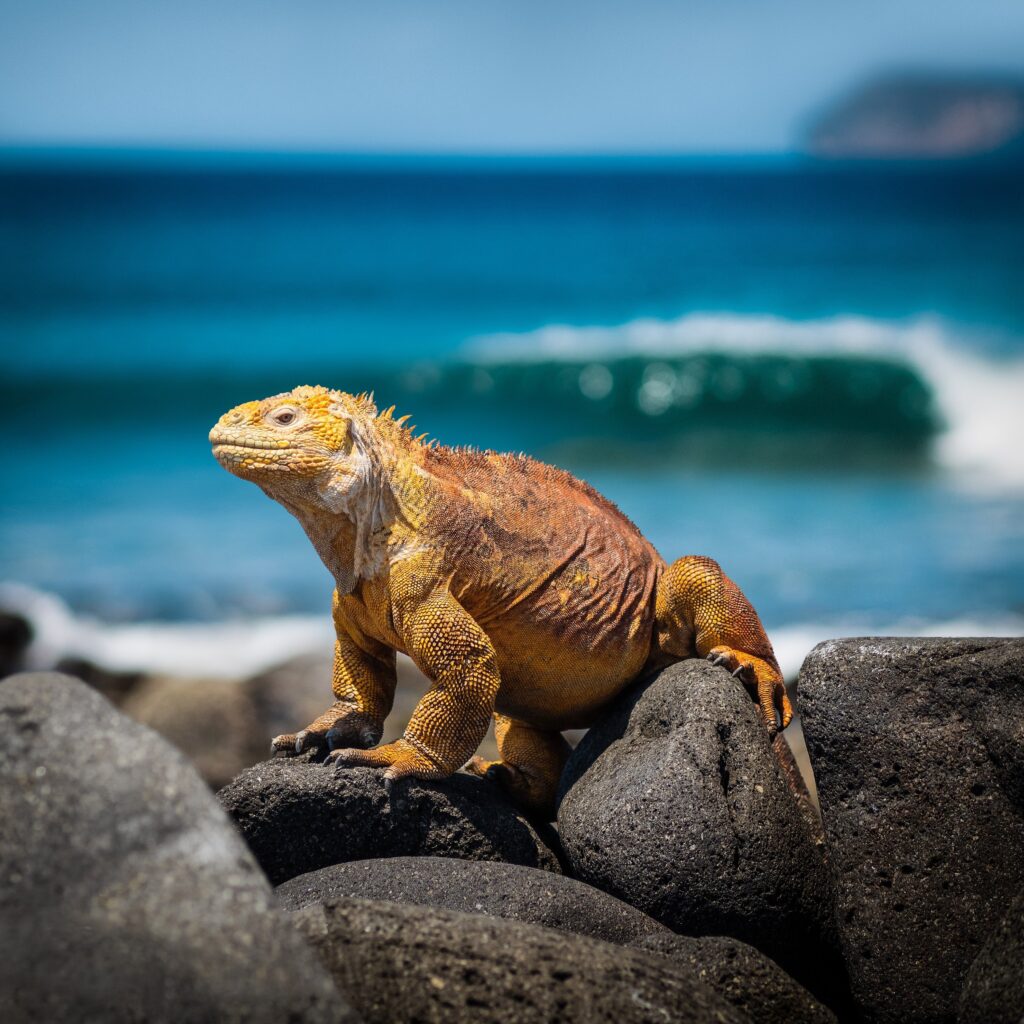
Chart your own course through Ecuador’s volcanic wonderland
BEN FINCH
The Galápagos Islands often conjure images of luxury catamarans, heavily regimented cruise itineraries, and tightly choreographed groups trailing a guide holding a brightly coloured umbrella. For the self-reliant traveller, this sounds less like an adventure and more like a floating compromise. Fortunately, the cruise-only narrative is entirely false. Land-based independent travel in this Ecuadorian archipelago is not only possible, it is arguably the best way to experience the islands deeply, slowly, and entirely at your own pace.
By basing yourself on the inhabited islands, you gain the freedom to decide when to wake up, which trail to walk, and how long to spend sitting quietly next to a marine iguana. You can support local guesthouses, dine at family-run eateries, and escape the tourist bubble that keeps cruise passengers insulated from real Ecuadorian life.
This guide breaks down the practical logistics, microclimates, and insider secrets required to pull off a flawless, independent first trip to the Galápagos.
Discover the volcanic outpost on your own terms
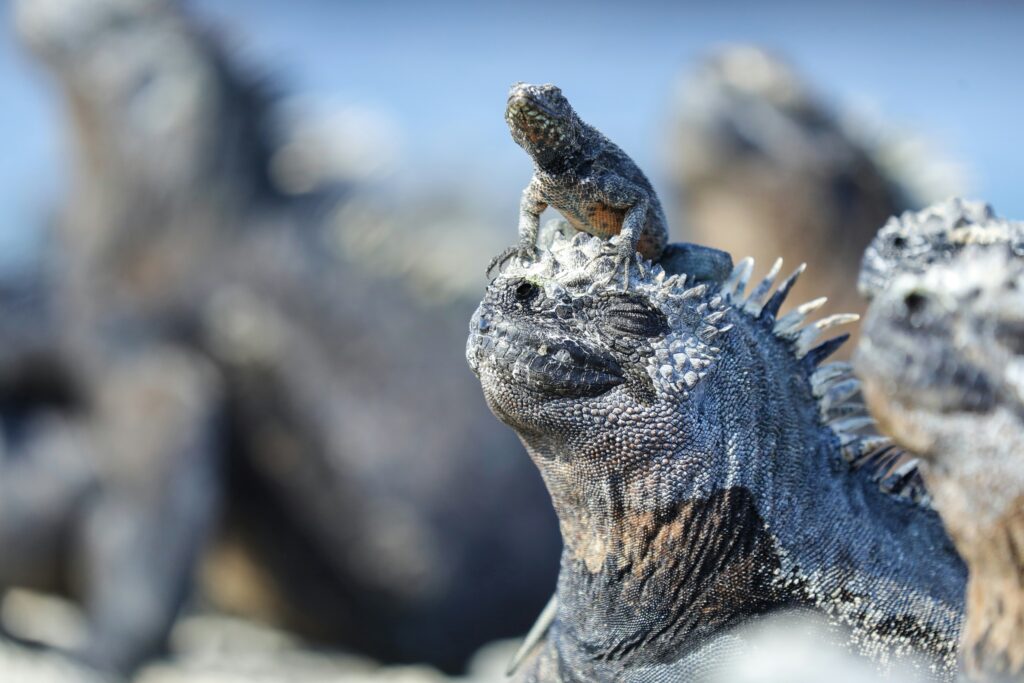
Breaking away from the rigid constraints of cruise ship schedules allows you to experience the Galápagos Islands with complete autonomy. By setting up bases on the inhabited islands, you unlock authentic local interactions and discover incredible wildlife at a slow, deliberate pace.
- Mainland Bureaucracy: Securing your Transit Control Card and passing strict biosecurity screenings at Quito or Guayaquil airports are essential steps before boarding your flight
- The Cash Mandate: The 200 USD national park entry fee and daily expenses must be paid in crisp US dollar notes, as card terminals are rare and island ATMs are notoriously unreliable
- Island Hub Dynamics: Dictate your journey by switching between bustling Puerto Ayora, the walkable wildlife havens of San Cristóbal, and the sandy, slow-paced tracks of Isabela
- Ferry Logistics: Inter-island travel relies on public speedboats operating a hub-and-spoke system through Santa Cruz, requiring a strong stomach or motion-sickness remedies for the choppy open-ocean transits
- Foot-Accessible Wildlife: Iconic species like marine iguanas, white-tip reef sharks, and penguins can be found completely free of charge at self-guided spots like Tortuga Bay and Concha de Perla
- Current-Driven Seasons: Oceanic currents dictate the weather, shifting from the hot, clear-water months of December to May to the cooler, misty, and rougher garúa season from June to November
- Slower Local Booking: Sidestep highly inflated online agency prices by booking essential offshore day excursions directly with owner-operated shops once you land on the islands
The Galápagos.
Ecuador’s Enchanted Isles
The pre-flight bureaucracy / Mainland preparation
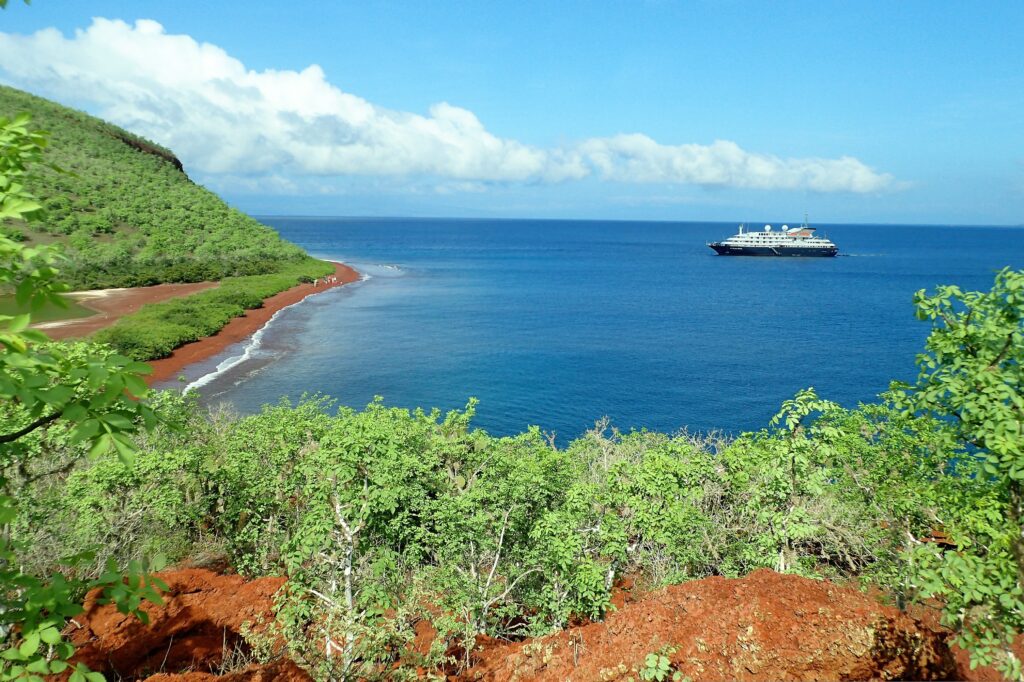
Your independent journey begins well before you touch down on the tarmac in the Pacific. Because the islands are a highly protected national park, there are strict biosecurity and immigration steps that take place at the departure airports in either Quito or Guayaquil, and soon, Cuenca.
Before checking in for your flight, you must locate the Consejo de Gobierno counter at the airport. Here, you will pay 20 USD for the Transit Control Card, widely known as the TCT. This document tracks your entry and exit from the province. Keep this card safe inside your passport; you will need to surrender it when you fly back to the mainland.
Immediately after securing your TCT, your luggage must pass through a specialised biosecurity screening. Authorities check for organic matter, seeds, and fresh food that could introduce invasive species to the fragile island ecosystems. Once your bags are sealed with a plastic zip tie, you can proceed to the standard airline check-in.
Upon arrival in the islands, you will face the national park entrance fee. This fee is 200 USD for most international tourists and must be paid entirely in cash. There are no credit card terminals at the island border checkpoints, so carrying crisp, undamaged US currency from the mainland is non-negotiable.
Navigating the three main island hubs
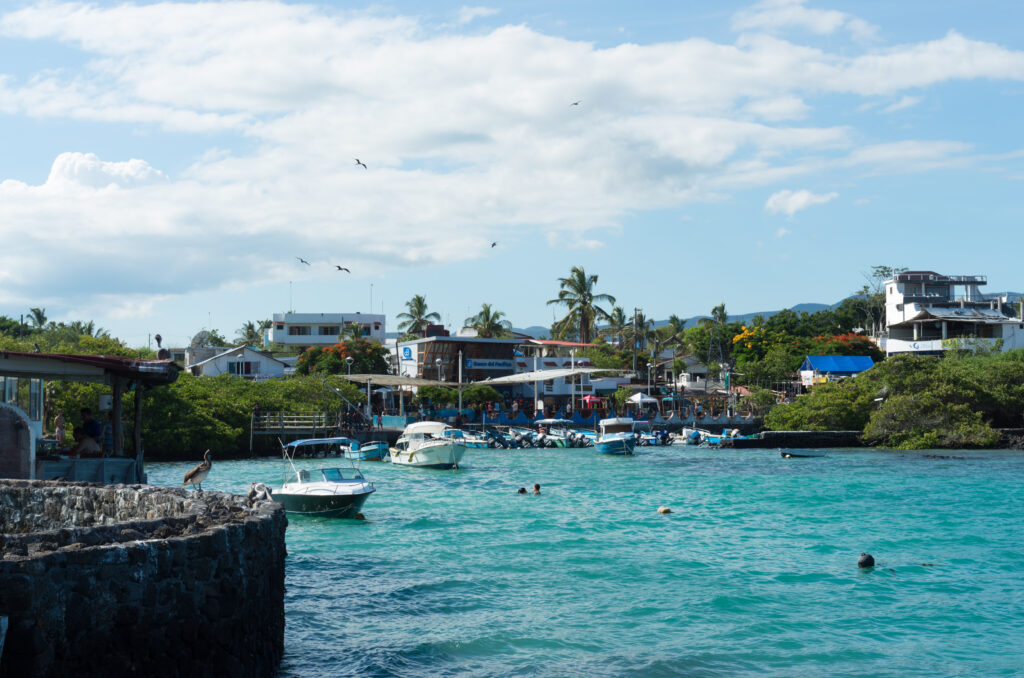
An independent itinerary relies on using the three primary inhabited islands as bases. Each has a distinct personality, microclimate, and logistical rhythm.
Santa Cruz / Puerto Ayora
Puerto Ayora is the bustling economic heart of the archipelago. It feels like a functional seaside town, complete with supermarkets, pharmacies, dive shops, and a lively evening food scene. While it is the most commercialised island, it is also the indispensable transit hub for the entire region. If you need to arrange last-minute day trips, restock supplies, or find a reliable internet connection, this is where you do it.
San Cristóbal / Puerto Baquerizo Moreno
This is the administrative capital, yet it feels noticeably more relaxed than Santa Cruz. The town is built around a scenic harbour where hundreds of sea lions lounge on benches, beaches, and even shop doorsteps. San Cristóbal is unique because several world-class wildlife sites and snorkelling beaches are accessible on foot directly from the town centre, eliminating the need to pay for water taxis or guides for everyday excursions.
Isabela / Puerto Villamil
Isabela is the largest island by landmass but remains wonderfully underdeveloped. The streets of Puerto Villamil are made of white sand, coconut palms line the coast, and the pace of life drops to an absolute crawl. It feels wilder and more remote than the other two hubs. It is the place to head for volcanic landscapes, flamingos wading in brackish lagoons, and quiet evening walks along a seemingly endless beach.
The Ecuadorian Sierra.
Get lost in the hills
The public ferry reality / Navigating the lanchas
To move between these hubs independently, you will rely on the public maritime transport system: the lanchas cabotaje. These are relatively small, outboard-powered speedboats that carry around twenty to thirty passengers across the open ocean.
Understanding the ferry layout is critical for itinerary planning. The routes operate as a hub-and-spoke system centred on Santa Cruz.
- You can travel from Santa Cruz to San Cristóbal
- You can travel from Santa Cruz to Isabela
- You cannot travel directly between San Cristóbal and Isabela
If you want to move from San Cristóbal to Isabela, you must take the morning ferry to Santa Cruz, wait in Puerto Ayora for several hours, and then catch the afternoon ferry to Isabela.
The journeys take roughly two to two and a half hours and can be notoriously rough. The Pacific swell is unpredictable, and these boats ride the waves aggressively. If you are prone to motion sickness, visit a local pharmacy on the mainland or in Puerto Ayora to purchase mar Mareol or similar motion-sickness tablets well before boarding.
Always arrive at the pier thirty minutes early. Your bags will undergo another quick biosecurity check before you board a small water taxi, called a flete, which charges a generic fee of 1 USD or 2 USD to transport you from the pier to the main speedboat.
Free and low-cost wildlife trails
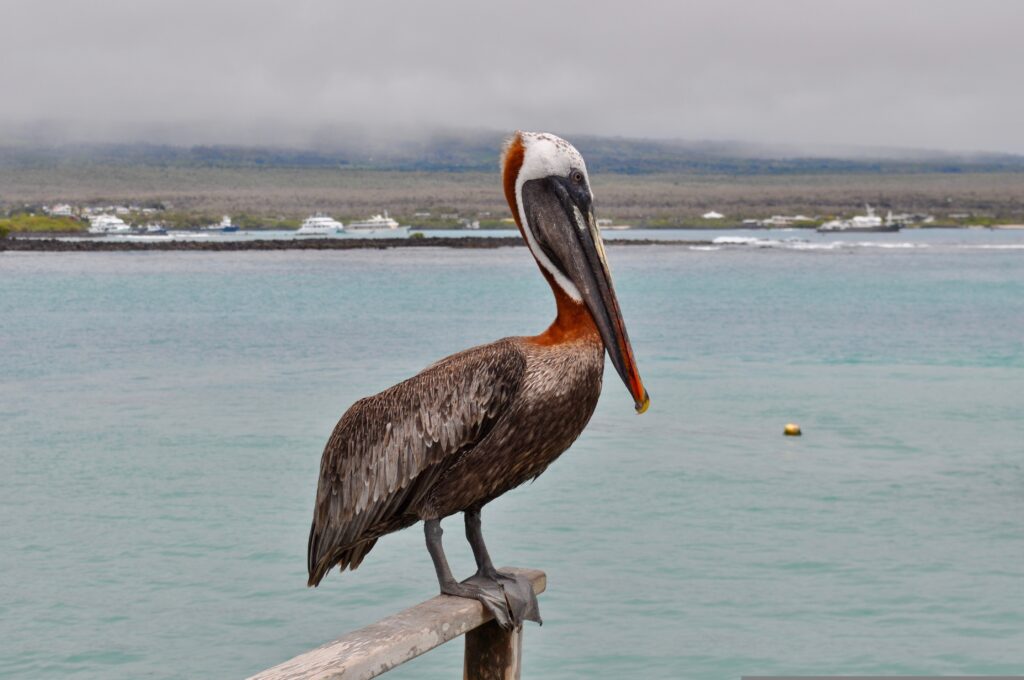
One of the greatest misconceptions about the Galápagos is that every activity requires an expensive naturalist guide. While highly protected zones do require a certified guide, there are spectacular DIY sites accessible for free.
Tortuga Bay / Santa Cruz
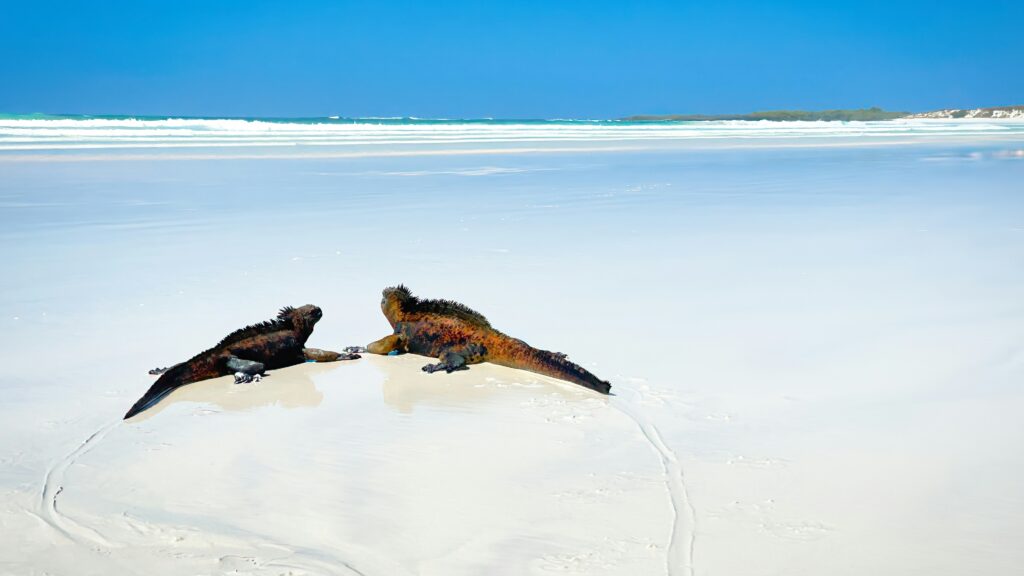
An easy, self-guided walk from the edge of Puerto Ayora leads along a paved stone path cutting through an arid forest of giant opuntia cacti. After roughly forty-five minutes, the trees open up to a magnificent expanse of fine white sand. Marine iguanas routinely march across the beach here, and if you walk to the calm mangrove lagoon at the far end, you can swim alongside white-tip reef sharks and sea turtles.
Las Grietas / Santa Cruz
Located a short water taxi ride across the Puerto Ayora harbour, a trail leads past salt flats to a dramatic volcanic fissure filled with crystal-clear brackish water. It is a phenomenal spot for snorkelling between towering rock walls. To protect the site, a nominal entry fee is charged at the trail entrance, which includes a local guide to walk you down to the platforms.
Cerro Tijeretas and Playa Mann / San Cristóbal
Walking north from Puerto Baquerizo Moreno takes you past Playa Mann, where sea lions snooze in the sun. Continuing up the trail to Cerro Tijeretas rewards you with panoramic views over the bay where Charles Darwin first dropped anchor. Below the viewpoint sits a protected cove where frigatebirds soar overhead and sea lions frequently jump into the water to swim alongside snorkellers.
Concha de Perla / Isabela
Located immediately next to the main pier in Puerto Villamil, a wooden boardwalk winds through the mangroves to a natural, shallow rock pool. This is essentially a free, wild aquarium. By entering the water quietly, you can find yourself floating alongside Galápagos penguins, sea lions, and eagle rays without spending a penny.
The Ecuadorian Amazon.
The most biodiverse place in the world
Understanding the microclimates
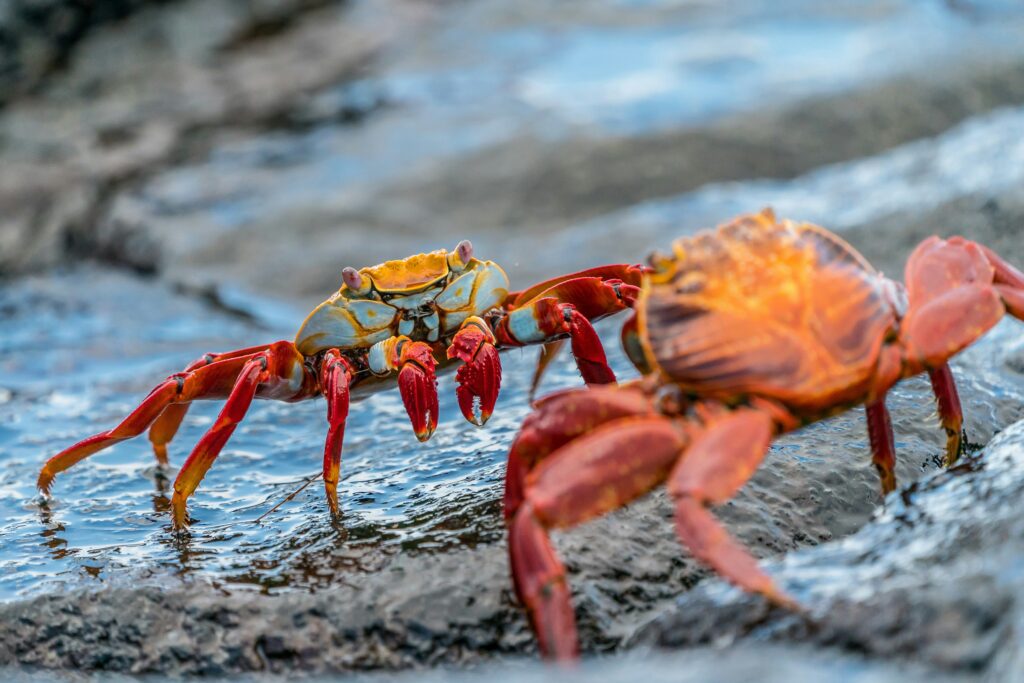
The Galápagos Islands do not experience a standard tropical weather pattern. Instead, they are governed by the collision of major ocean currents, resulting in two distinct seasons that dramatically alter the travel experience.
From December to May, the warm Panama Current dominates. This is the hot and wet season. Air temperatures soar, the water is warm and clear, and skies are generally bright blue, punctuated by short, heavy tropical downpours in the afternoon. Snorkelling is highly comfortable during these months, requiring minimal thermal protection.
From June to November, the cold Humboldt Current takes over, bringing the garúa season. During these months, a cool, misty haze hangs over the highlands, and temperatures drop. The water becomes significantly cooler, often dropping below twenty-one degrees Celsius, meaning a wetsuit is highly recommended for snorkelling. Crucially for the independent traveller, the ocean swells are much higher during the garúa season, making the two-hour public ferry rides considerably rougher and more challenging.
Financial logistics / Cash, scams, and booking local
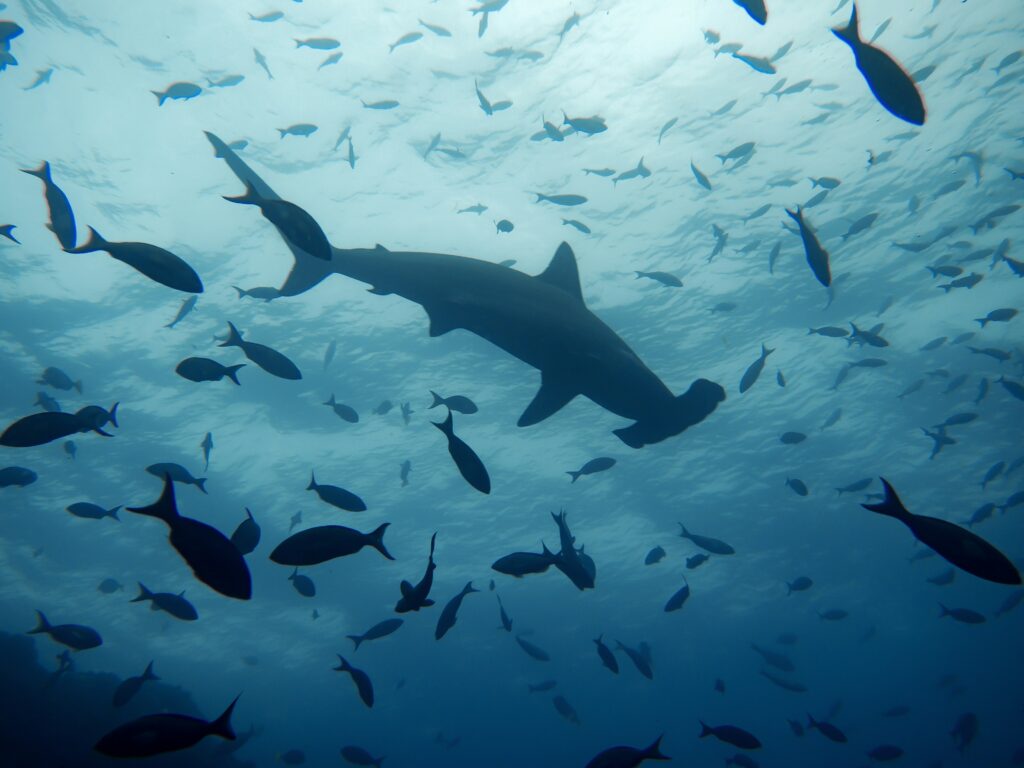
Navigating the financial quirks of the islands is the hallmark of a savvy independent traveller. Ecuador uses the US dollar, and inside the Galápagos province, cash is the absolute ruler of daily life.
While upscale restaurants and dive shops in Puerto Ayora may accept major credit cards, they often tack on a hefty surcharge of up to ten per cent. Smaller local diners, water taxis, fruit stalls, and guesthouses operate exclusively on cash.
The ultimate pitfall for first-timers is the ATM situation. Santa Cruz and San Cristóbal have functional cash machines, though they frequently run out of money on weekends or during holidays. Isabela has historically had incredibly unreliable ATM access, with machines sitting empty for days at a time. Do not risk getting stranded without funds; withdraw ample cash while you are in Quito, Guayaquil or Cuenca.
When it comes to booking day tours to offshore sites that require boats—such as the magnificent volcanic tunnels of Los Túneles on Isabela or the dramatic rock formations of Kicker Rock on San Cristóbal—avoid booking online months in advance. International agencies often mark up these day trips by double or triple the actual cost.
Instead, adopt a slow-travel mindset. Walk into the local, owner-operated agencies along the main streets of Puerto Ayora or Puerto Baquerizo Moreno a day or two before you want to go. You will be able to speak directly with the operators, inspect the snorkelling gear yourself, and secure a spot for the true local rate.
The Ecuadorian Coast.
Where you’ll find the very best food
Local etiquette and wildlife welfare
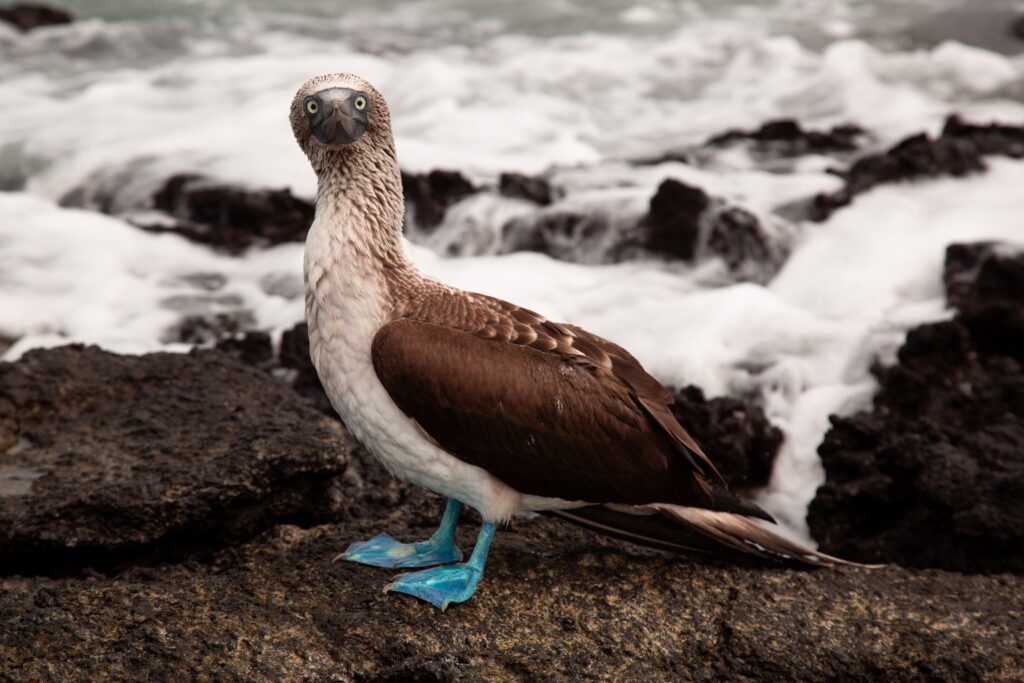
The relative lack of fear displayed by Galápagos wildlife is an evolutionary miracle, but it requires strict human discipline to maintain. The overarching rule across every single beach, trail, and pier is the two-metre rule. You must maintain a distance of at least two metres from all animals at all times.
If a curious sea lion pup approaches you on a beach or a mockingbird lands near your pack, step back slowly to re-establish the boundary. Never feed the animals, and avoid using flash photography, which can blind or startle nesting birds and iguanas.
When packing for your daily excursions, ensure you bring reef-safe, biodegradable sunscreen. The chemicals in standard sunscreens damage the marine ecosystems and film the water surface, impacting the very creatures you have travelled across the world to see.
By choosing the independent path, you step away from the prefabricated tourist experience. You trade the cruise ship buffet for fresh fish at the local evening markets on Calle de los Kioskos in Puerto Ayora. You trade rigid schedules for the joy of watching a marine iguana dig in the sand until the sun dips below the Pacific horizon. It requires a bit more planning and a bit more patience, but the reward is a profoundly deeper connection to one of the most extraordinary places on earth.
Frequently asked questions about the Galápagos Islands
You cannot travel directly between these two islands. The public ferry network operates as a hub-and-spoke system centred on Santa Cruz. To make this journey, you must take a morning speedboat to Puerto Ayora on Santa Cruz, wait for a few hours, and then board the afternoon speedboat to Isabela.
You must bring ample cash in US dollars. You will need 20 USD for the Transit Control Card at the mainland airport and 200 USD in cash for the national park entry fee upon arrival. Because card surcharges are steep and island ATMs frequently run out of money—especially on Isabela—carrying physical currency is vital.
Not for everything. While heavily protected zones require a certified guide, numerous world-class sites are entirely free and self-guided. You can walk independently to spots like Tortuga Bay on Santa Cruz or Concha de Perla on Isabela to see marine iguanas, sea lions, and sharks at your own pace.
Running from June to November, the garúa season brings cooler air and a misty haze to the highlands, and lower sea temperatures that make wetsuits necessary for snorkelling. Crucially for independent travellers, the ocean swells are much higher during these months, making the two-hour inter-island speedboat rides significantly rougher.
The two-metre rule is a strict conservation regulation requiring humans to maintain a minimum distance of two metres from all animals at all times. If an animal approaches you, you must step back slowly to maintain this boundary, ensuring the wildlife remains undisturbed in its natural habitat.
No, it is highly recommended to wait and book locally. International online agencies often double or triple the true price of excursions. By visiting local, owner-operated agencies in the main island towns a day or two in advance, you can negotiate fairer rates, speak directly to operators, and inspect equipment.
Ecuador.
Pure wonder on the equator.