Taste the High Andes / The best food tours and market walks in Quito
Best food tours in Quito / Authentic market walks & culinary experiences
Eat like a Quiteño in Ecuador’s high-altitude capital
BEN FINCH
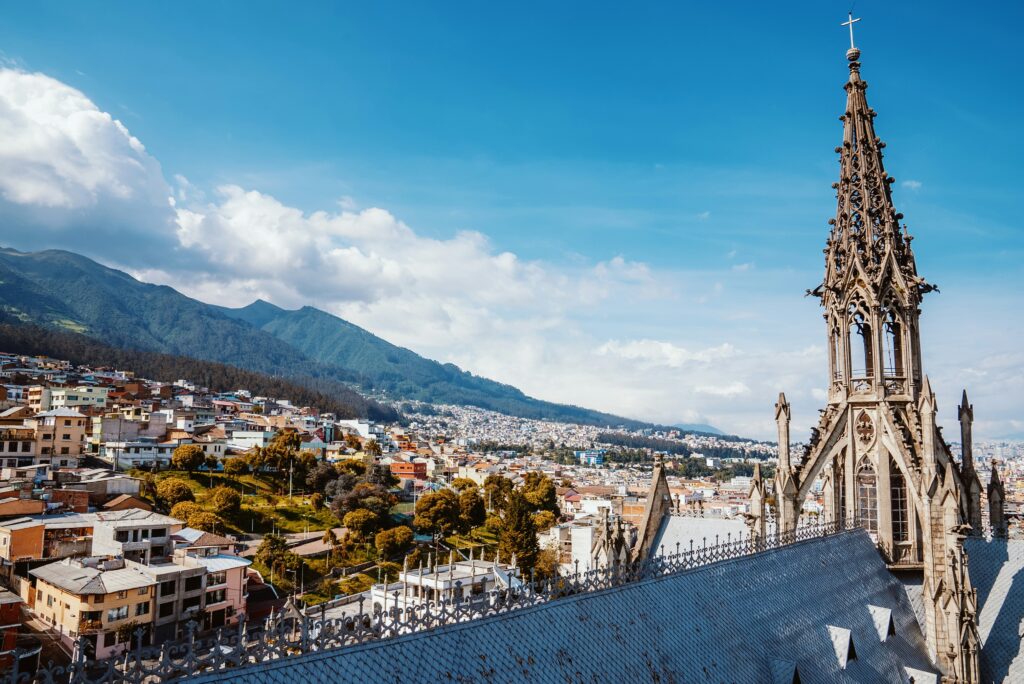
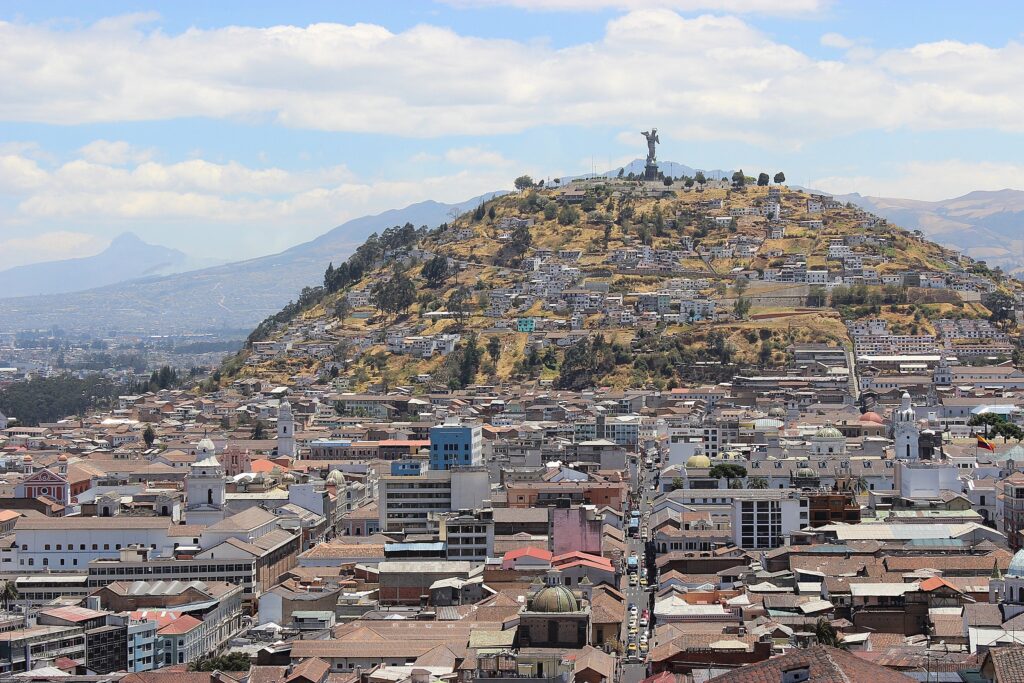
Perched at 2,850 metres above sea level in a narrow valley beneath the snow-capped Pichincha volcano, San Francisco de Quito is South America’s oldest capital and a UNESCO World Heritage marvel. Yet beyond its Baroque stone facades, gilded convents, and cobblestone plazas lies one of the continent’s most misunderstood and thrilling culinary landscapes.
For decades, generic travel itineraries relegated Ecuadorian gastronomy to an afterthought, passing off sanitised tourist buffets or mild soups as representative of the nation’s palate. At Wheely Tyred, we believe the true soul of any country is found in its traditional markets, street corner carts, and family-run picanterías.
Quito’s food culture is a masterclass in biodiverse convergence. Here, ancient Andean tubers, native maize, and highland herbs meet tropical coast-born seafood and Amazonian fruits. Understanding this complex foodway takes more than reading a menu—it requires an insider who knows which stall renders the crispiest hornado (roast pork), where to sip hot, spiced canelazo on a chilly highland evening, and which market vendor has traded in fresh Andean berries for three generations.
Small-group food walks and hands-on culinary workshops led by passionate Quiteño guides provide the context, trust, and entrance keys to places independent travellers often miss.
Whether you are navigating the steaming cauldrons of Mercado Central or sampling artisan cacao along historic alleyways, here is our curated guide to the absolute best bookable food tours in Quito.
The Quiteño feast / Highlights of Quito’s high-altitude food scene
Uncovering Quito’s culinary identity requires stepping off the beaten track and following the aroma of sizzling achiote and roasting pork into historic markets and neighbourhood alleys. Here are the key takeaways and standout culinary stops from our high-altitude guide to Ecuador’s capital.
- Colonial Classics in Centro Histórico: Discover pre-Columbian roots and Spanish heritage through sugar-dusted empanadas de viento and century-old colaciones crafted near Plaza Grande
- Deep-Dive Market Crawls: Navigate the lively aisles of Mercado Central to sample crispy hornado (slow-roasted pig) and golden, seared llapingachos (cheese-stuffed potato cakes)
- Late-Night Street Fare: Explore La Floresta after dark for sizzling, charcoal-grilled tripas mishqui served with salsa de maní and hot, spiced emolientes
- Market-to-Table Masterclasses: Source native tubers like Papa Chola at bustling produce stalls before crafting a rich, avocado-topped Locro Quiteño alongside a local chef
- High-Altitude Cacao & Coffee: Savour world-renowned single-origin dark chocolate and high-grown Andean coffee along the historic cobblestones of Calle La Ronda
- Highland Pacing & Altitude: Schedule multi-stop walks for the morning and eat mindfully to give your body time to digest hearty dishes at 2,850 metres above sea level
- Cash is Essential: Keep loose coins and small US dollar notes ready for market stall vendors who cannot process cards or break large bills
The Ecuadorian Sierra.
Get lost in the hills
1. Cultural context & historic old town bites
Rating & reviews
(1,267+ verified reviews on Viator)
Why this tour stands out
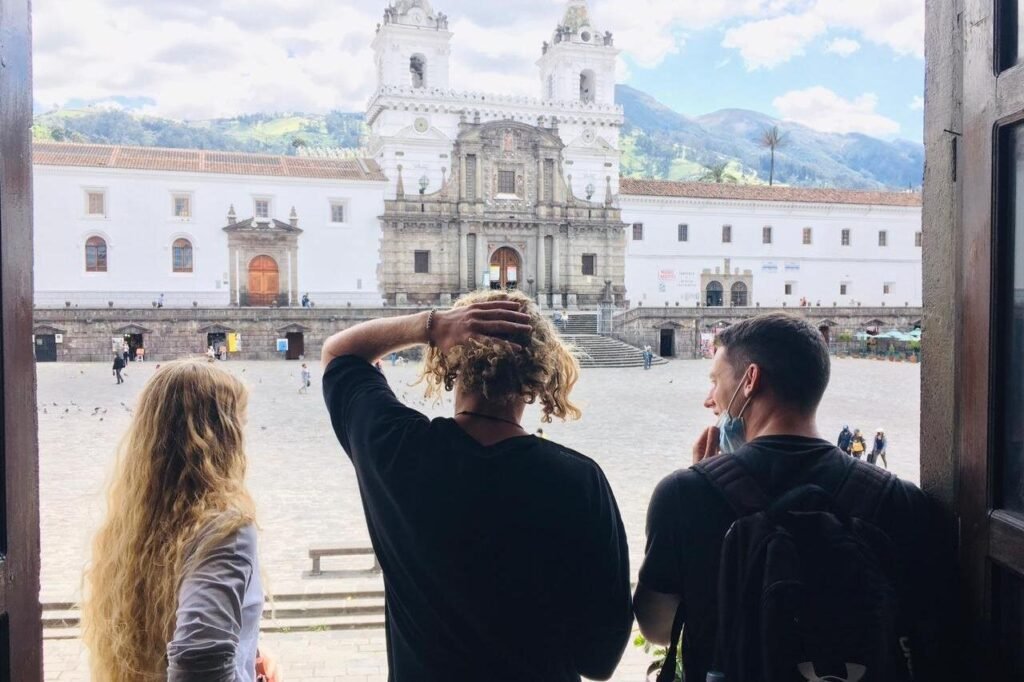
If you have only one morning to get your bearings in Quito’s UNESCO-listed Centro Histórico, this small-group walk bridges the gap between colonial history and traditional Andean snacking.
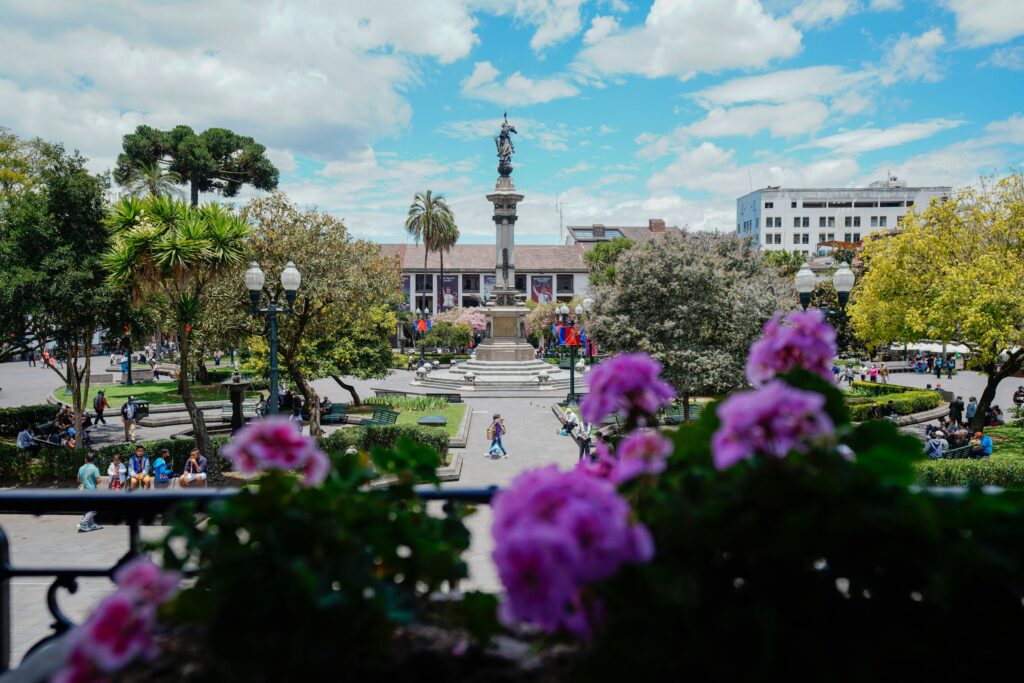
Led by expert local historians and culinary guides, the route meanders through landmark locations—including the majestic Basílica del Voto Nacional and the sunlit Plaza Grande—while ducking into hidden courtyards and residential bakeries that most tourists walk straight past.
Rather than pausing for formal sit-down meals, you graze continuously throughout the walk, discovering how pre-Columbian trade routes evolved into modern Quiteño street staples.
Key highlights
- Empanadas de Viento: Feather-light, cheese-filled fried empanadas dusted with granulated sugar, eaten hot off the wire rack
- Artisanal Chocolate Tasting: Guided single-origin cacao sampling showcasing high-percentage Ecuadorian dark chocolates
- Colonial Sweet Workshops: Tasting traditional colaciones (candied peanuts roasted in giant copper cauldrons) along Calle La Ronda
- Local Fruit Introduction: Tasting fresh Andean fruits such as chirimoya (custard apple) and maracuyá (passion fruit)
Ideal for
First-time visitors to Ecuador seeking an engaging blend of architecture, independence-era history, and accessible local snacks.
Local culinary insight
When eating empanadas de viento (wind empanadas) in Quito, resist the urge to use a knife and fork. Quiteños tear off a small corner, squeeze in a drop of spicy ají salsa if desired, and eat them out of a paper wrapper while they are still puffed up with hot air.
2. Deep-dive street food & neighbourhood stalls
Rating & reviews
(59+ verified reviews on Viator)
Why this tour stands out
This experience is crafted for fearless foodies who prioritise raw flavour, authentic stall heritage, and local atmosphere over tablecloth aesthetics.
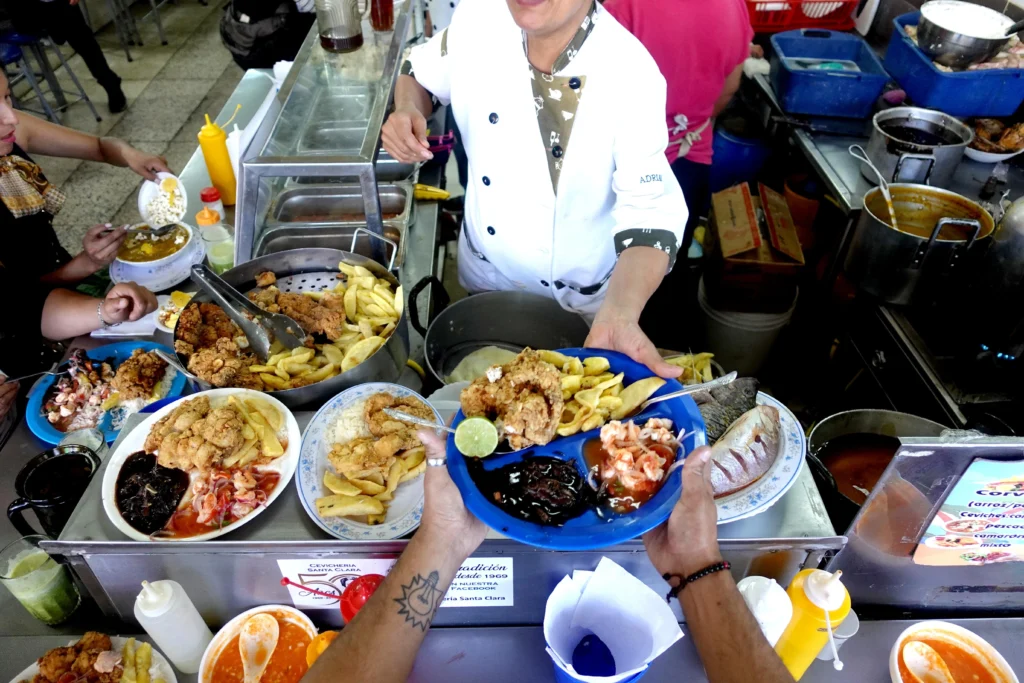
Developed through years of field research by local Quiteño chefs, Quito Street Food Essentials bypasses tourist-oriented dining halls to take you straight to street corners, neighbourhood flea markets, and hole-in-the-wall counters where Quiteños take their lunch break.
You will explore back alleys and working-class quarters to understand how regional migrations from the coast and the Amazon have shaped the city’s daily menu.
Key highlights
- Hornado with Llapingachos: Slow-roasted whole pig with crispy crackling, served alongside pan-seared potato cakes and toasted corn (tostado)
- Coastal Encebollado: A hearty, hangover-curing tuna and cassava soup topped with quick-pickled red onions and fresh cilantro
- Exotic Andean Fruit Juice Bar: Freshly squeezed juices featuring lulo (naranjilla), tree tomato (tomate de árbol), and mora (Andean blackberry)
- Craft Coffee & Speciality Cocktail Finish: Ending at an independent artisanal café for high-altitude single-origin coffee
Ideal for
Adventurous eaters, solo travellers, and culinary purists who want to eat where working Quiteños eat without safety concerns.
Local culinary insight
Llapingachos (griddled potato cakes stuffed with melted cheese) are the ultimate litmus test for a great market stall. Look for griddles where the potatoes are seared on cast iron using pure lard or achiote oil—they should feature a deeply crisp, golden exterior with a soft, steaming centre.
The Galápagos.
Ecuador’s Enchanted Isles
3. VIP colonial gastronomy & market crawl
Rating & reviews
(25+ verified reviews on Viator)
Why this tour stands out
If you prefer an intimate, fully customised pace with private transportation and dedicated attention, this high-end food crawl delivers an exceptionally rich survey of Quiteño culinary traditions.
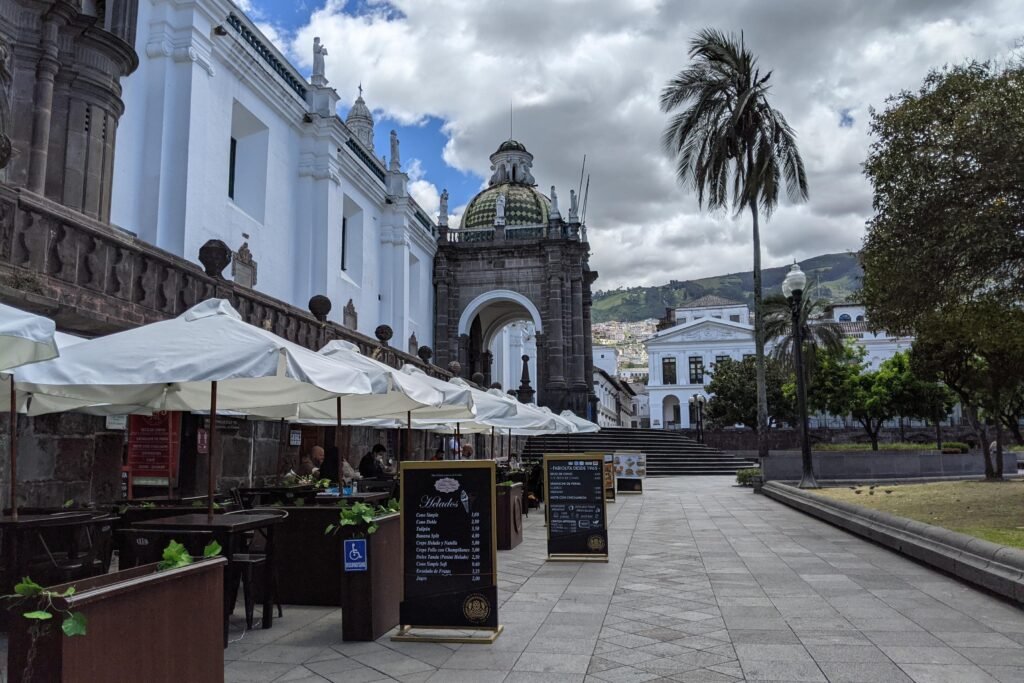
Centred around the bustling halls of Mercado Central, your guide takes you on a step-by-step tasting trajectory that moves from colonial bakery breakfasts through full market lunches, ending with high-end single-origin chocolate tastings near San Francisco Plaza.
Because it is a private itinerary, your guide can easily adapt tastings to account for seafood preferences, meat restrictions, or specific curiosities.
Key highlights
- Mercado Central In-Depth Walk: Guided visits to legacy produce stalls, herbal medicine practitioners, and fish counters
- Sweet Quiteño Quesadillas: Sampling baked-from-scratch colonial quesadillas (a sweet, airy pastry made with starch, egg yolks, and cheese) from a century-old bakery near La Basílica
- Seco de Chivo or Traditional Ceviche: Sitting down for a full-flavoured lunch of braised goat stew or citrus-marinated fish paired with local blackberry soda (Orangine)
- Calle La Ronda Canelazo: Sipping hot, clay-pot-cooked canelazo (a spiced tea made with aguardiente, cinnamon, and naranjilla juice) along the city’s romantic historic lane
Ideal for
Couples, small private groups, and travellers with specific dietary preferences seeking a relaxed, private pace.
Local culinary insight
Do not confuse Ecuadorian quesadillas with Mexican quesadillas! In Quito, a quesadilla is a sweet baked pastry featuring a thin, delicate shell filled with a light mixture of flour, sugar, eggs, and fresh queso fresco. It is traditionally served warm alongside a cup of bitter black coffee.
4. Evening bites, urban art & nightlife
Rating & reviews
(36+ verified reviews on GetYourGuide)
Why this tour stands out
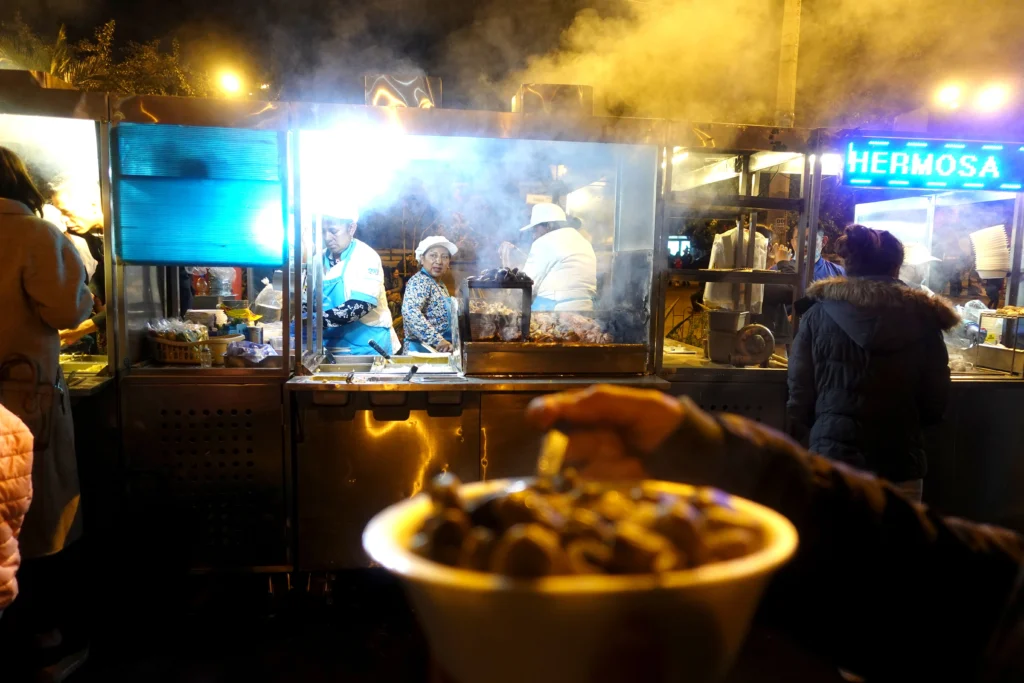
When night falls over the Andes, Quito’s vibrant bohemian quarter—La Floresta—comes alive with glowing food carts, street performers, and independent art galleries.
This night tour swaps daylight sightseeing for evening energy, taking you through neighbourhood corners where local cab drivers, students, and artists gather for late-night meals.
Between sampling street-side delicacies roasted over open coal braziers, you will drop into independent art collectives to meet local painters and printmakers over local craft brews.
Key highlights
- Tripacho Stalls: Watching skilled vendors grill tripas mishqui (marinated, spiced beef intestines) over charcoal until smoky and tender
- Humitas & Tamales: Savouring steamed fresh-corn cakes wrapped in corn husks, served piping hot with fresh cheese
- Bohemian Gallery Visits: Sipping craft cocktails or local IPAs inside private artist studios in La Floresta
- Emolientes & Herbal Infusions: Trying hot, soothing herbal street drinks brewed with chamomile, lemongrass, and cane spirit
Ideal for
Night owls, urban culture enthusiasts, and travellers eager to explore La Floresta’s food scene comfortably after dark.
Local culinary insight
Tripas mishqui is one of Quito’s most beloved night foods, traditionally sold from glowing metal carts after sunset. Marinated in achiote, garlic, and cumin, then seared over red-hot coals, good tripas should be smoky and tender—never rubbery. Top them with a spoonful of peanuts (salza de maní) and small boiled potatoes (papas chauchas).
The Ecuadorian Amazon.
The most biodiverse place in the world
5. Market-to-table masterclass with a chef
Rating & reviews
(12+ verified reviews on GetYourGuide)
Why this tour stands out
For travellers who want to take the secrets of Andean cooking home, this comprehensive hands-on workshop is unmatched.
You begin the morning alongside a professional Quiteño chef at Mercado Central, learning how to select seasonal produce, identify native potatoes from hundreds of varieties, and source fresh fish.
Afterwards, you transfer to a restored colonial residence where you tie on an apron and prepare a full three-course traditional meal from scratch, acquiring knife skills, sauce techniques, and historical context along the way.
Key highlights
- Guided Ingredient Sourcing: Navigating market stalls to source native herbs, fresh seafood, and heirloom corn
- Locro Quiteño Prep: Cooking Quito’s iconic, silky potato soup enriched with achiote, avocado slices, and crumbled fresh cheese
- Ceviche or Encocado Making: Masterclass in preparing coast-inspired fish ceviche or coconut-curried seafood (encocado)
- Courtyard Feast: Dining on your handmade three-course meal paired with fresh fruit juices in a leafy colonial courtyard
Ideal for
Home cooks, food writers, families, and anyone who wants practical recipes to recreate Ecuadorian flavours in their own kitchen.
Local culinary insight
The secret to an authentic Locro Quiteño lies in combining two distinct potato varieties: a starch-heavy potato like Papa Chola that breaks down to thicken the broth naturally, and a firmer potato added near the end to maintain hearty chunks. Never use cornstarch or cream to thicken a traditional locro.
Our practical Quito food tour & dining guide
Navigating the high-altitude food scene of Quito requires a little insider preparation. To ensure your culinary adventures are both delicious and comfortable, keep these practical Wheely Tyred guidelines in mind:
1. Pace yourself for high altitude
Quito sits at 2,850 metres above sea level. At high elevations, digestion slows down considerably. On multi-stop street food tours, take small bites, chew thoroughly, and avoid heavy, high-fat meals late at night during your first 48 hours in the city. Drinking local herbal teas like mate de coca or manzanilla (chamomile) post-meal aids digestion immensely.
2. Hydration & street beverage etiquette
Tap water in Quito is treated, but we recommend sticking to filtered water or bottled mineral water for sensitive stomachs. When sampling fresh juices (jugos naturales) at markets, verify that the vendor uses boiled or filtered water. Popular street beverages like chicha (fermented corn drink) or canelazo are boiled during preparation and are generally very safe.
3. Market hygiene & vendor selection
Street food in Quito is governed by strong local traditions and rigorous vendor licensing. When exploring independently outside a guided tour, look for stalls with high customer turnover—especially those patronised by local families, office workers, and taxi drivers. Clean stainless steel surfaces, fresh oil in fryers, and separate staff handling cash and food are excellent indicators of quality.
4. Cash is king at stalls and markets
While established restaurants and modern cafés in neighbourhoods like La Mariscal or La Floresta take major credit cards, market vendors, fruit sellers, and street food carts strictly accept cash. Ecuador uses the US dollar ($USD). Always carry small bills ($1, $5, and $10 notes) and loose coins. Handing a street vendor a $20 or $50 note for a $1.50 empanada will leave them struggling to find change.
5. Managing dietary requirements
Vegetarians will find Quito increasingly welcoming, though pork (cerdo) and lard (manteca) remain staples of traditional highland cooking. Dishes like humitas, quimbolitos, llapingachos, and locro de papa are naturally vegetarian-friendly, but always confirm if chicken or pork stock was used in soup bases. Vegan dining is easily found in La Floresta and modern parts of town, though it is harder to find at rustic market stalls.
The Ecuadorian Coast.
Where you’ll find the very best food
Claim your place at Quito’s Andean table
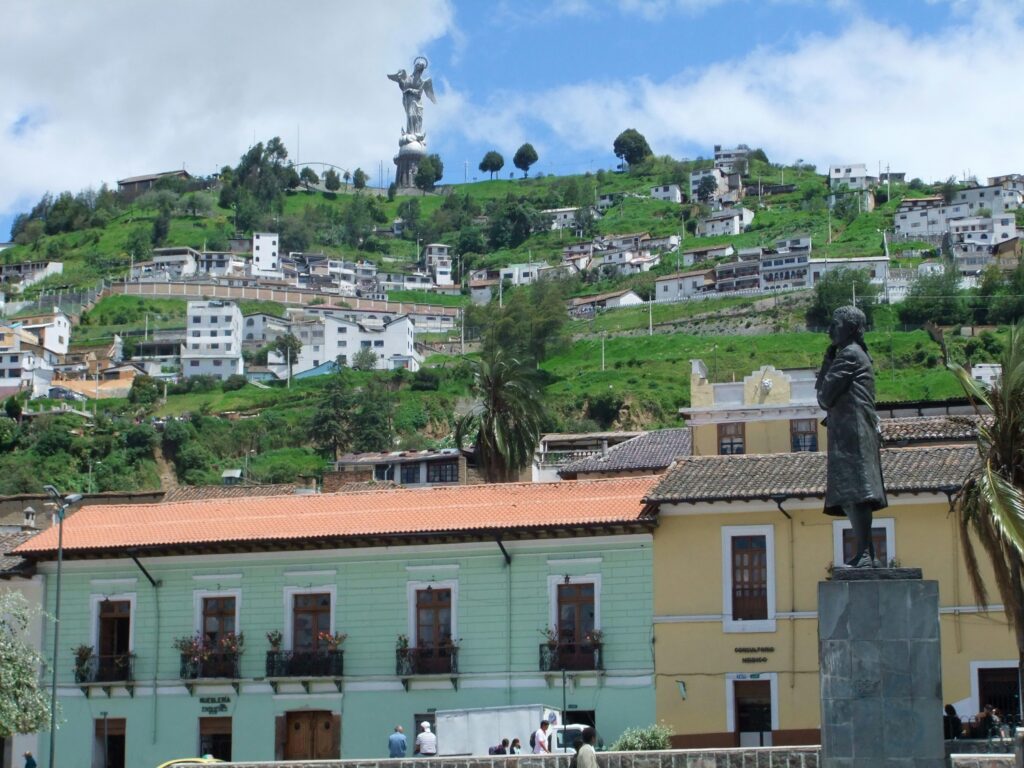
Quito’s food scene is not defined by tablecloths or silver service; it lives in the steam rising from cauldrons at Mercado Central, the clinking of copper roasting pots along Calle La Ronda, and the generous hands of multi-generational market cooks. Stepping away from sanitised hotel buffets requires a small leap of faith, but it rewards you with the true, unvarnished pulse of the high Andes.
Whether you are sipping hot, spiced canelazo under the amber streetlights of La Floresta or mastering the delicate starch balance of Locro Quiteño inside a colonial kitchen, these culinary encounters build a bridge to Ecuador’s heritage that no guidebook can replicate. They turn an ordinary journey into an intimate dialogue with the land and its people.
As independent travellers, our choices matter. By opting for small-group walks and family-run stalls over generic tour buses, we ensure our travel spend directly supports the street vendors, fruit growers, and artisan cooks who keep Quiteño gastronomy vibrant and authentic.
Pack your appetite, carry plenty of small change, and take your time adapting to the mountain air. Quito is waiting to feed your soul—one empanada, one bowl of soup, and one alleyway at a time.
Affiliate Disclaimer: Some of the links on Wheely Tyred are affiliate links. If you click through and make a booking or purchase, we may earn a small commission at no extra cost to you. We only recommend gear, tours, stays, and services we genuinely use, trust, and stand behind — our editorial independence always comes first. These commissions help keep our independent cycling guides and travel stories free to read. Thanks for supporting the ride!
Frequently asked questions about the best food tours in Quito
Street food in Quito is subject to local municipal hygiene inspections, and stall heritage runs deep. To ensure the best experience, choose stalls with high customer turnover—where local families and workers queue up—as this guarantees ingredients are prepared fresh throughout the day. Joining a guided walk adds an extra layer of confidence, as local guides maintain long-standing relationships with thoroughly vetted vendors.
At 2,850 metres above sea level, atmospheric pressure is lower, which slows down digestion. It is best to stick to light soups or fruit tastings during your first 24 to 48 hours in the city, and schedule multi-stop food walks for the morning or early afternoon rather than late at night. Sipping local herbal infusions like mate de coca or manzanilla (chamomile) after meals aids digestion significantly.
Vegetarians will find plenty to enjoy in Quito, including cheese-filled llapingachos, fresh-corn humitas, avocado-topped locro de papa, and tropical fruit bowls. However, because lard (manteca) and meat broths are common in rustic market cooking, vegans should notify their tour guide in advance or focus on modern quarters like La Floresta, where plant-based dining is flourishing.
Ecuador uses the US dollar ($USD). While modern cafés and established restaurants in neighbourhoods like La Mariscal or La Floresta take major credit cards, street carts, market vendors, and small bakeries strictly accept cash. Always carry small denomination notes ($1, $5, and $10) and loose coins, as market vendors rarely have change for $20 or $50 notes.
Morning is prime time for market visits. Stalls at Mercado Central and neighbourhood produce markets receive fresh shipments at dawn, making 8:30 AM to 11:30 AM ideal for sampling seafood ceviches, freshly baked pastries, and tropical juices. Night tours, on the other hand, are best suited for street-grilled specialities like tripas mishqui in La Floresta.
Ecuador produces some of the world’s finest Arriba Nacional cacao, prized for its complex floral and fruit-forward flavour profile. Most culinary walking tours in the Centro Histórico include single-origin chocolate tastings, where you can sample high-percentage dark bars and learn about bean-to-bar craftsmanship directly from local chocolatiers.
Ecuador.
Pure wonder on the equator.