Biking high in the Andes / The 5 best guided bike tours in Quito, Ecuador
Explore Quito on two wheels / Top guided bike tours & e-bike excursions
Discover cobbled plazas, volcanic trails, and cloud forest descents
BEN FINCH
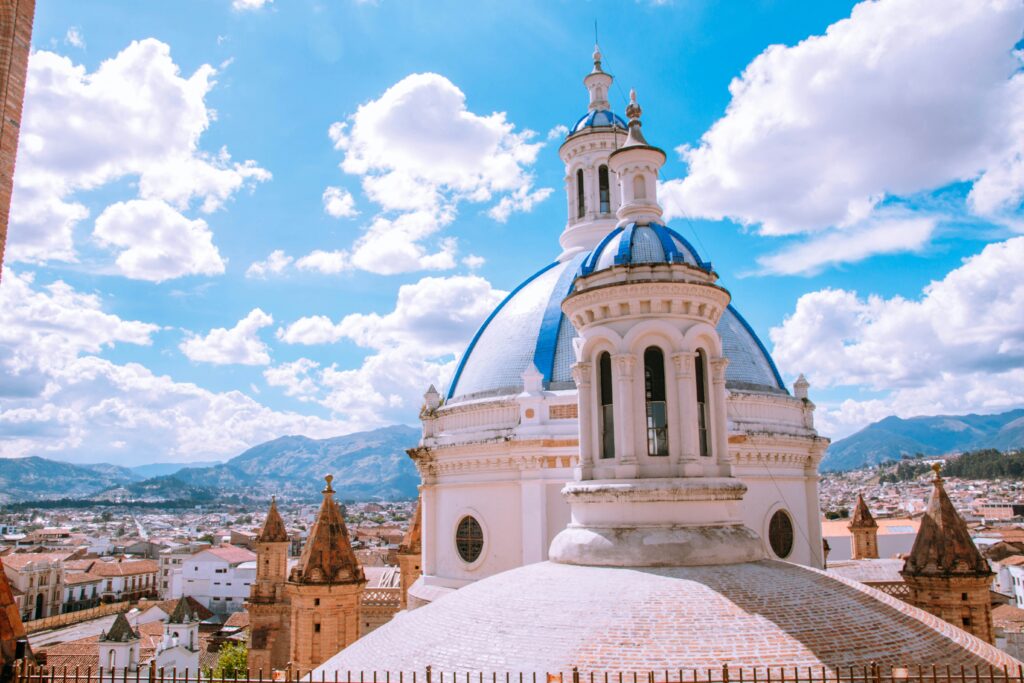
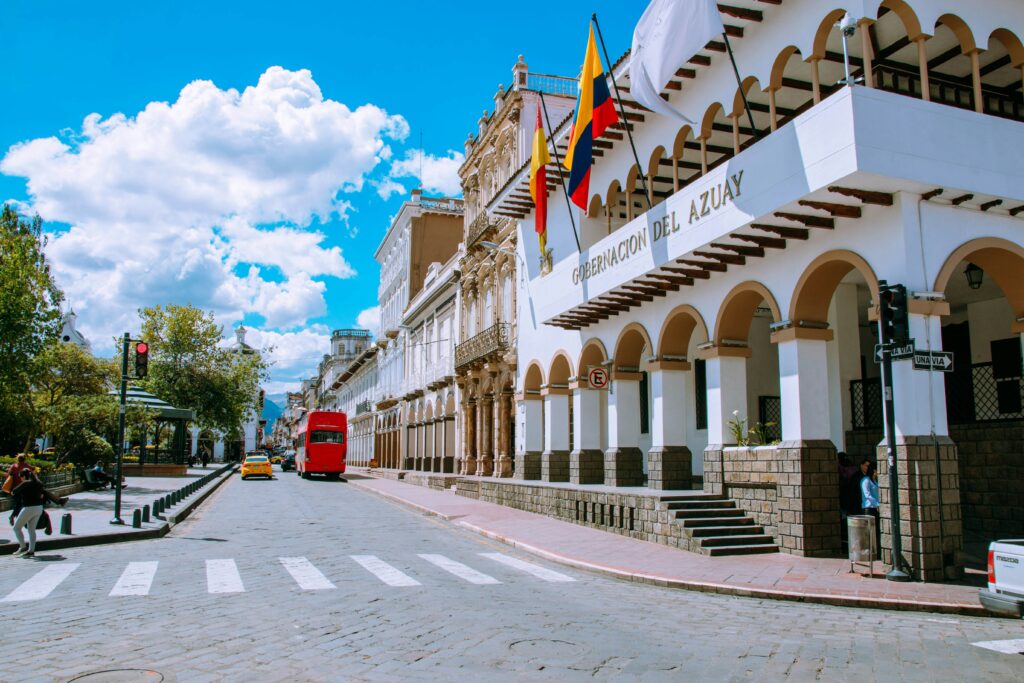
Quito sits suspended in a narrow Andean valley at 2,850 metres above sea level, cradled between towering volcanic peaks and bathed in equatorial sunlight. As South America’s oldest capital city and a UNESCO World Heritage site, its historic core is a labyrinth of steep cobblestone lanes, gilded Baroque monasteries, and bustling, flower-filled plazas. Beyond the historic centre, modern Quito stretches across vibrant artistic enclaves, expansive urban parks, and deep canyon edges.
At Wheely Tyred, we firmly believe that sitting inside a tinted tourist bus is no way to experience a city defined by its topography and street life. Navigating Quito on foot can leave you exhausted by mid-afternoon due to the thin mountain air, while hailing taxis cuts you off from the smells, sounds, and cadence of daily Quiteño life.
Pedalling through Quito on a guided bike or e-bike tour unlocks the city’s true geometry. A bicycle allows you to cover vast distances effortlessly—transitioning from 16th-century colonial squares to contemporary financial districts in a single morning—while accessing dedicated cycle paths (ciclovías) and car-free plazas where heavy traffic cannot tread. Beyond the urban perimeter, a bicycle is your passport to the volcanic slopes of Cotopaxi and the lush, subtropical canopy of the Mindo cloud forest.
Whether you are looking for an easy e-bike cruise through historic quarters or an adrenaline-fuelled mountain bike descent down a snow-capped volcano, here is our definitive guide to the absolute best bookable bike tours in Quito.
Quito’s cycling highlights
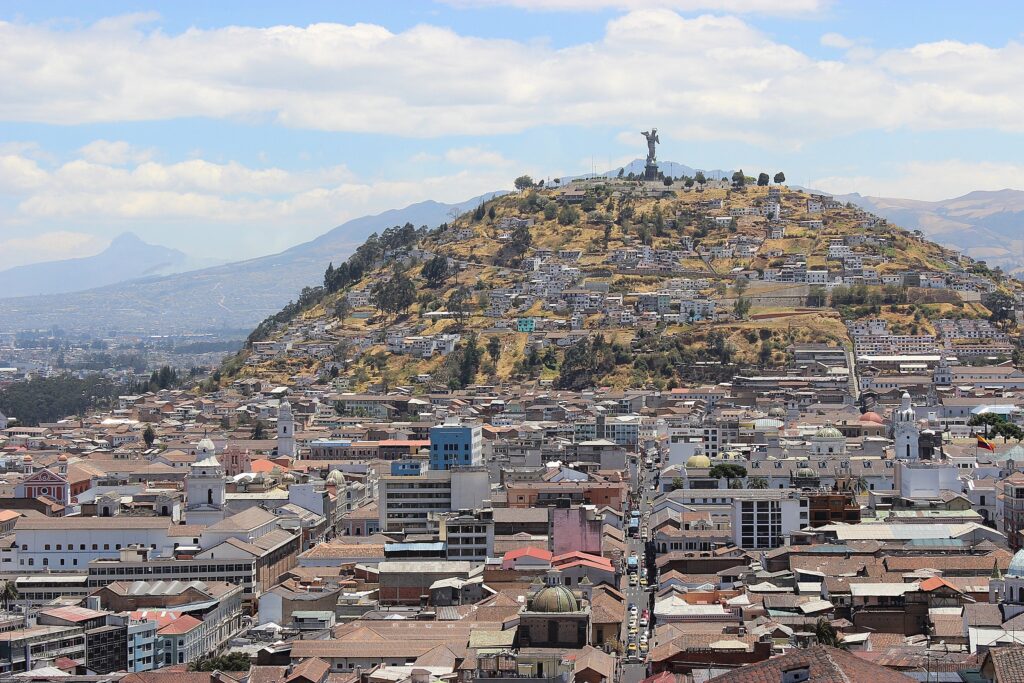
Navigating South America’s second-highest capital by bicycle transforms an intimidating mountain grid into an accessible, deeply rewarding journey.
Here are the core takeaways, standout trails, and essential tips for mastering Quito on two wheels.
- High-Powered E-Bike City Traverses: Using modern pedal-assist e-bikes with 70 km battery ranges allows riders to explore both the colonial UNESCO Old Town and modern commercial sectors without breathing strain
- Architectural 360 & Artisanal Chocolate: Cycling routes from La Carolina financial district past La Mariscal and the Basílica del Voto Nacional combine urban history with single-origin Ecuadorian chocolate tastings
- Volcanic Páramo Descents: Descending the ash slopes of Cotopaxi Volcano from 4,500 metres down to Limpiopungo Lagoon provides an unmatched, gravity-assisted mountain bike ride across high-alpine terrain
- Car-Free Greenway Escapes: The Chaquiñán Trail converts a disused historic railway line into a smooth, car-free path through the warmer Tumbaco Valley, offering gentle gradients and hand-carved mountain tunnels
- Subtropical Cloud Forest Rides: Riding from the high mountain ridges near Nono down into the Mindo Cloud Forest showcases a dramatic ecological transition into the UNESCO Andean Chocó Biosphere Reserve
- Acclimatisation & Smart Planning: A successful riding trip in the Ecuadorian Andes relies on giving your lungs 24 to 48 hours to adjust to the altitude, dressing in breathable mountain layers, and using high-factor UV protection under the equatorial sun.
The Ecuadorian Sierra.
Get lost in the hills
1. Cruising colonial & modern Quito on electric power
Rating & reviews
(New activity on GetYourGuide)
Why this tour stands out
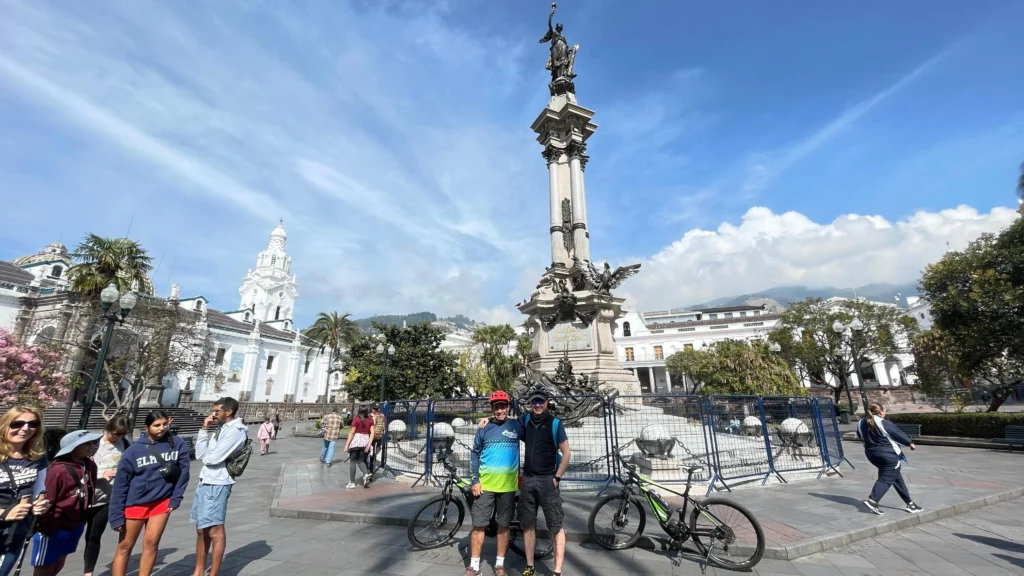
If you want to effortlessly conquer Quito’s undulating Andean elevation without burning out your lungs, this high-powered e-bike excursion is the ultimate choice. Operated by local e-cycling specialists, the tour bridges the gap between the modern commercial north and the UNESCO-listed historic south.
You ride premium, German-engineered electric bicycles fitted with high-capacity batteries offering a range of up to 70 km, making light work of the city’s natural inclines. The route utilises protected ciclovías and pedestrianised streets wherever possible, keeping traffic stress to an absolute minimum.
With door-to-door hotel pickup and drop-off included, expert local guides maintain an easy, flexible pace, sharing rich context on Quito’s architectural heritage and urban development along the way.
Key highlights
- High-Range E-Bikes: Glide up steep city slopes with multi-level pedal assist and a 70 km battery capacity
- Colonial & Modern Contrast: Seamlessly explore both the 16th-century historic core and the modern commercial and financial sectors
- Protected Bike Corridors: Navigate safely along Quito’s established urban cycle network and pedestrianised thoroughfares
- Hotel Transfer Convenience: Enjoy seamless hotel pickup and drop-off included directly in the tour package
Ideal for
Travellers of all fitness levels, active seniors, couples, and leisure riders who want to cover extensive ground across Quito’s varied terrain without altitude-induced physical exhaustion.
Local cycling insight
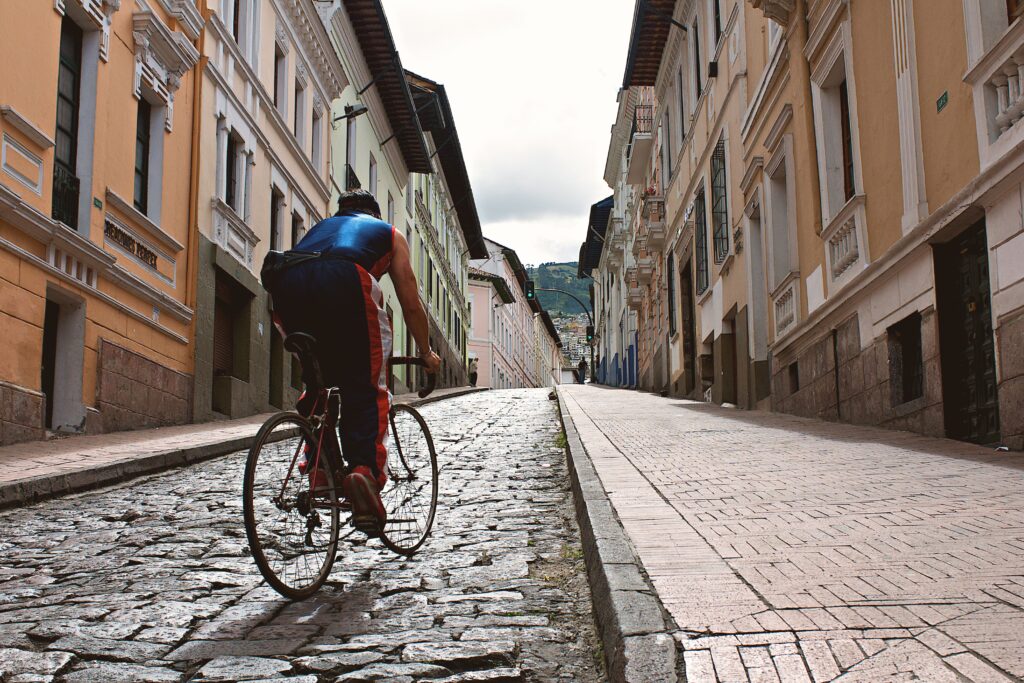
Quito’s historic centre features original 18th-century cobblestones. While visually stunning, they can prove slick under wet tyres if a brief Andean rain shower rolls through. When riding an e-bike on wet stones, use lower pedal-assist levels to prevent rear-wheel wheelspin, and modulate your rear brake gently.
2. Connect modern districts, architecture & artisanal chocolate
Rating & reviews
(6+ verified reviews on GetYourGuide)
Why this tour stands out
For travellers seeking a complete, 360-degree immersion into Quito’s architectural evolution and local culinary traditions, this guided ride delivers an exceptional half-day itinerary. Starting in the heart of the northern financial district near Quicentro Shopping, the route charts a complete geographic cross-section of the capital.
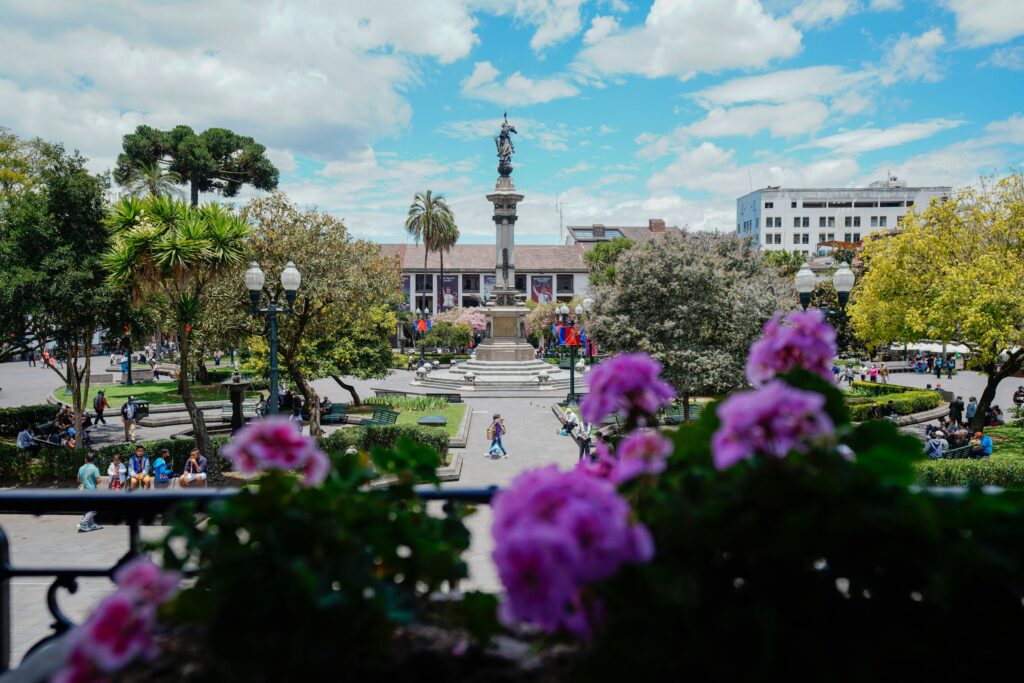
Riding comfortable hybrid bikes, you roll through Parque La Carolina, traverse the century-old residential architecture of La Mariscal, and pass through El Ejido Park. As you approach the Old Town, the tour stops at the towering Basílica del Voto Nacional for panoramic photography before rolling into Independence Square (Plaza Grande) and Plaza San Francisco.
The experience culminates with an artisanal tasting of fine Ecuadorian single-origin chocolate, where an expert explains the bean-to-bar process of Arriba cacao.
Key highlights
- Financial District to Old Town: Complete a full urban traverse from modern commercial high-rises to colonial plazas
- La Mariscal & El Ejido: Discover 20th-century residential architecture, leafy parkways, and local urban life
- Basílica del Voto Nacional: Pause outside South America’s largest neo-Gothic basilica for photos and architectural stories
- Single-Origin Chocolate Tasting: Indulge in a guided tasting of world-class Ecuadorian fine-aroma cacao chocolate
Ideal for
Culture seekers, foodies, photography enthusiasts, and independent travellers who want a comprehensive, multi-neighbourhood city ride packed with historic context and local flavours.
Local cycling insight
Despite Quito’s overall high elevation, roughly 90% of this specific route follows flat avenues, designated bike paths, and pedestrian plazas. It is one of the most accessible city rides available, making it ideal for your first full day of urban exploration while acclimatising.
The Galápagos.
Ecuador’s Enchanted Isles
3. High-altitude volcanic thrills in the Andes
Rating & reviews
(3+ verified reviews on GetYourGuide)
Why this tour stands out
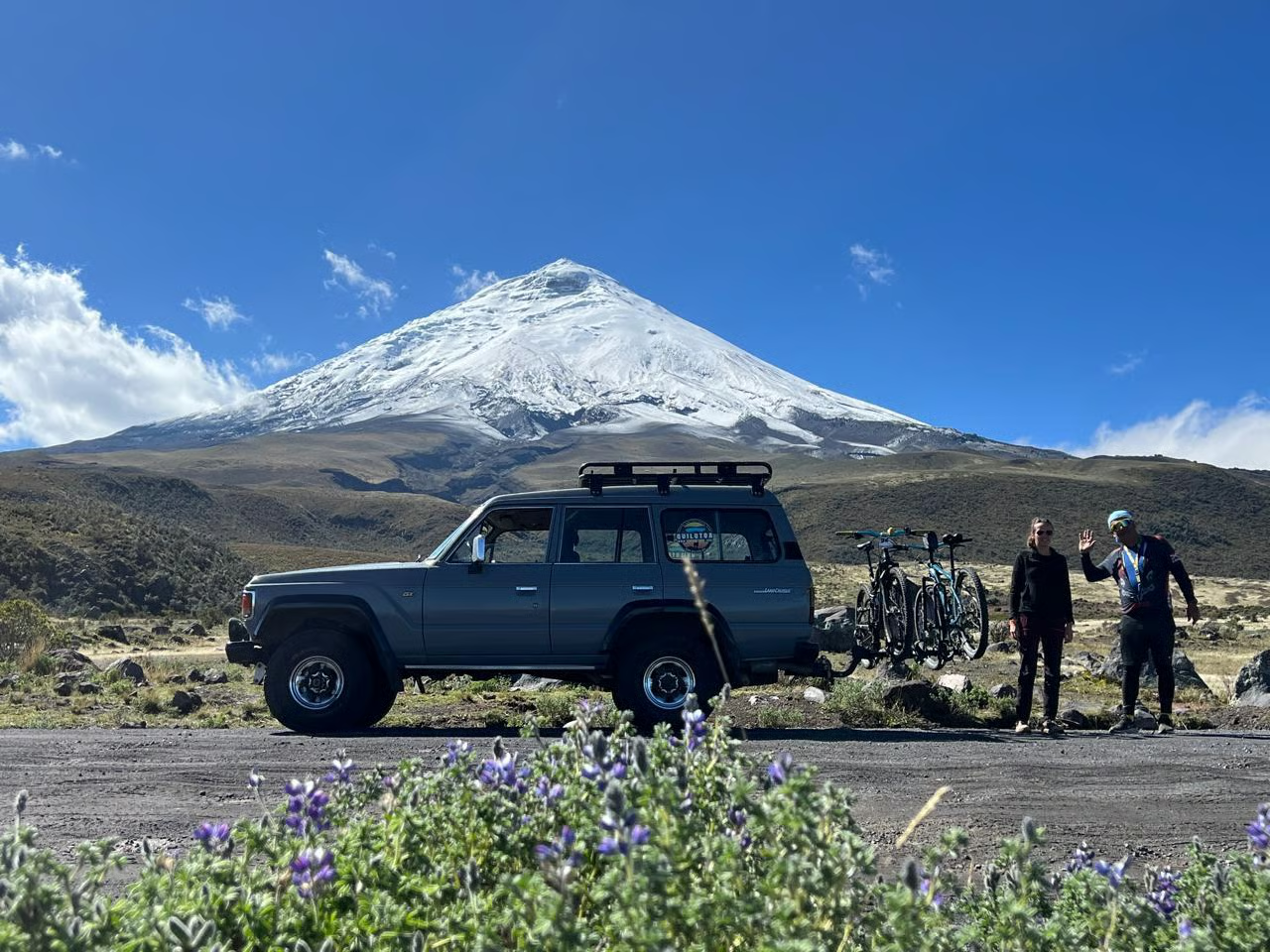
If your idea of a dream ride involves crisp mountain air, dramatic high-alpine scenery, and gravity-assisted thrill-seeking, the Cotopaxi downhill excursion is an absolute bucket-list experience. Cotopaxi is Ecuador’s second-highest active volcano, and this tour lets you ride down its volcanic ash slopes into the high Andean páramo ecosystem.
After an early morning private transfer from Quito along the scenic Avenue of the Volcanoes, a 4×4 vehicle carries you up to the high parking area at roughly 4,500 metres altitude. Following an optional hike to the José Rivas Refuge (4,864 metres), you are fitted with front-suspension mountain bikes, full-finger gloves, and helmets.
The ride is almost entirely downhill, taking you down gravel switchbacks, volcanic singletrack, and open dirt roads with a professional lead guide and a support vehicle trailing behind for total safety.
Key highlights
- High-Altitude Summit Ascent: Travel up to 4,500 metres in altitude by 4×4, taking in sweeping views of the northern Andean range
- Exhilarating Downhill Descent: Enjoy 30 to 45 minutes of pure downhill riding across volcanic ash trails, dirt tracks, and open gravel roads
- Limpiopungo Lagoon: Finish the ride on the flatter perimeter trails encircling the high-altitude Limpiopungo Lagoon, home to wild horses and Andean waterfowl
- Traditional Andean Lunch: Warm up after your ride with hot potato soup (locro de papa) and hot tea at a mountain lodge
Ideal for
Adventure seekers, active cyclists, and mountain bike enthusiasts who want high-alpine views without having to pedal thousands of vertical metres uphill at 4,000+ metres elevation.
Local cycling insight
Temperatures at 4,500 metres on Cotopaxi can hover near freezing, with sudden wind gusts off the glacier. Dress in breathable thermal layers, bring a windproof/waterproof jacket, and wear full-finger gloves. The downhill gravel track requires stable brake control—modulate both front and rear brakes evenly to prevent skidding on loose volcanic scree.
4. Escape the urban grid on the historic railway greenway
Rating & reviews
(New activity, 48+ verified operator reviews on Viator)
Why this tour stands out
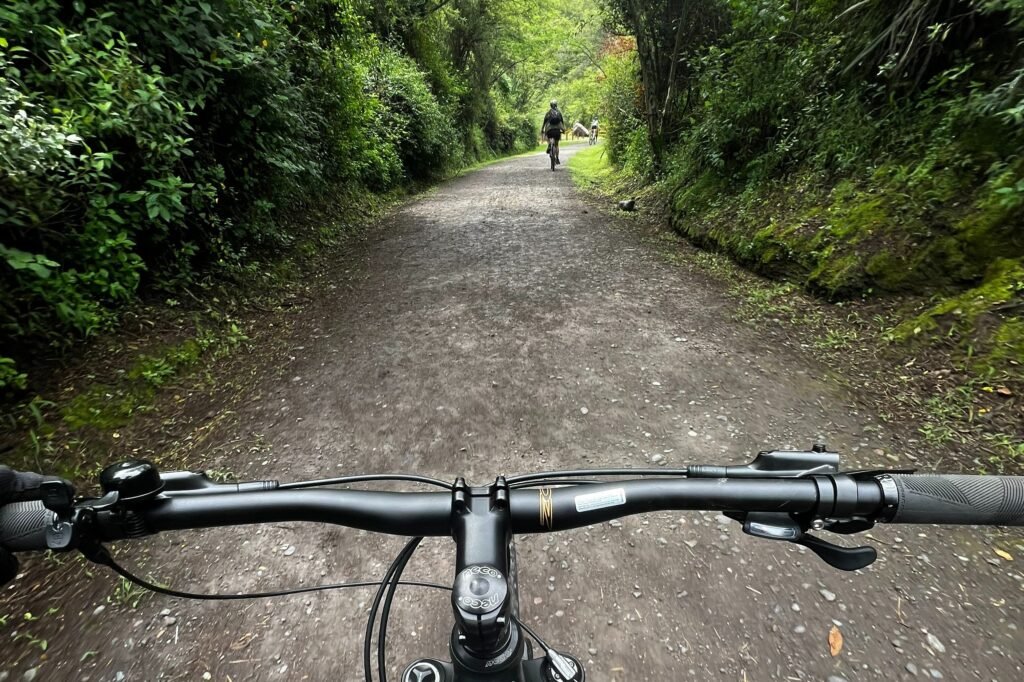
The Chaquiñán Trail is one of South America’s premier rail-to-trail conversions. Built along the disused tracks of the historic early 20th-century Ecuadorian railway, this dedicated greenway cuts through the warm, fertile valleys of Tumbaco and Cumbayá, just east of Quito proper. Because it follows an old train bed, the gradient is gentle, smooth, and entirely free from motorised vehicle traffic.
This guided excursion provides door-to-door transfers from Quito down into the valley, where you are equipped with well-maintained hardtail mountain bikes or gravel hybrid bikes. You pedal through hand-carved rock mountain tunnels, cross historic railway bridges, and wind along lush canyon edges overlooking the Guayllabamba River basin.
Professional local guides share historical insights into the ancestral Indigenous trade paths (chaquiñanes) that predated the railway by centuries.
Key highlights
- Car-Free Greenway Riding: Ride along miles of wide, unpaved trail completely separated from urban car traffic
- Historic Railway Tunnels: Pass through dramatic rock tunnels cut directly into the mountain walls during the early 20th century
- Panoramic Valley Views: Enjoy views across the warmer Andean sub-valleys, volcanic canyons, and local agricultural haciendas
- Gentle Downhill Gradient: Benefit from smooth railway engineering that ensures manageable inclines accessible to all skill levels
Ideal for
Recreational cyclists, families, gravel enthusiasts, and anyone looking for a long, peaceful country ride away from high altitudes and busy city streets.
Local cycling insight
The Tumbaco and Cumbayá valleys sit roughly 400 metres lower in elevation than central Quito. As a result, the weather here is noticeably warmer, sunnier, and drier. Swap your heavy mountain jackets for lighter, moisture-wicking jerseys, carry extra hydration, and ensure your sunglasses are handy for entering and exiting dark railway tunnels.
The Ecuadorian Amazon.
The most biodiverse place in the world
5. Descend into the UNESCO Andean Chocó Biosphere
Rating & reviews
(1+ verified reviews on GetYourGuide)
Why this tour stands out
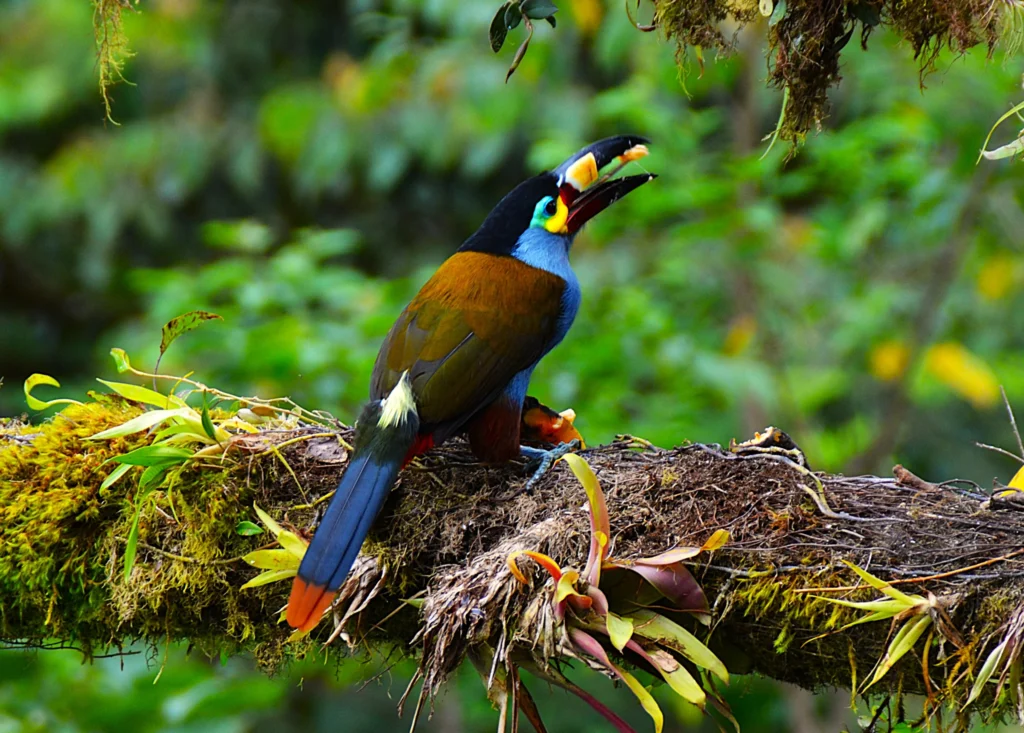
In just a few hours, you can travel from the cold mountain ridges of the Andes into the lush, emerald canopy of the Andean Chocó cloud forest—a UNESCO-designated World Biosphere Reserve renowned for its unmatched bird biodiversity. This full-day guided bike adventure delivers a scenic descent down the western slopes of the Pichincha volcano into the subtropical Mindo Valley.
Starting near the historic mountain outpost of Nono, the tour equips riders with reliable front-suspension mountain bikes designed to handle gravel roads and damp mountain tracks. You descend along quiet forest tracks, passing cascading waterfalls, orchid-draped trees, and mist-covered mountain ridges while a 4×4 support vehicle trails closely behind.
Once in Mindo village (1,250m elevation), the ride transitions into eco-adventure activities, including visits to a hummingbird sanctuary, a butterfly farm, or an artisanal chocolate factory.
Key highlights
- Andean Chocó Reserve Descent: Experience a scenic downhill mountain bike ride passing through multiple climatic zones as altitude drops from 2,800m to 1,250m
- Nono Mountain Village: Pause in the traditional mountain town of Nono for warm Andean tea and breakfast
- Waterfall & Forest Trails: Ride past misty mountain waterfalls and dense cloud forest foliage teeming with toucans and hummingbirds
- Mindo Eco-Experiences: Finish in Mindo village with your choice of visiting a hummingbird reserve, butterfly garden, coffee tour, or chocolate tasting
Ideal for
Nature lovers, birdwatchers, outdoor enthusiasts, and mountain bike riders looking for a long downhill route through incredible tropical rainforest scenery.
Local cycling insight
Cloud forests are inherently humid, and light rain or mist is common during descents. Pack a lightweight, waterproof shell jacket and keep electronics inside dry bags or zip-lock pouches. The damp gravel roads require steady handling—keep your speed controlled on descents and watch for wet wooden bridges along the trail.
Our practical Quito cycling & ride planning guide
Navigating a high-altitude Andean capital on two wheels requires a bit of smart preparation. To ensure your ride through Quito is smooth, safe, and thoroughly enjoyable, keep these local cycling principles in mind:
1. Master altitude acclimatisation first
Quito sits at 2,850 metres above sea level, and high-altitude rides like Cotopaxi start well above 4,000 metres. Do not schedule a demanding bike tour on your first day in town. Give yourself 24 to 48 hours to acclimatise. Drink plenty of water, avoid heavy meals or excessive alcohol on arrival, and let your lungs adjust to the thinner air before tackling steep climbs.
2. Standard bikes vs. e-bikes / Choose wisely
Quito’s topography is dramatically undulating. If you choose to explore the city independently or join an urban tour, an e-bike provides pedal-assist support that smooths out steep valley rises without overexertion. However, for downhill mountain bike excursions on gravel tracks—such as Cotopaxi or Mindo—a standard, high-quality mountain bike with good front suspension and hydraulic disc brakes is lighter, easier to handle, and offers superior braking control on loose terrain.
3. Respect traffic etiquette & use protected ciclovías
Quito has made major strides in developing cycling infrastructure, notably along major corridors like Avenida Amazonas, Parque La Carolina, and connections leading south toward the historic core. When cycling in urban areas, stay within painted bike lanes (ciclovías) whenever possible. Drivers in Quito can be assertive; always signal clearly with your hands, maintain predictable riding lines, and follow your guide’s instructions closely when navigating urban intersections.
4. Gear up for four seasons in one day
Andean weather is notoriously variable. A clear, hot equatorial morning can turn into a misty, cool afternoon shower within thirty minutes. Always dress in layers: a breathable base layer, a warm mid-layer, and a packable windproof/waterproof outer shell. Wearing a certified cycling helmet is mandatory on all guided tours and strongly recommended for all urban and off-road riding.
5. Hydration, electrolytes & sun protection
Due to the combination of high altitude and equatorial sun, you dehydrate much faster in Quito than at sea level. Carry a reusable water bottle or hydration pack filled with water and electrolyte tablets. Apply broad-spectrum SPF 50+ sunscreen before every ride, wear UV-protective sunglasses, and reapply sunscreen mid-day, even when riding under overcast skies.
The Ecuadorian Coast.
Where you’ll find the very best food
Redefine how you experience Quito
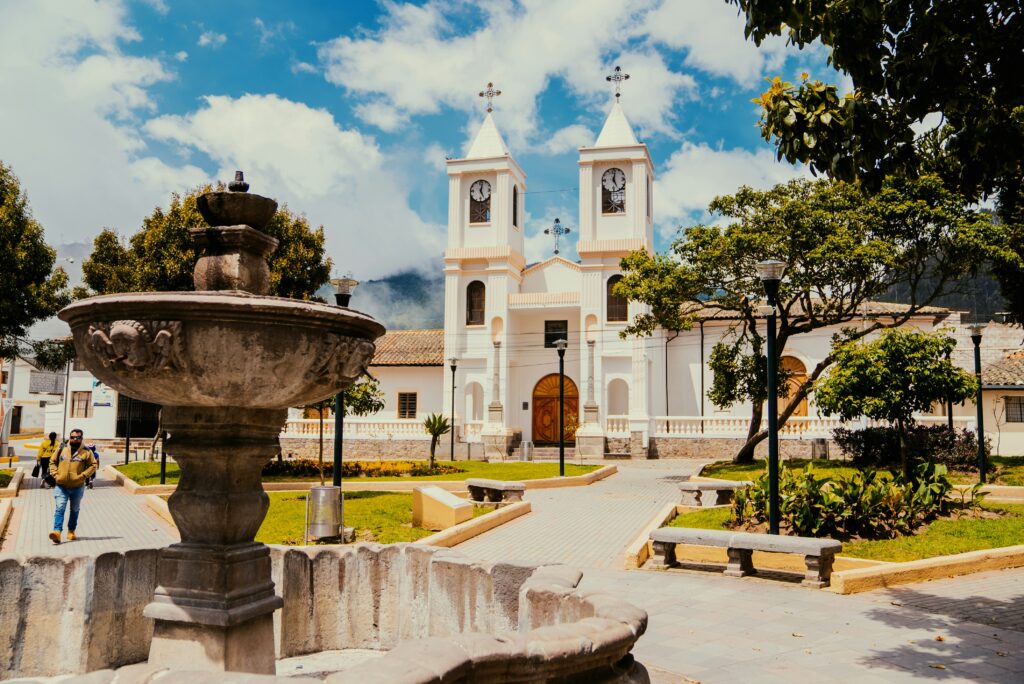
Quito is a city best understood through its textures—the clatter of tyres across 18th-century cobblestones, the crisp bite of mountain air as you crest a ridge, and the sudden shift from icy volcanic páramo to balmy subtropical valleys. When you view this extraordinary landscape from the saddle of a bicycle, the sheer scale of the Andes becomes an invitation rather than an obstacle. You move at a human pace, engaged directly with the altitude, the topography, and the living rhythm of the city.
By choosing two wheels over the glass barrier of a tourist coach, you participate actively in the life of the capital. You support local independent guides, discover family-run market stalls, and pedal along protected ciclovías that represent Quito’s forward-thinking urban movement. Whether you are coasting past gilded Baroque façades in the historic core, descending volcanic switchbacks on Cotopaxi, or navigating the disused railway tunnels of the Chaquiñán Trail, cycling offers an intimacy of travel that no motor vehicle can replicate.
As with any great high-altitude adventure, respect for the environment and thoughtful preparation are paramount. Take the necessary time to adjust to the mountain air, equip yourself with proper windproof layers, and choose the right machine for the day’s terrain—be it a high-powered e-bike for city hills or a sturdy hardtail mountain bike for cloud forest gravel tracks. Quito rewards the curious, autonomous traveller who is willing to look past commercial shortcuts and embrace the open road.
At Wheely Tyred, we believe the finest journeys are those powered by your own cadence. Pack your windbreaker, double-check your tyre pressures, and prepare to discover Ecuador’s high-altitude capital from a perspective few ever get to see.
Affiliate Disclaimer: Some of the links on Wheely Tyred are affiliate links. If you click through and make a booking or purchase, we may earn a small commission at no extra cost to you. We only recommend gear, tours, stays, and services we genuinely use, trust, and stand behind — our editorial independence always comes first. These commissions help keep our independent cycling guides and travel stories free to read. Thanks for supporting the ride!
Frequently asked questions about the best Quito bike tours
We strongly recommend spending at least 24 to 48 hours in Quito before undertaking any vigorous cycling activity, particularly high-altitude excursions like the Cotopaxi volcano descent. Quito sits at 2,850 metres above sea level, and Cotopaxi rides start well above 4,500 metres. Take your first two days to explore at a gentle walking pace, stay thoroughly hydrated, and avoid heavy meals or alcohol so your body can adjust to the thinner air before you start pedalling.
While standard hybrid bikes are well suited for the flat greenways and protected cycle paths of the northern parks, an e-bike is a fantastic asset if you want to explore the hilly historic core or eastern valley ridges. The pedal-assist technology compensates effortlessly for the thinner air when tackling steep city inclines, allowing you to cover far more ground without feeling breathy or overexerted.
Andean mountain weather changes rapidly, making technical layering essential. Start with a moisture-wicking base layer, add a warm thermal mid-layer, and finish with a windproof and waterproof outer jacket. For high-altitude rides like Cotopaxi, full-finger cycling gloves, a neck gaiter, and long trousers or padded tights are vital due to near-freezing temperatures near the glacier. For the lower, humid Mindo cloud forest, a breathable rain shell is key.
You do not need expert technical downhill skills, but you should be confident riding on loose dirt, gravel, and unpaved mountain tracks. The route follows wide 4×4 dirt roads rather than steep singletrack drop-offs, making it accessible to active recreational cyclists. Professional support vehicles trail closely behind the group throughout the ride, offering a safe alternative if you feel tired or uncomfortable on loose volcanic scree.
Cycling in Quito is safe when you stick to dedicated cycle infrastructure or ride alongside experienced local guides. The city features an expanding network of protected ciclovías, urban park routes, and car-free greenways like the Chaquiñán Trail. When riding on shared city streets, driver behaviour can be assertive, so staying alert, using clear hand signals, riding predictably, and wearing a helmet at all times are essential safety practices.
The Chaquiñán Trail is a disused 20th-century railway line converted into a dedicated, car-free greenway winding through the Tumbaco and Cumbayá valleys. Because train tracks require gentle gradients, the trail is remarkably flat and smooth, making it ideal for families, casual riders, and beginner cyclists looking for a long, scenic ride away from traffic and city noise.
Ecuador.
Pure wonder on the equator.