Savouring the highlands / A slow traveller’s guide to the flavours of Otavalo
The ultimate Otavalo food guide of traditional Ecuadorian dishes, ancestral drinks, and the best independent restaurants in Imbabura
Quiet culinary sanctuaries of Ecuador’s northern valley
BEN FINCH
For most visitors, the northern highland town of Otavalo is synonymous with the vibrant, swirling colours of the Plaza de los Ponchos. Every week, travellers arrive by bus and foot to marvel at the hand-woven textiles, intricate knitwear, and silver jewellery crafted by the indigenous Kichwa Otavalo people. Yet, to understand the true spirit of this volcanic valley, one must look beyond the market stalls and peer into the steaming pots of its kitchens.
Framed by the towering peaks of the Imbabura and Cotacachi volcanoes, Otavalo sits at an altitude of over 2,500 metres. This high-altitude geography, combined with fertile volcanic soils, has fostered a deeply resilient agricultural heritage that dates back thousands of years. Here, the food is not merely sustenance; it is a direct link to the land, the seasons, and ancestral traditions.
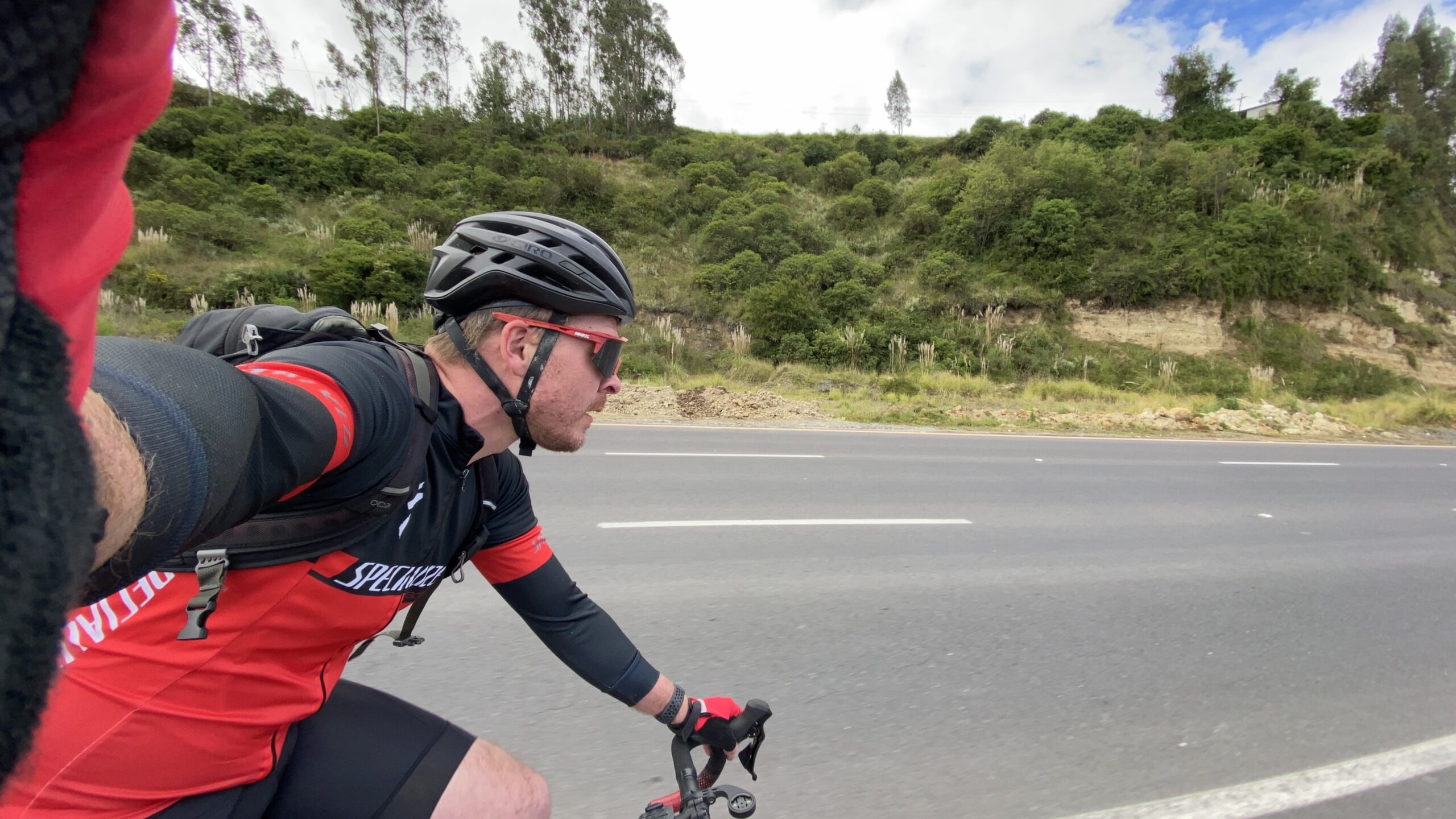
For the independent traveller—those arriving on their own schedule, perhaps with a bicycle resting against an adobe wall or a dusty backpack at their feet—dining in Otavalo is an opportunity to slow down. It is a chance to step away from the rushed tourist itineraries and savour the complex, earthy flavours of the northern Andes at a human pace.
Volcanic terroirs and ancestral pots
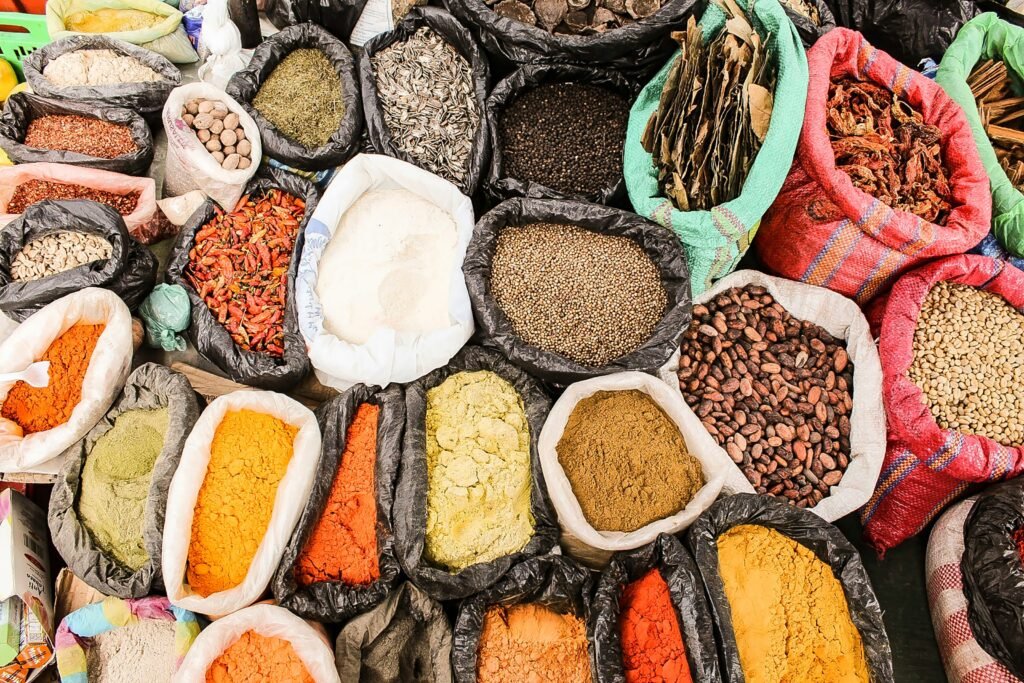
Beyond the bustling textile stalls of the Plaza de los Ponchos lies a culinary landscape shaped by ancient agricultural traditions and volcanic soils. For the slow traveller, exploring Otavalo’s food is an invitation to connect deeply with the natural rhythms of the northern Andes.
- High-altitude agricultural heritage: Nestled at over 2,500 metres, Otavalo’s fertile volcanic soils yield resilient ancient grains and tubers that form the backbone of the local diet
- The sacred seven-maize brew: Chicha de Yamor is a complex, low-alcohol fermented drink crafted through a painstaking ritual using seven distinct local corn varieties
- Ancestral highland nourishment: Cuy asado represents a pre-Hispanic culinary cornerstone, spit-roasted slowly over charcoal to achieve a glass-like crispness and served with a rich peanut sauce
- Patience in the paila: Traditional Fritada Imbabureña showcases the beauty of slow food, featuring pork simmered in brass cauldrons until it tenderly crisps in its own rendered fats
- A leaf-wrapped ritual: Best enjoyed warm, flaky bizcochos are paired with queso de hoja, a fresh, stringy cheese kept aromatic and moist inside native achira leaves
- An ancestral Andean-Amazonian hearth: Maytushka culinary space elevates indigenous culinary wisdom, serving preservative-free, slow-cooked meats wrapped and grilled in wild leaves
- Sanctuaries for the slow journeyer: From the cosy fireside at Café Pachamama to the vibrant, independent gathering space of La Taberna, Otavalo offers quiet spots to rest and reflect
- Morning market connections: Navigating the Mercado 24 de Mayo in the early hours allows independent travellers to converse with vendors and discover seasonal ingredients at their freshest
Otavalo.
Home to Plaza de Ponchos
Traditional Otavalo culinary highlights

To fully appreciate the gastronomy of the Imbabura Province, one must first understand its foundational ingredients. Maize, native meats, tubers, and wild fruits form the bedrock of the local diet, prepared using time-honoured techniques that respect the integrity of every ingredient.
Chicha de yamor
In the Andean worldview, maize is not a simple crop; it is a sacred gift from Pachamama (Mother Earth). Chicha de yamor is the liquid manifestation of this reverence. Unlike common varieties of chicha found across South America, this highly prized, low-alcohol fermented beverage is brewed exclusively from seven distinct varieties of local maize: chulpi, negro, amarillo, blanco, morocho, canguil, and jora.
The preparation of chicha de yamor is a laborious ritual. The different varieties of corn are germinated, dried, ground, and boiled for hours in large vessels before being left to ferment naturally in oak barrels. The resulting drink is complex, slightly sweet, subtly tart, and deeply earthy. Traditionally prepared for the annual Yamor festival in September to celebrate the harvest, this historic nectar can still be found year-round in the quiet corners of Otavalo, offering a taste of liquid history.
Cuy asado
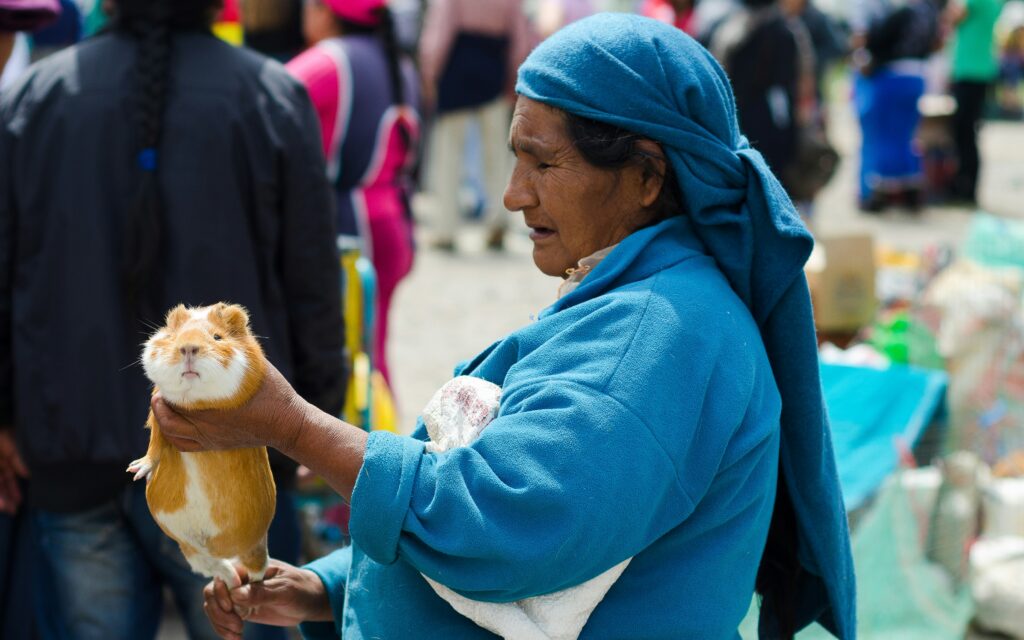
For those seeking to understand the deepest culinary traditions of the Ecuadorian Andes, cuy asado (roast guinea pig) is a dish of immense cultural and historical significance. Long before the arrival of Spanish livestock, indigenous highlanders relied on cuy as a primary source of low-fat, high-protein sustenance. Today, it remains a celebratory centrepiece, traditionally prepared for marriages, agricultural harvests, and family reunions.
The preparation of cuy asado is a highly skilled craft. The meat is thoroughly rubbed with a rich paste of garlic, cumin, ground achiote, and salt, then spit-roasted slowly over glowing hardwood or charcoal embers. The cook must constantly turn the spit and baste the meat, ensuring the skin bubbles into a thin, glass-like crispness while the interior remains tender and rich, with a flavour profile reminiscent of rabbit or dark poultry. In Otavalo, eating cuy is a communal ritual, typically served alongside boiled potatoes bathed in a rich, warm peanut sauce (salsa de maní), fresh avocado, and hominy.
The Ecuadorian Sierra.
Get lost in the hills
Fritada Imbabureña
No dish is more central to highland celebrations than fritada Imbabureña. While pork dishes are common throughout Ecuador, the Imbabura style is defined by patience and precision. High-quality chunks of pork are seasoned with garlic, cumin, onions, and salt, then simmered slowly in large, traditional brass cauldrons known as pailas.
The cooking process is a masterclass in slow food. As the spiced water evaporates, the meat begins to cook and crisp in its own rendered fats, developing a beautifully caramelised, deep golden crust while retaining a tender, juicy interior. A proper plate of fritada Imbabureña is served with an abundance of traditional accompaniments: mote (pillowy, boiled hominy corn), tostado (crunchy, dry-roasted maize), and sweet, soft pieces of fried maduro (ripe plantain). It is a hearty, texturally diverse meal designed to fuel long days of exploration.
Bizcochos con queso de hoja
Though closely associated with the nearby town of Cayambe, these delicate, savoury biscuits are an essential culinary ritual for anyone travelling through the northern valley. Bizcochos are baked in wood-fired brick ovens, resulting in a flaky, buttery biscuit that melts in the mouth.
The traditional way to enjoy bizcochos is alongside queso de hoja—a fresh, stringy, slightly salty cheese that is wrapped in the broad, glossy leaves of the achira plant. The leaf not only protects the cheese but also imparts a subtle, fresh herbaceous aroma. Paired with a hot cup of local coffee or a rich hot chocolate, this combination offers a perfect balance of salty, buttery, and sweet flavours.
Champús
For those cool highland afternoons when the mountain mist rolls down from the volcanoes, champús is the ultimate comfort. This thick, warm beverage is crafted from ground maize and unrefined cane sugar, known locally as panela. It is gently simmered and spiced with orange leaves, sweet cloves, and cinnamon.
What elevates champús from a simple porridge to a culinary delight is the addition of local mountain fruits. Most recipes feature chunks of babaco—a native, star-shaped relative of the papaya with a bright, effervescent acidity—or pineapple. The result is a comforting, fragrant beverage with a pleasant fruitiness that warms from the inside out.
The Ecuadorian Amazon.
The most biodiverse place in the world
Where to find the best food in Otavalo
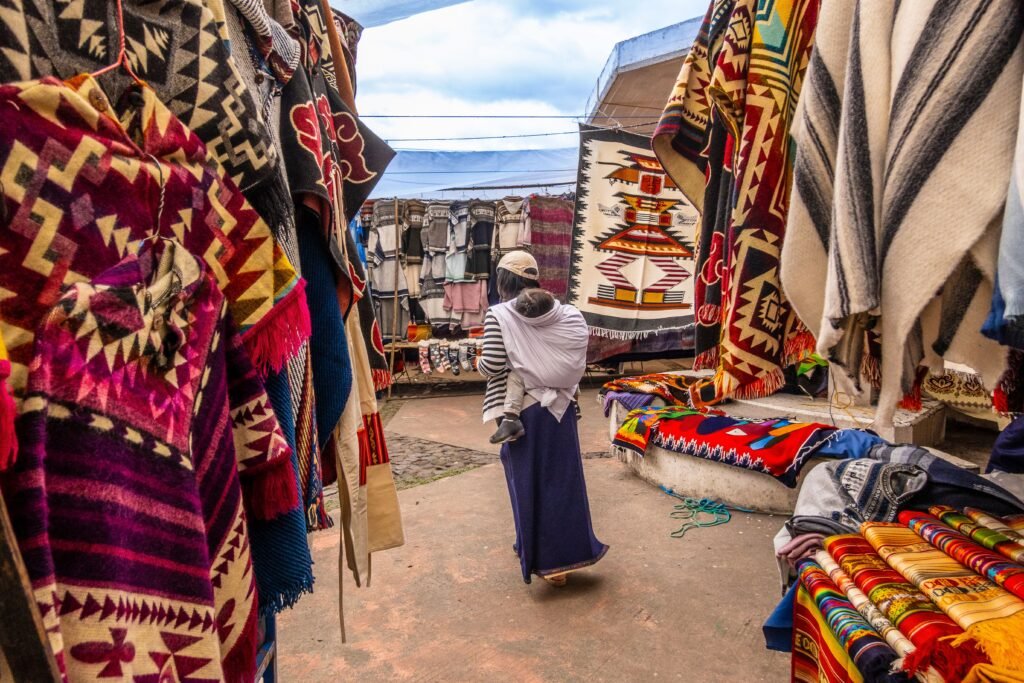
To help independent travellers experience the very best of Otavalo’s culinary scene, Wheely Tyred has curated four exceptional, fully independent establishments. Each venue has been carefully selected based on its culinary authenticity, outstanding local reputation, and commitment to quality, ensuring an unhurried and memorable dining experience.
Maytushka
For a truly remarkable dining experience that honours the indigenous heritage of the region, Maytushka is an essential stop. This independent, indigenous-owned establishment specialises in a unique fusion of Andean and Amazonian culinary traditions. The kitchen is dedicated to chemical-free, preservative-free preparation, relying entirely on the natural flavours of fresh, locally sourced ingredients.
The star of the menu is the maito, an ancestral Amazonian cooking technique where fish or seasoned meats are wrapped tightly in wild leaves and slowly grilled over open embers. The leaves trap the moisture and infuse the food with a delicate, smoky tea-like aroma. It is also an excellent and highly respected place to sample ancestral meat preparations, including cuy, sourced from local smallholders and prepared with deep respect for heritage. Dining here feels like an educational journey, allowing travellers to savour the deep botanical knowledge of Ecuador’s diverse ecosystems in a peaceful, welcoming environment.
La Covacha de la Bolívar
While Otavalo is situated high in the Andes, the country’s coastal flavours have a long-standing relationship with the highlands. La Covacha de la Bolívar is a beloved local institution that celebrates this connection, serving some of the finest traditional seafood in the city.
The primary draw here is the encebollado, a rich, deeply savoury fish soup made with fresh tuna, tender yucca, and a generous mound of pickled red onions. Gently spiced and served piping hot to ward off the high-altitude chill, it is a dish that commands respect across all of Ecuador. The atmosphere is unpretentious, bustling with local families, and entirely focused on delivering perfectly executed, traditional flavours.
The Galápagos.
Ecuador’s Enchanted Isles
Café Pachamama
Tucked away inside a beautifully restored historic building in the centre of Otavalo, Café Pachamama offers a warm sanctuary for weary travellers. Complete with a crackling fireplace and a quiet central courtyard, this independent café prioritises organic, locally sourced ingredients from the surrounding valley.
The menu features a comforting array of traditional highland stews, fresh salads, and homemade soups. However, Café Pachamama is also celebrated for its dedication to Ecuadorian coffee culture. It is the perfect place to sit back with a pour-over of single-origin highland coffee, listen to the soft crackle of the hearth, and quietly plan the next leg of your journey through the Imbabura province.
La Taberna Bar & Grill
As night falls over the volcanic valley and the temperature drops, La Taberna Bar & Grill provides a warm, convivial atmosphere. This long-running, independent establishment serves as a vital cultural gathering spot for local musicians, artists, and independent travellers alike.
The kitchen does an excellent job of presenting traditional highland ingredients in an accessible, comforting grill format. Alongside the hearty meals, the bar features a great selection of regional craft beers, local spirits, and traditional warm alcoholic infusions designed to combat the evening mountain air. It is a lively yet relaxed space where one can easily lose track of time, sharing stories of the road over a well-crafted local drink.
The Ecuadorian Coast.
Where you’ll find the very best food
Navigating the culinary landscapes of Imbabura
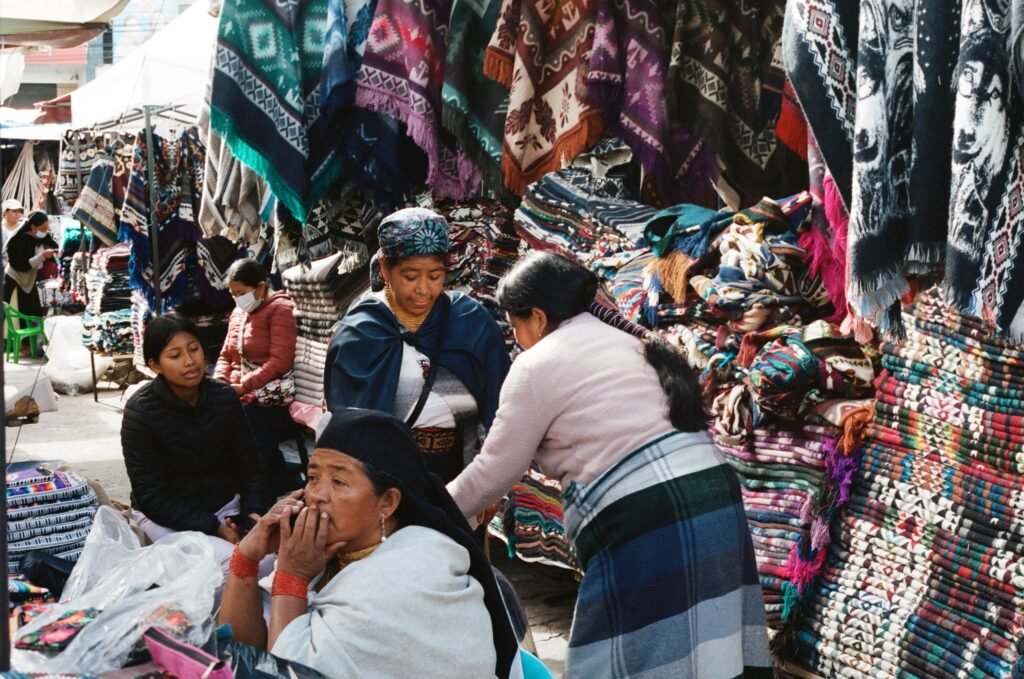
For those travelling independently, food is often the easiest entry point into a local culture. In Otavalo, taking the time to understand the agricultural calendar and the stories behind the dishes can turn a simple meal into a profound memory.
When exploring the local food stalls at the Mercado 24 de Mayo, Wheely Tyred recommends arriving in the morning when the produce is freshest and the vendors are preparing their midday stews. Do not hesitate to ask the vendors about the different varieties of maize, the roasting techniques for cuy, or the herbs used in their broths. Showing a genuine interest in their craft and culinary heritage is the quickest way to build a connection and experience the true warmth of Otavaleño hospitality.
Affiliate Disclaimer: Some of the links on Wheely Tyred are affiliate links. If you click through and make a booking or purchase, we may earn a small commission at no extra cost to you. We only recommend gear, tours, stays, and services we genuinely use, trust, and stand behind — our editorial independence always comes first. These commissions help keep our independent cycling guides and travel stories free to read. Thanks for supporting the ride!
Frequently asked questions about traditional Ecuadorian food in Otavalo
Cuy asado (roast guinea pig) has a rich, gamey flavour that is often compared to rabbit or the dark meat of poultry. It is highly prized for its skin, which is roasted over hot embers until it achieves a very delicate, bubbly crispness. It is traditionally served whole—including the head and paws—alongside potatoes in a warm peanut sauce, so travellers should expect a highly authentic and traditional presentation.
The leaves serve a practical and culinary purpose. Achira leaves wrapped around queso de hoja protect the fresh cheese while imparting a subtle, fresh herbal aroma. Similarly, the wild leaves used in Maytushka’s maito-style cooking trap moisture and steam the food over embers, infusing the ingredients with a delicate, smoky tea-like flavour.
While Chicha de Yamor is historically tied to the September harvest festival, it and other highlights like cuy asado, fritada, bizcochos, and champús can be sourced year-round if you explore local markets, such as the Mercado 24 de Mayo, and independent eateries.
At 2,500 metres, temperatures drop quickly once the sun sets behind the volcanoes, making warm, spiced comfort foods like champús and hearty stews incredibly welcome. The high altitude also slows down boiling times, which has historically encouraged traditional, slow-braising and roasting culinary techniques.
Yes, exceptionally so. Otavalo is highly walkable, and its culinary highlights are concentrated in the town centre. Independent travellers arriving by bus or bicycle can easily explore the central markets, independent cafes, and restaurants on foot at their own unhurried pace.
The secret lies in the brass paila cauldrons and exceptional patience. The pork is braised with garlic, cumin, and onions until the water evaporates completely, leaving the meat to fry naturally in its own rendered fats to achieve a beautifully caramelised, golden finish.
Yes. Many traditional accompaniments like mote (peeled hominy), tostado (toasted corn), and sweet fried plantains are naturally vegetarian. Café Pachamama also specialises in organic, locally sourced vegetable-forward highland dishes that cater well to non-meat eaters.
Ecuador.
Pure wonder on the equator.