
Olón
Things to do in Olón.
Olón operates at a deceleration that feels almost intentional. Mornings here are best spent watching the local fishers haul in the daily catch before the equatorial sun demands a strategic retreat to a shaded hammock. Fill the remaining hours with a slow wander along the expansive, uncrowded coastline or test your legs on the quiet gravel tracks tracing the bamboo-lined foothills. It is a place designed for doing very little, with absolute dedication
An independent traveller’s guide to Olón / The peaceful heart of Ecuador’s coast
Trade tourist tracks for wide-open sands and low-tide walks
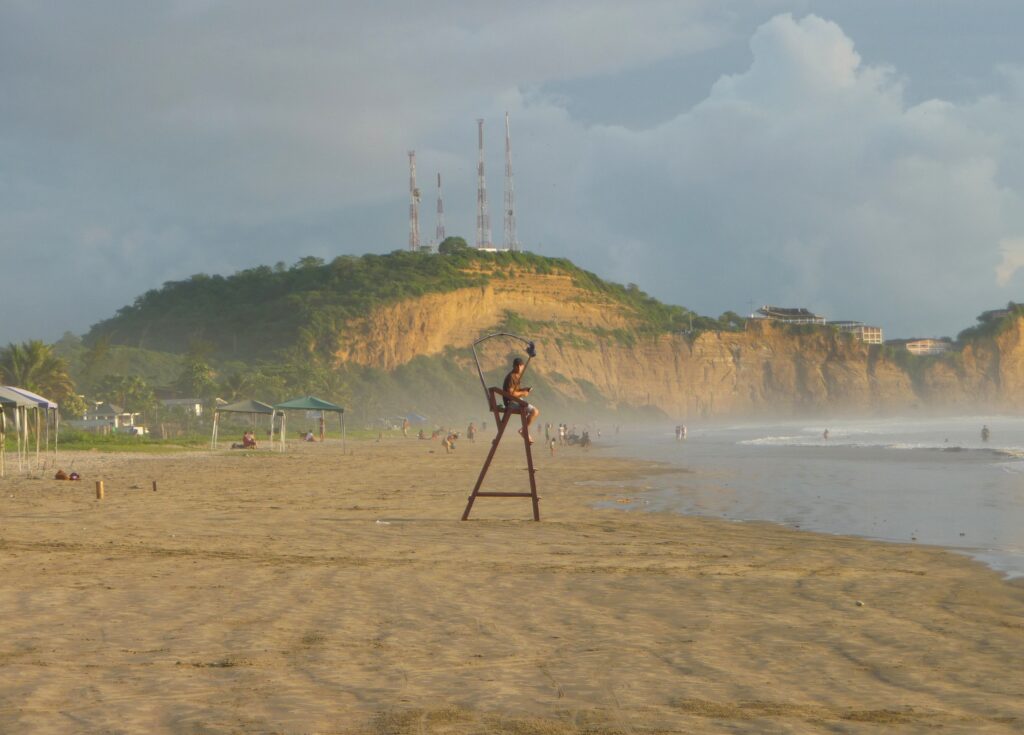
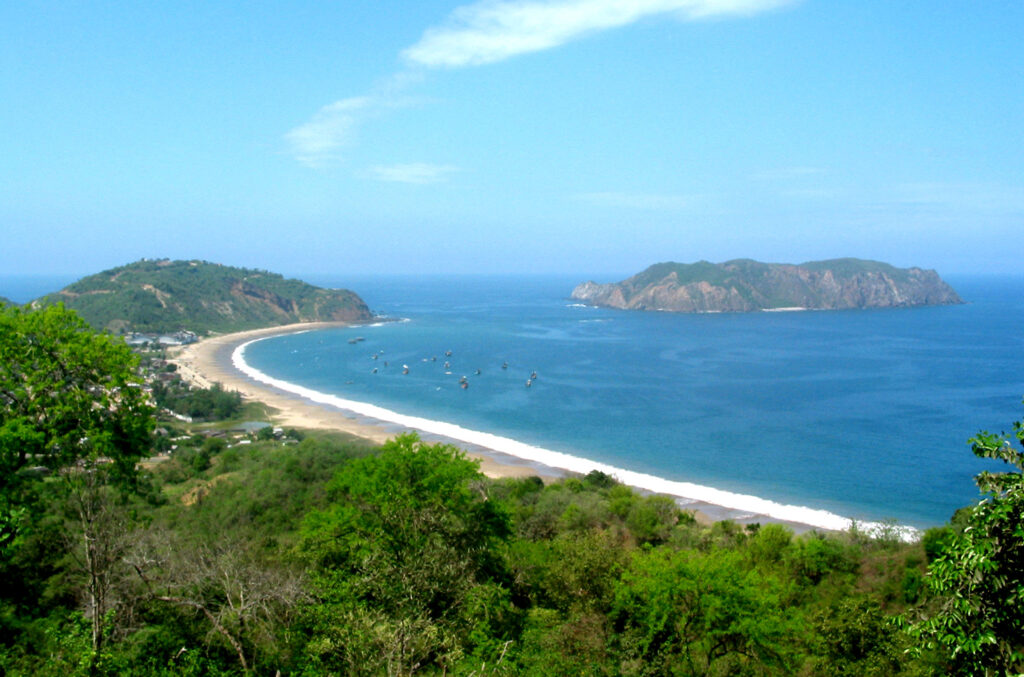
Top attractions in Olón, Ecuador / A coastal paradise for independent explorers
Discover the Pacific Coast’s best-kept secret
More things to do on the Ecuadorian Coast.
If the stillness of Olón begins to itch, the surrounding coast offers starkly different rhythms. A short hop down the road brings you to Montañita, a neon-soaked surf hub where the basslines thud well into the morning, while further north lies Puerto López, where humpback whales breach off the rugged coastline of the Parque Nacional Machalilla. For a dose of chaotic urban energy, the sprawling port city of Guayaquil provides a sharp contrast with its colonial architecture and bustling riverfront. It is a coastline defined by these sharp shifts in tempo
Guayaquil
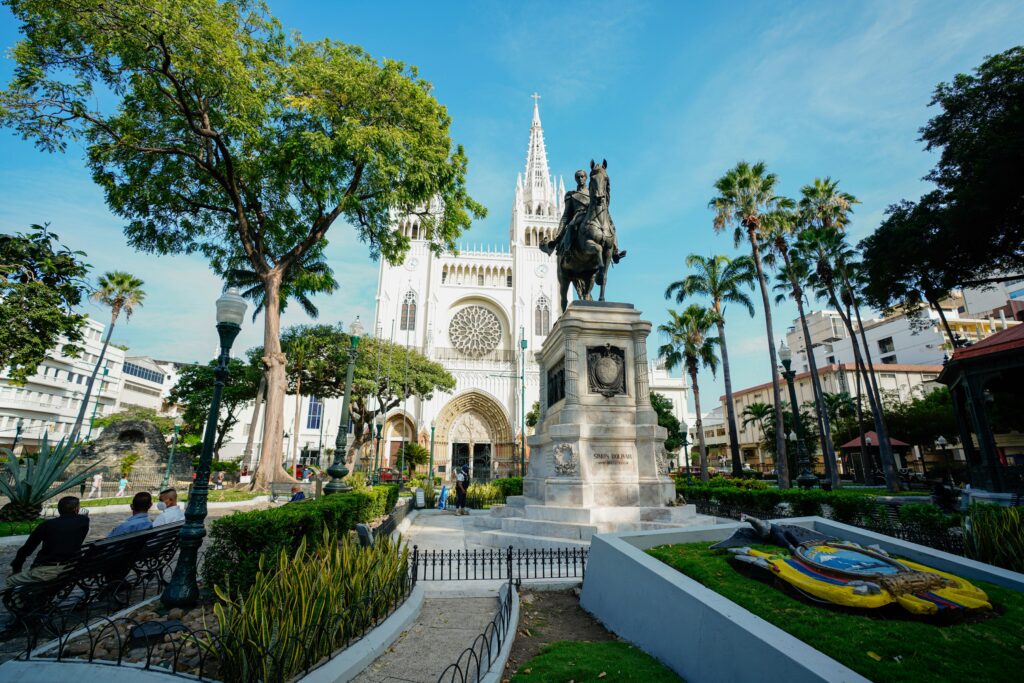
The Pearl of the Pacific
Montañita
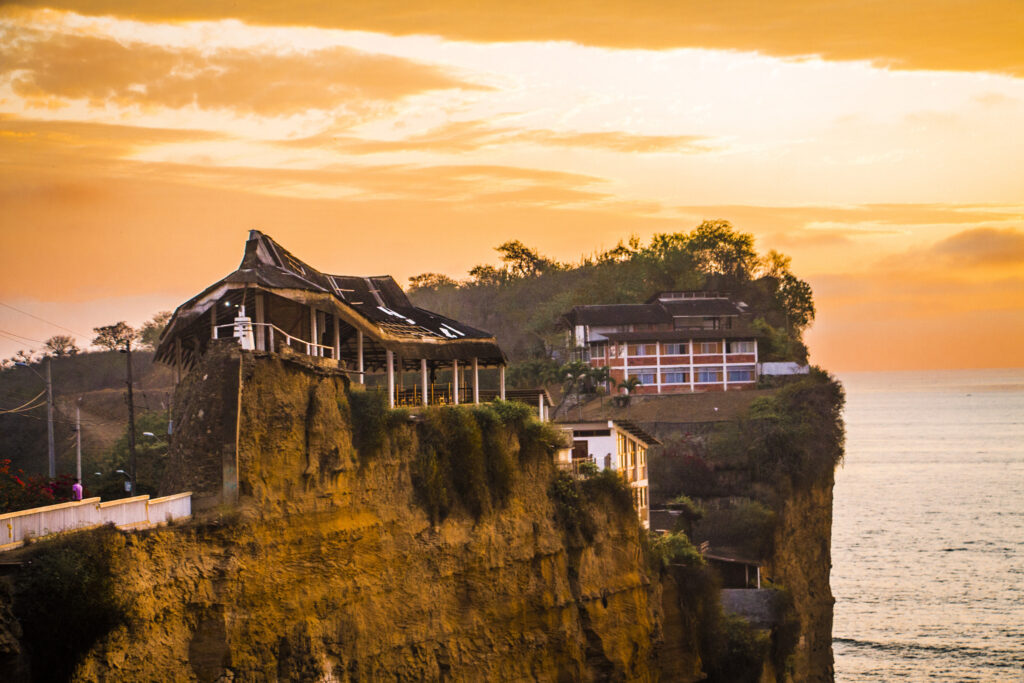
Party central
Puerto López
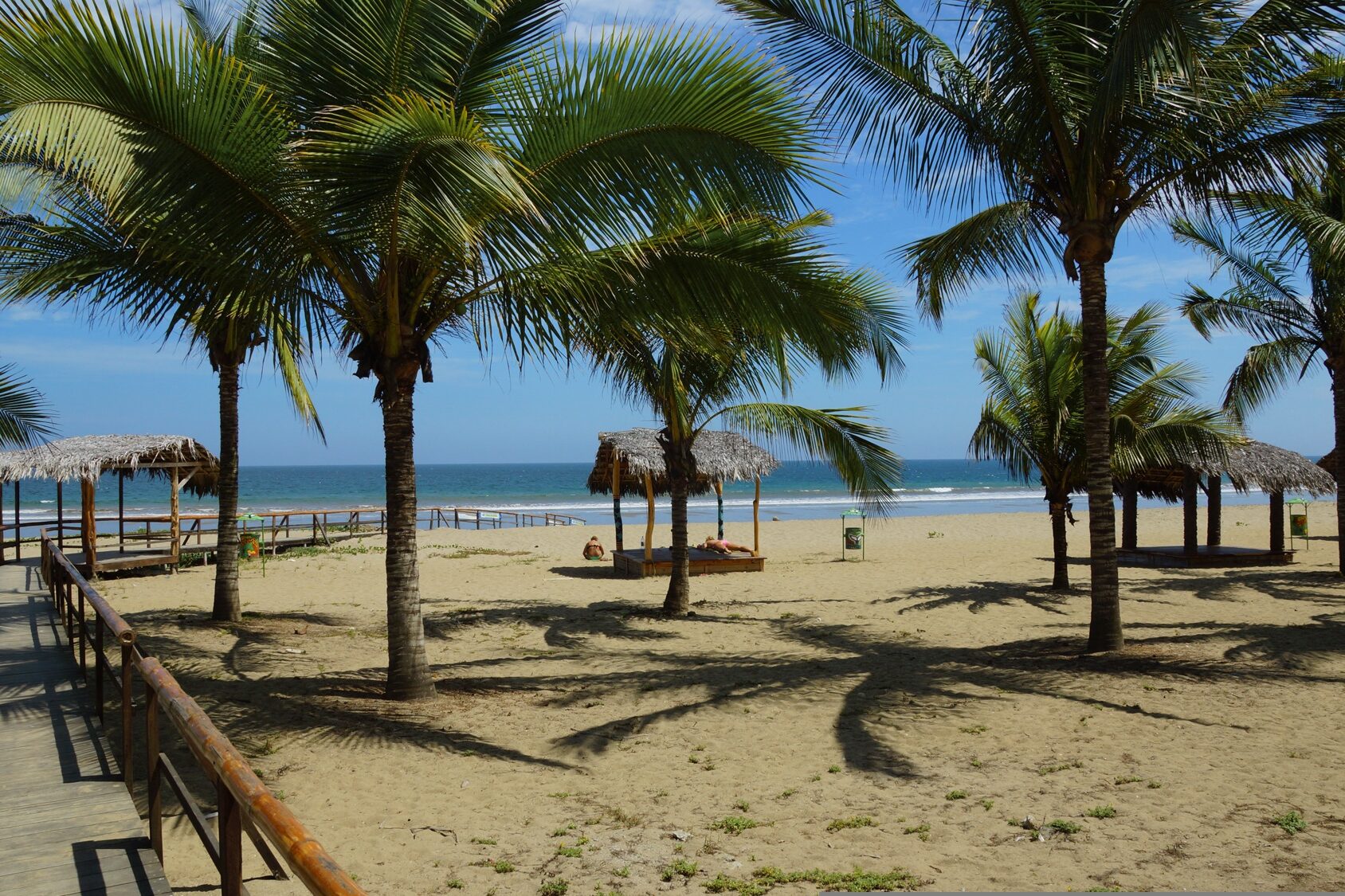
Another ocean paradise
Where to stay in Olón.
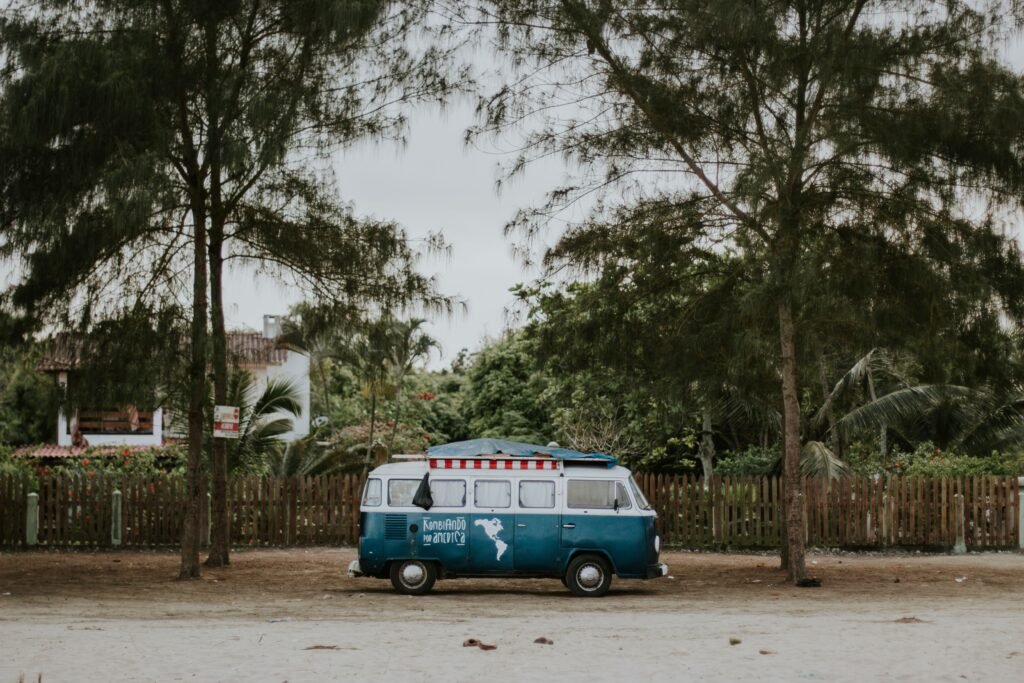
Accommodation here eschews the sterile polish of high-rise resorts in favour of low-key, family-run stays built from local bamboo and thatch. Look for the quieter plots tucked a few streets back from the sand, where the sound of the Pacific still cuts through the evening stillness. These places cater to travellers who value a functional kitchen and a secure spot to park a bicycle over late-night room service. Comfort is measured by proximity to the surf and the quality of the communal coffee pot
Rest on the Spondylus / Where to stay in Olón
Chasing the Pacific horizon, away from the neon glare
What to eat in Olón.
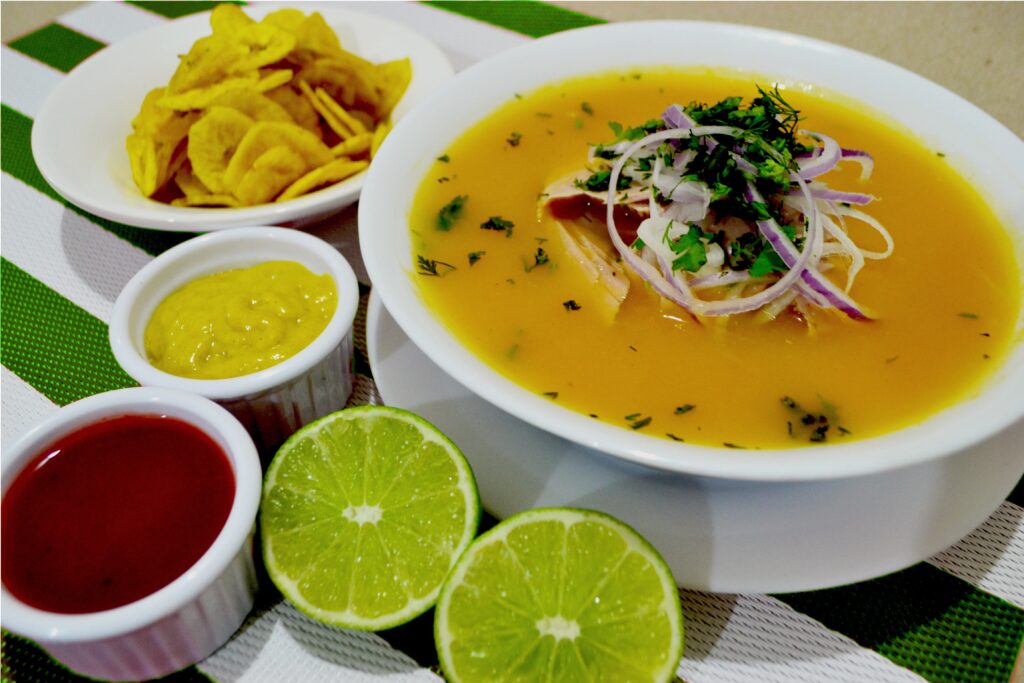
The local diet relies heavily on the immediate generosity of the ocean and the versatility of the green plantain. Mornings belong to bolón de verde—hearty, fried plantain spheres packed with cheese or pork—which provide enough fuel for a day of coastal exploration. Later, the focus shifts to lime-cured fish ceviches and rich, peanut-based seafood stews served from unassuming wooden carts. It is simple, unpretentious cooking that requires no translation or culinary embellishment
A coastal culinary journey / What to eat and drink in Olón, Ecuador
Savour the unhurried rhythms of the Pacific edge
Where to eat and drink in Olón.
Skip the establishments with bilingual menus and head instead toward the smoke rising from backyard grills and unassuming comedores. The best meals are found where the plastic chairs spill onto the dirt roads, serving up whatever the boats brought in a few hours prior. As darkness falls, the ritual shifts to modest open-air bars serving cold beers or fresh passion fruit cocktails. It is a social scene defined by salt-crusted skin and easy, unhurried conversation
The slow food revolution on the Ecuadorian coast / Where to eat in Olón
The quiet culinary soul of the Pacific coastline

When to visit Olón.
The coast plays by its own meteorological rules, splitting the year between bright, humid months and cooler, overcast stretches. From January to April, the sun dominates, punctuated by heavy afternoon downpours that clear the air and turn the hills a vivid green. The remaining months bring cooler temperatures and a persistent sea mist known as garúa, which lends the coastline a melancholic charm ideal for uninterrupted writing or long, sweaty bike rides. Choose your season based on whether you prefer to sweat under clear skies or grey
Sun, surf, and the Garúa / The definitive guide to the best time to visit the Ecuadorian Coast
Where the Equator meets the ocean
Is Olón safe?
While larger cities along the coast require a heightened sense of vigilance, Olón maintains a notably relaxed, community-led atmosphere. The main hazards here are more likely to involve a rogue wave or a deep pothole on a dark road rather than anything malicious. That said, absolute complacency is a tourist trait; locking up your bike and keeping an eye on your gear remains basic common sense. Respect the local pace, keep your wits about you, and you will find the environment perfectly welcoming
Navigating the Pacific pulse / A comprehensive guide to safety in Olón
Where the jungle meets the sea, tranquillity remains a treasure
The history of Olón.
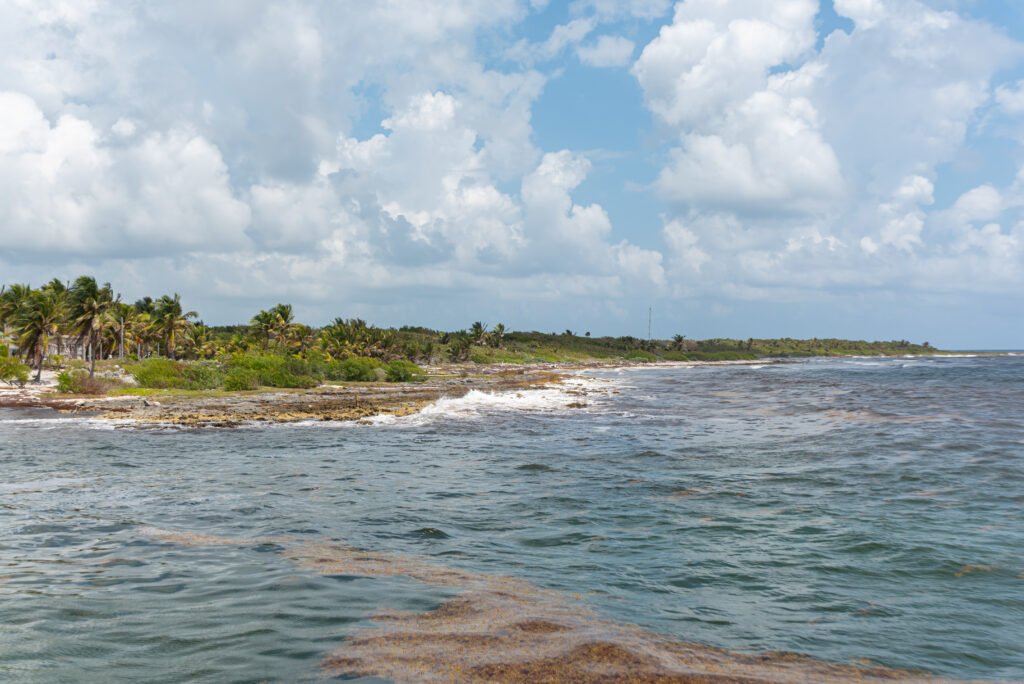
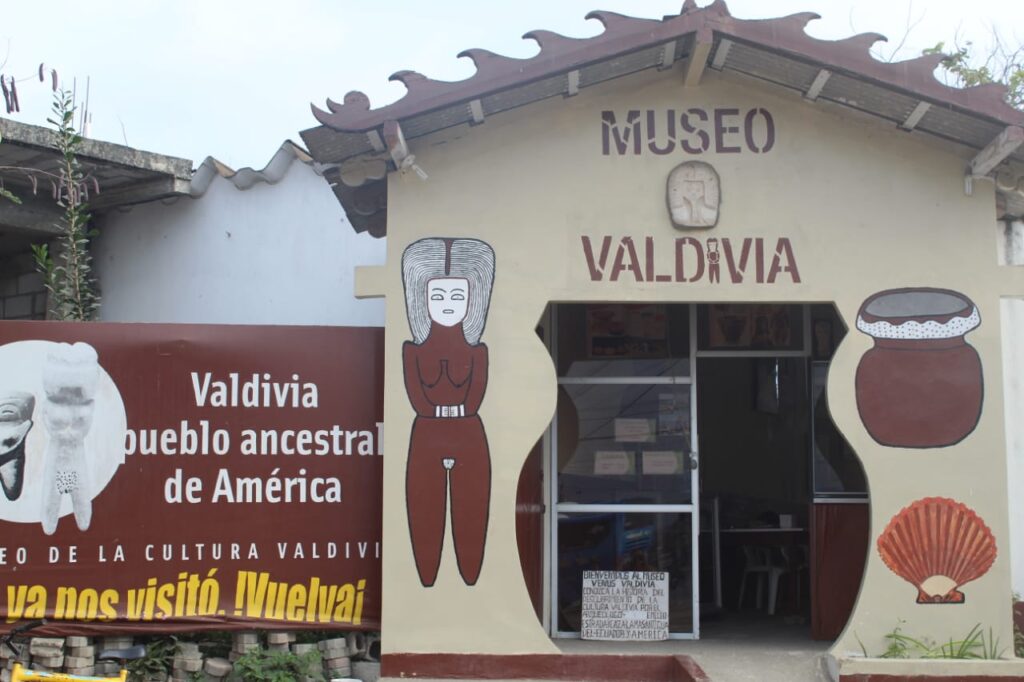
Long before independent travellers arrived with surfboards and touring bikes, this stretch of coast belonged to ancient maritime communities like the Valdivia culture. For centuries, Olón existed as a quiet fishing settlement, largely insulated from the rapid development seen elsewhere in the region. That historical isolation has left a distinct footprint, visible in the enduring community land structures and a collective resistance to large-scale commercial exploitation. The past is not preserved in museums here, but in the daily rhythms of the sea
A journey through time on Ecuador’s coast / The rich history of Olón
From the ancient Valdivia to a seaside sanctuary
Ecuadorian cycling culture.
Cycling in Ecuador is experiencing a quiet renaissance, propelled by a geography that tests the lungs and a national pride in world-class climbers. While the high-altitude Andean routes attract the hardcore ascenders, the coastal roads offer a different kind of endurance test against persistent crosswinds and unpredictable terrain. Drivers are increasingly accustomed to sharing the tarmac, though a sturdy set of tyres remains non-negotiable for navigating the rural gravel detours. It is a country that rewards the self-sufficient rider with dramatic shifts in landscape over remarkably short distances
Epic cycling in Ecuador
The ultimate guide to cycling in Ecuador / Routes, culture, and infrastructure
Driving culture and road safety

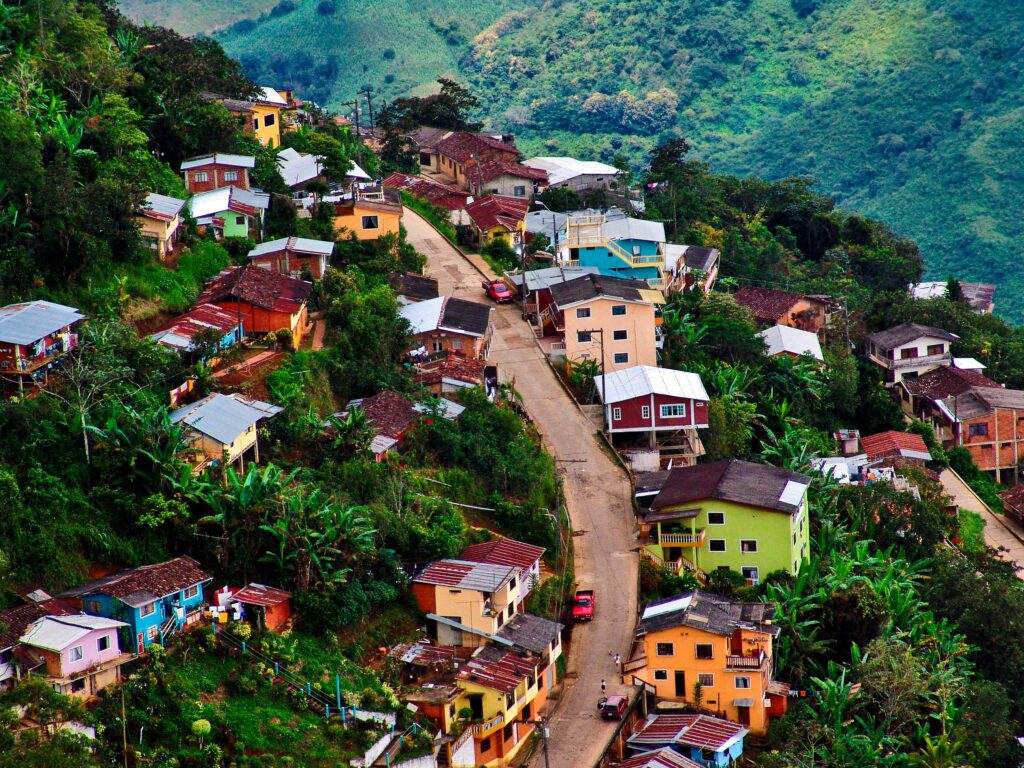
Driver attitudes, road traffic statistics, and road safety laws for cyclists
Cycling laws in Ecuador

Everything you need to know about cycling laws and regulations in Ecuador
Ecuador’s cycling history
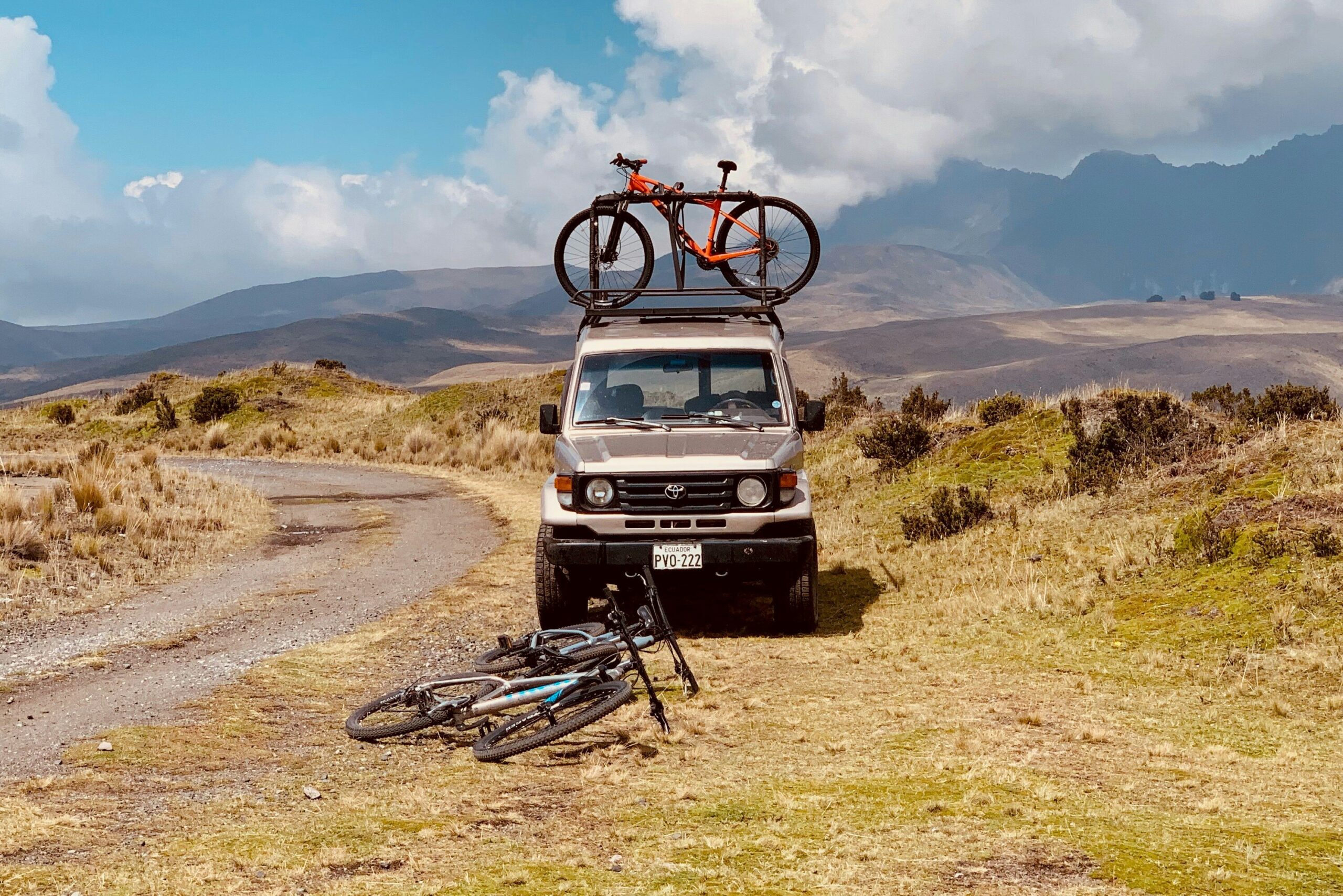
A guide to the cycling history, bicycle culture, and bike routes
Everything we’ve written about Olón.
First-time tips for Olón, Ecuador: An independent travel guide
The history of Olón, Ecuador: From ancient Valdivia to slow travel haven
Is Olón safe to visit? An expert 2026 travel safety guide
Where to stay in Olón, Ecuador: Best independent hotels and hostels
Best places to eat in Olón, Ecuador | Independent food guide
A guide to coastal Ecuadorian foods to try in Olón
Top attractions in Olón, Ecuador | Sights & things to do
Ecuador.
Pure wonder on the equator.